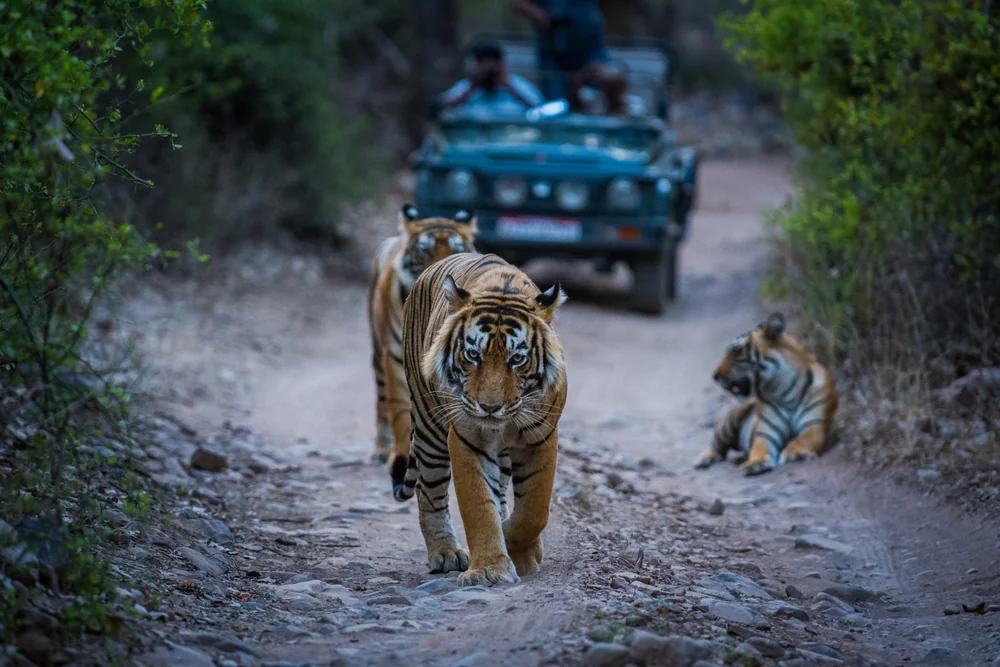
Ranthambore, India's most famous tiger reserve, sits at the Aravalli-Vindhya junction, sheltering over 70 tigers alongside the iconic 10th-century Ranthambore Fort.
Bengal Tiger
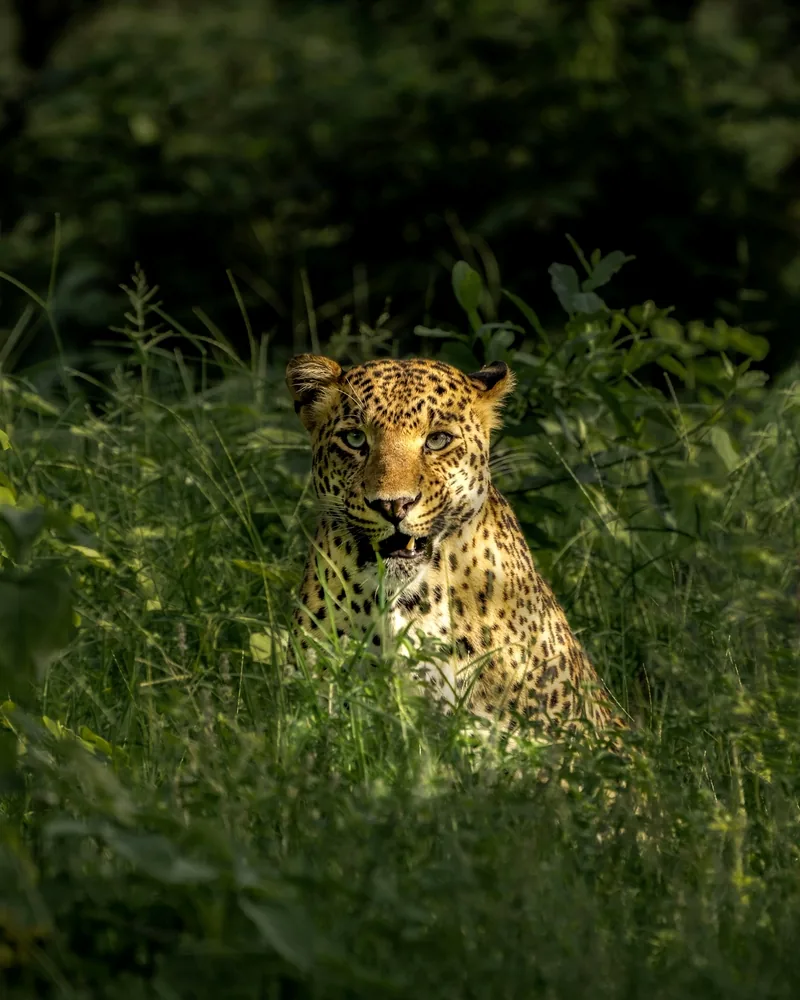
Indian Leopard
Mugger Crocodile
Sambar Deer

State-Wise, region wise & animal interest wise wildlife park guide
Explore every national park and tiger reserve in India, organized state-wise with essential travel information, wildlife highlights, and safari insights.
Ranthambore, India's most famous tiger reserve, sits at the Aravalli-Vindhya junction, sheltering over 70 tigers alongside the iconic 10th-century Ranthambore Fort.
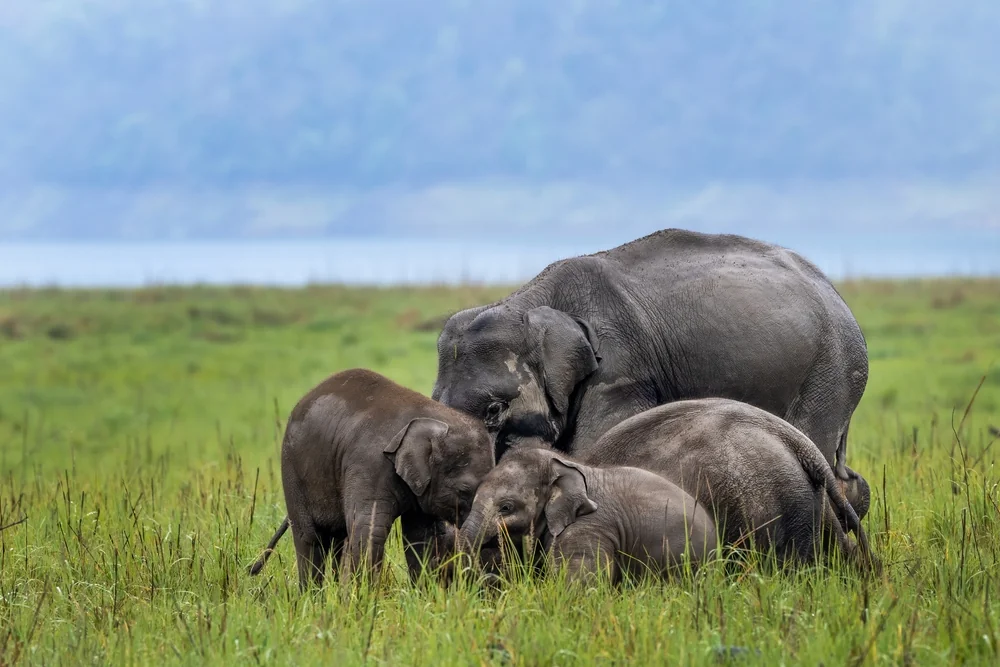
Jim Corbett, India's oldest and most celebrated national park, shelters over 260 tigers across 5 safari zones, with the mighty Ramganga River winding through its storied sal forests.

Bandhavgarh holds India's highest tiger density, set across ancient Vindhya Hills sal forests, with the iconic Bandhavgarh Fort at its historic, wildlife-rich core.

Tadoba, the 'Jewel of Vidarbha', is Maharashtra's largest and oldest tiger reserve, sheltering 80+ tigers across teak forests, marshlands, and the iconic Tadoba Lake.
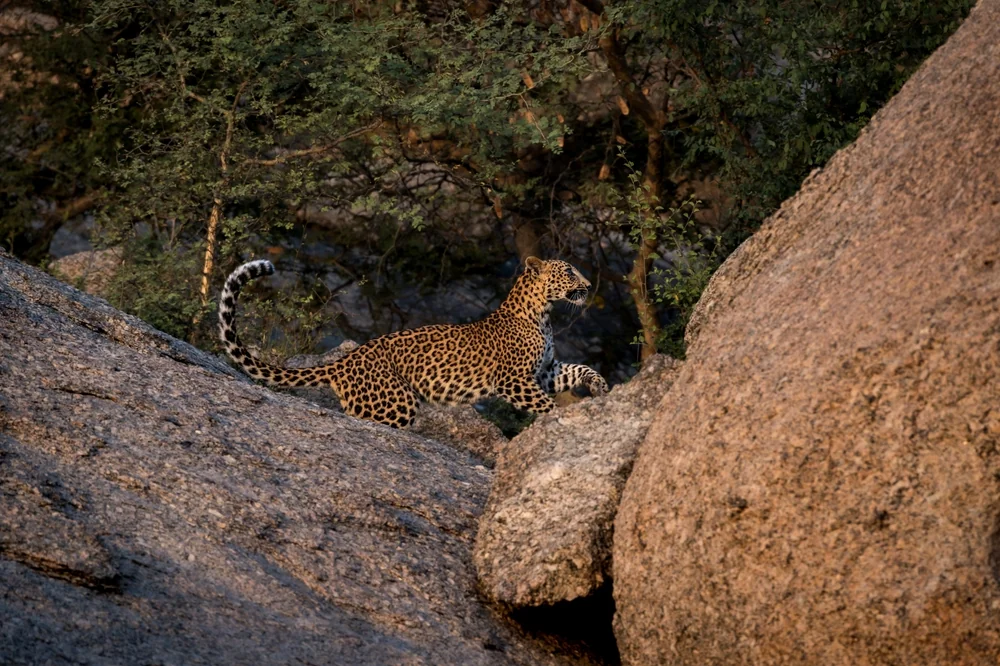
Jawai hosts India's highest leopard density among granite boulder hills, where the big cats share a uniquely harmonious bond with the local Rabari tribal communities.

Gir is the world's only wild habitat of the Asiatic Lion, sheltering 674+ lions across Saurashtra's dry deciduous forests alongside the Kamleshwar Dam.

Bandipur, once the Maharaja of Mysore's hunting ground, anchors the Nilgiri Biosphere Reserve's tiger landscape alongside Nagarhole, Mudumalai, and Wayanad across four states.

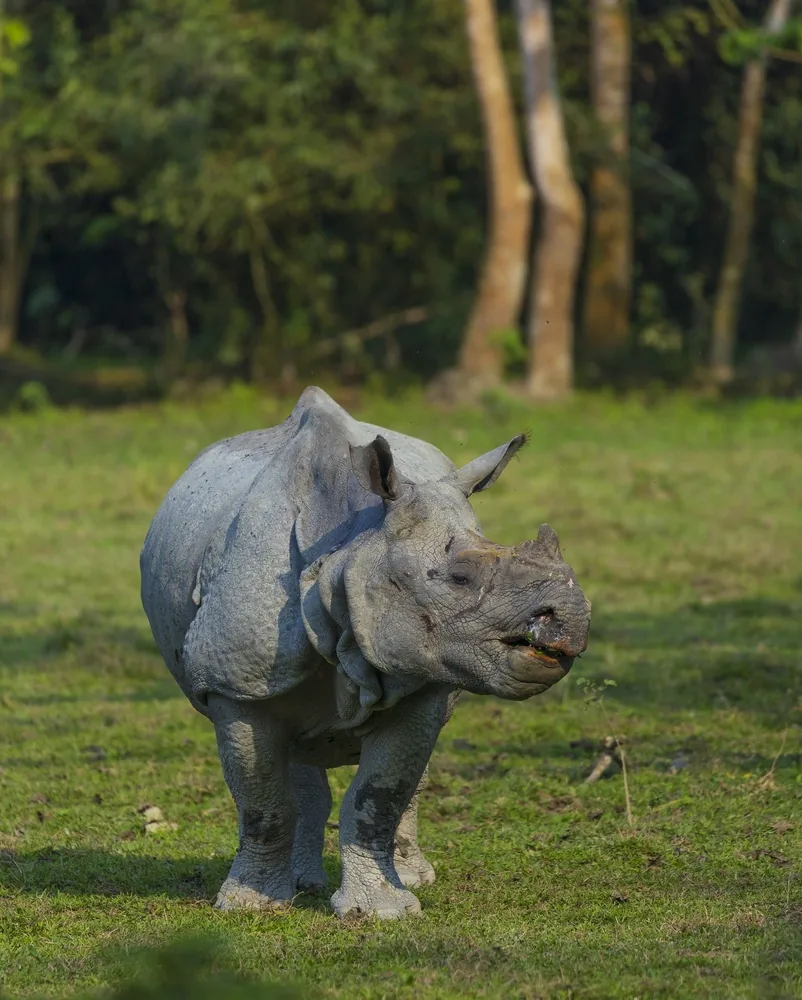
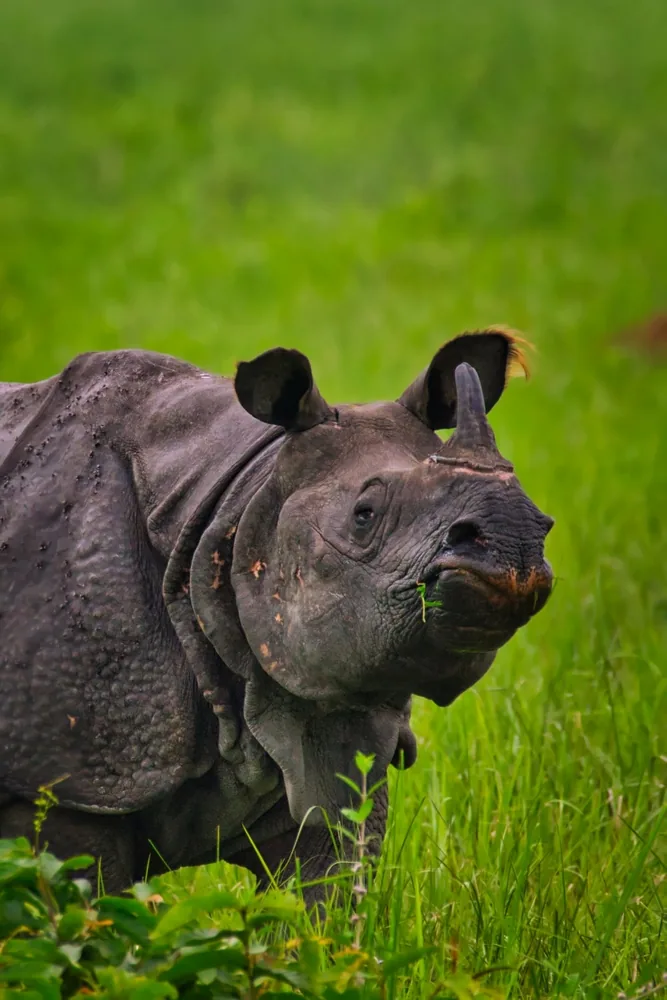
Kaziranga, a UNESCO World Heritage Site, hosts two-thirds of the world's Indian one-horned rhinoceroses, alongside the world's densest tiger population along the mighty Brahmaputra River.

Pilibhit, the Terai's rising star reserve, harbours dense sal forests, swamps, and Bengal floricans along the Nepal border — India's first reserve to triple its tiger population within a decade.

Mudumalai, meaning 'ancient hill range', sits at the Karnataka–Kerala tri-junction within the Nilgiri Biosphere Reserve, hosting 48 tigers, wild elephants, and 266 bird species.
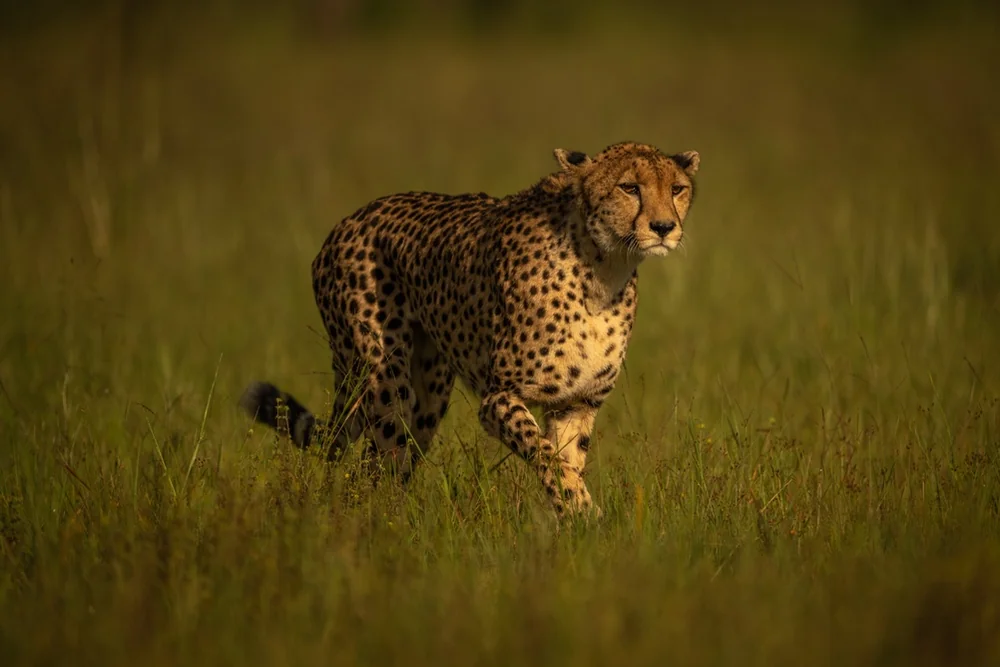
Kuno made global headlines hosting India's reintroduced African Cheetahs under Project Cheetah 2022, set across Vindhya foothills with savannah grasslands and the Kuno River.
Bandhavgarh holds India's highest tiger density, set across ancient Vindhya Hills sal forests, with the iconic Bandhavgarh Fort at its historic, wildlife-rich core.
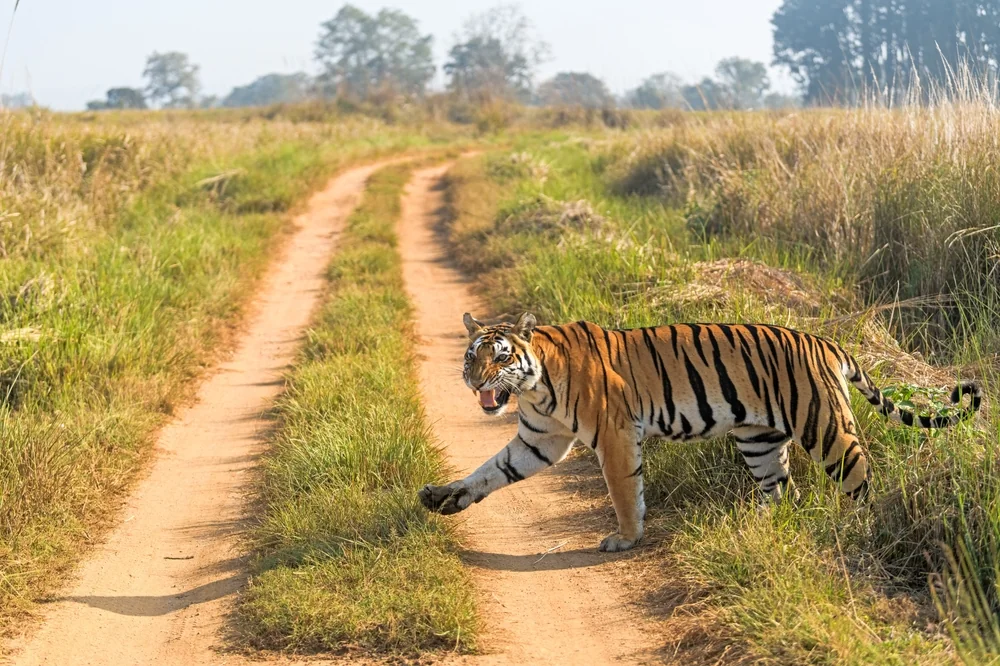
Kanha, inspiration for Kipling's The Jungle Book, is prime habitat of the rare hard-ground Barasingha and one of India's finest tiger reserves.

Panna is a remarkable tiger recovery success story near Khajuraho, where the Ken River winds through scenic dry deciduous forests and Raneh Falls.
Kuno made global headlines hosting India's reintroduced African Cheetahs under Project Cheetah 2022, set across Vindhya foothills with savannah grasslands and the Kuno River.

Satpura uniquely offers walking safaris, canoe rides, and boat safaris along the Denwa River, within the Pachmarhi UNESCO Biosphere Reserve's rugged sandstone terrain.
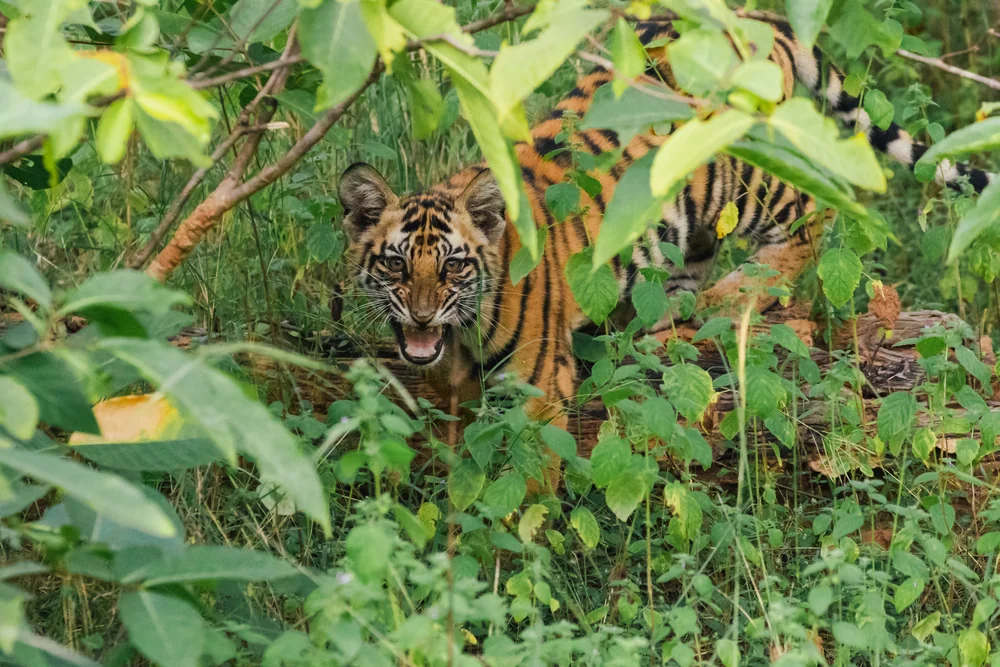
Sanjay Dubri is a vital tiger corridor linking Kanha and Bandhavgarh reserves, historically known as the birthplace of the legendary white tiger Mohan.

Pench, another Jungle Book muse, straddles MP and Maharashtra with high tiger sighting frequency, teak forests, open meadows, and the scenic Pench River flowing through.

Veerangana Durgavati, MP's newest tiger reserve (2023), forms a major green corridor connecting Panna, Bandhavgarh, and Kanha across vast dry deciduous central Indian forests.
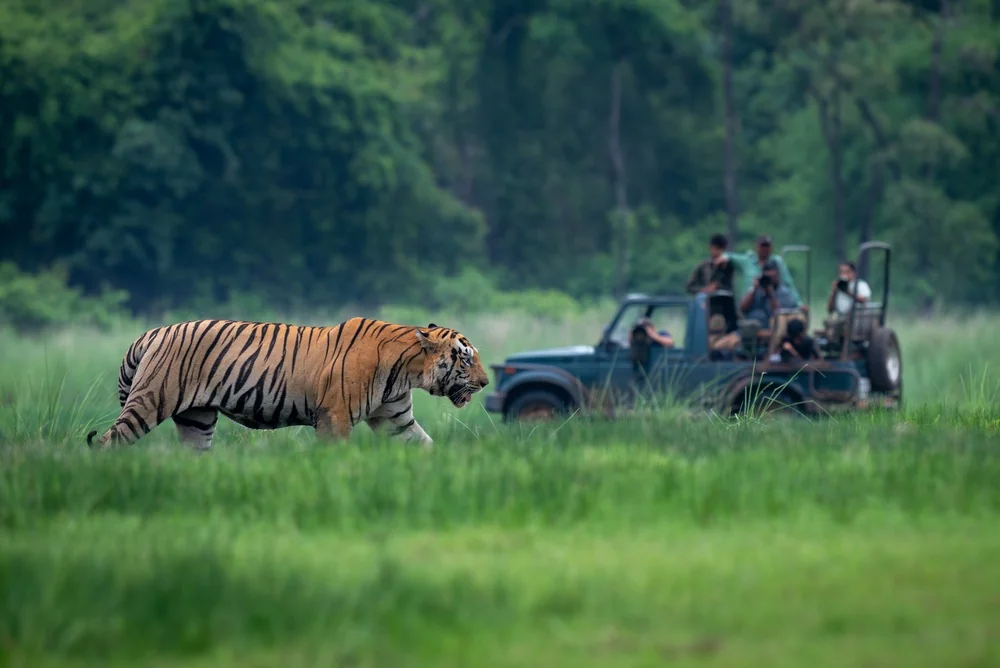
Ratapani, India's 57th tiger reserve (2024), neighbours Bhopal and shelters the UNESCO World Heritage Bhimbetka rock shelters amid teak forests and rocky wildlife-rich hills.

Madhav, India's 58th tiger reserve (2025), is a former Scindia royal hunting ground linking Ranthambhore and Panna, with two stunning lakes attracting rich migratory birdlife.
Ranthambore, India's most famous tiger reserve, sits at the Aravalli-Vindhya junction, sheltering over 70 tigers alongside the iconic 10th-century Ranthambore Fort.

Sariska, the world's first reserve to successfully relocate tigers, is nestled in the Aravallis near Alwar, blending tiger habitats with ancient temple ruins.
Jawai hosts India's highest leopard density among granite boulder hills, where the big cats share a uniquely harmonious bond with the local Rabari tribal communities.

Jhalana is India's first urban leopard reserve, remarkably located inside Jaipur city, offering reliable leopard sightings just 20 minutes from Hawa Mahal.

Amagarh, Rajasthan's third and newest leopard safari, sits in the Aravalli Hills near Galta, sheltering 16 leopards and 250 bird species just 30 minutes from Jaipur.

Ramgarh Vishdhari, Rajasthan's fourth tiger reserve (2022), acts as a vital wildlife corridor between Ranthambore and Mukundara Hills through scenic Bundi forests.

Mukandra Hills, flanked by Banas and Chambal rivers, is a growing tiger reserve in southern Rajasthan known for dramatic ravines, ancient ruins, and reviving big cat numbers.

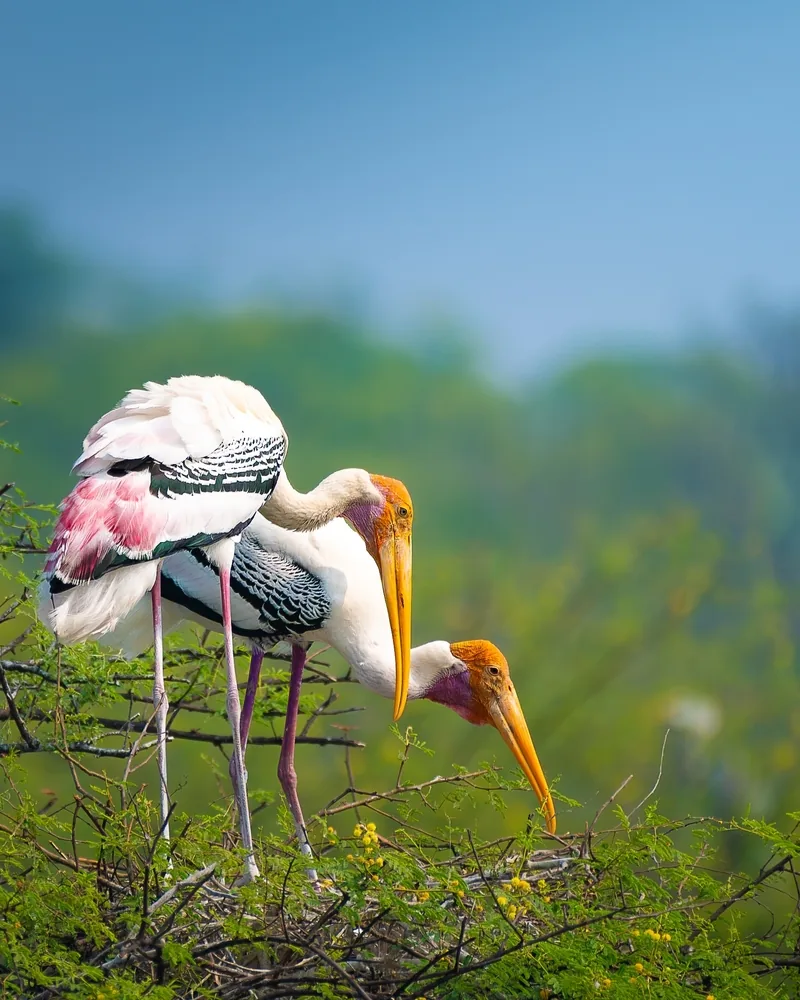
Keoladeo, a UNESCO World Heritage Site, is Asia's finest bird sanctuary hosting 370+ species across marshlands, earning the title of world's best avian breeding ground.

Dholpur-Karauli, India's 54th tiger reserve (2023), bridges Ranthambore and Madhav reserves, sheltering 8–10 tigers across the Chambal's rugged, ravine-carved landscapes.
Gir is the world's only wild habitat of the Asiatic Lion, sheltering 674+ lions across Saurashtra's dry deciduous forests alongside the Kamleshwar Dam.

Velavadar's golden Saurashtra grasslands host over 3,000 blackbucks — India's fastest antelope — alongside wintering Siberian harriers in a unique pastoral landscape.

India's first marine national park protects 42 coral reef islands in the Gulf of Kutch, sheltering dugongs, green sea turtles, and over 70 species of hard coral.

Vansda, a former Maharaja's private forest, shelters one of Gujarat's densest Western Ghats canopies, with towering teak trees blocking sunlight and the picturesque Gira Falls within.

The world's largest wild ass sanctuary protects India's last population of the Indian Wild Ass across the surreal salt desert of the Little Rann of Kutch.
Tadoba, the 'Jewel of Vidarbha', is Maharashtra's largest and oldest tiger reserve, sheltering 80+ tigers across teak forests, marshlands, and the iconic Tadoba Lake.

Tipeshwar, an emerging tiger hotspot in Vidarbha, offers intimate wildlife encounters across dense teak forests and rocky terrain along the Painganga River valley.

Umred Karhandla, Maharashtra's hidden tiger gem near Nagpur, is a key Vidarbha corridor linking Tadoba, Pench, Bor, and Nagzira reserves through teak-bamboo forests.

Bor, Maharashtra's smallest but thriving tiger reserve near Nagpur, shelters tigers around the scenic Bor Dam basin, serving as a key Vidarbha wildlife corridor.

Nawegaon–Nagzira, the heart of central India's tiger landscape, hosts 60% of Maharashtra's bird species around its pristine lake, dense sal forests, and rich wetlands.

Melghat, one of India's original nine Project Tiger reserves, sprawls across Satpura's Satmala hills, with five rivers and over 82 tigers in pristine dry deciduous forests.

Sahyadri, nestled in the northern Western Ghats UNESCO biodiversity hotspot, merges three sanctuaries — Koyna, Chandoli, and Radhanagari — in a mosaic of evergreen splendour.
Jim Corbett, India's oldest and most celebrated national park, shelters over 260 tigers across 5 safari zones, with the mighty Ramganga River winding through its storied sal forests.

Rajaji, formed by merging three wildlife sanctuaries along the Shivalik foothills, is renowned for elephant herds, over 300 bird species, and the sacred Ganga River flowing through it.

Nanda Devi surrounds India's second-highest peak at 7,816 m within a UNESCO World Heritage Site, sheltering snow leopards, Himalayan brown bears, and 312 alpine floral species.

Valley of Flowers, a UNESCO World Heritage gem, explodes into colour each monsoon with 600+ alpine wildflower species — discovered accidentally by British mountaineer Frank Smythe in 1931.
Kaziranga, a UNESCO World Heritage Site, hosts two-thirds of the world's Indian one-horned rhinoceroses, alongside the world's densest tiger population along the mighty Brahmaputra River.
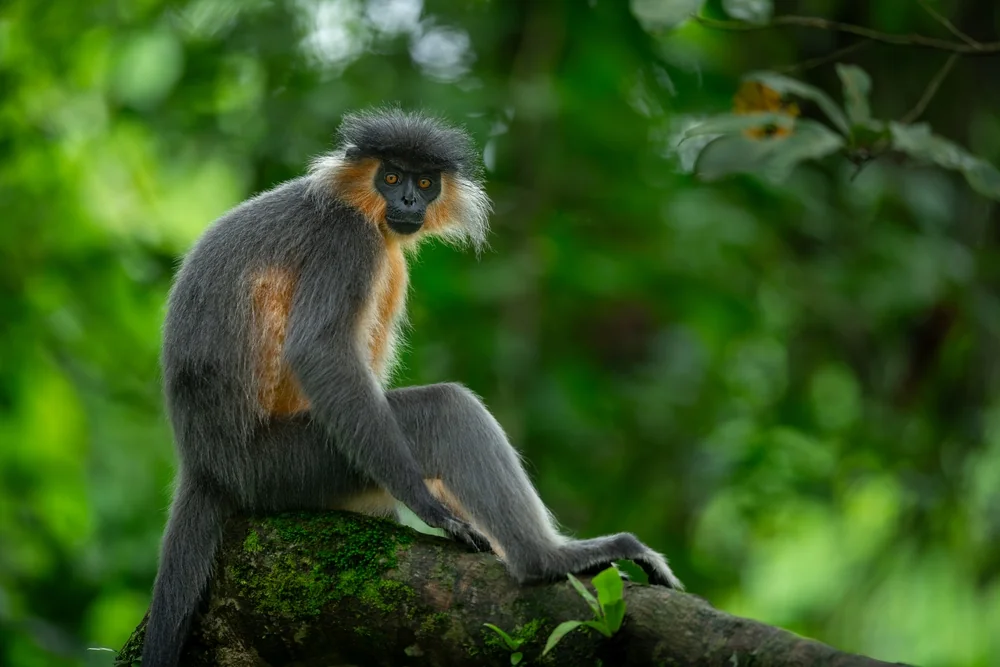
Manas, a UNESCO World Heritage and Tiger Reserve, borders Bhutan's Royal Manas Park, protecting the world's largest Bengal Florican population and the rare Pygmy Hog.
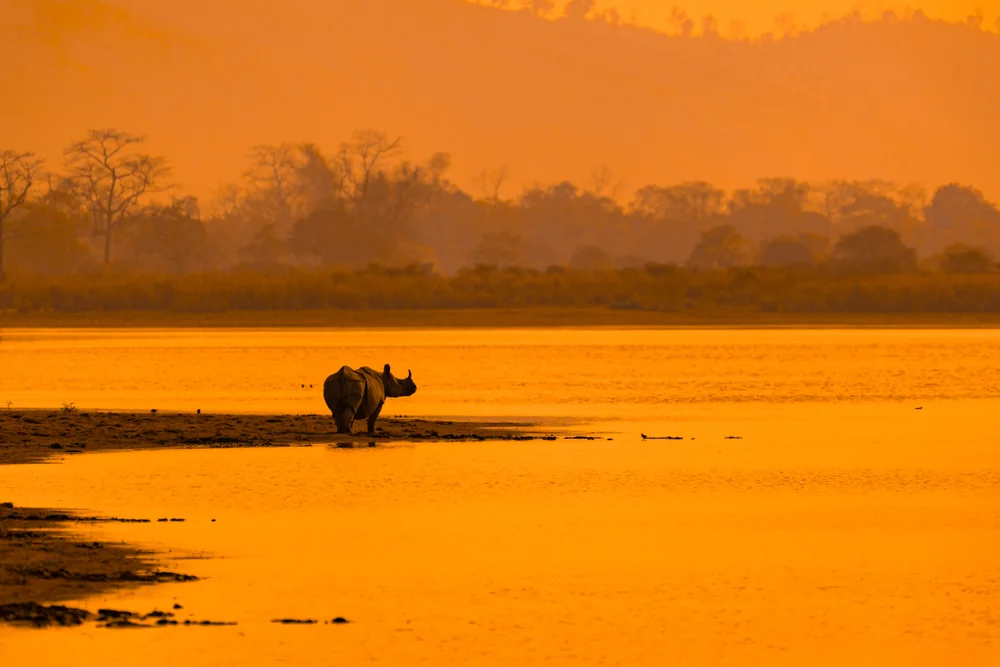
Orang, 'the mini-Kaziranga', is the oldest game reserve of Assam on the northern Brahmaputra bank, sheltering rhinos, tigers, and 222 bird species in its compact but rich floodplains.

Nameri, bordering Arunachal Pradesh, offers Assam's finest river rafting on the Jia Bhoroli River alongside pristine forests sheltering the White-winged Wood Duck and clouded leopards.

Sundarban, the world's largest mangrove forest and UNESCO site, shelters the legendary swimming Bengal Tiger, saltwater crocodiles, and Irrawaddy dolphins across a labyrinthine tidal delta.

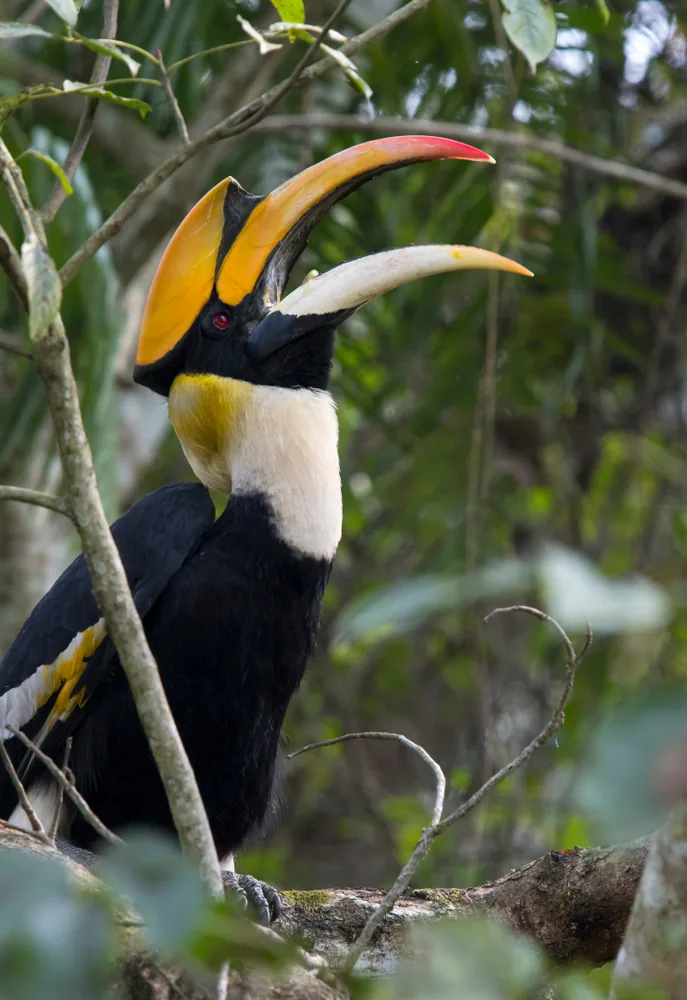
Buxa, bordering Bhutan and Assam's Manas reserve, is a biodiversity corridor sheltering the endangered Golden Langur alongside tigers, clouded leopards, and the Great Pied Hornbill.

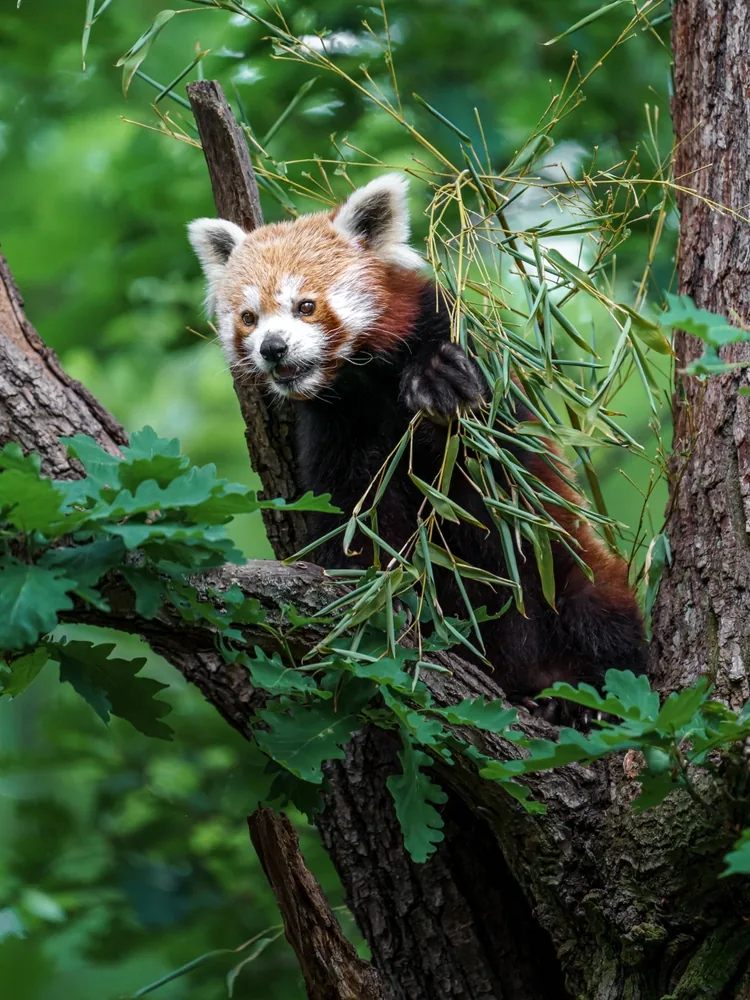
Singalila, perched along the Singalila Ridge above 2,000 m, offers spectacular views of Kangchenjunga while sheltering Red Pandas, clouded leopards, and rich Himalayan birdlife.
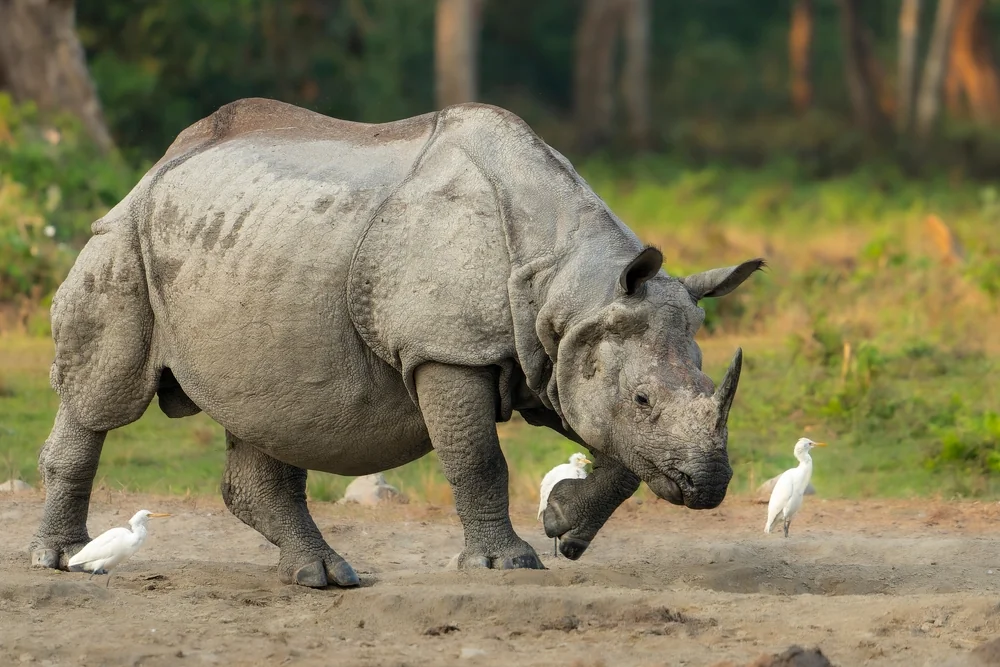
Jaldapara, in the Himalayan foothills, harbours the largest population of Indian one-horned rhinoceros in West Bengal, accessible via iconic elephant back safaris across its lush grasslands.

Gorumara, nestled in the Dooars foothills by the Murti River, is a compact but extraordinarily rich park famous for close-range Indian rhinoceros and gaur encounters.

Dudhwa, bordering Nepal's Terai forests, is the last stronghold of the endangered Swamp Deer and Hispid Hare, sheltering tigers within tall Terai sal forests and grasslands.
Pilibhit, the Terai's rising star reserve, harbours dense sal forests, swamps, and Bengal floricans along the Nepal border — India's first reserve to triple its tiger population within a decade.
Bandipur, once the Maharaja of Mysore's hunting ground, anchors the Nilgiri Biosphere Reserve's tiger landscape alongside Nagarhole, Mudumalai, and Wayanad across four states.

Nagarhole, famous for India's highest tiger density and rare Black Panther sightings, borders the Kabini reservoir, creating a stunning mosaic of forests, wetlands and grasslands.

Bhadra, named after the Bhadra River, is a serene Western Ghats reserve sheltering Malabar giant squirrels and the critically endangered Lion-tailed Macaque among its shola grasslands.
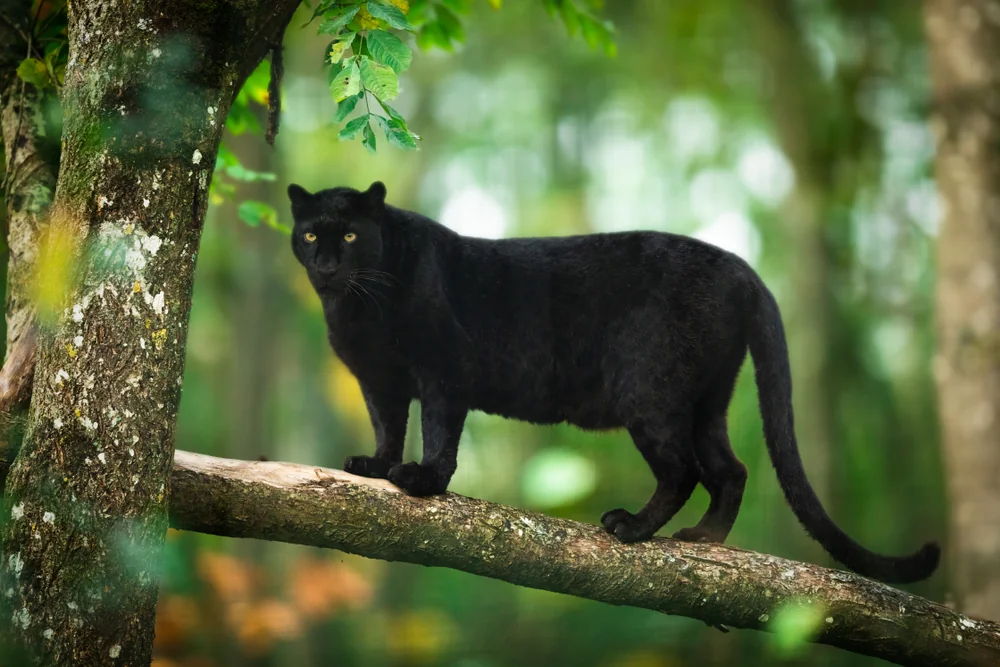
Kali, nestled in the lush Dandeli-Anshi forests of the Western Ghats, is celebrated for thrilling river safaris and rare Black Panther sightings amid bamboo thickets and whistling streams.

BRT is a rare ecological meeting point of the Western and Eastern Ghats, enabling gene flow between these mountain ranges, sheltering the Soliga tribal community within its evergreen hills.

Periyar, ranked India's best-managed tiger reserve, enchants visitors with boat safaris on the scenic Periyar Lake, where herds of wild elephants bathe at the water's edge.

Parambikulam, nestled between the Anamalai and Nelliampathy Hills, shelters 39 mammal species including the Nilgiri Tahr and India's largest known teak tree — the Kannimara Teak.

Muthanga, the gateway to Wayanad's wildlife, forms a critical migratory corridor between Bandipur, Nagarhole, and Mudumalai — one of the few places to spot two critically endangered vulture species.

Wayanad Wildlife Sanctuary, part of the Nilgiri Biosphere Reserve, connects Karnataka's tiger reserves with Kerala's wilderness across four lush hill ranges of spice-rich forests.
Mudumalai, meaning 'ancient hill range', sits at the Karnataka–Kerala tri-junction within the Nilgiri Biosphere Reserve, hosting 48 tigers, wild elephants, and 266 bird species.

Sathyamangalam is Tamil Nadu's largest wildlife sanctuary, bridging the Eastern and Western Ghats, connecting Bandipur, BRT, Mudumalai, and Nagarhole into a single vast landscape.

Anamalai, carved from the Anamalai Hills UNESCO Biodiversity Hotspot, shelters the largest population of Nilgiri Tahr and a thriving tiger community in the Western Ghats.

Kalakad–Mundanthurai is called the 'River Sanctuary', as 14 rivers originate here. Part of Agasthyamalai Biosphere Reserve, it holds 84 globally threatened species.
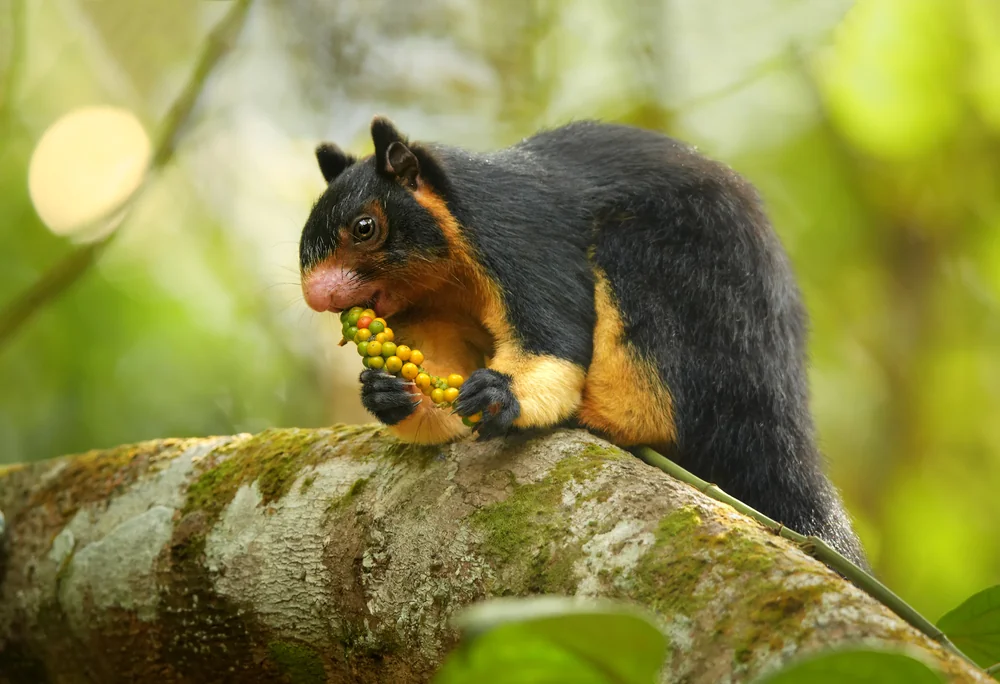
Srivilliputhur Megamalai, India's 51st tiger reserve (2021), links Periyar and Kalakad reserves, protecting the endangered Grizzled Giant Squirrel through stunning Western Ghats evergreen forests.
Discover India's national parks and tiger reserves by region to easily plan wildlife journeys across North, South, East, West, Central, and Northeast India.


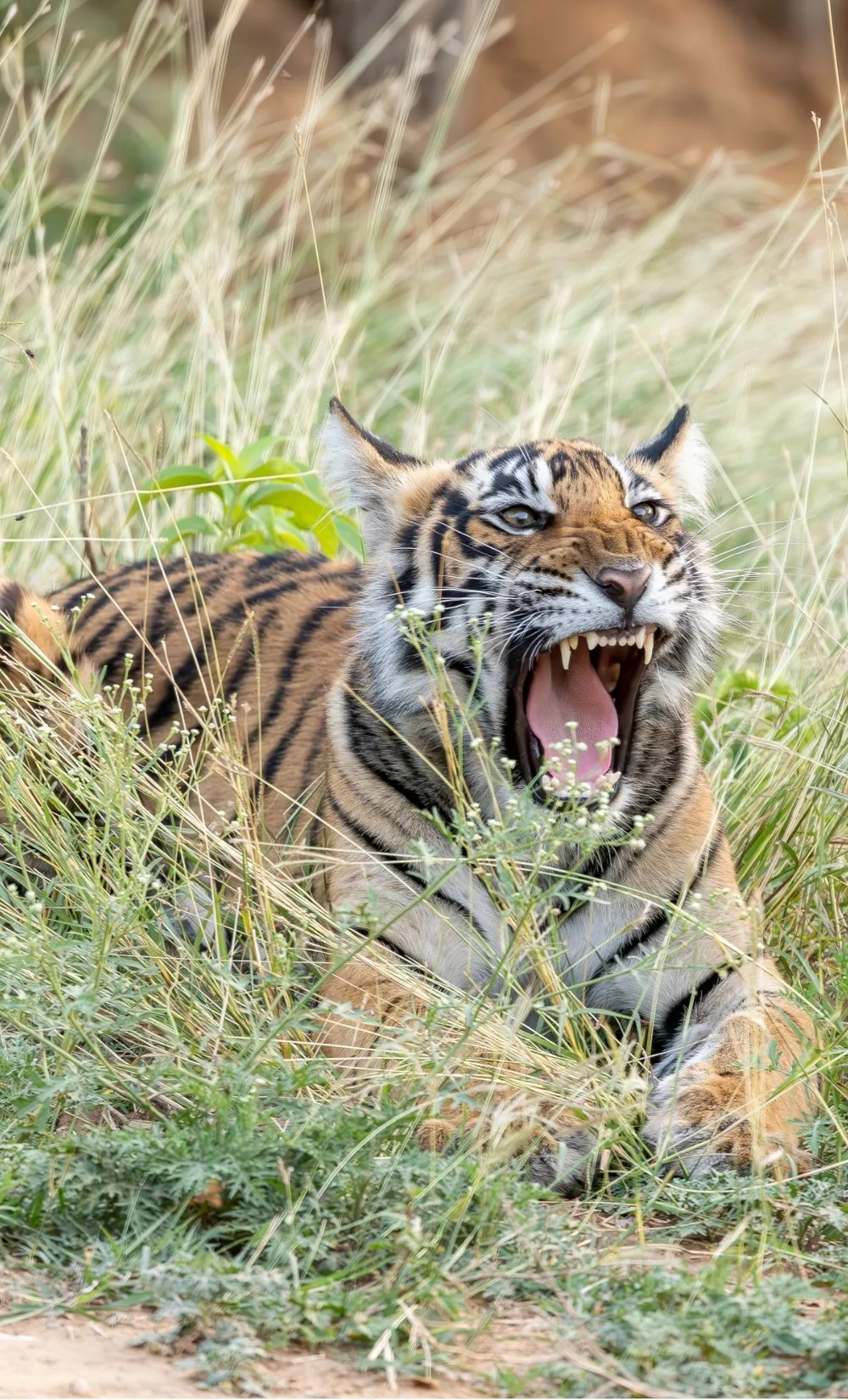


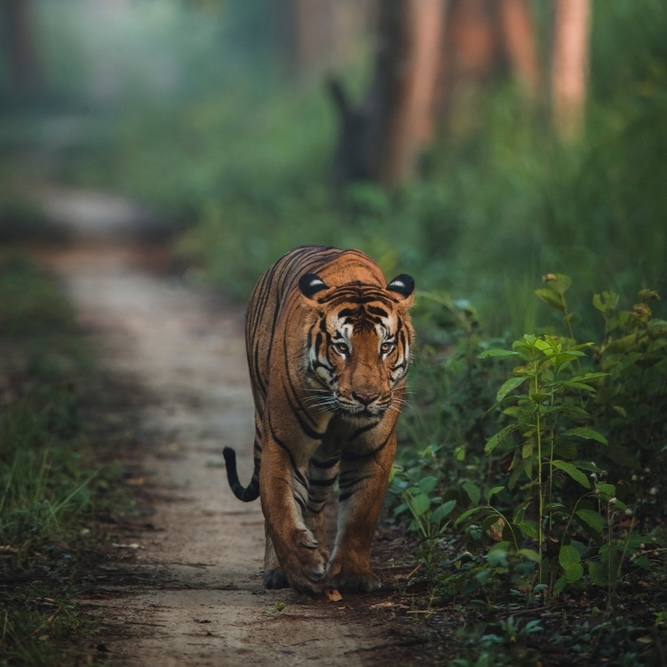
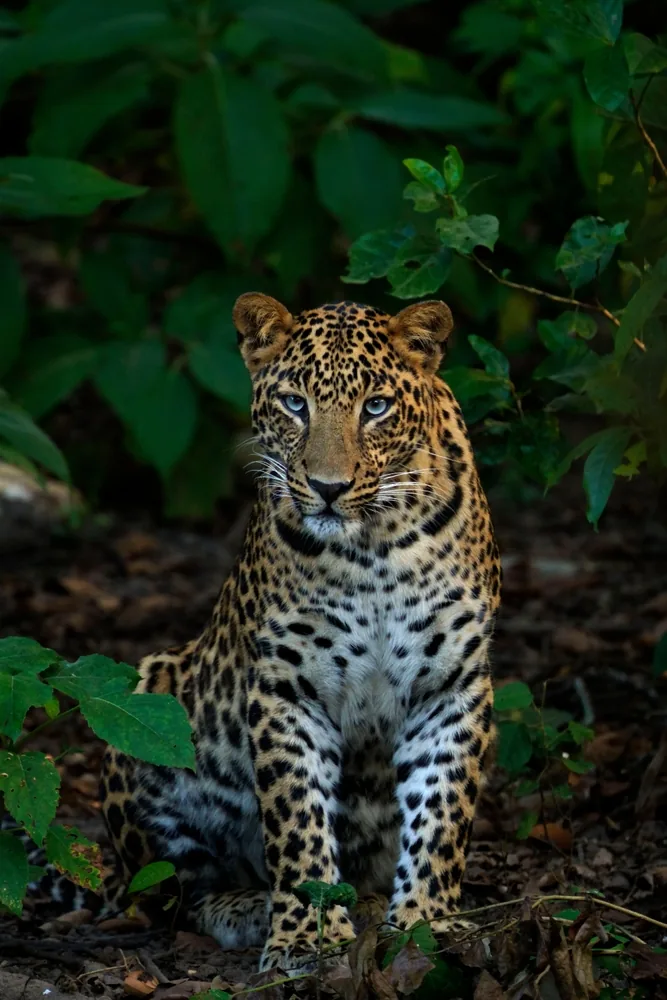

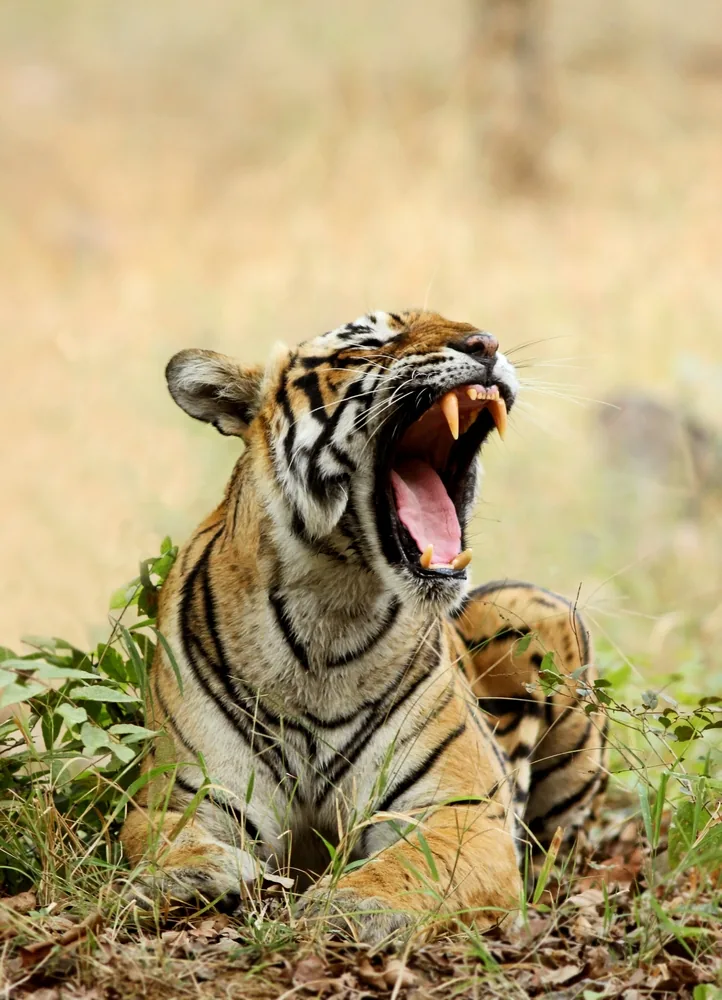


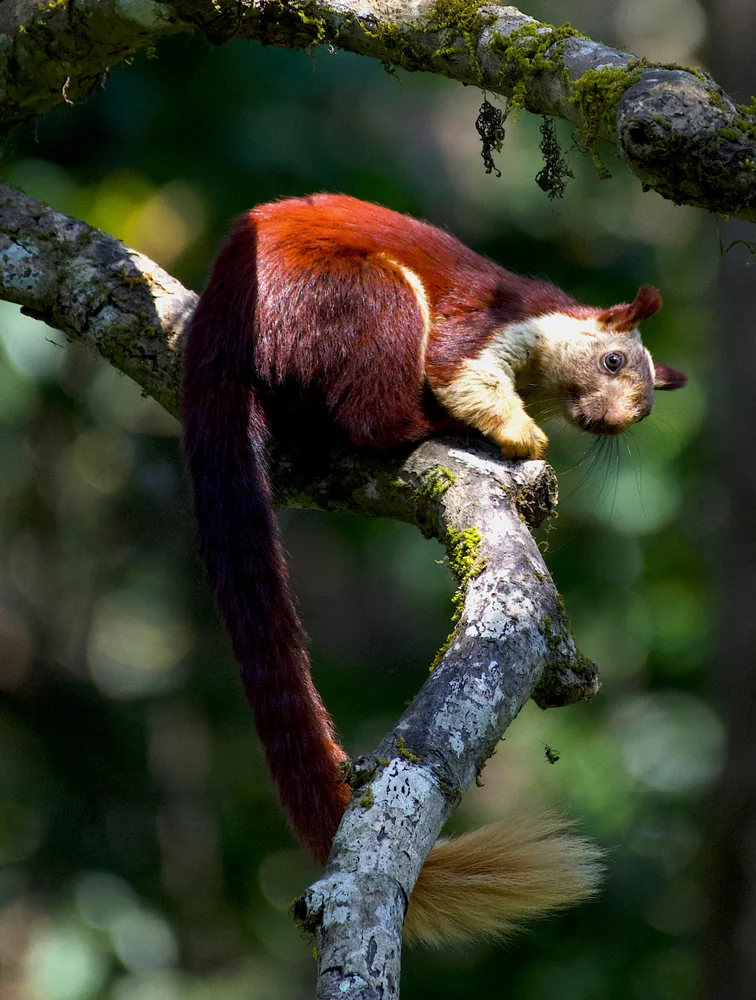


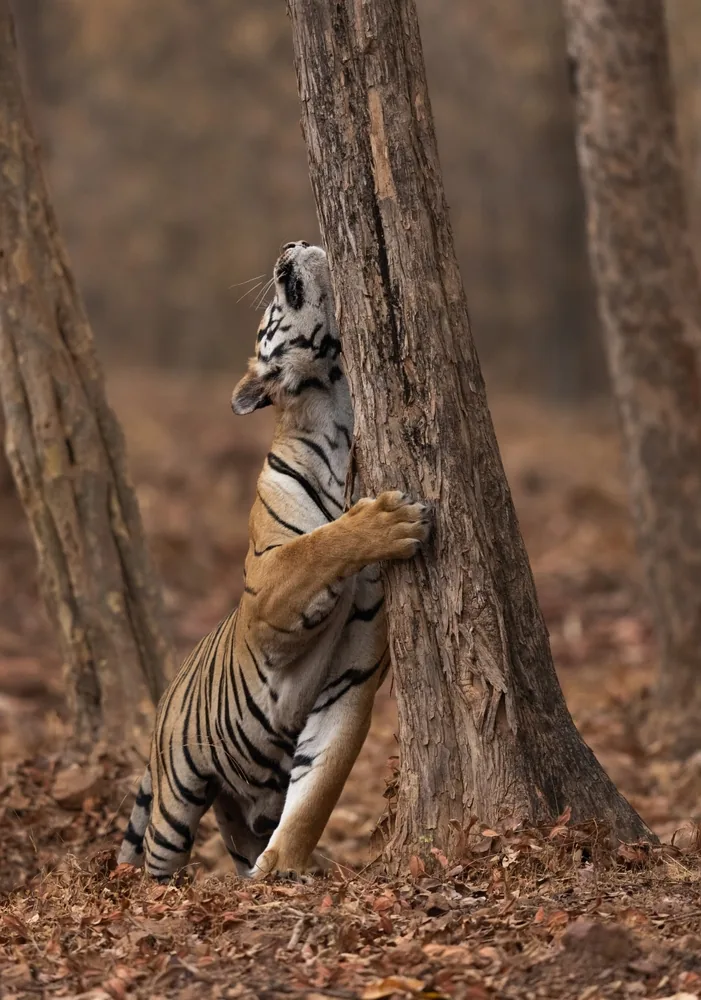


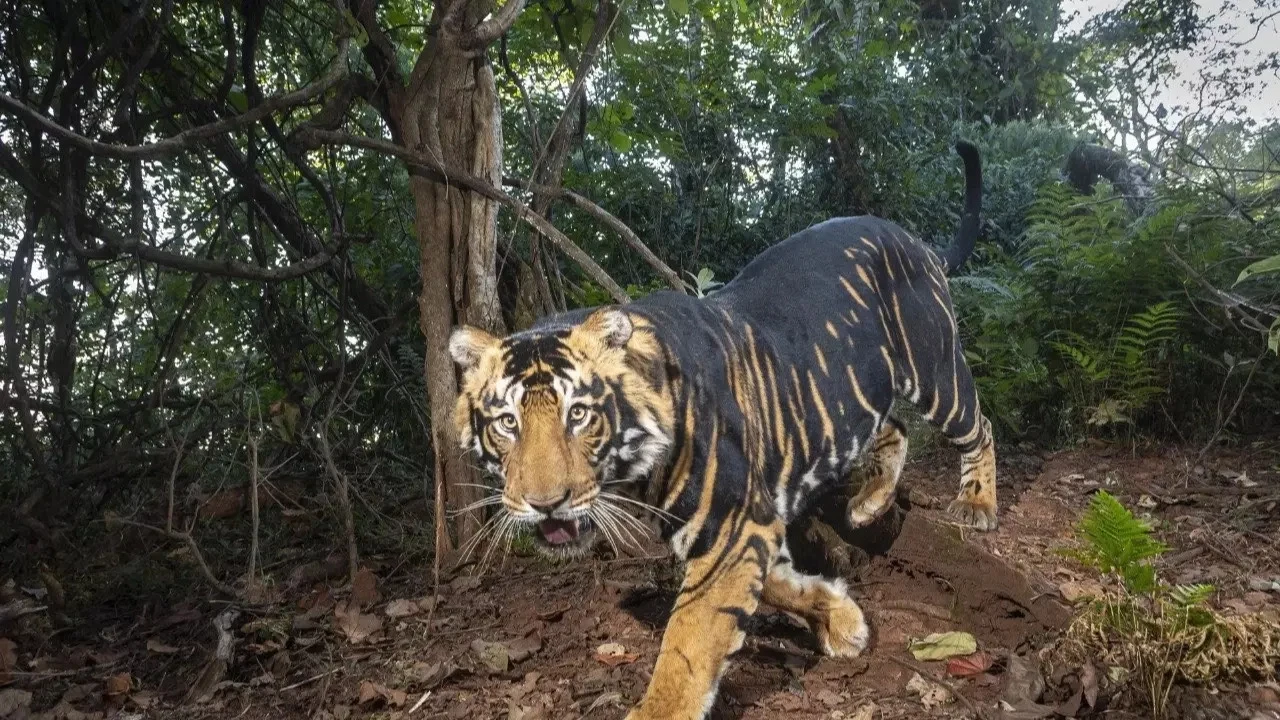


Choose the species you most want to see and discover the best parks and reserves across India to spot them in the wild.

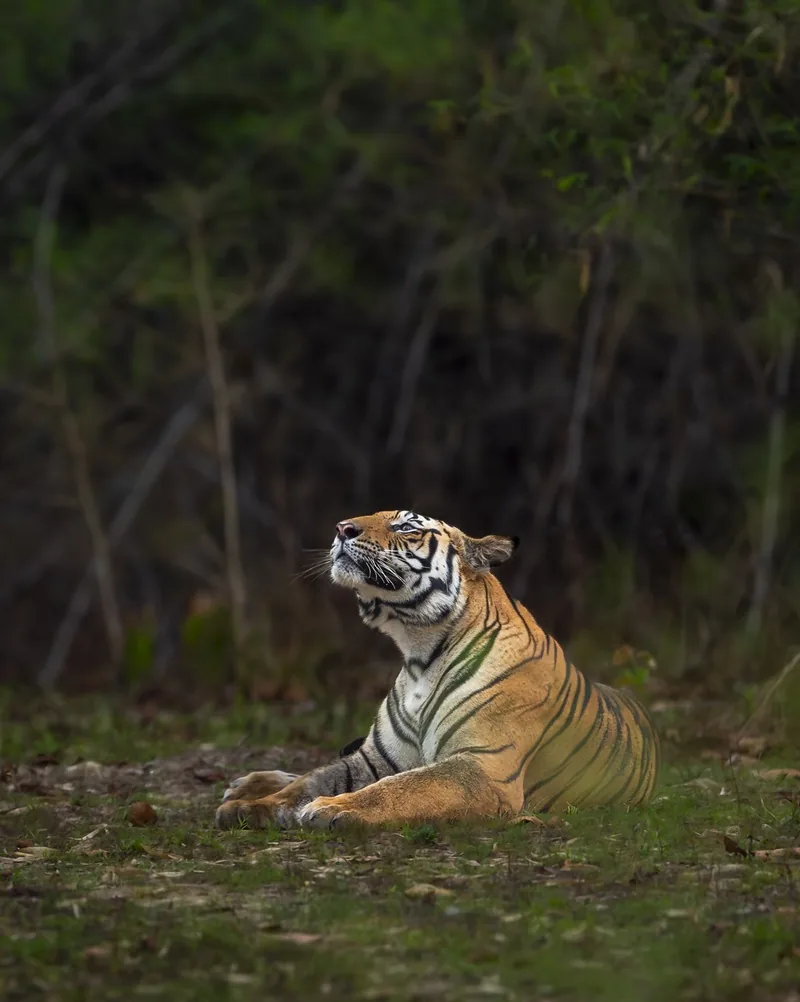


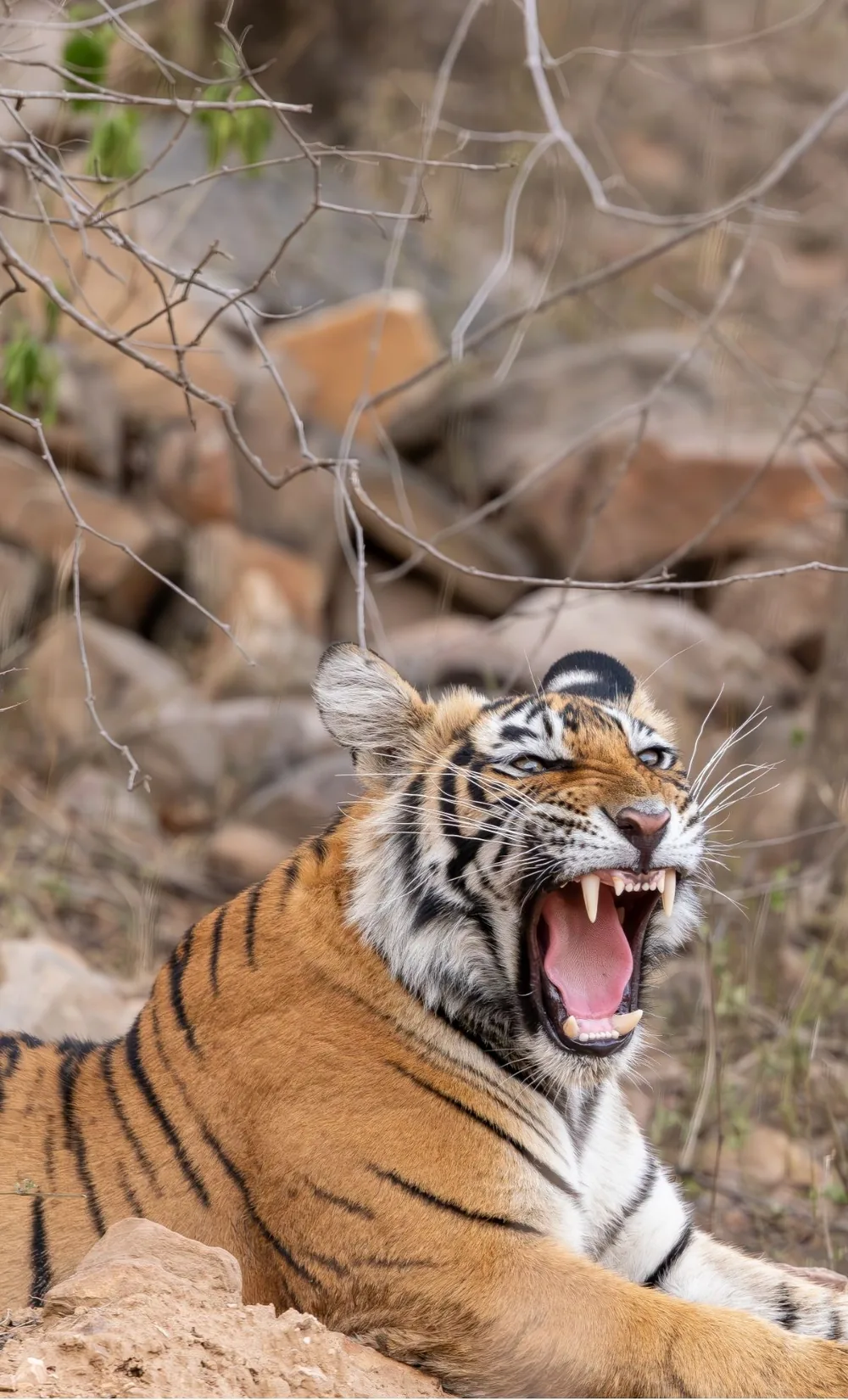


Some of the top tiger reserves in India include Ranthambore (Rajasthan), Bandhavgarh (MP), Kanha (MP), Tadoba (Maharashtra), Jim Corbett (Uttarakhand), Kaziranga (Assam), Nagarhole (Karnataka), and Sundarbans (West Bengal). These parks offer high tiger populations and excellent safari experiences.
Madhya Pradesh, known as the Tiger State of India, has the highest number of tiger reserves including Bandhavgarh, Kanha, Satpura, Pench, Panna, Sanjay Dubri, and Kuno.
Bandhavgarh, Tadoba, Ranthambore, Pench, and Jim Corbett are among the best national parks for reliable tiger sightings due to high tiger density and open forest landscapes.
The best time for tiger safaris is February to June, when animals come out to water bodies. Parks remain open from October to June, while monsoon months see many reserves closed.
India has 108 national parks covering diverse landscapes—from Western Ghats rainforests to Himalayan foothills and eastern grasslands.
Kaziranga National Park and Manas National Park in Assam, along with the Sundarbans in West Bengal, are UNESCO World Heritage Sites due to their exceptional wildlife value.
The Nagarjunsagar–Srisailam Tiger Reserve, spread across Telangana and Andhra Pradesh, is the largest tiger reserve in India by area.
Jim Corbett, Ranthambore, Pench, Kanha, and Kaziranga are ideal for families due to good tourism infrastructure, accessible zones, and varied accommodation options.
Safaris can be booked online through Wild Enthusiast’s safari booking third party platform in advance for each park. Zones, vehicle types, and timings vary by park.
Depending on the park, you can see elephants, leopards, Asiatic lions, rhinos, sloth bears, wild dogs (dholes), crocodiles, barasingha, deer species, and hundreds of bird species.
Jawai, Jhalana, Amagarh (Rajasthan) and Bera region are the top destinations for leopard sightings in India, followed by Nagarhole and Bhadra in Karnataka.
Kaziranga, Bharatpur Keoladeo, Satpura, Mahananda, Dudhwa, and Nameri are among the best destinations for bird watchers.
Most parks close during the monsoon (July–September). However, some parks like Periyar, Jhalana, and Gir safari routes operate year-round with certain restrictions.
Carry neutral-coloured clothing, binoculars, sunscreen, caps, insect repellent, warm layers (in winter), and a good camera for photography.
Bandhavgarh, Tadoba, Ranthambore, Corbett, and Kaziranga are considered top wildlife photography parks due to open terrain and light conditions.
India is home to an extraordinary variety of national parks, tiger reserves, and wildlife sanctuaries. From lush sal forests and grasslands to Himalayan foothills and coastal mangroves, each destination offers a unique mix of landscapes, wildlife species, and safari experiences.
This detailed guide provides state wise, descriptive insights into India’s top wildlife destinations—including famous tiger reserves, rising leopard hotspots, UNESCO World Heritage national parks, and hidden forest gems.
Perfect for wildlife travellers, photographers, and anyone planning a safari across India.
Bandhavgarh National Park, located in Madhya Pradesh, is one of India's most celebrated tiger reserves and a premier wildlife destination in Central India. Renowned for having one of the highest tiger densities in the world, this park spreads across lush sal forests and rugged vindhyan hills. Beyond tigers, visitors can spot leopards, sloth bears, gaur, and over 250 bird species. The ancient Bandhavgarh Fort adds a historical dimension to every jungle safari. Best visited between October and June, Bandhavgarh promises thrilling wildlife encounters. Book your Bandhavgarh safari today for an unforgettable jungle experience in the heart of India.
Kanha National Park, the pride of Madhya Pradesh, is one of Asia's finest wildlife reserves and a UNESCO-recognized biosphere. Serving as the inspiration for Rudyard Kipling's "The Jungle Book," Kanha's sweeping meadows and dense forests shelter Bengal tigers, barasingha (hard-ground swamp deer), leopards, wild dogs, and Indian bison. With two zones — Kanha and Kisli — the park offers diverse safari experiences across all seasons. Meticulous conservation efforts have brought the barasingha back from near extinction. Plan your Kanha National Park safari for a world-class wildlife experience in India's most iconic jungle landscape.
Panna Tiger Reserve in Madhya Pradesh is a remarkable conservation success story — once devastated by poaching, tigers have made a stunning comeback here. Sitting along the Ken River, the reserve's rugged terrain, deep gorges, and golden grasslands create a dramatic backdrop for wildlife encounters. Visitors can spot tigers, leopards, wolves, jackals, vultures, and the endangered gharial. A boat safari on the Ken River offers unique wildlife viewing opportunities. Adjacent to the Khajuraho temples, Panna is ideal for combining culture and nature. Explore Panna Tiger Reserve for a truly rewarding wildlife experience in Madhya Pradesh.
Kuno National Park in Madhya Pradesh has earned global attention as the historic site of India's cheetah reintroduction project — the first large carnivore reintroduction in Asia. Spread across the Chambal region, this park hosts a rich ecosystem with leopards, wolves, striped hyenas, sloth bears, and abundant deer species. The Chambal river nearby adds to biodiversity. Kuno's dry deciduous forest creates a perfect habitat for diverse wildlife. As the cheetah population gradually establishes, Kuno is set to become India's most exciting safari destination. Visit Kuno National Park to witness history in the making and explore pristine wilderness.
Satpura Tiger Reserve, nestled in Madhya Pradesh's Satpura mountain range, offers one of India's most unique wildlife experiences. Unlike traditional jeep safaris, Satpura allows walking safaris, boat safaris on the Denwa River, and cycling tours, making it ideal for immersive wildlife adventures. The reserve shelters tigers, leopards, Indian giant squirrels, sloth bears, mugger crocodiles, and rare birds like the Malabar pied hornbill. Its rugged ravines, ancient rock art, and pristine forests create an extraordinary wilderness setting. Satpura Tiger Reserve is perfect for travellers seeking authentic, off-the-beaten-path wildlife experiences in Central India.
Sanjay Dubri Tiger Reserve, located in Madhya Pradesh's Shahdol district, is an emerging wildlife destination offering unspoiled wilderness far from crowded tourist circuits. This reserve shelters tigers, leopards, wild boar, sambhar, chital, and a rich variety of bird species. The Sone River adds a scenic dimension to the landscape, attracting water-dependent wildlife. As one of India's lesser-visited tiger reserves, Sanjay Dubri promises intimate wildlife encounters and excellent photographic opportunities. Its dense sal and mixed forests remain largely pristine, making it a true haven for nature enthusiasts. Discover Sanjay Dubri Tiger Reserve for a raw, authentic jungle experience.
Pench Tiger Reserve on the Madhya Pradesh side is a celebrated wildlife sanctuary straddling the Pench River, offering spectacular tiger sightings and diverse jungle experiences. Immortalised as the setting of Kipling's Jungle Book, Pench shelters tigers, leopards, wild dogs, Indian bison, and over 285 bird species. The park's open teak forest and grassland habitat make wildlife spotting remarkably rewarding. The Madhya Pradesh zone is particularly known for its high safari success rates and experienced naturalists. Combine your visit with Seoni's cultural sites nearby. Book a Pench Tiger Reserve safari today for a rich, rewarding Central Indian jungle adventure.
Veerangana Durgavati Tiger Reserve, newly established in Madhya Pradesh, is named after the courageous Gondwana queen and emerging as a significant wildlife corridor in Central India. Spread across the Damoh, Sagar, and Narsinghpur districts, this reserve serves as a vital buffer linking Panna and Satpura tiger habitats. Its diverse terrain — comprising dense forests, rocky hillocks, and streams — supports tigers, leopards, wolves, nilgai, and rich birdlife. As tourism infrastructure develops, early visitors can explore truly pristine landscapes. Veerangana Durgavati Tiger Reserve represents the future of conservation in Madhya Pradesh and promises exciting wildlife discoveries.
Ratapani Tiger Reserve, situated close to Bhopal in Madhya Pradesh, is a hidden gem offering accessible wildlife experiences for travellers visiting the state capital. The reserve's rocky plateaus, dense forests, and the Ratapani Dam reservoir create a rich mosaic of habitats supporting tigers, leopards, sloth bears, hyenas, crocodiles, and migratory waterbirds. Prehistoric rock paintings found within the forest boundary add archaeological wonder to a wildlife safari. Its proximity to Bhimbetka — a UNESCO World Heritage Site — makes Ratapani ideal for a combined heritage and nature tour. Explore Ratapani Tiger Reserve for a refreshingly diverse Madhya Pradesh wildlife experience.
Madhav Tiger Reserve, historically known as Madhav National Park in Madhya Pradesh, is steeped in royal heritage — once a hunting ground of the Scindia dynasty. Located in Shivpuri, the reserve's scrub forests, lakes, and rocky terrain shelter tigers, leopards, chinkara, nilgai, sloth bears, and migratory waterfowl. The picturesque Sakhya Sagar and Madhav Sagar lakes attract flamingos and other waterbirds during winter. Colonial-era hunting lodges within the park add heritage charm. With recent tiger reintroduction efforts underway, the reserve is gaining fresh conservation significance. Visit Madhav Tiger Reserve to experience the perfect blend of wildlife, history, and natural beauty.
Tadoba Andhari Tiger Reserve, Maharashtra's largest and oldest national park, is consistently ranked among India's best tiger destinations. Located in Chandrapur district, its teak forests, lakes, and open meadows make for exceptional wildlife viewing. Tadoba is famed for its highly visible tigers — often spotted in and around the scenic Tadoba Lake. The reserve also shelters leopards, sloth bears, wild dogs, Indian bison, and over 300 bird species. Multiple safari zones including Moharli, Kolsa, and Navegaon offer diverse experiences. With excellent lodges nearby, Tadoba is perfect for first-time and experienced wildlife enthusiasts alike.
Tipeshwar Wildlife Sanctuary in Yavatmal district, Maharashtra is a lesser-known but thrilling wildlife destination celebrated among avid tiger photographers. This compact sanctuary punches above its weight — tigers here are frequently spotted in open, well-lit conditions, making it a dream for wildlife photographers. Besides tigers, Tipeshwar shelters leopards, sloth bears, wild dogs, nilgai, and an impressive variety of birds. The sanctuary's small size and limited tourist traffic create an intimate safari atmosphere. Surrounded by tribal villages, visits here offer authentic cultural encounters. Discover Tipeshwar Wildlife Sanctuary for an exclusive, crowd-free tiger safari experience in Maharashtra.
Umred Karhandla Wildlife Sanctuary near Nagpur, Maharashtra rose to global fame through the legendary tigress Kolsa and her cubs who were featured in countless wildlife documentaries. This accessible sanctuary offers excellent big cat sightings, including tigers and leopards, set against the backdrop of dense forests and the Kanhan River. Wild dogs, gaur, sloth bears, and rich birdlife complete the wildlife tableau. Its proximity to Nagpur makes it an easy day trip or weekend getaway from the city. The sanctuary's dedicated conservation efforts have yielded remarkable results. Plan your Umred Karhandla safari for unforgettable wildlife moments just outside Nagpur.
Bor Tiger Reserve, Maharashtra's smallest tiger reserve near Wardha, is a pristine woodland that surprises visitors with its remarkable biodiversity. Despite its compact size, Bor shelters tigers, leopards, sloth bears, wild dogs, nilgai, and over 160 bird species. The Bor Dam reservoir adds scenic beauty and attracts an array of waterbirds. Its intimate safari experience and natural ambience make Bor a favourite among serious wildlife photographers seeking less-crowded alternatives to larger reserves. A visit here can be combined with a trip to Wardha and Sevagram — Gandhi's historic ashram. Discover Bor Tiger Reserve for a quiet yet rewarding Maharashtra wildlife adventure.
Nawegaon–Nagzira Tiger Reserve in Gondia and Bhandara districts, Maharashtra forms a critical wildlife corridor linking Tadoba and Pench ecosystems. The reserve's dense forests, tranquil lakes, and diverse terrain support tigers, leopards, wild dogs, sloth bears, and a spectacular array of over 300 bird species — including rare sightings of the crested hawk-eagle and Indian scimitar babbler. Nawegaon Lake is a magnet for migratory birds during winter months. The undulating landscape and relatively low tourist footfall ensure an authentic jungle experience. Explore Nawegaon–Nagzira Tiger Reserve for exceptional birdwatching and big cat safaris in Maharashtra's eastern wilderness.
Melghat Tiger Reserve, Maharashtra's first tiger reserve established in 1974, sits in the northern Amravati district atop the Satpura range. This vast reserve's teak-dominated forests shelter tigers, leopards, wild dogs, sloth bears, gaur, and the rare Melghat giant squirrel. Melghat is also home to the indigenous Korku tribal community, offering rich cultural encounters alongside wildlife safaris. The Sipna and Gadga rivers flow through the reserve, supporting diverse wildlife. Waterfalls and lush forests make Melghat visually stunning during and after monsoon. Visit Melghat Tiger Reserve for a wholesome experience blending wildlife, tribal culture, and natural scenic beauty.
Sahyadri Tiger Reserve, spanning the Western Ghats in Maharashtra, protects one of the world's biodiversity hotspots. This reserve's moist deciduous and semi-evergreen forests shelter tigers, leopards, Indian giant squirrels, sloth bears, and an extraordinary diversity of birds, reptiles, and endemic flora. The landscape encompasses rugged ghats, cascading waterfalls, and ancient fort ruins, creating a visually captivating wilderness. Sahyadri forms a crucial corridor linking Maharashtra's Konkan coast with the Deccan plateau. Conservation efforts here are vital for the long-term survival of tigers in the Western Ghats. Visit Sahyadri Tiger Reserve for a unique combination of wildlife, heritage, and breathtaking mountain scenery.
Pench Tiger Reserve's Maharashtra side, located in Nagpur district, offers an equally rewarding wildlife experience to its Madhya Pradesh counterpart. The reserve's teak and bamboo forests are home to tigers, leopards, wild dogs, Indian bison, and over 285 bird species including the vibrant Indian pitta. The Pench River flowing through creates lush wildlife habitats on both its banks. The Maharashtra zone is known for its serene, uncrowded safari routes and knowledgeable local guides. Well-connected to Nagpur by road, this reserve is ideal for a quick but fulfilling jungle getaway. Book your Pench Maharashtra safari for an exceptional wildlife experience in Vidarbha.
Ranthambore National Park, Rajasthan's most iconic wildlife destination, is world-famous for offering some of India's best tiger sightings. Set against the ruins of the magnificent Ranthambore Fort, the park's lakes, grasslands, and dry forests create dramatic backdrops for wildlife photography. Tigers here are famously bold — often spotted lounging near ancient temples and historic pavilions. Besides tigers, Ranthambore shelters leopards, sloth bears, crocodiles, and over 300 bird species. Multiple safari zones ensure excellent wildlife coverage. Ranthambore is conveniently accessible from Jaipur and Agra, making it perfect for combining with Golden Triangle tours. Book your Ranthambore safari today.
Sariska Tiger Reserve, located in the Alwar district of Rajasthan, is a historically significant wildlife sanctuary that made headlines as the site of India's first successful tiger relocation from Ranthambore. The reserve's rugged Aravalli hills, ancient temples, and dry deciduous forests shelter tigers, leopards, nilgai, sambar, and jackals. The spectacular Neelkanth Mahadev temple complex within the forest adds a spiritual dimension to wildlife safaris. Sariska is conveniently close to Delhi and Jaipur, making it an ideal weekend wildlife escape. Explore Sariska Tiger Reserve for an exciting combination of wildlife encounters, historical ruins, and spiritual heritage in Rajasthan.
Jawai Leopard Safari near Bera in Rajasthan offers one of the world's most extraordinary wildlife experiences — spotting leopards in a landscape strikingly different from conventional jungles. The dramatic granite hillocks around the Jawai Bandh reservoir host a thriving leopard population that coexists remarkably peacefully with the local Rabari shepherd community. Crocodiles, wolves, hyenas, and migratory birds further enrich the wildlife tableau. Sunrise and sunset safaris on open jeeps offer dramatic views across this unique landscape. Luxury tented camps provide glamorous accommodation. Jawai Leopard Safari is an unmissable, off-beat Rajasthan wildlife experience for discerning travellers seeking the extraordinary.
Jhalana Leopard Safari in Jaipur is a remarkable urban wildlife experience — a leopard reserve located within India's Pink City, just minutes from luxury hotels and tourist sites. This compact forested area is home to a thriving leopard population, making it one of the most accessible big cat wildlife experiences in India. Visitors regularly spot leopards resting on rocks and patrolling forest trails during morning and evening safaris. Hyenas, jackals, nilgai, and over 100 bird species add to the wildlife experience. Combine a Jhalana safari with Jaipur's palaces and bazaars for a perfect Rajasthan itinerary. An unmissable wildlife adventure right in the heart of Jaipur.
Amagarh Leopard Safari near Jaipur, Rajasthan is an emerging wildlife destination offering intimate leopard encounters in a scenic forested landscape. Located at the edge of the Aravalli hills, Amagarh's rocky terrain and dry scrub forests provide ideal habitat for leopards, hyenas, nilgai, and a variety of birds. Unlike busier wildlife reserves, Amagarh offers small-group safaris with personalised wildlife experiences — ideal for serious photographers seeking exclusive encounters. The proximity to Jaipur makes it a perfect half-day or full-day excursion from the Pink City. Explore Amagarh Leopard Safari for an off-the-beaten-path wildlife experience that perfectly complements your Rajasthan itinerary.
Ramgarh Vishdhari Tiger Reserve in Bundi district, Rajasthan is one of India's newest tiger reserves, acting as a crucial wildlife corridor between Ranthambore and Mukundra Hills. The reserve's rugged Vindhyan terrain, dense forests, and the picturesque Mej River create a rich ecosystem supporting tigers, leopards, sloth bears, wolves, jackals, and abundant deer species. Ancient step-wells, cenotaphs, and Bundi's famous miniature art tradition nearby add cultural richness to any wildlife visit. As tiger numbers grow and tourism infrastructure develops, Ramgarh Vishdhari is poised to become a major Rajasthan wildlife destination. Visit now and be among the first explorers of this pristine wilderness.
Mukandra Hills National Park in Kota, Rajasthan is a majestic wildlife sanctuary sheltering tigers that have been relocated from Ranthambore as part of conservation efforts. This lesser-visited reserve's dramatic ravines, grasslands, and the Chambal River gorge create a spectacular setting for wildlife safaris. Besides tigers, the park hosts leopards, sloth bears, Indian wolves, crocodiles in the Chambal River, and rich birdlife. The historic Mukandra Pass, once a gateway for Mughal armies, adds historical intrigue. Conveniently connected to Kota and Chittorgarh, Mukandra offers a perfect blend of wildlife and Rajput heritage. Explore Mukandra Hills National Park for an exclusive wilderness experience.
Keoladeo Ghana National Park in Bharatpur, Rajasthan is a UNESCO World Heritage Site and one of the world's greatest bird sanctuaries, attracting over 370 species of resident and migratory birds. Once a royal duck-hunting reserve, this shallow wetland now protects extraordinary populations of painted storks, herons, egrets, cormorants, and the iconic Siberian crane. The park's flat terrain is best explored by cycle rickshaw or on foot, allowing intimate wildlife encounters. Located midway between Agra and Jaipur, Keoladeo is a must-visit on any Golden Triangle tour. Book your Keoladeo Ghana birdwatching experience for an extraordinary avian spectacle in the heart of Rajasthan.
Dholpur-Karauli Tiger Reserve, Rajasthan's newest tiger reserve, lies in the rugged Chambal valley region, recognised as one of India's richest wildlife corridors. This reserve's diverse landscape of ravines, chambal scrubland, and dense forests shelters tigers, leopards, gharials, vultures, wolves, and an impressive array of Chambal basin wildlife. The region's famous Chambal River boat safaris provide spectacular viewing of freshwater dolphins, gharials, and mugger crocodiles. Nearby Karauli and Dholpur's heritage palaces and temples add cultural richness to any wildlife tour. As infrastructure grows, Dholpur-Karauli Tiger Reserve promises to be Rajasthan's next premier wildlife destination. Explore it early!.
Gir National Park in Gujarat is the world's last remaining habitat of the majestic Asiatic lion, making it one of the most extraordinary wildlife destinations on the planet. This sprawling reserve's teak forests, scrubland, and seasonal rivers shelter over 600 Asiatic lions alongside leopards, hyenas, jackals, and nearly 300 bird species. Safari jeep tours through Gir's diverse zones offer thrilling lion sightings in their natural savannah-like habitat. The park's successful conservation programme has seen lion numbers more than triple since the 1970s. Best visited between December and May. Plan your Gir National Park safari for an unparalleled wildlife encounter found nowhere else on earth.
Velavadar Blackbuck National Park in Gujarat's Bhavnagar district is a unique grassland sanctuary home to one of India's largest blackbuck populations — a sight of unparalleled grace and speed. During peak winter months, thousands of blackbucks gather on the park's vast open plains, creating breathtaking wildlife spectacles. Velavadar also hosts one of Asia's highest concentrations of wintering harriers and attracts wolf packs hunting blackbuck herds across the grassland. The park's wide open skies and flat landscape offer exceptional wildlife photography opportunities. Located near Bhavnagar and accessible from Ahmedabad, Velavadar is a must-visit for nature lovers. Discover Velavadar's extraordinary grassland wilderness today.
Marine National Park in Gulf of Kutch, Gujarat is India's first marine national park and a remarkable underwater sanctuary protecting coral reefs, mangroves, and rich coastal biodiversity. The park's 42 islands host nesting seabirds, hawksbill turtles, dolphins, reef fish, octopuses, and the endangered dugong. Intertidal walks during low tide reveal extraordinary marine life — sea anemones, starfish, and colourful reef ecosystems. Boat safaris from Jamnagar offer spectacular views of coastal wildlife and migratory flamingo colonies. This unique marine ecosystem represents a vital conservation success story for Gujarat. Visit Marine National Park for an unforgettable, off-the-beaten-path coastal wildlife experience on India's western shores.
Vansda National Park, nestled in Gujarat's Navsari district near the Dang forest area, is a lush tropical sanctuary protecting rich biodiversity in one of Gujarat's rainiest regions. The park's dense mixed deciduous forests shelter leopards, sloth bears, hyenas, porcupines, and a colourful array of bird species including the rare Malabar whistling thrush. Tribal communities with unique Adivasi culture live around the forest, adding cultural richness. The forest's proximity to the Saputara hill station makes Vansda an ideal addition to any Gujarat–Maharashtra border itinerary. Explore Vansda National Park for a refreshingly green and biodiverse wildlife experience that showcases a side of Gujarat rarely seen by tourists.
Wild Ass Sanctuary in the Little Rann of Kutch, Gujarat is the world's last refuge for the Indian wild ass — a magnificent and endangered equid unique to the subcontinent. Spread across a vast seasonal salt marsh, this sanctuary shelters over 6,000 wild asses roaming freely across dramatic white salt flats and scrubland. The Rann's extraordinary landscape also supports wolves, foxes, desert cats, flamingos, and numerous migratory birds. Jeep and camel safaris across the terrain offer epic wildlife encounters in a surreal, moon-like landscape. The sanctuary is ideally combined with Rann Utsav and Kutch's craft heritage. Explore the Wild Ass Sanctuary for a truly unique Indian wildlife experience.
Mudumalai Tiger Reserve at the tri-junction of Tamil Nadu, Karnataka, and Kerala is a vital part of the Nilgiri Biosphere Reserve — India's largest protected forest complex. This reserve's diverse habitats range from dry scrub to wet evergreen forests, sheltering tigers, elephants, leopards, gaur, wild dogs, and over 270 bird species. Mudumalai is also one of India's finest destinations to observe wild Asian elephants in large herds. Coonoor and Ooty hill stations are nearby, making Mudumalai perfect for a nature-and-hills itinerary. Elephant safaris, jeep safaris, and guided nature walks are available. Plan your Mudumalai Tiger Reserve visit for an exceptional South India wildlife and hill station experience.
Sathyamangalam Tiger Reserve in Tamil Nadu's Erode district forms a critical wildlife bridge between Mudumalai, Bandipur, and Anamalai protected areas in the Nilgiri Biosphere. This vast reserve's diverse forests — dry thorn scrub to moist deciduous — shelter growing tiger and elephant populations, along with leopards, sloth bears, wild dogs, pangolins, and star tortoises. Sathyamangalam gained fame as the territory of India's most wanted poacher Veerappan, but rigorous conservation has transformed it into a thriving wildlife sanctuary. Limited tourist infrastructure ensures a pristine experience for genuine wildlife enthusiasts. Visit Sathyamangalam Tiger Reserve for an authentic, off-the-beaten-path wildlife adventure in Tamil Nadu.
Anamalai Tiger Reserve, formerly known as Indira Gandhi Wildlife Sanctuary, spans the upper Anamalai hills of Tamil Nadu — a World Heritage landscape of outstanding natural beauty. This reserve's shola forests, grasslands, bamboo thickets, and tea plantations create a mosaic of habitats supporting tigers, elephants, leopards, lion-tailed macaques, Nilgiri tahrs, and the endangered grizzled giant squirrel. Pollachi serves as the gateway for safaris, which include jeep tours and guided treks. The scenic Valparai plateau inside the reserve offers year-round natural beauty. Explore Anamalai Tiger Reserve for a spectacular blend of biodiversity, stunning landscapes, and wildlife encounters in Tamil Nadu's Western Ghats.
Kalakad–Mundanthurai Tiger Reserve in the southern Western Ghats of Tamil Nadu is widely regarded as the "biodiversity jewel" of India. This reserve harbours extraordinary species richness — including tigers, elephants, lion-tailed macaques, Nilgiri tahrs, and hundreds of endemic species found nowhere else on earth. The park's freshwater streams feed the Tambraparani River, sustaining local agriculture and urban water supplies. Research scientists from around the world visit for ecological studies. Limited tourist access preserves its pristine character. Explore Kalakad–Mundanthurai Tiger Reserve for a truly exceptional encounter with southern India's most biodiverse and scientifically significant protected landscape.
Srivilliputhur Megamalai Tiger Reserve in Tamil Nadu is formed by merging two adjoining wildlife sanctuaries into a single robust ecosystem protection zone in the southern Western Ghats. This reserve's high-altitude shola forests, grasslands, and coffee and cardamom plantations shelter tigers, elephants, leopards, lion-tailed macaques, and the spectacular grizzled giant squirrel — a species found only in this region. The picturesque Megamalai plateau and Vaigai River headwaters add scenic beauty. The Srivilliputhur Grizzled Squirrel Wildlife Sanctuary's notable resident flora and fauna are globally significant. Explore Srivilliputhur Megamalai Tiger Reserve for a rare encounter with southern India's most unique and endemic wildlife.
Bandipur Tiger Reserve in Karnataka is one of South India's premier wildlife destinations, forming the heart of the expansive Nilgiri Biosphere Reserve. Its mixed forests, grasslands, and deciduous woodlands shelter one of India's healthiest tiger populations alongside large herds of Asian elephants, gaur, leopards, wild dogs, and over 200 bird species. Bandipur's landscape of scenic hills and valleys creates a breathtaking backdrop for wildlife safaris. Connected to Mudumalai (Tamil Nadu) and Nagarhole (Karnataka), the region forms one of the world's great wildlife corridors. Morning and afternoon jeep safaris offer excellent viewing. Visit Bandipur Tiger Reserve for a world-class South India wildlife safari experience.
Nagarhole Tiger Reserve, also known as Rajiv Gandhi National Park, is Karnataka's most celebrated wildlife destination and a flagship reserve of the Nilgiri Biosphere. Its rich deciduous forests, the Kabini River backwaters, and open grasslands create ideal conditions for wildlife viewing. Nagarhole is internationally famous for spectacular dry-season wildlife congregations around Kabini — where tigers, leopards, wild dogs, elephants, and deer gather in extraordinary numbers. Luxury wildlife lodges along the Kabini River offer unparalleled wildlife experiences. Boat safaris on the Kabini backwaters are iconic. Explore Nagarhole Tiger Reserve for one of India's finest and most photogenic wildlife experiences in beautiful Karnataka.
Bhadra Tiger Reserve in Karnataka's Chikmagalur and Shivamogga districts is a lush, scenic sanctuary in the Western Ghats, known as much for its stunning landscapes as for its wildlife. The reserve's dense moist deciduous and semi-evergreen forests shelter tigers, leopards, gaur, elephants, sloth bears, and the rare lion-tailed macaque. The Bhadra Reservoir within the reserve creates beautiful lakeside wildlife habitats. Coffee and tea plantations surrounding the park add a scenic and aromatic dimension to any visit. Trekking and coracle rides on the Bhadra River offer unique nature experiences. Explore Bhadra Tiger Reserve for a refreshingly green, serene wildlife experience in Karnataka's coffee heartland.
Kali Tiger Reserve, located in Karnataka's Uttara Kannada district, is among India's most biodiverse tiger reserves, nestled in the northern Western Ghats where they meet the Deccan plateau. Formerly known as Dandeli-Anshi Tiger Reserve, this spectacular wilderness shelters tigers, black panthers, giant Indian squirrels, hornbills, and the endangered lion-tailed macaque. The Kali River flowing through offers thrilling white-water rafting alongside wildlife safaris. Rich birdlife, magnificent butterflies, and pristine forests make Kali exceptional for nature lovers. Ecotourism initiatives are well-developed here. Visit Kali Tiger Reserve for an extraordinary combination of adventure sports, exceptional wildlife encounters, and pristine Western Ghats biodiversity.
Biligiri Ranganatha Temple (BRT) Tiger Reserve in Karnataka occupies a unique ecological position — a connecting ridge between the Western and Eastern Ghats. This gives BRT an extraordinary biodiversity profile, with over 250 bird species, tigers, elephants, leopards, gaur, sloth bears, and endemic flora representing both Ghats ecosystems. The sacred Biligiri Ranganatha Temple atop the hill attracts pilgrims and adds spiritual significance. The Soliga tribal community — among India's most conservation-conscious indigenous groups — call this forest home. Co-managed by tribals and forest departments, BRT is a model for community conservation. Explore BRT Tiger Reserve for wildlife, spirituality, and indigenous culture in one magnificent location.
Periyar National Park in Kerala's Thekkady region is one of India's most visited wildlife sanctuaries — a magnificent reserve centred on the scenic Periyar Lake created by the Mullaperiyar Dam. Boat safaris on the lake offer extraordinary wildlife encounters — herds of wild elephants, gaur, sambar, and otters gathering at the water's edge. Tigers, leopards, sloth bears, and lion-tailed macaques inhabit the surrounding forests. Spice plantations bordering the park add aromatic richness. Bamboo rafting, nature walks, and tribal eco-tourism programmes enrich visitor experiences. Best visited between October and June. Plan your Periyar National Park visit for a uniquely immersive wildlife, nature, and spice-garden experience in God's Own Country.
Parambikulam Tiger Reserve in Kerala's Palakkad district is widely regarded as one of South India's best-managed and most biodiverse protected areas. Sitting within the Anamalai hill complex, this reserve's moist deciduous and semi-evergreen forests shelter tigers, elephants, leopards, giant squirrels, and over 460 bird species. Parambikulam is home to Asia's largest teak tree — the Kannimenku Kongu — an iconic natural landmark. The reserve's three reservoirs attract spectacular wildlife. Eco-tourism is thoughtfully managed to ensure minimal disturbance. Tribal homestays offer unique cultural encounters. Explore Parambikulam Tiger Reserve for an exceptional blend of wildlife, biodiversity, and sustainable tourism in Kerala's Western Ghats.
Muthanga Wildlife Sanctuary, part of the Wayanad Wildlife Sanctuary complex in Kerala, is an important corridor linking Nagarhole and Bandipur tiger reserves in Karnataka with Kerala's protected forests. This reserve's teak and bamboo forests shelter elephants, tigers, leopards, gaur, and wild dogs. Muthanga is particularly famous for large elephant herds regularly spotted during morning safaris, making it a must-visit for elephant enthusiasts. Jeep safaris are available from the Muthanga check-post. Wayanad's scenic tea, coffee, and pepper estates surround the sanctuary, making the region a perfect nature-and-plantation retreat. Visit Muthanga Wildlife Sanctuary for excellent elephant sightings amid Kerala's beautiful green forest landscape.
Wayanad Wildlife Sanctuary in northern Kerala forms a vital part of the Nilgiri Biosphere Reserve — one of the world's great wildlife corridors. This sanctuary's diverse forest habitats shelter large elephant herds, tigers, leopards, wild dogs, gaur, and the rare Malabar giant squirrel. Wayanad is also a birdwatcher's paradise with over 300 species. Tribal communities including the Kurichiyar and Paniyar peoples inhabit the region, offering rich cultural encounters. Coffee, tea, and spice plantations bordering the sanctuary create Kerala's iconic landscape. Jeep and elephant safaris are available. Explore Wayanad Wildlife Sanctuary for an extraordinary combination of wildlife encounters, tribal culture, and lush plantation scenery in Kerala.
Jim Corbett National Park, India's oldest national park established in 1936, is the legendary birthplace of Project Tiger and a world-renowned wildlife destination in the Himalayan foothills of Uttarakhand. Named after the celebrated conservationist Jim Corbett, the park's diverse zones — Dhikala, Bijrani, Jhirna, and Durga Devi — offer distinct wildlife experiences. Tigers, leopards, Asian elephants, Himalayan black bears, mugger crocodiles, and over 650 bird species inhabit this remarkable ecosystem. The Ramganga River flowing through provides spectacular riparian wildlife habitats. Luxury and jungle lodges nearby ensure comfortable stays. Plan your Jim Corbett National Park safari for an iconic Indian wildlife adventure you will never forget.
Rajaji National Park in Uttarakhand, spanning the foothills of the Shivalik Himalayas, is one of northern India's most significant wildlife corridors connecting the Himalayan ecosystem to the Gangetic plains. The park shelters tigers, Asian elephants — with one of the largest wild populations in Uttarakhand — leopards, king cobras, gharials in the Ganga River, and over 400 bird species including several Himalayan endemics. Rajaji's diverse zones, from Chilla to Motichur, offer varied safari experiences. Rishikesh and Haridwar pilgrimage centres border the park, making Rajaji ideal for a wildlife-and-spirituality combination tour. Explore Rajaji National Park for a rewarding north Indian wildlife experience in stunning Himalayan surroundings.
Nanda Devi National Park in Uttarakhand, a UNESCO World Heritage Site, is one of the most spectacularly beautiful protected areas on earth — centred on Nanda Devi, India's second-highest peak at 7,816 metres. This inaccessible sanctuary protects rare high-altitude wildlife including snow leopards, Himalayan black bears, bharal (blue sheep), musk deer, and the endangered western Himalayan woolly flying squirrel. The park's inner sanctuary is closed to visitors, preserving its pristine ecology. Trekkers can explore outer boundary trails. Part of the larger Nanda Devi Biosphere Reserve, this park represents Uttarakhand's most sublime mountain wilderness. Visit for an awe-inspiring Himalayan high-altitude adventure.
Valley of Flowers National Park in Uttarakhand is one of the most breathtaking natural spectacles on earth — a UNESCO World Heritage Site where alpine meadows explode into a kaleidoscope of Himalayan wildflowers during July and August. This enchanting valley in the Chamoli district shelters snow leopards, Asiatic black bears, red foxes, Himalayan marmots, musk deer, and an extraordinary diversity of endemic flora. The trek from Govindghat to the valley is a revered Himalayan experience. The nearby Hemkund Sahib Gurudwara adds spiritual significance for Sikh pilgrims. Visit Valley of Flowers National Park between July and September for an unparalleled floral spectacle and high-altitude wildlife encounter in Uttarakhand.
Dudhwa National Park in Uttar Pradesh's Lakhimpur Kheri district is a spectacular terai wildlife sanctuary protecting some of India's richest Himalayan foothill forests and grasslands. This undervisited gem shelters tigers, leopards, swamp deer (barasingha), Indian rhinoceroses (successfully reintroduced), wild elephants migrating from Nepal, Hispid hares, and the rare Bengal florican. The sal and teak forests combined with tall elephant grass create a dramatic, jungle atmosphere. Elephant safaris allow deep forest access. Bordering Nepal, Dudhwa's transboundary wildlife corridors are ecologically significant. Plan your Dudhwa National Park safari for an extraordinary north Indian terai wildlife experience combining tigers, rhinos, and vast Himalayan grasslands.
Pilibhit Tiger Reserve in Uttar Pradesh's terai region is an emerging tiger destination garnering conservation attention for its thriving tiger population along the Indo-Nepal border. The reserve's dense sal forests, tall grasslands, and the network of rivers and streams flowing from the Himalayan foothills create a productive wildlife ecosystem. Tigers, leopards, swamp deer, hispid hares, hog deer, and numerous migratory bird species inhabit this lush landscape. Pilibhit's successful tiger conservation programme — with numbers nearly doubling in recent years — has become a national success story. Visit Pilibhit Tiger Reserve for an off-the-beaten-path wildlife experience in Uttar Pradesh's beautiful and biodiverse terai wilderness.
Sundarban National Park, a UNESCO World Heritage Site in West Bengal, is the world's largest mangrove forest and the only mangrove ecosystem where tigers thrive. These enigmatic Royal Bengal tigers are notoriously elusive — adapted to swimming between islands and hunting fish, crabs, and deer. Boat safaris through the labyrinthine waterways of the Sundarbans reveal fishing cats, estuarine crocodiles, Irrawaddy dolphins, olive ridley turtles, and an extraordinary diversity of birds. The eerie, primeval atmosphere of the tidal forest is unlike any other wildlife experience in India. Explore Sundarban National Park by houseboat for a mystical, unforgettable journey into India's most mysterious wilderness.
Buxa Tiger Reserve in West Bengal's Alipurduar district is a strategically vital wildlife reserve forming a corridor between Manas National Park in Assam and Jaldapara National Park. This reserve's diverse habitats — from tropical forests to river valleys — shelter tigers, leopards, elephants, Clouded leopards, and one of West Bengal's most diverse bird communities with over 400 species. The historic Buxa Fort, once a colonial-era prison, sits within the reserve and adds historical intrigue. River rafting on the Raidak and Jayanti rivers offers adventure alongside wildlife. Visit Buxa Tiger Reserve for a diverse wildlife experience that combines big cats, elephants, rich birdlife, and heritage in the Himalayan foothills of North Bengal.
Singalila National Park in Darjeeling district, West Bengal, sits along India's highest motorable road and offers the country's most spectacular Himalayan trekking experiences. The park's oak and rhododendron forests transition to alpine meadows where red pandas, Himalayan black bears, clouded leopards, Himalayan wolves, and rare birds including the stunning Satyr tragopan and blood pheasant inhabit. Panoramic views of Kangchenjunga, Everest, and Makalu reward trekkers from Sandakphu ridge. The famous Singalila ridge trek is one of India's great Himalayan journeys. Visit Singalila National Park between April and June for breathtaking rhododendron blooms, wildlife sightings, and iconic Himalayan mountain vistas.
Jaldapara National Park in West Bengal's Alipurduar district is home to the largest population of Indian one-horned rhinoceroses in West Bengal — a thrilling wildlife spectacle. This terai park's tall elephant grass, riverine forests, and floodplains of the Torsa River create prime habitat for rhinos, Asian elephants, tigers, leopards, wild boar, and over 300 bird species. Elephant safaris offer the best wildlife viewing, bringing visitors close to rhinos and elephants in their natural habitat. The park's remote location near the Bhutan border adds an exotic appeal. Visit Jaldapara National Park for a spectacular wildlife experience combining Indian rhinos, elephants, and North Bengal's pristine terai ecosystems.
Gorumara National Park, a compact but wildlife-rich reserve in West Bengal's Dooars region, is celebrated for excellent Indian rhinoceros sightings and diverse wildlife encounters. This small park's dense forests and grasslands shelter rhinos, Asian elephants, Himalayan gaur, leopards, barking deer, and over 230 bird species. The Murti, Raidak, and Jaldhaka rivers flowing through the park create rich riparian habitats. Observation towers — particularly Medla and Chapramari — offer excellent wildlife watching. Gorumara is conveniently accessible from Siliguri and Jalpaiguri and pairs beautifully with Jaldapara on a North Bengal wildlife circuit. Explore Gorumara National Park for a rewarding, immersive wildlife experience in the scenic Bengal Dooars.
Kaziranga National Park, a UNESCO World Heritage Site in Assam, is the world's greatest success story in wildlife conservation — home to two-thirds of the world's remaining Indian one-horned rhinoceros population. This iconic park's vast floodplain grasslands, swamps, and forests also shelter the world's highest density of Royal Bengal tigers, along with Asian elephants, wild water buffalo, swamp deer, and Gangetic river dolphins. Elephant safaris at dawn offer magical wildlife encounters. Kaziranga's extraordinary biodiversity and conservation achievements make it one of the world's most significant protected areas. Plan your Kaziranga National Park safari for an awe-inspiring wildlife experience in Assam's magnificent floodplain wilderness.
Manas National Park, a UNESCO World Heritage Site and Project Tiger Reserve in Assam, is one of India's most ecologically significant and visually spectacular protected areas. Sitting at the Bhutan border, Manas's diverse habitats — riverine grasslands, dense forests, and riparian corridors — shelter tigers, Indian rhinoceroses (successfully reintroduced), golden langurs, pygmy hogs, wild water buffalo, and an extraordinary 380-plus bird species. The Royal Manas Biosphere extends across the border into Bhutan, creating a vast transboundary ecosystem. Once devastated by insurgency, Manas has made a remarkable comeback. Visit Manas National Park for an exceptional wildlife experience in one of Assam's most biodiverse and historically significant protected landscapes.
Orang National Park, often called "Mini Kaziranga," is a compact Assam reserve that packs extraordinary wildlife density into a small area. Located on the north bank of the Brahmaputra River, Orang shelters Indian one-horned rhinos, tigers, elephants, Gangetic dolphins, pygmy hogs, and over 220 bird species. The park's tall elephant grass and seasonal floods create dynamic, productive habitats. Elephant and jeep safaris offer close-up wildlife encounters in this largely untouched sanctuary. As one of Assam's lesser-visited reserves, Orang offers an intimate wildlife experience without crowds. Explore Orang National Park for an authentic and rewarding Assam wildlife safari combining rhinos, tigers, and spectacular Brahmaputra floodplain landscapes.
Nameri National Park in Assam's Sonitpur district is a pristine riverine wilderness at the foothills of the eastern Himalayas, bordering Arunachal Pradesh. The Jia Bhoroli River — ideal for white-water rafting and angling — flows through the park, attracting wildlife and adventure seekers alike. Nameri shelters tigers, elephants, leopards, clouded leopards, wild buffalo, and the endangered White-winged Duck — one of its most prized avian residents. Over 370 bird species make Nameri a paradise for birdwatchers. Eco-camps inside the forest offer immersive experiences. Explore Nameri National Park for a perfect combination of thrilling wildlife encounters, world-class birdwatching, and river adventure in beautiful Assam.
Achanakmar Tiger Reserve in Chhattisgarh's Bilaspur district is a rugged wilderness forming a critical corridor within the Achanakmar-Amarkantak Biosphere Reserve. Its dense sal and bamboo forests shelter tigers, leopards, wild dogs, gaur, sloth bears, and a rich diversity of bird species including the endangered White-rumped vulture. The reserve's remote location ensures minimal tourist footfall, guaranteeing authentic, unspoiled wildlife experiences. Waterfalls, streams, and tribal villages of the Baiga and Gond communities surround the park, offering rich cultural encounters alongside wildlife. Explore Achanakmar Tiger Reserve for a genuine wilderness adventure in one of Chhattisgarh's most biodiverse and culturally vibrant forest landscapes.
Indravati Tiger Reserve in Chhattisgarh's Bijapur district is one of central India's most remote and pristine wildlife sanctuaries — a true last frontier for Indian wildlife conservation. Bordering Maharashtra and Telangana, this vast reserve's teak forests and grasslands shelter tigers, rare wild buffalos — one of India's most critically endangered species — leopards, gaur, and wolves. The Indravati River, after which the reserve is named, creates rich riparian habitats. Remoteness makes access challenging but rewards adventurous visitors with truly untouched wilderness. Visit Indravati Tiger Reserve for one of India's most exclusive and genuine wilderness experiences in a landscape that remains largely unaffected by tourism.
Udanti–Sitanadi Tiger Reserve in Chhattisgarh is home to the critically endangered wild buffalo — one of India's rarest large mammals — making it a globally significant conservation area. This reserve's diverse landscape of forests, grasslands, and river valleys along the Udanti and Sitanadi rivers also shelters tigers, leopards, gaur, sloth bears, and rich birdlife. Tribal communities including the Maria Gond people inhabit surrounding villages, offering authentic cultural interactions. The reserve's relative inaccessibility ensures a wild, untrammelled experience for dedicated wildlife enthusiasts. Explore Udanti–Sitanadi Tiger Reserve for a rare encounter with India's most endangered wildlife in Chhattisgarh's pristine and culturally rich central Indian heartland.
Guru Ghasidas (Sanjay) Tiger Reserve, named after the revered Satnami saint in Chhattisgarh, is one of India's largest tiger reserves located in the Koriya and Surajpur districts. This expansive reserve's varied terrain — from hills and plateaus to dense forests — shelters tigers, leopards, wolves, gaur, wild boar, and a remarkable array of bird species. The reserve holds deep cultural significance for the Satnami community. Its contiguous forests connect with Madhya Pradesh's Sanjay-Dubri reserve, creating an important wildlife corridor. As tourism infrastructure develops, the reserve is gaining recognition among wildlife enthusiasts. Discover Guru Ghasidas Tiger Reserve for an off-the-beaten-path wildlife experience rich in natural beauty and cultural heritage.
Valmiki National Park in Bihar's West Champaran district is the state's only national park and tiger reserve — a pristine terai wilderness at the base of the Himalayan foothills, bordering Nepal's Chitwan National Park. This transboundary ecosystem shelters tigers, leopards, Asian elephants, Gangetic dolphins, sloth bears, wild boar, and over 250 bird species. The Gandak River flowing along the boundary adds rich riparian habitats. Named after the sage Valmiki who is believed to have composed the Ramayana in these forests, the park carries deep mythological significance. Explore Valmiki National Park for a spiritually evocative and ecologically rich wildlife experience in Bihar's remote and captivating forested wilderness.
Kaimur Wildlife Sanctuary in Bihar occupies the rugged Kaimur plateau — a dramatic landscape of hills, forests, and seasonal waterfalls in the Vindhyan mountain range. This sanctuary shelters wolves, leopards, nilgai, chinkara, wild boar, hyenas, and a diverse range of bird species. The famous Karkat and Telhar waterfalls within the sanctuary boundaries attract visitors during monsoon. Ancient caves with rock paintings and the historic Mundeshwari temple nearby add archaeological and spiritual dimensions to any wildlife visit. The sanctuary's remote location ensures minimal tourist crowds. Explore Kaimur Wildlife Sanctuary for a raw, authentic nature experience combining wildlife, waterfalls, rock art, and ancient Hindu heritage in Bihar.
Bhimbandh Wildlife Sanctuary in Bihar's Munger district is a biodiverse forest reserve in the Rajmahal hills sheltering leopards, wolves, wild boar, sambhar, nilgai, hyenas, and a rich variety of bird species. The sanctuary is named after the mythological hot springs at Bhimbandh — believed to have been used by the Pandava hero Bhima — which attract pilgrims and nature lovers alike. These naturally occurring thermal springs are among the sanctuary's most unique natural features. The Ganga River flowing nearby adds to biodiversity, attracting waterbirds and river dolphins. Visit Bhimbandh Wildlife Sanctuary for a culturally rich and biodiverse nature experience combining mythological heritage and wildlife discovery in Bihar.
Sepahijala Wildlife Sanctuary near Agartala, Tripura, is a compact but fascinating wildlife reserve celebrated for its remarkable primate population and accessible wildlife experiences. The sanctuary shelters spectacled monkeys, the rare Phayre's leaf monkey, slow lorises, rhesus macaques, leopards, and over 150 bird species. A botanical garden and a small zoo within the sanctuary provide educational wildlife encounters for families. The sanctuary's proximity to Agartala makes it an ideal half-day excursion from Tripura's capital. Explore Sepahijala Wildlife Sanctuary for a refreshing nature experience that combines primates, birding, and botanical diversity in one of Northeast India's most accessible protected areas.
Trishna Wildlife Sanctuary in Tripura's Gomati district is one of Northeast India's most important wildlife refuges for Brow-antlered deer and a vital habitat for diverse forest wildlife. The sanctuary's mixed evergreen and semi-evergreen forests shelter bison, leopards, slow lorises, capped langurs, and a rich variety of reptiles and birds. The sanctuary plays a crucial role in the conservation of Tripura's forest biodiversity. Surrounded by traditional tribal settlements of Tripuri communities, visits here offer authentic cultural encounters alongside wildlife. Trishna's remoteness and limited tourist infrastructure ensure genuinely wild experiences. Explore Trishna Wildlife Sanctuary for an authentic Northeast Indian wildlife encounter rich in biodiversity and tribal cultural heritage.
Gumti Wildlife Sanctuary in Tripura surrounds the Dumbur reservoir — created by the Gumti hydroelectric project — forming a unique wetland-forest ecosystem in the heart of Northeast India. This sanctuary's forested hills, riverine areas, and reservoir shores shelter leopards, elephants, barking deer, capped langurs, slow lorises, and diverse waterbirds attracted to the Dumbur Lake. The scenic 14-Kilometer long lake dotted with 48 islands creates a spectacular landscape. Boat trips across the reservoir offer a distinctive wildlife experience. Indigenous Reang tribal communities live within the sanctuary area, adding cultural richness. Explore Gumti Wildlife Sanctuary for a unique blend of island scenery, reservoir wildlife, and Northeast Indian tribal culture in Tripura.
Khangchendzonga National Park in Sikkim is India's first Mixed UNESCO World Heritage Site — protecting both extraordinary natural ecosystems and the rich cultural heritage of the Sikkimese people. Centred around Kangchenjunga, the world's third-highest peak at 8,586 metres, this spectacular park shelters snow leopards, red pandas, Himalayan black bears, clouded leopards, musk deer, and dozens of high-altitude bird species. Sacred lakes, ancient monasteries, and mythological landscapes make this park culturally unique. The Goecha La trek to the base of Kangchenjunga is among the Himalayas' greatest mountain journeys. Visit Khangchendzonga National Park for an unparalleled Himalayan experience combining majestic peaks, rare wildlife, and sacred landscapes.
Fambong Lho Wildlife Sanctuary near Gangtok, Sikkim, is a strikingly accessible mountain sanctuary offering rich biodiversity and spectacular Himalayan scenery just a short drive from the state capital. The sanctuary's temperate forests, rhododendron thickets, and high-altitude meadows shelter red pandas, Himalayan black bears, barking deer, yellow-throated martens, and over 200 bird species. The dramatic backdrop of Kangchenjunga visible on clear days adds to its visual appeal. Well-marked nature trails make it ideal for hiking and birdwatching. Conveniently accessed from Gangtok, Fambong Lho is a perfect nature escape for travellers exploring Sikkim. Explore Fambong Lho Wildlife Sanctuary for exceptional birdwatching and wildlife amidst breathtaking Himalayan mountain scenery.
Maenam Wildlife Sanctuary on Sikkim's Maenam Hill offers an enchanting Himalayan biodiversity experience accessible via the charming Ravangla town. This sacred forested sanctuary — revered in Buddhist tradition — shelters red pandas, Himalayan black bears, barking deer, civets, and an exceptional array of high-altitude bird species. The Maenam peak at 3,235 metres offers panoramic views of Kangchenjunga and surrounding Himalayan ranges. Rhododendron forests burst into spectacular colour during spring. The Bhaleydhunga viewpoint within the sanctuary is famous for golden hour Himalayan vistas. Explore Maenam Wildlife Sanctuary for a spiritually serene and ecologically rich Himalayan experience in Sikkim's beautiful South district.
Similipal Tiger Reserve in Odisha's Mayurbhanj district is one of India's largest and most biologically rich biosphere reserves — a spectacular wilderness of waterfalls, forests, and wildlife. This reserve shelters tigers, elephants, leopards, gaur, the rare melanistic (black) tiger — unique to Similipal worldwide — and over 300 bird species. The magnificent Barehipani and Joranda waterfalls cascade through forested gorges, creating breathtaking landscapes. The Ho, Kolha, and Santali tribal communities inhabit surrounding areas, offering cultural richness. Similipal's remoteness and limited tourist numbers guarantee authentic wildlife experiences. Explore Similipal Tiger Reserve for an extraordinary journey into Odisha's most spectacular wilderness — home to one of nature's rarest phenomena, the black tiger.
Satkosia Tiger Reserve in Odisha, straddling the majestic Satkosia Gorge carved by the Mahanadi River, offers one of India's most dramatic wildlife landscapes. This reserve's forests and grasslands shelter tigers, leopards, smooth-coated otters, mugger and saltwater crocodiles, Indian wolves, and over 300 bird species including the rare Malabar pied hornbill. Boat safaris through the Satkosia Gorge provide exceptional wildlife encounters in a breathtaking riverine landscape. The reserve played a pioneering role in tiger relocation from Madhya Pradesh. Nature trails and wildlife interpretation centres enhance visitor experiences. Explore Satkosia Tiger Reserve for an extraordinary combination of gorge scenery, river safaris, and diverse wildlife in Odisha's heartland.
Intanki National Park in Nagaland's Peren district is one of Northeast India's most significant protected areas — a vital stronghold for biodiversity in a region of extraordinary ecological importance. The park's dense sub-tropical and temperate forests shelter hoolock gibbons, clouded leopards, tigers, Asian black bears, Himalayan black bears, and a spectacular diversity of birds endemic to Northeast India. The park is particularly significant for wildlife corridors connecting Assam's protected areas with Nagaland's forests. Naga tribal cultural heritage surrounds the park, offering unique cultural immersion. Intanki is an off-the-beaten-path destination for serious wildlife enthusiasts. Explore Intanki National Park for a rare and authentic Northeast Indian wilderness experience in the culturally vibrant Naga heartland.
Fakim Wildlife Sanctuary in Nagaland's Kiphire district sits along the Indo-Myanmar border — a remote, bio-ecologically rich frontier protecting exceptional Himalayan-Southeast Asian biodiversity. This high-altitude sanctuary shelters hoolock gibbons, tigers, leopards, Asian black bears, and extraordinary bird species from both Indian and Southeast Asian biogeographic zones. The sanctuary's forests are among the most pristine in Northeast India, supporting several species found nowhere else in the country. Naga tribal traditions and deep forest knowledge of local communities are integral to conservation. An adventure to Fakim Wildlife Sanctuary rewards dedicated wildlife travellers with one of India's most genuine and untouched wilderness experiences in stunning Nagaland highlands.
Dampa Wildlife Sanctuary in Mizoram is the state's largest wildlife reserve and a critical biodiversity hotspot in India's biodiversity-rich Northeast. This sanctuary's pristine tropical and subtropical forests shelter tigers, clouded leopards, hoolock gibbons, capped langurs, Asiatic black bears, and an exceptional range of bird species including numerous Northeast India endemics. The wildlife here represents a fascinating blend of Indian and Southeast Asian biogeographic elements. Mara and Hmar tribal communities surrounding the sanctuary contribute to forest conservation. Dampa's remote location along the Bangladesh and Myanmar borders adds an exotic frontier appeal. Explore Dampa Wildlife Sanctuary for an extraordinary off-the-beaten-path wildlife experience in Mizoram's breathtaking and pristine mountain forest landscape.
Ngengpui Wildlife Sanctuary in Mizoram's Lawngtlai district is a remote and largely unexplored wildlife sanctuary protecting extraordinary biodiversity at the junction of Indian, Southeast Asian, and Himalayan biogeographic zones. The sanctuary's forests shelter clouded leopards, Asian black bears, hoolock gibbons, and a rich diversity of endemic birds and reptiles. Much of Ngengpui's biodiversity remains scientifically undocumented, making it a frontier for naturalists and researchers. The Chakma tribal community inhabits the region, preserving age-old forest traditions. Ngengpui represents one of India's true wildlife frontiers. Explore Ngengpui Wildlife Sanctuary for a pioneering and authentic wildlife experience in one of Northeast India's most remote and biologically significant landscapes.
Nokrek National Park in Meghalaya is a UNESCO Biosphere Reserve and home to the wild citrus ancestor of all cultivated oranges — the red orange (Citrus indica) — making it globally significant for botanical heritage. This park's diverse forests protect clouded leopards, Asian elephants, hoolock gibbons, capped langurs, red pandas, and an exceptional diversity of birds. The Nokrek peak at 1,412 metres offers panoramic Meghalayan highland views. The Garo tribal community's traditional conservation practices have been integral to preserving Nokrek's biodiversity. Visit Nokrek National Park for a scientifically fascinating and biodiverse wildlife experience in Meghalaya's breathtaking Garo Hills — a UNESCO Biosphere Reserve unlike any other.
Balpakram National Park in Meghalaya's Garo Hills is a sacred and mysterious plateau revered by the Garo people as the "land of eternal winds" and the dwelling place of spirits. This dramatic wilderness of deep gorges, caves, and forest shelters tigers, Asian elephants, golden cats, wild water buffalo, hoolock gibbons, and extraordinary bird diversity. The park's otherworldly landscape of limestone plateaus and plunging valleys creates an atmosphere of primeval grandeur. Archaeological sites within and around the park add historical depth. Access is limited, preserving its pristine character. Visit Balpakram National Park for a spiritual, scenic, and biodiverse wildlife adventure in one of Northeast India's most enigmatic and culturally sacred landscapes.
Nongkhyllem Wildlife Sanctuary in Meghalaya's Ri Bhoi district is a remarkably accessible wildlife sanctuary close to Shillong offering exceptional birdwatching and nature experiences. This sanctuary's subtropical forests shelter elephants, clouded leopards, golden cats, capped langurs, hoolock gibbons, and over 280 bird species — including numerous Northeast Indian endemics. The sanctuary's proximity to Shillong makes it an ideal day-trip or weekend escape for nature lovers. Well-designed nature trails and scenic viewpoints make wildlife watching accessible. The surrounding Khasi Hills landscape is breathtakingly beautiful. Explore Nongkhyllem Wildlife Sanctuary for an exceptional birdwatching and wildlife experience in Meghalaya's lush and species-rich subtropical forest ecosystem.
Keibul Lamjao National Park in Manipur is the world's only floating national park — a remarkable phumdis (floating biomass islands) ecosystem on Loktak Lake that shelters the critically endangered Sangai deer (brow-antlered deer) found nowhere else on earth. This extraordinary floating wetland ecosystem also shelters hog deer, otters, pythons, and over 100 bird species. The Sangai — Manipur's state animal — is one of the world's most unique and endangered deer species. The park's ethereal, floating landscape is genuinely one of India's most unusual natural wonders. Visit Keibul Lamjao National Park for a globally unique wildlife experience and a chance to witness the rare Sangai deer in its one-of-a-kind floating forest habitat.
Sirohi National Park in Manipur's Ukhrul district is home to the Shirui Lily (Lilium mackliniae) — a rare and endemic wildflower found only on Shirui Peak and celebrated as Manipur's state flower. This high-altitude park's montane forests and grasslands shelter Himalayan black bears, barking deer, porcupines, and a diverse range of birds. The Shirui Lily blooms spectacularly during May and June, attracting botanists, nature lovers, and photographers from across India. The Tangkhul Naga community holds the Shirui Lily Festival annually. Explore Sirohi National Park for a unique floral spectacle, Himalayan birdwatching, and immersive Tangkhul Naga cultural experiences in Manipur's scenic northeastern highlands.
Palamau Tiger Reserve in Jharkhand was one of the nine original reserves included under Project Tiger in 1973 — a pioneering conservation landmark. Located in Betla National Park within the Chota Nagpur Plateau, this reserve's sal forests, grasslands, and rivers shelter tigers, leopards, elephants, wolves, sloth bears, and gaur. The historic Palamau Fort ruins within the reserve add historical intrigue to wildlife safaris. The Koel and Burha rivers support rich aquatic and riparian wildlife. Adivasi communities of the Ho, Munda, and Oraon tribes surround the reserve, preserving ancient forest relationships. Explore Palamau Tiger Reserve for a historically rich, culturally vibrant, and ecologically significant wildlife experience in Jharkhand.
Hazaribagh National Park in Jharkhand's Hazaribagh district is a scenic wildlife sanctuary on the Chota Nagpur Plateau offering accessible and rewarding wildlife experiences. The park's dry deciduous forests and rocky terrain shelter leopards, sloth bears, chital, sambhar, nilgai, wild boar, hyenas, and over 150 bird species. The park's landscape of forested hills, open grasslands, and rocky outcrops is distinctive. Several natural hot springs nearby attract visitors for their therapeutic properties. Well-maintained forest rest houses provide accommodation inside the park. Explore Hazaribagh National Park for a peaceful and rewarding wildlife experience in Jharkhand's scenic Chota Nagpur plateau landscape — ideal for weekend getaways from Ranchi and surrounding cities.
Namdapha Tiger Reserve in Arunachal Pradesh is India's third-largest protected area and one of the world's most extraordinary biodiversity repositories. This vast wilderness spans four biogeographic zones — from sub-tropical to alpine — sheltering tigers, snow leopards, clouded leopards, common leopards, and red pandas — making it the world's only protected area with all four big cat species of the genus Panthera. Namdapha also shelters hoolock gibbons, red pandas, and hundreds of endemic bird species. The Noa-Dihing River flowing through adds to ecological richness. Extremely remote and largely unexplored, Namdapha rewards adventurous wildlife enthusiasts with one of India's most genuinely wild and biodiverse wilderness experiences.
Kamlang Tiger Reserve in Arunachal Pradesh's Lohit district sits at the crossroads of the Himalayan, Indo-Burman, and Indo-Chinese biogeographic zones, giving it extraordinary wildlife diversity. The reserve's tropical and subtropical forests shelter tigers, clouded leopards, Asian black bears, hoolock gibbons, Mishmi takin, Hollock gibbons, and numerous endemic bird species. The Kamlang River flowing through creates rich riparian habitats. The indigenous Mishmi tribal community's deep ecological knowledge and traditions are integral to the reserve's conservation ethos. Kamlang's remote frontier location on the India-Myanmar border adds a unique exploratory dimension. Explore Kamlang Tiger Reserve for a pioneering wildlife adventure in one of India's most ecologically diverse and rarely visited protected areas.
Harike Wetland and Bird Sanctuary — also known as Hari-ke-Pattan — is one of northern India's most significant Ramsar wetlands, formed by the confluence of the Beas and Sutlej rivers. This vast shallow lake and surrounding marshy areas attract an extraordinary diversity of migratory and resident waterbirds — with over 360 species recorded including rare Siberian cranes, pelicans, flamingos, and numerous duck species during winter. The sanctuary's importance as a freshwater ecosystem for Punjab's river system is immeasurable. Boat tours across the wetland offer spectacular birdwatching experiences. Explore Harike Wetland and Bird Sanctuary for world-class birdwatching and wildlife photography at one of northwestern India's most important and productive wetland ecosystems.
Abohar Wildlife Sanctuary in Punjab's Fazilka district is a remarkable grassland sanctuary famous for protecting the Indian blackbuck — an elegant antelope revered by the Bishnoi community whose religious beliefs have made them some of India's most dedicated wildlife protectors. This sanctuary's semi-arid grasslands shelter blackbucks, Indian foxes, nilgai, desert cats, and various bird species. The Bishnoi community's temple at Abohar and their centuries-old tradition of wildlife protection make this sanctuary a living example of harmonious human-wildlife coexistence. The Rajasthan Desert's ecological influence creates a distinctive landscape. Visit Abohar Wildlife Sanctuary to witness the powerful conservation tradition of the Bishnoi people and their beloved blackbucks in Punjab's western grasslands.
Ropar Wetland (Rupnagar) on the Sutlej River in Punjab is a designated Ramsar Wetland and an important bird habitat in the Punjab plains. This seasonal wetland and reservoir complex attracts large flocks of migratory waterfowl — including bar-headed geese, pochards, shovellers, teals, and various wader species during winter months. Smooth-coated otters are regularly spotted along the Sutlej riverbanks, along with mugger crocodiles. The wetland is conveniently accessible from Chandigarh, making it an ideal birdwatching day trip. Nature trails and bird-watching points are being developed. Explore Ropar Wetland for exceptional birdwatching, otter spotting, and nature photography at one of Punjab's most ecologically important and accessible freshwater sanctuaries.
Great Himalayan National Park in Himachal Pradesh's Kullu district is a UNESCO World Heritage Site protecting the pristine western Himalayan ecosystem at its finest. This spectacular park's alpine meadows, glaciers, and conifer forests shelter snow leopards, Himalayan brown bears, western tragopan — the state bird — musk deer, bharal, and over 375 bird species. The Tirthan, Sainj, and Jiwa rivers originating here sustain Himalayan water resources. Multi-day treks through the park offer extraordinary mountain wilderness experiences. No motorised access is permitted, preserving its wild character. Visit Great Himalayan National Park for an exceptional Himalayan trek through pristine mountain wilderness, encountering rare wildlife and landscapes of breathtaking grandeur.
Pin Valley National Park in Himachal Pradesh's Spiti Valley is a high-altitude cold desert sanctuary offering extraordinary wildlife encounters in a starkly beautiful trans-Himalayan landscape. This remote park's rocky terrain and sparse vegetation support snow leopards, Tibetan wolves, ibex, bharal, Pallas's cats, Himalayan griffon vultures, and the elusive Himalayan snowcock. The Pin River valley and surrounding peaks create a dramatic, otherworldly scenery. As a cold desert ecosystem, Pin Valley represents a completely different and fascinating face of Indian wildlife. The nearby Key Monastery adds Buddhist cultural richness. Explore Pin Valley National Park for a rare snow leopard tracking experience and trans-Himalayan wildlife adventure in Spiti's magnificent cold desert landscape.
Simbalbara National Park in Himachal Pradesh's Sirmour district is a compact but biodiverse Shivalik hill sanctuary offering accessible wildlife and nature experiences close to the Yamuna River valley. This park's sub-tropical and mixed forests shelter leopards, sambar, chital, nilgai, wild boar, barking deer, and a variety of bird species including several Himalayan foothills specialties. The scenic Shivalik landscape of forested ridges and valley streams creates a beautiful setting. Conveniently located near Paonta Sahib — a significant Sikh pilgrimage site — Simbalbara is perfect for a combined heritage and wildlife itinerary. Explore Simbalbara National Park for an accessible, relaxed wildlife experience in Himachal Pradesh's beautiful Shivalik foothills.
Sultanpur National Park near Gurugram in Haryana is a world-class birdwatching destination — a wetland sanctuary attracting over 250 species of resident and migratory birds just 46 kilometres from New Delhi. During winter, Siberian cranes, greater flamingos, Eurasian spoonbills, painted storks, and enormous flocks of migratory ducks and waders descend on Sultanpur's shallow lake, creating extraordinary bird spectacles. Nature interpretation boards and well-maintained walking trails make it ideal for families and first-time birdwatchers. The park is accessible and beautifully maintained. Explore Sultanpur National Park for an exceptional birdwatching experience in the Delhi-NCR region — a magnificent green oasis and avian paradise within easy reach of India's capital city.
Kalesar National Park in Haryana's Yamuna Nagar district is a pristine Shivalik forest reserve forming a critical wildlife corridor between Rajaji National Park in Uttarakhand and Simbalbara in Himachal Pradesh. This largely unexplored park's sal forests shelter elephants, leopards, sambar, barking deer, Indian pythons, and over 200 bird species. The Kalesar river and its tributaries support rich riparian habitats. The park's relative inaccessibility has kept it beautifully wild and uncrowded. Adjacent Kalesar Temple — dedicated to Lord Shiva — attracts pilgrims and adds spiritual significance. Explore Kalesar National Park for a serene, authentic wildlife experience in Haryana's most pristine and undervisited forest sanctuary in the Shivalik foothills.
Bhindawas Wildlife Sanctuary in Haryana's Jhajjar district is the state's largest bird sanctuary and a vital Ramsar Wetland — a crucial stopover for migratory birds on the Central Asian Flyway. This man-made freshwater lake and surrounding marshy grassland attracts over 250 bird species annually including sarus cranes, painted storks, migratory ducks, waders, and raptors. Nilgai, wild boar, sambar, and jackals inhabit the surrounding grasslands. Viewing platforms and nature trails enhance the birdwatching experience. Located within easy reach of Delhi and Gurugram, Bhindawas is a perfect weekend birdwatching escape. Explore Bhindawas Wildlife Sanctuary for exceptional waterbird photography and nature experiences at one of Haryana's most productive and accessible wetland destinations.
Amrabad Tiger Reserve in Telangana is South India's largest tiger reserve and a critically important conservation zone in the Nallamala Hills of the Eastern Ghats. This vast reserve's dry deciduous forests, rugged plateaus, and seasonal rivers shelter a growing tiger population, alongside leopards, wolves, sloth bears, pangolins, Indian star tortoises, and over 300 bird species. The reserve borders the famous Nagarjunasagar reservoir and the ancient Buddhist archaeological site, making the region doubly significant. Conservation efforts have seen remarkable tiger population recovery. Explore Amrabad Tiger Reserve for an extraordinary South Indian wildlife experience amid dramatic Eastern Ghats scenery, ancient heritage, and impressive conservation success.
Kawal Tiger Reserve in Telangana's Adilabad district is a significant wildlife sanctuary protecting tigers in the northern Deccan plateau landscape. This reserve's teak and bamboo forests shelter tigers, leopards, dholes (Indian wild dogs), gaur, sloth bears, and a diverse range of bird species. Kawal forms part of a wider wildlife corridor connecting Tadoba in Maharashtra and Pench in Madhya Pradesh — making its conservation value immense for central Indian tiger populations. The Godavari River flowing near the reserve adds to biodiversity. Limited tourism development ensures authentic wildlife encounters. Explore Kawal Tiger Reserve for an off-the-beaten-path wildlife experience in Telangana's beautiful and biodiverse northern forests.
Nagarjunsagar–Srisailam Tiger Reserve in Andhra Pradesh and Telangana is India's largest tiger reserve by area — a vast wilderness of the Nallamala Hills and Krishna River gorge. This reserve's rugged terrain, deciduous forests, and the scenic Srisailam reservoir shelter tigers, leopards, sloth bears, Indian wolves, dholes, crocodiles, and over 300 bird species. The sacred Srisailam Jyotirlinga temple — one of the 12 most revered Shiva shrines in India — lies within the reserve. Boat safaris on the Nagarjunasagar reservoir offer excellent wildlife encounters. Explore Nagarjunsagar–Srisailam Tiger Reserve for an extraordinary combination of wildlife, river scenery, and some of India's most significant Hindu heritage in one spectacular protected area.
Papikonda Tiger Reserve on the banks of the Godavari River in Andhra Pradesh is one of India's most scenic wildlife reserves — where the mighty Godavari carves dramatic gorges through the Eastern Ghats. This reserve's diverse forests shelter tigers, leopards, wild dogs, sloth bears, gaur, giant squirrels, and over 250 bird species including several Eastern Ghats endemics. Boat safaris along the Godavari through the Papikondalu gorges offer truly spectacular scenery and excellent wildlife encounters. The Godavari's river dolphins add to the wildlife spectacle. Explore Papikonda Tiger Reserve for an exceptionally scenic South Indian wildlife experience — where breathtaking river gorge landscapes and diverse wildlife create one of India's most memorable safari destinations.
Madei Wildlife Sanctuary in Goa's Western Ghats is a critical biodiversity hotspot protecting the headwaters of the Mandovi (Mahadayi) River — the lifeline of Goa. This sanctuary's dense semi-evergreen and moist deciduous forests shelter tigers, leopards, gaur, Malabar giant squirrels, sloth bears, and over 200 bird species including several Western Ghats endemics. The sanctuary's ecological importance extends beyond Goa — it sustains water resources for Goa, Karnataka, and Maharashtra. Trekking trails through Madei's verdant forests offer exceptional experiences for nature lovers. Combine a Madei wildlife visit with North Goa's beaches and cultural heritage for a perfect Goa itinerary. Discover Madei Wildlife Sanctuary for a wild, pristine face of Goa beyond its famous beaches.
Bhagwan Mahavir Wildlife Sanctuary and Mollem National Park in Goa form a contiguous protected landscape in the Western Ghats — the largest forest area in Goa. This verdant sanctuary shelters tigers, leopards, gaur, giant squirrels, pangolins, and over 200 bird species. The spectacular Dudhsagar Waterfall — one of India's tallest waterfalls — cascades dramatically through the park boundary, attracting visitors year-round. The ancient Tambdi Surla Mahadeva temple — Goa's oldest temple — lies within the sanctuary, combining wildlife and heritage. Jeep safaris, nature treks, and waterfall visits are available. Explore Bhagwan Mahavir Wildlife Sanctuary for an extraordinary Goa experience — wilderness, wildlife, a majestic waterfall, and ancient heritage all in one unforgettable destination.