


About Jhalana Leopard Safari
Jhalana Leopard Safari, nestled within the heart of Jaipur city in Rajasthan, is one of India's most extraordinary urban wildlife reserves and the country's first dedicated leopard safari park. Spanning approximately 20 square kilometres of dry deciduous scrub forest, Jhalana Leopard Safari offers nature lovers an unparalleled chance to witness the elusive Indian leopard in its natural habitat — just minutes from the bustling Pink City. Unlike remote tiger reserves that demand long journeys, Jhalana Leopard Safari delivers a raw, authentic safari experience right on the city's doorstep. Home to over 30 leopards, along with hyenas, jackals, nilgai, and more than 100 bird species, the park's rugged Aravalli terrain creates a dramatic backdrop for every safari outing. Whether you are a wildlife photographer, an avid birder, or a first-time safari-goer, Jhalana Leopard Safari promises an unforgettable encounter with the wild.
- Area20 sq km
- Established2017
- StateRajasthan, India
- Nearest CityJaipur
- Entry Gates1
Jhalana Travel Guide
Biodiversity

Wildlife
Jhalana Leopard Safari hosts over 30 Indian leopards alongside hyenas, jackals, porcupines, desert foxes, and nilgai roaming the Aravalli scrubland.

Flora
Jhalana Leopard Safari Park features dry deciduous forests with dhok, salar, and khejri trees, along with shrubs and grasslands, supporting leopards and diverse urban wildlife habitats.
Landscape
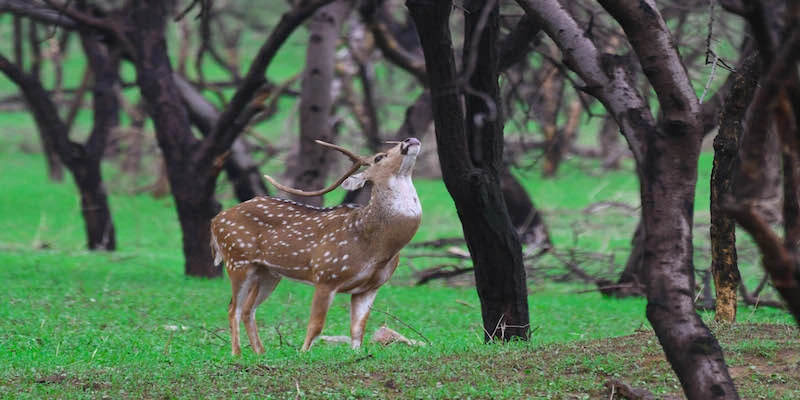
Rugged Aravalli hill ridges, rocky outcrops, seasonal streams, and dense scrub create a unique semi-arid urban wilderness landscape unique to Rajasthan.
Safari Guide
Best Time to Visit
Things to Do
Jeep Safari
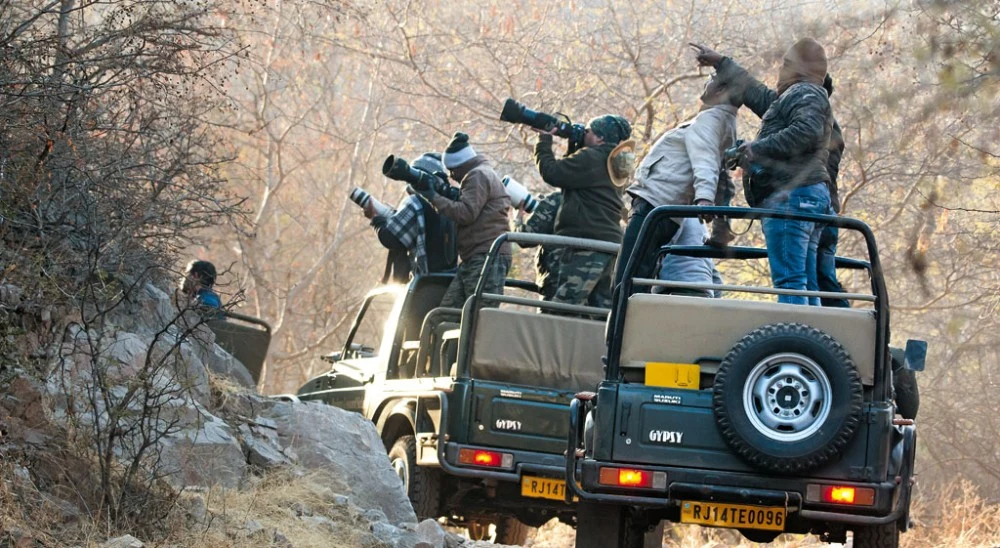
Thrilling open-jeep safaris navigate Jhalana's seven zones at dawn and dusk, maximising leopard sightings in natural rocky terrain.

Bird Watching
Over 100 bird species including Indian eagle-owl, peafowl, and painted spurfowl make Jhalana a top birdwatching destination near Jaipur.

Local Sightseeing
Combine your Jhalana safari with iconic Jaipur sights — Amer Fort, Hawa Mahal, and Nahargarh Fort are all within easy reach.

Photography
Golden-hour light, dramatic Aravalli ridges, and frequent leopard appearances make Jhalana an exceptional wildlife photography destination.

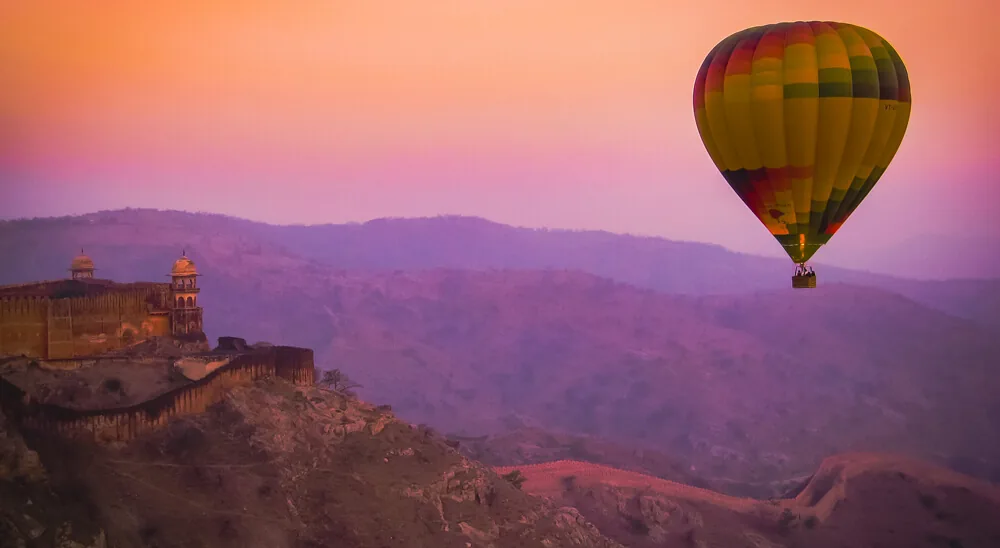
Hot Air Balloon Safari
Soar above the Aravalli hills near Jaipur at sunrise for breathtaking aerial views of the wildlife reserve and historic Pink City.
How to Reach
Attractions

Amer Fort
Iconic 16th-century Rajput fort offering stunning architecture, elephant rides, and panoramic Aravalli hillside views.

Hawa Mahal
The famous Palace of Winds — a five-storey pink sandstone facade with 953 windows, a Jaipur icon.

Nahargarh Fort
Hilltop fort overlooking Jaipur city; once a royal retreat, now a popular viewpoint with a wax museum.

City Palace
Royal family residence in old Jaipur featuring museums, courtyards, and priceless Rajput and Mughal artefacts.

Birla Mandir
Elegant white marble Hindu temple dedicated to Lord Vishnu, glowing brilliantly when illuminated at night.

Jantar Mantar
UNESCO World Heritage Site housing 19 astronomical instruments built by Maharaja Jai Singh II in the 18th century.

Jal Mahal
A romantic palace rising from Man Sagar Lake, best admired at sunset from the lakeside promenade.

Chokhi Dhani
A traditional Rajasthani village resort offering folk dances, camel rides, and authentic cuisine for cultural immersion.

Jaipur Zoo
A city zoo near Ram Niwas Garden, home to lions, tigers, and various Rajasthani wildlife species.

Bapu Bazaar
Bustling traditional market famous for printed fabrics, Rajasthani juttis, lac bangles, and colourful souvenirs.

Johari Bazaar
Jaipur's renowned jewellery market for exquisite Kundan, Meenakari, and gemstone jewellery at competitive prices.

Elefantastic
A responsible elephant sanctuary near Amer Fort offering painting, bathing, and ethical elephant interaction experiences.

Albert Hall Museum
Rajasthan's oldest museum in Ram Niwas Gardens, displaying Egyptian mummies, carpets, and Rajasthani folk artefacts.
Jhalana Tour Packages
From urban leopard safaris to curated weekend wildlife escapes, every Jhalana package is designed around your schedule, interests, and safari expectations.






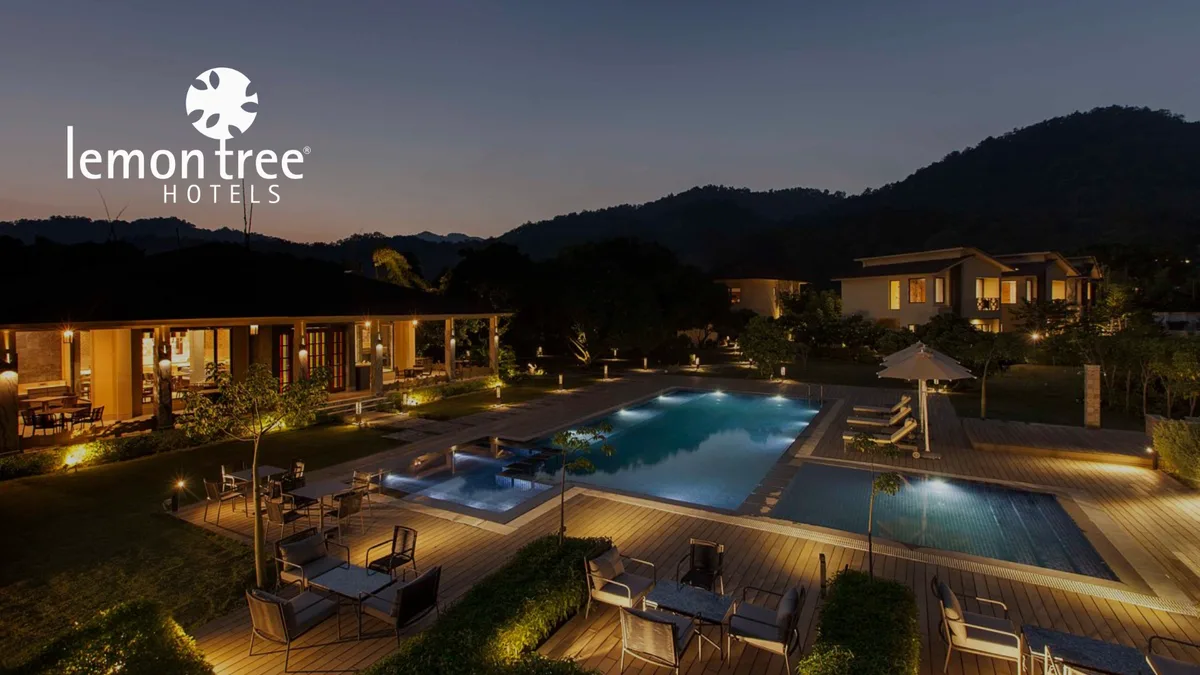
Jhalana Hotels & Resorts — Luxury Jungle Lodges
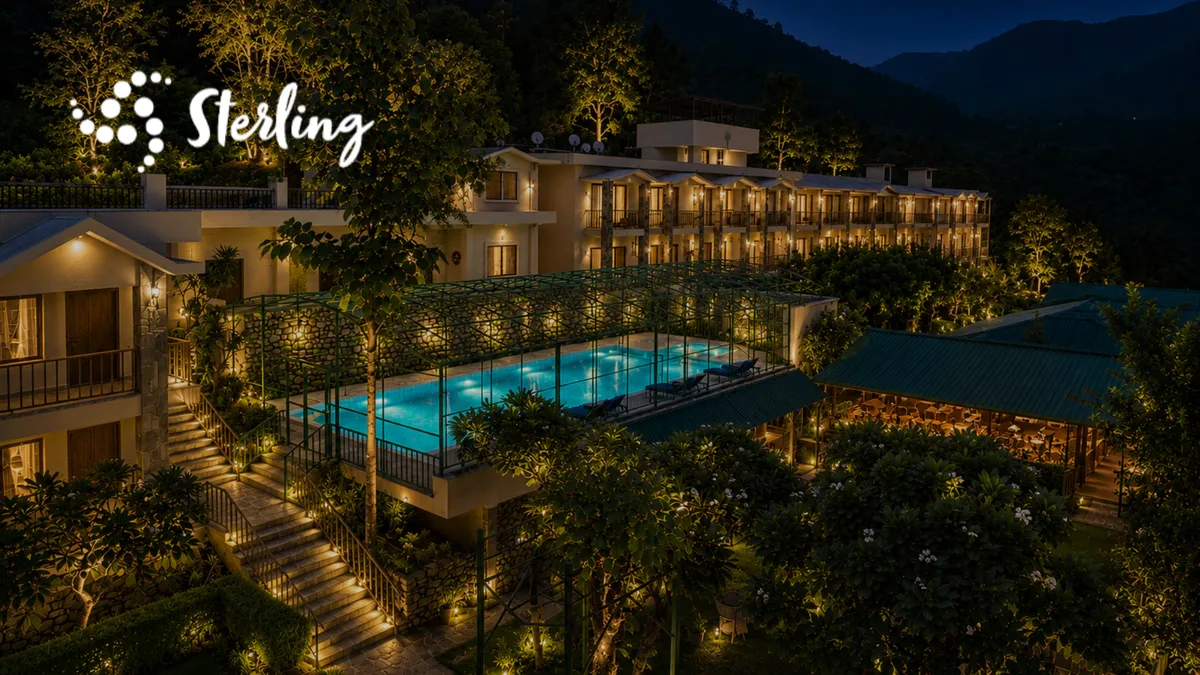
We partner with Jhalana's finest safari stays and boutique retreats—chosen for their personalized hospitality, urban wilderness setting, and seamless safari experiences.
Stay at Jhalana Leopard Safari's finest handpicked wildlife lodges, where comfort meets the untamed wilderness.














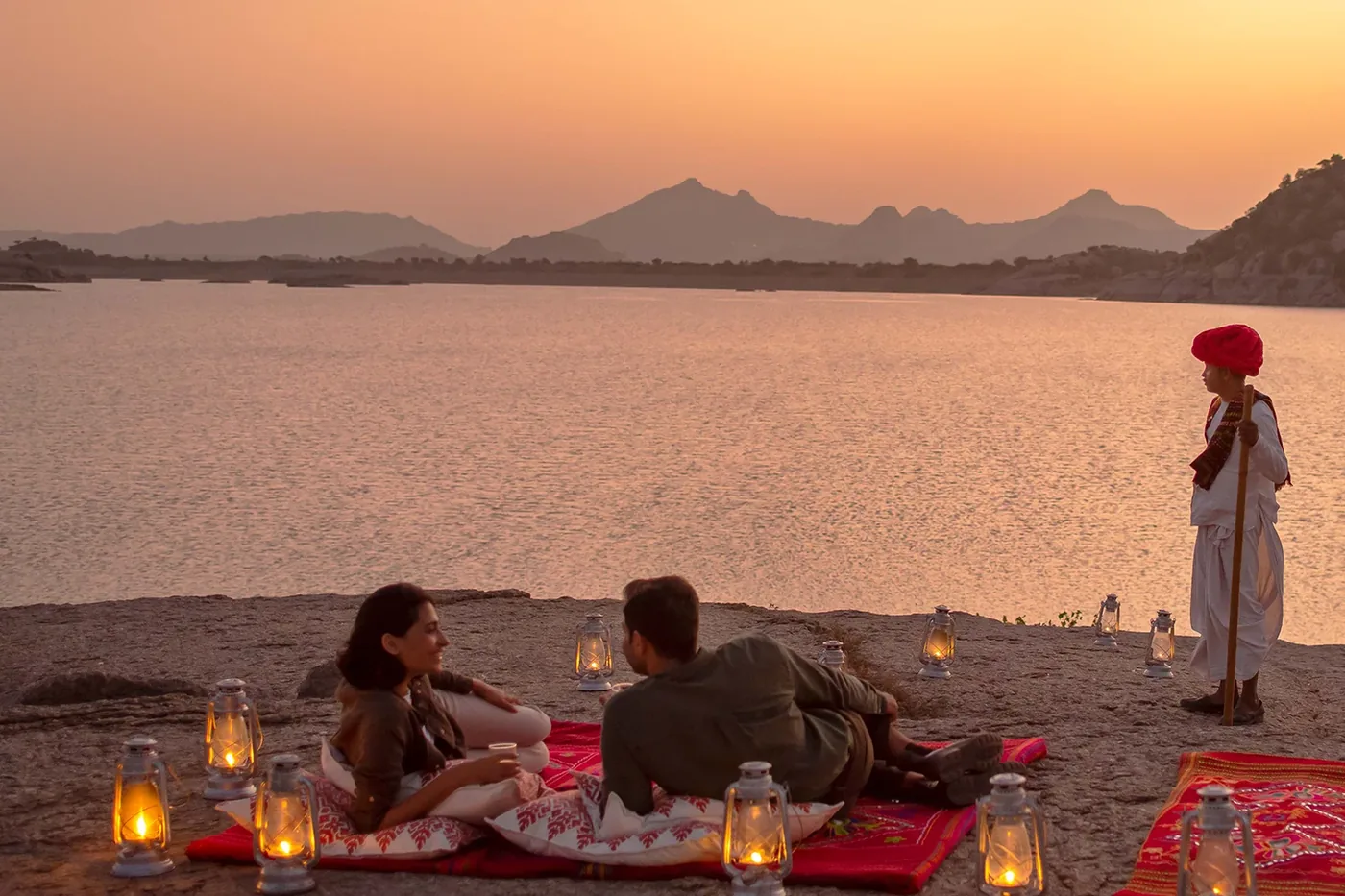
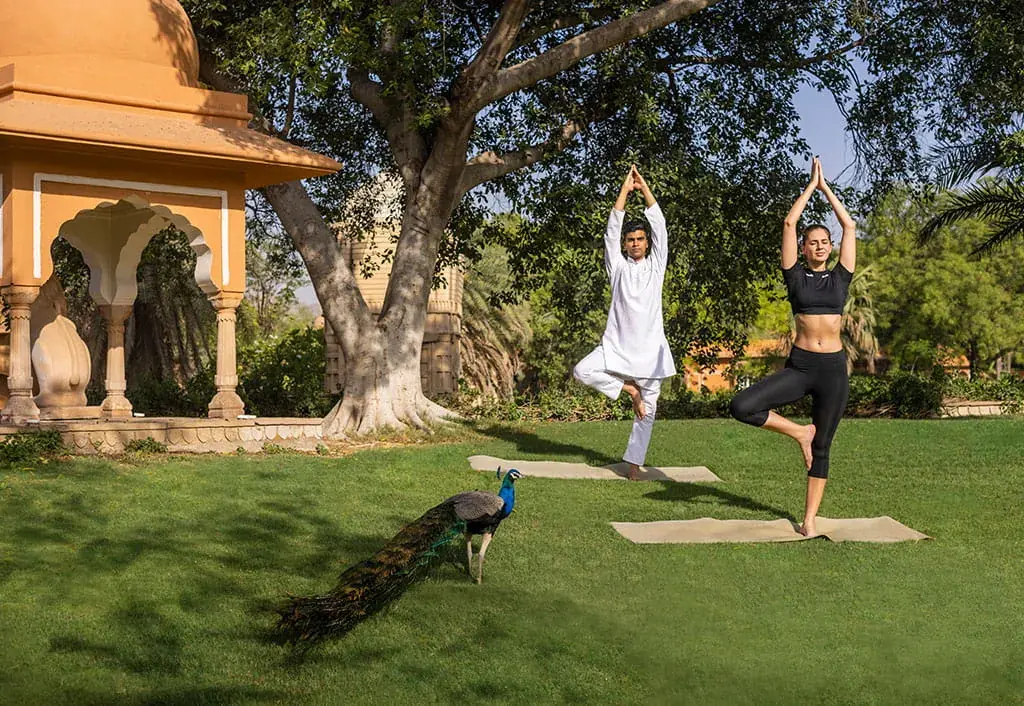
Signature Experiences, Curated Around Jhalana
From urban wildlife experiences and local culture to memorable moments in nature, every experience is curated to complement your Jhalana safari.



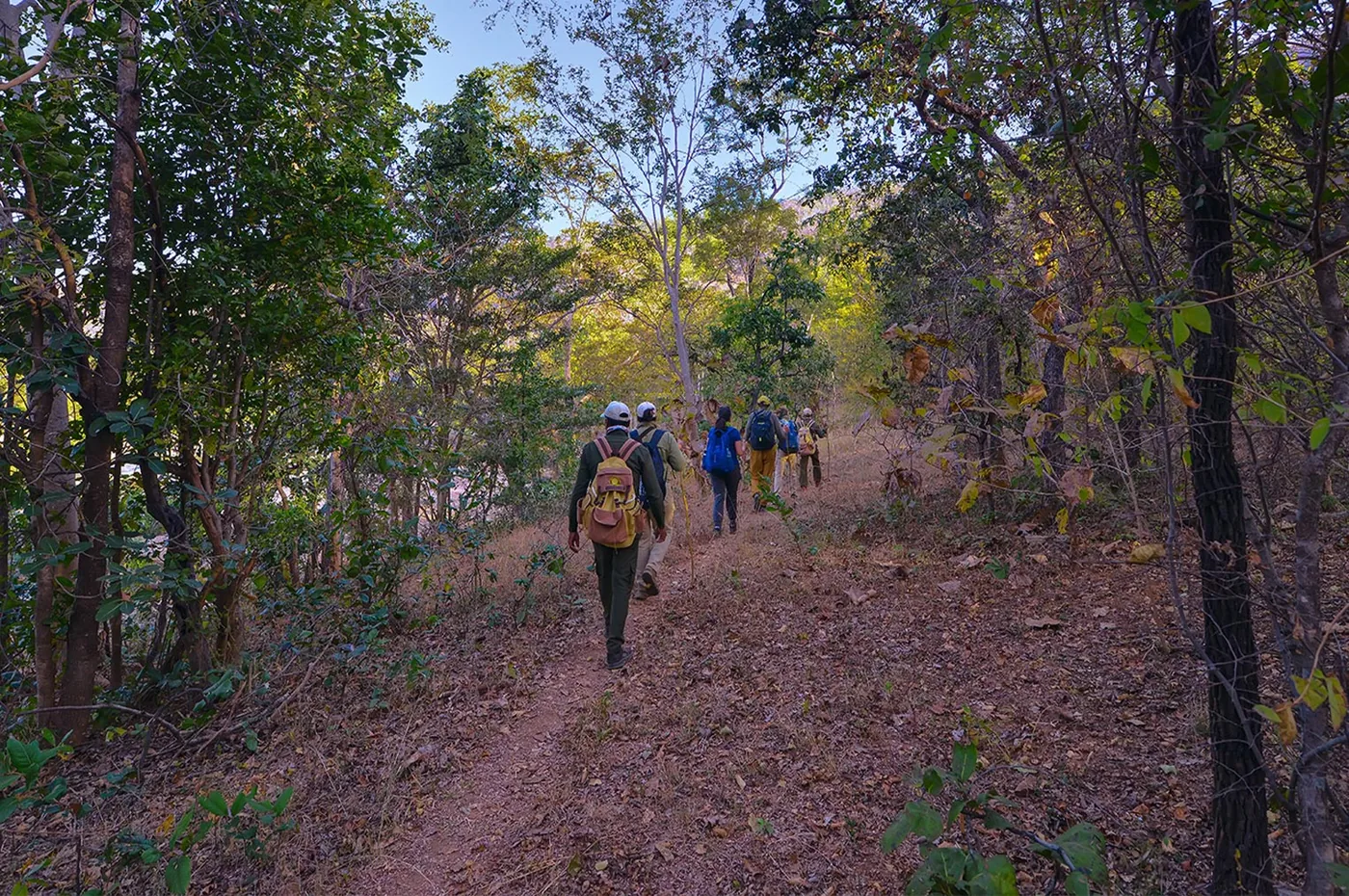


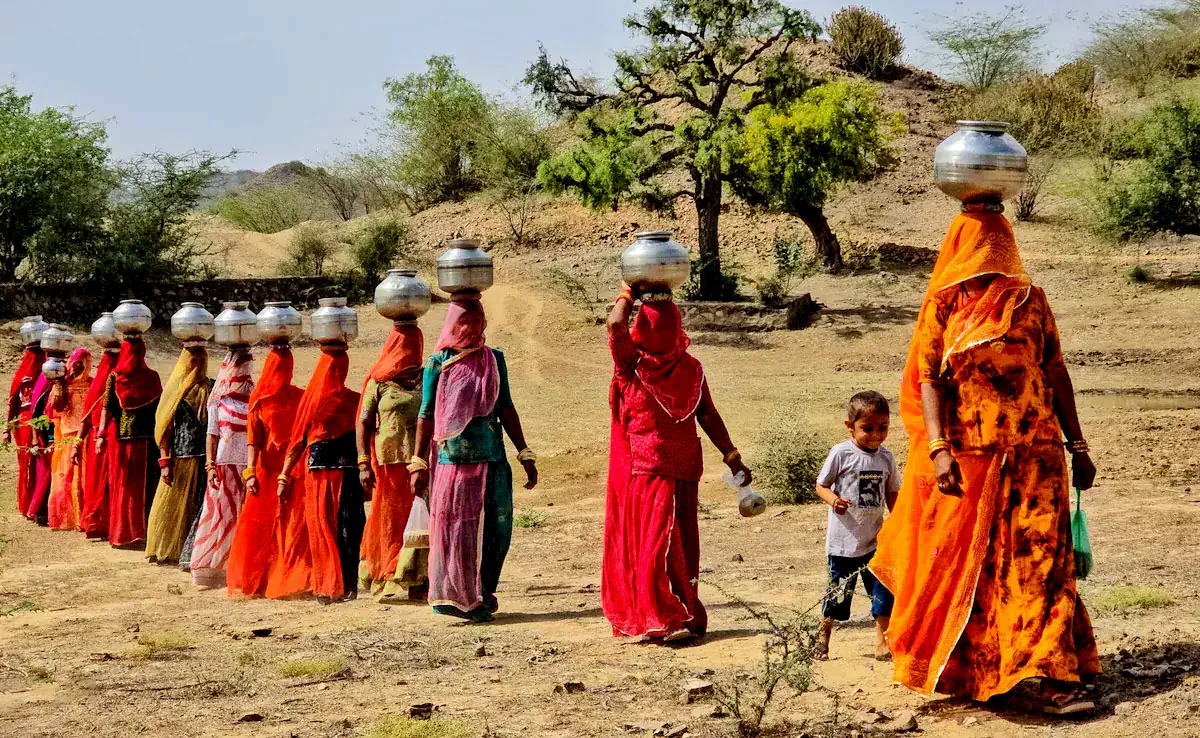



Nearby Destinations to Jhalana

Amber (Amer)
Royal Fort Village
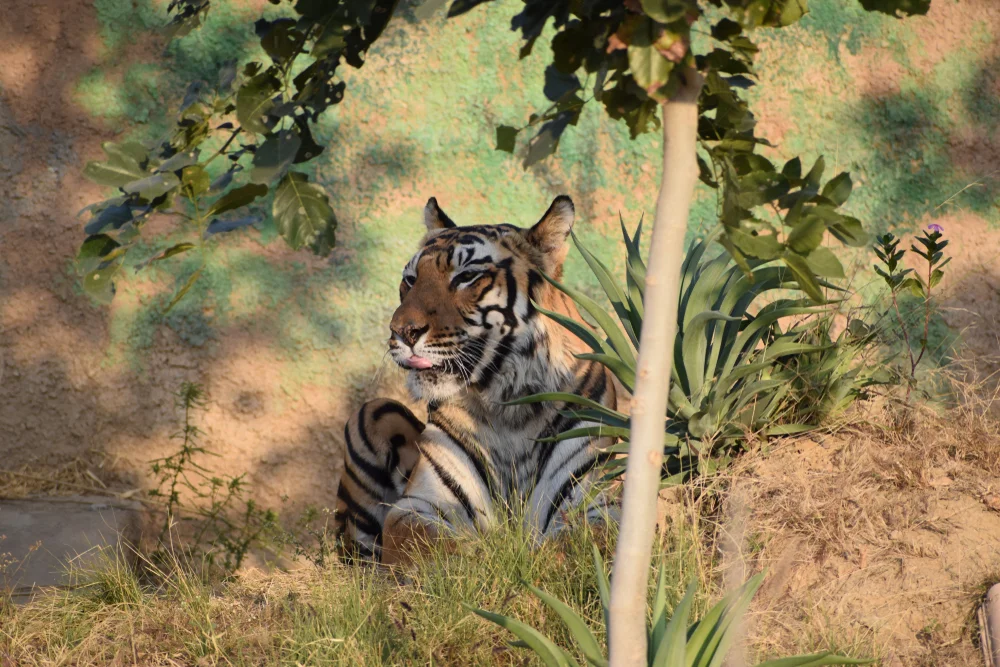
Nahargarh Biological Park
Wildlife Near Hills
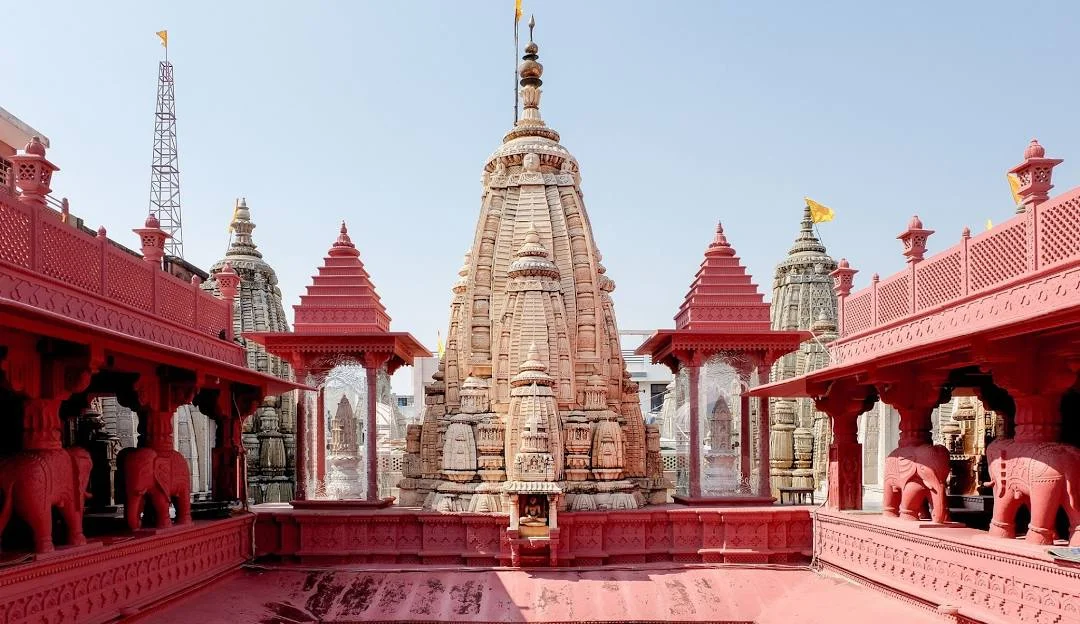
Sanganer
Handmade Paper Town

Agra
Taj Mahal City
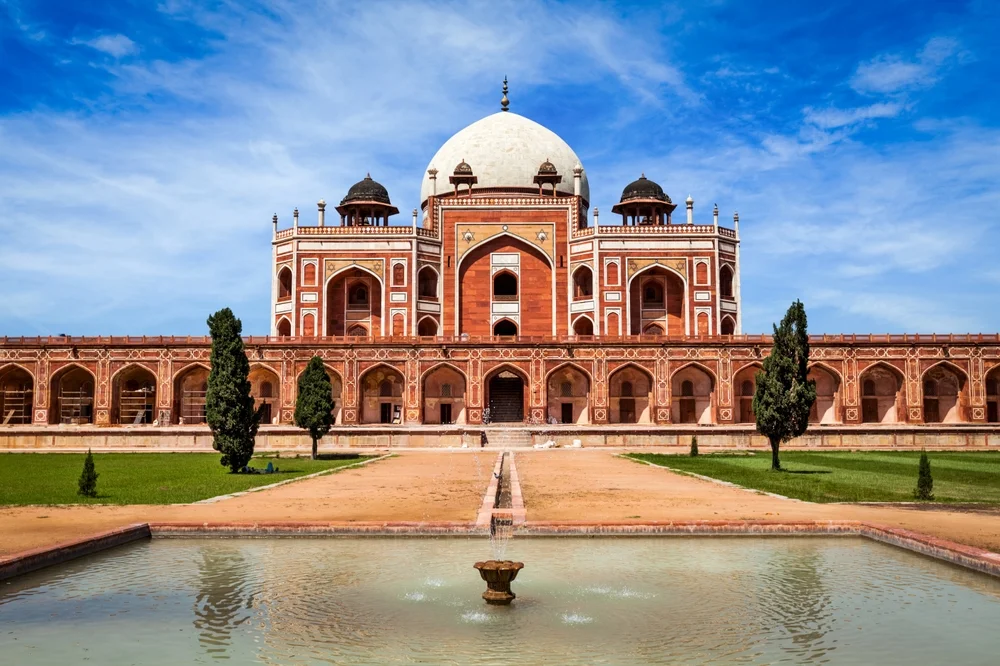
Delhi
India's Capital Hub

Ajmer
Sufi Spiritual Gateway

Pushkar
Sacred Lake Town

Sariska Tiger Reserve
Royal Bengal Tiger

Ranthambore National Park
Tiger Safari Capital

Keoladeo Ghana Bird Sanctuary
UNESCO Bird Paradise
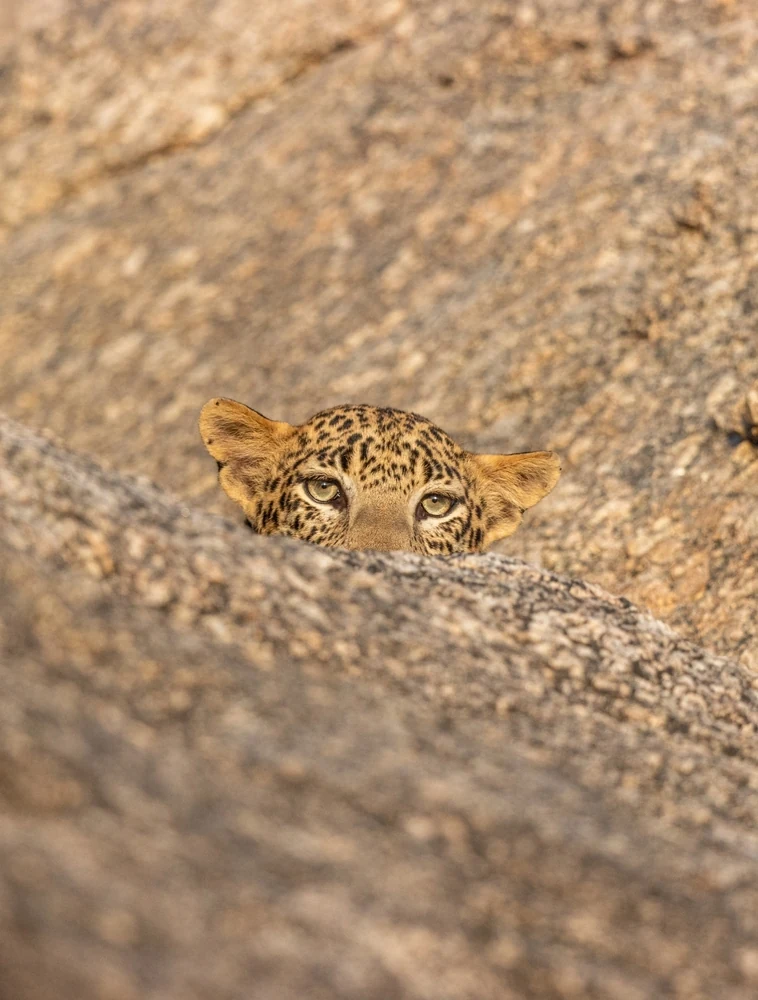
Other Parks in Rajasthan




Other Parks in India






Jhalana Leopard Safari FAQ's
How much does a leopard safari cost at Jhalana?
A Jhalana Leopard Safari jeep safari typically costs between INR 800 and INR 1,200 per person for Indian nationals, and INR 1,500 to INR 2,500 per person for foreign nationals. Prices vary based on zone, time of day (morning or evening safari), and seasonal demand. Private jeep bookings may cost INR 5,000–8,000 per vehicle. Additional charges apply for camera and video equipment. It is advisable to book through the official Jhalana Safari online portal or authorised operators for accurate, up-to-date pricing.
How many leopards are in the Jhalana Leopard Safari?
Jhalana Leopard Safari is home to approximately 30–35 Indian leopards (Panthera pardus fusca) as per recent wildlife surveys, making it one of the densest leopard populations in any urban reserve in Asia. The reserve's thriving leopard numbers are attributed to successful conservation efforts, a rich prey base, and the protection provided by the Aravalli hill ecosystem. Many of these leopards have been individually identified and named by researchers, allowing for detailed behavioural studies.
What is the best time to visit Jhalana Leopard Safari?
The best time to visit Jhalana Leopard Safari is from October to March, when the weather is cool and pleasant, making outdoor wildlife safaris highly comfortable. During this period, leopards are frequently spotted on rocky outcrops and open trails. April to June is also excellent for sightings as sparse vegetation makes leopards easier to spot, though the summer heat is intense. July to September sees lush monsoon greenery with fewer crowds, making it a great choice for nature photographers.
What are the chances of seeing a leopard in Jhalana?
The leopard sighting probability at Jhalana Leopard Safari is remarkably high compared to other Indian wildlife reserves, with most visitors reporting sightings during every 7 to 8 out of 10 safari visits. The compact size of the 20 sq km reserve, combined with its high leopard density and the animals' relative comfort with safari vehicles, significantly improves the chances of spotting these magnificent cats. Morning and evening safaris during the winter months (October–March) offer the highest success rates.
How to reach Jhalana Leopard Safari?
Jhalana Leopard Safari is conveniently located within Jaipur city limits in Rajasthan. By air, the nearest airport is Jaipur International Airport (Sanganer), about 13–16 km away (25–35 minutes by taxi). By rail, Jaipur Junction railway station is approximately 5–7 km from the safari gate. By road, Jaipur is well-connected via NH-48 from Delhi (280 km) and NH-21 from Agra (240 km). App-based cabs, auto-rickshaws, and local taxis are readily available for the last-mile journey to the Jhalana Safari gate.
Is Jhalana Leopard Safari open in August?
Yes, Jhalana Leopard Safari remains open in August, unlike many other Indian national parks and tiger reserves that shut during the monsoon season. This makes Jhalana a unique wildlife destination where visitors can enjoy safaris year-round. In August, the Aravalli hills are lush and green, and wildlife activity is high as leopards are often seen moving actively. However, visitors should be prepared for occasional rain showers and muddy trails. Morning safaris are especially recommended in August for comfortable, scenic wildlife encounters.
About Jhalana Leopard Safari
Jhalana Leopard Safari is India's pioneering urban leopard reserve, occupying a protected stretch of the ancient Aravalli hill range within the boundaries of Jaipur, Rajasthan. What makes Jhalana Leopard Safari truly exceptional is its dual identity: it is simultaneously a thriving wilderness and a city forest, coexisting with one of India's most visited heritage cities. The reserve was formally opened to the public as a safari park in 2017 by the Rajasthan Forest Department and has since become a flagship wildlife tourism project in the state. Jhalana Leopard Safari draws thousands of visitors annually, offering structured jeep safaris that wind through seven distinct zones across rocky ridges and dense scrub, each zone offering unique wildlife viewing opportunities.
The park's accessibility is one of its greatest strengths. Located barely 10 kilometres from the Jaipur city centre, Jhalana Leopard Safari can be visited on a half-day excursion, easily combined with a cultural tour of Jaipur's monuments and bazaars. This convenience, coupled with consistently high leopard sighting rates, has made Jhalana Leopard Safari one of the most talked-about wildlife destinations in North India.
Quick Facts about Jhalana Leopard Safari
| Feature | Details |
|---|---|
| Official Name | Jhalana Leopard Safari Park |
| Location | Jhalana, Jaipur, Rajasthan, India |
| Total Area | Approximately 20 sq km |
| Year Opened to Public | 2017 |
| Managed By | Rajasthan Forest Department |
| Primary Species | Indian Leopard (Panthera pardus fusca) |
| Estimated Leopard Population | 30–35 individuals |
| Number of Safari Gates | 2 (Jhalana Gate & Shikar Audi Gate) |
| Safari Timings | Morning (06:30–09:30 AM) & Evening (03:30–06:00 PM) |
| Best Season | October to March |
| Open Year-Round | Yes (one of the few Indian reserves open during monsoon) |
| Nearest Airport | Jaipur International Airport (~13–16 km) |
| Nearest Railway Station | Jaipur Junction (~5–7 km) |
| Forest Type | Dry Deciduous Scrub / Aravalli Rocky Forest |
| Entry Fee (Approx.) | INR 800–1,200 (Indians) | INR 1,500–2,500 (Foreigners) |
Detailed Overview — Geography, Terrain & Ecosystem
Jhalana Leopard Safari occupies a strategically protected segment of the Aravalli mountain range, one of the world's oldest fold mountain systems. The reserve encompasses approximately 20 square kilometres of rugged terrain characterised by rocky hillocks, seasonal watercourses (nallahs), open grassland patches, and dense dry deciduous scrub. The elevation and natural topography of the Aravalli hills within Jhalana create a mosaic of microhabitats - from sheltered valley floors to exposed ridge tops - that supports an exceptionally diverse range of flora and fauna for a reserve of its modest size.
The ecosystem of Jhalana Leopard Safari functions as a critical wildlife corridor, connecting isolated forest patches within an increasingly urbanised landscape. The rocky terrain provides ideal denning sites for leopards, while the scrub forest supports a rich prey base of sambar deer, spotted deer (chital), nilgai, and wild boar. Seasonal streams attract wildlife during the dry months, making watering holes key hotspots for wildlife sightings during safaris.
History of Jhalana Leopard Safari
The forests of Jhalana have been protected and revered for centuries. Historically, these Aravalli woodlands served as the hunting grounds and green lungs of the Jaipur royal household, which under the patronage of the Kachwaha Rajput rulers strictly regulated access to the forest and its wildlife. This royal protection inadvertently preserved the leopard population and the ecosystem that supports it, creating a natural wildlife refuge within an expanding city.
As Jaipur grew into a modern metropolis, the forested tracts around Jhalana faced increasing pressure from urbanisation, encroachment, and habitat fragmentation. Recognising the irreplaceable ecological and cultural value of this urban forest, the Rajasthan Forest Department took significant steps in the early 2000s to formally demarcate and protect the Jhalana forest reserve. The forests were declared a protected area and later developed into a structured leopard conservation zone.
In 2017, Jhalana Leopard Safari was officially inaugurated as a public safari park - a landmark moment in Indian urban wildlife conservation. This decision not only opened the reserve to responsible eco-tourism but also generated community awareness and support for leopard conservation. The success of Jhalana Leopard Safari has since inspired similar urban wildlife initiatives across India, cementing its place as a model for coexistence between wildlife and urban populations.
Flora & Fauna of Jhalana Leopard Safari
Fauna — Key Wildlife Species
- Indian Leopard: The undisputed star of Jhalana Leopard Safari; 30–35 individually identified leopards roam the reserve.
- Striped Hyena: Nocturnal scavengers frequently spotted at dawn and dusk safaris along rocky trails.
- Indian Jackal: Common sighting; often heard calling at dusk, jackals are frequently seen on open grassland.
- Crested Porcupine: Nocturnal and shy, porcupines are spotted on evening safaris around boulder-strewn areas.
- Indian Desert Fox: The small, elegant Indian fox is a delightful sighting on open rocky terrain.
- Nilgai (Blue Bull): India's largest antelope; abundant in Jhalana and forming a key prey base for leopards.
- Sambar Deer: Large deer species spotted near water sources and dense scrub areas of the reserve.
- Monitor Lizard: Bengal monitor lizards are a common reptile sighting, basking on sun-warmed rocks.
- Indian Eagle-Owl: A magnificent large owl; a prized sighting for birders visiting Jhalana Leopard Safari.
- Indian Peafowl: National bird of India; abundant in Jhalana, adding brilliant colour to the reserve.
Flora — Key Plant Species
- Dhok Tree (Anogeissus pendula): The dominant tree species of the Aravalli range; provides dense canopy cover for leopards.
- Khair (Acacia catechu): Thorny acacia that defines the scrub landscape; hosts multiple insect and bird species.
- Ber (Ziziphus mauritiana): Wild jujube shrub providing seasonal fruit for birds, mammals, and reptiles.
- Rohida (Tecomella undulata): State tree of Rajasthan; found in Jhalana's open patches, with beautiful orange blooms.
- Vilayati Babul (Prosopis juliflora): Invasive acacia species; the Forest Department actively manages its spread to protect native vegetation.
Conservation Efforts at Jhalana Leopard Safari
Jhalana Leopard Safari stands as one of India's most inspiring examples of urban wildlife conservation. The Rajasthan Forest Department, in collaboration with wildlife biologists and conservation NGOs, has implemented a comprehensive set of measures to protect and grow the leopard population within this urban reserve.
- Camera Trap Monitoring: An extensive network of camera traps across all seven zones enables individual leopard identification, population monitoring, and behavioural research.
- Anti-Poaching Patrols: Round-the-clock forest guard patrols and a zero-tolerance policy for poaching have maintained a safe environment for leopards and prey species.
- Prey Base Enhancement: Managed water sources, removal of invasive plant species, and habitat restoration efforts ensure an abundant prey population for leopards.
- Human-Wildlife Conflict Mitigation: Awareness programmes for communities bordering the reserve have reduced retaliatory killings and promoted coexistence.
- Eco-Tourism Revenue Reinvestment: Safari revenue directly funds reserve maintenance, guard salaries, and local community development, creating a sustainable conservation economy.
- Research & Academia: Jhalana Leopard Safari collaborates with wildlife universities and international conservation organisations for ongoing leopard behaviour and ecology studies.
- Boundary Protection: Solar-powered electric fencing and boundary wall maintenance prevent urban encroachment and reduce leopard–human conflict at the forest periphery.
Safari Tips & Visitor Guidelines
- Book safaris in advance through the official Rajasthan Forest Department portal, especially during October–March peak season.
- Wear earthy, muted colours (khaki, olive, brown); avoid bright colours and strong fragrances that disturb wildlife.
- Maintain absolute silence during safaris; sudden noises cause leopards to retreat into dense cover.
- Follow the guide's instructions at all times; never attempt to leave the safari vehicle.
- Carry a camera with a telephoto lens (300mm+ recommended) for wildlife photography.
- Arrive 15 minutes before your safari slot for briefing and vehicle assignment.
- Morning safaris (6:30–9:30 AM) are typically best for leopard sightings; evening safaris offer excellent hyena and jackal activity.
- Carry sufficient water and light snacks; food is not available inside the reserve.