





About Ranthambore National Park
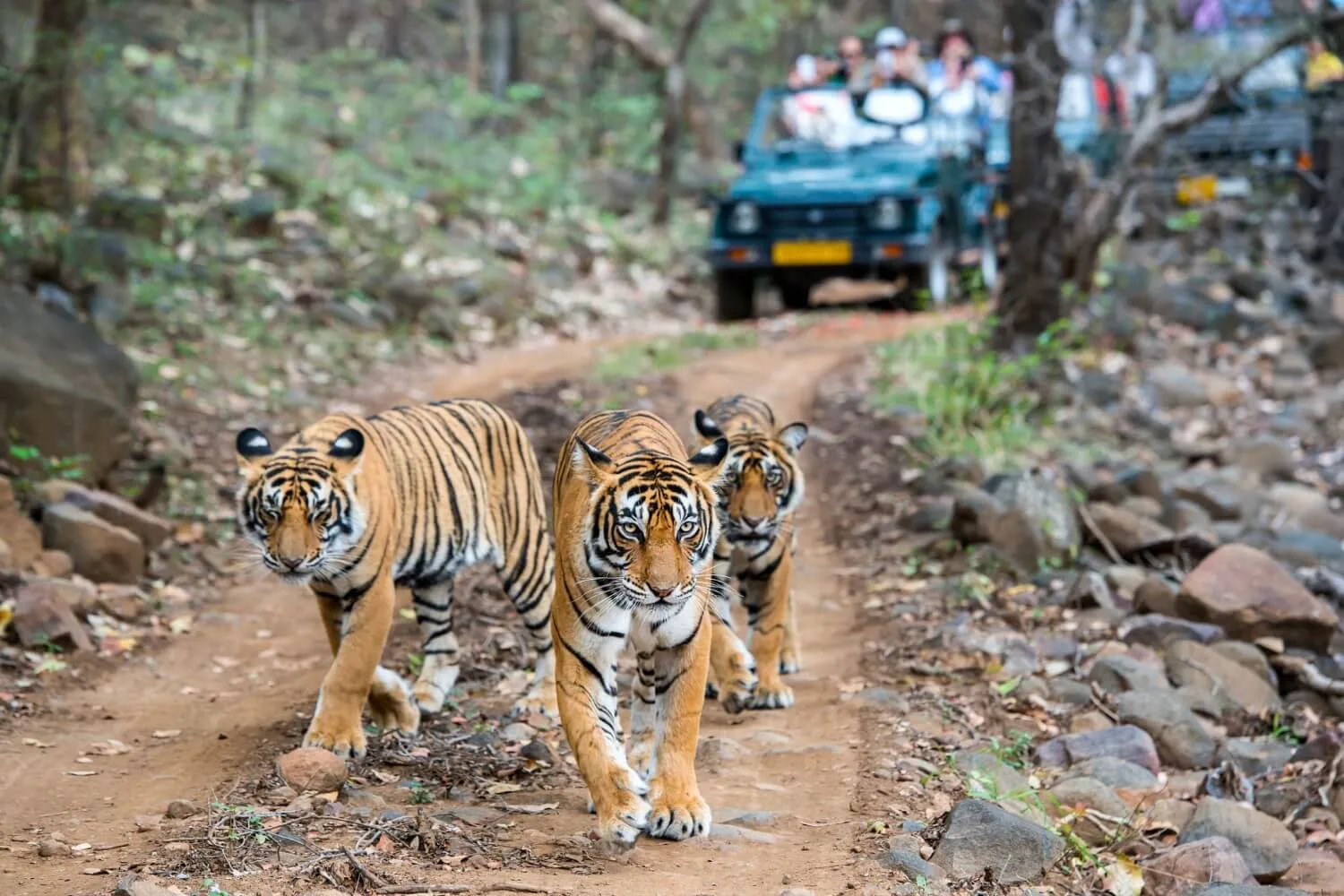
Ranthambore National Park, set against the dramatic backdrop of a 10th-century hilltop fortress in Rajasthan’s Sawai Madhopur district, is India’s most iconic and photographed tiger reserve. Where else can you watch a Royal Bengal Tiger stroll past ancient palace ruins, drink from a lake surrounded by crumbling pavilions, or be framed against a thousand-year-old fort? Spanning 1,334 sq km between the Banas and Chambal rivers, Ranthambore National Park is renowned for its bold, daytime-active tigers, the legendary tigress Machli – the most photographed tiger in history – and a heritage landscape that marries wildlife with history like no other reserve in India. With 10 safari zones, over 75 tigers, 270+ bird species, and proximity to Jaipur’s Golden Triangle circuit, Ranthambore National Park is the definitive gateway to India’s wild side.
- Area1,334 sq km
- Established1955
- StateRajasthan
- DistrictSawai Madhopur
- Safari Zones10
Ranthambore Travel Guide
Biodiversity
Wildlife
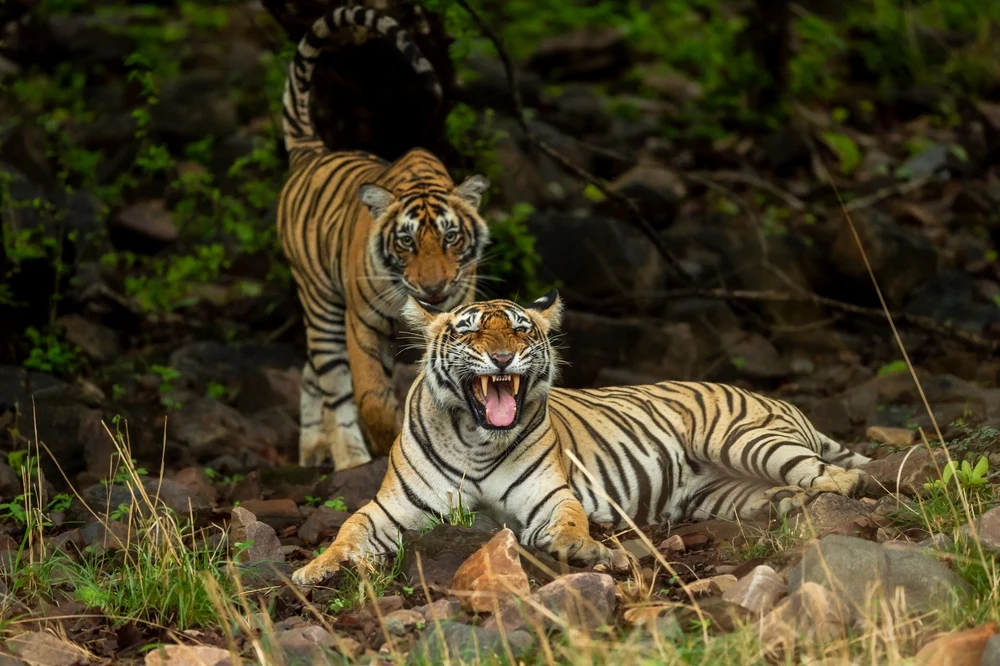
Ranthambore hosts Bengal tigers, leopards, sloth bears, striped hyenas, jungle cats, caracals, Indian wolves, chital, sambar, nilgai, chinkara, blackbuck, wild boar, langurs, and marsh crocodiles.

Flora
Ranthambore National Park features dry deciduous forests with dhok trees dominating, along with banyan, neem, and peepal, supporting diverse wildlife and seasonal grasslands across rocky terrain.

Landscape
Dry deciduous forests, open grassy meadows, ancient ruins and pavilions, rocky Aravalli outcrops, perennial lakes (Padam Talao, Rajbagh, Malik Talao), and the towering Ranthambore Fort at 215–505 m elevation.
Safari Guide
Best Time to Visit
Things to Do
Jungle Safari
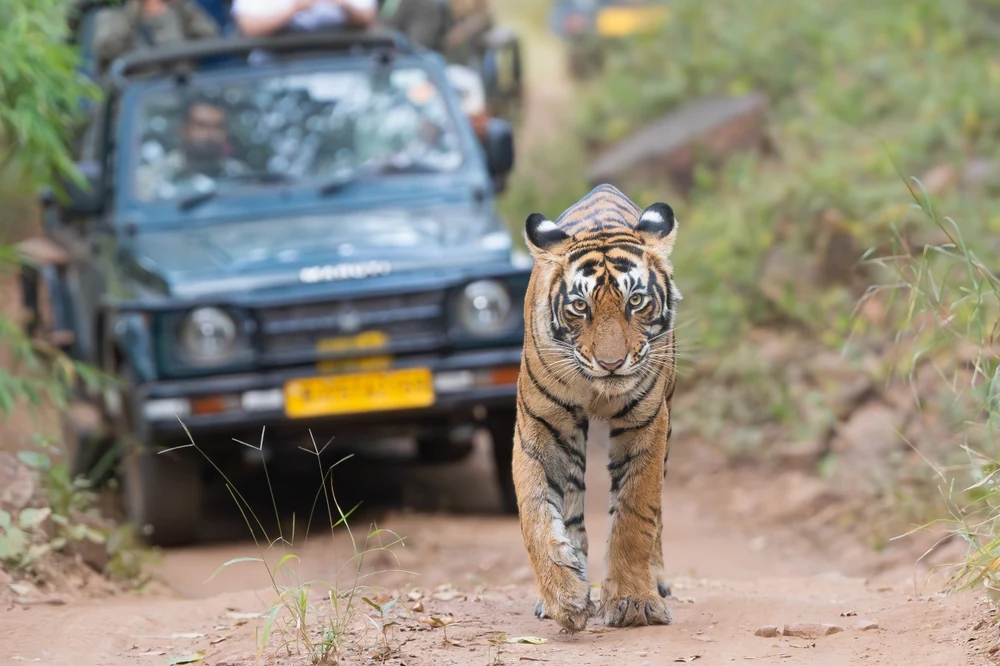
Explore 10 safari zones in open jeeps (gypsy) or canters, tracking tigers against the backdrop of ruins, lakes, and the Ranthambore Fort.
Guided Fort Tour
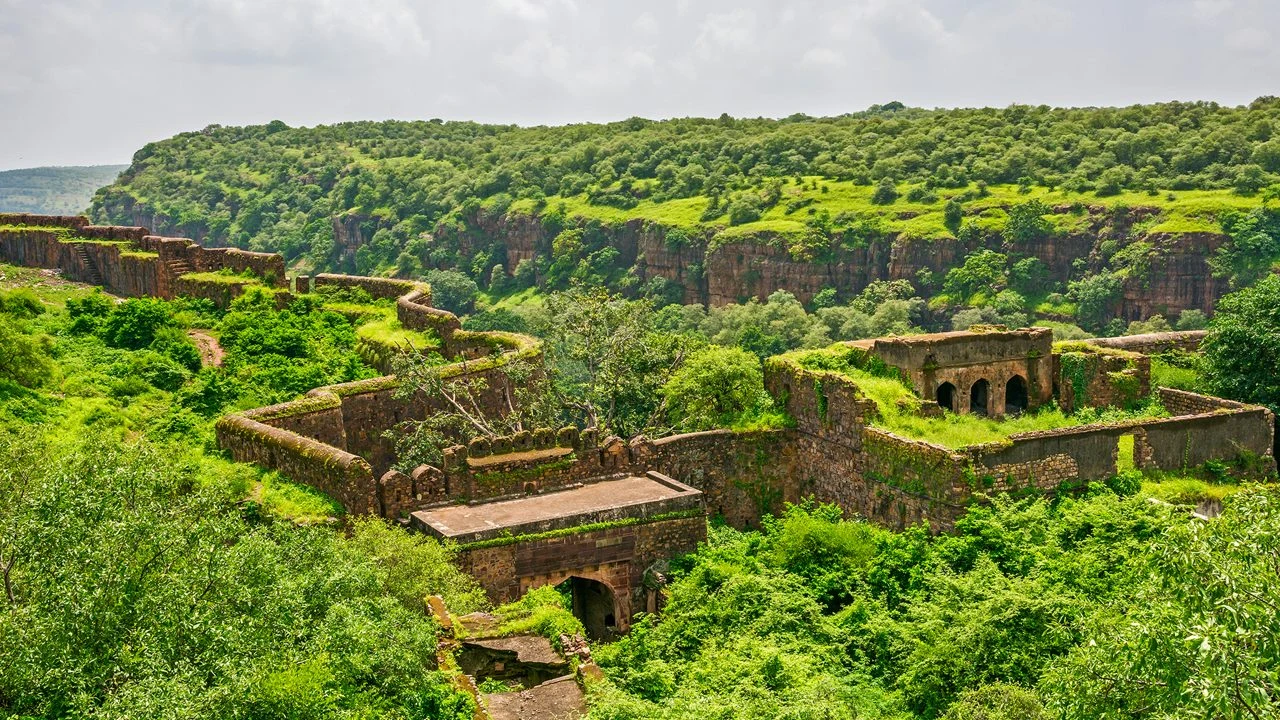
Hike to the UNESCO World Heritage Ranthambore Fort (10th century) with panoramic views, ancient temples, and Trinetra Ganesha Temple.

Nature Walk
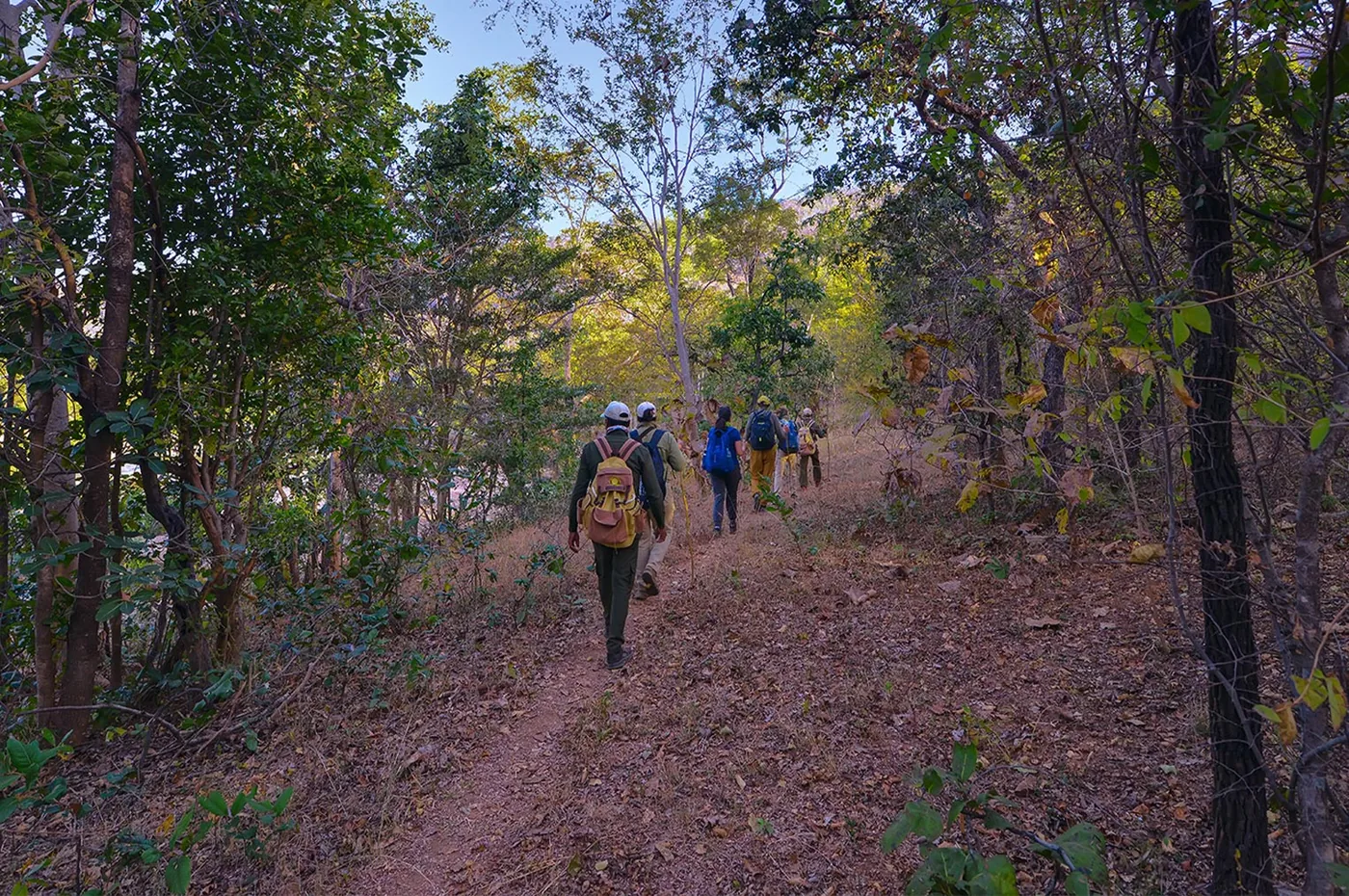
Guided walks through buffer zones and surrounding Aravalli landscapes exploring flora, butterflies, and smaller woodland creatures.
Bird Watching
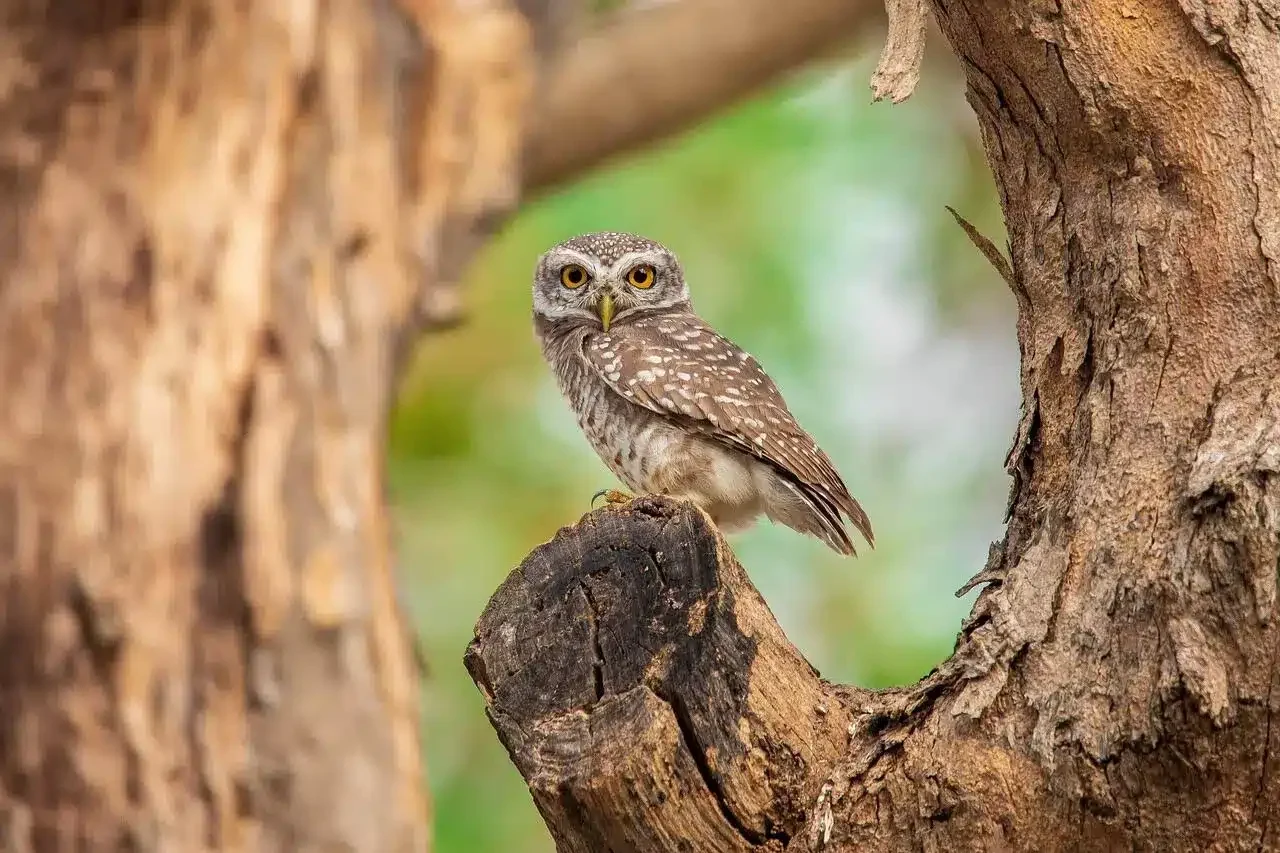
Spot 270+ species around Padam Talao, Rajbagh Lake, and Surwal Lake including painted storks, kingfishers, and raptors.

Wildlife Photography
Capture tigers framed against palace ruins at Rajbagh, drinking at Padam Talao, or silhouetted against the ancient fort.

Chambal Boat Safari
Take a boat ride on the National Chambal Sanctuary (~110 km) spotting gharials, dolphins, and river turtles.

Local Craft Workshop
Visit Dastkar Ranthambore and Ranthambore School of Art to experience traditional Rajasthani crafts and support local artisans.

Village Tour
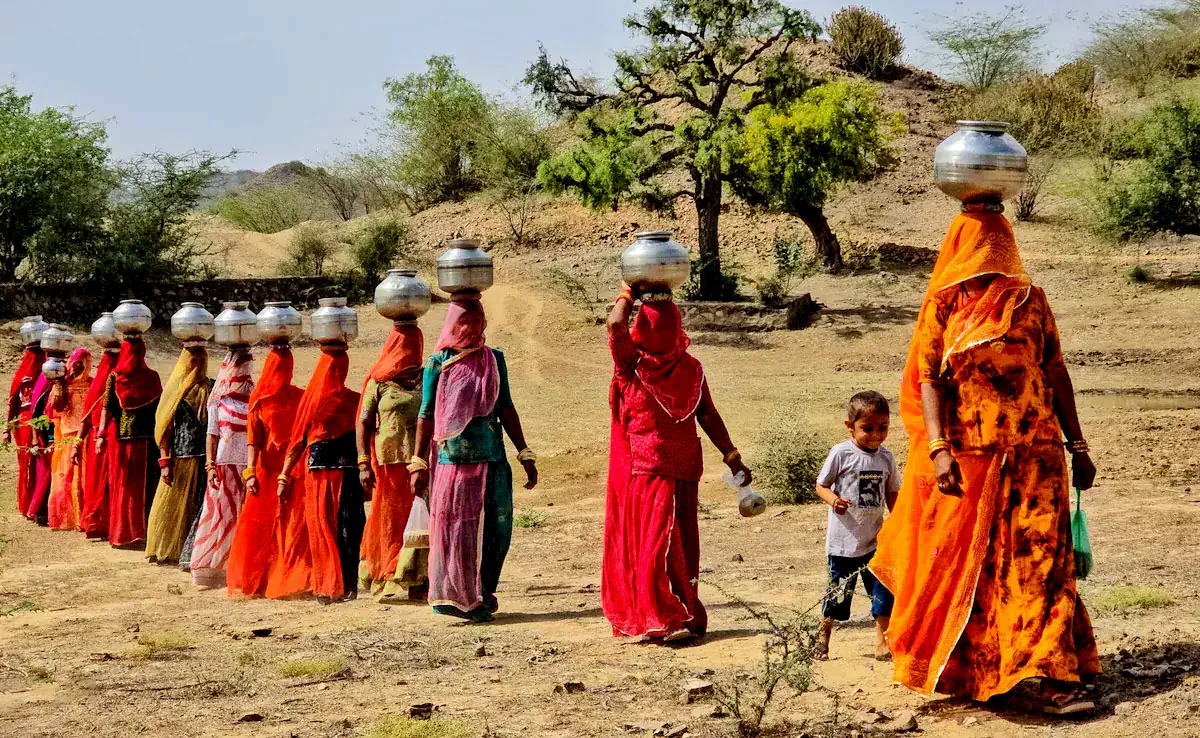
Explore the Village of Women Craft and local Rajasthani villages to witness traditional architecture, cuisine, and hospitality.

Bush Dinner
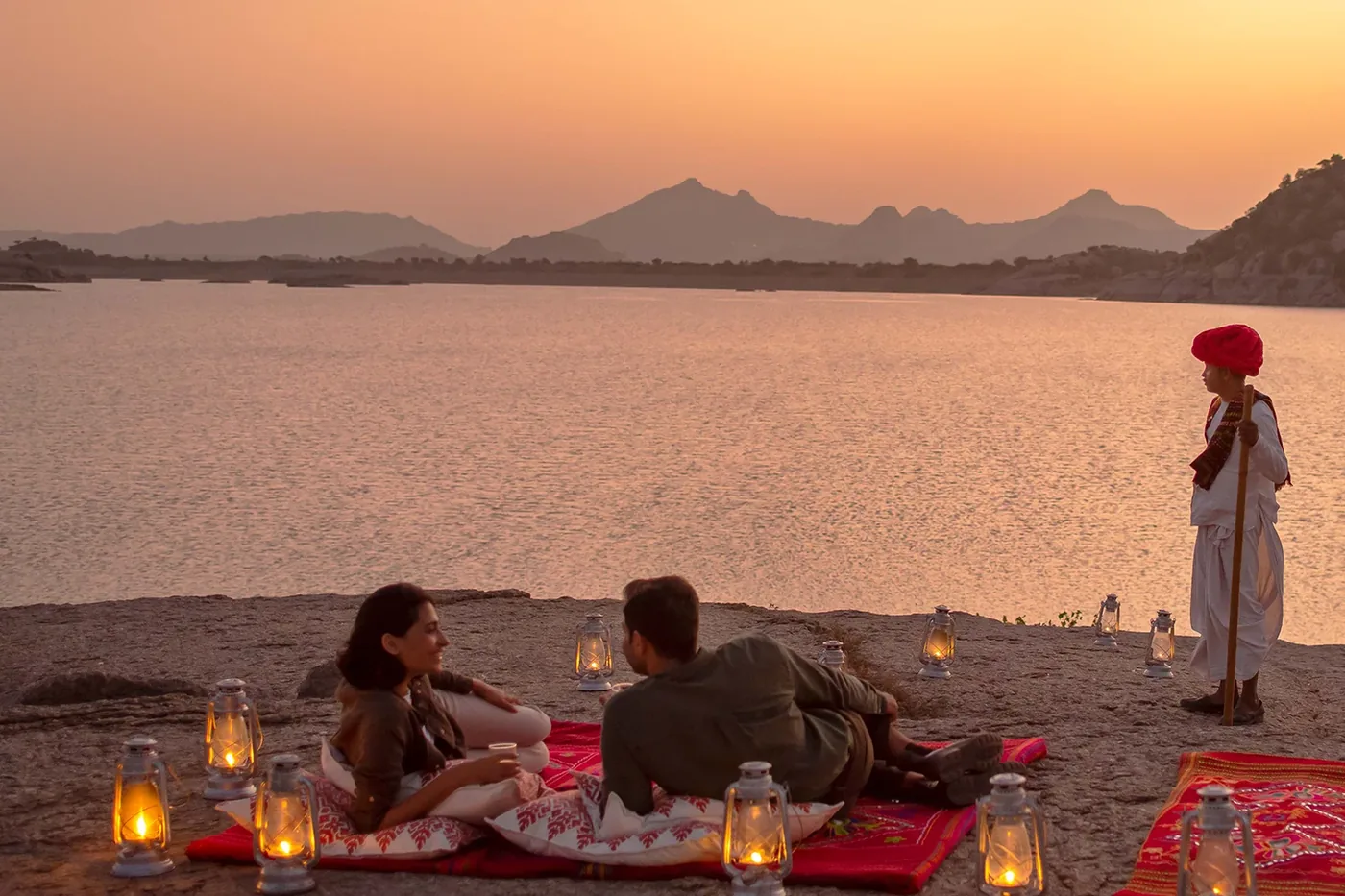
Dine under the stars at curated outdoor setups by luxury lodges with Rajasthani folk music and campfire storytelling.
How to Reach
Attractions

Ranthambore Fort
UNESCO World Heritage 10th-century hilltop fortress offering panoramic views, ancient temples, and historic ramparts.

Trinetra Ganesh Temple
India's only three-eyed Ganesh temple inside the fort, attracting devotees and wedding-card offerings from across the country.

Padam Talao
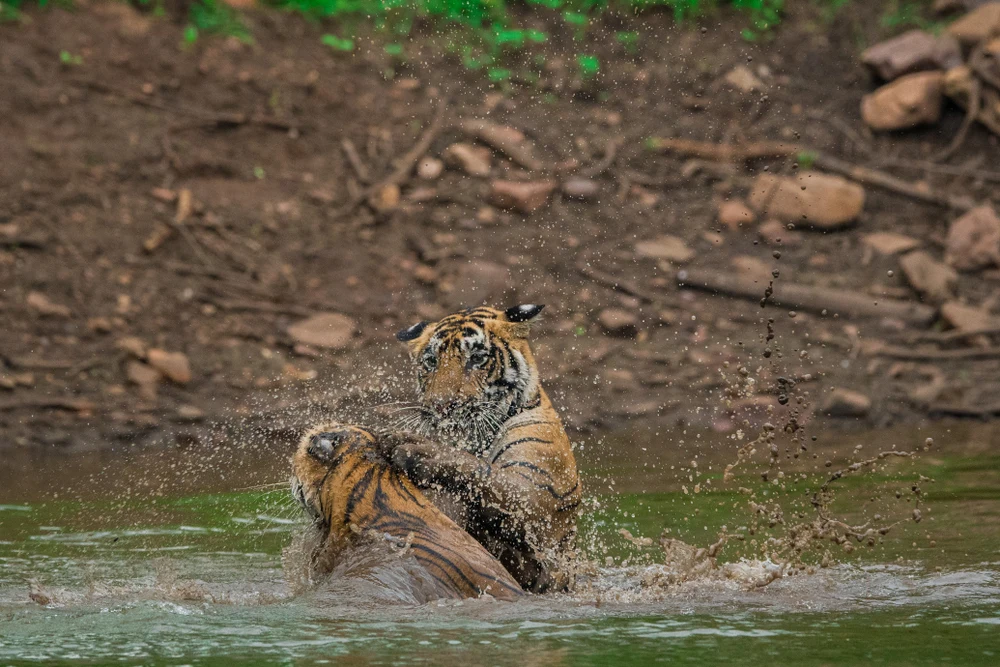
The park's largest lake surrounded by lilies, where tigers frequently drink and lounge – Ranthambore's most iconic photo location.

Rajbagh Ruins
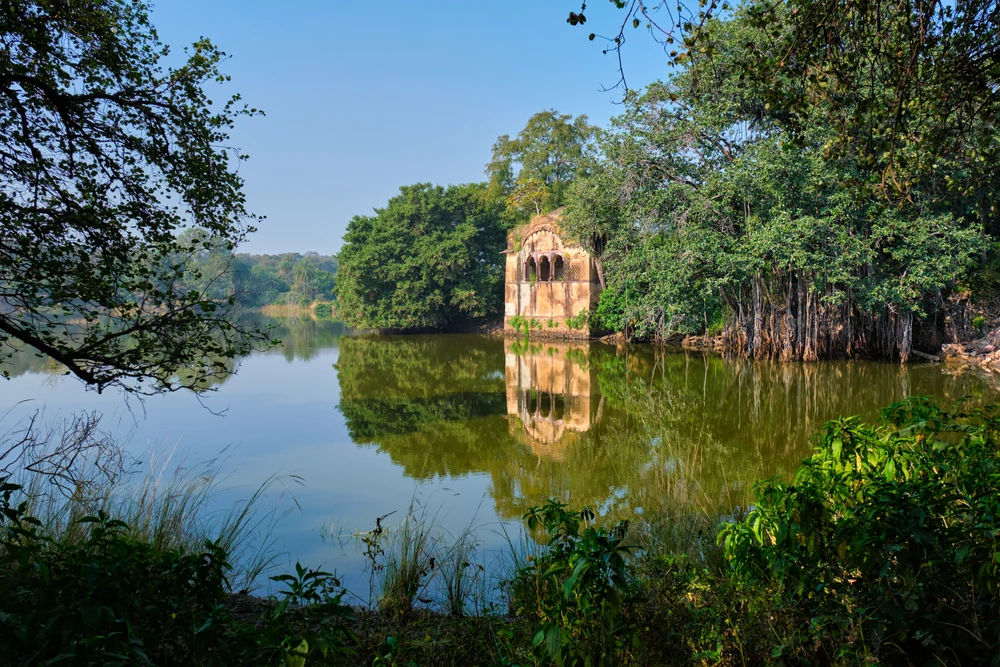
Atmospheric 17th-century royal hunting lodge ruins beside Rajbagh Lake – a favourite tiger photography backdrop.

Rajbagh Talao
A scenic lake flanked by ruins and overgrown banyan trees, frequented by tigers, sambar, and marsh crocodiles.
Malik Talao
A quiet lake in Zone 4, known for crocodile sightings and the territory of several famous Ranthambore tigers.

Kachida Valley
A picturesque valley in Zone 5 with undulating terrain, ideal for spotting leopards, bears, and diverse herbivores.

Bakula Ranthambore
A scenic area within the park known for its natural beauty and wildlife sighting opportunities near water sources.
Lakarda & Anantpura
Forested areas within the core zone, rich in prey species and offering chances of tiger and leopard encounters.

Jogi Mahal
A historic forest rest house at the base of the Ranthambore Fort, near the entry gate for Zones 2 and 3.

Natural History Museum
A museum near the park showcasing wildlife specimens, conservation timelines, and Ranthambore's natural heritage.

Surwal Lake
A bird-watching paradise ~25 km from the park, attracting migratory waterfowl including flamingos in winter.

Dastkar Ranthambore
A women's craft cooperative producing traditional textiles, supporting local livelihoods through sustainable tourism.

Ranthambore School of Art
An art initiative promoting wildlife-inspired painting and sculpture by local artists near the national park.

National Chambal Sanctuary
A river sanctuary ~110 km away, home to gharials, Gangetic dolphins, and freshwater turtles via boat safari.

Mansarovar Dam & Lake
A serene reservoir near the park, popular for picnics and spotting waterbirds including herons and cormorants.

Akaula & Village of Women Craft
Local artisan villages where women create traditional Rajasthani handicrafts – a cultural immersion experience.
Ranthambore Tour Packages
From quick tiger safari escapes to luxury jungle retreats, every Ranthambore National Park package is handcrafted around your travel style, pace, and wildlife interests.






Ranthambore Hotels & Resorts — Luxury Jungle Lodges
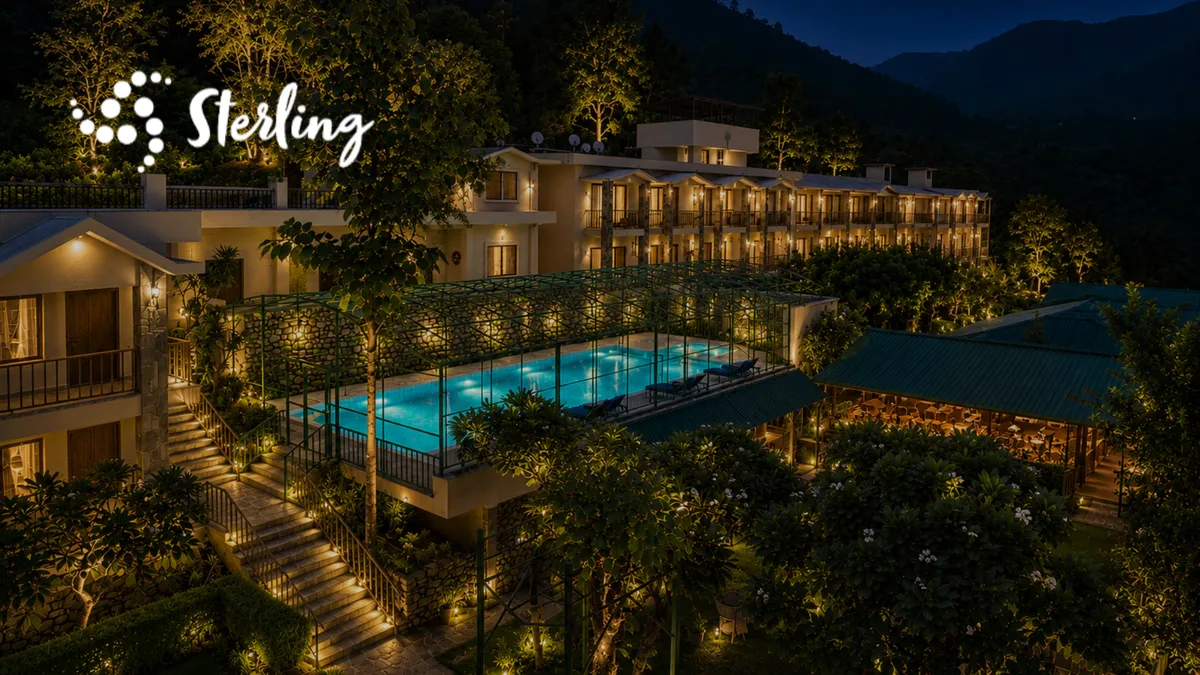
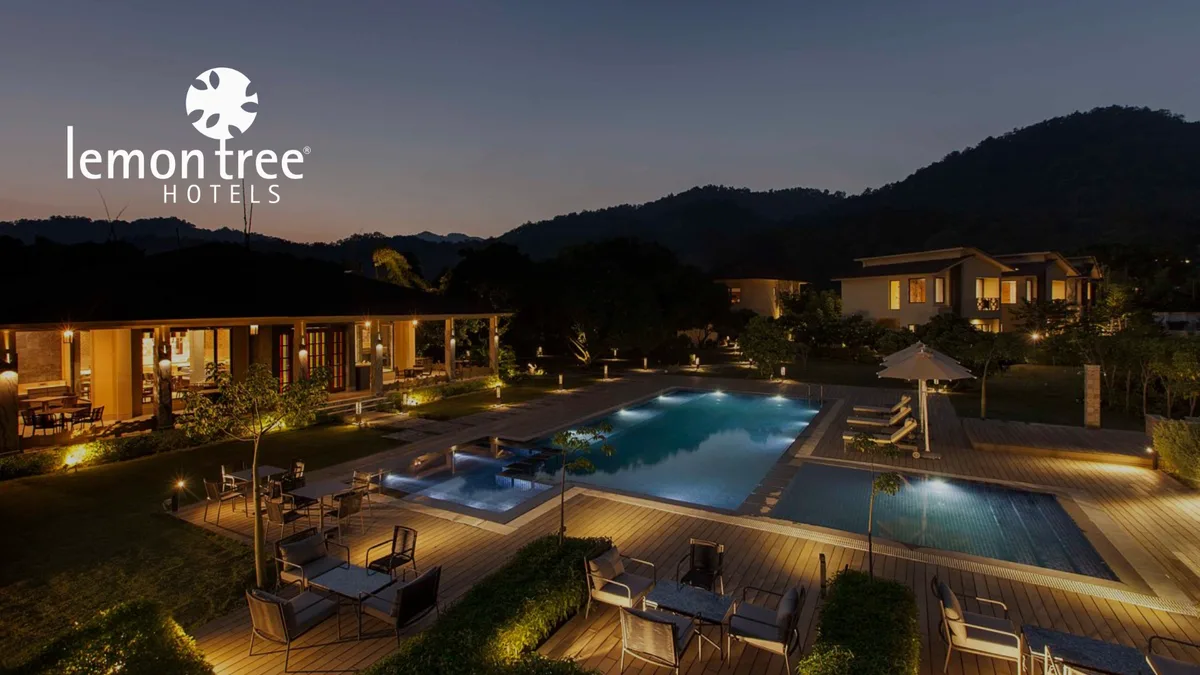
We partner with Ranthambore National Park's most respected wildlife lodges and luxury jungle retreats—carefully handpicked for exceptional hospitality, prime safari locations, and unforgettable wilderness experiences.
Stay at Ranthambore National Park's finest handpicked wildlife lodges, where comfort meets the untamed wilderness.













Signature Experiences, Curated Around Ranthambore
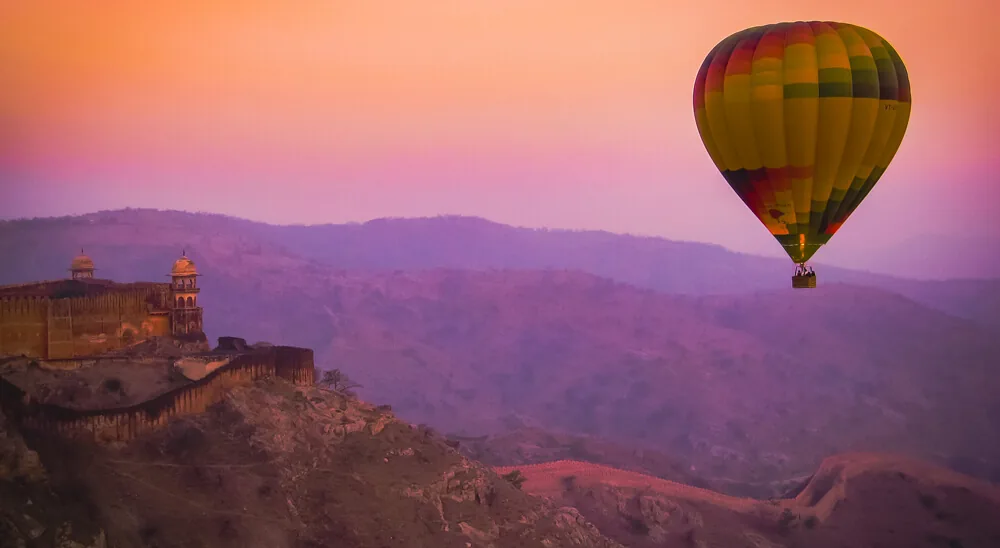
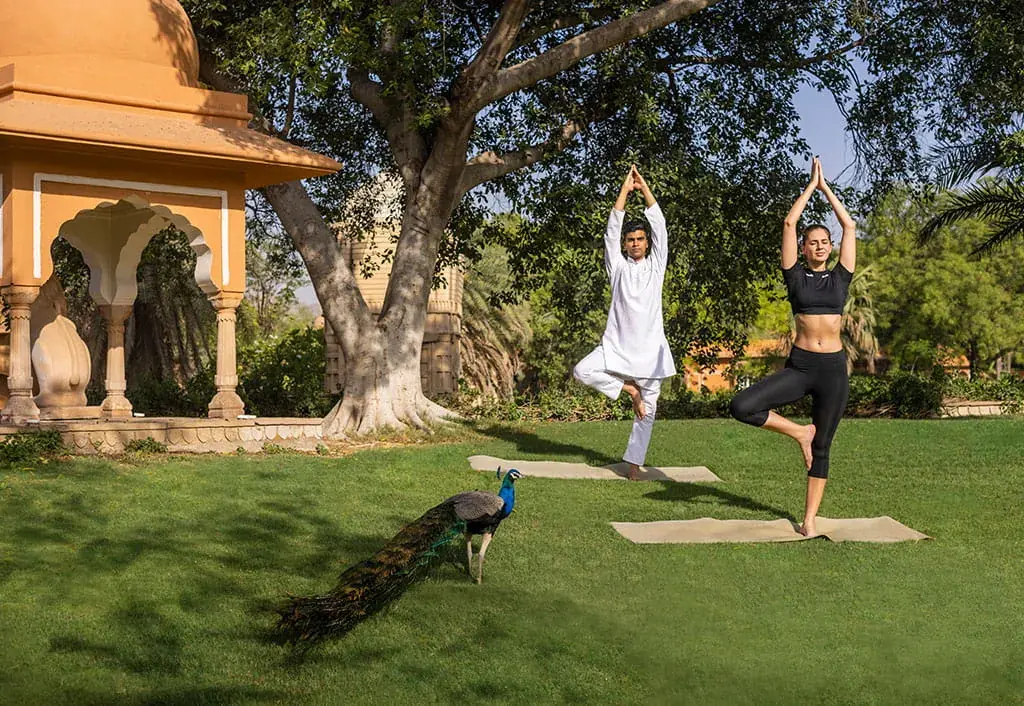
From heritage walks and nature trails to cultural evenings and private sundowners, every experience is curated to enrich your safari journey.








Nearby Destinations to Ranthambore

Jaipur
Pink City Royalty

Agra
Taj Mahal & Mughal Heritage

Chambal Sanctuary
Gharials & River Dolphins

Kota
Hadoti Heritage Capital

Bundi
Step-Wells & Paintings

Bharatpur (Keoladeo)
UNESCO Bird Sanctuary

Tonk
Nawabi Heritage Town
Other Parks in Rajasthan



Other Parks in India





Ranthambore National Park FAQ's
What is the best time to visit Ranthambore?
October to March is ideal for pleasant weather (8–25°C) and comfortable safaris. April to June is the prime tiger sighting season – hot (up to 45°C) but trees are leafless and tigers congregate at lakes, making them easier to spot. The park is closed during the monsoon from July to September.
On which day Ranthambore National Park closed?
Ranthambore National Park safari zones 1–5 are closed every Wednesday (full day), and zones 1–6 are closed every Tuesday (full day) as per the latest notification effective July 2024. The park is also fully closed during the monsoon season from 1st July to 30th September. Always check the latest schedule before booking.
Can I stay inside Ranthambore National Park?
No, visitors cannot stay inside the core area of Ranthambore National Park. Jogi Mahal, the historic forest rest house within the park, is reserved for forest officials. However, there are over 100 hotels, resorts, and eco-lodges ranging from budget to ultra-luxury located near the park gates in Sawai Madhopur, many offering immersive wildlife experiences and jungle-themed hospitality.
Which is better - Corbett or Ranthambore?
Both are excellent tiger reserves with distinct experiences. Ranthambore offers tigers against dramatic fort ruins and lake backdrops, with a drier Rajasthani landscape and proximity to the Golden Triangle. Jim Corbett offers a Himalayan foothills setting with denser forests and river rafting. Ranthambore's open terrain makes tiger sightings generally easier and more photographic. Corbett has a larger area and more diverse topography.
Where is Ranthambore National Park?
Ranthambore National Park is located in the Sawai Madhopur district of Rajasthan, India, between the Aravalli and Vindhya ranges. It lies between the Banas River (north) and Chambal River (south). Nearest town: Sawai Madhopur (12 km). Nearest major city: Jaipur (160 km). It forms part of India's Golden Triangle tourist circuit.
How to reach Ranthambore National Park?
Fly to Jaipur Airport (160 km, 3 hrs). By train, Sawai Madhopur Junction (12 km from park) is on the Delhi–Mumbai main line with excellent connectivity. By road, drive from Jaipur (160 km, 3 hrs), Delhi (400 km, 5–6 hrs), or Agra (260 km, 5 hrs). Sawai Madhopur's rail connectivity makes Ranthambore one of India's most accessible tiger reserves.
How to reach Ranthambore National Park from Delhi?
From Delhi, take a train to Sawai Madhopur Junction (5–6 hours; Jan Shatabdi, Golden Temple Mail, or Rajdhani routes). Alternatively, fly to Jaipur (1 hour) and drive 160 km (3 hours). By road, Delhi to Ranthambore is ~400 km via NH-48, taking 5–6 hours. Train travel is the most popular and convenient option from Delhi.
Where to stay in Ranthambore National Park?
Sawai Madhopur offers 100+ accommodation options near the park gates. Luxury: Oberoi Vanyavilas, Aman-i-Khas, Sujan Sher Bagh, The Baagh. Mid-range: Tiger Den Resort, Nahargarh Ranthambore, Dev Vilas. Budget: Ranthambore Kothi, Tiger Safari Resort. Properties closer to Zone 1–5 gates (Ranthambore Road) offer the most convenient safari access.
How many tigers are in Ranthambore National Park?
As of the 2022 tiger census, Ranthambore National Park had 69 tigers, with the current population estimated at 75+. The park has one of the highest tiger densities in India relative to its tourist-accessible area. Approximately 25 tigers reside in the 20% of the park open to tourism, making sightings relatively frequent.
What animals are in Ranthambore National Park?
Besides Bengal tigers, Ranthambore hosts leopards, sloth bears, striped hyenas, jungle cats, caracals, Indian wolves, sambar, chital, nilgai, chinkara, blackbuck, wild boar, langurs, rhesus macaques, Indian porcupines, and marsh crocodiles. Over 270 bird species include painted storks, crested serpent eagles, and Indian grey hornbills. Caracal sightings are rare but notable.
Is it safe to visit Ranthambore National Park?
Yes, Ranthambore National Park is completely safe for tourists. All safaris are conducted in approved vehicles (6-seater gypsy or 20-seater canter) with trained naturalists and drivers. Strict park rules include staying inside vehicles, maintaining silence, and following guide instructions. The park is one of India's best-managed tourism-friendly tiger reserves.
What is Ranthambore National Park famous for?
Ranthambore is famous for being India's most photogenic tiger reserve, where tigers roam against the backdrop of a 10th-century UNESCO World Heritage fort, ancient ruins, and scenic lakes. The legendary tigress Machli (T-16, 'Queen of Ranthambore') was the world's most photographed and longest-lived wild tigress. The park's unique Trinetra Ganesha Temple and proximity to the Golden Triangle make it iconic.
About Ranthambore
Ranthambore National Park is India's crown jewel of wildlife tourism – a place where the wild and the historic exist in extraordinary harmony. Located in Rajasthan's Sawai Madhopur district, between the Aravalli and Vindhya ranges, this 1,334 sq km reserve is framed by the majestic Ranthambore Fort, a 10th-century fortress designated a UNESCO World Heritage Site as part of the Hill Forts of Rajasthan.
Once the private hunting grounds of the Maharajas of Jaipur, the area was established as the Sawai Madhopur Game Sanctuary in 1955, declared a Project Tiger reserve in 1974, and upgraded to national park status in 1980. Today, Ranthambore National Park is home to over 75 tigers, making it one of India's densest tiger populations. Its open terrain, ancient ruins, and perennial lakes create India's most dramatic settings for tiger photography – no other reserve offers tigers framed against palace ruins and hilltop forts.
The park's most enduring legend is Machli (T-16), the 'Queen of Ranthambore' – the most photographed, most famous, and longest-lived wild tigress in recorded history. Living to approximately 20 years, she was featured in countless documentaries, earned the park millions in tourism revenue, and became a global symbol of tiger conservation. Her descendants continue to rule the territories of Ranthambore today.
Quick Facts about Ranthambore
| Feature | Details |
|---|---|
| Full Name | Ranthambore National Park & Tiger Reserve |
| Location | Sawai Madhopur, Rajasthan |
| Total Area | 1,334 sq km |
| Core Area | ~275 sq km |
| Elevation | 215–505 m |
| Tigers | 75+ |
| Birds | 270+ species |
| Safari Zones | 10 (Zones 1–10) |
| Fort | Ranthambore Fort (10th century, UNESCO World Heritage) |
| Best Time | October to June |
| Closed | 1st July – 30th September (Monsoon) |
| Weekly Closure | Zones 1–5: Wednesday | Zones 1–6: Tuesday |
| Legendary Tigress | Machli (T-16, ~1997–2016) |
Ranthambore's landscape is a captivating mosaic of dry deciduous forests, open grassy meadows, rocky Aravalli outcrops, and scenic lakes. The three major water bodies - Padam Talao (the largest), Rajbagh Talao, and Malik Talao - are the ecological heart of the park, drawing tigers, sambar herds, marsh crocodiles, and spectacular birdlife. The Raj Bagh ruins, a 17th-century royal hunting lodge now engulfed by banyan roots and forest, provide India's most atmospheric tiger photography backdrop.
The park is divided into 10 safari zones. Zones 1-5 form the original core area, accessed from the main gate near Jogi Mahal. Zones 6-10 were added later from the wildlife sanctuary buffer, accessed from gates on the opposite side through Sawai Madhopur's old city. Zones 2, 3, and 4 are considered the best for tiger sightings, thanks to their multiple lakes, water sources, and high prey density.
History of Ranthambore
The Ranthambore Fort, built in 944 AD by the Chahamana dynasty, dominates the park's landscape and history. For centuries, the surrounding forests served as royal hunting grounds for successive dynasties - Chauhans, Mughals, and the Maharajas of Jaipur. In 1955, the area was designated the Sawai Madhopur Game Sanctuary. In 1974, it became one of India's first nine Project Tiger reserves, marking the beginning of its transformation from hunting ground to conservation showcase. National park status followed in 1980.
The 1990s and 2000s saw Ranthambore emerge as India's premier tiger tourism destination, driven largely by the fame of tigress Machli (T-16). Born around 1997, Machli lived to approximately 20 years, raised multiple litters, famously killed a 14-foot mugger crocodile, and was featured in countless documentaries. She generated an estimated INR 100 crore in tourism revenue for the region and became a global icon of tiger conservation. After her death in 2016, her descendants - including Krishna (T-19), Noor (T-39), and Sultan (T-72) - continue to captivate visitors.
Flora & Fauna of Ranthambore
Dry deciduous forests with dhok (Anogeissus pendula) as the dominant species. Other trees include banyan, pipal, neem, ber, mango, jamun, and khair. Open grassy meadows, scrublands, and lakeshore vegetation complete the habitat mosaic. The ancient ruins serve as unique microhabitats, with fig trees and creepers overtaking stone structures.
Bengal tigers (75+), leopards, sloth bears, striped hyenas, jungle cats, caracals, Indian wolves, golden jackals, Indian foxes, marsh crocodiles, Indian python, and monitor lizards. Herbivores: sambar, chital, nilgai, chinkara, blackbuck, wild boar, langurs, rhesus macaques. Over 270 bird species including painted storks, crested serpent eagles, Indian grey hornbills, painted francolins, peafowl, and paradise flycatchers.
Conservation Efforts at Ranthambore
Ranthambore has been central to India's tiger conservation story since being one of the first nine Project Tiger reserves in 1974. Despite facing challenges including poaching in the 1990s that depleted tiger numbers to just 25 by 2005, vigorous conservation efforts have rebuilt the population to 75+. Anti-poaching patrols, camera-trap monitoring, village relocation programmes, and the Ranthambore Tiger Conservation Foundation have been instrumental. The park's economic valuation estimates annual flow benefits of INR 8.3 billion, demonstrating the tangible value of conservation through tourism.
Machli - The Queen of Ranthambore
No tiger in history has captured global attention like Machli (T-16, ~1997-2016). Named 'Machli' (meaning 'Fish') for a fish-shaped marking on her face, she was the most photographed, most filmed, and longest-lived wild tigress ever documented. She raised four litters of cubs, defended her territory fiercely, and in one legendary encounter, killed a 14-foot mugger crocodile. She generated an estimated INR 100 crore in tourism revenue and was awarded India's first 'Lifetime Achievement Award' for a wild animal. Her death in August 2016 at approximately 20 years made international headlines. Today, her descendants continue to rule Ranthambore's territories.
The Fort - Where Wildlife Meets Heritage
The Ranthambore Fort, built in 944 AD and recognized as a UNESCO World Heritage Site, rises 215 metres above the surrounding forest. Within its walls stand three Hindu temples (dedicated to Ganesh, Shiva, and Rama), a Jain temple, and the famous Trinetra Ganesha Temple - India's only three-eyed Ganesh idol, where devotees send wedding invitations to the deity. The fort offers panoramic views of the entire national park, and tigers are occasionally spotted on the road leading up to it, creating a uniquely Indian fusion of wildlife and heritage tourism.