


About Pilibhit Tiger Reserve
Pilibhit Tiger Reserve, nestled in the foothills of the Himalayas along the Indo-Nepal border in Uttar Pradesh, is one of India's most remarkable yet underexplored wildlife destinations. Spanning the lush Terai landscape, this tiger reserve earned global recognition when it won the prestigious TX2 Award in 2016 for doubling its tiger population — the first reserve in the world to receive this honour. Pilibhit Tiger Reserve is a rich mosaic of dense sal forests, tall grasslands, and interconnected river wetlands that support extraordinary biodiversity. With thriving populations of Bengal tigers, leopards, swamp deer, and over 460 bird species, the reserve offers a truly immersive wildlife experience. It forms a critical part of the Terai Arc Landscape, a wildlife corridor linking Nepal's Shuklaphanta and Bardia national parks to India's Dudhwa Tiger Reserve. For travellers seeking an offbeat, authentic jungle adventure far from the tourist crowds, Pilibhit Tiger Reserve is an unmatched gateway into the wild heart of the Indian Terai.
- Area730.24 sq km
- Established2014
- StateUttar Pradesh
- Nearest CityPilibhit
- Safari Zones3 Zones
Pilibhit Travel Guide
Biodiversity

Wildlife
Pilibhit Tiger Reserve shelters Bengal tigers, leopards, swamp deer, elephants, sloth bears, gharials, and over 460 vibrant bird species in pristine Terai habitat.

Flora
The reserve boasts dense sal, teak, and khair forests interspersed with tall elephant grass, seasonal wetlands, riverine strips, and expansive Terai grasslands unique to the sub-Himalayan belt.

Landscape
A classic Terai ecosystem: flat alluvial plains, meandering rivers like the Sharda, braided channels, oxbow lakes, and forested corridors linking India and Nepal's protected areas.
Safari Guide
Best Time to Visit
Things to Do

Jeep Safari
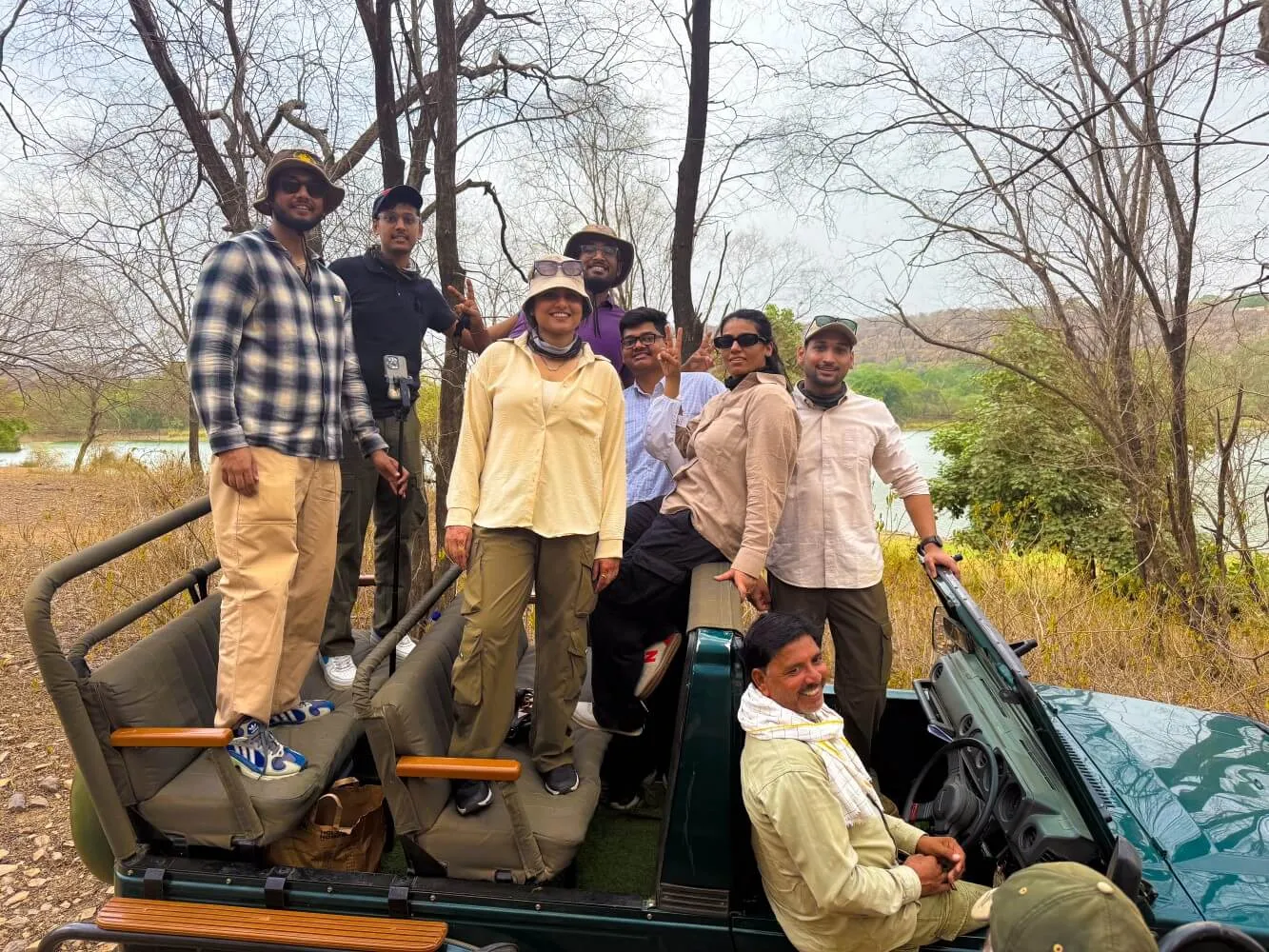
Explore Pilibhit Tiger Reserve's core zones aboard open jeeps, tracking tigers, leopards, and deer through dense sal forests and golden grasslands at dawn.

Bird Watching
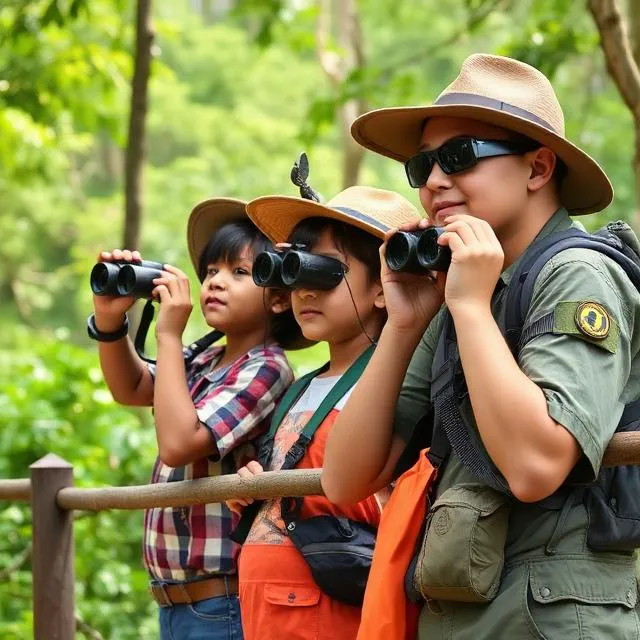
With 460+ bird species including hornbills, fishing eagles, and rare Sarus cranes, Pilibhit Tiger Reserve is an unrivalled birding paradise for serious and casual bird lovers.

Wildlife Photography
Capture stunning frames of tigers at waterholes, birds in flight, and landscapes at golden hour — Pilibhit's open terrain and diverse habitats are a photographer's dream.

Nature Walk
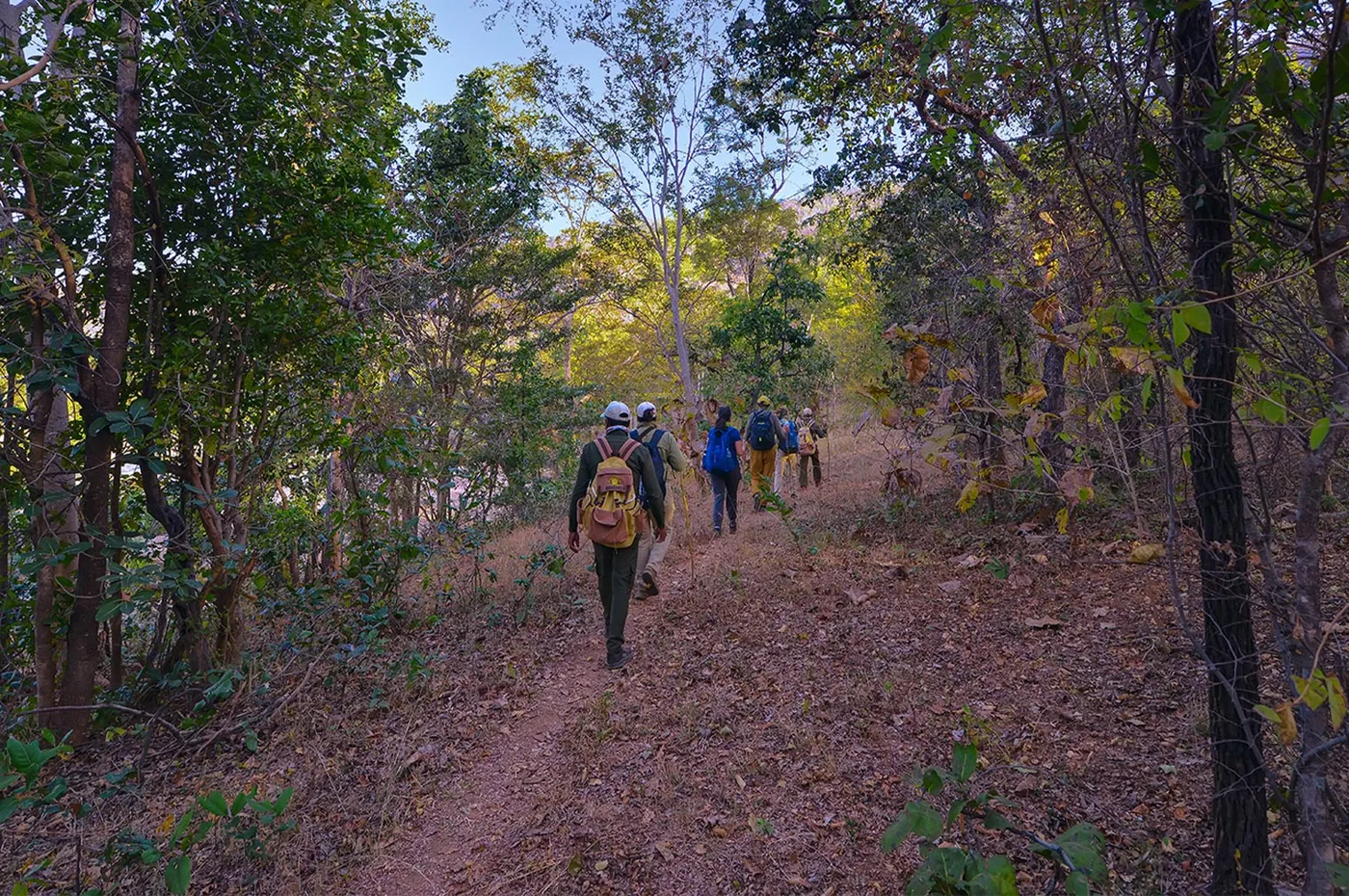
Guided nature walks along forest trails reveal butterflies, reptiles, medicinal plants, and small mammals, offering an intimate on-foot encounter with the Terai ecosystem.

Village & Tharu Cultural Experience
Explore traditional Tharu tribal villages bordering the reserve — discover their unique architecture, folk art, cuisine, and ancient bond with the forest.

Visit Chuka Beach
Chuka is a stunning, offbeat sandy riverbank along the Sharda River inside the reserve — perfect for a quiet picnic, nature retreat, and scenic riverside relaxation.
Offbeat & Less Crowded Wildlife Experience
Unlike popular tiger reserves, Pilibhit offers uncrowded safaris, more personal wildlife encounters, and an authentic jungle atmosphere away from mass tourism.
How to Reach
Attractions

Pilibhit Tiger Reserve Core Zone
The heartland of the reserve — dense sal forests, prime tiger territory, and pristine grasslands reachable only on regulated jeep safaris for serious wildlife seekers.

Mahof Forest Range
A rich forest range within Pilibhit Tiger Reserve known for diverse wildlife sightings, beautiful mixed forest canopy, and excellent jeep safari trails for tiger tracking.

Mala Forest Range
Mala Range offers lush, dense forests and rewarding wildlife encounters including leopards and deer, making it a popular choice for safari excursions within the reserve.

Barahi Range
The Barahi Range features a mix of grasslands and forest patches providing excellent habitat for tigers, elephants, and a rich variety of Terai bird species.

Sharda River
The Sharda River flows along the reserve boundary, creating scenic riparian habitats, sandy beaches, and crucial wildlife corridors connecting India and Nepal's forests.

Sharda Sagar Dam
A scenic dam on the Sharda River near the reserve, offering beautiful views, migratory bird watching, and a tranquil stopover on any Pilibhit Tiger Reserve itinerary.
Chuka Beach
Chuka is a serene, offbeat sandy stretch along the Sharda River inside the reserve — a hidden gem offering nature, peace, river views, and excellent photography opportunities.

Jaisantri Devi Temple
A revered ancient temple near the reserve blending spiritual heritage with natural surroundings, attracting pilgrims and travellers exploring the cultural landscape of Pilibhit district.

Gauri Shankar Temple
A significant Shiva temple near Pilibhit Tiger Reserve, celebrated for its religious importance and peaceful riverside setting, ideal for a cultural detour during your wildlife visit.
Pilibhit Tour Packages
From hidden tiger trails to serene forest escapes, every Pilibhit package is handcrafted around your pace, comfort, and passion for untouched wilderness.








Pilibhit Hotels & Resorts — Luxury Jungle Lodges
We partner with Pilibhit's finest nature retreats and wildlife lodges—handpicked for their tranquil settings, attentive service, and authentic jungle experiences.
Stay at Pilibhit Tiger Reserve's finest handpicked wildlife lodges, where comfort meets the untamed wilderness.


Signature Experiences, Curated Around Pilibhit
From tranquil nature experiences and local culture to memorable moments in the wild, every experience is designed to complement your Pilibhit safari.














Nearby Destinations to Pilibhit

Bareilly
Gateway City

Dudhwa National Park
Terai Tiger Wilderness

Nainital
Hill Station Lakes

Corbett National Park
India's First Tiger Reserve

Lucknow
City of Nawabs

Katarniaghat Wildlife Sanctuary
Gharial & Dolphin Sanctuary
Other Parks in Uttar Pradesh


Other Parks in India


Pilibhit Tiger Reserve FAQ's
Where is Pilibhit Tiger Reserve located?
Pilibhit Tiger Reserve is located in the Pilibhit and Shahjahanpur districts of Uttar Pradesh, India, along the Indo-Nepal border in the sub-Himalayan Terai belt. The nearest city is Pilibhit (3 km from the reserve gate), and Bareilly is the nearest major city at ~70 km.
What is Pilibhit Tiger Reserve famous for?
Pilibhit Tiger Reserve is famous for being the world's first recipient of the TX2 Award (2016) for doubling its tiger population. It is celebrated for its rich Terai biodiversity, dense sal forests, 460+ bird species, thriving tiger population, and the offbeat Chuka Beach. It is also known for its Tharu tribal cultural heritage and its role as a critical wildlife corridor between India and Nepal.
What is the best time to visit Pilibhit Tiger Reserve?
The best time to visit Pilibhit Tiger Reserve is from November to June. October to March offers cool, pleasant weather ideal for safaris and bird watching. April to June, while hot, is excellent for tiger sightings as wildlife congregates near waterholes. The reserve is generally closed during the monsoon months (July–September/October).
Is Pilibhit Tiger Reserve open throughout the year?
No, Pilibhit Tiger Reserve is not open throughout the year. The reserve remains open from November/October to June. It closes during the monsoon season (approximately July to September/mid-October) due to heavy rainfall and flooded forest roads. Always check the official UP Forest Department website for current opening dates before planning your visit.
How many tigers are in Pilibhit Tiger Reserve?
As per the latest tiger census data, Pilibhit Tiger Reserve is home to approximately 65 tigers, making it one of the most densely populated tiger reserves per unit area in India. This remarkable number is a result of focused conservation efforts that led to the reserve winning the globally acclaimed TX2 Award in 2016 for doubling its tiger population within a decade.
What animals can be seen in Pilibhit Tiger Reserve?
Pilibhit Tiger Reserve is home to a remarkable range of wildlife including Bengal tigers, leopards, swamp deer (barasingha), elephants, sloth bears, wild boar, spotted deer (chital), sambhar, hog deer, Indian one-horned rhinoceros (occasional records), gharials, mugger crocodiles, and pythons. The reserve also supports over 460 bird species including hornbills, fishing eagles, ospreys, and Sarus cranes.
Which safari zones are best in Pilibhit Tiger Reserve?
The best safari zones in Pilibhit Tiger Reserve include the Pilibhit Tiger Reserve Core Zone (prime tiger territory), Mahof Forest Range (rich wildlife and excellent trails), Mala Forest Range (leopards and deer), and Barahi Range (grasslands with diverse fauna). The core zone generally offers the best chances of tiger sightings, while Mahof and Barahi are known for birding and leopard sightings.
What types of safaris are available in Pilibhit Tiger Reserve?
Pilibhit Tiger Reserve primarily offers Jeep Safari (4x4 open jeep) through designated forest routes in both core and buffer zones. Bird watching safaris, nature walks with forest guides, and cultural village walks in Tharu communities are also available. Boat safaris are informally available along the Sharda River near Chuka Beach for a different wildlife perspective.
How many days are enough for Pilibhit Tiger Reserve?
A minimum of 2 nights and 3 days is recommended for a satisfying visit to Pilibhit Tiger Reserve. This allows at least 3–4 safaris (morning and evening), a visit to Chuka Beach, and time to explore nearby attractions like the Sharda Sagar Dam and Tharu villages. For serious wildlife enthusiasts or photographers, 4–5 days would provide a more immersive experience.
How to reach Pilibhit Tiger Reserve?
Pilibhit Tiger Reserve is accessible by air via Pantnagar Airport (~105 km, connected from Delhi), by rail via Pilibhit Junction Railway Station (~3 km from the park), and by road from Bareilly (~70 km via NH-730) or Lucknow (~280 km). Taxis, cabs, and buses are available from all these points. Self-drive is also convenient as roads are well maintained.
Are online safari bookings available for Pilibhit Tiger Reserve?
Safaris in Pilibhit Tiger Reserve can be booked online through Wild Enthusiast’s safari booking third party platform up to 120 days in advance. You need a valid government ID (Aadhar, passport, or driving license). Advance booking is strongly recommended, especially during peak season (November to March) and weekends.
What are the main attractions near Pilibhit Tiger Reserve?
Key attractions near Pilibhit Tiger Reserve include Chuka Beach (scenic Sharda River bank inside the reserve), Sharda Sagar Dam, Jaisantri Devi Temple, Gauri Shankar Temple, and Tharu tribal villages. Nearby destinations include Katarniaghat Wildlife Sanctuary (~60 km), Dudhwa National Park (~130 km), and the Nainital hill station (~150 km).
Is Pilibhit Tiger Reserve safe for tourists?
Yes, Pilibhit Tiger Reserve is safe for tourists when visited with authorised forest guides and in designated safari vehicles. All safaris are conducted under strict forest department supervision with trained naturalists and guides. Tourists are required to follow park rules, stay within vehicles during safaris, and avoid venturing into the core forest without official escort. The local area and resort zones are completely safe for families and solo travellers.
Can Pilibhit Tiger Reserve be visited as a day trip?
A day trip to Pilibhit Tiger Reserve is possible if you are based in Bareilly (~70 km away) or nearby areas. You can complete one morning or evening safari in a day trip. However, a day trip does not do justice to the reserve's richness. An overnight stay is strongly recommended to experience multiple safari slots, Chuka Beach, and the tranquil forest atmosphere at its best.
What makes Pilibhit Tiger Reserve unique among tiger reserves in India?
Pilibhit Tiger Reserve is unique for several reasons: it is the world's first wildlife reserve to win the TX2 Award for doubling its tiger population, it sits at the strategic Terai Arc wildlife corridor linking India and Nepal, it offers the offbeat Chuka Beach experience inside the forest, it has one of the highest tiger densities per square kilometre in India, and it provides a rare, uncrowded, authentic safari experience that is increasingly rare in popular Indian tiger reserves.
About Pilibhit Tiger Reserve
Pilibhit Tiger Reserve is a celebrated wildlife sanctuary in Uttar Pradesh, India, occupying a critical stretch of the sub-Himalayan Terai ecosystem along the India-Nepal international border. Covering a total area of approximately 730.24 square kilometres — divided into a core zone of 602 square kilometres and a buffer zone of about 127 square kilometres — the reserve is a biodiversity hotspot of exceptional ecological significance. Originally designated as the Pilibhit Forest Division and managed as a protected forest, the area was formally notified as a Tiger Reserve in 2014 under Project Tiger, acknowledging its outstanding conservation potential and its thriving big cat population.
The reserve earned worldwide recognition in 2016 when it became the first tiger reserve globally to receive the prestigious TX2 Award, presented by WWF and the Global Tiger Forum, for successfully doubling its tiger count within a decade. This remarkable achievement stands as a testament to exemplary conservation management, community engagement, and scientific monitoring. Pilibhit Tiger Reserve is a vital link in the Terai Arc Landscape, a global conservation priority zone that connects a chain of national parks and wildlife sanctuaries spanning the foothills of the Himalayas from India into Nepal, facilitating the natural movement of tigers, elephants, and other megafauna across international borders.
The landscape of Pilibhit Tiger Reserve is a stunning blend of dense sal forests, open grasslands, seasonal wetlands, oxbow lakes, and riparian habitats along rivers including the Sharda, Mala, Khakhara, and Gomti. This ecological diversity sustains one of India's most impressive concentrations of wildlife, making it a must-visit destination for nature lovers, wildlife photographers, ornithologists, and ecotourists seeking a genuinely offbeat and immersive Indian jungle experience.
Quick Facts about Pilibhit Tiger Reserve
| Feature | Details |
|---|---|
| Total Area | 730.24 sq km |
| Core Zone | 602.00 sq km |
| Buffer Zone | 127.11 sq km (approx.) |
| Location | Pilibhit & Shahjahanpur Districts, Uttar Pradesh |
| Established as Tiger Reserve | 2014 |
| Forest Type | Northern Tropical Moist Deciduous Forest, Terai Grasslands |
| Tiger Population | ~65 Tigers (Latest Census) |
| Leopard Population | Healthy breeding population recorded |
| Bird Species | 460+ species (IBA — Important Bird Area) |
| Key Rivers | Sharda (Kali), Mala, Khakhara, Chauka, Gomti |
| Best Time to Visit | November – June |
| Nearest City | Pilibhit (3 km); Bareilly (70 km) |
| Awards | TX2 Award 2016 (First Tiger Reserve in the World) |
| UNESCO Corridor | Terai Arc Landscape — Global Priority Conservation Zone |
Detailed Overview — Geography, Terrain & Ecosystem
Geographically, Pilibhit Tiger Reserve lies in the Pilibhit and Shahjahanpur districts of northern Uttar Pradesh, positioned between latitudes 28°16'N to 28°40'N and longitudes 79°40'E to 80°25'E. The reserve occupies the lowland Terai zone, characterised by flat alluvial plains formed by sediment deposition from Himalayan rivers over millions of years. The terrain ranges from 170 to 230 metres above sea level, with no significant elevation changes, resulting in a flat to gently undulating landscape that is ecologically rich and hydrologically dynamic.
The reserve is drained by several important rivers including the Sharda (Kali), Mala, Khakhara, Chauka, and the Upper Sarda Canal, all flowing southward from the Himalayan foothills into the Gangetic plains. These river systems create extensive riparian corridors, floodplains, marshy grasslands, and interconnected wetlands that are critical for wildlife movement, breeding, and water availability during the dry season.
The dominant vegetation type is the Northern Tropical Moist Deciduous Forest, dominated by sal (Shorea robusta) and teak, with an understorey of bamboo, climbers, shrubs, and medicinal plants. Dense elephant grass savannahs (Saccharum spontaneum and Imperata cylindrica) cover large portions of the buffer zone and forest edges, providing crucial habitat for swamp deer, hog deer, and the tigers that hunt them. The reserve also contains extensive areas of Terai grasslands and semi-evergreen patches, supporting a unique suite of biodiversity found nowhere else in the Gangetic plains.
History of Pilibhit Tiger Reserve
The forests of Pilibhit have been valued and managed since the British colonial era, when the Pilibhit Forest Division was established to harvest the rich sal timber from the Terai forests. For decades, the forest was managed primarily for timber extraction and revenue generation, with limited regard for wildlife conservation. The indigenous Tharu community, who have lived in the Terai region for centuries, maintained a traditional ecological relationship with the forest, depending on it for food, medicine, and livelihoods.
Following India's Wildlife Protection Act of 1972 and the launch of Project Tiger in 1973, wildlife conservation began to receive increased attention across the country. The Pilibhit forests, recognising their rich tiger habitat and strategic location, were progressively brought under enhanced protection. The area was initially managed as part of the Terai forests before receiving formal recognition as Pilibhit Wildlife Division.
In 2014, the central government officially notified the area as Pilibhit Tiger Reserve under the Wildlife Protection Act, bringing it under the purview of the National Tiger Conservation Authority (NTCA) and Project Tiger. This formal designation unlocked dedicated conservation funding, scientific management frameworks, and intensive anti-poaching measures that transformed the reserve's ecological health. Within just a decade of focused management, the tiger population in Pilibhit more than doubled - a milestone that earned the reserve the global TX2 Award in 2016, marking it as one of the most successful tiger recovery stories in the world.
The reserve also carries cultural significance as the traditional homeland of the Tharu people, an indigenous community with ancient ties to the Terai forests. Tharu villages dot the buffer zone and periphery of the reserve, and their traditional knowledge, forest practices, and ecological wisdom have played an important role in shaping the landscape's biodiversity over centuries.
Flora & Fauna of Pilibhit Tiger Reserve
Flora - Vegetation Types
The vegetation of Pilibhit Tiger Reserve is dominated by Northern Tropical Moist Deciduous Forests, with sal (Shorea robusta) as the canopy dominant across most of the core zone. Other common tree species include teak (Tectona grandis), khair (Acacia catechu), shisham (Dalbergia sissoo), bahera, arjun, haldu, and jamun. The forests have a dense understorey of bamboo (Dendrocalamus strictus), a variety of climbers, lantana shrubs, and an immense diversity of medicinal herbs and shrubs used by local communities.
The grasslands within the reserve - both tall elephant grass savannahs and short-grass patches near waterbodies - are ecologically critical habitats for grassland specialists. Saccharum spontaneum and Imperata cylindrica dominate the open areas, while the riverine corridors support gallery forests of mixed species with dense vegetation that provides year-round shelter and food for wildlife. Seasonal wetlands, oxbow lakes, and flooded meadows further enrich the ecosystem, supporting aquatic vegetation, waterfowl, and fish communities.
Fauna - Wildlife Species
Pilibhit Tiger Reserve supports an outstanding diversity of mammalian, avian, reptilian, and aquatic fauna. The flagship species is the Bengal Tiger (Panthera tigris tigris), with a population of approximately 65 individuals making it one of the most densely populated tiger habitats in India. The reserve also has a healthy leopard (Panthera pardus) population that occupies forest edges and areas surrounding human settlements.
Among the large ungulates, Swamp Deer or Barasingha (Rucervus duvaucelii) - a threatened species - are found in good numbers, making Pilibhit one of their strongholds. Spotted Deer (Axis axis), Sambhar (Rusa unicolor), Hog Deer (Axis porcinus), Wild Boar (Sus scrofa), and Nilgai (Boselaphus tragocamelus) are all abundant. Elephant (Elephas maximus) herds occasionally move through the reserve from Nepal and adjoining forests.
Pilibhit Tiger Reserve is equally celebrated for its avian diversity, having been designated an Important Bird Area (IBA). Over 460 bird species have been recorded, including Great Hornbill (Buceros bicornis), Pied Kingfisher, White-tailed Eagle, Osprey, Changeable Hawk-Eagle, fishing eagles, Indian Skimmer, Lesser Adjutant Stork, and numerous waders and waterfowl. The Sarus Crane (Grus antigone), the world's tallest flying bird, is also recorded in the buffer grasslands.
The reserve's rivers and wetlands support Gharial (Gavialis gangeticus), Mugger Crocodile (Crocodylus palustris), Indian Softshell Turtle, Monitor Lizards, and the Indian Rock Python. The Gangetic River Dolphin (Platanista gangetica) - India's national aquatic animal - has also been recorded in the Sharda River.
Conservation Efforts at Pilibhit Tiger Reserve
Pilibhit Tiger Reserve has been a shining example of what focused, science-based, community-inclusive conservation can achieve in India. Since its formal notification as a Tiger Reserve in 2014, the UP Forest Department and the National Tiger Conservation Authority (NTCA) have implemented comprehensive conservation strategies that have yielded outstanding results.
Key conservation initiatives include rigorous anti-poaching operations with armed forest protection squads, camera trap monitoring networks covering the entire core zone, regular wildlife census using pug mark counts and camera trap data, and strict enforcement of the Wildlife Protection Act. The reserve participates in the pan-India Tiger Monitoring Programme coordinated by the Wildlife Institute of India (WII).
Community engagement has been central to Pilibhit's conservation success. The forest department has worked extensively with Tharu communities and other forest-edge villages to reduce human-wildlife conflict through compensation schemes for livestock losses, alternative livelihood programmes, eco-tourism employment (as safari guides, naturalists, resort staff), and awareness campaigns. Village Eco-Development Committees (VEDCs) have been established to involve local people as active stakeholders in conservation.
Habitat management activities include controlled burning of grasslands to regenerate fresh growth (benefiting herbivores), waterhole maintenance and artificial water source creation for dry-season wildlife, invasive species control (particularly lantana removal), and riverbank restoration. The reserve has also implemented strict regulation of human activities in the buffer zone, gradually relocating encroachments and managing cattle grazing to reduce pressure on the core forest.
International collaboration through programmes like the Terai Arc Landscape (TAL) project - supported by WWF-India, UNDP, and bilateral Indo-Nepal conservation initiatives - has ensured transboundary wildlife movement corridors remain intact, allowing tigers, elephants, and other species to move freely between India and Nepal. This holistic, landscape-level approach to conservation has made Pilibhit Tiger Reserve a global model for tiger recovery and Terai ecosystem management.