





About Kanha National Park
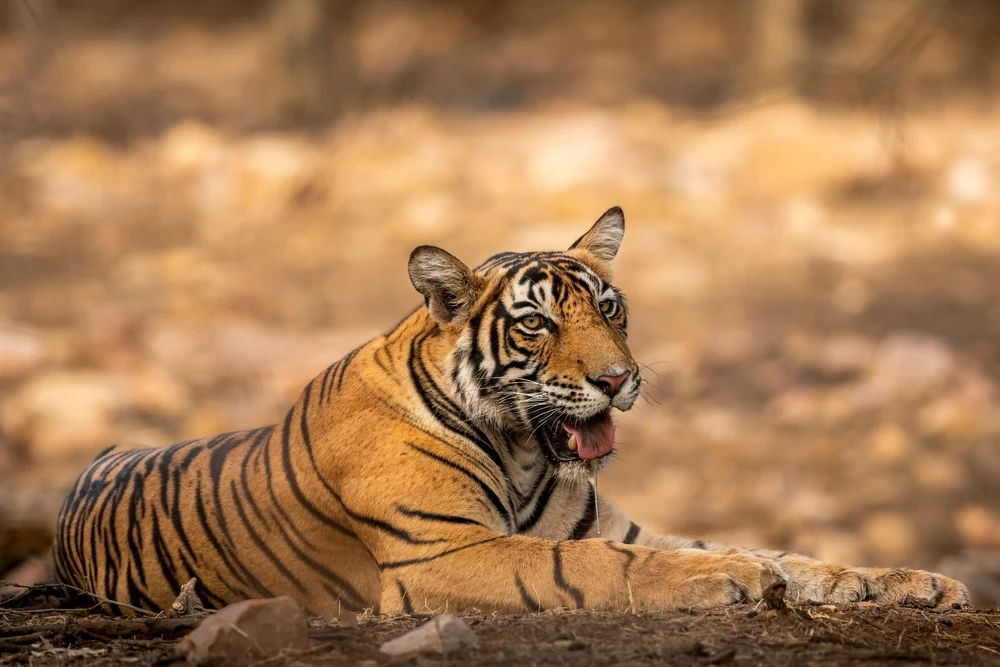
Kanha National Park, nestled in the Maikal range of the Satpura hills in Madhya Pradesh, is widely regarded as one of the finest wildlife reserves in the world. This is the legendary landscape that inspired Rudyard Kipling’s The Jungle Book – a place where dense sal forests, sweeping meadows, and crystal-clear streams create a wilderness of extraordinary beauty. Kanha National Park is celebrated for its thriving Bengal tiger population and for single-handedly saving the hard-ground barasingha (swamp deer) from extinction. As one of India’s original Project Tiger reserves since 1973, Kanha National Park stands as a gold standard in conservation, offering visitors an immersive wildlife experience that blends adrenaline-pumping tiger safaris with tranquil nature encounters.
- Area2,074 sq km
- Established1955
- StateMadhya Pradesh
- DistrictsMandla & Balaghat
- Total Zones9
Kanha Travel Guide
Biodiversity

Wildlife
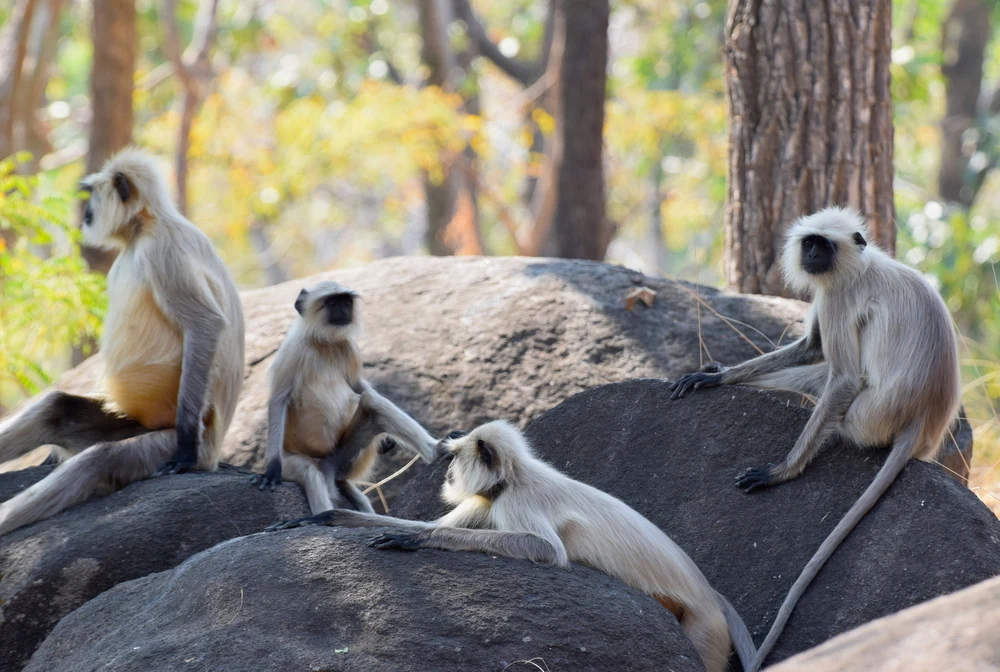
Kanha National Park shelters Bengal tigers, leopards, wild dogs (dhole), sloth bears, Indian gaur, barasingha, sambar, chital, nilgai, and Indian wolves among 43 mammal species.

Flora
Supports lush sal and bamboo forests, vast grasslands, and diverse deciduous trees like saja and mahua, sustaining rich wildlife and seasonal vegetation cycles.
Landscape
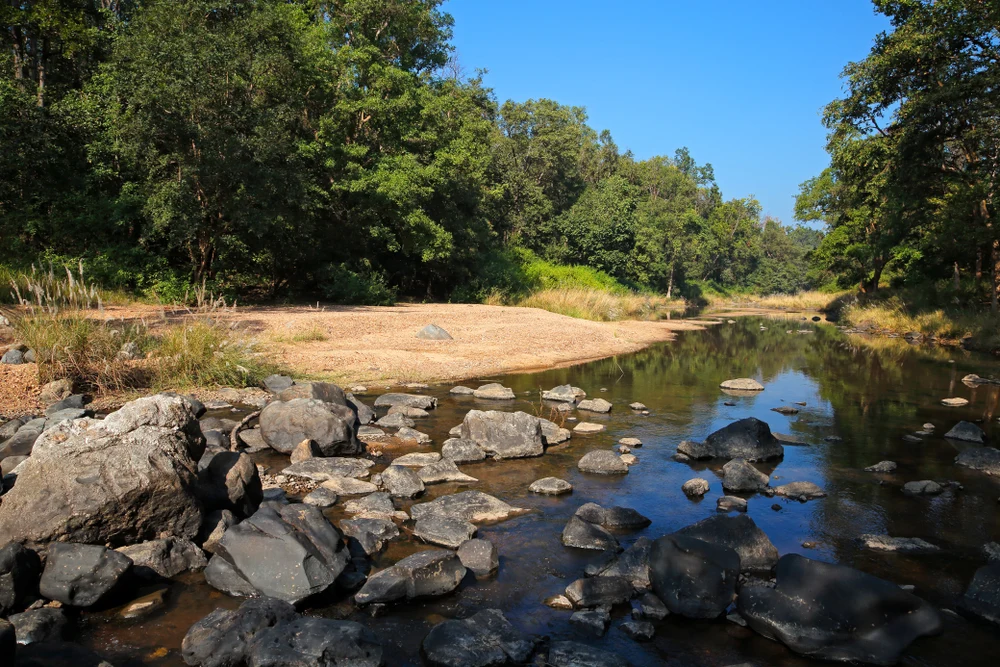
The terrain features expansive sal forests, grassy meadows (maidans), bamboo-clad hillsides, mixed deciduous woodlands, and meandering rivers set within the Maikal range.
Safari Guide
Best Time to Visit
Things to Do

Jeep Safari
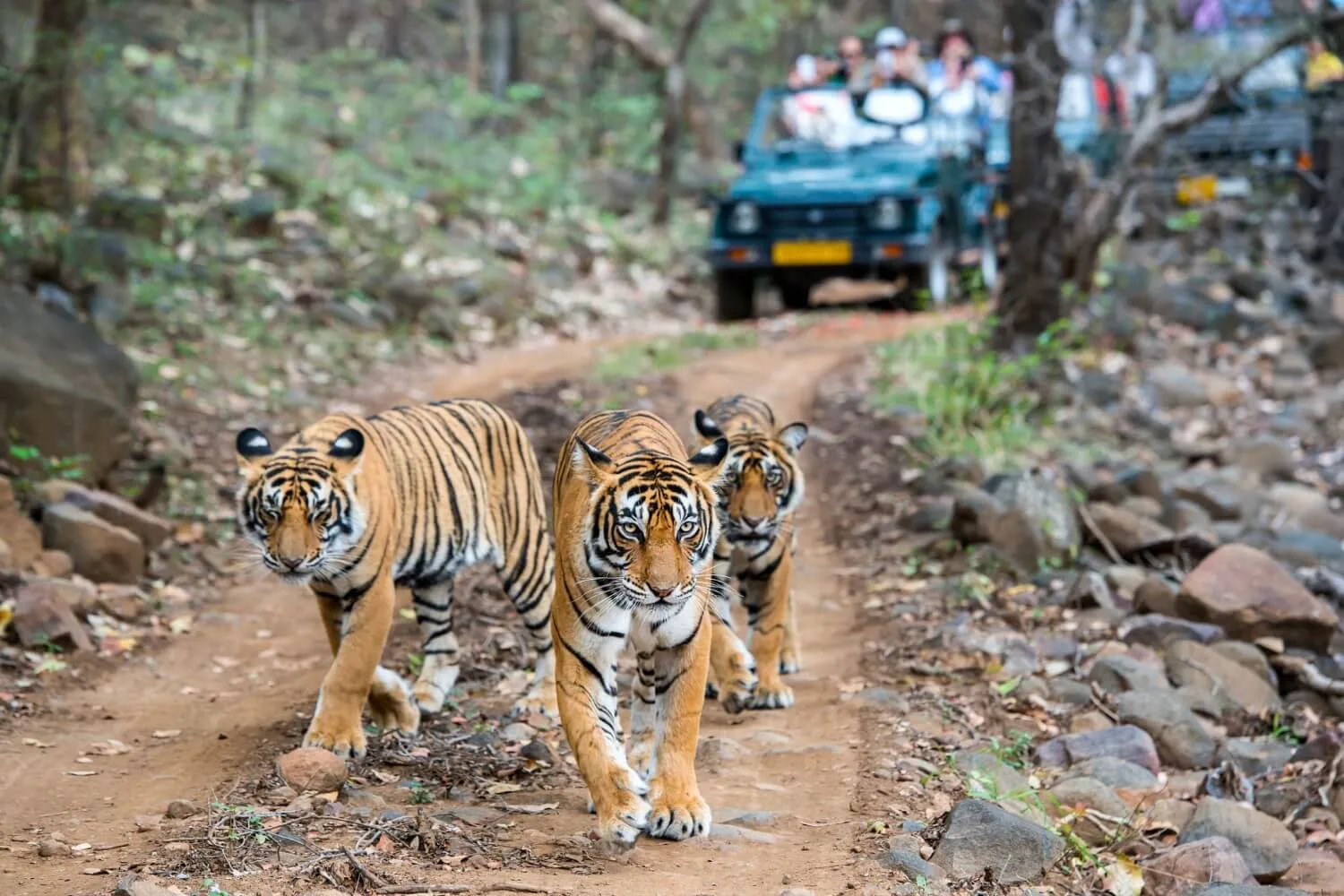
Explore four core zones in open 4x4 vehicles with expert naturalists, tracking tigers across meadows and dense sal corridors.

Bird Watching
Spot over 300 avian species including hornbills, woodpeckers, paradise flycatchers, and migratory raptors near wetlands and meadows.

Nature Walk
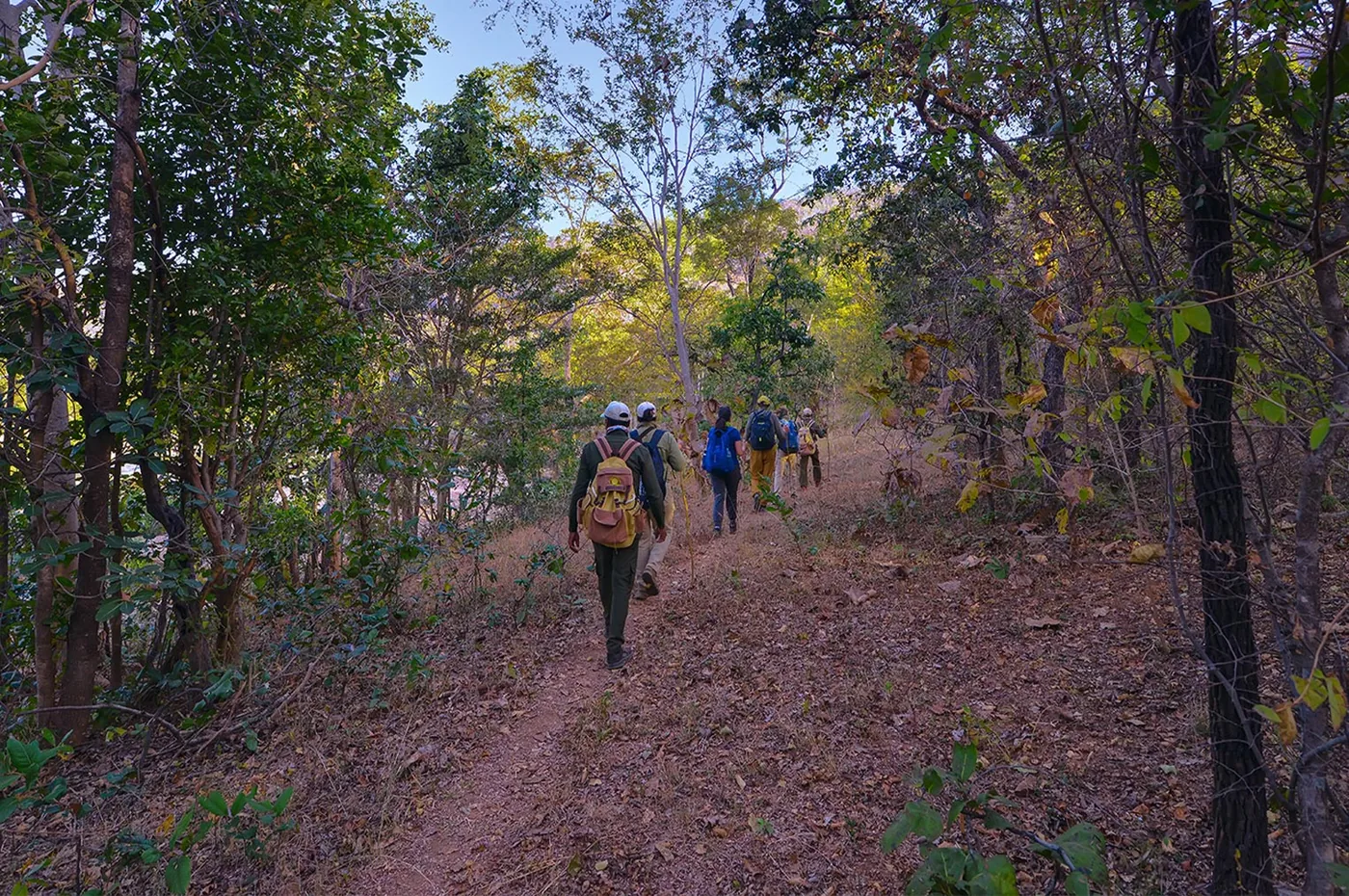
Guided walking safaris through buffer zones offer an intimate experience of Kanha's flora, butterflies, and smaller woodland creatures.
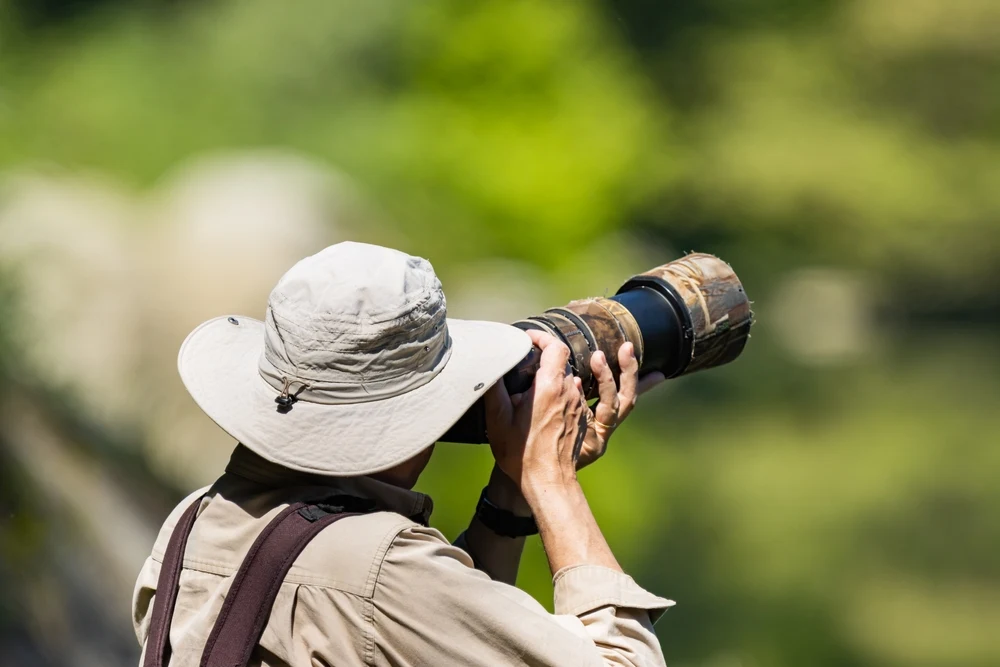
Wildlife Photography
Capture iconic moments at Kanha Meadows, Bamni Dadar, and forest waterholes where tigers and barasingha frequent.
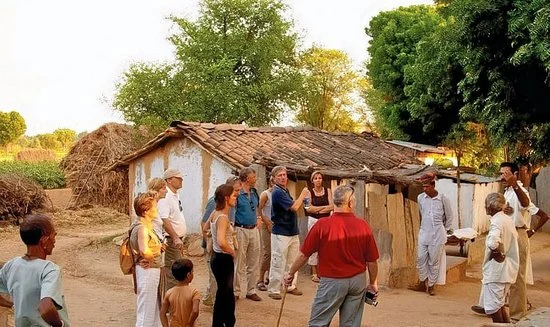
Village & Tribal Cultural Experience
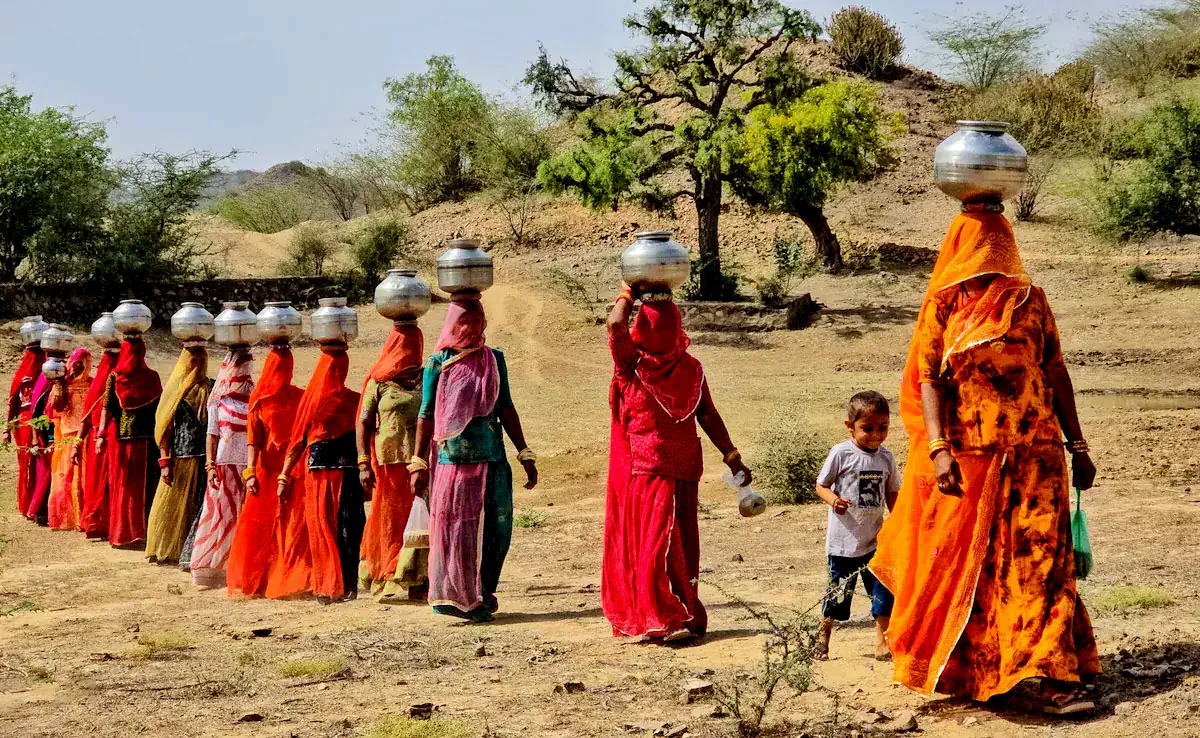
Visit Baiga and Gond tribal settlements to experience indigenous crafts, dance forms, and traditional forest-based lifestyles.
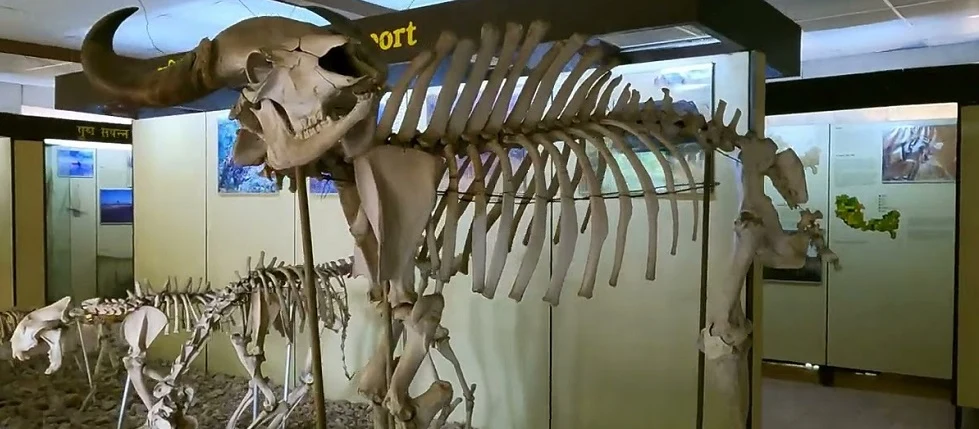
Kanha Museum
Explore the park's natural history museum showcasing specimens, conservation timelines, and the barasingha revival story.

Bush Dinner
Dine under the stars at curated forest-edge setups arranged by luxury lodges, complete with campfire storytelling.

Sundowners
Enjoy golden-hour beverages at elevated viewpoints overlooking Kanha's vast meadows as the jungle transitions to twilight.
How to Reach
Attractions

Kanha Meadows
Iconic open grasslands that sustain barasingha herds and large ungulate populations – the lifeline of Kanha's predator-prey ecosystem.

Bamni Dadar (Sunset Point)
Kanha's most celebrated viewpoint offering breathtaking panoramic sunset views over the forested valleys and meadows below.

Kisli Zone
One of the four core safari zones, known for elegant sal forests, scenic grasslands, and bamboo vegetation with regular tiger sightings.
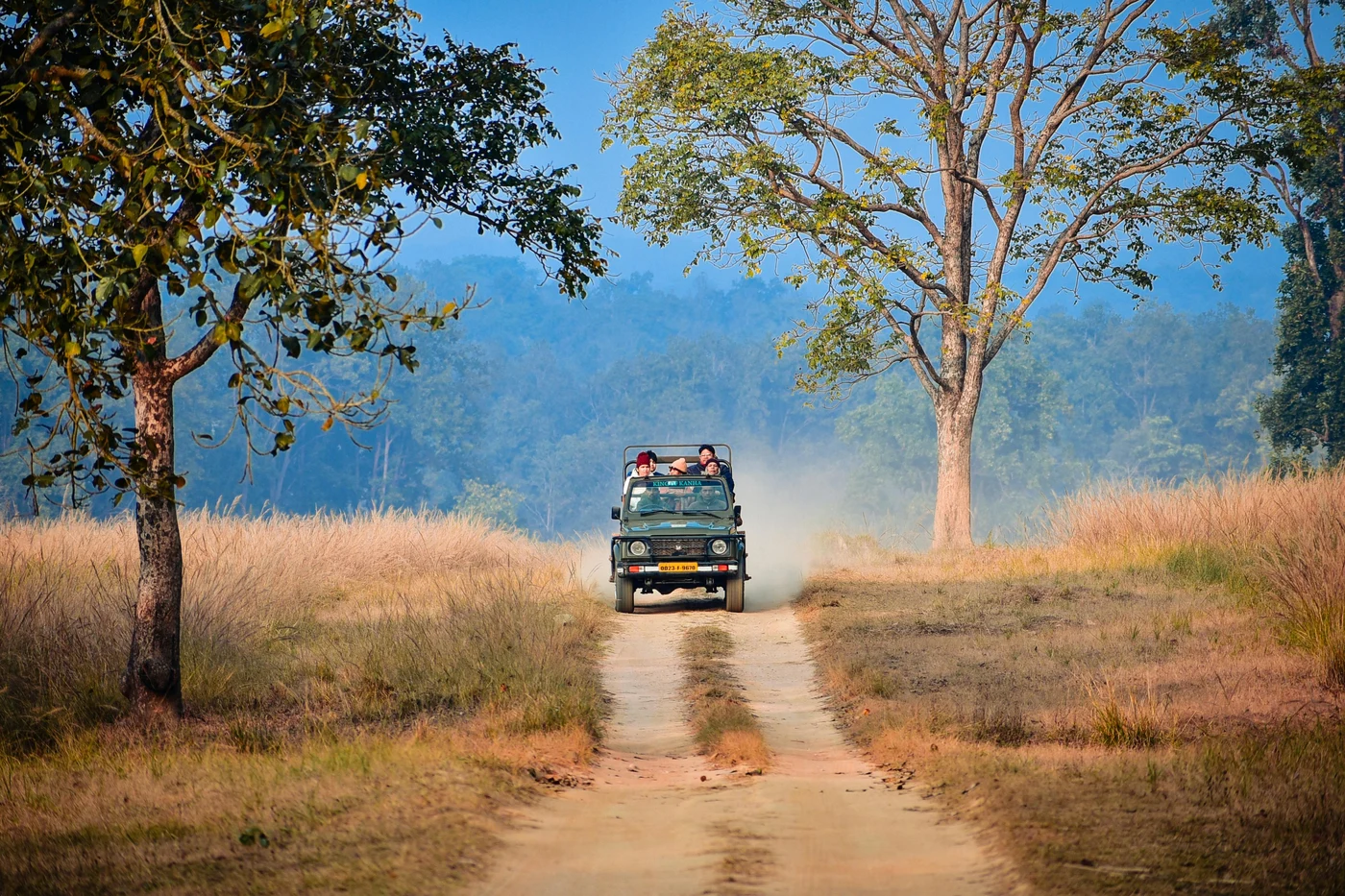
Mukki Zone
Currently the most popular zone for tiger density, featuring sal, bamboo, and grasslands with excellent male tiger sightings.

Sarhi Zone
Dry deciduous forest zone with large meadows, including the historic Saunf meadow where barasingha was first spotted in 1966.
Kanha Museum
A natural history museum near Khatia gate documenting wildlife specimens, tribal heritage, and the park's conservation journey.

Banjar River
A scenic river flowing through the reserve, creating vital water corridors for wildlife and picturesque landscapes for visitors.

Bhoramdeo Temple
A stunning 7th–11th century Nagara-style temple complex near Kawardha, often called the 'Khajuraho of Chhattisgarh.'

Kawardha Palace
A heritage palace offering royal accommodation and a gateway to tribal culture and the forests surrounding Kanha.

Phen Wildlife Sanctuary
A 110 sq km satellite micro-core adjoining Kanha, home to tigers, leopards, and diverse birdlife in undisturbed habitat.

Mandla Town & Fort
A historic town on the Narmada River featuring ancient Gond dynasty forts, temples, and a scenic river-island setting.

Amarkantak
A sacred pilgrimage town and the origin of the Narmada and Son rivers, surrounded by lush forests and waterfalls.
Kanha Tour Packages
From peaceful forest getaways to immersive wildlife journeys, every Kanha package is tailored around your travel pace, safari preferences, and love for nature.






Kanha Hotels & Resorts — Luxury Jungle Lodges
We partner with Kanha's most celebrated forest lodges and luxury wilderness retreats—chosen for their warm hospitality, immersive nature experiences, and timeless charm.
Stay at Kanha National Park's finest handpicked wildlife lodges, where comfort meets the untamed wilderness.















Signature Experiences, Curated Around Kanha
From peaceful forest experiences and local culture to unforgettable moments in the wild, every experience is curated to complement your Kanha safari.










Nearby Destinations to Kanha
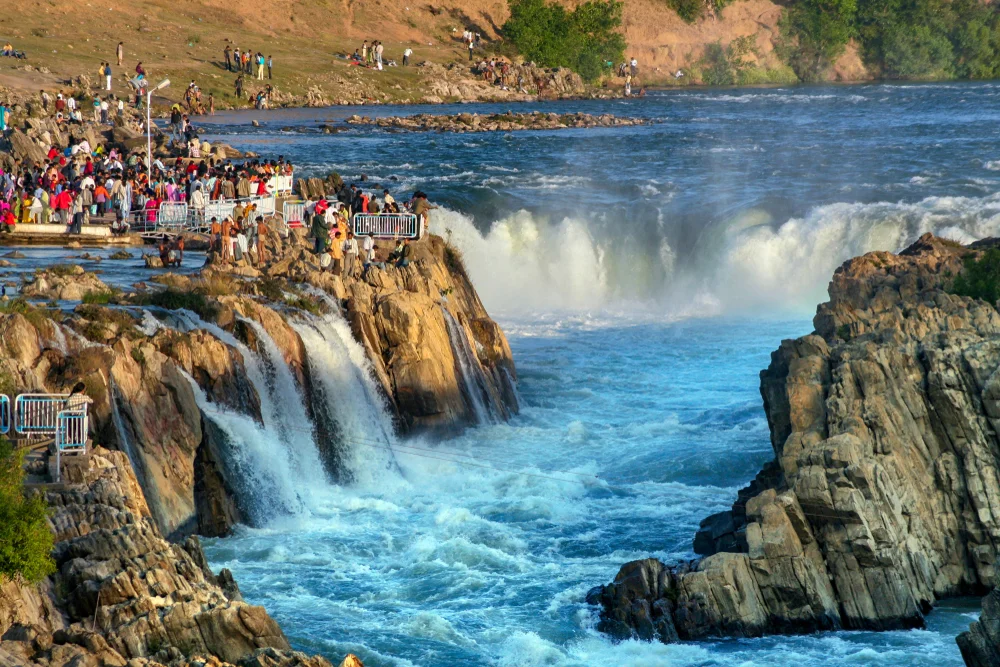
Jabalpur
Marble Rocks & Waterfalls

Bandhavgarh National Park
Highest Tiger Density
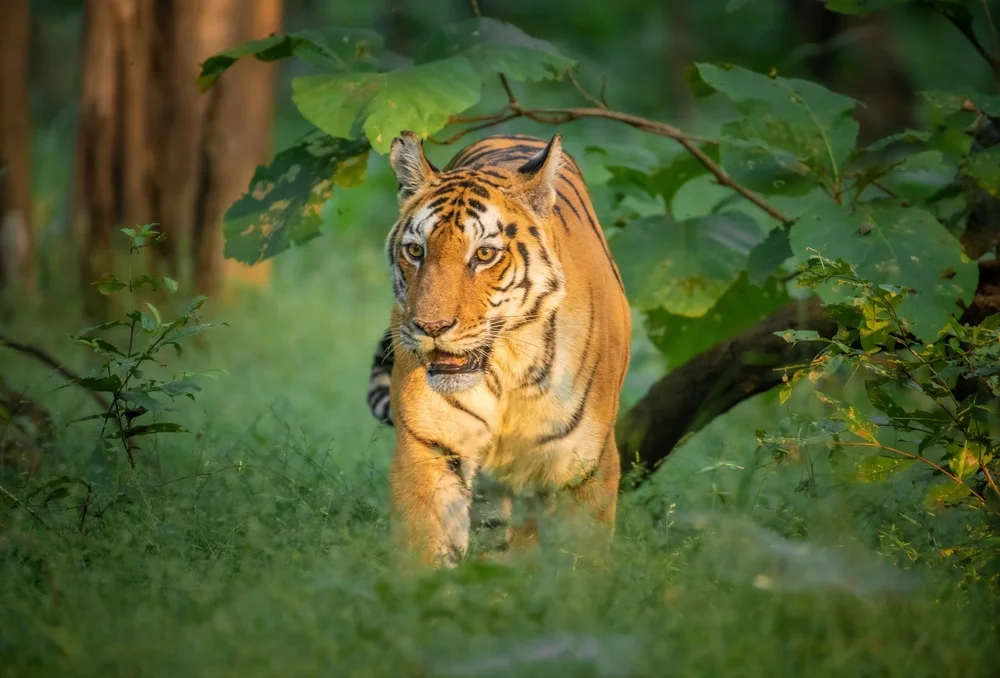
Pench National Park
Land of Jungle Book
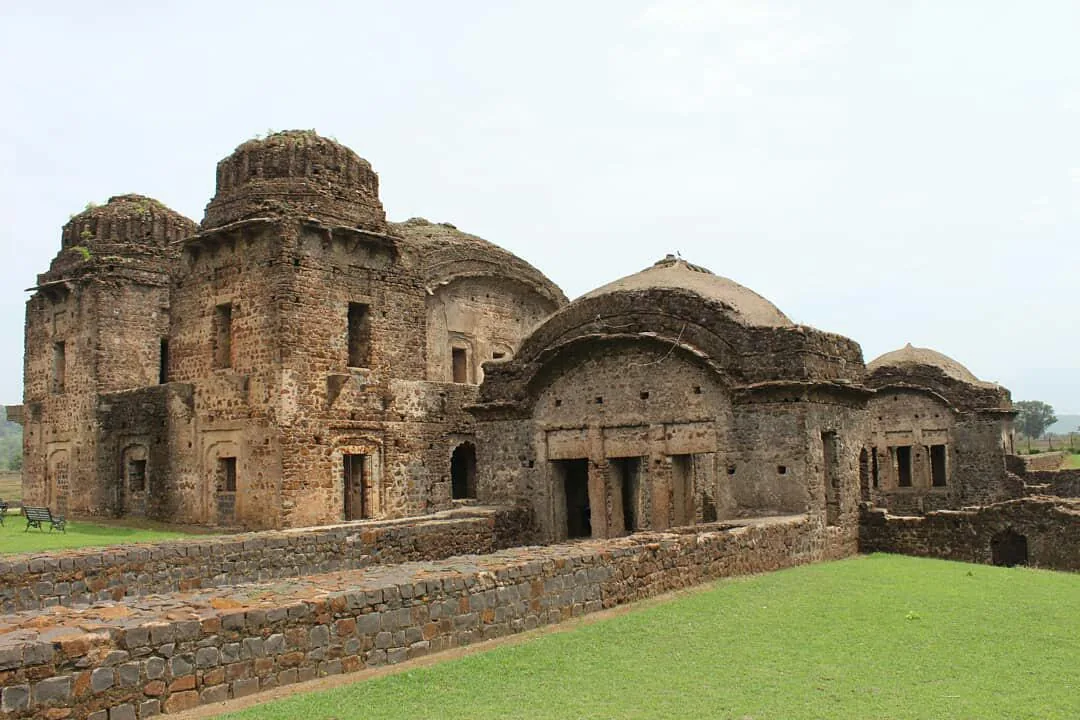
Mandla
Gond Dynasty Heritage

Amarkantak
Sacred River Origin
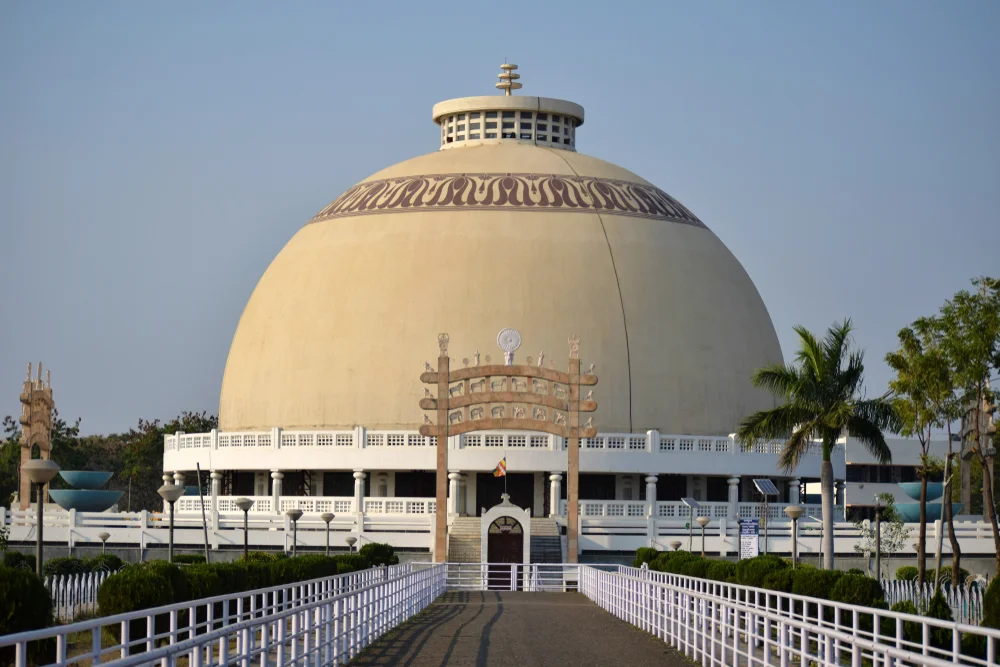
Nagpur
Orange City Gateway

Kawardha
Tribal Heritage Palace
Other Parks in Madhya Pradesh


Other Parks in India






Kanha National Park FAQ's
What is Kanha National Park famous for?
Kanha National Park is famous for being the inspiration behind Rudyard Kipling's The Jungle Book, for housing one of the densest tiger populations in Central India, and for single-handedly saving the hard-ground barasingha (swamp deer) from extinction. It is also one of India's first and best-managed Project Tiger reserves, established in 1973.
Which animal is most famous in Kanha National Park?
The hard-ground barasingha (swamp deer), known as the 'Jewel of Kanha,' is the most iconic animal of Kanha National Park. Once on the brink of extinction with just 66 individuals remaining, dedicated conservation efforts within the park have revived its population. The Royal Bengal Tiger is the other star attraction, drawing wildlife enthusiasts from around the world.
How many tigers are there in Kanha National Park?
As per the 2024 All India Tiger Estimation, Kanha National Park has a population of approximately 145 tigers, including 115 adults and 30 cubs. This consistent population growth reflects the effectiveness of Kanha's ongoing conservation initiatives, habitat protection, and anti-poaching strategies.
What are the chances of seeing a tiger in Kanha National Park?
Tiger sighting chances in Kanha National Park are considered good, especially during summer (April–June) when animals congregate near waterholes. While sightings can never be guaranteed with wild animals, Kanha's healthy tiger density and well-managed zones give visitors a strong probability. Booking safaris across multiple zones over 3–4 days significantly improves your chances.
Which is the best time to visit Kanha National Park?
The best time to visit Kanha National Park is October to June. Winter (November–February) offers pleasant weather and misty landscapes. Summer (March–June) provides the highest probability of tiger sightings as wildlife congregates at water sources. The park's core zones are closed during the monsoon from July to September.
Who is the famous tigress in Kanha National Park?
Neelam (T-65) is arguably the most celebrated tigress of Kanha National Park, often called the 'Queen of Kanha.' She is the daughter of the legendary tiger Munna (T-17), famous for his distinctive forehead markings resembling the letters 'CAT.' Neelam has raised multiple litters and is known for her courageous and dominant nature. Dhawajhandi (DJ) in the Mukki Zone is another star tigress.
Is elephant found in Kanha National Park?
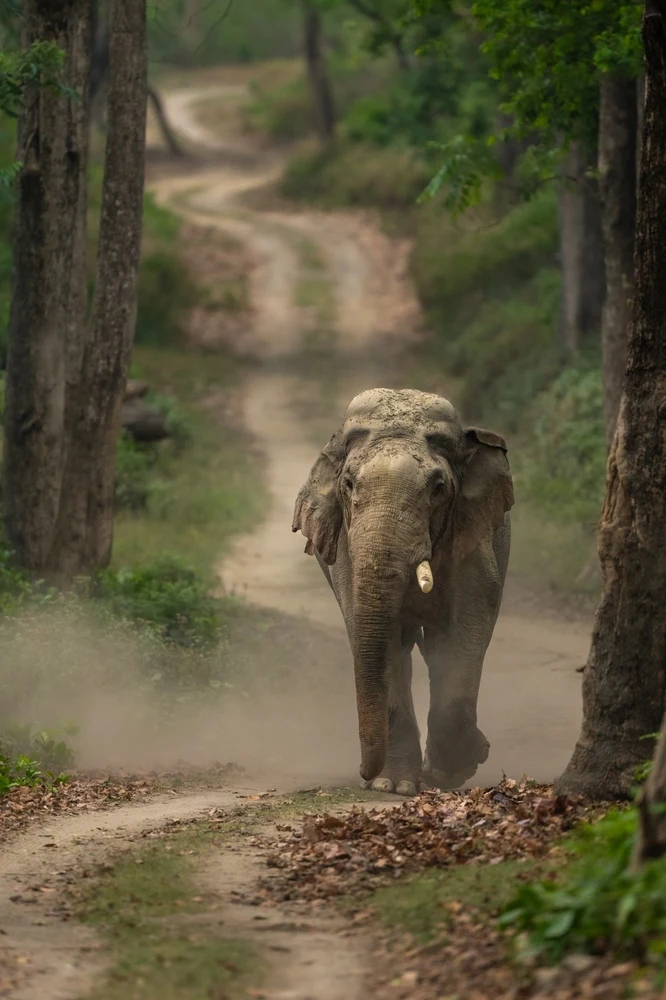
Yes, wild elephants have been increasingly sighted in and around Kanha National Park in recent years, particularly in the buffer and peripheral zones. Additionally, domestic elephants are used by the forest department for patrolling purposes. However, Kanha is not primarily known as an elephant habitat – its signature species are the tiger and the barasingha.
Where is Kanha National Park located?
Kanha National Park is located in the Mandla and Balaghat districts of Madhya Pradesh, India, within the Maikal range of the Satpura hills in Central India. The nearest town is Mandla (60 km) and the nearest major city is Jabalpur (160 km). The park has two main entrance gates: Khatia and Mukki.
How to reach Kanha National Park?
Fly to Jabalpur Dumna Airport (160 km, 4 hours by taxi) or Nagpur Airport (270 km, 6 hours). Take a train to Gondia Junction (145 km, 3 hours) or Jabalpur Railway Station (160 km, 4 hours). By road, Kanha National Park is accessible via national and state highways from Jabalpur, Nagpur, and Raipur. Pre-booked lodge transfers are the most convenient option.
How many tigers are in Kanha National Park?
As per the 2024 All India Tiger Estimation census, Kanha National Park hosts approximately 145 tigers including adults and cubs. The park's 2,074 sq km territory supports one of Central India's healthiest tiger populations, with active breeding observed across all four core zones.
What to wear in Kanha National Park?
Wear earthy-toned, comfortable clothing in shades of olive green, beige, khaki, or grey. Avoid bright colours and black (which attracts mosquitoes). In winter (Nov–Feb), carry warm layers as early morning safaris can be cold (2–5°C). In summer, wear lightweight breathable cotton. Sturdy walking shoes, a hat, sunglasses, and sunscreen are essential year-round.
Which is better - Bandhavgarh National Park or Kanha National Park?
Both are premier Central India tiger destinations. Bandhavgarh National Park offers a higher tiger density in a smaller area, making sightings more concentrated. Kanha National Park is larger, with more diverse landscapes, vast meadows, and the unique barasingha. Kanha offers a gentler safari pace and broader biodiversity, while Bandhavgarh delivers intense predator encounters. Together they make an ideal wildlife circuit.
About Kanha National Park
Kanha National Park, also known as Kanha–Kisli National Park, is the largest national park in Madhya Pradesh and one of India's most acclaimed tiger reserves. Spread across the Mandla and Balaghat districts in the Maikal range of the Satpura hills, this wilderness has been under some form of conservation protection since 1879. Officially declared a national park on 1st June 1955 and inducted into Project Tiger in 1973, Kanha National Park has evolved into a globally referenced model of wildlife management and ecotourism.
The park's global fame traces back to Rudyard Kipling, whose vivid descriptions of jungle life in The Jungle Book were inspired by the lush forests, open meadows, and rich wildlife of this region. Today, Kanha National Park continues to live up to that literary legacy with its extraordinary biodiversity, featuring 43 mammal species, over 300 bird species, 26 reptile species, and more than 1,000 species of flowering plants.
Kanha's crowning conservation achievement is the revival of the hard-ground barasingha from near-extinction. In the 1970s, fewer than 66 individuals remained – all within Kanha. Through meticulous habitat management and grassland conservation, the population has grown significantly, and Kanha has since supplied barasingha for reintroduction to Satpura Tiger Reserve and Van Vihar National Park. The barasingha is now the official state animal of Madhya Pradesh, and 'Bhoorsingh the Barasingha' serves as Kanha's official mascot.
Quick Facts about Kanha National Park
| Feature | Details |
|---|---|
| Full Name | Kanha Tiger Reserve (Kanha–Kisli National Park) |
| Location | Mandla & Balaghat Districts, Madhya Pradesh, India |
| Total Area | 2,074 sq km |
| Core Zone | 940 sq km |
| Buffer Zone | 1,134 sq km |
| Phen Sanctuary | 110 sq km (satellite micro-core) |
| Tiger Population | ~145 (2024 Census) |
| Mammal Species | 43+ |
| Bird Species | 300+ |
| Flowering Plants | 1,000+ |
| Core Safari Zones | 4 (Kanha, Kisli, Mukki, Sarhi) |
| Buffer Zones | 4 (Khatia, Sijhora, Phen, Khapa) |
| Best Time to Visit | October to June |
| Park Partially Close | 1st July to 30th September (Monsoon) only buffer zone is open |
| Mascot | Bhoorsingh the Barasingha |
Kanha National Park occupies a horseshoe-shaped valley in the Maikal range, flanked by ridges of the Deccan trap on three sides. The central meadows, locally known as maidans, form the ecological heart of the reserve, supporting large herbivore populations that sustain the park's predator community. The terrain ranges from flat grasslands and river valleys to undulating hillsides covered in bamboo and mixed deciduous forests.
The lowland forests are dominated by sal (Shorea robusta) interspersed with other species and open meadows. Highland areas feature tropical moist and dry deciduous forests with bamboo on slopes and the distinctive Indian ghost tree (Sterculia urens). The Banjar River and several perennial streams provide year-round water, creating critical habitats that support Kanha's exceptional wildlife density.
The park is divided into four core safari zones - Kanha, Kisli, Mukki, and Sarhi - and four buffer zones - Khatia, Sijhora, Phen, and Khapa. Only 25% of the core area is open to tourism, ensuring minimal disturbance to the ecosystem while providing visitors with diverse safari experiences across different landscape types.
History of Kanha National Park
Kanha's conservation history is among the oldest in India. The area was first designated a reserve forest in 1879 under British colonial administration, recognizing the ecological richness of the Maikal range. In 1933, it was declared a wildlife sanctuary, and on 1st June 1955, Kanha was officially established as a national park - one of the earliest in independent India.
The region was historically known as Gondwana, the 'Land of the Gonds,' and was inhabited by the Gond and Baiga tribes who practised shifting cultivation and depended on forest resources. The Baiga, one of India's most ancient tribal communities, lived in 28 villages within the park until 1968, when they were relocated to create an undisturbed tiger habitat.
In 1973, Kanha became one of the original nine reserves under India's landmark Project Tiger initiative, dramatically expanding its protected area and conservation resources. The park's most celebrated conservation triumph was saving the hard-ground barasingha from extinction - by the 1970s, the global population had dwindled to just 66 individuals, all within Kanha. Through dedicated grassland management and protection, the species was brought back from the brink.
Kanha's forests also gained literary immortality through Rudyard Kipling, who drew inspiration from this landscape for his timeless classic The Jungle Book. The park's legacy extends to modern conservation as well - it has served as a source for tiger and gaur translocations to other reserves and pioneered community-based ecotourism models that are widely replicated across India.
Flora & Fauna of Kanha National Park
Kanha National Park's vegetation is classified primarily as moist sal forest and moist mixed deciduous forest. Sal trees (Shorea robusta) dominate the lowland areas, forming dense canopies that characterize much of the core zone. Bamboo (Dendrocalamus strictus) flourishes on hillslopes, while mixed forests feature tendu, dhawa, lendia, salai, arjun, mahua, and jamun trees.
The park's iconic meadows (maidans) support tall grasses vital to the survival of barasingha and gaur. Over 1,000 species of flowering plants have been recorded, including seasonal wildflowers, aquatic plants in the park's numerous water bodies, and the flame-of-the-forest (palash) that blazes orange across the landscape in spring.
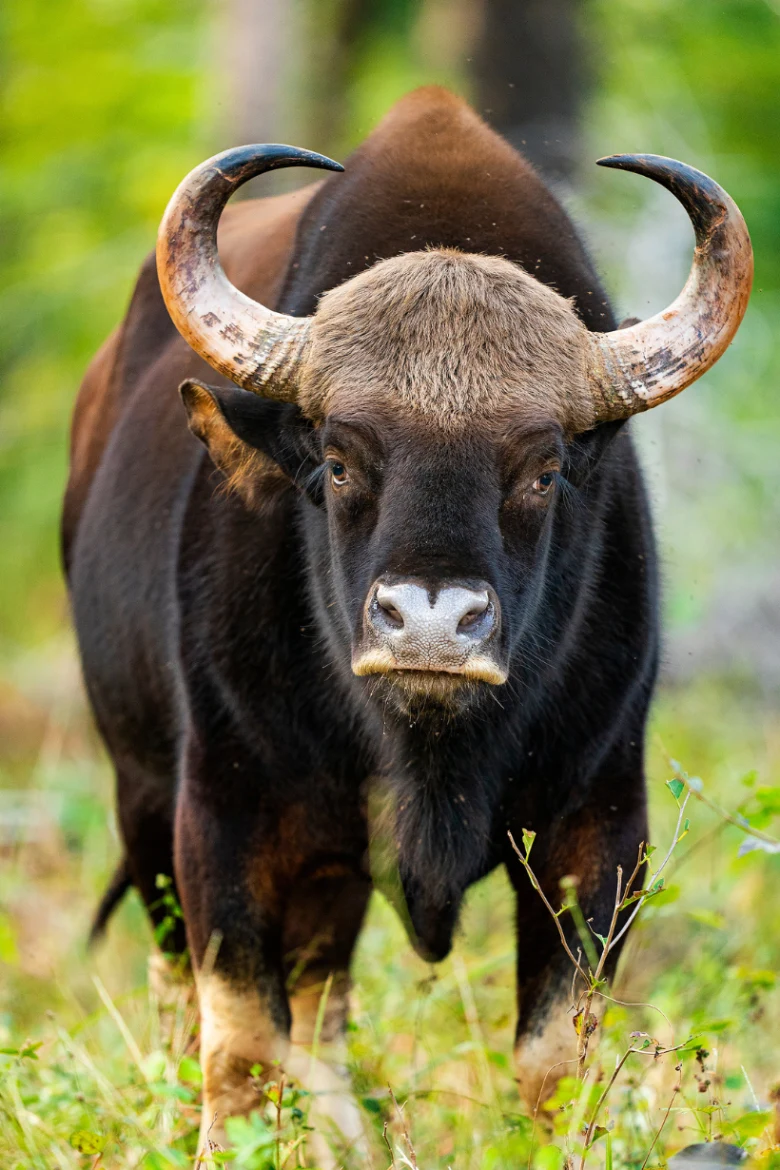
Kanha National Park's apex predator, the Royal Bengal Tiger, leads a formidable predator guild that includes leopards, wild dogs (dhole), jungle cats, Indian foxes, striped hyenas, and Indian wolves. The herbivore base is exceptionally rich - chital, sambar, barasingha, gaur (Indian bison), nilgai, four-horned antelope, barking deer, and wild boar roam the meadows and forests in large numbers.
The sloth bear is regularly encountered across all zones, often seen foraging near termite mounds. The Indian python, monitor lizard, and 26 reptile species add to the herpetological diversity. Kanha's avifauna includes over 300 species - Indian paradise flycatchers, Malabar pied hornbills, crested serpent eagles, white-rumped vultures, painted storks, peafowl, and numerous migratory species that arrive during winter months.
Conservation Efforts at Kanha National Park
Kanha National Park is internationally recognized as a model for tiger conservation. As one of the original nine Project Tiger reserves, it has maintained a healthy and growing tiger population through rigorous anti-poaching patrols, electronic surveillance, camera-trap monitoring, and regular census operations. The National Tiger Conservation Authority (NTCA) oversees strategic management, while the Madhya Pradesh Forest Department implements on-ground protection.
The park's most celebrated achievement - saving the hard-ground barasingha - involved pioneering grassland management techniques including controlled burning, fencing of breeding areas, and habitat restoration. This success has enabled Kanha to supply barasingha for reintroduction programs in Satpura Tiger Reserve, Van Vihar National Park, and Bandhavgarh. Similarly, Indian gaur from Kanha were translocated to Bandhavgarh in 2012, and tiger relocation programs have helped repopulate other reserves.
Community-based conservation programs engage local Gond and Baiga tribal communities in ecotourism livelihoods, forest protection, and sustainable development. The Kanha Tiger Reserve Staff Welfare Society supports frontline protection staff stationed at remote patrolling camps. Tourism revenue is channelled back into village development, soft loans, and educational scholarships for local communities, creating a sustainable model where conservation and community welfare reinforce each other.
Safari Zones & Experiences
Kanha National Park offers four core safari zones, each with distinct character. Kanha Zone is the original premium zone with open meadows, grasslands, and bamboo vegetation offering iconic sightings. Mukki Zone has emerged as the most popular zone for tiger density, particularly male tigers, and features sal, bamboo, and grassland landscapes. Kisli Zone is known for its elegant sal forests and scenic grasslands. Sarhi Zone features dry deciduous forests with larger meadows, including the historic Saunf meadow.
The four buffer zones - Khatia, Sijhora, Phen, and Khapa - provide extended safari options with fewer crowds and remain open year-round, including during the monsoon closure of core zones. Walking safaris are available in select zones, offering an adrenaline-pumping experience through steep and rocky terrain.
The Jungle Book Connection
Kanha National Park holds a unique place in global literary history as the landscape that inspired Rudyard Kipling's The Jungle Book. The dense sal forests, open meadows, and diverse wildlife of Kanha closely mirror Kipling's descriptions of the jungle and its inhabitants. The park's wolves, bears, panthers, and tigers echo the characters of Mowgli's world, making every safari feel like stepping into the pages of this timeless classic. This literary connection has earned Kanha the moniker 'Tiger Country' and continues to attract visitors from around the world who seek to experience the real-life Jungle Book.