






About Kuno National Park
Kuno National Park, a rare jewel in the Vindhyan hills of Madhya Pradesh, has catapulted to global fame as the home of India’s historic Project Cheetah – the world’s first intercontinental large-carnivore translocation. After the cheetah went extinct in India in 1952, African cheetahs from Namibia and South Africa were reintroduced here starting September 2022, making Kuno National Park the only place on the Indian subcontinent where you can see cheetahs in the wild. Beyond its headline-making cheetahs, Kuno National Park is a landscape of ancient forests, lost forts reclaimed by nature, the meandering Kuno River, and diverse wildlife including leopards, wolves, sloth bears, and over 200 bird species. This is a destination where conservation history is being written in real time.
- Area1672.76 sq km
- Established1981
- StateMadhya Pradesh
- DistrictsSheopur & Morena
- Entry Gates3
Kuno Travel Guide
Biodiversity

Wildlife
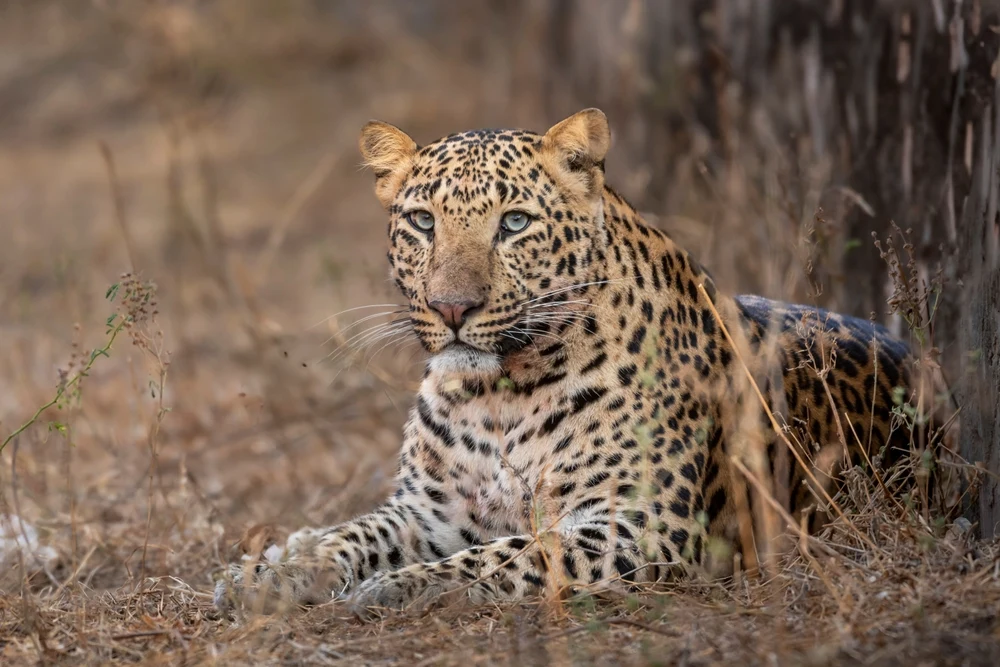
Kuno National Park shelters African cheetahs, Indian leopards, wolves, wild dogs, sloth bears, striped hyenas, jungle cats, chital, sambar, nilgai, chinkara, blackbuck, and four-horned antelope.

Flora
Kuno National Park features dry deciduous forests dominated by kardhai, khair, and salai trees, interspersed with grasslands and riverine vegetation, supporting diverse habitats and ecological richness.

Landscape
Northern dry deciduous forests dominated by kardhai, salai, and khair trees with open savanna grasslands, rocky Vindhyan terrain, the meandering Kuno River, and ancient fort ruins.
Safari Guide
Best Time to Visit
Things to Do

Jeep Safari
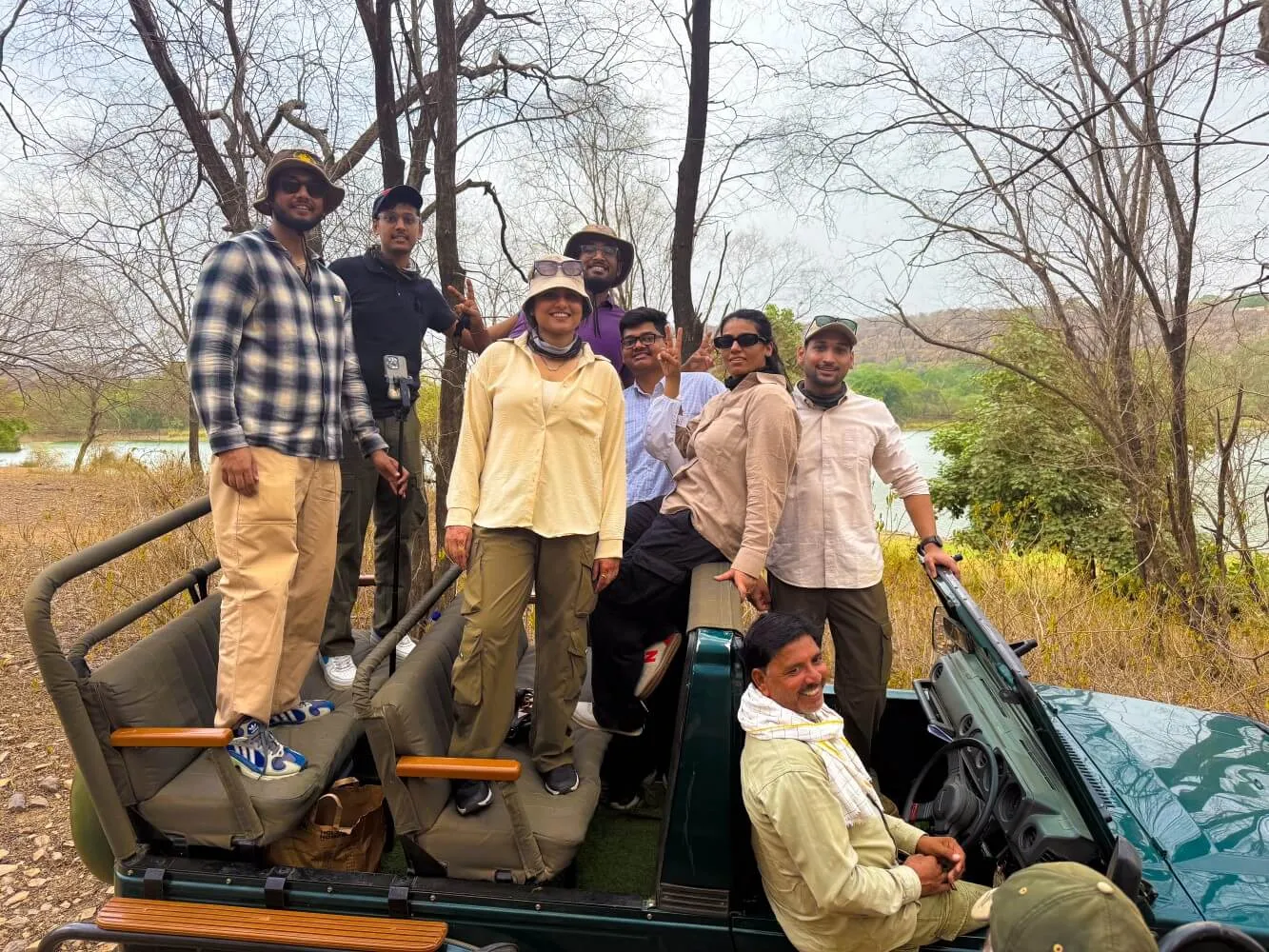
Explore cheetah release zones and core forest in open 4x4 vehicles with certified guides tracking cheetahs, leopards, and wolves.
Bird Watching
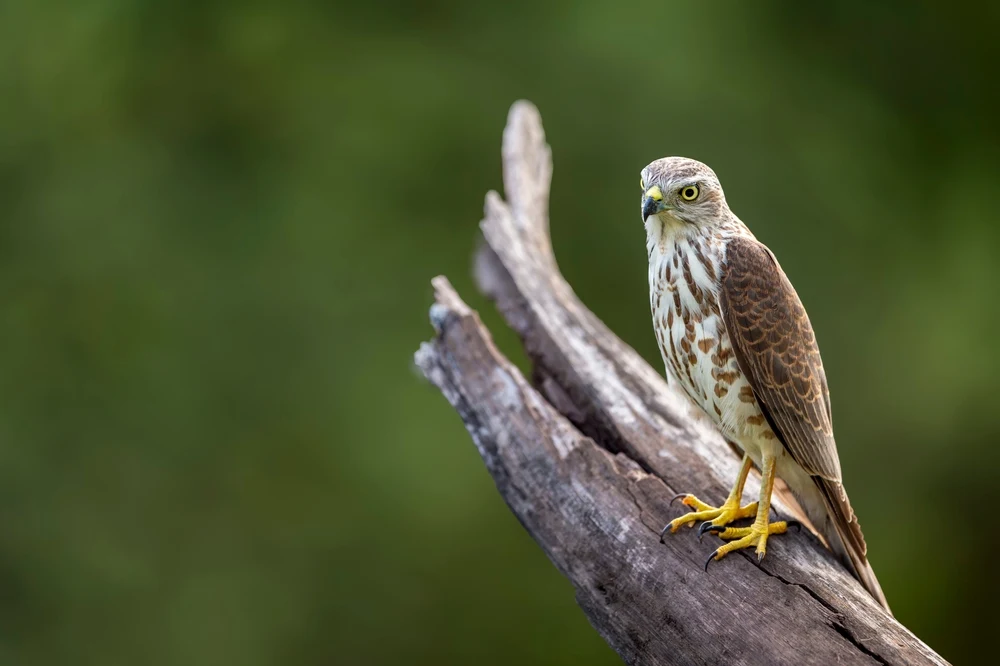
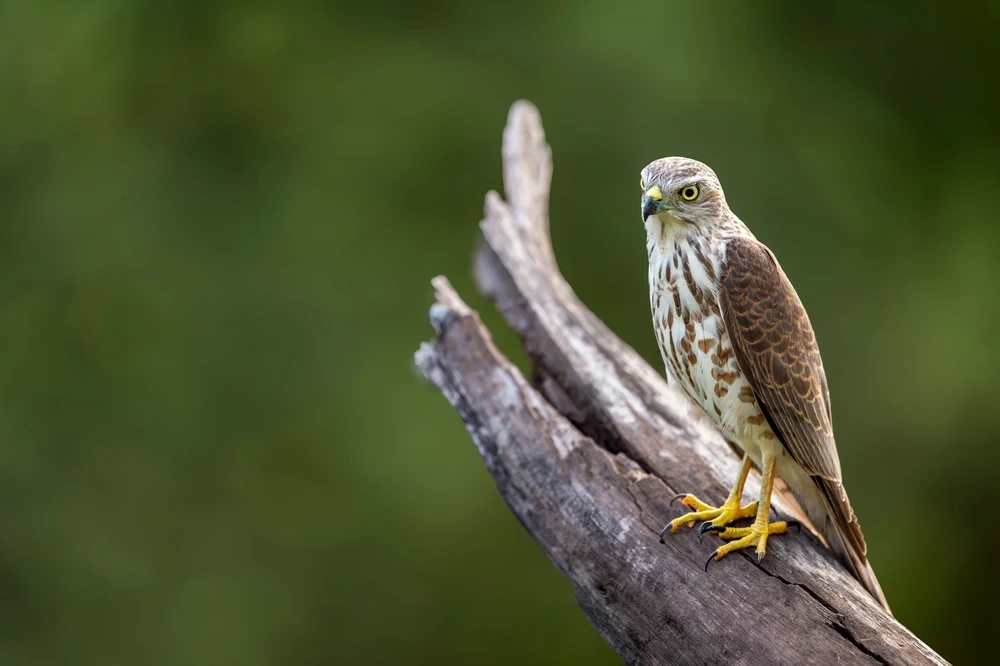
Spot over 200 species including four vulture types, raptors, fish owls, and migratory waterbirds along the Kuno River corridor.

Village Tour
Visit relocated Saharia tribal settlements and nearby villages to experience indigenous crafts, traditions, and forest-based lifestyles.

Visit Kuno Palpur Sanctuary Temples
Explore ancient temples and shrines hidden within the forest, remnants of the region's rich cultural and spiritual heritage.

Photography
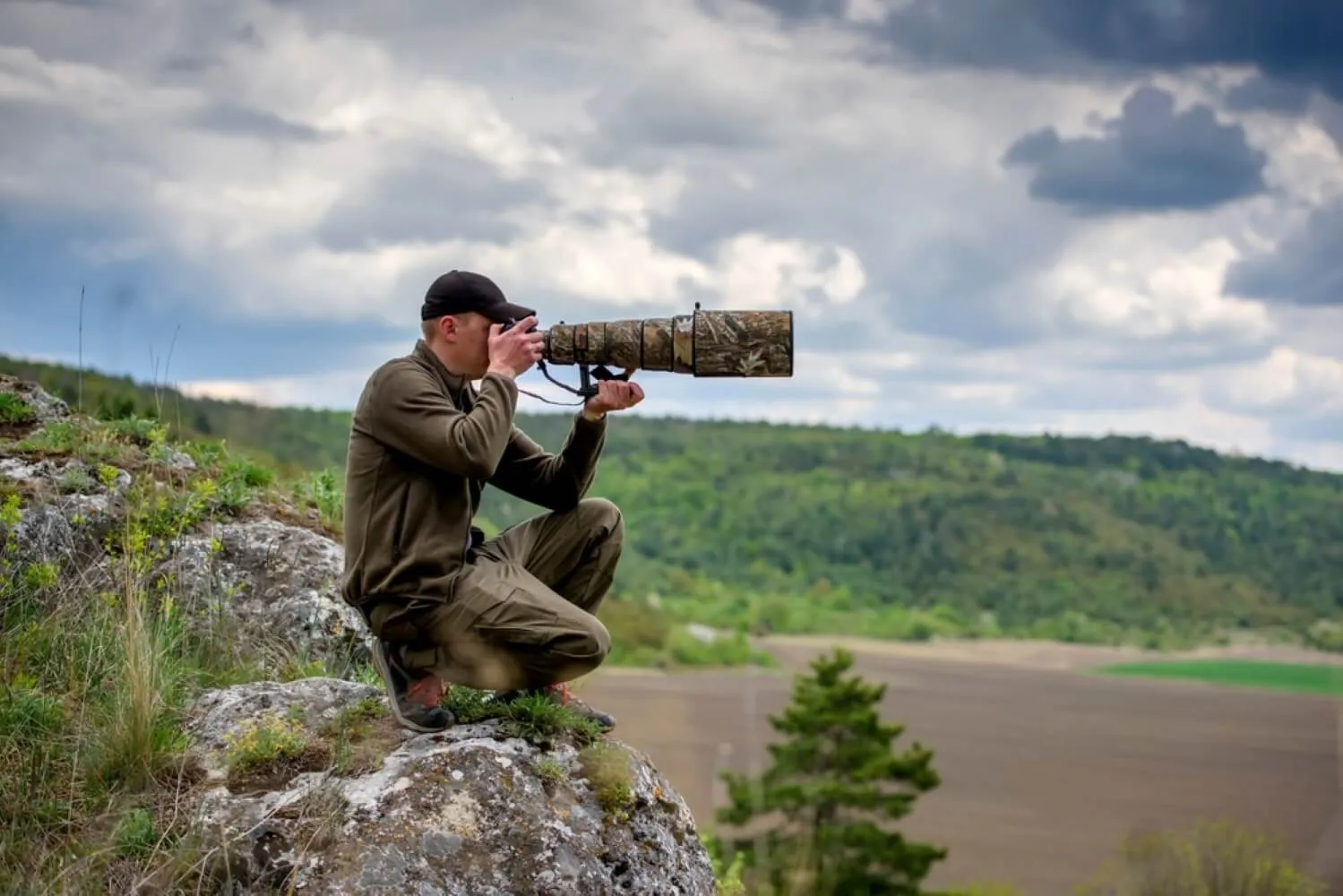
Capture India's only wild cheetahs, ancient fort ruins reclaimed by forest, and dramatic Vindhyan landscapes at golden hour.

Kuno Forest Festival
Attend seasonal cultural festivals celebrating the region's tribal heritage, wildlife conservation milestones, and local artisan traditions.

Nature Walk
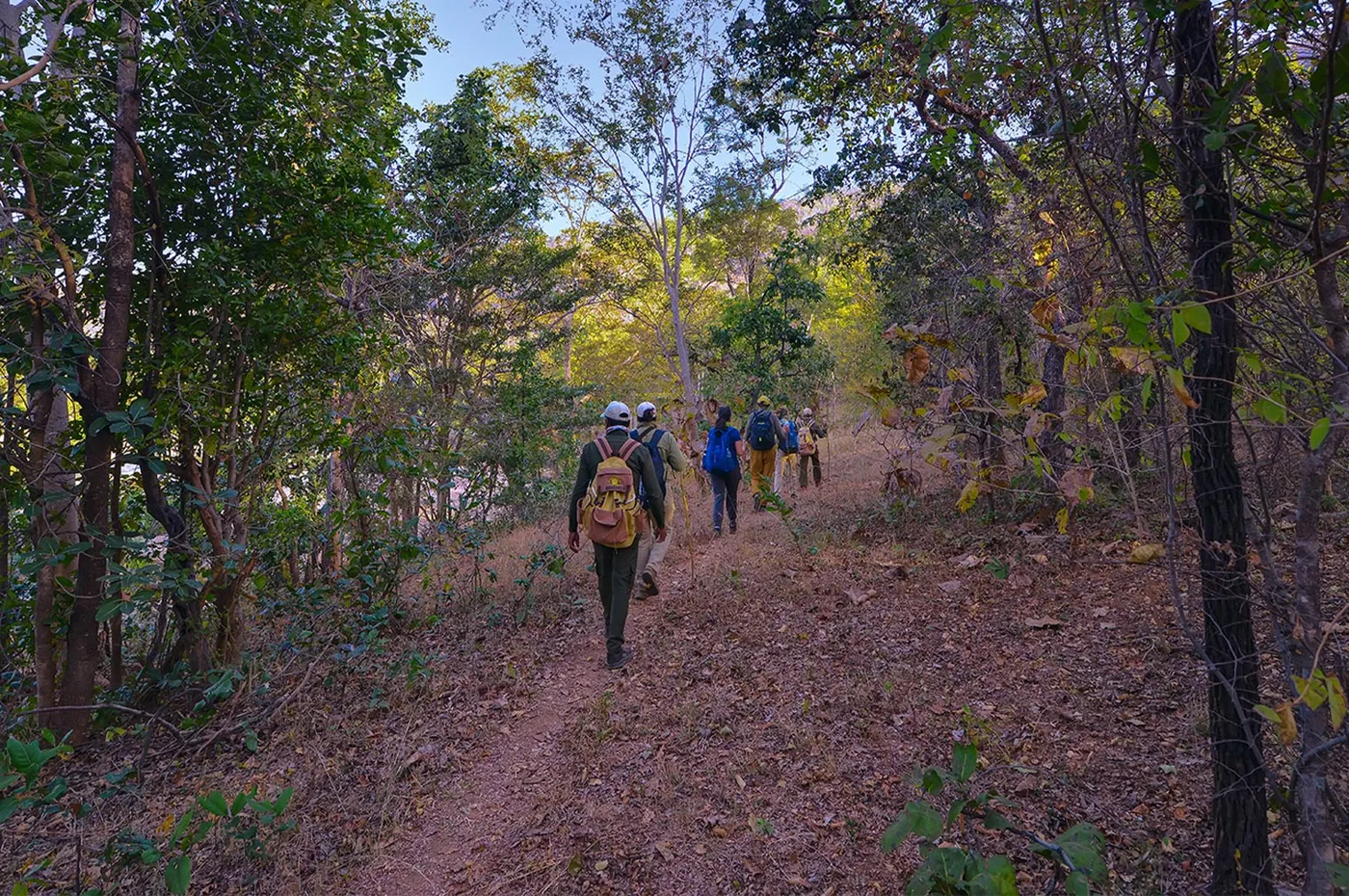
Guided walks through buffer areas exploring dry deciduous ecology, medicinal plants, and smaller woodland creatures.
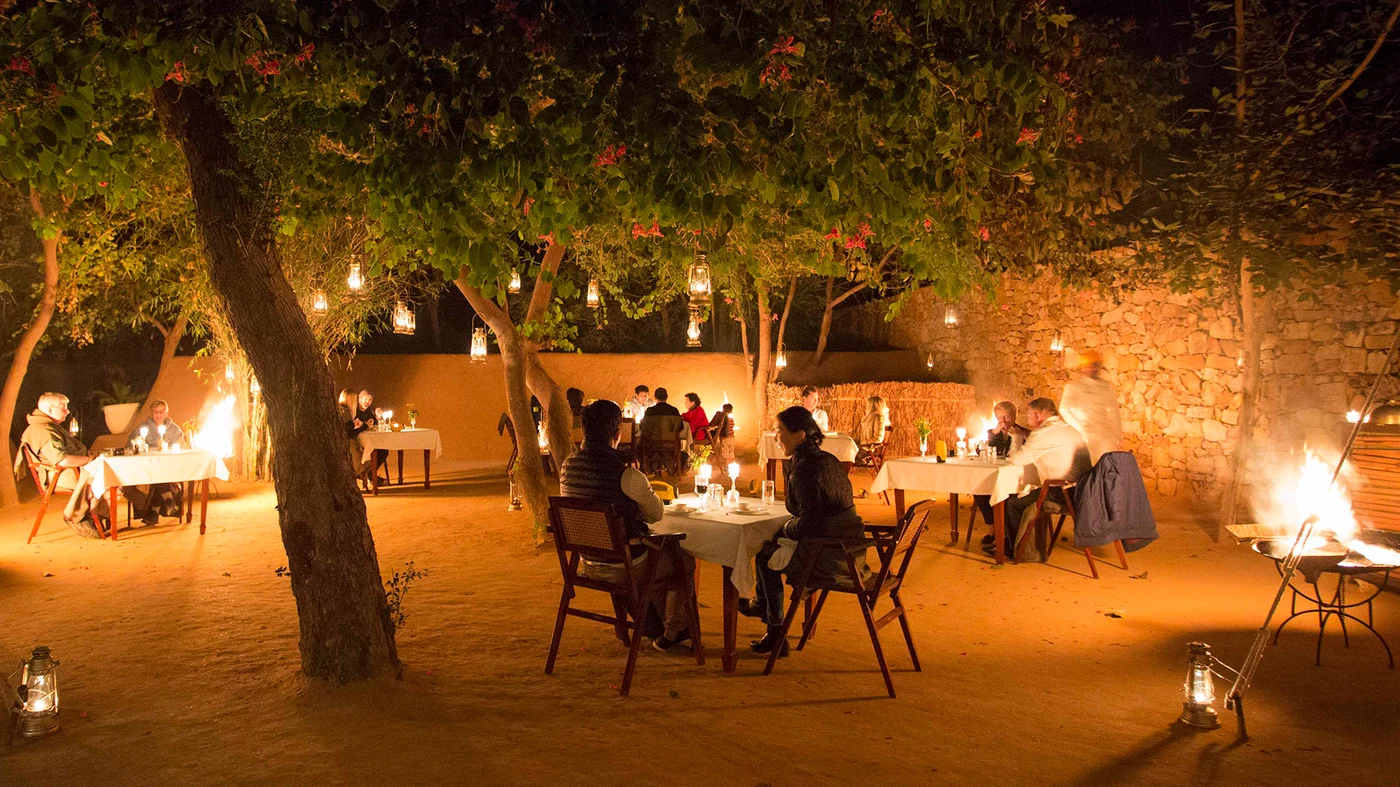
Bush Dinner
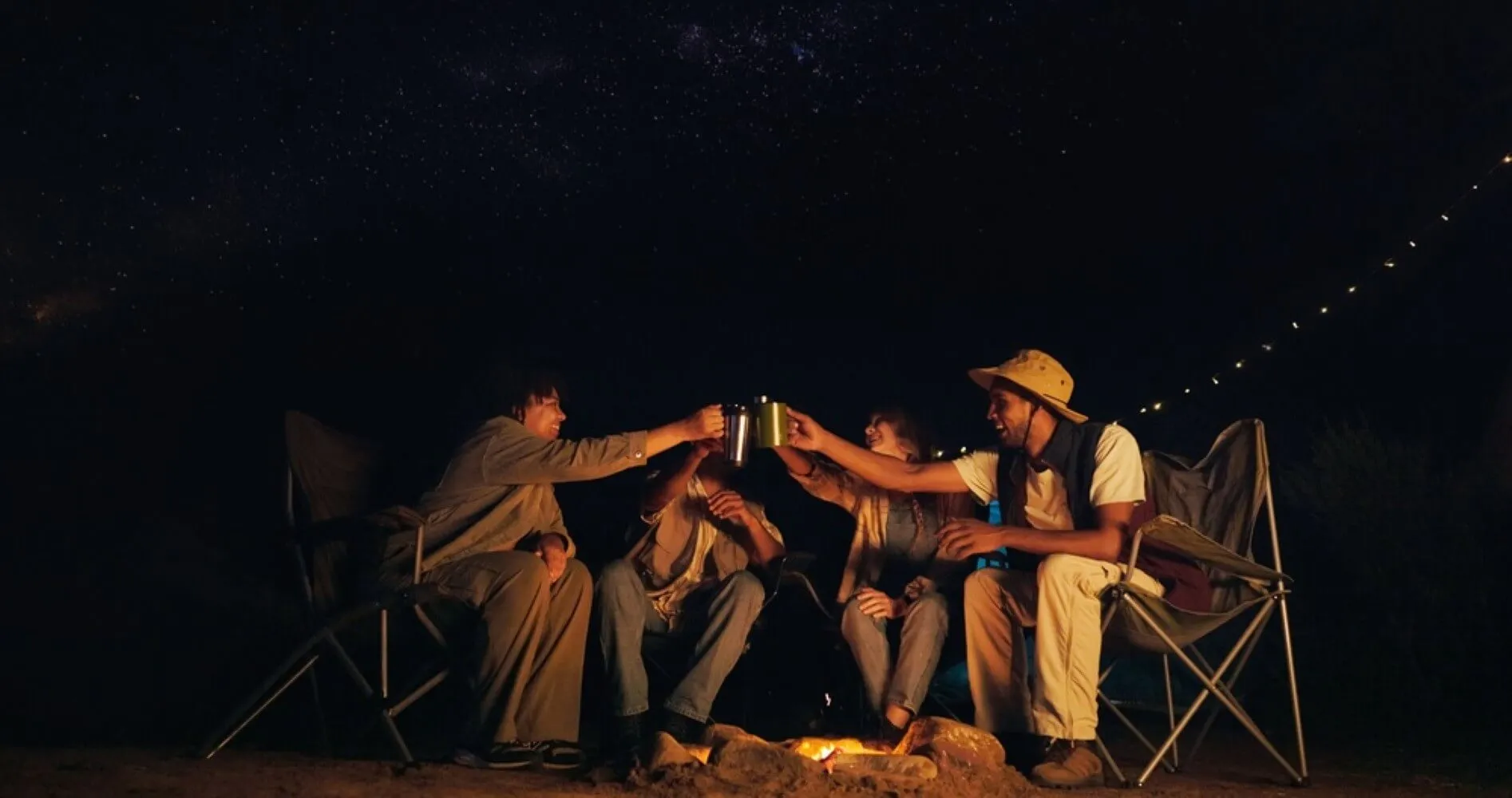
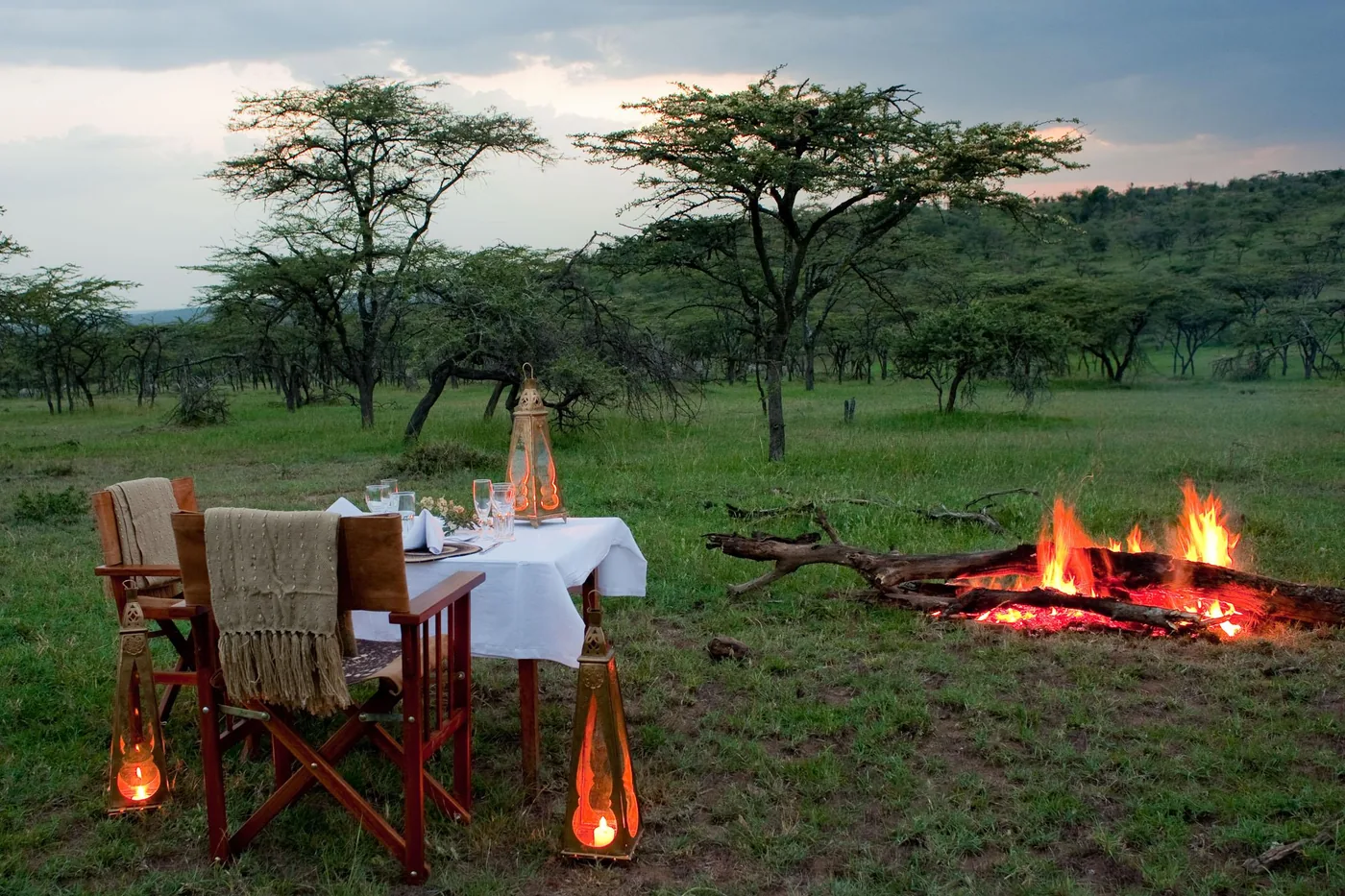
Dine under the stars at curated forest-edge setups with campfire storytelling about Kuno's conservation journey.

Sundowners
Enjoy golden-hour beverages at elevated viewpoints overlooking the Kuno River valley and savanna grasslands.
How to Reach
Attractions
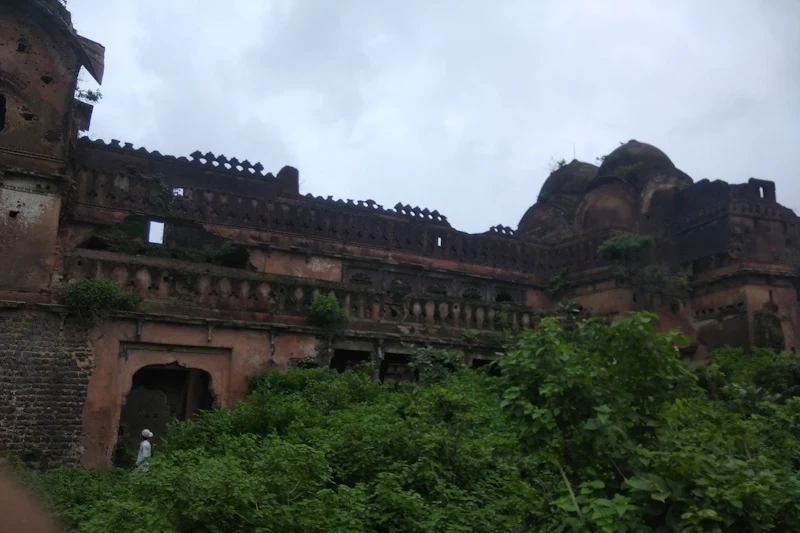
Palpur Fort (Garh)
An 18th-century fort built by rulers of Karauli state, now reclaimed by forest inside the core area – a photographer's dream.
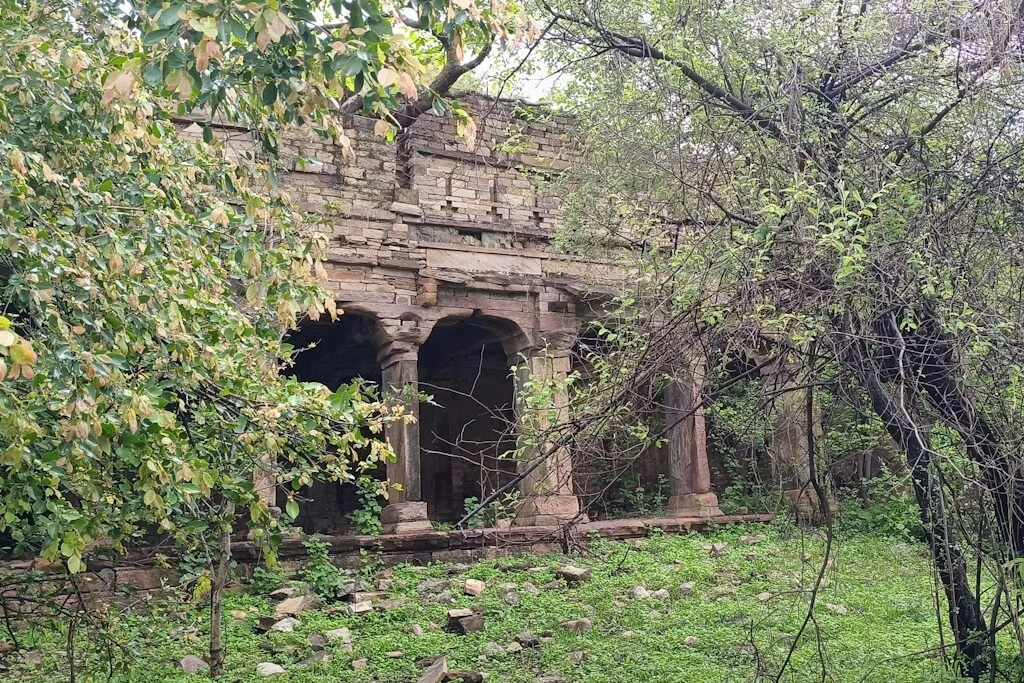
Amet Fort
A historic hilltop fort offering panoramic views of the surrounding Vindhyan landscape and dense forest canopy.
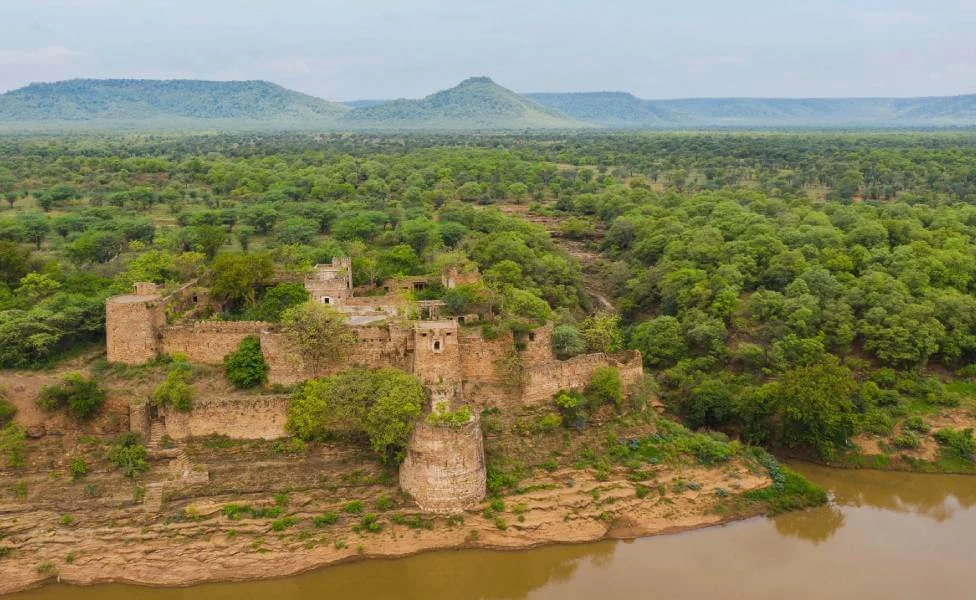
Maitoni Fort
Ruins of an ancient fortification hidden within the jungle, showcasing medieval architecture blending with nature.
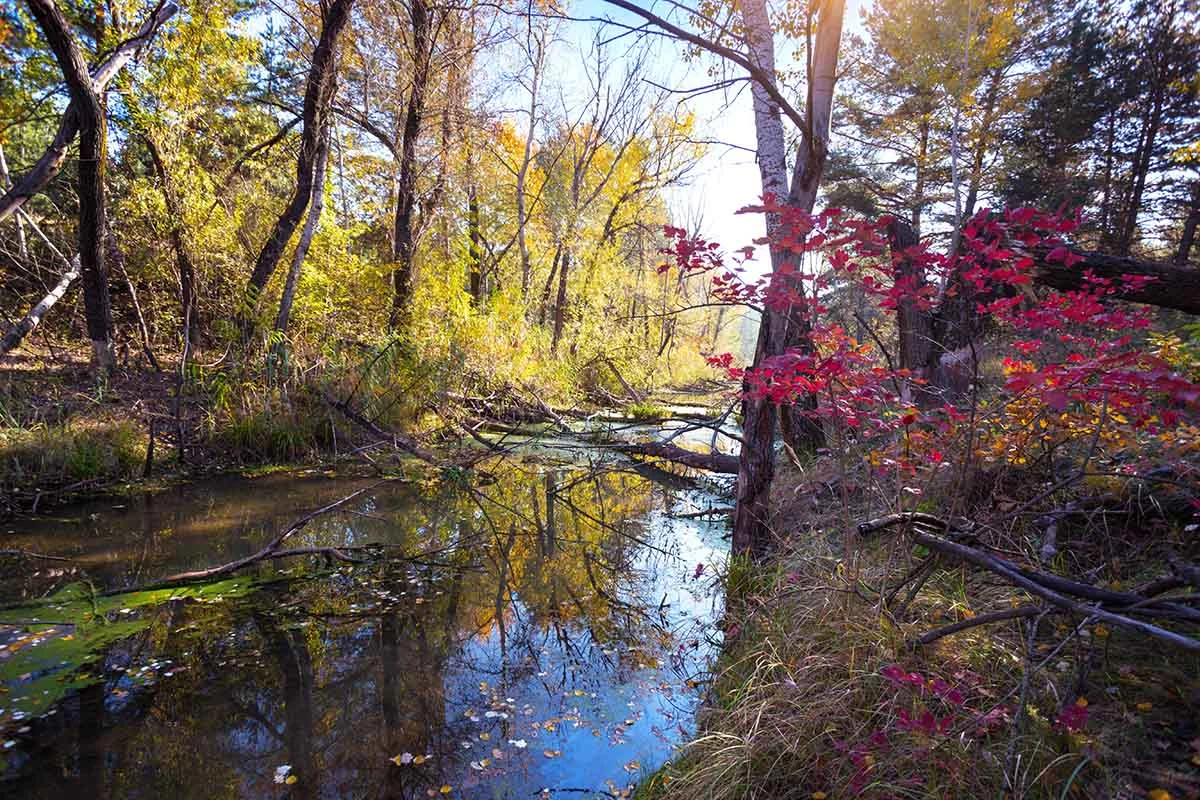
Kair-Khoh & Gravity Pipeline
A natural rock-cut water channel and historic gravity-fed pipeline system – an engineering marvel of the past.
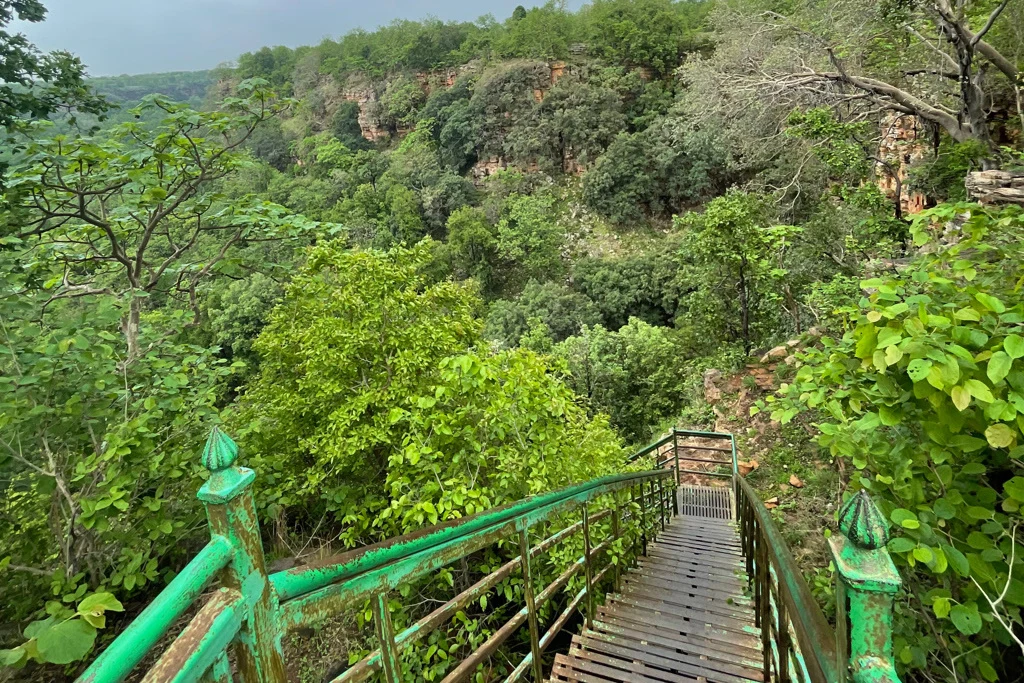
Dev Kho
A sacred natural gorge and waterfall site revered locally, surrounded by dense forest and rocky terrain.
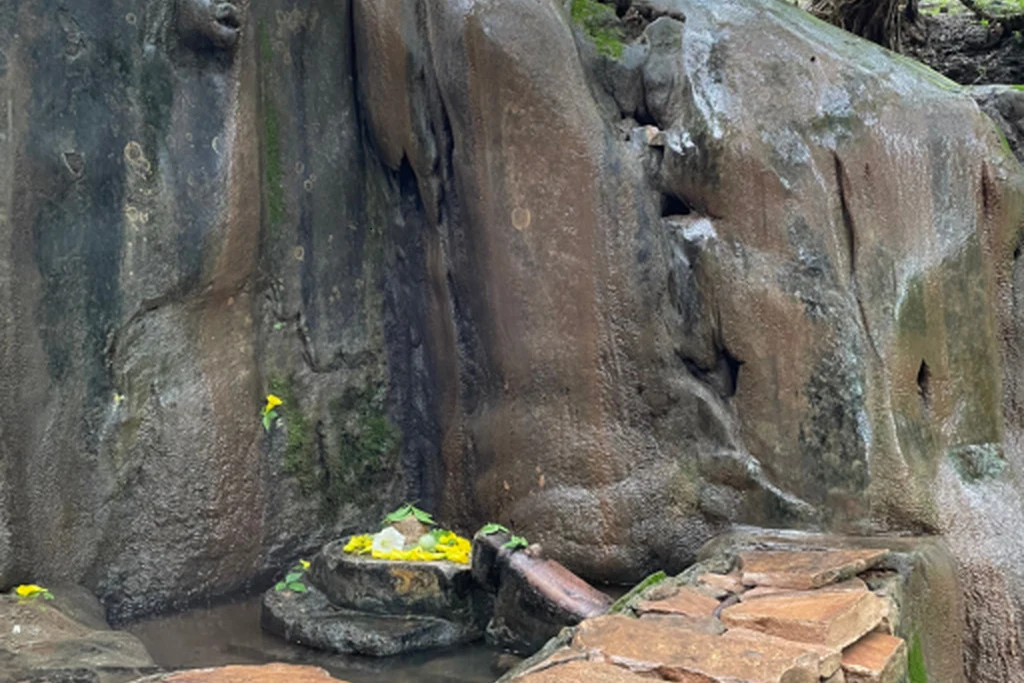
Aamjhir
A scenic forest area known for its mango groves and waterholes where wildlife congregates, ideal for quiet observation.
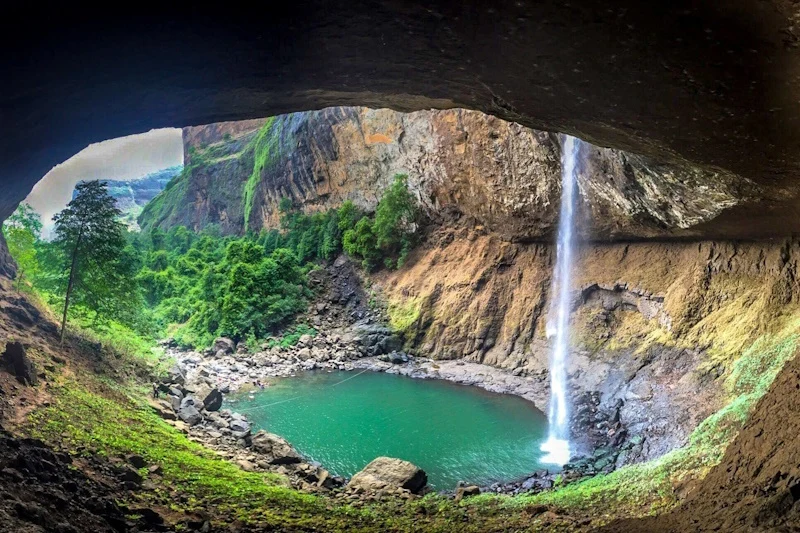
Dobkund Waterfall & Jain Temple
A serene waterfall paired with an ancient Jain temple – combining natural beauty with spiritual heritage.
Kuno Tour Packages
From rare wildlife encounters to offbeat conservation experiences, every Kuno package is curated around your curiosity, travel style, and spirit of exploration.
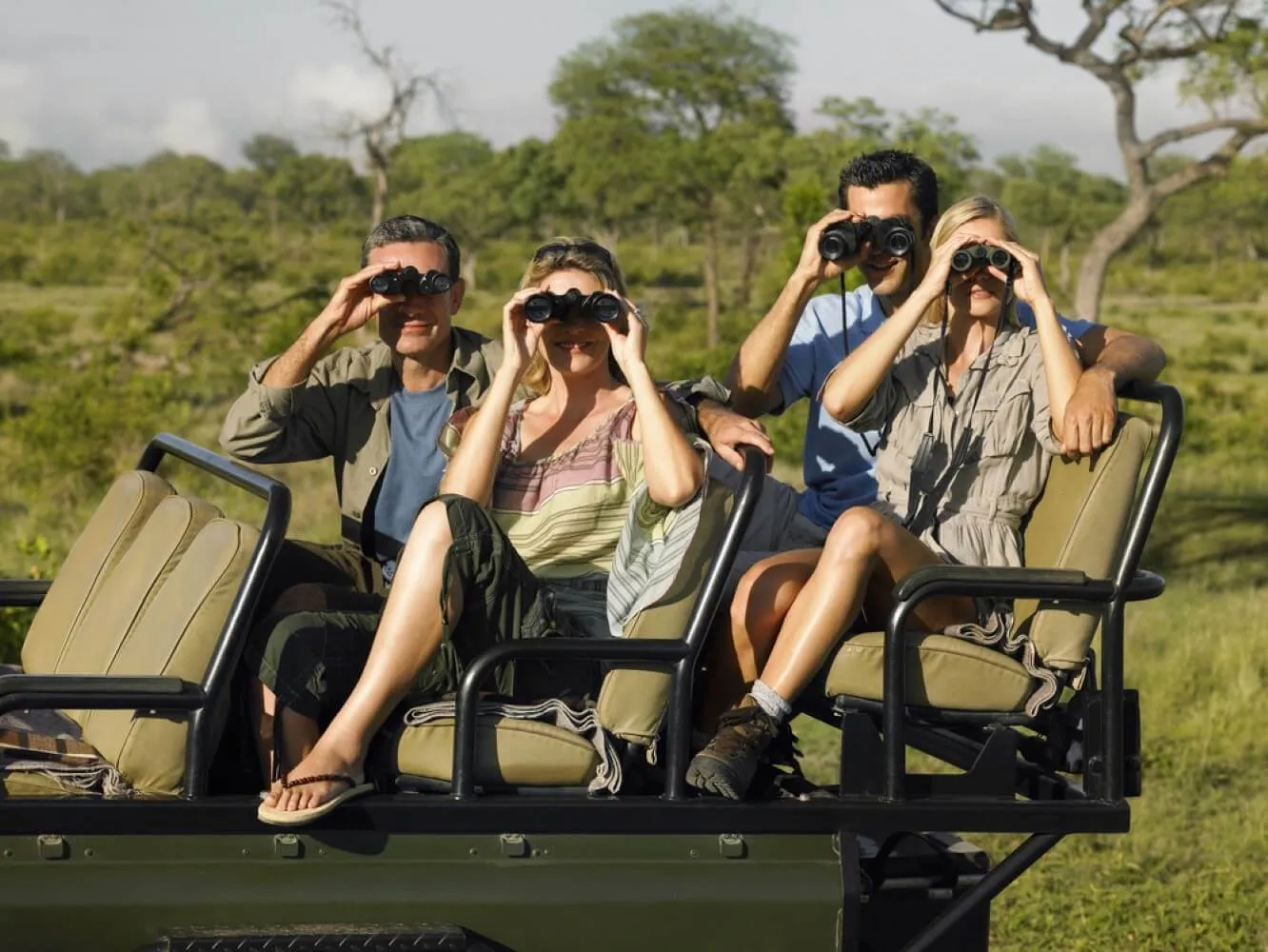



Kuno Hotels & Resorts — Luxury Jungle Lodges
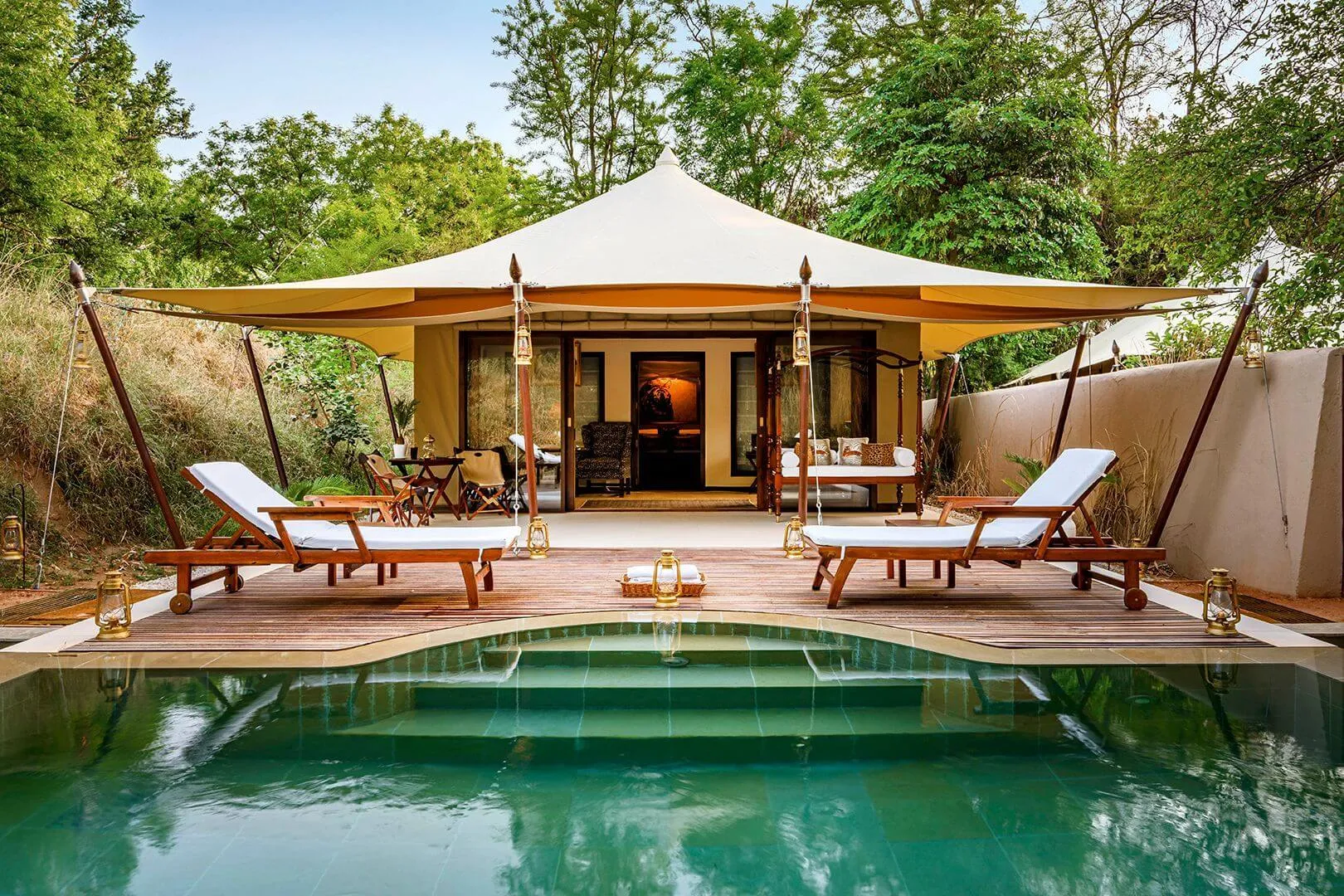
We partner with Kuno's finest safari camps and wilderness stays—handpicked for their intimate hospitality, natural surroundings, and authentic wildlife experiences.
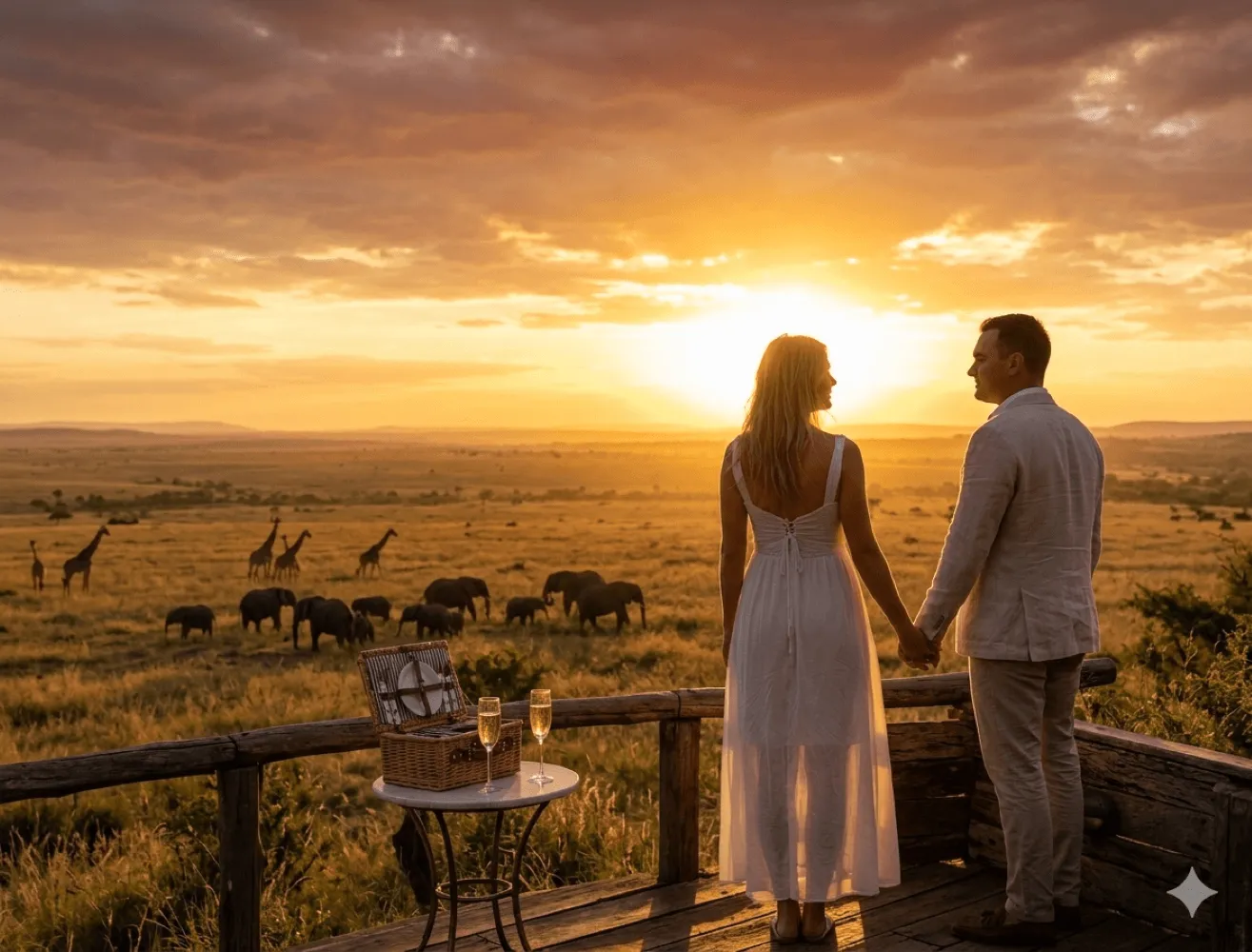
Stay at Kuno National Park's finest handpicked wildlife lodges, where comfort meets the untamed wilderness.


Signature Experiences, Curated Around Kuno
From unique wilderness experiences and nature trails to local cultural encounters, every experience is curated to enhance your Kuno adventure.










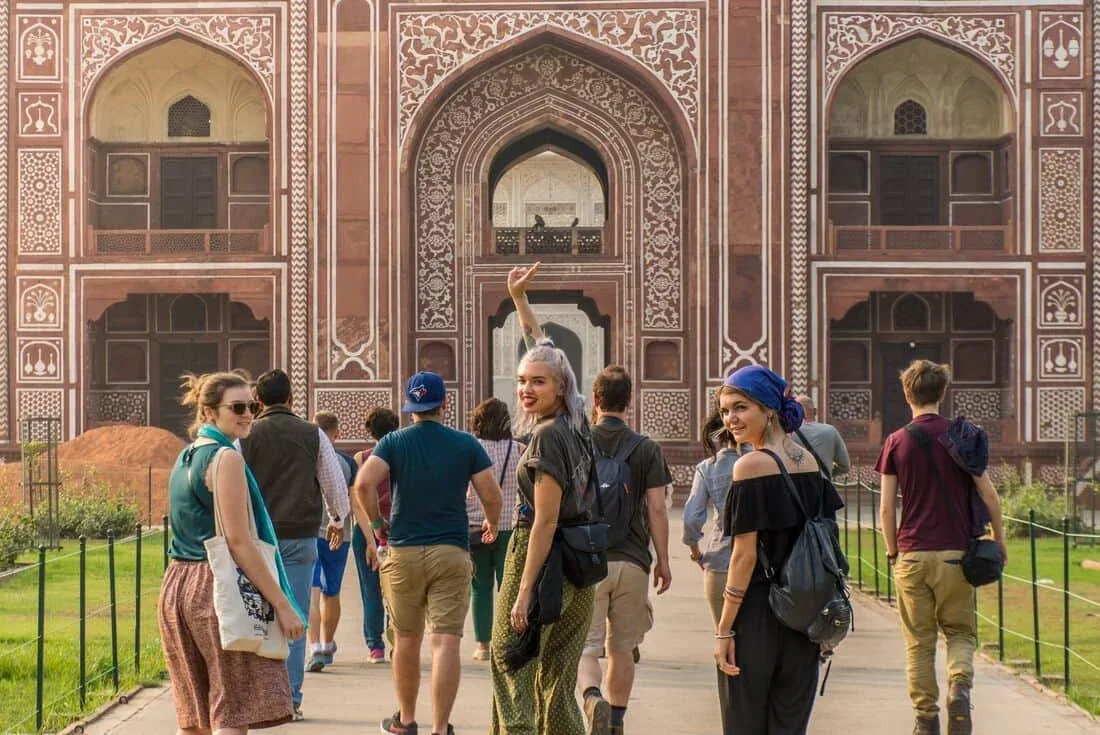


Nearby Destinations to Kuno
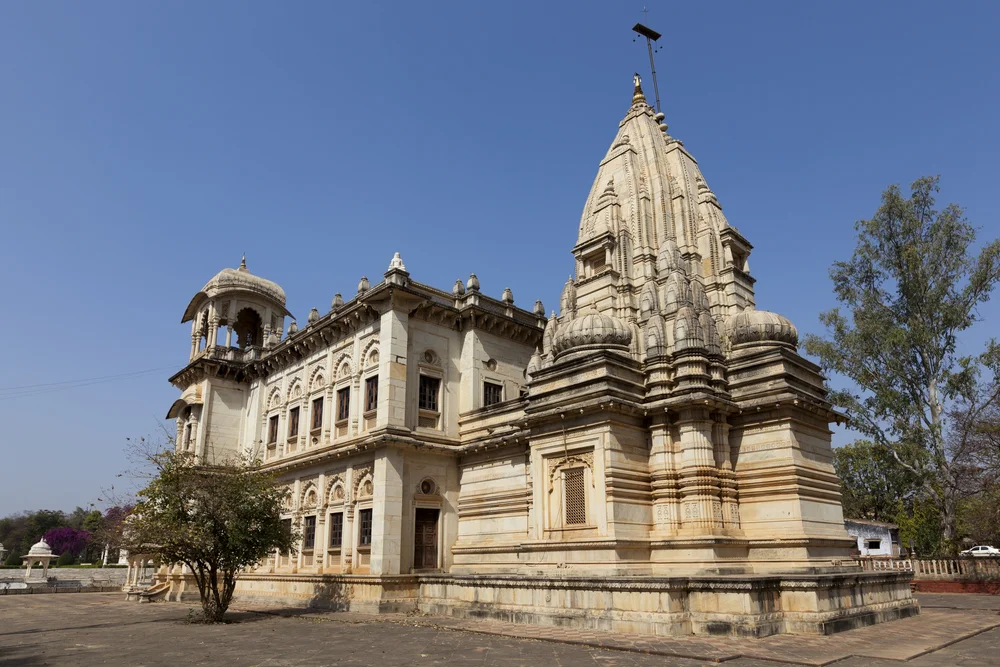
Shivpuri
Lakes & Royal Cenotaphs
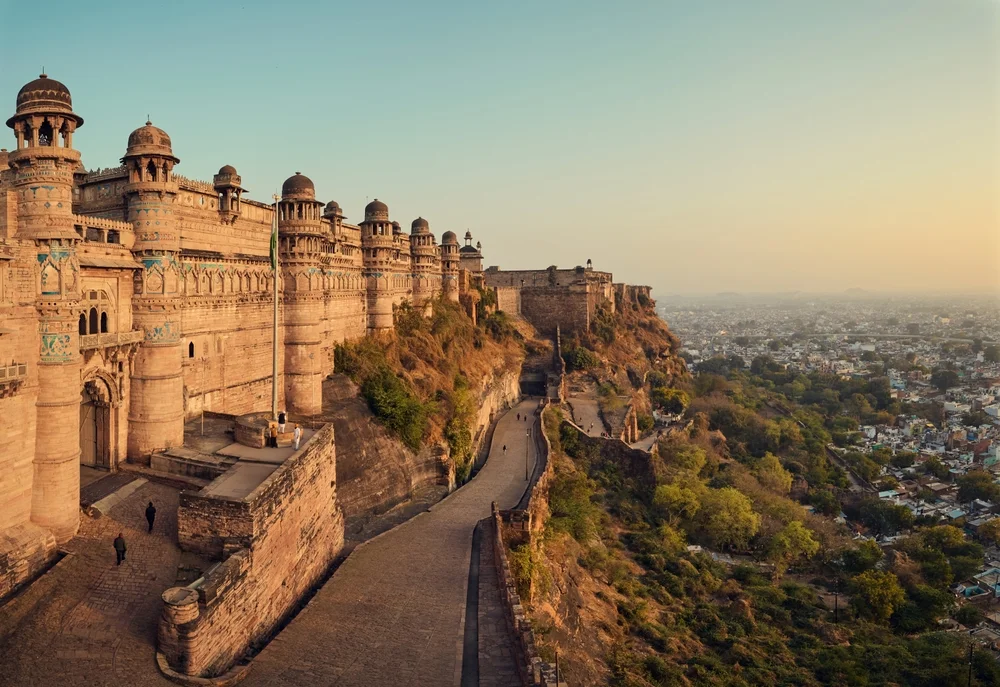
Gwalior
Majestic Fort & Palaces
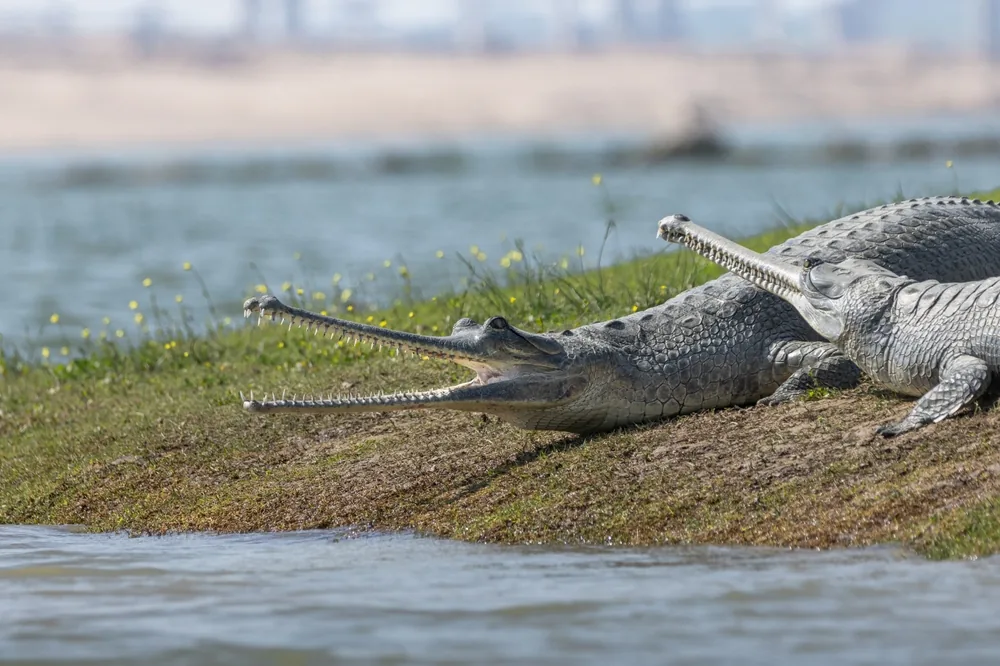
National Chambal Sanctuary
Gharials & River Dolphins
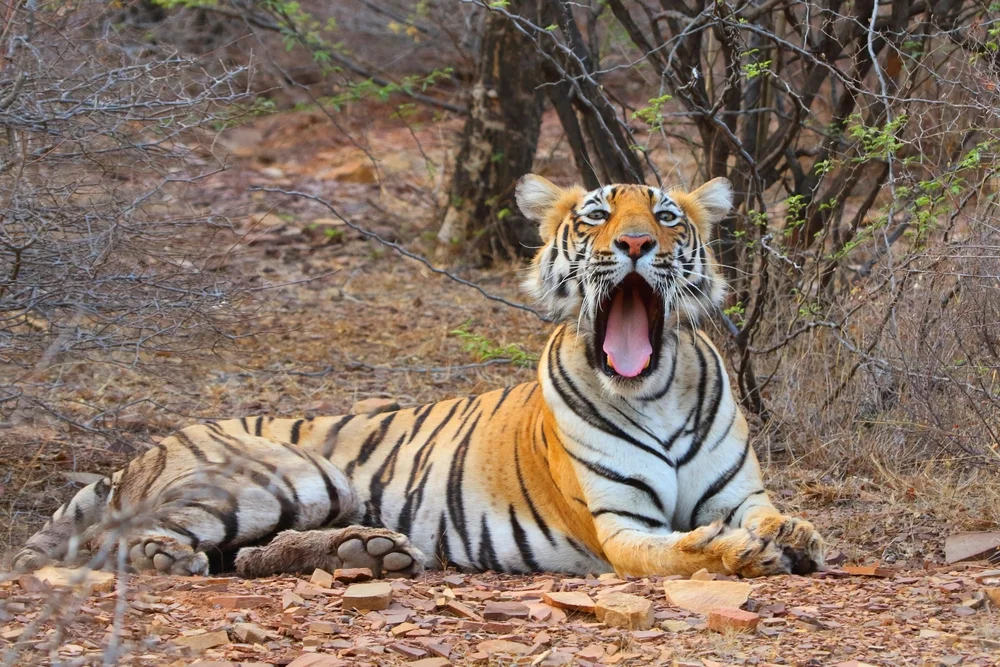
Ranthambore National Park
Tiger Fort Heritage

Orchha
Bundela Dynasty Splendour
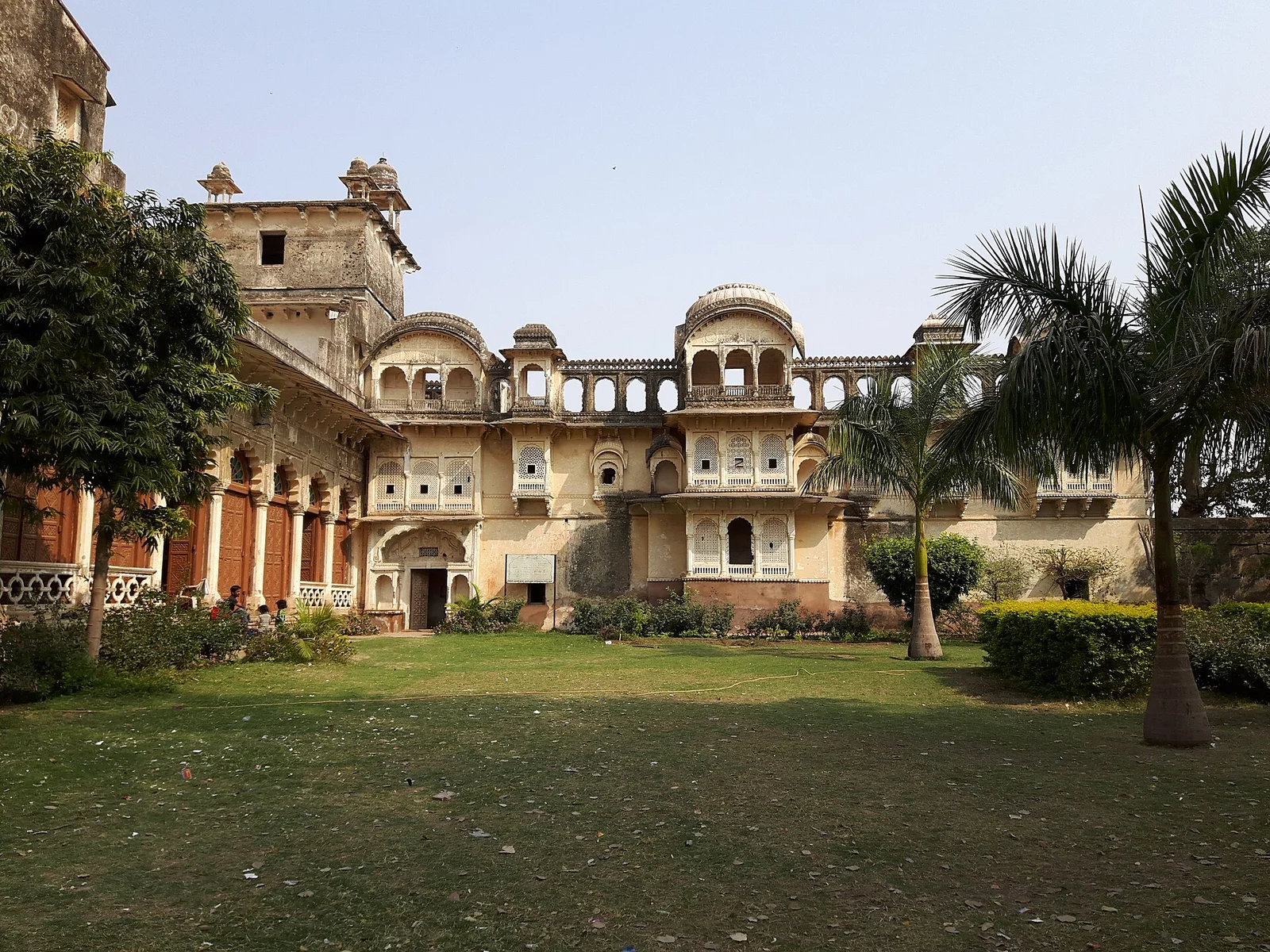
Sheopur
Gateway Town to Kuno
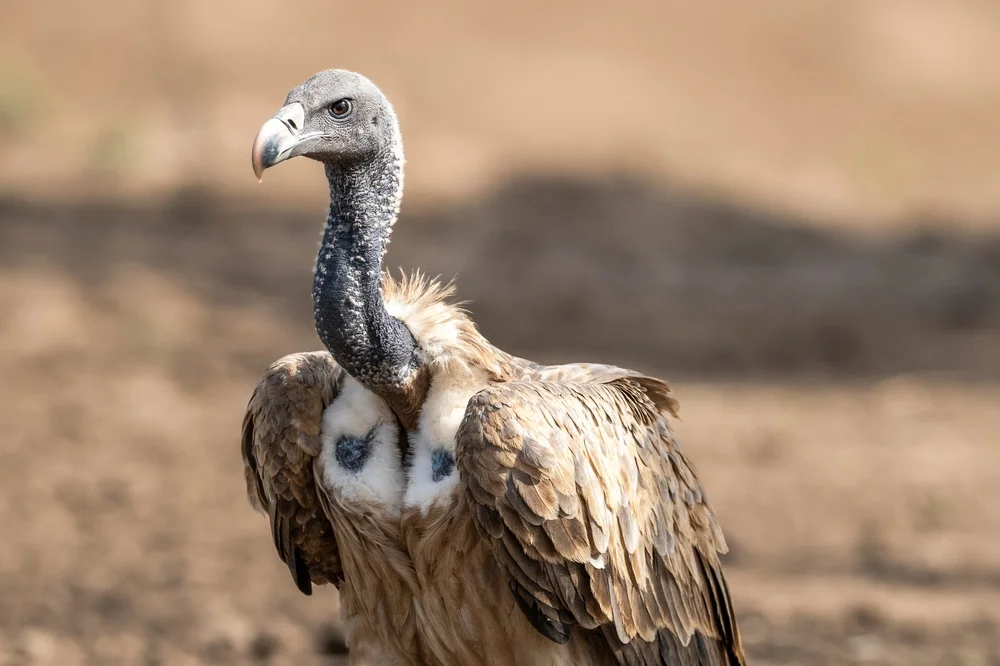
Gandhi Sagar Sanctuary
Cheetah Expansion Site
Other Parks in Madhya Pradesh


Other Parks in India


Kuno National Park FAQ's
Where is Kuno National Park located?
Kuno National Park is located in the Sheopur and Morena districts of Madhya Pradesh, India, within the Vindhyan hills on the northern side of the Vindhyachal mountains. It lies along the Kuno River, a tributary of the Chambal. The nearest town is Sheopur (~50 km), the nearest railway station is Shivpuri (~65 km), and the nearest airport is Gwalior (~170 km).
What is Kuno National Park famous for?
Kuno National Park is world-famous as the home of India's Project Cheetah – the historic reintroduction of African cheetahs to India after the species went extinct in 1952. It is the only place in India where you can see cheetahs in the wild. The park is also known for its ancient forts reclaimed by forest, the Kuno River, and its status as a site originally prepared for Asiatic lion reintroduction.
Can we see cheetahs in Kuno National Park?
Yes. India's first dedicated cheetah safari launched on 1st October 2025 at Kuno National Park, accessible via Ahera and Peepalwadi gates. As of mid-2025, approximately 28–29 cheetahs reside at Kuno, including India-born cubs. Several cheetahs are now free-ranging in the wild, and sightings during safaris are increasingly possible, though never guaranteed with wild animals.
What is the best time to visit Kuno National Park?
The best time to visit Kuno National Park is October to March for pleasant weather and comfortable safaris. Temperatures range from 5°C to 25°C. Summer (April–June) offers higher wildlife visibility but extreme heat (up to 47°C). The park is closed during the monsoon from July to mid-October.
Is Kuno National Park open throughout the year?
No. Kuno National Park is open to tourists from mid-October to 30th June. It remains closed during the monsoon from 1st July to 15th October. The cheetah safari season officially runs from October, coinciding with the park's reopening after the monsoon closure.
Which zone is best in Kuno National Park?
The cheetah safari zones accessed via Ahera Gate and Peepalwadi Gate are the most sought-after, as these are the original cheetah release zones. The Tiktoli Gate provides access to the core forest area with leopard, wolf, and ungulate sightings. The Parond Forest Zone remains important for cheetah monitoring. Each zone offers a mix of savanna grasslands and dry deciduous forest.
How many days are enough for Kuno National Park?
A minimum of 2 days (3–4 safaris) is recommended for Kuno National Park to explore different zones and maximise chances of cheetah sightings. Adding nearby attractions like Gwalior Fort, National Chambal Sanctuary, or Shivpuri makes a 3–4 day itinerary ideal. Combining with Ranthambore creates a comprehensive 5–6 day wildlife circuit.
How to reach Kuno National Park?
Fly to Gwalior Airport (170 km, 4 hours by taxi) with flights from Delhi, Mumbai, and Indore. By train, reach Shivpuri Railway Station (65 km, 1.5 hours) or Gwalior Junction (170 km, 4 hours). By road, Kuno National Park is approximately 450 km from Delhi via NH 44. Pre-booked transfers are recommended as local transport options are limited.
What animals can be seen in Kuno National Park?
Besides African cheetahs, Kuno National Park is home to Indian leopards, Indian wolves, sloth bears, wild dogs (dhole), striped hyenas, jungle cats, Indian foxes, chital, sambar, nilgai, chinkara, blackbuck, four-horned antelope, wild boar, and porcupines. The Kuno River hosts gharials, mugger crocodiles, and freshwater turtles. Over 200 bird species include four vulture species and multiple raptor types.
What types of safaris are available in Kuno National Park?
Kuno National Park offers jeep safaris (morning and evening, ~3 hours each) through designated zones via Tiktoli, Ahera, and Peepalwadi gates. The dedicated cheetah safari (from October 2025) operates via Ahera and Peepalwadi gates. Vehicles must travel below 20 km/h with strict rules against alighting or playing music. Guided nature walks are also available in buffer areas.
Are online safari bookings available for Kuno National Park?
Yes. Cheetah safari bookings are available online through Wild Enthusiast’s safari booking third party platform up to 120 days in advance. Advance booking is strongly recommended, especially during peak season (November–March) and weekends, as visitor numbers are carefully controlled.
What are the main attractions near Kuno National Park?
Key nearby attractions include Gwalior Fort and Jai Vilas Palace (170 km), National Chambal Sanctuary for gharials and river dolphins (120 km), Shivpuri's George Castle and Sakhya Sagar Lake (65 km), and the historic town of Orchha (220 km). Within the park, Palpur Fort, Amet Fort, Maitoni Fort, Dev Kho gorge, and Dobkund Waterfall are major draws.
Is Kuno National Park safe for tourists?
Yes, Kuno National Park is completely safe for tourists. All safaris are conducted with certified forest guides in approved open-top vehicles. Strict safety protocols include maintaining vehicle speeds below 20 km/h, remaining inside the vehicle at all times, no loud music, and following all guide instructions. The park has well-managed entry systems and regular patrolling.
Can Kuno National Park be visited as a day trip?
While a single morning or evening safari is possible as a day trip from Shivpuri (65 km) or Gwalior (170 km), it is not ideal. The remote location and limited transport options make an overnight stay strongly recommended. Staying near the park for at least 2 days allows you to experience multiple safaris across different zones and increases cheetah sighting chances.
What makes Kuno National Park unique among wildlife destinations in India?
Kuno National Park is the only place in India – and one of very few in the world – where African cheetahs have been successfully reintroduced after seven decades of extinction. It is also the only Indian national park originally prepared for Asiatic lion reintroduction. Its landscape of ancient forts, sacred gorges, and Kuno River within pristine dry deciduous forest creates an experience no other Indian wildlife destination can offer.
About Kuno National Park
Kuno National Park is a pioneering conservation landscape in the Vindhyan hills of Madhya Pradesh, straddling the Sheopur and Morena districts. Originally established as Kuno Wildlife Sanctuary in 1981 with 344.68 sq km, it was expanded and upgraded to national park status in 2018, covering 748.76 sq km. The park derives its name from the Kuno River, a tributary of the Chambal, which flows through the reserve creating vital riparian habitats.
Kuno's destiny has been intertwined with India's most ambitious wildlife projects. In the 1990s, it was selected for the Asiatic Lion Reintroduction Project to establish a second population away from Gujarat's Gir. Between 1998 and 2003, approximately 1,650 inhabitants of 24 villages – primarily Saharia tribal people – were relocated, and the habitat was extensively restored. Though the lion project faced political obstacles, the prepared landscape became ideal for an even bolder venture: Project Cheetah.
On 17th September 2022, Prime Minister Narendra Modi released eight African cheetahs from Namibia at Kuno National Park, marking the return of the species to India after 70 years. Twelve more arrived from South Africa in February 2023. Despite initial setbacks including some deaths from natural causes, the programme has achieved breeding success, with India-born cheetah cubs now part of the growing population. As of December 2025, approximately 28–29 cheetahs reside at Kuno, with three more at Gandhi Sagar Sanctuary.
Quick Facts about Kuno National Park
| Feature | Details |
|---|---|
| Full Name | Kuno National Park (formerly Kuno-Palpur Wildlife Sanctuary) |
| Location | Sheopur & Morena Districts, Madhya Pradesh, India |
| National Park Area | 748.76 sq km |
| Buffer Zone | 924 sq km |
| Cheetah Population | ~28–29 at Kuno (mid-2025) |
| Other Key Predators | Leopard, Indian Wolf, Wild Dog, Sloth Bear, Striped Hyena |
| Bird Species | 200+ |
| Flora Species | 200+ (trees, shrubs, climbers, grasses) |
| Safari Gates | Tiktoli, Ahera, Peepalwadi |
| Best Time to Visit | October to March |
| Park Closure | 1st July to 15th October (Monsoon) |
| Project Cheetah Launch | 17th September 2022 |
| Cheetah Safari Launch | 1st October 2025 |
Kuno National Park occupies a transitional landscape between the Vindhyan plateau and the Chambal ravine ecosystem. The terrain features undulating hills, open savanna-like grasslands, dry deciduous forests, and the river valleys of the Kuno and its tributaries. This mosaic of habitats makes it exceptionally suitable for both grassland predators like cheetahs and forest-dwelling species like leopards.
The vegetation is classified as northern tropical dry deciduous forest, dominated by kardhai (Anogeissus pendula), salai (Boswellia serrata), and khair (Acacia catechu). Over 200 tree, shrub, climber, and grass species have been documented. The grasslands and open woodlands provide ideal cheetah hunting habitat, while the denser forest patches support leopards, sloth bears, and a rich prey base of ungulates.
A distinctive feature of Kuno National Park is the presence of ancient forts and structures within the core forest. Palpur Fort (18th century, built by the rulers of Karauli), Amet Fort, and Maitoni Fort stand as atmospheric ruins overgrown by vegetation, adding a unique historical dimension rarely found in Indian national parks. The Kuno River, dotted with gharial and mugger crocodile basking sites, flows through the heart of this landscape.
History of Kuno National Park
The Kuno landscape has ancient roots - the forts, temples, and sacred gorges within the park testify to centuries of human habitation by Rajput rulers and indigenous Saharia tribal communities. The forests were historically part of the hunting grounds of the Karauli princely state.
In 1981, the area was designated as Kuno Wildlife Sanctuary covering 344.68 sq km. Throughout the 1990s, it was identified as the ideal site for establishing a second population of Asiatic lions from Gujarat's Gir Forest. Between 1998 and 2003, 24 villages (approximately 1,650 people) were relocated from the core area, and extensive habitat restoration - including grassland development, weed removal, water infrastructure, and prey augmentation - was carried out. Gujarat's resistance to sharing its lion population delayed the project, and in April 2013, the Supreme Court of India ordered the lion transfer, though implementation remained stalled.
In 2009, the prepared landscape was also proposed as a cheetah reintroduction site. In 2018, the sanctuary was upgraded to national park status. The landmark moment came on 17th September 2022 when eight Namibian cheetahs arrived, followed by twelve from South Africa in February 2023. Despite initial challenges - including nine deaths from natural causes - the project achieved its first breeding success, and by 2025 several cheetahs were successfully free-ranging in the wild. India's first dedicated cheetah safari opened on 1st October 2025, transforming Kuno into a globally significant wildlife tourism destination.
Flora & Fauna of Kuno National Park
Kuno National Park's vegetation is classified as northern tropical dry deciduous forest. The dominant tree species are kardhai (Anogeissus pendula), salai (Boswellia serrata), and khair (Acacia catechu), which form the primary canopy across the park's 748 sq km. Other significant species include tendu, palash, dhawa, ber, and mahua. Bamboo and grasses flourish in open areas and along water courses. The park hosts approximately 123 tree species, 71 shrubs, 32 climbers, and 34 bamboo and grass varieties.
The African cheetah (Southeast African subspecies) is Kuno's flagship species, with approximately 28-29 individuals as of mid-2025. The Indian leopard is the park's original apex predator, coexisting with Indian wolves, wild dogs (dhole), sloth bears, striped hyenas, jungle cats, Indian foxes, and Indian grey mongooses. Herbivores include chital, sambar, nilgai, chinkara, blackbuck, four-horned antelope (chousingha), wild boar, Indian porcupine, and Indian hare. Langurs are common throughout.
The Kuno River supports mugger crocodiles, gharials, Bengal monitors, and Indian softshell turtles. The park's avifauna exceeds 200 species, with a notable concentration of raptors and vultures - Indian white-backed, long-billed, red-headed, and Egyptian vultures are all present, alongside Bonelli's eagles, crested serpent eagles, brown fish owls, and changeable hawk-eagles.
Conservation Efforts – Project Cheetah in Kuno National Park
Project Cheetah, launched on 17th September 2022, is India's - and the world's - first intercontinental large-carnivore reintroduction. The project aims to establish a self-sustaining cheetah metapopulation exceeding 50 individuals by 2030, with Kuno National Park as the primary site and expansion to Gandhi Sagar Wildlife Sanctuary and other landscapes.
The reintroduction protocol was developed indigenously by the MP Forest Department, NTCA, and Wildlife Institute of India, with initial guidance from Namibian and South African experts. Cheetahs were first soft-released in predator-proof enclosures to acclimatise to Indian conditions and prey species before being released into the wild. Over 20 cheetahs have been radio-collared for intensive monitoring, tracking movements, health, and territorial establishment.
Habitat preparation included extensive grassland restoration, weed removal, waterhole development, Kuno River water diversion, and prey base augmentation. Despite losing nine of the original 20 translocated cheetahs to natural causes (septicaemia, renal issues, intraspecific aggression), breeding success has been achieved with multiple India-born litters. The project has drawn both praise for its ambition and criticism for early mortality rates, but the successful free-ranging of multiple cheetahs and cubs by 2025 demonstrates growing viability.
Ancient Forts & Cultural Heritage
A unique dimension of Kuno National Park is the presence of historical structures within the core forest. Palpur Fort (Garh), built in the 18th century by the rulers of Karauli state, stands as an atmospheric ruin overgrown by ancient trees and inhabited by wildlife. Amet Fort and Maitoni Fort add further historical layers. The Kair-Khoh gravity pipeline represents an ingenious historical water engineering system. Dev Kho, a sacred gorge and waterfall, and Dobkund with its Jain temple blend natural beauty with spiritual heritage. These cultural landmarks, rarely found within the boundaries of Indian national parks, make Kuno a destination that rewards both wildlife enthusiasts and history lovers.