


About Jawai Leopard Safari
Nestled among the ancient granite hills of Pali district, Jawai Leopard Safari offers one of India’s most extraordinary wildlife encounters. This conservation reserve in southern Rajasthan is renowned for its thriving population of cave-dwelling leopards that roam freely alongside the indigenous Rabari community — a rare model of human-wildlife coexistence found almost nowhere else on the planet. The rugged Aravalli terrain, dotted with massive rock outcrops, serene riverbeds, and the picturesque Jawai Dam, creates a dramatic backdrop for unforgettable safari experiences. With an estimated 50–60 leopards inhabiting the region and an 80–90% sighting success rate, Jawai Leopard Safari has earned its reputation as the “Leopard Capital of India” and a must-visit destination for wildlife photographers, nature enthusiasts, and adventure travellers.
- Area100 sq km
- Established2010
- StateRajasthan
- Nearest CitySumerpur
- Safari Zones4
Jawai Travel Guide
Biodiversity

Wildlife
Jawai Leopard Safari shelters leopards, striped hyenas, sloth bears, Indian foxes, jungle cats, nilgai, chinkara, and wild boar across its rocky landscape.

Flora
Jawai Leopard Conservation Reserve features dry scrub vegetation, acacia woodlands, thorny bushes, and seasonal grasslands, creating a unique rocky habitat that supports leopards and diverse wildlife.

Landscape
Ancient granite outcrops, natural cave systems, dry deciduous scrubland, river valleys, and the vast Jawai Dam reservoir define this dramatic Aravalli terrain.
Safari Guide
Best Time to Visit
Things to Do

Jeep Safari
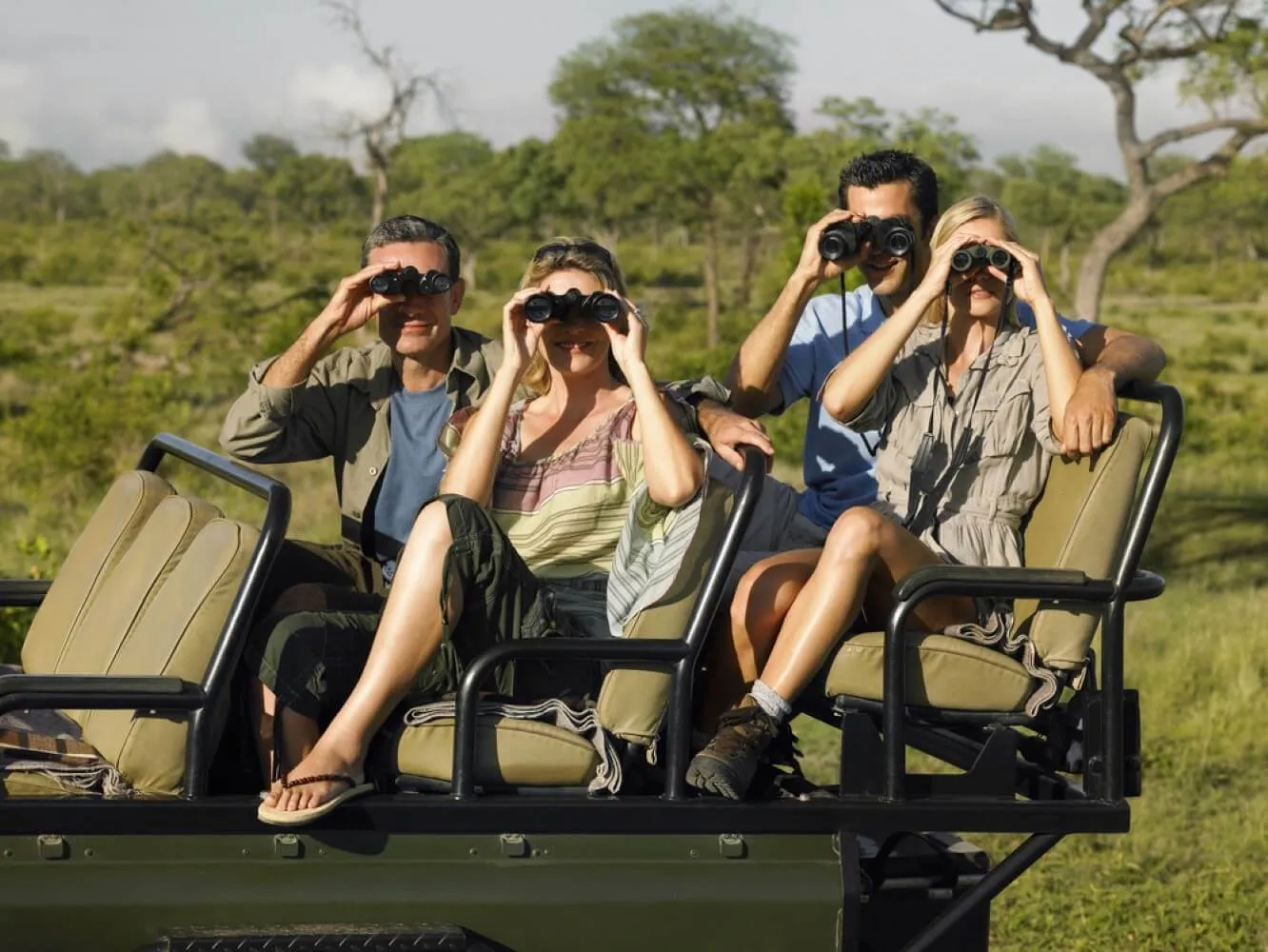
Open-top 4x4 gypsy safaris navigate rocky trails and riverbeds with expert trackers. Morning and evening drives lasting 2.5–3 hours offer peak leopard sighting opportunities.

Bird Watching
Winter months transform Jawai Dam into a birding paradise as migratory flamingos, spoonbills, and demoiselle cranes arrive alongside resident raptors and kingfishers.

Village Tour
Interact with the semi-nomadic Rabari tribe renowned for their vibrant attire, traditional customs, and centuries-old peaceful coexistence with wild leopards.

Photography
Jawai's open terrain and free-roaming leopards perched on sunlit rocks provide unrivalled wildlife photography opportunities rarely available elsewhere in India.

Nature Walk
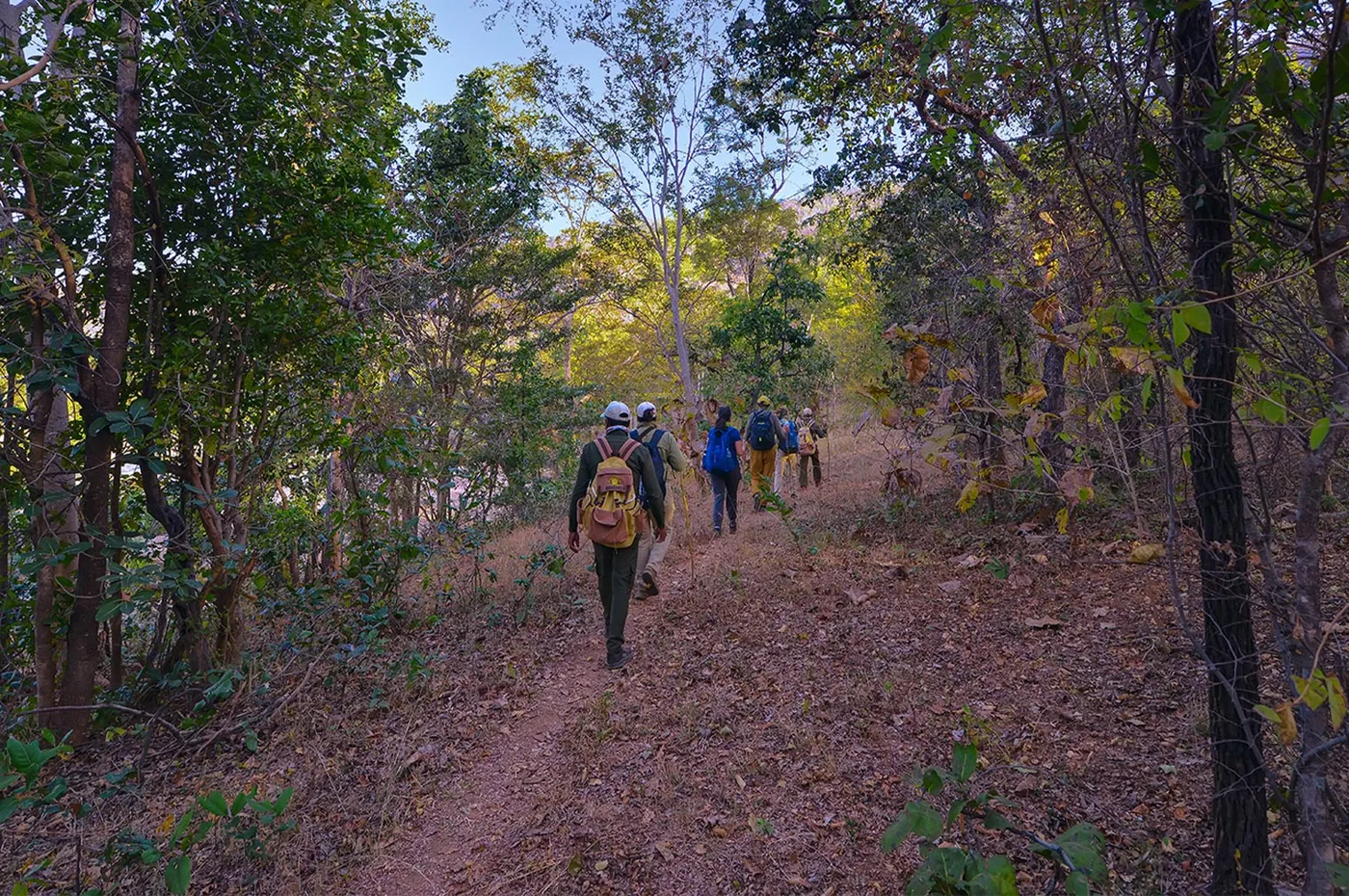
Guided nature walks through scrub forests reveal medicinal plants, reptile habitats, and geological marvels while offering a slow-paced immersion into Jawai's ecosystem.
How to Reach
Attractions

Dev Giri Temple
Perched amid granite hills of Bera, this sacred shrine is linked to Mahabharata legends and has the highest frequency of leopard sightings among all Jawai temples.

Jawai Bandh (Dam)
Built in the 1950s by Maharaja Umaid Singh of Jodhpur, this earthen dam on the Jawai River offers stunning sunset views, crocodile spotting, and winter bird congregations.

Jawai Hills
Massive million-year-old granite formations riddled with caves serve as natural dens for leopards. The hills are a geological marvel and the core of Jawai Leopard Safari.

Kambeshwar Mahadev Temple
Located 11 km from Jawai in the Sheoganj area, this hilltop Shiva temple is reached via serpentine roads and hosts a grand annual fair every November.

Abhinav Mahavir Dham
A magnificent Jain pilgrimage shrine in Sumerpur featuring exquisite architecture. The temple houses an ash-coloured idol of Bhagwan Mahavir Swami as its centrepiece.
Jawai Tour Packages
From thrilling leopard tracking to luxury granite hill retreats, every Jawai package is crafted around your travel style, photography interests, and exclusive experiences.

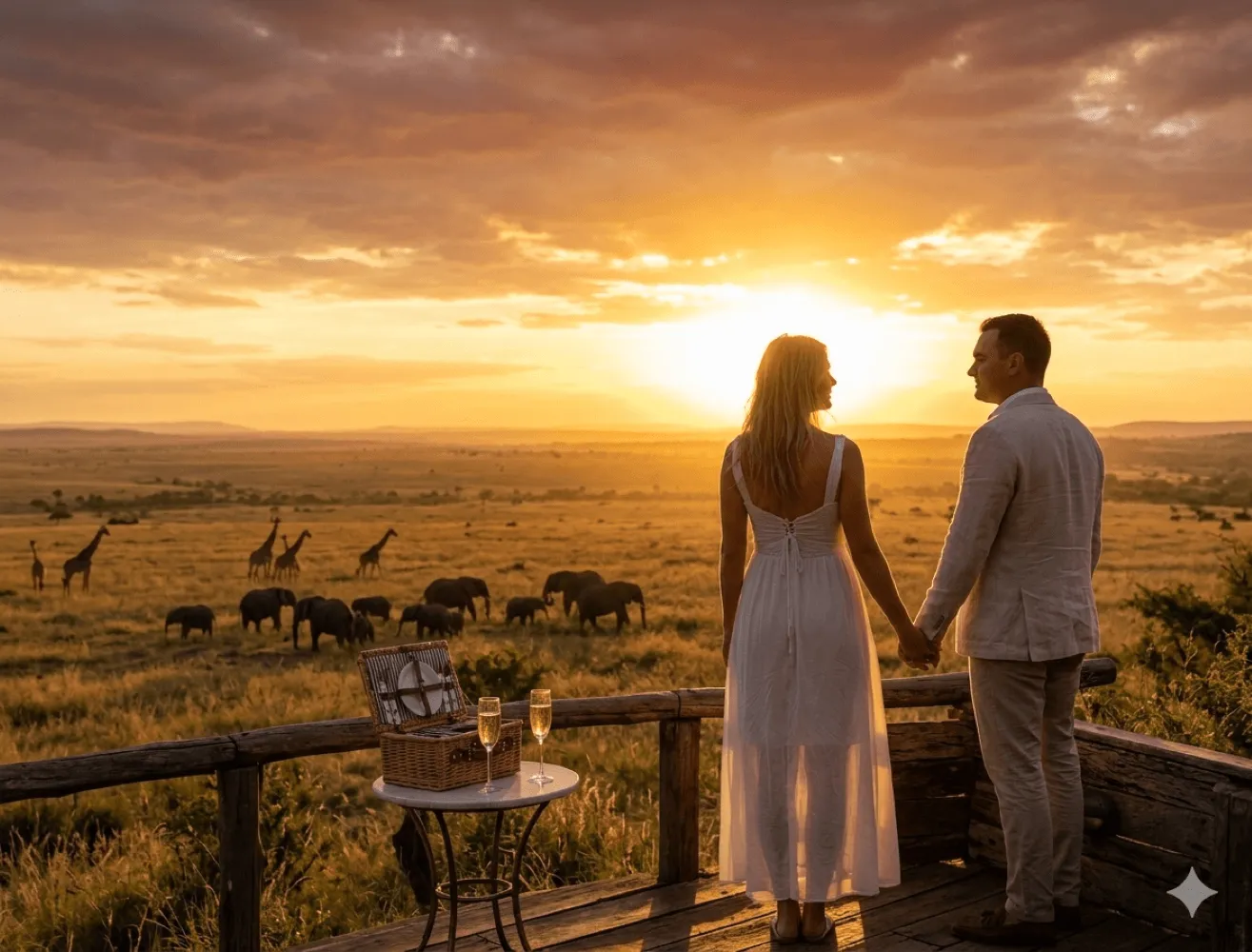
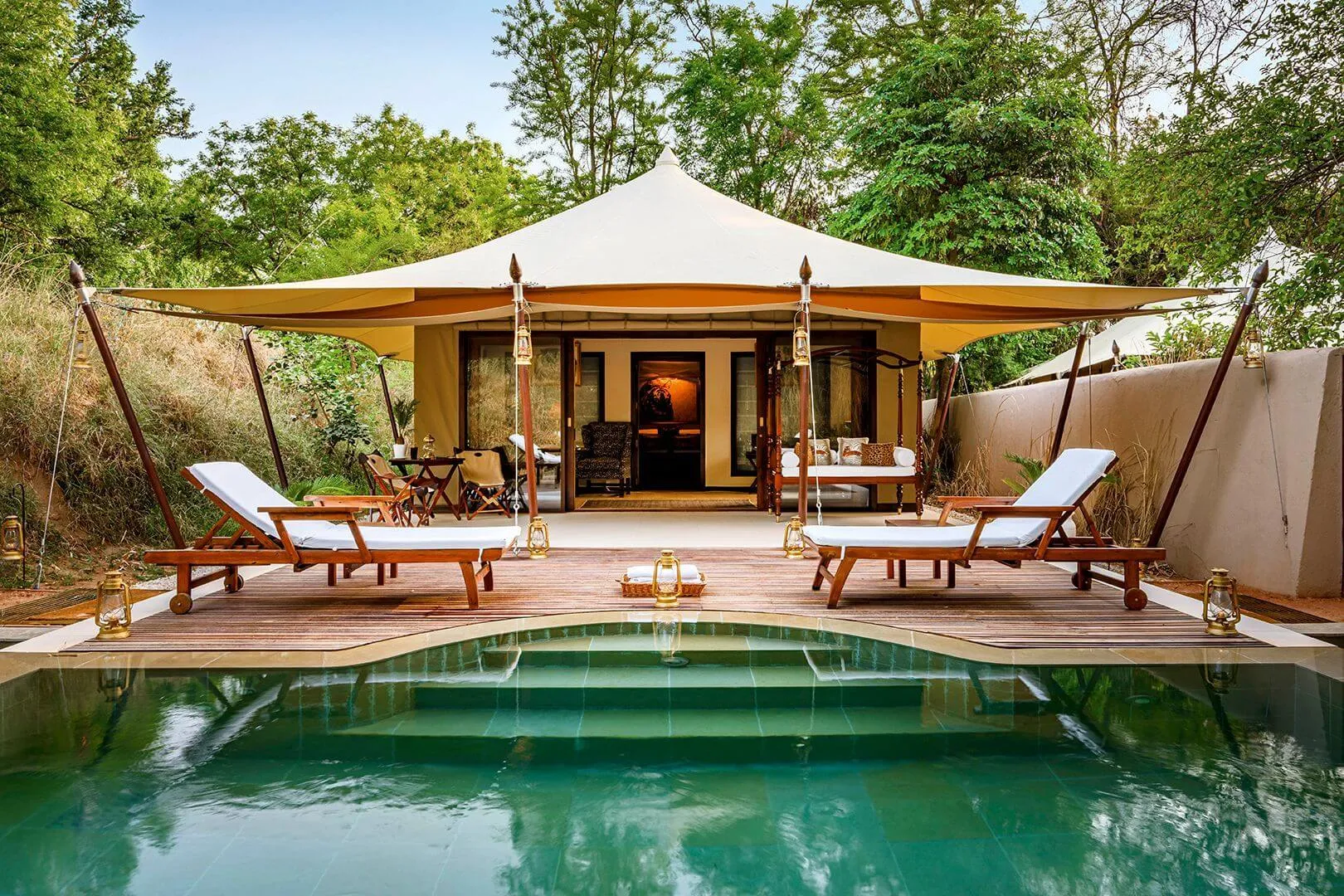

Jawai Hotels & Resorts — Luxury Jungle Lodges
We partner with Jawai's iconic luxury camps and boutique wilderness retreats—handpicked for their exclusive hospitality, dramatic landscapes, and extraordinary leopard experiences.
Stay at Jawai Leopard Safari's finest handpicked wildlife lodges, where comfort meets the untamed wilderness.


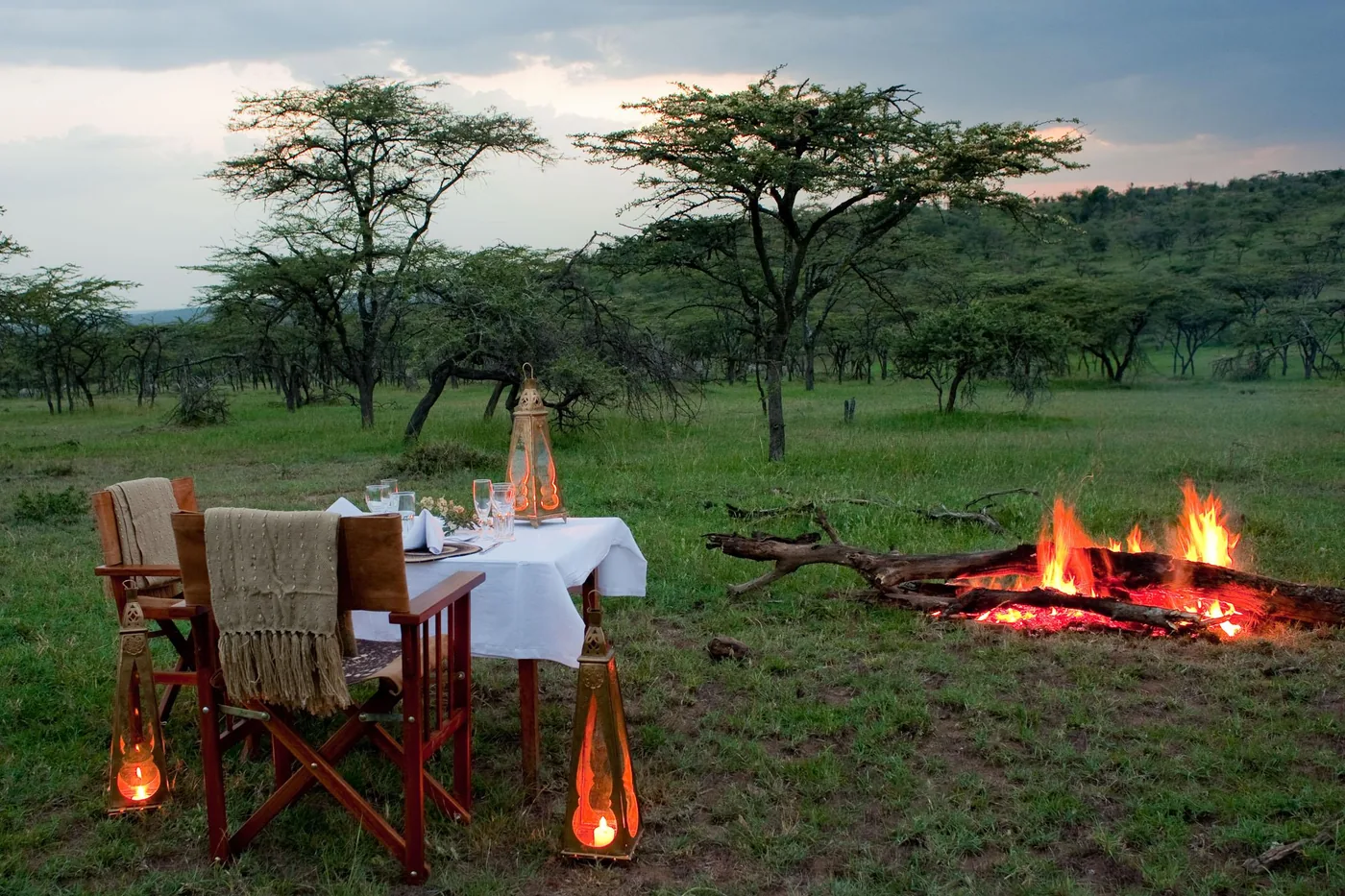
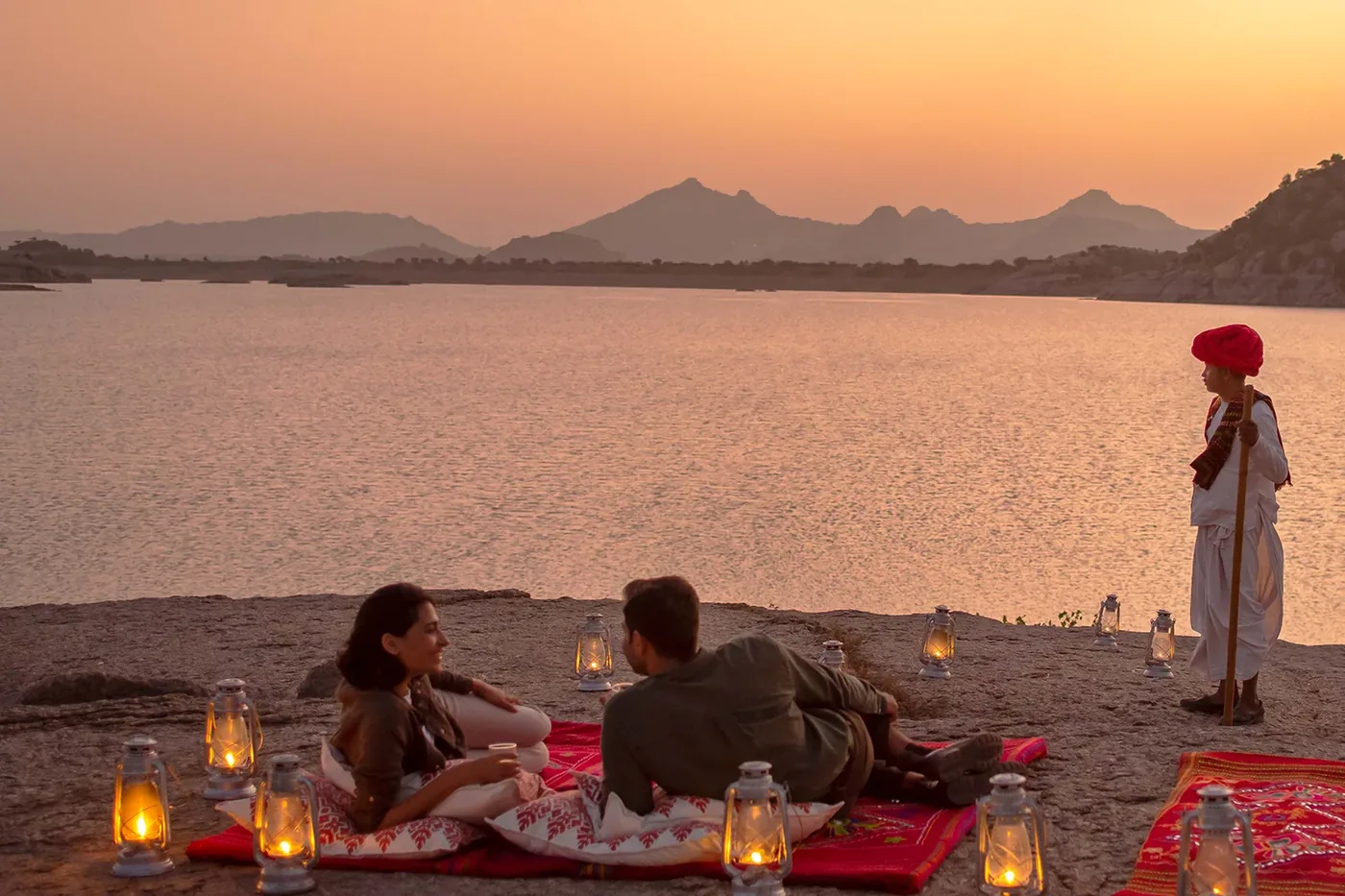
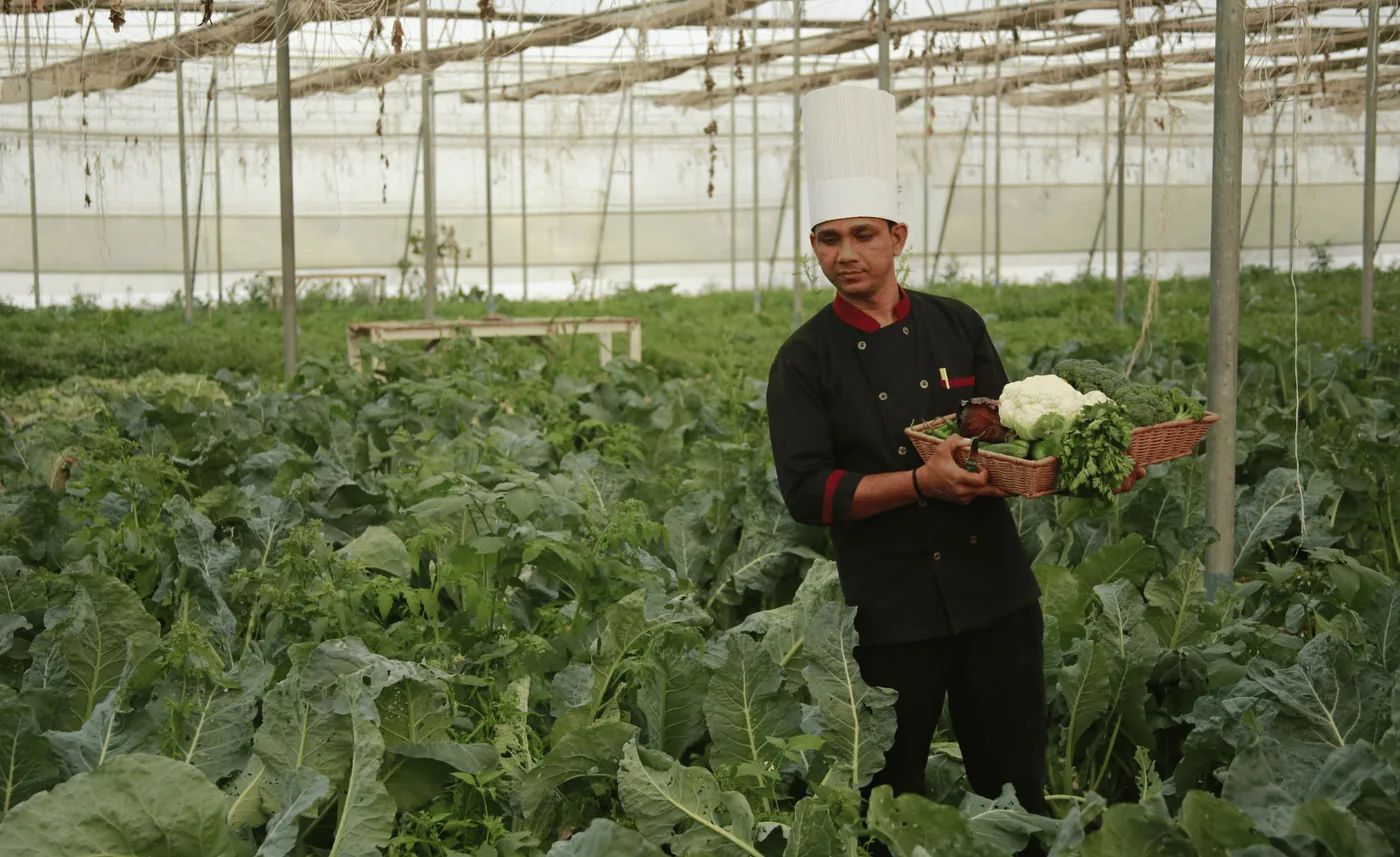
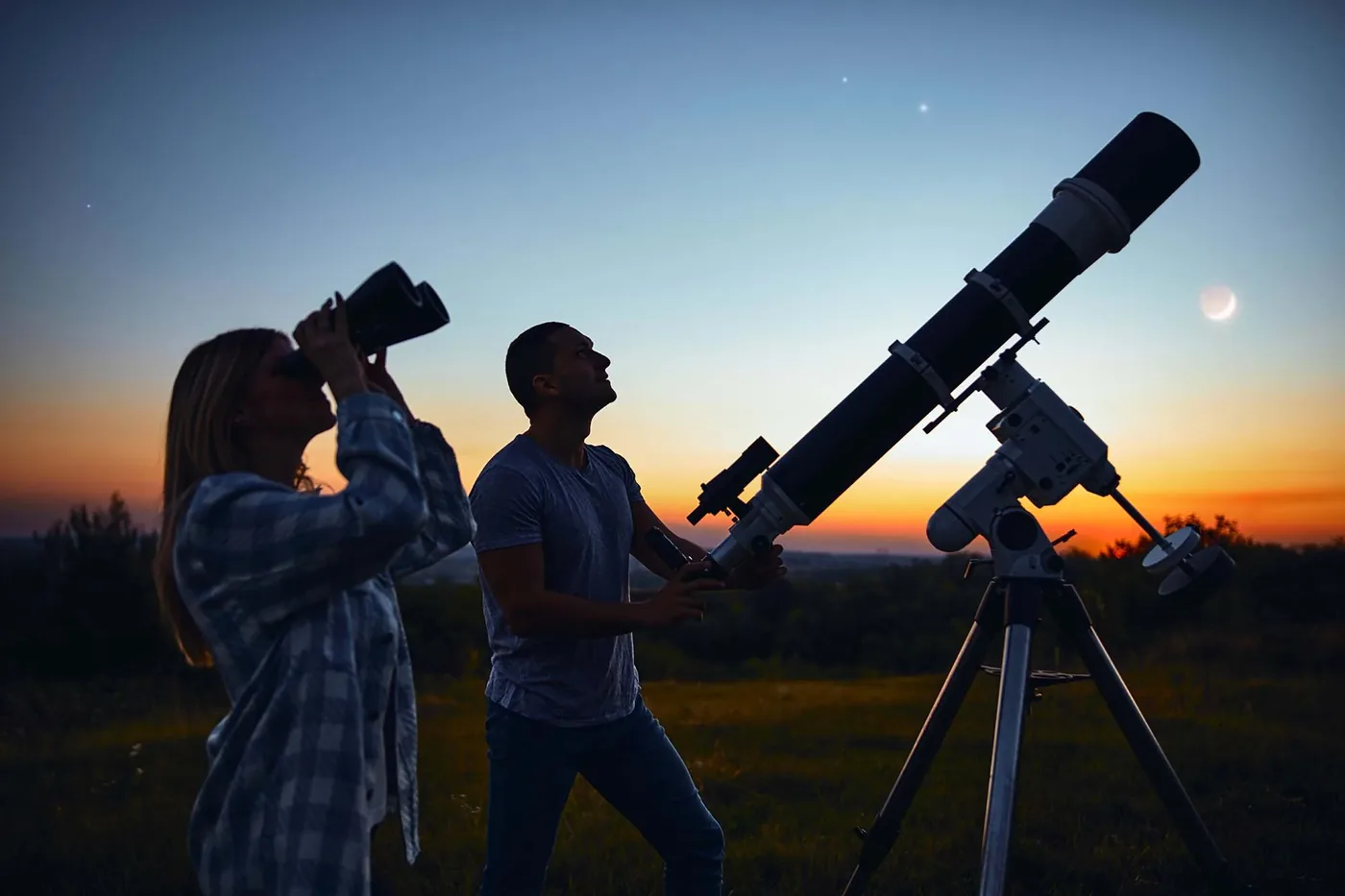
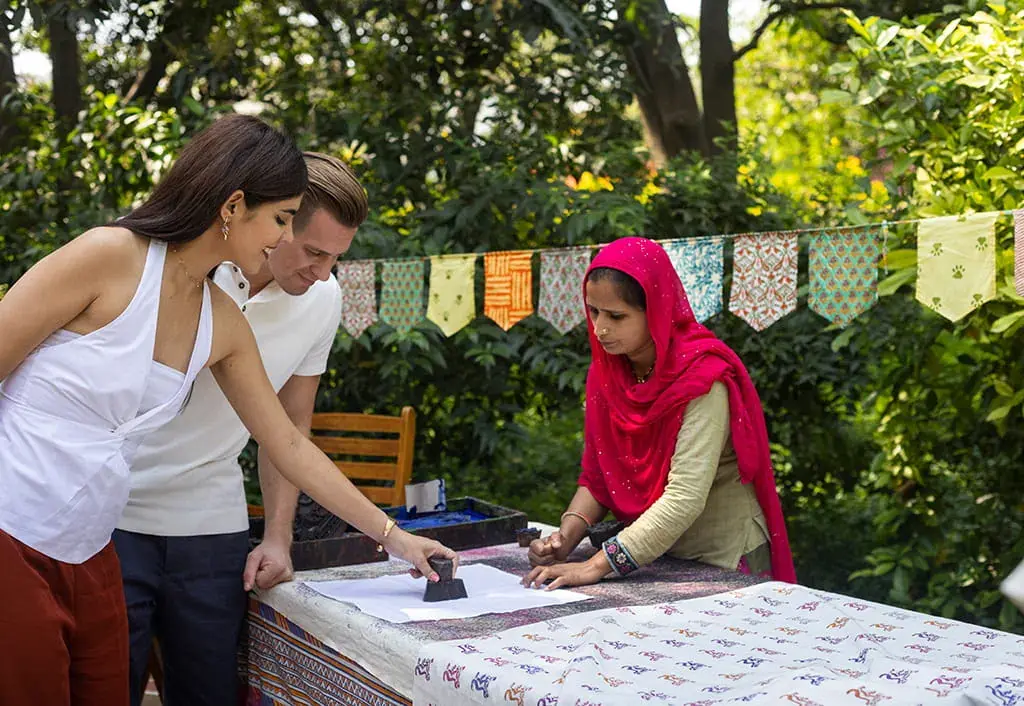
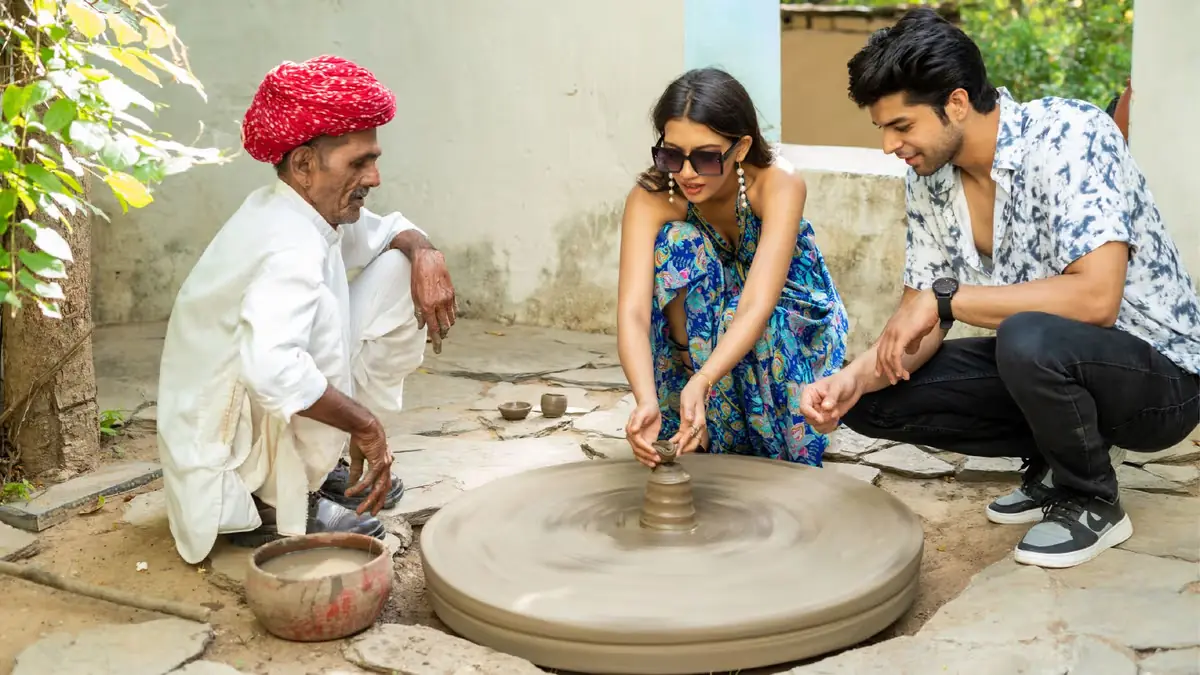
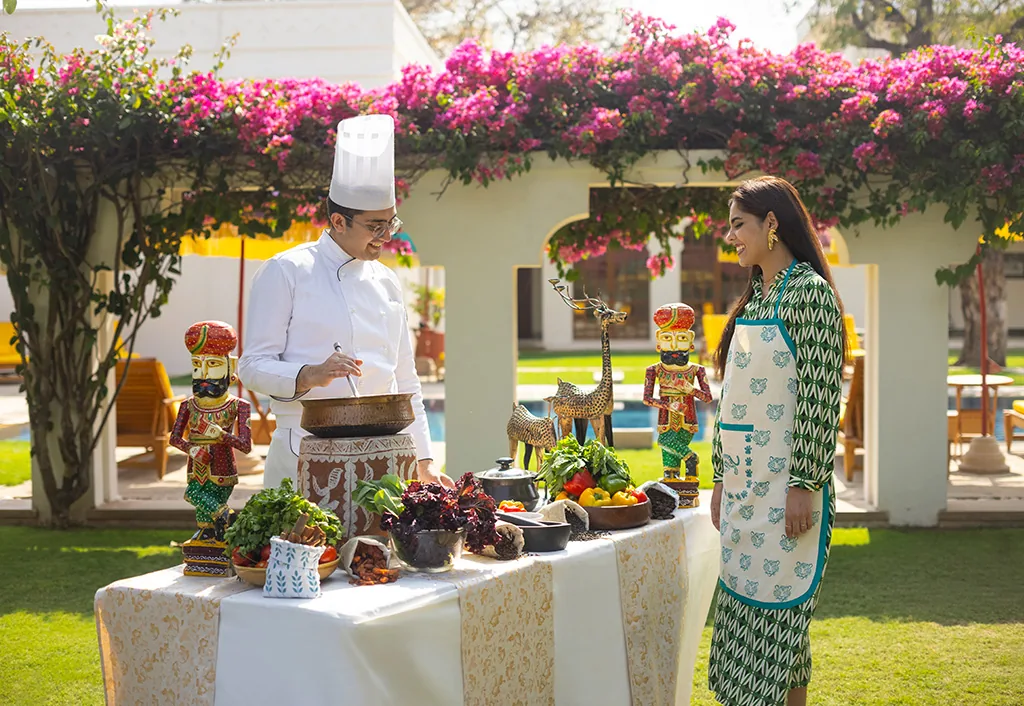
Signature Experiences, Curated Around Jawai
From authentic local experiences and scenic escapes to unforgettable wilderness moments, every experience is designed to elevate your Jawai journey.





Nearby Destinations to Jawai

Ranakpur
Jain Temple Valley

Kumbhalgarh
Great Wall Fort

Mount Abu
Rajasthan's Hill Station

Udaipur
City of Lakes

Jodhpur
The Blue City

Pali
Southern Rajasthan Gateway
Other Parks in Rajasthan


Other Parks in India


Jawai Leopard Safari FAQ's
Is Jawai safari worth visiting?
Absolutely. Jawai Leopard Safari offers an 80–90% leopard sighting success rate in a unique open landscape where big cats roam freely among granite hills and human settlements. The combination of wildlife, cultural encounters with the Rabari tribe, and stunning Aravalli scenery makes it one of India's most rewarding safari experiences.
In which state is Jawai Leopard Safari located?
Jawai Leopard Safari is located in the Pali district of Rajasthan, India. It falls within the Sumerpur tehsil, positioned between the cities of Udaipur and Jodhpur in southern Rajasthan.
What are the odds of seeing a leopard in Jawai?
Jawai boasts one of the highest leopard sighting rates in India, with an estimated 80–90% success rate across safaris. The open granite terrain and the leopards' familiarity with humans make them relatively easier to spot here compared to dense forest reserves.
Which city is near to Jawai?
Sumerpur is the nearest town, located just 8 km from Jawai Leopard Safari. Other nearby cities include Sheoganj (9 km), Falna (25 km), Pali (78 km), Udaipur (150 km), and Jodhpur (155 km).
What is Jawai famous for?
Jawai is famous for its thriving population of cave-dwelling leopards, the remarkable coexistence between leopards and the Rabari tribe, the scenic Jawai Dam, ancient granite rock formations, and exceptional wildlife safari experiences in an unfenced natural habitat.
What is the best time to visit Jawai?
The best time to visit Jawai Leopard Safari is from October to March when temperatures are pleasant (10°C–25°C) and wildlife is most active. However, summer months (April–June) also offer excellent leopard sightings near water sources.
How many leopards are in Jawai?
The Jawai region is estimated to host 50–60 leopards, giving it one of the highest leopard population densities in India. This thriving population is a testament to successful community-driven conservation efforts.
Which railway station is near to Jawai Leopard Safari?
Mori Bera Railway Station is the nearest, approximately 5 km from Jawai. Jawai Bandh Station (15 km) and Falna Station (35 km) are also well-connected alternatives with trains from major cities like Delhi, Mumbai, Ahmedabad, and Jaipur.
How many days are enough for Jawai Bandh?
A 2–3 day trip is ideal for experiencing Jawai Leopard Safari. This allows time for morning and evening safaris, visiting the dam and temples, a Rabari village excursion, and exploring nearby attractions like Ranakpur or Kumbhalgarh.
How big is Jawai?
The core Jawai Bandh Leopard Conservation Reserve covers 19.79 sq km. However, the broader Jawai leopard habitat and safari area extends over approximately 100 sq km encompassing surrounding granite hills, villages, and the dam ecosystem.
About Jawai Leopard Safari
Jawai Leopard Safari represents a wildlife experience unlike any other in India. Unlike conventional national parks enclosed by fences and strict boundaries, Jawai operates as an open conservation landscape where leopards roam freely across granite hills, temple caves, Rabari villages, and riverbanks. Located in the Pali district of Rajasthan between the cultural powerhouses of Udaipur and Jodhpur, this destination has rapidly risen from an obscure rural outpost to one of the subcontinent's most sought-after wildlife encounters.
The safari experience here is deeply personal and intimate. Expert local trackers — many from the Rabari community itself — guide visitors in open-top 4x4 gypsy vehicles through rocky outcrops and scrub forests, reading the landscape for signs of leopard activity. The region's cave-dwelling leopards are a unique ecological phenomenon: rather than inhabiting dense forest canopies, they shelter inside natural rock cavities formed over millions of years within the Aravalli range's granite formations. This behaviour makes Jawai Leopard Safari a genuinely one-of-a-kind wildlife destination globally.
Quick Facts about Jawai Leopard Safari
| Feature | Details |
|---|---|
| Location | Pali District, Rajasthan |
| Core Reserve Area | 19.79 sq km |
| Extended Habitat | ~100 sq km |
| Leopard Population | 50–60 (estimated) |
| Sighting Rate | 80–90% |
| Bird Species | 100+ |
| Best Season | October – March |
| Safari Duration | 2.5 – 3 hours |
| Safari Timings | Dawn & Dusk |
| Indigenous Community | Rabari Tribe |
The geography of Jawai is defined by its ancient granite geology. Massive rock outcrops - some estimated to be over 850 million years old - punctuate the semi-arid landscape, creating a labyrinth of caves, crevices, and elevated vantage points that leopards have claimed as their territory. The Jawai River, a tributary of the Luni, flows through the region and feeds the Jawai Dam reservoir, forming the ecological backbone of the entire ecosystem.
The terrain transitions between rocky hillocks, dry deciduous scrubland, thorn forests, open grasslands, and riparian corridors along the river and dam. Dominant vegetation includes ber (Ziziphus mauritiana), kikar (Vachellia nilotica), khejri, and native grasses that support herbivore populations. This mosaic of habitats sustains an impressive food web - from insect pollinators and seed-dispersing birds to top predators like the leopard. The Jawai Dam reservoir, particularly during winter, transforms into an aquatic haven hosting migratory waterfowl and resident crocodile populations.
The safari zones at Jawai Leopard Safari are informally divided based on geography and leopard territories. The Devgiri Zone around the ancient temple is known for the highest leopard density, while the Jawai Dam Zone offers stunning sunset backdrops and exceptional birding. The Sena and Kambeshwar Zone provides a cultural safari experience alongside wildlife encounters, and the quieter Malar and Perwa Zones reward patient visitors with more secluded sightings.
History of Jawai Leopard Safari
The story of Jawai's transformation into a wildlife destination begins with the construction of the Jawai Dam in the 1950s. Commissioned by Maharaja Umaid Singh of Jodhpur as a famine-relief measure and drinking-water solution, the earthen-and-masonry dam on the Jawai River inadvertently created one of western Rajasthan's most significant wetland ecosystems. The reservoir attracted aquatic life, migratory birds, and enriched the surrounding habitat, supporting a prey base that allowed the region's leopard population to thrive.
For generations before formal conservation, the Rabari pastoral community - semi-nomadic herders believed to have migrated from Iran through Afghanistan centuries ago - coexisted peacefully with leopards. The Rabari people revere these big cats as divine guardians of the hills, a spiritual bond that naturally minimised human-wildlife conflict long before government intervention. This traditional coexistence remains one of the most remarkable aspects of the Jawai ecosystem.
In February 2010, the Rajasthan State Government formally notified the Jawai Bandh Leopard Conservation Reserve under Section 36A of the Wildlife Protection Act, 1972, covering 19.79 sq km. By 2013, the area was officially established as the Jawai Leopard Sanctuary with an expanded conservation mandate. Subsequent notifications in 2018 further extended the reserve by incorporating additional villages and forest blocks, recognising the need to protect the growing leopard population and its sprawling habitat across the broader landscape.
Flora & Fauna of Jawai Leopard Safari
The vegetation at Jawai Leopard Safari is characterised by dry deciduous and thorn forest species adapted to the semi-arid climate. Key tree species include ber (Ziziphus mauritiana), kikar (Vachellia nilotica), khejri (Prosopis cineraria - the state tree of Rajasthan), babool, neem, and dhak. Scrubland areas feature thorny bushes, cacti, and seasonal grasses that carpet the landscape during and after the monsoon. The riparian zone along the Jawai River supports denser vegetation including fig trees, tamarind, and various aquatic plants around the dam.
The Indian leopard is undoubtedly the star species of Jawai, with 50-60 individuals inhabiting the granite caves. Beyond leopards, the reserve shelters striped hyenas, sloth bears, Indian foxes, jungle cats, Indian civets, jackals, wild boar, nilgai (blue bull), chinkara (Indian gazelle), sambar deer, and chital. The Jawai Dam hosts a healthy population of mugger crocodiles easily spotted basking on the banks. The avian diversity exceeds 100 species - winter visitors include flamingos, bar-headed geese, demoiselle cranes, spoonbills, and pelicans, while resident species encompass Indian eagle-owls, kingfishers, bee-eaters, and various raptor species.
Conservation Efforts at Jawai Leopard Safari
Conservation at Jawai Leopard Safari follows a distinctive community-driven model. Unlike most Indian wildlife reserves managed primarily by government forest departments, Jawai's conservation success stems largely from the Rabari tribe's centuries-old tradition of peaceful coexistence with leopards. This cultural foundation has been reinforced by formal government protections, creating a multi-layered conservation framework.
The Rajasthan Forest Department oversees the reserve through regular monitoring, anti-poaching patrols, and habitat management initiatives. Key challenges include illegal mining activities in the granite hills, habitat encroachment from expanding agriculture and settlements, and wildlife casualties from the Delhi-Mumbai railway line that bisects the reserve. Ongoing mitigation efforts include wildlife corridors, speed restrictions on railway sections, and community awareness programmes.
Sustainable eco-tourism has emerged as a vital conservation tool at Jawai. By generating livelihood opportunities for local communities through safari operations, hospitality, and guiding services, tourism creates direct economic incentives for wildlife protection. Many eco-lodges and luxury camps around Bera village employ local staff and contribute to habitat restoration projects, reinforcing the connection between conservation outcomes and community prosperity. Water management infrastructure, including the DRIP II project to enhance dam safety, also contributes to maintaining the ecological balance critical for leopard conservation.
Rabari Tribe: Living Guardians of Jawai
The Rabari community deserves special recognition as the cultural backbone of Jawai's conservation story. Known for their distinctive attire - flowing white garments and vibrant red turbans - the Rabari are semi-nomadic cattle herders who regard leopards not as threats but as sacred protectors of their ancestral hills. Despite occasionally losing livestock to leopards, the Rabari rarely report conflict incidents, believing that the big cats serve a divine purpose. This extraordinary tolerance has helped maintain one of the highest leopard densities in India without the extensive fencing, relocation, or human-wildlife conflict management required in other reserves.