Fakim Wildlife Sanctuary: Nagaland's Remote Highland Wilderness
Perched high in the mist-draped mountains of northeastern Nagaland, near the border of India and Myanmar, the Fakim Wildlife Sanctuary is one of the most remote and pristine wildlife havens in the entire northeastern region. With dramatic topography, extraordinary biodiversity, and an atmosphere of complete wildness, Fakim offers an experience that is as challenging to reach as it is rewarding to discover.
Recognised as part of the Indo-Burma Biodiversity Hotspot — one of the world's 36 biodiversity hotspots — Fakim Wildlife Sanctuary is a treasure of high-altitude tropical and sub-alpine forests sheltering rare birds, elusive mammals, and some of India's most spectacular orchids. This guide offers everything you need to plan a meaningful visit to this extraordinary sanctuary.
Overview of Fakim Wildlife Sanctuary
Key Facts at a Glance
- Location: Pungro Circle, Kiphire District, Nagaland (formerly noted under Tuensang district)
- Area: 642 hectares (approximately 6.42 sq km)
- Established: 1983
- Border: Near India-Myanmar international border
- Altitude: 1,700 m to 3,000 m above sea level
- Governing Body: Nagaland Department of Forest, Environment & Climate Change
- Conservation Status: Part of Indo-Burma Biodiversity Hotspot
- Gateway Village: Fakim Village and Vongtsuwong Village
- Nearest Airport: Dimapur (~320 km by road)
- Nearest City: Kohima (~200 km)
Established in 1983 under the Wildlife (Protection) Act, 1972, Fakim Wildlife Sanctuary is managed alongside other protected areas in Nagaland by the state's Forest Department. The sanctuary forms part of the Fakim Village Tragopan Conservation Reserve, an initiative where the local Fakim village community has pledged an additional 384 hectares of community land for conservation — a remarkable example of grassroots wildlife protection.
Historical and Conservation Background
Unlike many sanctuaries born from top-down government mandates, Fakim's conservation story is inseparable from the story of its local communities. The sanctuary's establishment in 1983 came amidst growing awareness of rapid habitat loss in northeastern India. The sanctuary's remote location — accessible only through trekking — has paradoxically served as its best protection, limiting human footfall and maintaining ecological integrity.
In 2019, forest guard Alemba Yimchunger, who had worked for over three decades protecting the sanctuary's flora and fauna, received international recognition on Earth Day by the Earth Day Network — highlighting the dedication of those who guard this wilderness. The Balipara Foundation similarly honoured him with the Forest Rangers and Guards of the Eastern Himalayas Award in 2018.
Geography and Ecology
Terrain and Landscape
Fakim Wildlife Sanctuary occupies a dramatic highland landscape characterised by hills, high ridges, deep gorges, and narrow valleys. The altitude ranges dramatically from 1,700 m to 3,000 m above sea level — one of the highest ranges among Nagaland's protected areas. This elevation gradient creates exceptional habitat diversity, from wet temperate forests in the lower reaches to sub-alpine forest types near the summits.
The sanctuary experiences substantial rainfall annually, between 200 and 300 cm per year, which nourishes dense forests full of undergrowth. Temperatures range from lows of around 5°C in winter to highs of approximately 29°C during warmer months. The landscape is dotted with green meadows, cascading streams, and misty ridgelines.
Flora
The variation in altitude across Fakim produces a layered, diverse floral community:
- Forests range from wet temperate broadleaf to sub-alpine types
- Rich diversity of ferns — dozens of species found throughout the understory
- Orchids: abundant diversity, including endemic species found nowhere else
- Bay (Laurus nobilis) and Cinnamon trees in forested zones
- Rhododendrons and other high-altitude flowering shrubs
- Ground cover of grasses and herbaceous plants in meadow sections
- Dense bamboo stands in mid-elevation zones
Fauna
Mammals
Despite its modest area of 642 hectares, Fakim Wildlife Sanctuary is home to a surprising diversity of mammals:
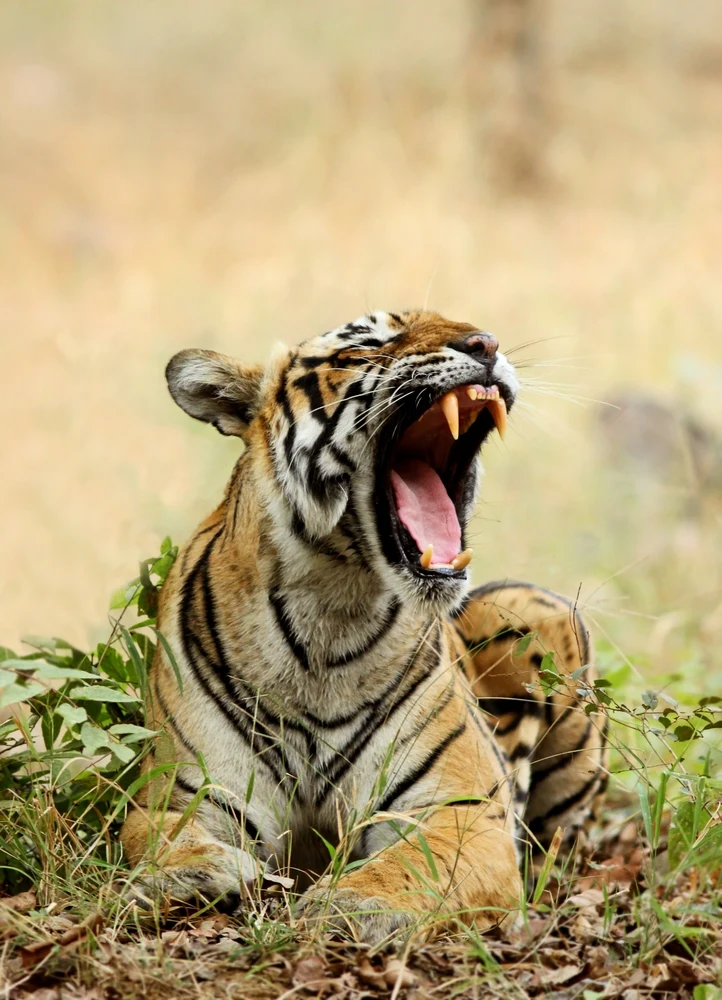
- Tiger (Panthera tigris): Confirmed presence in the sanctuary
- Leopard / Panther (Panthera pardus): Elusive but present
- Himalayan Black Bear (Ursus thibetanus): One of the region's iconic species
- Jungle Cat (Felis chaus): Smaller wild felid found in the sanctuary
- Hoolock Gibbon (Hoolock hoolock): Northeast India's treasured ape species
- Slender Loris: Nocturnal primate
- Barking Deer (Muntiacus muntjak): Common deer species
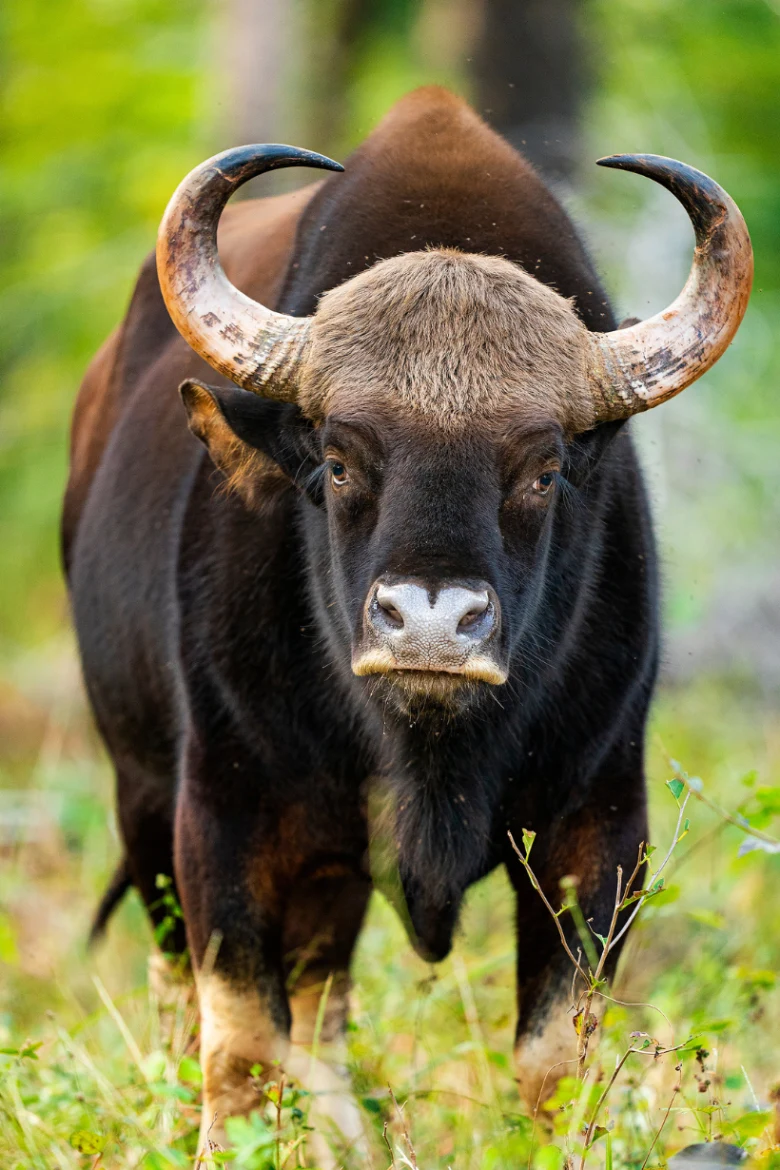
- Mithun (Bos frontalis): State animal of Nagaland
- Wild Boar and other smaller mammals
Birds — A Birdwatcher's Paradise
Fakim is perhaps most celebrated for its extraordinary birdlife. The sanctuary is a confirmed habitat for several globally threatened and visually spectacular bird species:
- Blyth's Tragopan (Tragopan blythii): A spectacular, globally near-threatened pheasant — one of the key flagship species of the sanctuary
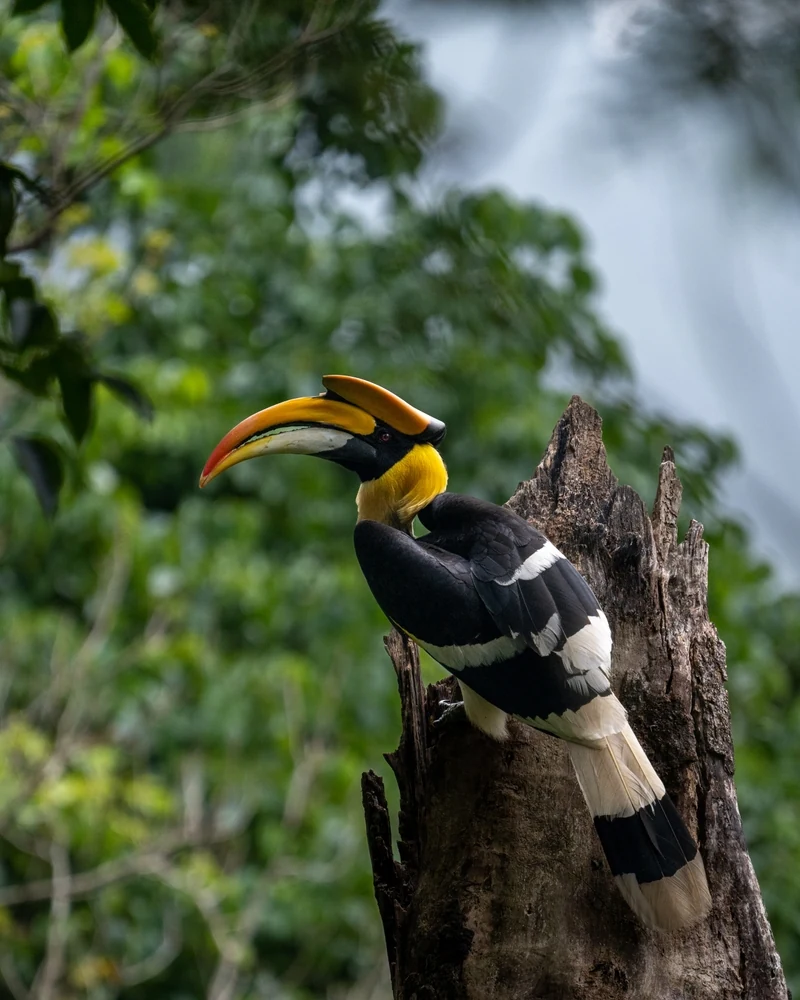
- Great Hornbill (Buceros bicornis): Iconic bird of the northeast
- Jungle Fowl (Gallus gallus): Red Junglefowl and related species
- Doves and Pigeons: Multiple species throughout the forest
- Nuthatch and Blue-throated Barbet: Forest-interior specialists
- Numerous species of warblers, thrushes, and forest birds best discovered during winter migration
💡 Tip: For birdwatchers, visiting between November and February dramatically increases encounter rates. The Blyth's Tragopan is most active during early mornings on forest edges.
How to Reach Fakim Wildlife Sanctuary
Reaching Fakim Wildlife Sanctuary is an adventure in itself. Its position near the India-Myanmar border in the remote highlands of Kiphire district means that access requires significant planning and travel time.
By Air
The nearest airport is Dimapur Airport (DMU), approximately 320 km away by road. Fly to Dimapur from Guwahati, Kolkata, Delhi, or Imphal. As of 2024, the Nagaland state government's helicopter service from Dimapur to Pungro operates once weekly on Wednesdays — an option worth exploring for those with limited time.
By Rail
Dimapur Railway Station is the nearest railhead, approximately 320 km from Pungro (the circle headquarters nearest to Fakim). Trains from Guwahati reach Dimapur in approximately 3.5–4 hours.
By Road
From Dimapur, travel via NH-29 towards Kohima, then continue on state highways towards Kiphire district and Pungro. The journey from Dimapur to Pungro takes approximately 12–15 hours depending on road conditions, making it advisable to break the journey in Kohima or Tuensang. From Pungro town, Fakim village is connected by Government and private bus and taxi services. Be aware that the final approach to the sanctuary involves approximately 2 hours of trekking from Fakim village itself.
💡 Tip: Road conditions in Kiphire district can be challenging, especially after rainfall. Hiring a 4-wheel-drive vehicle from Kohima or Dimapur is strongly recommended.
Entry Points
The primary entry points are Fakim Village (approximately 70 families) and Vongtsuwong Village (about 20 households, elevation ~2,000 m). Thanamir Village is also adjacent to the sanctuary. Local guides can be arranged from these villages for trekking into the sanctuary.
Best Time to Visit Fakim Wildlife Sanctuary
October to March: Optimal Season
The best time to visit Fakim Wildlife Sanctuary is between October and March, with November to February being the peak window for wildlife watching and birdwatching. During this period, the weather is cool and relatively dry, visibility in the forest improves, and birds including the Blyth's Tragopan are most active.
Winter Months (November–February)
Winter brings the most rewarding birdwatching conditions, with many migratory species adding to Fakim's already impressive resident avifauna. Temperatures are cold at this elevation (dropping below 10°C at night), so warm clothing is essential.
Summer (April–May)
April and early May can be pleasant, with blooming orchids and rhododendrons making the forest especially colourful. The wildlife remains active before the arrival of the monsoon.
Monsoon (June–September): Avoid
Heavy monsoon rainfall makes trekking hazardous, trails slippery, and wildlife spotting near impossible due to dense undergrowth. Road access to remote areas may be cut off entirely during heavy rain periods. Visiting during this period is strongly discouraged.
Activities at Fakim Wildlife Sanctuary
Trekking
Trekking is the primary activity at Fakim Wildlife Sanctuary. The approach from Fakim village involves approximately two hours of trekking through spectacular highland terrain before reaching the sanctuary boundary. Within the sanctuary, trails pass through dense forests, across ridgelines, and through open meadows. Difficulty ranges from moderate to challenging due to elevation and terrain.
Birdwatching
Fakim is unquestionably one of the finest high-altitude birdwatching destinations in northeast India. The Blyth's Tragopan — one of India's most stunning pheasants — is the top target species for visiting birders. Early mornings on forest edges and open meadows offer the best conditions. Joining an organised birdwatching tour with expert guides dramatically increases your chances of meaningful sightings.
Wildlife Spotting and Photography
Photography opportunities are exceptional at Fakim — from close-up shots of rare orchids and ferns to dramatic landscape vistas from ridge tops. Wildlife photography requires patience and the expertise of a local guide who knows the seasonal patterns and best locations for species like the Himalayan Black Bear and Hoolock Gibbon.
Camping
Camping is possible within and near the sanctuary with appropriate permissions from the forest department. Camping under the high-altitude forest canopy, surrounded by the sounds of the Himalayan wilderness, is an experience that draws serious adventurers from across India.
Cultural Interaction
The villages surrounding Fakim — Fakim, Vongtsuwong, and Thanamir — are inhabited by communities with deep cultural traditions. Interaction with local communities, learning about traditional ecological knowledge, and understanding the conservation ethos of these villages adds a rich cultural dimension to any visit.
Entry, Permits, and Regulations
- Visitors must obtain permission from the Nagaland Forest Department before entering the sanctuary
- Foreign nationals require an Inner Line Permit (ILP) for Nagaland — obtainable online or from government offices
- It is mandatory to hire a registered local guide from Fakim or Vongtsuwong village
- All wildlife protection laws apply strictly — no hunting, trapping, or collection of flora/fauna
- No littering or disturbance to wildlife
- Carry all waste out of the sanctuary
Nearby Attractions
Tuensang District (~100 km)
The headquarters of Nagaland's largest district, Tuensang is known for its scenic beauty, traditional Naga tribal culture, and distinctive handicrafts. The Tsüngkotepsu rock inscription — one of Nagaland's oldest — is located in this district.
Longwa Village (~120 km)
One of northeast India's most fascinating border villages, Longwa straddles the India-Myanmar border. The village chief (Angh) sleeps in India but his kitchen is in Myanmar. Known for its traditional Konyak Naga culture, tattoos, and headhunting history.
Doyang River (~100 km)
The Doyang River and its reservoir are famous for an extraordinary natural spectacle — the annual migration of Amur Falcons, one of the world's longest migratory journeys, passing through Nagaland in enormous flocks during October and November.
Kohima (~200 km)
Nagaland's capital is worth visiting for the Kohima War Cemetery, State Museum, and vibrant local culture and cuisine. The Battle of Kohima (1944) is considered one of the most decisive battles of World War II in Asia.
Accommodation Options
Accommodation near Fakim Wildlife Sanctuary is limited — this is a remote destination and visitors must be self-sufficient:
Pungro and Kiphire Town
- Basic government guesthouses in Pungro — advance booking through District Administration essential
- Circuit houses maintained by the Government of Nagaland for official visitors
- Limited private accommodation in Kiphire town
Village Homestays
Fakim and Vongtsuwong villages can accommodate visitors through community homestays, providing a genuinely authentic experience of local Naga hospitality and culture. This is the most recommended accommodation option for those visiting the sanctuary.
Kohima and Dimapur
For those planning a longer trip, staying in Kohima (mid-point) or Dimapur (gateway) and making day/overnight excursions is practical. Both cities offer a much wider range of hotel and guesthouse options.
Essential Travel Tips
- Plan your trip well in advance — this is a remote destination with very limited last-minute options
- Carry warm, layered clothing — temperatures drop significantly at night at 2,000+ m elevation
- Pack a strong trekking kit: waterproof jacket, trekking poles, good boots with ankle support
- Hire a guide from Fakim or Vongtsuwong village — they are essential for safety and wildlife success
- Carry all food, water purification tablets, and medical supplies from Kohima or Dimapur
- Mobile connectivity is extremely limited beyond Pungro — download offline maps in advance
- Carry sufficient cash — there are no ATMs in Pungro or Fakim village
- Respect local traditions and seek permission before photographing villagers
- Do not disturb wildlife or collect any forest products
- Inform local forest department and your accommodation of your trekking plan before departing
Frequently Asked Questions (FAQ) - Fakim Wildlife Sanctuary
What is Fakim Wildlife Sanctuary famous for?
Fakim Wildlife Sanctuary is famous for its high-altitude biodiversity, particularly its extraordinary birdlife. The Blyth's Tragopan - a spectacular, near-threatened pheasant species - is the sanctuary's most iconic resident. It is also known for its pristine sub-alpine and wet temperate forests, diverse orchid population, and its position as part of the Indo-Burma Biodiversity Hotspot near the India-Myanmar border.
How far is Fakim Wildlife Sanctuary from Dimapur?
Fakim Wildlife Sanctuary is approximately 320 km from Dimapur by road, making it roughly a 12-15 hour journey. The sanctuary is in the remote Kiphire district of Nagaland, close to the India-Myanmar border.
Is trekking required to reach Fakim Wildlife Sanctuary?
Yes, reaching the sanctuary boundary from Fakim village requires approximately 2 hours of trekking through highland terrain. The trek itself is a rewarding part of the experience, passing through spectacular scenery typical of the high Naga hills.
What is the Fakim Village Tragopan Conservation Reserve?
The Fakim Village Tragopan Conservation Reserve is a community-led conservation initiative where the Fakim village community has pledged 384 hectares of their community land adjacent to the official sanctuary for wildlife protection. It was established specifically to protect the Blyth's Tragopan and other wildlife, and represents one of the finest examples of community-based conservation in northeast India.
What permit do I need to visit Fakim Wildlife Sanctuary?
Indian nationals need valid government-issued photo ID. Foreign nationals require an Inner Line Permit (ILP) for Nagaland. Additionally, written permission must be obtained from the Nagaland Forest Department before entering the sanctuary. Hiring a registered local guide is mandatory.
What are the accommodation options near Fakim Wildlife Sanctuary?
Options are limited to government guesthouses in Pungro and Kiphire town (advance booking essential), community homestays in Fakim and Vongtsuwong villages, and better-serviced hotels in Kohima (approximately 200 km away) for those wanting more comfort.
Can I see tigers in Fakim Wildlife Sanctuary?
Tiger presence has been recorded in Fakim Wildlife Sanctuary, but actual sightings are very rare due to the sanctuary's dense highland forest and small area. Fakim is more renowned for its primate diversity and outstanding birdlife, especially the Blyth's Tragopan.
What is the best time to visit Fakim Wildlife Sanctuary?
October to March is the best period, with November to February being peak season for birdwatching. This is when the Blyth's Tragopan and other wildlife are most active, and weather conditions are most favourable for trekking.
Who manages Fakim Wildlife Sanctuary?
Fakim Wildlife Sanctuary is managed by the Nagaland Department of Forest, Environment & Climate Change, in coordination with local village communities. It is administered alongside Ntangki National Park, Singphan Wildlife Sanctuary, Pulie Badze Wildlife Sanctuary, and Nagaland Zoological Park under the same department.
How can I support conservation at Fakim?
The most direct way to support conservation at Fakim is to visit responsibly - hire local guides, stay in community homestays, buy locally made handicrafts, and respect all wildlife protection rules. Supporting NGOs active in Nagaland conservation (such as the Balipara Foundation) and reporting any wildlife crime to the forest department are also valuable contributions.