


About Jim Corbett National Park
Jim Corbett National Park, nestled in the foothills of the Himalayas in Uttarakhand, holds the distinction of being India’s first national park and Asia’s oldest. Established in 1936 as Hailey National Park and renamed after the legendary hunter-turned-conservationist Jim Corbett, this iconic reserve was also the birthplace of Project Tiger in 1973. Spanning 1,288 sq km of Siwalik hills, Patli Dun valley, and the Ramganga River corridor, Jim Corbett National Park boasts the world’s highest density of Bengal tigers – with over 260 individuals. The legendary Dhikala zone, with its vast grasslands framed by the Kanda Ridge, offers India’s most immersive forest-stay experience. With diverse safari options including jeep, canter, and elephant safaris, over 600 bird species, and herds of wild elephants, Jim Corbett National Park remains the gold standard of Indian wildlife tourism.
- Area1,288 sq km
- Established1936
- StateUttarakhand
- DistrictNainital
- Safari Zones8
Jim Corbett Travel Guide
Biodiversity

Wildlife
Jim Corbett hosts 260+ Bengal tigers, Asiatic elephants, leopards, sloth bears, wild boar, sambar, chital, hog deer, barking deer, nilgai, ghoral, king cobra, mugger crocodile, and gharial.

Flora
Jim Corbett National Park features sal forests, riverine belts, grasslands, and mixed deciduous vegetation with khair and rohini trees, supporting rich biodiversity across Himalayan foothill ecosystems.

Landscape
Sub-Himalayan terrain with Siwalik hills, Patli Dun valley, dense sal forests, vast grasslands (chaurs), riverine belts along the Ramganga, and the Kalagarh reservoir, ranging 360–1,040 m elevation.
Safari Guide
Best Time to Visit
Things to Do

Jeep Safari
Explore multiple zones in open 4x4 gypsy vehicles with trained naturalists, tracking tigers across sal forests and grasslands.

Canter Safari
16-seater open-bus safari exclusive to Dhikala zone, offering panoramic grassland views and high wildlife density encounters.

Elephant Safari
Guided elephant-back experiences in select zones for a unique elevated perspective of the forest floor and wildlife.

Bird Watching
Spot 600+ species including great hornbills, fish eagles, kingfishers, and migratory waterfowl at Kalagarh reservoir.

Local Sightseeing
Visit Corbett Waterfall, Garjia Temple, Corbett Museum at Kaladhungi, and the scenic Kosi River corridor.

Photography
Capture tigers in Dhikala's golden grasslands, elephants at Ramganga, and raptors against Himalayan foothills.

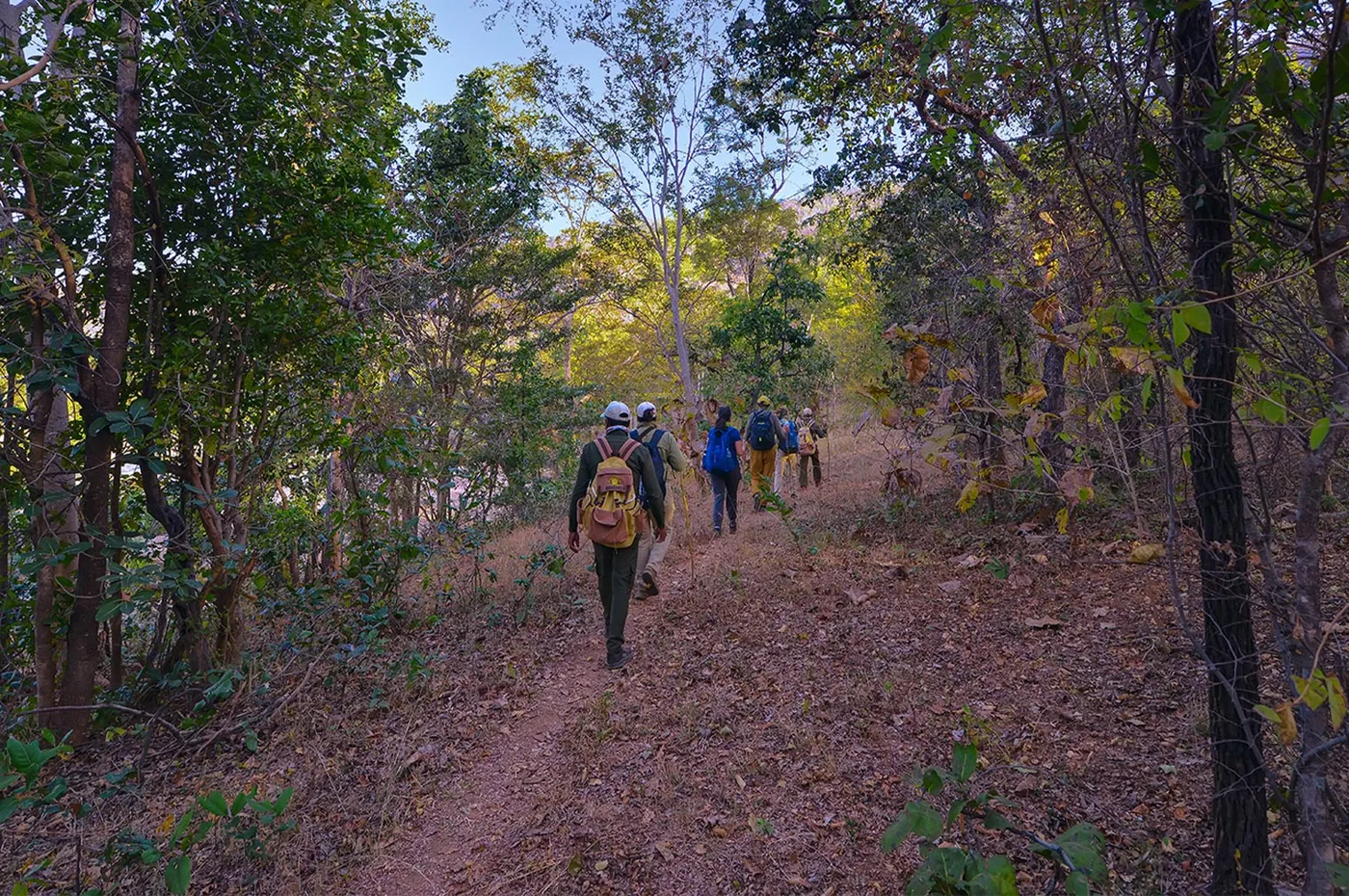
Nature Walk
Guided walks in Sitabani buffer zone exploring forest trails, bird habitats, and ancient temple ruins.

Forest Stay
Overnight stays at iconic Forest Rest Houses (Dhikala, Bijrani, Gairal, Sultan) deep inside the core area.

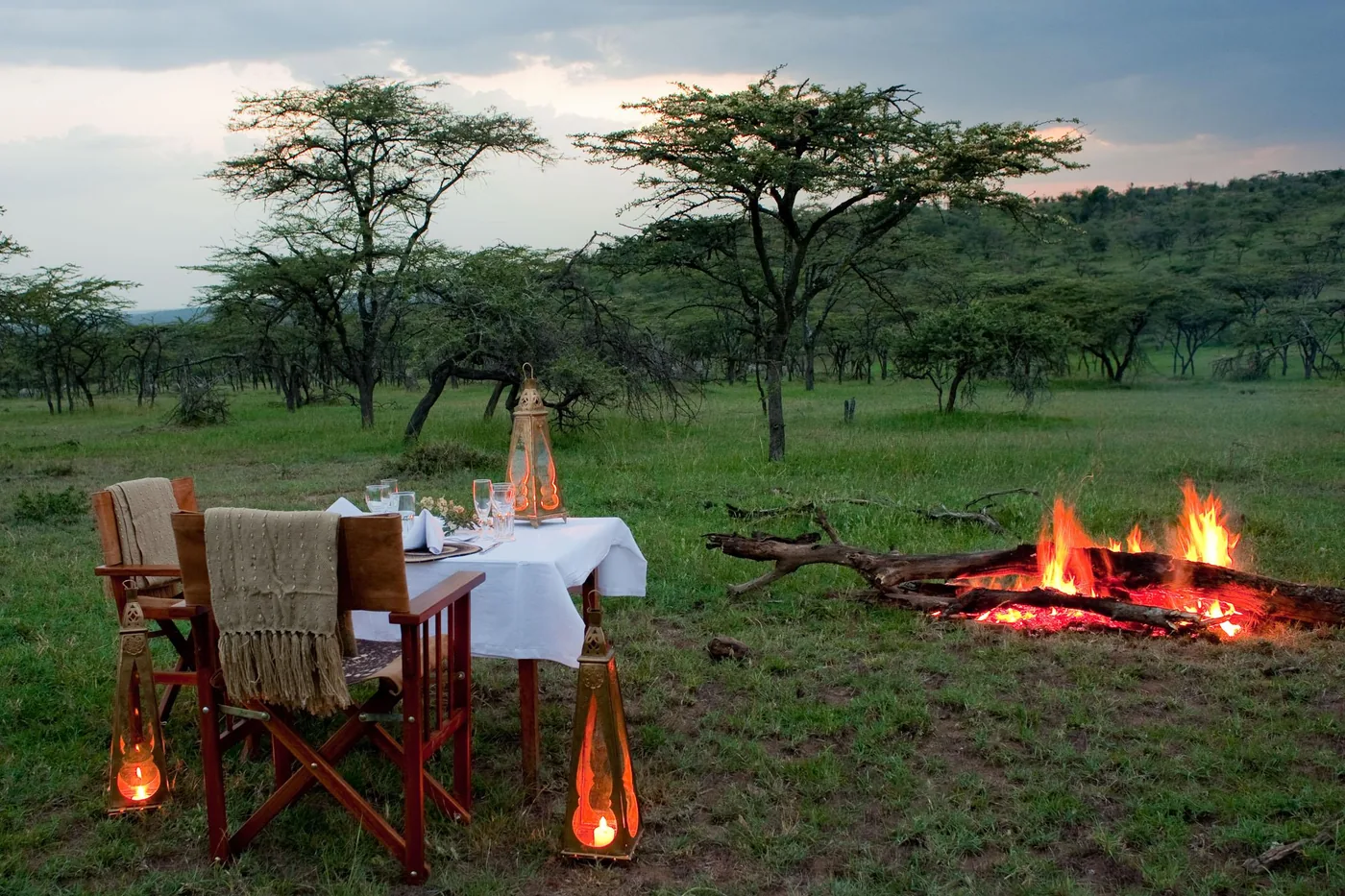
Bush Dinner
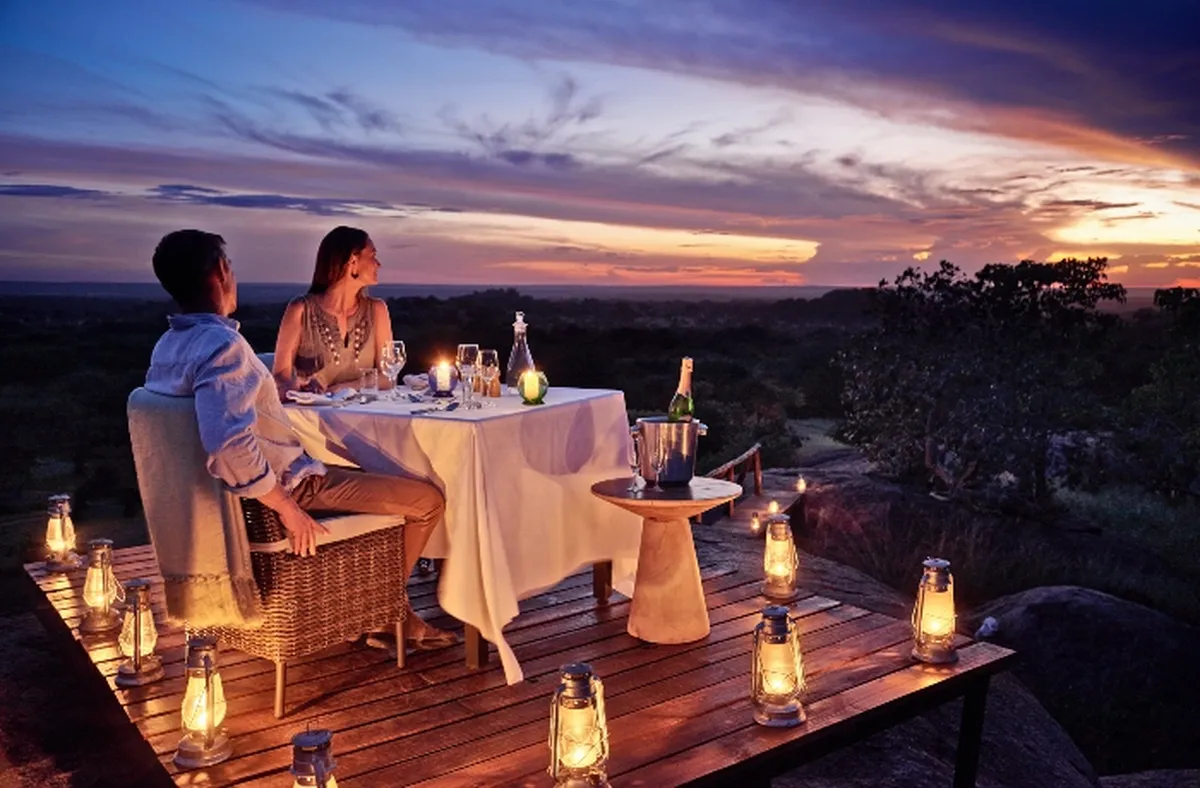
Dine under the stars at curated setups by eco-lodges near the park, accompanied by tales of Jim Corbett's adventures.

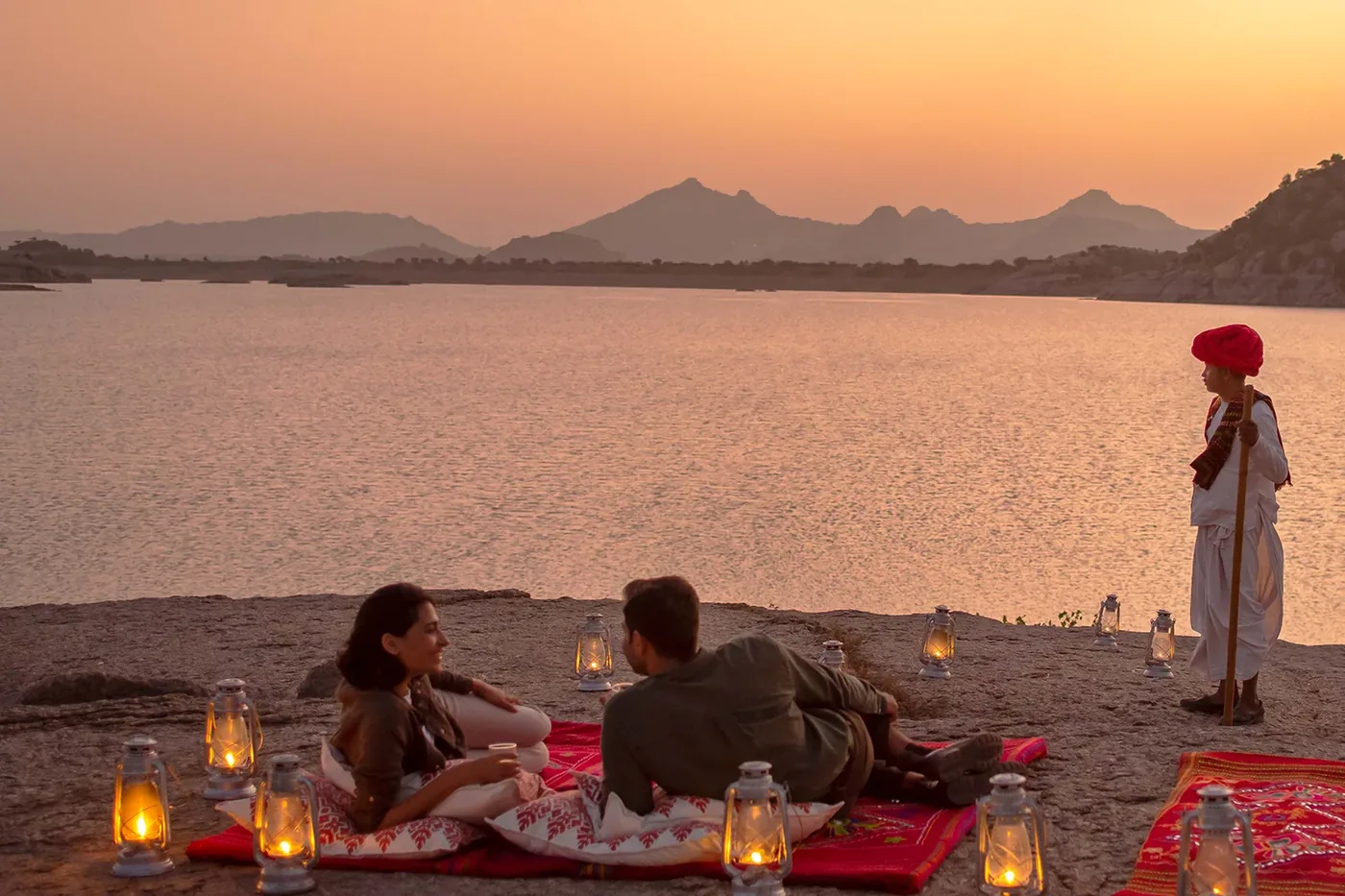
Sundowners
Enjoy golden-hour beverages with views of the Himalayan foothills and Ramganga valley.
How to Reach
Attractions

Dhikala Zone
The legendary heart of Corbett – vast grasslands, Patli Dun valley views, Kanda Ridge backdrop, and India's most iconic forest stay.

Corbett Waterfall
A scenic 20-metre waterfall surrounded by dense forest, 25 km from Ramnagar on the Kaladhungi road.

Garjia Temple
A sacred hilltop temple on the Kosi River bank, especially popular during Kartik Purnima festival.

Corbett Museum
The former home of Jim Corbett in Kaladhungi, now a museum showcasing his life, writings, and conservation legacy.

Bijrani Zone
The second most popular zone with open grasslands, sal forests, and excellent tiger sighting potential.

Jhirna Zone
Southern zone open year-round with diverse wildlife including tigers, elephants, and sloth bears.

Kosi River
A scenic Himalayan river flowing through the park's periphery, popular for angling (mahseer) and rafting.

Durga Temple
An ancient temple near the Durga Devi zone entry gate, nestled in dense forest along the Ramganga River.

Sitabani Forest Reserve
A buffer zone with ancient temple ruins, excellent birding, and nature walks – open year-round without permits.

Kalagarh Dam
A reservoir on the Ramganga River in the park's southwest, attracting migratory waterfowl and marsh crocodiles.
Jim Corbett Tour Packages
From classic tiger safaris to luxurious riverside retreats, every Jim Corbett package is tailored around your travel style, adventure, and wildlife experiences.

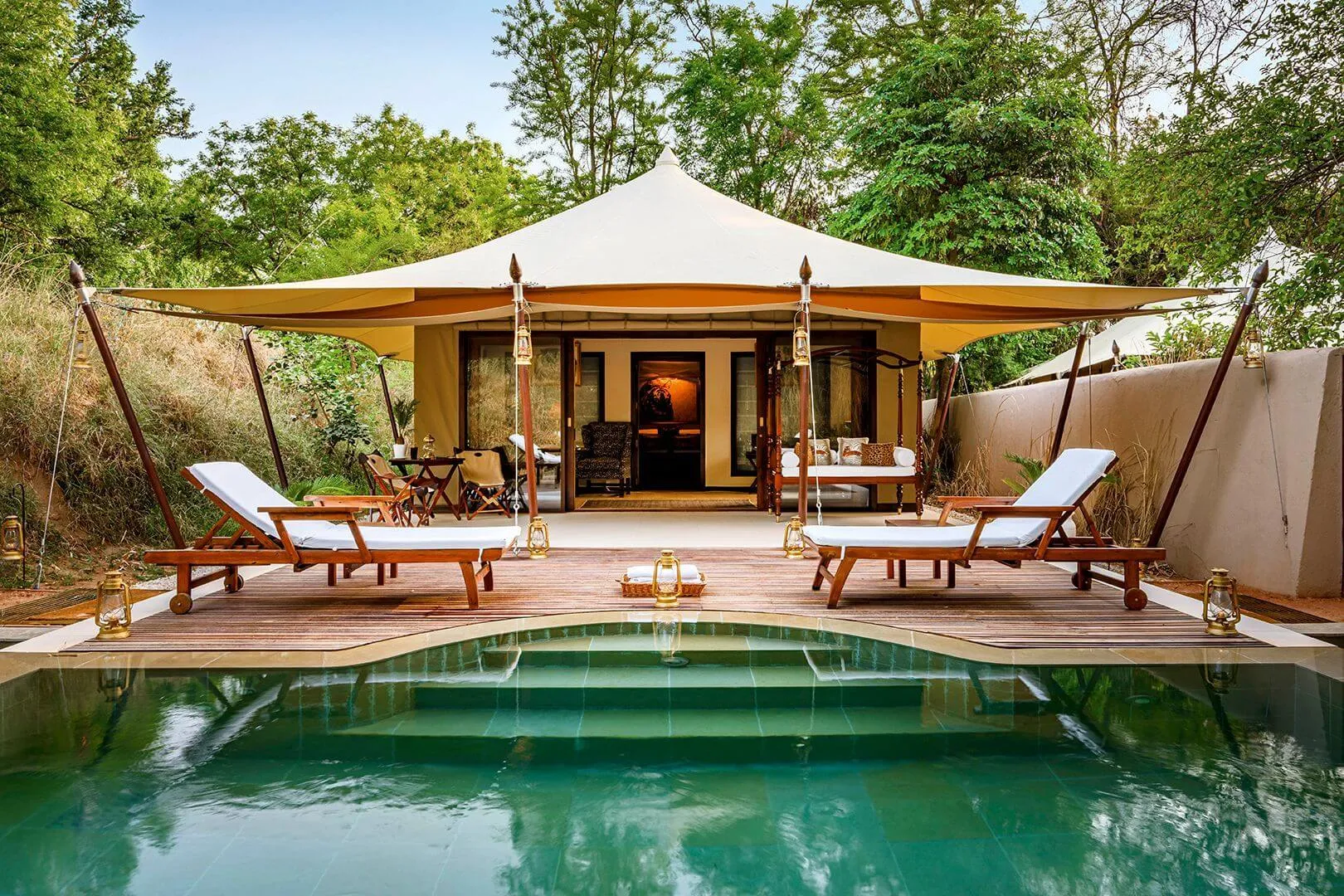

Jim Corbett Hotels & Resorts — Luxury Jungle Lodges
We partner with Corbett's most respected riverside resorts and luxury jungle lodges—chosen for their exceptional hospitality, prime locations, and unforgettable wilderness stays.
Stay at Jim Corbett National Park's finest handpicked wildlife lodges, where comfort meets the untamed wilderness.



Signature Experiences, Curated Around Jim Corbett
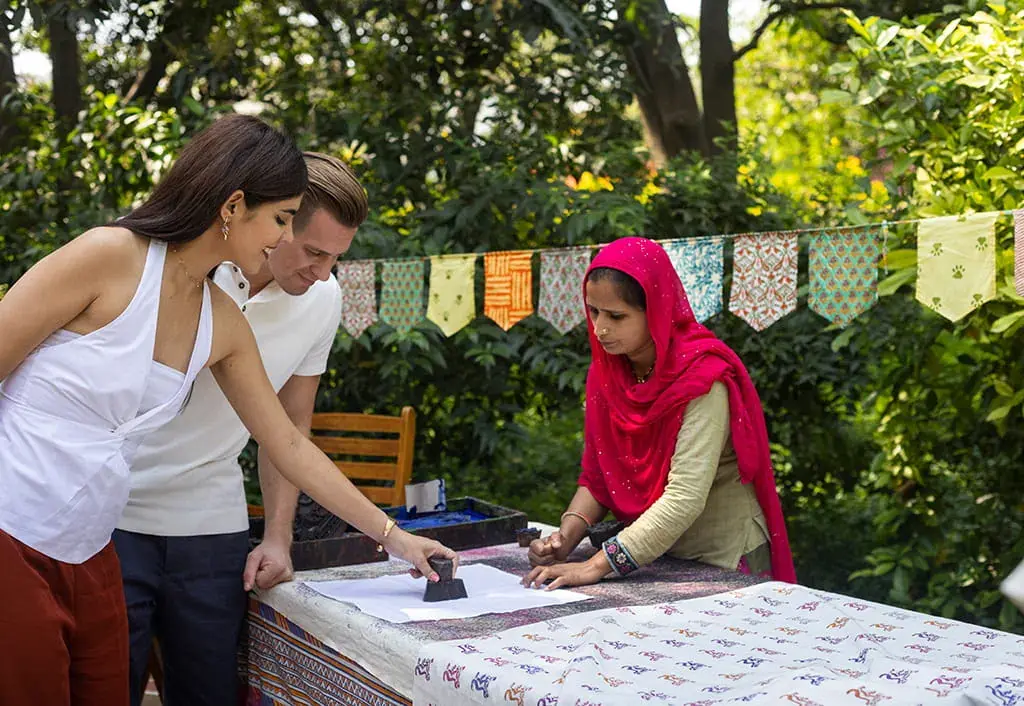
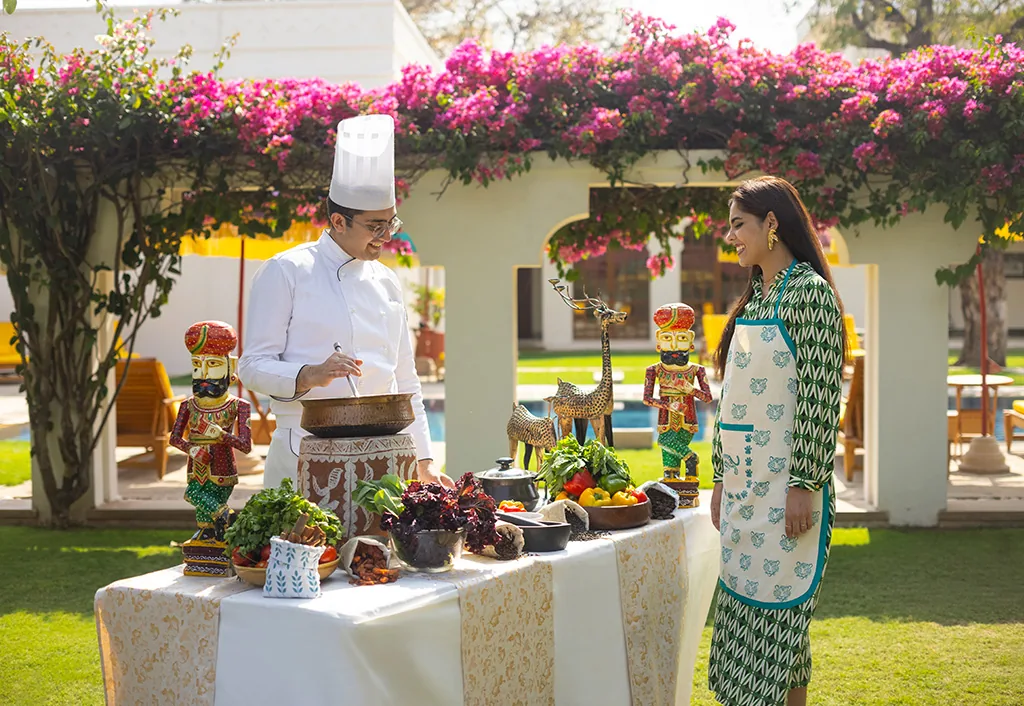
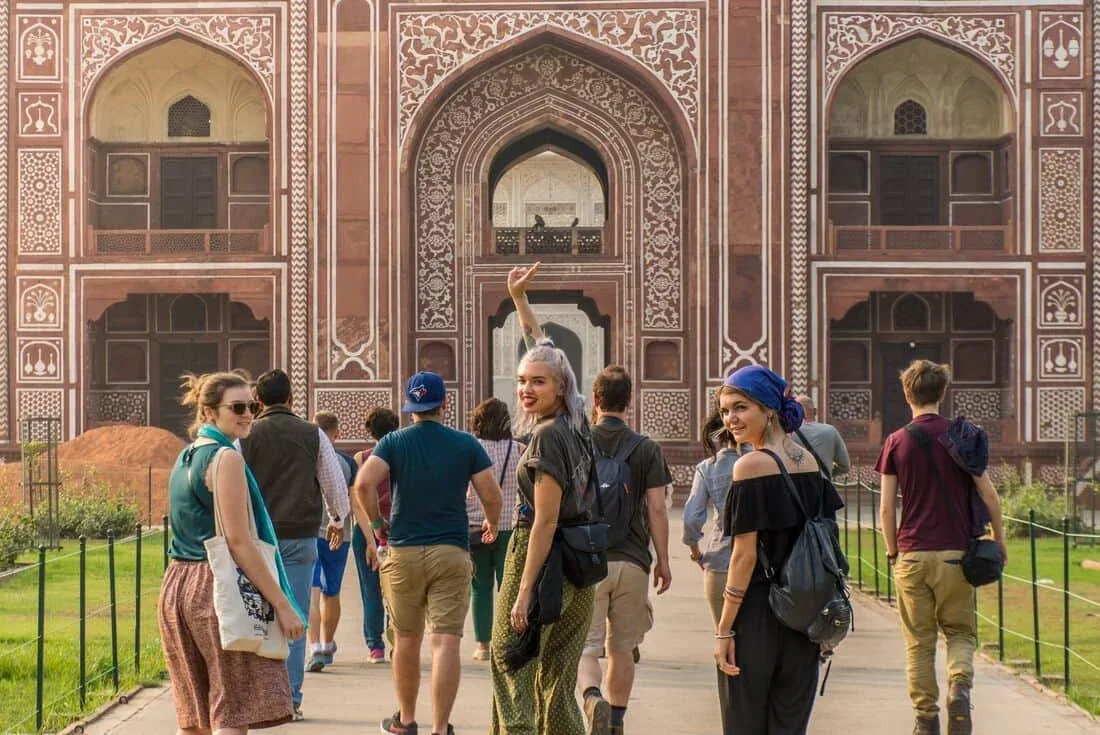
From riverside experiences and nature exploration to cultural encounters, every experience is curated to make your Corbett journey unforgettable.







Nearby Destinations to Jim Corbett

Nainital
Lake District Hill Town

Ranikhet
Queen's Meadow Cantonment

Rajaji Tiger Reserve
Elephant Capital

Lansdowne
Quiet Cantonment Retreat

Binsar
Himalayan Panorama

Delhi
National Capital

Almora
Kumaon Heritage Town
Other Parks in Uttarakhand


Other Parks in India


Jim Corbett National Park FAQ's
Why is Jim Corbett so famous?
Jim Corbett National Park is famous as India's first national park (established 1936) and the birthplace of Project Tiger (1973). It holds the world's highest density of Bengal tigers (260+). Named after the legendary hunter-conservationist Jim Corbett, it offers iconic Dhikala grassland safaris, forest rest house stays, and sub-Himalayan landscapes that have defined Indian wildlife tourism for nearly a century.
How to reach Jim Corbett from Delhi?
From Delhi (~260 km), drive via NH-9 through Moradabad and Kashipur to Ramnagar (5–6 hours). By train, take the Ranikhet Express or Corbett Park Link Express from Delhi to Ramnagar (5–6 hours). Alternatively, fly to Pantnagar Airport (80 km from park) with limited connectivity. The Delhi–Ramnagar road is well-maintained and scenic.
When can we see tigers in Jim Corbett?
Tigers can be seen year-round in zones that remain open (Jhirna, Dhela, Garjia). The best tiger sighting season is April to June when grasslands turn golden and wildlife congregates at water sources. Winter (November–March) also offers good sightings when Dhikala and Bijrani zones are open. Early morning and late afternoon safaris have the highest encounter probability.
Where is Jim Corbett National Park located?
Jim Corbett National Park is located in the Nainital district of Uttarakhand, India, in the foothills of the Himalayas between the Siwalik hills and the Lesser Himalaya. The park's headquarters is at Ramnagar, approximately 260 km from Delhi. The Ramganga River flows through the park for about 40 km.
How to reach Jim Corbett National Park?
Fly to Pantnagar Airport (80 km, 2 hrs) or Delhi (260 km, 6 hrs by road). By train, reach Ramnagar Railway Station (15 km, direct trains from Delhi). By road, drive from Delhi (260 km, 5–6 hrs via NH-9), Nainital (65 km), or Lucknow (430 km). Ramnagar is the base town for all safari zones.
How many tigers are there in Jim Corbett National Park?
Jim Corbett National Park hosts over 260 tigers – the highest population in any single tiger reserve globally. The 2022 census recorded approximately 231 tigers, with numbers increasing to 260+ by 2025 estimates. This dense population is distributed across Dhikala, Bijrani, Jhirna, Dhela, Garjia, and other zones.
When was Jim Corbett National Park established?
Jim Corbett National Park was established on 8th August 1936 as Hailey National Park, making it India's first national park and Asia's oldest. It was renamed Ramganga National Park in 1954–55 and then Corbett National Park in 1955–56, honouring the legendary hunter-conservationist Jim Corbett. In 1973, it became the first reserve under Project Tiger.
Which river flows through Jim Corbett National Park?
The Ramganga River is the primary river flowing through Jim Corbett National Park for approximately 40 km, originating from the Lesser Himalaya and exiting near the Kalagarh Dam. Other rivers and streams include the Kosi, Khoh, Mandal, Sonanadi, and Palain. The Kalagarh Dam creates a reservoir that attracts migratory birds.
Why is Jim Corbett National Park famous?
Jim Corbett is famous as India's oldest national park (1936), Project Tiger's birthplace (1973), and the reserve with the world's highest tiger density (260+). Its Dhikala zone offers India's most iconic grassland safari and forest-stay experience. The park's sub-Himalayan setting, 600+ bird species, wild elephant herds, and Jim Corbett's conservation legacy make it globally significant.
Which zone is best in Jim Corbett National Park?
Dhikala is the most famous and sought-after zone with vast grasslands, Patli Dun valley views, canter safaris, and forest rest house stays. Bijrani is the second best with excellent tiger sightings and scenic landscapes. Jhirna and Dhela are open year-round and have shown increasing tiger sightings. Durga Devi is best for birding along the Ramganga River.
Is phone allowed in Jim Corbett?
As per the Supreme Court order, mobile phones are not permitted within the core tourism zones of the tiger reserve. This rule is strictly enforced to minimise disturbance to wildlife. Cameras and binoculars are allowed. Phones should be kept on silent mode. The rule applies to all core zones; buffer zones may have slightly relaxed policies.
Can I take my own car in Jim Corbett?
No, personal vehicles are not allowed inside the core zones of Jim Corbett National Park. Safaris are conducted only in approved open-top gypsy jeeps (6-seater) or canters (16-seater, Dhikala only). In buffer zones like Sitabani, personal vehicles may be permitted with a valid entry permit. All safari vehicles must be booked through the official Corbett Tiger Reserve portal.
About Jim Corbett National Park
Jim Corbett National Park is the cradle of Indian wildlife conservation. Established on 8th August 1936 as Hailey National Park, it was India's first national park and Asia's oldest – a pioneering step that laid the foundation for modern wildlife protection in the subcontinent. Located in the Nainital district of Uttarakhand, in the foothills of the Himalayas between the Siwalik hills and the Lesser Himalaya, this 1,288 sq km reserve is named after Edward James Corbett, the legendary British-Indian hunter who turned conservationist and dedicated his life to protecting the forests and wildlife of the Kumaon hills.
In 1973, Jim Corbett National Park was chosen as the launch site for Project Tiger – India's landmark tiger conservation programme – making it the country's first Tiger Reserve. Today, it holds the world's highest density of Bengal tigers, with over 260 individuals roaming its sal forests, grasslands, and riverine corridors. The park's Dhikala zone, with its vast Patli Dun valley grasslands framed by the Kanda Ridge, offers India's most iconic and immersive wildlife experience.
Beyond tigers, Jim Corbett is home to large herds of Asiatic elephants, leopards, sloth bears, gharials, mugger crocodiles, and an extraordinary 600+ bird species. The Ramganga River – the park's lifeline – flows 40 km through the reserve, creating diverse habitats from riverine forests to marshy grasslands. Forest Rest Houses deep inside the core area, including the historic Dhikala FRH, offer overnight stays that immerse visitors in the wilderness like no other Indian national park.
Quick Facts about Jim Corbett National Park
| Feature | Details |
|---|---|
| Full Name | Jim Corbett National Park (Corbett Tiger Reserve) |
| Location | Nainital District, Uttarakhand |
| Total Area | 1,288.31 sq km (Core: 822 sq km | Buffer: 466 sq km) |
| Elevation | 360–1,040 m |
| Tigers | 260+ (world's highest single-reserve density) |
| Elephants | Large herds (~1,000+ in wider landscape) |
| Birds | 600+ species |
| Key River | Ramganga (40 km through park) |
| Zones | 8+ (Dhikala, Bijrani, Jhirna, Dhela, Garjia, Durga Devi, Sitabani, Pakhro) |
| Year-Round Zones | Jhirna, Dhela, Garjia |
| Best Time | November to June |
| HQ | Ramnagar |
| Project Tiger | First reserve (#1), launched 1973 |
Jim Corbett's terrain spans the sub-Himalayan belt, with the Siwalik hills forming the southern boundary and the Lesser Himalaya to the north. The Patli Dun valley - a long, narrow tectonic valley - is the park's most spectacular feature, offering panoramic grassland views from Dhikala. Elevation ranges from 360 m to 1,040 m. The landscape is a mosaic of dense sal forests (73%), open grasslands or chaurs (10%), riverine belts, rocky ridges, and marshy depressions.
The park is divided into 8+ safari zones. Dhikala (core, open Nov 15-Jun 15), Bijrani (core, open Oct 15-Jun 15), and Dhela (buffer, year-round) are the most popular. Jhirna and Garjia zones are open year-round. Durga Devi zone along the Ramganga offers exceptional birding. Sitabani is a permit-free buffer zone with nature walks and temple ruins. Forest Rest Houses at Dhikala, Bijrani, Gairal, Sultan, and Jhirna offer iconic overnight stays inside the park.
History of Jim Corbett National Park
The forests of the Kumaon hills were first explored for conservation in the early 20th century. On 8th August 1936, Hailey National Park was established covering 323 sq km - India's first national park, named after Sir Malcolm Hailey, the then Governor of United Provinces. It was renamed Ramganga National Park in 1954-55, then Corbett National Park in 1955-56, honouring Jim Corbett (1875-1955), the famed hunter-turned-conservationist who authored Man-Eaters of Kumaon and championed the protection of these forests.
In 1973, Corbett made history again when Prime Minister Indira Gandhi launched Project Tiger here - India's most successful conservation programme. The reserve was expanded in 1991 with the addition of the Kalagarh Forest Division (including Sonanadi Wildlife Sanctuary) as a buffer zone, bringing the total area to 1,288 sq km. The construction of the Kalagarh Dam on the Ramganga in the 1970s submerged 80 sq km of prime lowland habitat but created a reservoir that now attracts spectacular migratory bird congregations.
Flora & Fauna of Jim Corbett National Park
Dense sal (Shorea robusta) forests dominate 73% of the park. Other species include haldu, rohini, pipal, banyan, kusum, bahera, and bamboo. Open grasslands (chaurs) including Dhikala, Bijrani, Phulai, and Khinanuli chaurs cover ~10% of the area. Riverine vegetation along the Ramganga features sisham, jamun, and ficus species. Over 600 plant species documented.
260+ Bengal tigers (world's highest single-reserve density), Asiatic elephants (large herds), leopards, sloth bears, ghoral, king cobra, Indian python, gharials, mugger crocodiles, mahseer fish. Herbivores: sambar, chital, hog deer, barking deer, nilgai, wild boar. Over 600 bird species including great hornbill, Pallas's fish eagle, crested serpent eagle, osprey, brown fish owl, red junglefowl, and bar-headed geese.
Conservation – Birthplace of Project Tiger
Jim Corbett National Park is the birthplace and flagship reserve of Project Tiger, launched on 1st April 1973 by Prime Minister Indira Gandhi. This programme, managed by the National Tiger Conservation Authority (NTCA), has been India's most successful conservation initiative, growing the national tiger population from 268 in 1973 to 3,682+ by 2022. Corbett's own tiger numbers have grown to 260+ - the highest of any single reserve globally.
Key conservation measures include the Special Tiger Protection Force (STPF), E-eye electronic surveillance with camera traps and drones, GIS-based real-time tracking, forest fire management, invasive species (Lantana) removal, habitat restoration, and tiger translocation to Rajaji and other reserves. A national tiger census occurs every 4 years (2025 census ongoing with 550+ camera traps). Community engagement with Gujjar and Van Gujjar pastoralist communities balances conservation with local livelihoods.
Dhikala - The Heart of Corbett
Dhikala is the soul of Jim Corbett National Park. Situated at the edge of the Patli Dun valley with the Kanda Ridge as a dramatic backdrop, Dhikala's vast golden grasslands (chaurs) offer India's most iconic safari landscape. The Dhikala Forest Rest House - built over a century ago - provides overnight stays deep inside the core area, an experience available in very few Indian national parks. Morning views from the rest house verandah across the chaur, with elephants, deer, and the possibility of a tiger, are among the most memorable in Indian wildlife tourism. Canter safaris (16-seater open bus) are exclusive to Dhikala zone, making it uniquely accessible for larger groups.
Jim Corbett - The Man Behind the Legend
Edward James 'Jim' Corbett (1875-1955) was born in Nainital and spent his life in the forests of Kumaon and Garhwal. Initially famed as a hunter who tracked and killed man-eating tigers and leopards terrorising villages, he underwent a profound transformation and became one of India's earliest and most passionate wildlife conservationists. His books - Man-Eaters of Kumaon, The Man-Eating Leopard of Rudraprayag, and Jungle Lore - became international bestsellers. His former home in Kaladhungi, now the Corbett Museum, preserves his legacy. The national park named in his honour remains the ultimate tribute to his conservation vision.