


About Bandhavgarh National Park
Bandhavgarh National Park, nestled in the Vindhya hills of Madhya Pradesh, is celebrated as one of the finest tiger habitats on the planet. Boasting the highest density of Royal Bengal Tigers in India, this magnificent reserve transforms every safari into a thrilling encounter with the wild. Spread across lush sal forests, open meadows, and ancient rocky landscapes, Bandhavgarh National Park offers an unparalleled wildlife experience. The park’s legendary Bandhavgarh Fort, dating back over 2,000 years, adds a layer of mythological grandeur. Whether you are a wildlife photographer, a nature enthusiast, or a first-time safari-goer, Bandhavgarh National Park promises sightings that other parks can only dream of. As the saying goes: in other parks you are lucky to see a tiger; in Bandhavgarh, you are unlucky if you don’t.
-
Area1,536 sq km
-
Established1968
-
StateMadhya Pradesh
-
DistrictUmaria
-
Total Zones6
Bandhavgarh Travel Guide
Biodiversity

Wildlife
Bandhavgarh National Park shelters Bengal tigers, leopards, sloth bears, wild dogs (dhole), striped hyenas, jungle cats, and Indian wolves among 37 mammal species.

Flora
Bandhavgarh National Park features dense sal forests, bamboo thickets, grasslands, and mixed deciduous trees like saja and tendu, supporting rich biodiversity across varied terrain and seasonal vegetation cycles.

Landscape
The terrain features sal-dominated forests, mixed deciduous woodlands, open grassy meadows, bamboo thickets, and rugged sandstone hillocks rising to 807 metres.
Safari Guide
Best Time to Visit
Things to Do

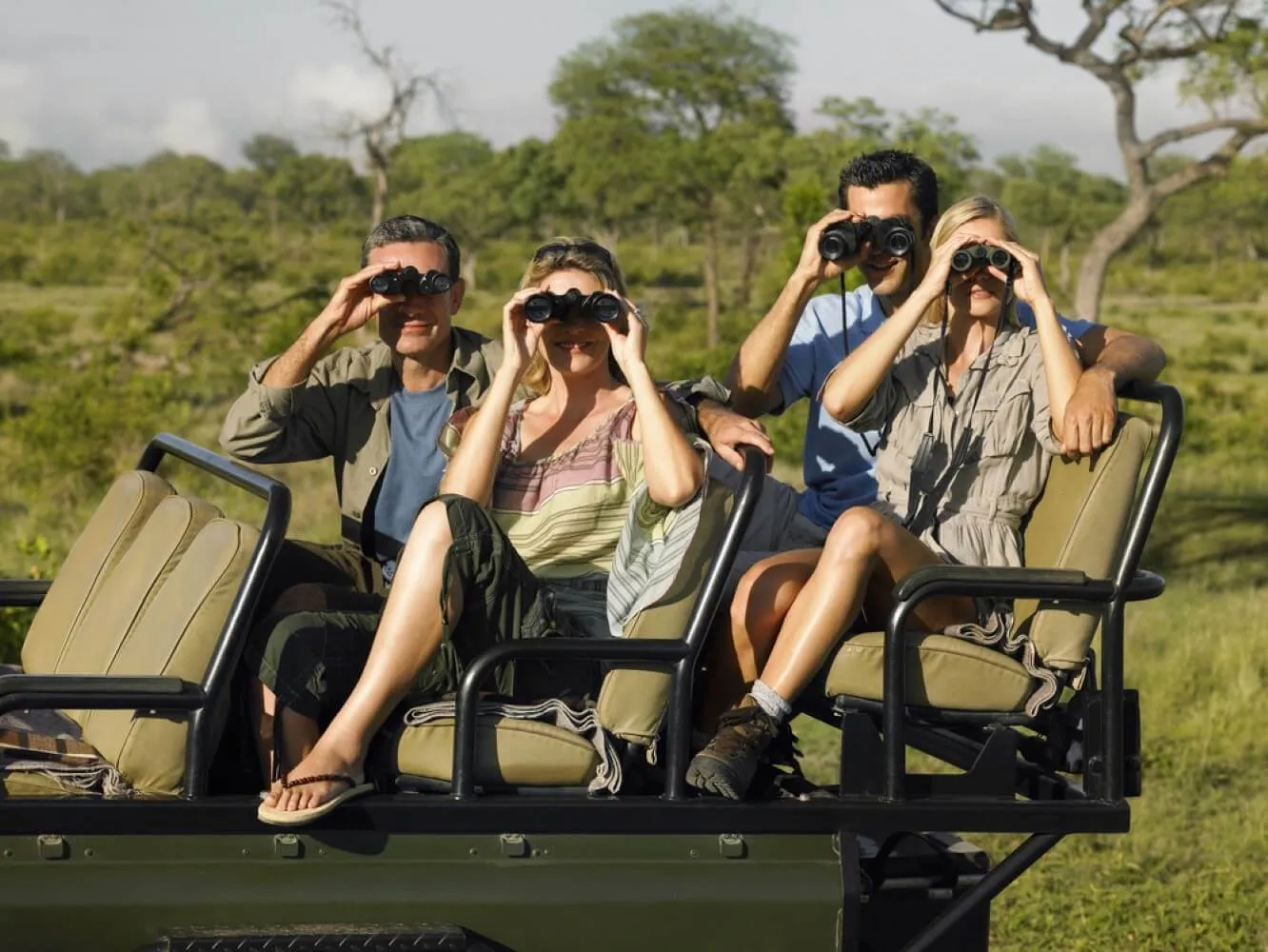
Jeep Safari
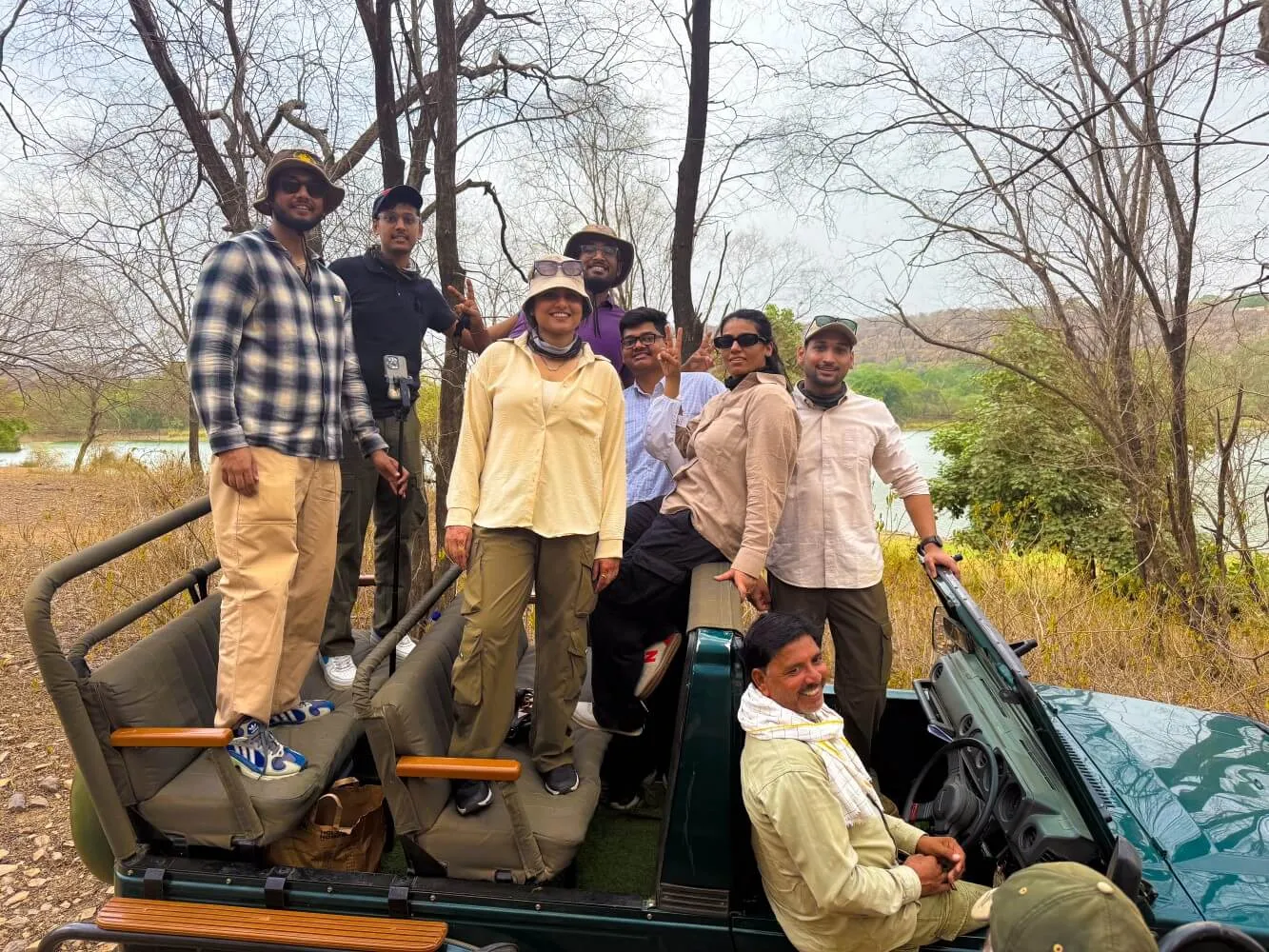
Explore three core zones in open 4x4 gypsies with expert naturalists tracking tigers and wildlife across diverse terrain.

Bird Watching
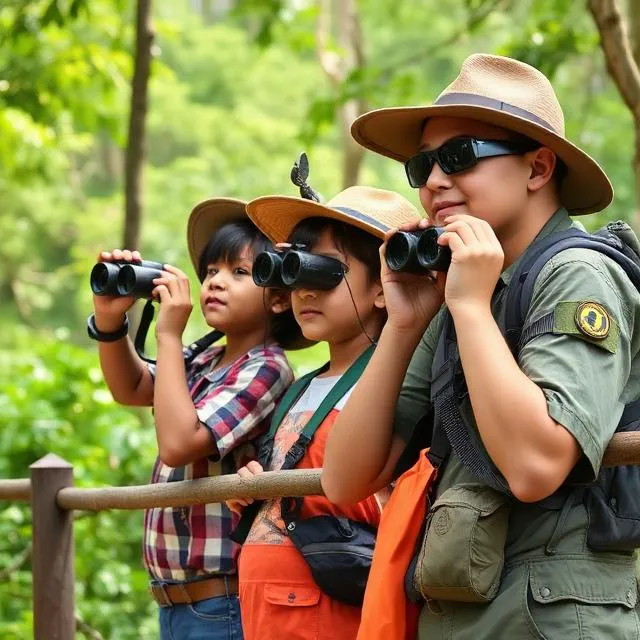
Spot over 250 avian species including vultures, hornbills, and paradise flycatchers around meadows and waterholes.

Wildlife Photography
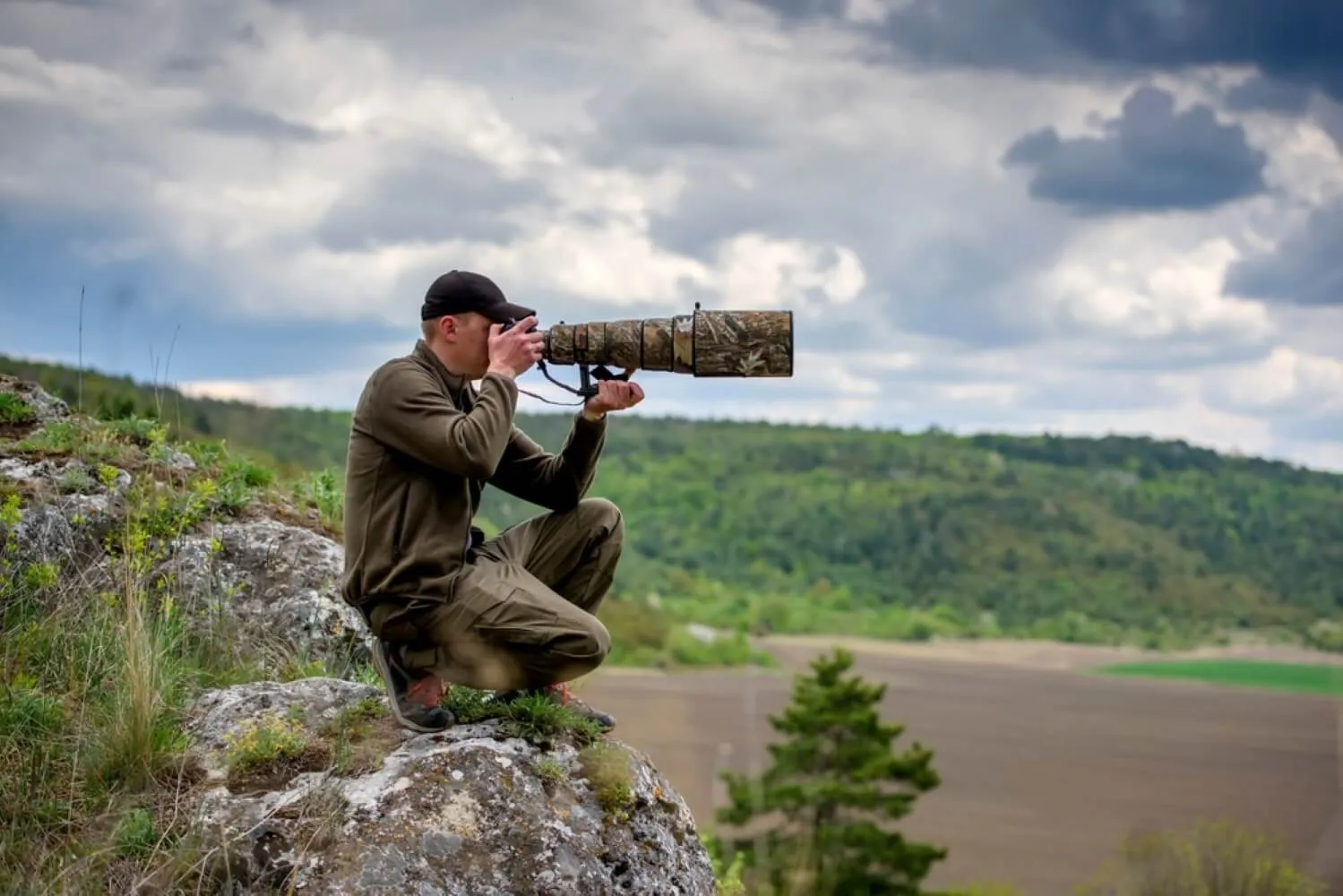
Capture dramatic predator encounters in Tala's Chakradhara meadow and Magadhi's dense forest corridors.

Guided Fort Tour
Hike through the Tala zone to the ancient Bandhavgarh Fort perched at 807 metres with panoramic jungle views.

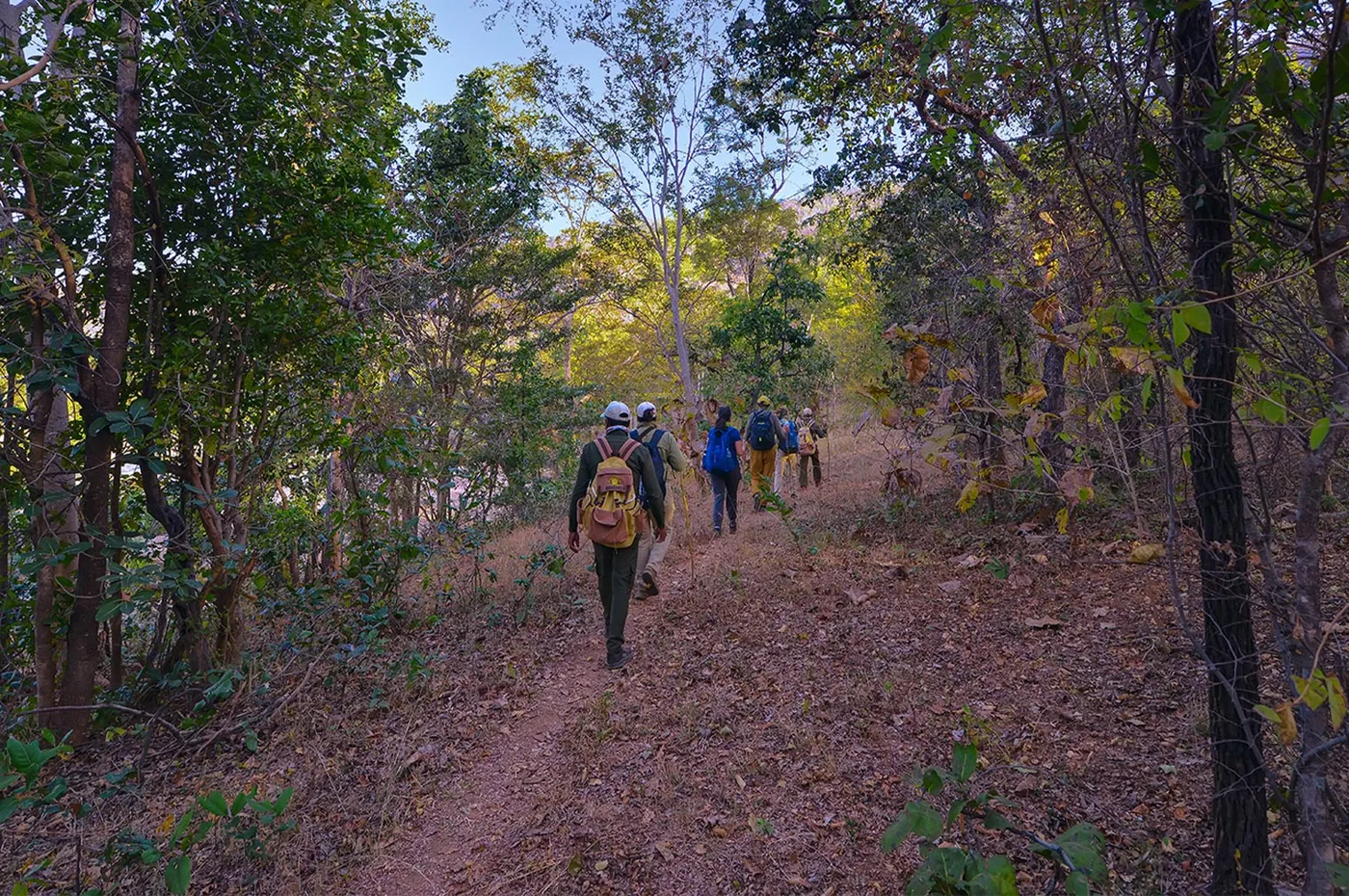
Nature Walks
Guided walks around the buffer zone exploring flora, butterfly trails, and seasonal wildflower blooms.

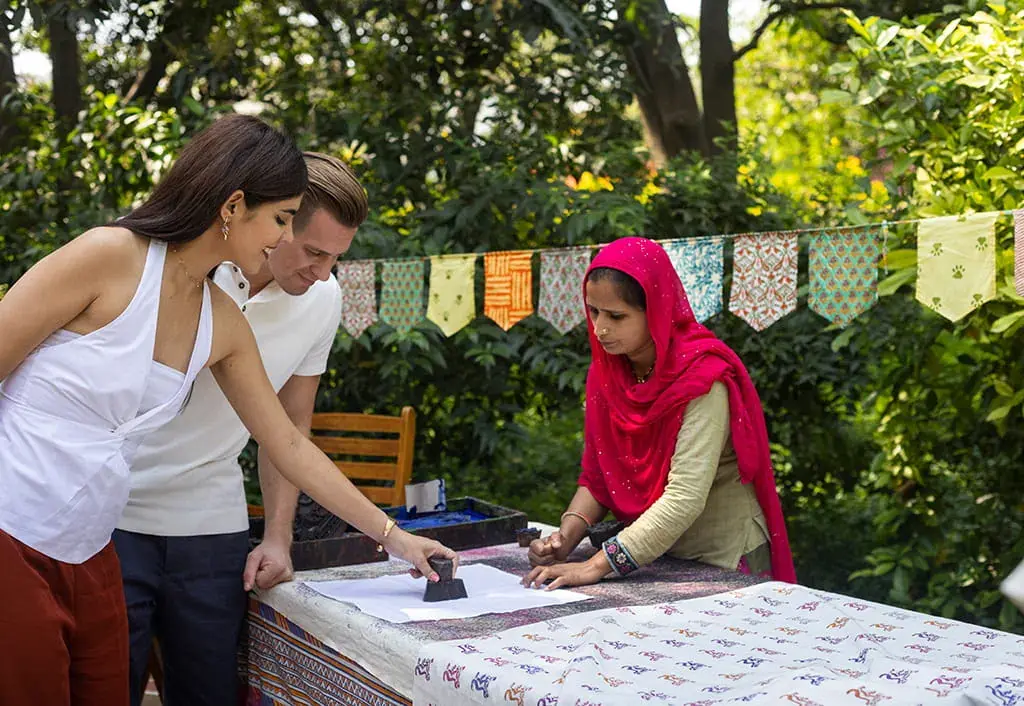
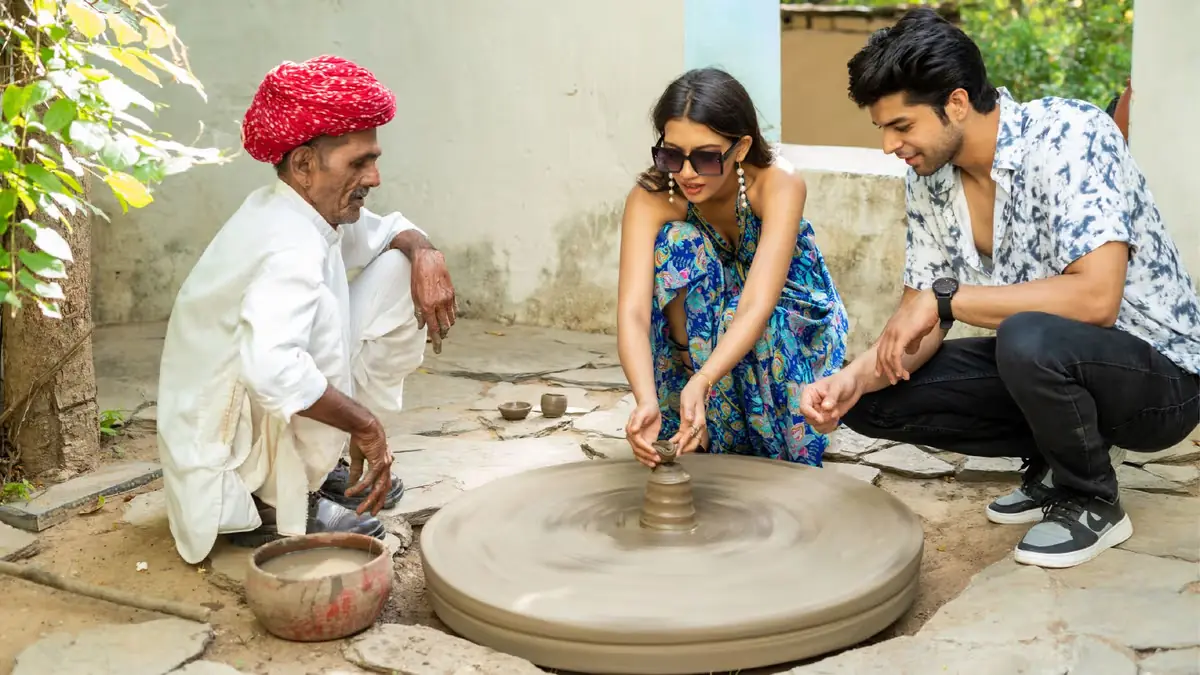
Village & Tribal Experience
Visit Tala Village to witness rural Madhya Pradesh – mud houses, traditional crafts, and local Baiga tribal culture.

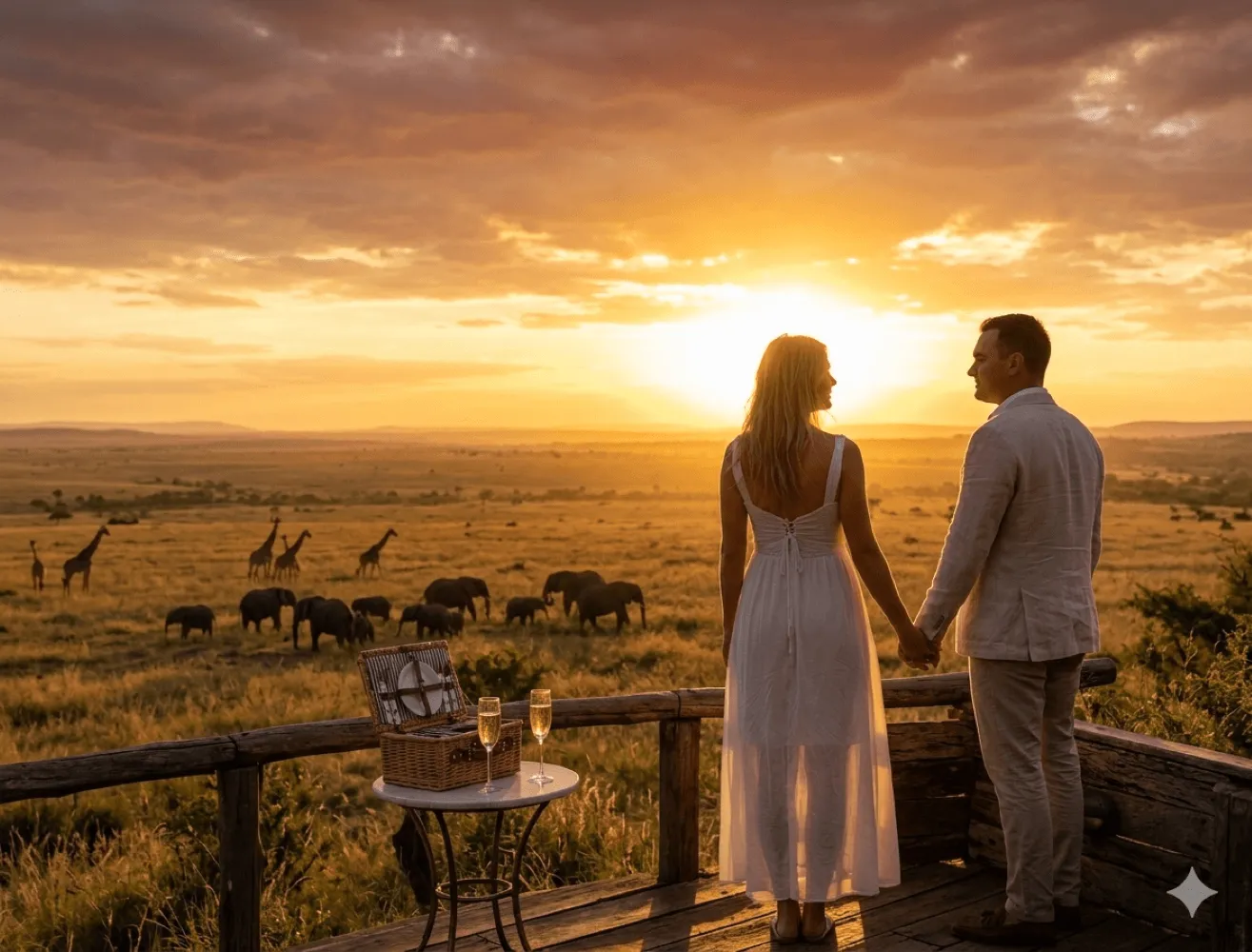
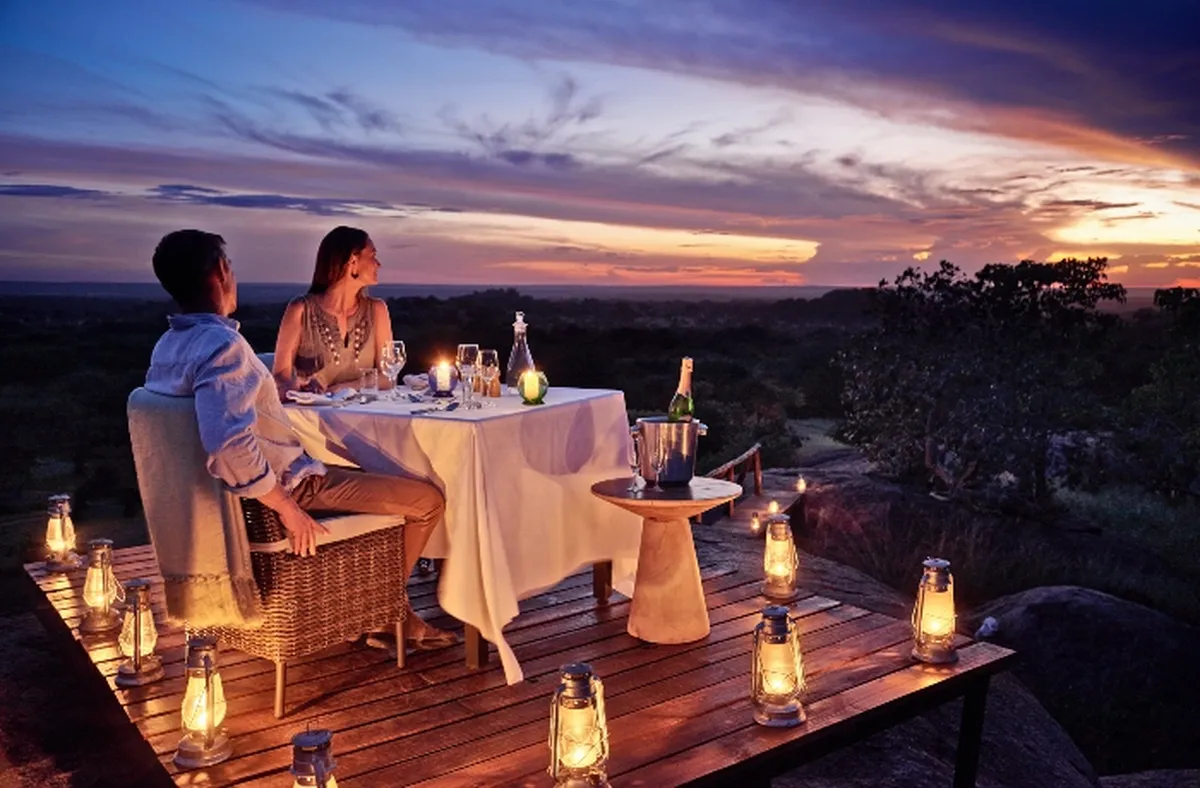
Bush Dinner
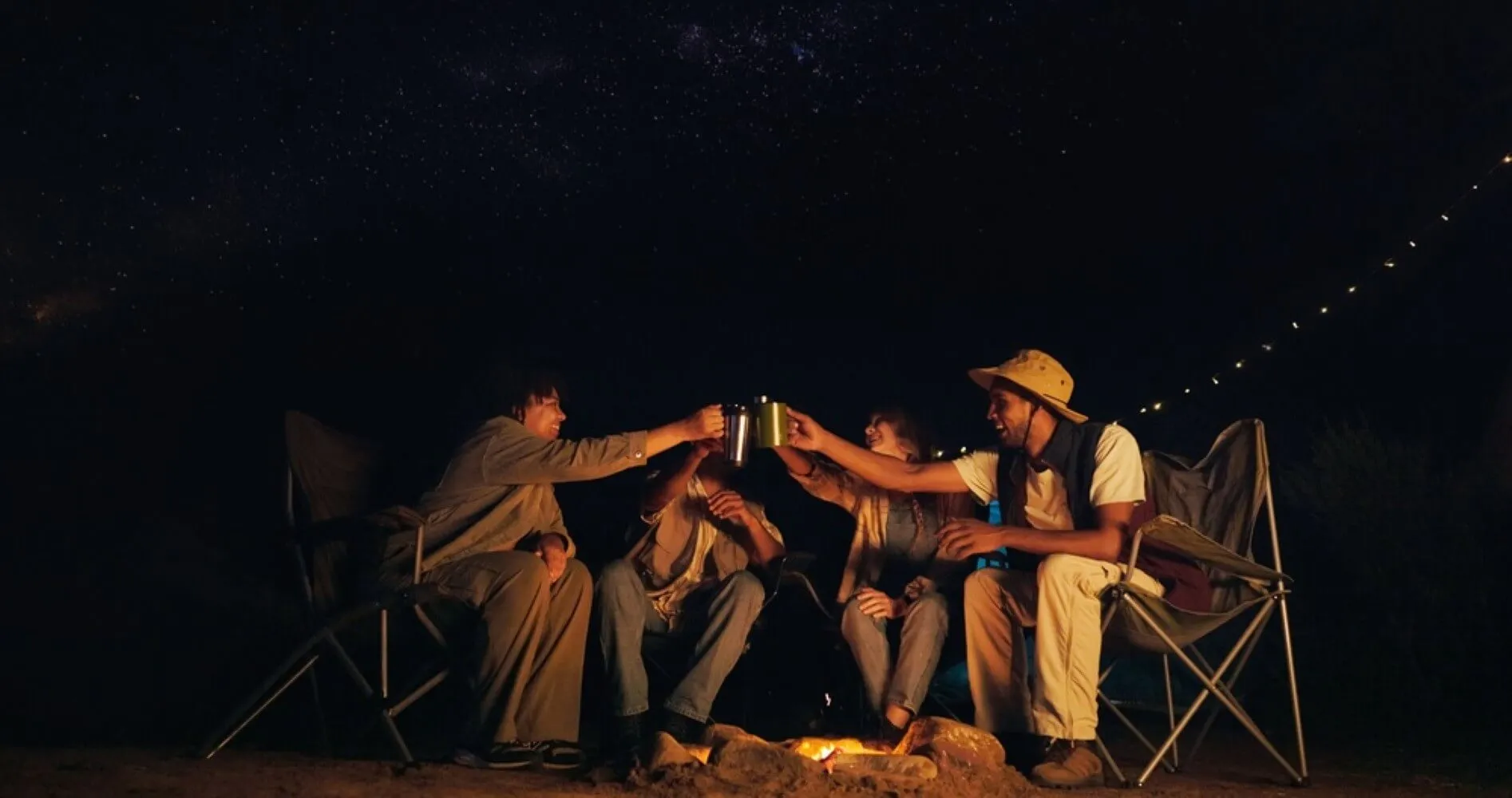
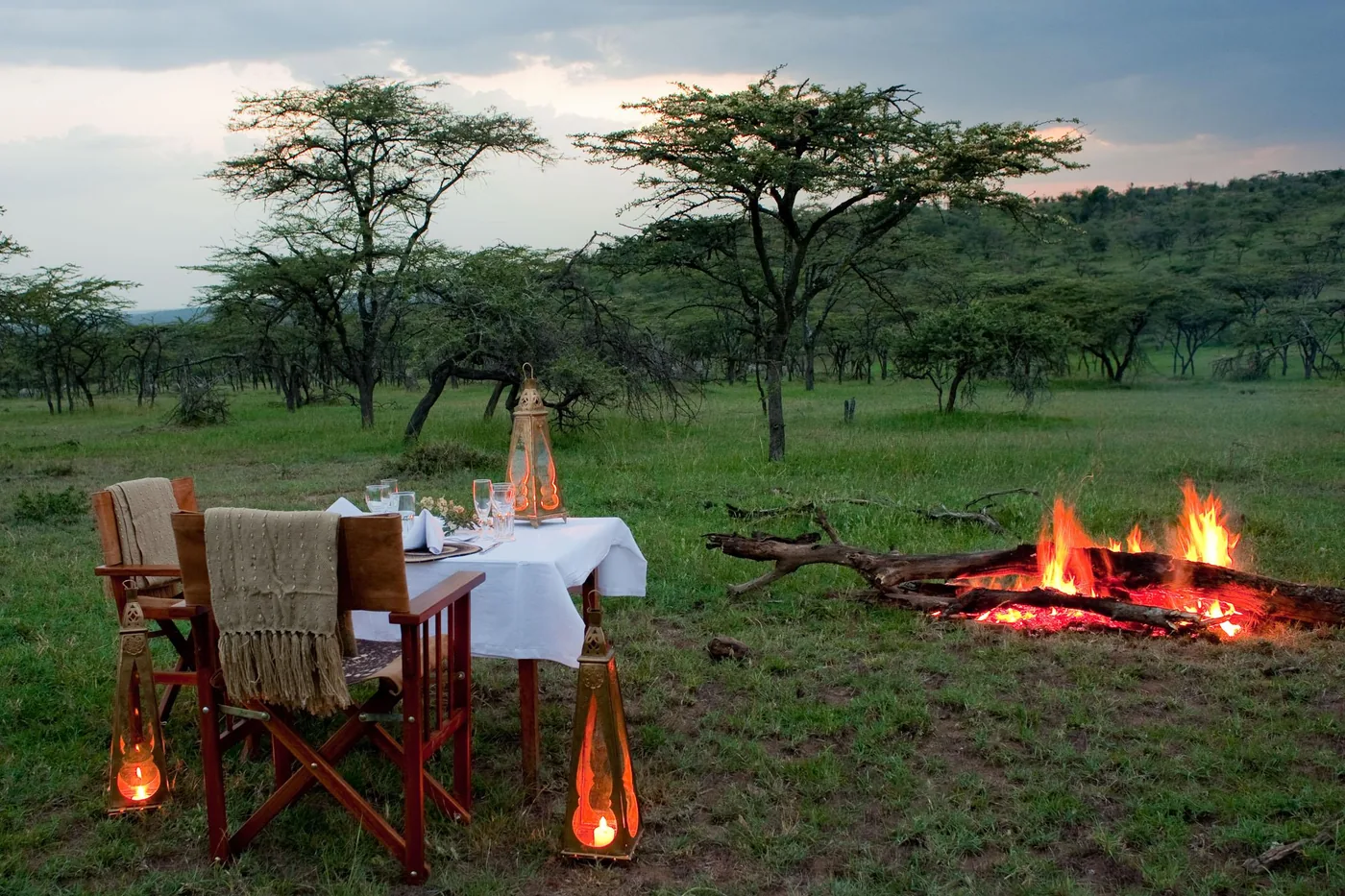
Dine under the stars at curated outdoor setups near the forest edge, arranged by premium wildlife lodges.

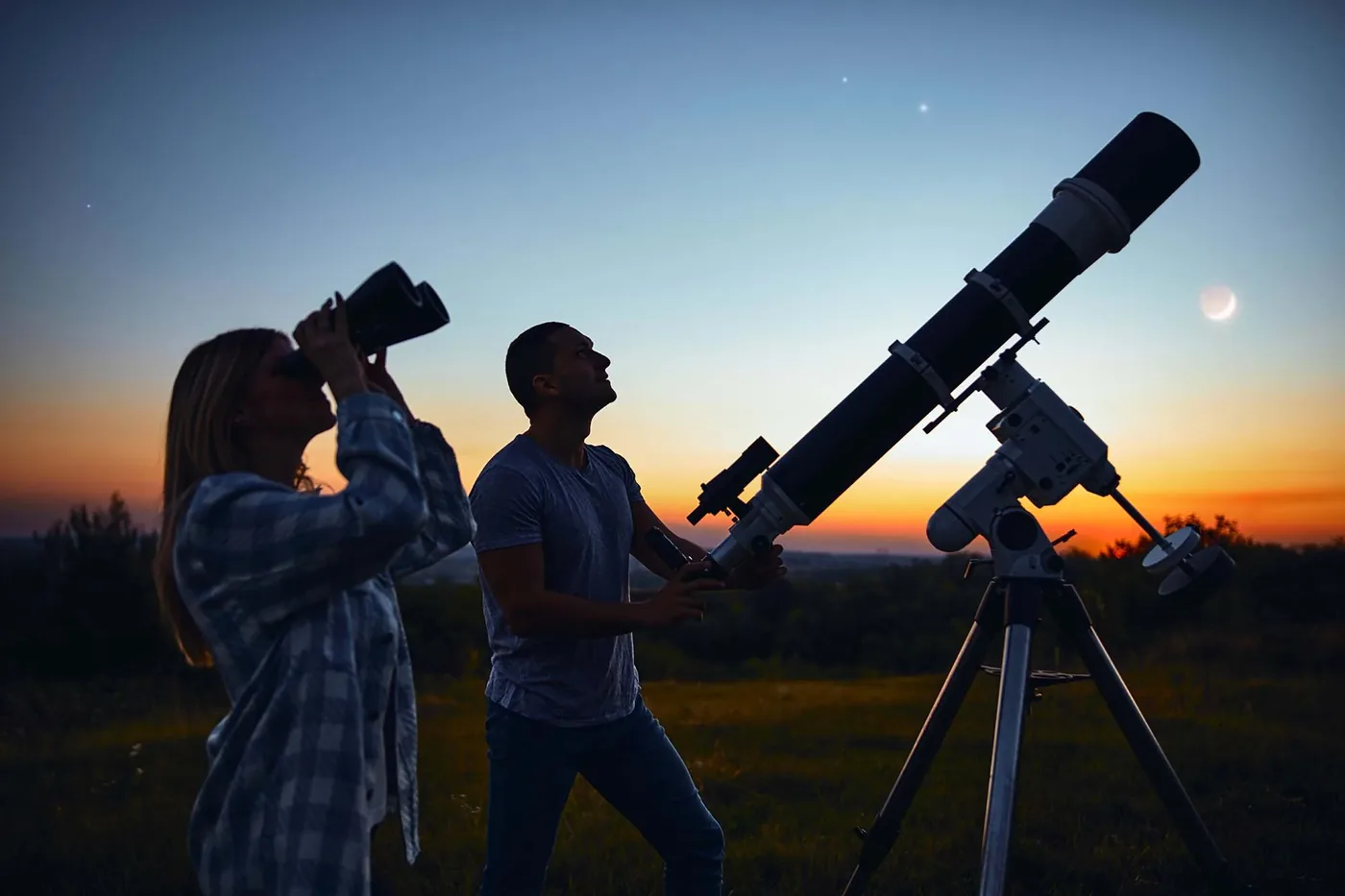
Sundowners
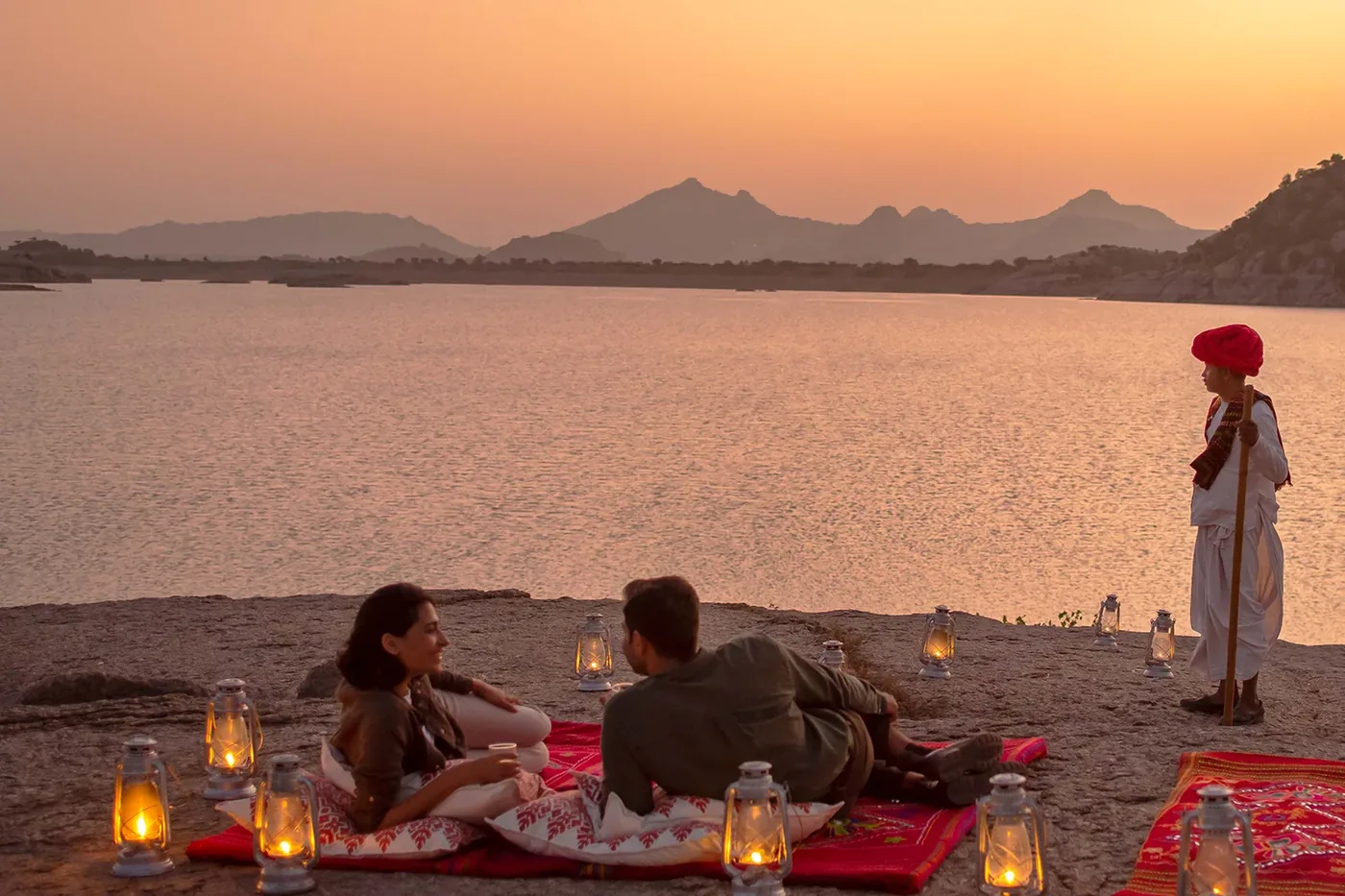
Enjoy golden-hour beverages amidst the wilderness as the jungle transitions from day to nocturnal activity.
How to Reach
Attractions

Bandhavgarh Fort
A 2,000-year-old hilltop fortress linked to Lord Rama, offering sweeping views of the forested valleys below.

Village Tala
A picturesque hamlet at the park entrance showcasing authentic rural life with mud dwellings and local hospitality.

Mahaman Pond
A large waterhole ringed by bamboo where tigers, deer, and wild boar frequently gather to drink.

Kethika
Also called Pendanus Point in Bandhavgarh National Park, famed for aromatic Kewra amid jamun and arjun trees, a floral treasure for nature lovers.

Climber's Point
Popular viewpoint in Bandhavgarh National Park offering aerial forest views, rich sal bamboo flora, and peaceful rest.

Bari Gufa
10th-century sandstone caves once used by royal armies, visible from the park's highest plateau.

Three Cave Point
Caves with ancient carvings now inhabited by leopards, tigers, and sloth bears – a photographer's delight.

Rajbahera
A marshy meadow viewable from Bandhaini Hillock, alive with chital, sambar, vultures, and wild pigs.

The Shesh Shaiya
A revered 65-foot reclining Vishnu statue on a seven-hooded serpent, source of the Charanganga River.

Cheshpur Waterfall
A seasonal cascade surrounded by dense forest, best visited post-monsoon when water flow peaks.

Jwalamukhi Temple
An ancient temple dedicated to Goddess Jwala, located within the forested area of the park.

Fossil National Park
India's only fossil park near Bandhavgarh, preserving plant fossils estimated at 65 million years old.
Bandhavgarh Tour Packages
From thrilling tiger tracking adventures to luxurious forest hideaways, every Bandhavgarh package is thoughtfully crafted around your travel style, comfort, and wildlife passions.

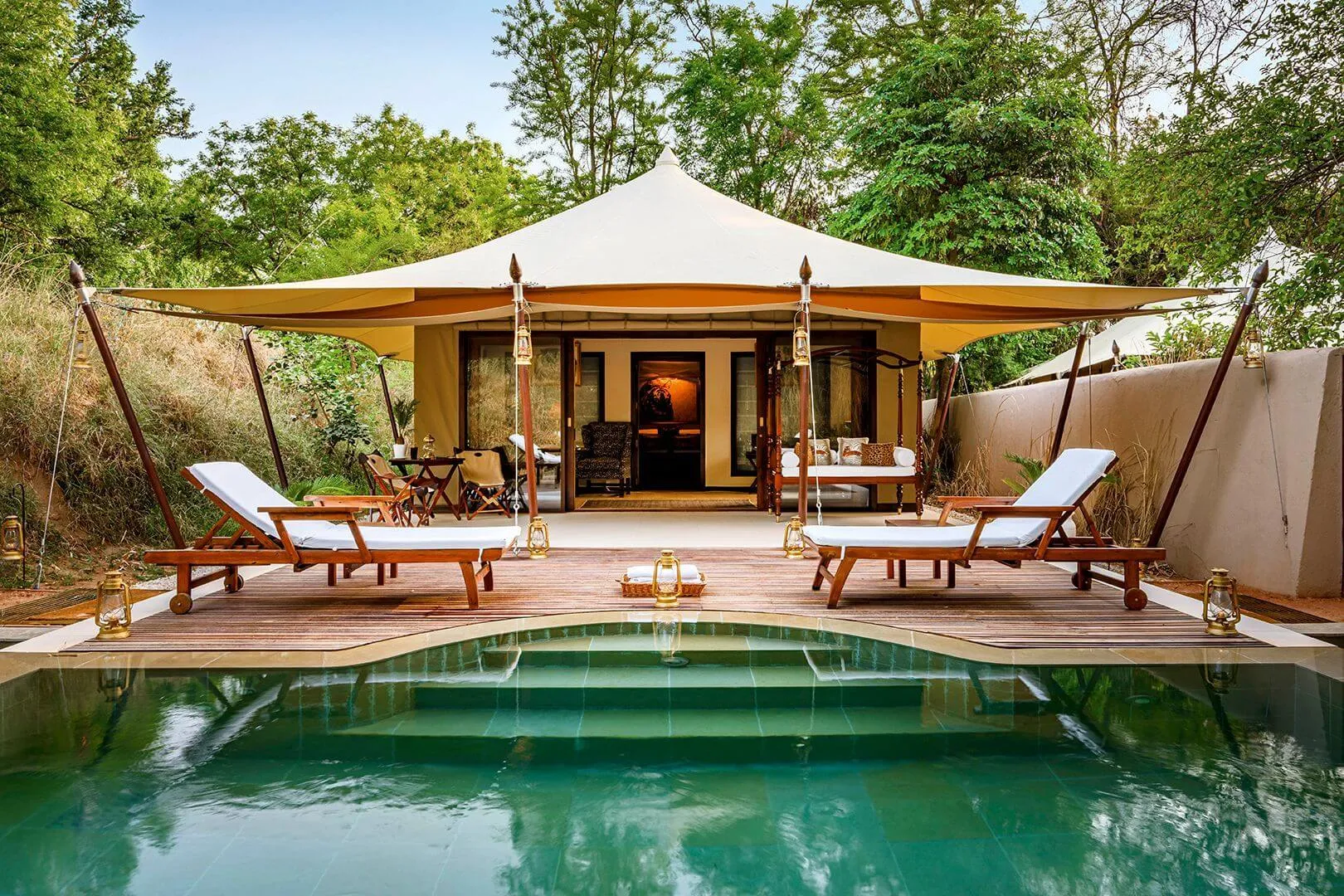
Bandhavgarh Hotels & Resorts — Luxury Jungle Lodges
We partner with Bandhavgarh's finest wildlife lodges and boutique jungle retreats—handpicked for their exceptional hospitality, scenic settings, and authentic safari experiences.
Stay at Bandhavgarh National Park's finest handpicked wildlife lodges, where comfort meets the untamed wilderness.


Signature Experiences, Curated Around Bandhavgarh
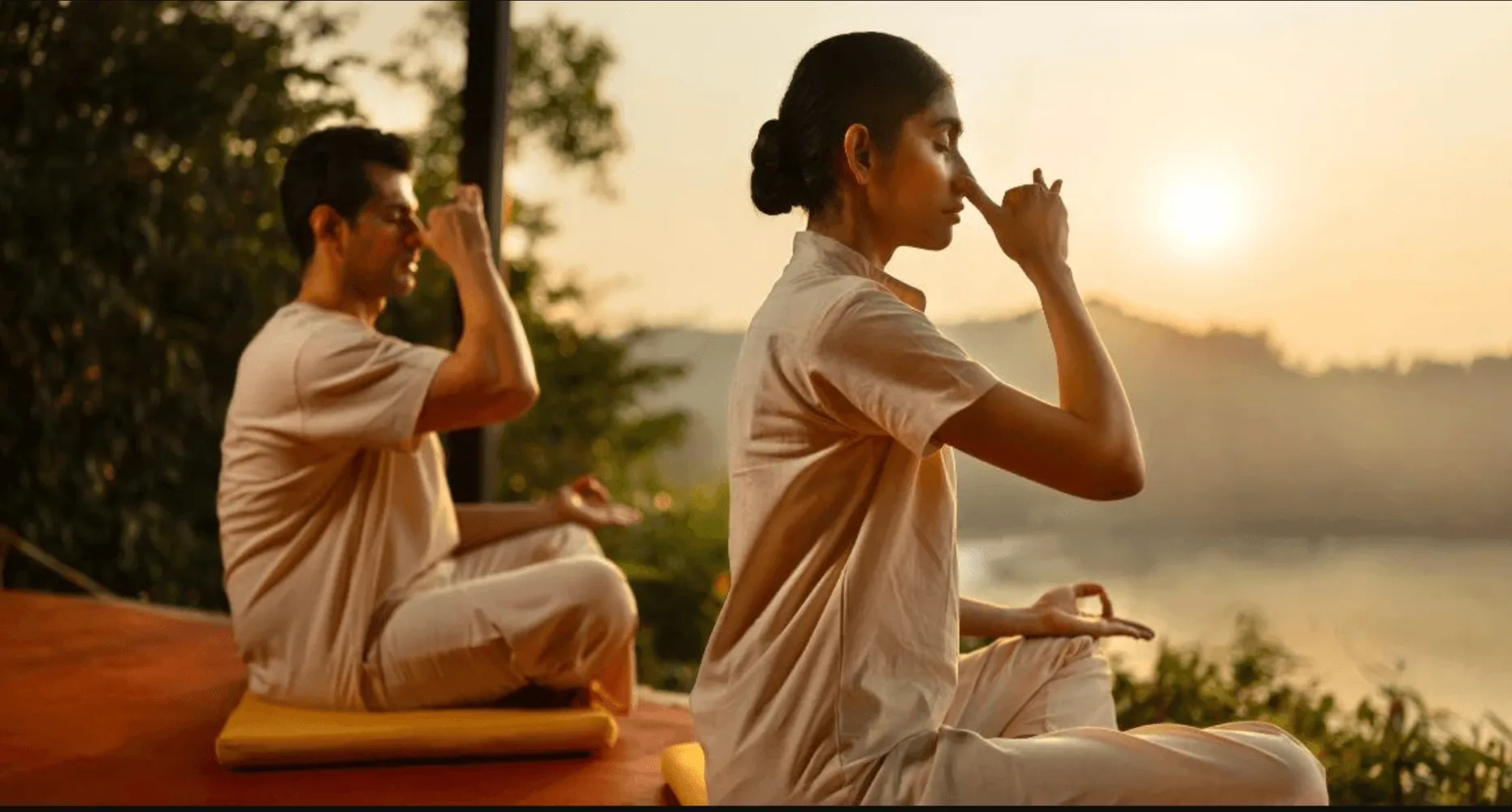
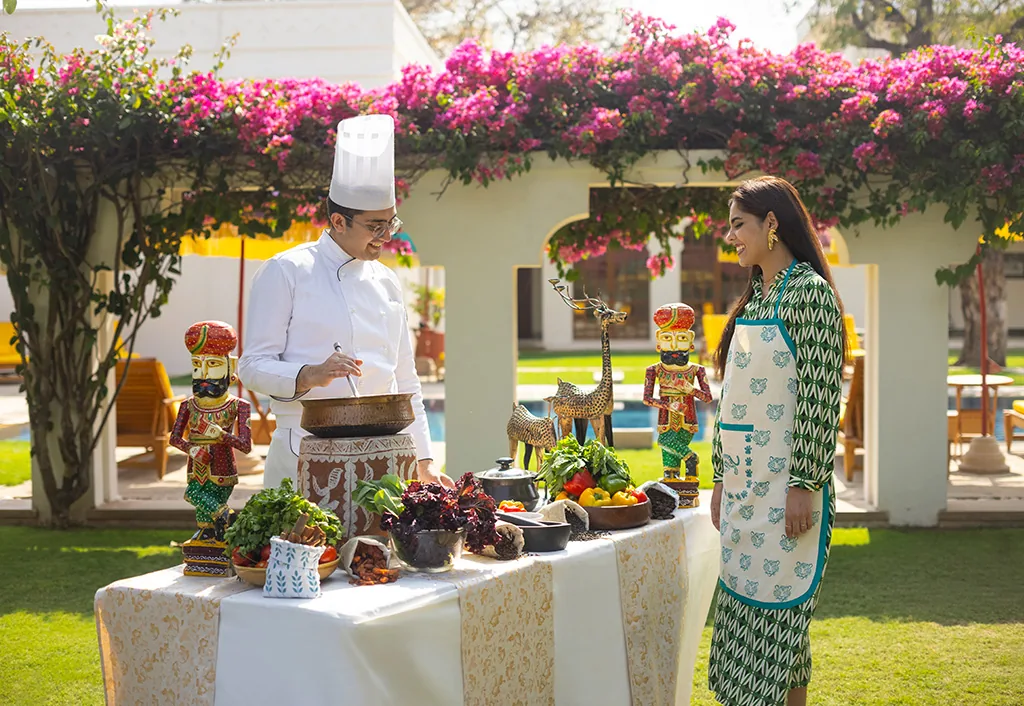
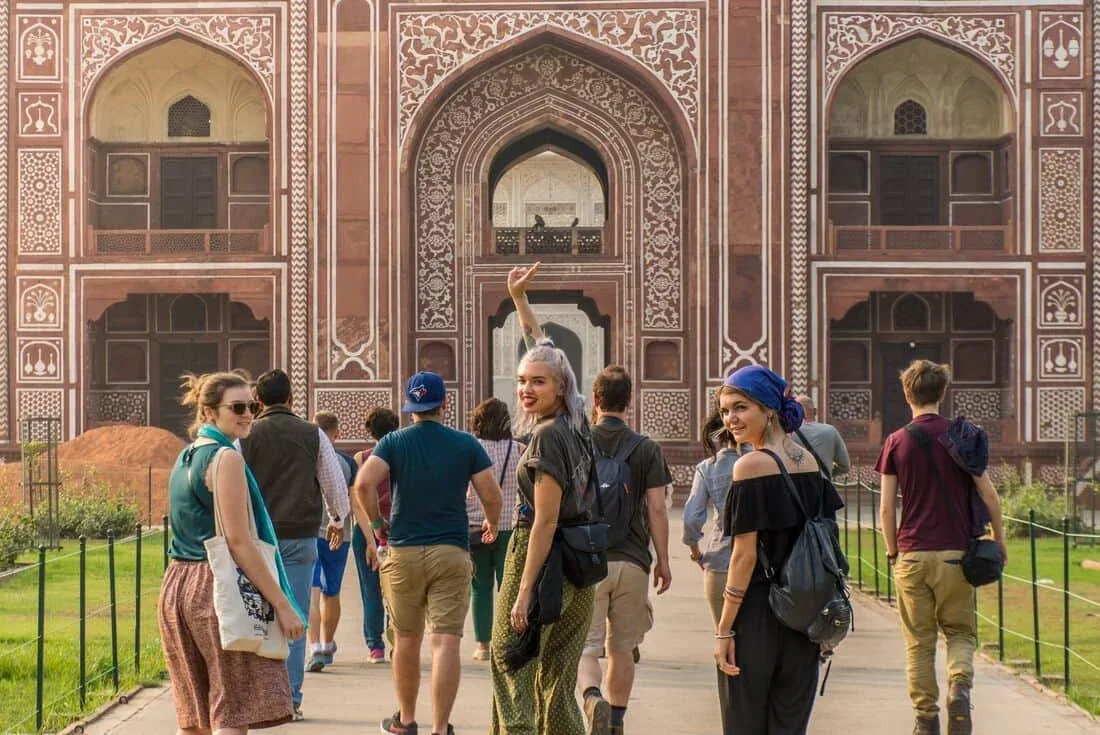
From immersive nature experiences and cultural encounters to moments in the heart of the wilderness, every experience is curated to enrich your Bandhavgarh safari journey.





Nearby Destinations to Bandhavgarh

Jabalpur
Marble Rocks & Waterfalls

Khajuraho
UNESCO Temple Heritage

Kanha National Park
Jewel of Central India

Panna National Park
Tigers & Ken River
Amarkantak
Sacred River Origin

Sanjay Dubri National Park
Wild Elephant Sightings

Umaria
Gateway to Bandhavgarh
Other Parks in Madhya Pradesh


Other Parks in India


Bandhavgarh National Park FAQ's
What is the best time to visit Bandhavgarh National Park?
The best time to visit Bandhavgarh National Park is from October to June. Winter months (November–February) offer pleasant weather and good sightings, while summer (April–June) provides the highest probability of spotting tigers near waterholes despite the intense heat. The park remains closed during the monsoon from July to September.
What is special about Bandhavgarh National Park?
Bandhavgarh National Park is renowned for having the highest density of Bengal tigers in India. It is also the ancestral home of the white tiger, first discovered here by the Maharaja of Rewa. The park combines rich wildlife with a 2,000-year-old fort, ancient caves, and a sacred Vishnu statue, making it unique among Indian national parks.
Which zone is best for tiger sighting in Bandhavgarh?
Tala Zone is the most popular and historically productive zone for tiger sightings in Bandhavgarh National Park. It is the oldest zone and home to the famous Chakradhara meadow. However, Magadhi and Khitauli zones have also emerged as excellent tiger-spotting areas in recent years, often with fewer crowds.
How many days are enough in Bandhavgarh?
A minimum of 2–3 nights (4–6 safaris) is recommended for Bandhavgarh National Park to maximize your chances of tiger sightings across different zones. Wildlife enthusiasts and photographers often stay 4–5 nights to explore all three core zones thoroughly and experience varied wildlife encounters.
Which is better - Ranthambore National Park or Bandhavgarh National Park?
Both are premier tiger destinations. Ranthambore National Park offers dramatic fort backdrops and easy accessibility from Jaipur. Bandhavgarh National Park has a higher tiger density, lusher forests, and a more immersive wilderness experience. Ranthambore suits short trips and heritage lovers, while Bandhavgarh appeals to serious wildlife enthusiasts.
Which is better - Kanha National Park or Bandhavgarh National Park?
Kanha National Park is larger and famous for the hard-ground barasingha, while Bandhavgarh National Park offers superior tiger sighting probability due to its higher density. Kanha provides vast meadows and a gentler safari pace, while Bandhavgarh delivers intense predator encounters. Both together make an ideal Central India wildlife circuit.
Where is Bandhavgarh National Park located?
Bandhavgarh National Park is located in the Umaria district of Madhya Pradesh, India, within the Vindhya mountain ranges of Central India. The nearest town is Umaria (35 km), and the nearest major city is Jabalpur (200 km). The park's main entrance is at Tala village.
How to reach Bandhavgarh National Park?
Fly to Jabalpur Airport (200 km, 4–5 hours by taxi) or take a train to Umaria Railway Station (35 km, 45 minutes by road). By road, Bandhavgarh National Park is accessible via NH 43 and SH 11 from Jabalpur, Katni, and Khajuraho. Pre-arranged hotel transfers are the most convenient option.
How many tigers are in Bandhavgarh National Park?
As per the 2022 tiger census, Bandhavgarh National Park is home to approximately 135 tigers across its core and buffer zones. The park's 1,536 sq km territory supports one of the densest tiger populations in the world, with around 55–70 tigers concentrated in the three core zones.
Where to stay in Bandhavgarh National Park?
Tala village, located at the main gate, has the highest concentration of accommodation ranging from budget guesthouses to luxury wildlife lodges. Popular options include Pugdundee King's Lodge, Taj Mahua Kothi, Tree House Hideaway, and Lemon Tree Wildlife Resort. Booking well in advance during peak season is essential.
Which zone is best in Bandhavgarh National Park?
Tala Zone is widely considered the best zone overall due to its rich biodiversity, historical attractions like the fort and Shesh Shaiya, and consistent tiger sightings. Magadhi Zone excels in dense forest encounters, while Khitauli Zone is preferred for its quieter ambience and sightings of wild elephants, nilgai, and chinkara.
How to book safari in Bandhavgarh National Park?
Safaris in Bandhavgarh National Park can be booked online through Wild Enthusiast’s safari booking third party platform up to 120 days in advance. You need a valid government ID (Aadhar, passport, or driving license). Permits are limited per zone, so advance booking is strongly recommended, especially for Tala Zone.
About Bandhavgarh National Park
Bandhavgarh National Park stands as a crown jewel in India's network of protected wildlife areas. Situated in the Umaria district of Madhya Pradesh, this tiger reserve has earned global recognition for sheltering one of the densest populations of Royal Bengal Tigers anywhere in the world. Originally a private hunting ground of the Maharajas of Rewa, the area was declared a national park in 1968 and elevated to a Tiger Reserve under Project Tiger in 1993.
The park derives its name from the ancient Bandhavgarh Fort that crowns the highest point at 807 metres above sea level. According to Hindu mythology, Lord Rama gifted this fort to his brother Lakshmana to keep watch over Lanka – "Bandhav" meaning brother and "Garh" meaning fort. This mythological significance adds a unique cultural dimension that sets Bandhavgarh National Park apart from purely wildlife-focused reserves.
Today, Bandhavgarh National Park encompasses 1,536 sq km of protected territory, divided into a 716 sq km core zone and an 820 sq km buffer zone. The three core safari zones – Tala, Magadhi, and Khitauli – each offer distinct landscapes and wildlife experiences. The park supports 37 mammal species, over 250 bird species, 80 butterfly species, and a remarkable diversity of reptiles and amphibians.
Quick Facts about Bandhavgarh National Park
| Feature | Details |
|---|---|
| Full Name | Bandhavgarh Tiger Reserve |
| Location | Umaria District, Madhya Pradesh, India |
| Total Area | 1,536 sq km |
| Core Zone | 716 sq km |
| Buffer Zone | 820 sq km |
| Elevation | 440–807 metres |
| Tiger Population | ~135 (2022 Census) |
| Mammal Species | 37+ |
| Bird Species | 250+ |
| Butterfly Species | 80+ |
| Safari Zones (Tourism) | 6 (Tala, Magadhi, Khitauli, Dhamokhar, Johila, Panpatha) |
| Best Time to Visit | October to June |
| Park Partially Close | 1st July to 30th September (Monsoon) only buffer zone is open |
Bandhavgarh National Park occupies the eastern flank of the Vindhya mountain ranges in Central India. The geography is characterized by broken, rugged terrain with rocky hill ranges running east to west, interspersed with grassy valleys and densely forested flatlands. The highest point is the Bandhavgarh Hill at 807 metres, while the valleys descend to approximately 440 metres.
The ecosystem at Bandhavgarh National Park is classified as tropical dry deciduous forest. Sal (Shorea robusta) dominates the higher elevations, while mixed deciduous species including teak, tendu, arjun, and bamboo populate the lower slopes and valleys. Open meadows such as Chakradhara and Rajbahera serve as critical grassland habitats, supporting large herbivore populations that in turn sustain the park's impressive predator community.
Multiple perennial and seasonal water sources, including the Charanganga River originating from the Shesh Shaiya statue, natural springs, and man-made waterholes, create a mosaic of microhabitats. This water availability is fundamental to Bandhavgarh's extraordinary wildlife density, particularly during the hot summer months when animals concentrate near these sources.
History of Bandhavgarh National Park
The history of Bandhavgarh National Park stretches back over two millennia. The Bandhavgarh Fort, perched atop the central hill, finds mention in ancient texts and inscriptions. Cave shelters around the fort area contain rock art and inscriptions from the 1st century BCE onward, pointing to continuous human habitation. Various dynasties - including the Vakataka, Sengars, and Baghels - ruled from this strategic hilltop.
In more recent history, Bandhavgarh served as the royal hunting preserve of the Maharajas of Rewa. It was in these forests that Maharaja Martand Singh captured the legendary white tiger "Mohan" in 1951 - the ancestor of virtually every white tiger in captivity across the world today. This discovery placed Bandhavgarh firmly on the global wildlife map.
Recognizing the area's ecological importance, the Indian government declared Bandhavgarh a national park in 1968, initially covering just 105 sq km. In 1982, the adjacent Panpatha Wildlife Sanctuary was added. In 1993, Bandhavgarh was brought under Project Tiger as a designated Tiger Reserve, dramatically expanding its protected area and conservation resources. Since then, rigorous anti-poaching measures, habitat management, and community engagement have transformed Bandhavgarh National Park into one of India's most successful tiger conservation stories.
Flora & Fauna of Bandhavgarh National Park
The vegetation of Bandhavgarh National Park is classified into several distinct types: moist sal forest, sal mixed forest, northern dry mixed deciduous forest, dry deciduous scrub, dry grasslands, and west Gangetic moist mixed deciduous forest. Sal trees dominate the higher plateaus and form dense canopies, while bamboo thickets are particularly prominent in the Magadhi and Khitauli zones. The meadows support tall grasses that provide essential cover for prey species and breeding tigers alike.
Notable tree species include teak, tendu, dhaora, salai, arjun, mahua, and palash. The understory is rich with shrubs, climbing plants, and medicinal herbs. Seasonal wildflower blooms, particularly the flame-of-the-forest (palash) in spring, paint the landscape in vivid orange and red hues.
Bandhavgarh National Park's apex predator, the Royal Bengal Tiger, headlines a formidable predator guild that includes leopards, wild dogs (dhole), striped hyenas, Indian wolves, jungle cats, fishing cats, rusty-spotted cats, and the elusive caracal. The park's herbivore base is equally impressive, featuring chital (spotted deer), sambar, nilgai (blue bull), chinkara, four-horned antelope, barking deer, wild boar, and the reintroduced Indian gaur (bison), whose population has grown to approximately 170 individuals since their reintroduction from Kanha National Park in 2012.
Wild elephants, which migrated into the park from Chhattisgarh around 2018, now number approximately 80 across three to four herds and have become a memorable addition to the safari experience. The avifauna includes painted storks, Indian vultures, crested serpent eagles, Malabar pied hornbills, white-rumped vultures, peafowl, and numerous migratory species that arrive during winter.
Conservation Efforts at Bandhavgarh National Park
Bandhavgarh National Park stands as a testament to India's commitment to tiger conservation under Project Tiger. The National Tiger Conservation Authority (NTCA) oversees strategic management, while the Madhya Pradesh Forest Department implements on-ground protection. Key conservation initiatives include round-the-clock anti-poaching patrols, electronic surveillance systems, camera-trap monitoring networks, and regular wildlife censuses.
The successful reintroduction of Indian gaur from Kanha National Park in 2012 - a collaborative effort between the MP Forest Department, Wildlife Institute of India, and private partners - has restored a crucial herbivore species to the ecosystem. Community-based conservation programs engage local villages and tribal communities in eco-tourism livelihoods, reducing dependence on forest resources and building local stewardship.
Buffer zone management balances human-wildlife coexistence through regulated tourism, sustainable forestry practices, and compensation programs for livestock losses. These integrated efforts have yielded tangible results: Bandhavgarh's tiger population has shown steady growth, and the park continues to serve as a source population for dispersing tigers that help repopulate surrounding forests.
Safari Zones & Experiences
Bandhavgarh National Park offers six tourism zones, each with distinct character. Tala Zone, the oldest and most celebrated, is home to the fort, Shesh Shaiya, and the famous Chakradhara meadow where tiger families have been observed for generations. Magadhi Zone is defined by dense forest cover and multiple waterholes, making it exceptional for intimate, close-range wildlife encounters. Khitauli Zone features dry deciduous forests and has become increasingly popular for sightings of both tigers and wild elephant herds.
The three buffer zones - Dhamokhar, Johila (Kalwa), and Panpatha (Pachpedi) - extend the safari experience with more open landscapes, chinkara and four-horned antelope sightings, and notably fewer crowds. Night safaris are available in select buffer zones, offering the thrill of spotting nocturnal species.
Accommodation & Stay Tips
Most accommodation in Bandhavgarh National Park clusters around Tala village near the main gate. Options range from government rest houses and budget lodges to world-class luxury wildlife resorts. Premium properties typically include naturalist-led safaris, bush meals, and nature walks as part of their packages. Booking accommodation 3-6 months ahead is advisable during the peak season from November to May.