Ntangki National Park: Nagaland's Wild Heart
Tucked away in the emerald hills of northeastern India, Intanki National Park — officially known as Ntangki National Park — is one of the most ecologically significant yet underexplored wildlife destinations in the entire country. As the only national park in Nagaland, it stands as a living testament to the state's extraordinary natural heritage, sheltering rare primates, apex predators, and hundreds of plant species within its misty, tropical embrace.
Whether you are a wildlife photographer chasing the haunting call of the hoolock gibbon, an ornithologist seeking rare hornbills, or a curious traveller drawn to off-the-beaten-track India, Intanki (Ntangki) National Park promises a raw and deeply authentic encounter with nature. This comprehensive guide covers everything you need to plan your visit to this remarkable protected area.
Overview of Ntangki National Park
Intanki National Park is located in the Peren District of Nagaland, India, situated at the foothills of the Patkai Range — a spur of the larger Eastern Himalayan system — and bordered on the north by the Dhansiri River, which forms a natural boundary with the state of Assam.
Key Facts at a Glance
- Full Name: Ntangki National Park (also called Intanki National Park)
- Location: Peren District, Nagaland, India
- Area: 202.02 sq km (20,202 hectares)
- Established: Wildlife Sanctuary in 1975; National Park in 1993
- Reserved Forest Origin: 1923 (British colonial era)
- Nearest Town: Dimapur (~37 km); Peren (~40 km)
- Altitude: Lowland foothills to moderate hills
- Governing Body: Nagaland Forest Department
- Ecosystem Type: Tropical evergreen forest, semi-evergreen forest, bamboo groves, grasslands
- UNESCO/Conservation Status: Part of the Northeast India biodiversity hotspot
The park derives its name from the 'Ntangki River', which flows through its boundaries. In common local usage, the name 'Intanki' is widely used. The name 'Ntangki' itself originates from the Zeme dialect of the Zeliangrong Naga tribe — one of the indigenous communities that have lived in and around this forest for generations.
Historical Background
The story of Ntangki National Park begins in the early twentieth century under British colonial administration. In 1920, J.H. Hutton, then Deputy Commissioner of Naga Hills, recognised the ecological richness of the Ntangki-Dhansiri Valley and proposed the creation of a reserved forest. A survey team set out in February 1921, and after thorough assessment, the Governor-in-Council officially declared the formation of Ntangki Reserved Forest in May 1923, with an area of approximately 44,800 acres (about 181 sq km).
In 1927, the forest was expanded by an additional 5,120 acres. Decades later, recognising the need for stronger conservation, the Government of Nagaland upgraded the reserved forest to a Wildlife Sanctuary in April 1975. The final and most significant milestone came in March 1993, when Ntangki Wildlife Sanctuary was re-designated as Ntangki National Park — the first and only national park in Nagaland. In 2022, Asian forest tortoises (Manouria emys) were reintroduced into the park, marking a milestone in active conservation efforts.
Geography and Ecology
Ntangki National Park sits at the precise junction of Nagaland and Assam, with the Dhansiri River marking its northern boundary. The park's landscape is a captivating mosaic: dense tropical evergreen forests form the dominant vegetation type, interspersed with semi-evergreen patches, bamboo thickets, open grasslands, and riparian habitats along the Dhansiri and its tributaries — the Monglu, Intanki, and Duilong rivers. The terrain ranges from relatively flat floodplain areas near the Dhansiri to the undulating foothills of the Patkai Range, creating a diversity of microhabitats that support exceptional biodiversity.
Flora: A Green Treasure Trove
The park is celebrated as part of the 'Land of Orchids' — a title Nagaland proudly holds. Visitors and researchers have documented a remarkable variety of plant species within Ntangki:
- Trees: Mahogany, Hollong (Dipterocarpus macrocarpus), Teak, Rubber, Bamboo species
- Orchids: Over 350 species of wild orchids, including Dendrobium, Vanda, and Cymbidium
- Palms and Ferns: Numerous species of tropical palms and dense ferns carpeting the forest floor
- Flowering Plants: Rhododendrons, wild balsams, and various medicinal herbs
- Bamboo: Extensive stands of different bamboo species forming critical habitat corridors
Fauna: Wildlife That Defines Northeast India
The fauna of Intanki National Park reads like a checklist of the most coveted sightings in northeast India. The park is a stronghold for several endangered and endemic species:
Mammals
- Hoolock Gibbon (Hoolock hoolock): The only ape species in India, found mainly in the northeast; the park is a key refuge
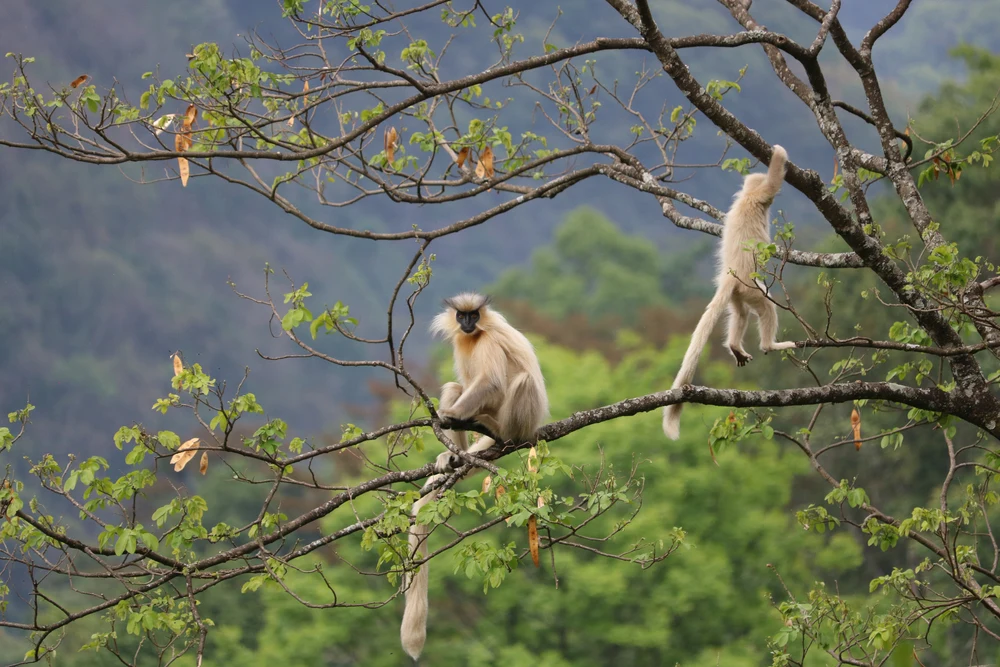
- Golden Langur (Trachypithecus geei): Critically endangered primate with golden-orange fur, extremely rare
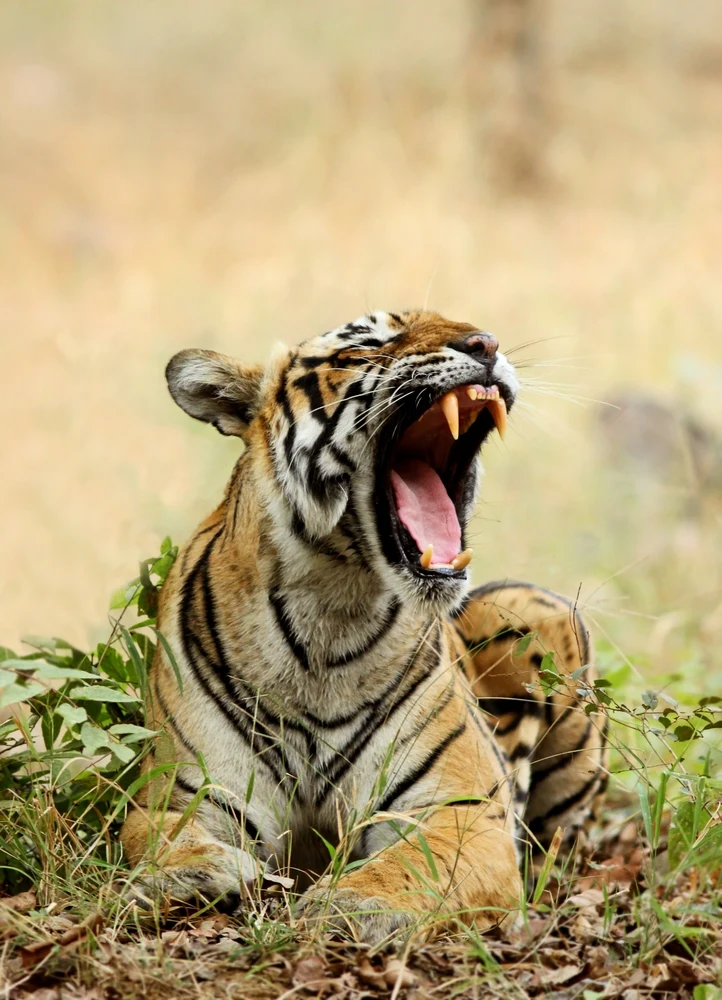
- Tiger (Panthera tigris tigris): The apex predator; sightings are rare but confirmed
- Leopard (Panthera pardus): Found in denser forest zones
- Sloth Bear (Melursus ursinus): Occasionally spotted; distinctive and elusive
- Wild Dogs / Dholes (Cuon alpinus): Move in packs through various forest tracts
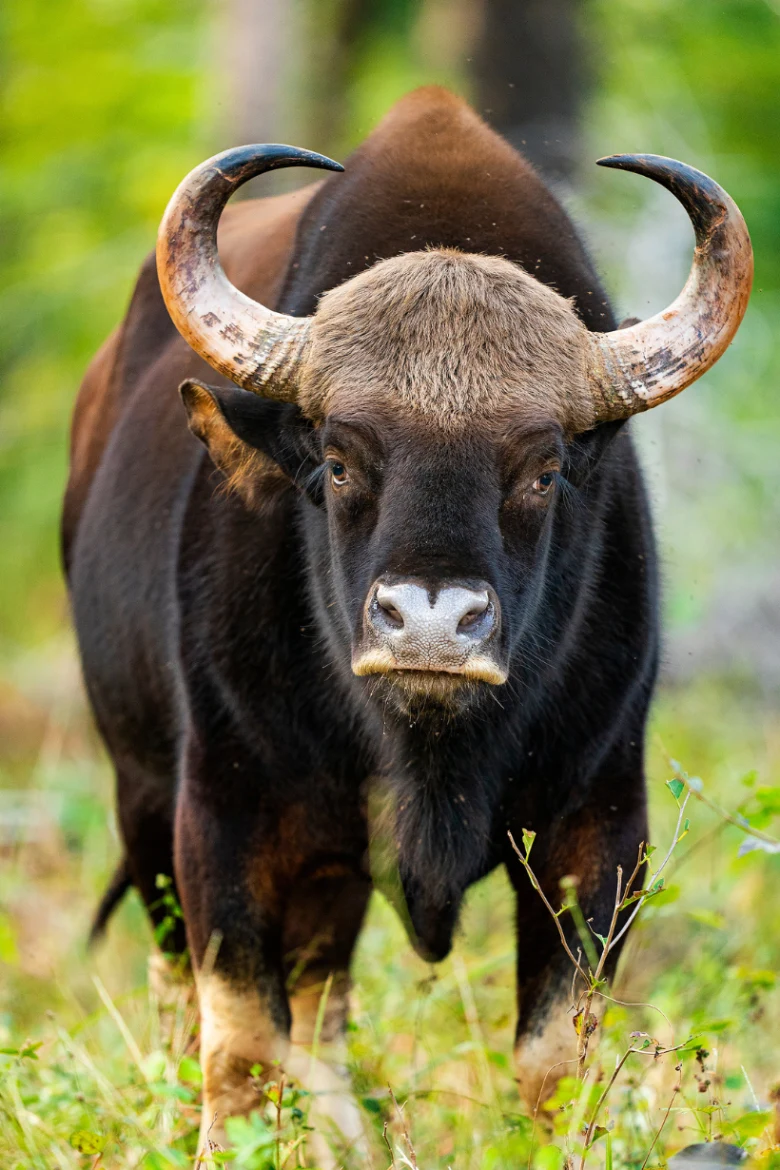
- Mithun / Gaur subspecies (Bos frontalis): The state animal of Nagaland, seen in open areas
- Asian Palm Civet, Flying Squirrels, Wild Boar, Monitor Lizard, Python
Birds
- Great Hornbill (Buceros bicornis): Iconic and magnificent
- Blyth's Tragopan: Spectacular pheasant species
- Black Stork (Ciconia nigra): Rare migrant and resident
- White-breasted Kingfisher, Jungle Fowl, Doves
- Multiple species of eagles and raptors
Reptiles
- Indian Rock Python (Python molurus)
- Monitor Lizard (Varanus salvator)
- Asian Forest Tortoise (Manouria emys) — reintroduced in 2022
How to Reach Ntangki National Park
Ntangki National Park is approximately 37 km from Dimapur and 40 km from Peren town, making Dimapur the primary gateway city. Nagaland is accessible from major cities in India via multiple modes of transport.
By Air
The nearest airport is Dimapur Airport (DMU), which is connected to Guwahati, Kolkata, Delhi, and other major cities. From Dimapur airport, hire a taxi or take a shared vehicle to the national park entrance (approximately 45 minutes to 1 hour drive).
By Rail
Dimapur Railway Station is the nearest railhead, located about 37 km from the park. Dimapur is well-connected to Guwahati (about 3.5 hours by train), from where trains connect to the rest of India. From Guwahati, you can take trains including the Barak Valley Express or other Northeast express services.
By Road
Dimapur is connected by National Highway to Guwahati (approximately 4–5 hours by road). From Dimapur, hire a private taxi or take a shared vehicle towards Peren. The road to the park entrance is partly smooth and partly rough. It is advisable to hire a local guide from Dimapur or Peren for the journey into the park interior.
💡 Tip: Book your vehicle in advance from Dimapur, as shared transport options to remote park areas can be limited, especially on weekdays.
Inner Line Permit (ILP)
Foreign nationals must obtain an Inner Line Permit (ILP) to visit Nagaland. This can be obtained online through the Nagaland government portal, or from designated offices in major cities including Delhi, Kolkata, and Guwahati. Indian citizens do not require an ILP but must carry valid government-issued photo ID.
Best Time to Visit Ntangki National Park
October to April: Prime Season
The ideal time to visit Ntangki National Park is between October and April. During these months, the weather is pleasant with cool, dry conditions, and wildlife activity peaks. The forest becomes more transparent as deciduous trees shed leaves, improving visibility for wildlife spotting. Migratory birds arrive during winter, enriching the birdwatching experience significantly.
November to February: Peak Winter
Winter (November–February) is the single best period for wildlife enthusiasts and birders. Temperatures are comfortable (ranging from 8°C to 22°C), leeches are absent, and wildlife is highly active. This is when you are most likely to hear the haunting calls of the hoolock gibbon at dawn.
May to September: Monsoon — Avoid if Possible
The monsoon season brings heavy rainfall (the region receives substantial precipitation), making trails slippery and inaccessible. Leeches are rampant, visibility drops dramatically in the dense undergrowth, and roads to remote areas may become impassable. Most wildlife experiences are severely curtailed. It is strongly advised to avoid visiting during June–September.
Safari and Activities at Ntangki National Park
Wildlife Safari
Jeep safaris are the primary mode of wildlife exploration within Ntangki National Park. The forest department conducts guided safaris through designated routes. Given the park's dense vegetation and undulating terrain, safaris combine motorized travel on jeep tracks with short forest walks. Early morning safaris (starting at sunrise) offer the best chances of spotting hoolock gibbons, birds, and larger mammals.
💡 Tip: Book your safari through the Nagaland Forest Department office in Dimapur or Peren. Private operators can assist with logistics for multi-day excursions.
Nature Walks and Trekking
Several well-marked nature trails crisscross the park, allowing visitors to explore the forest on foot with a trained guide. Trekking through the tropical evergreen forest provides an immersive experience — listen for the booming calls of hornbills overhead, watch for flying squirrels gliding between trees, and breathe in the earthy scent of the rainforest floor. Trail difficulty ranges from easy riverside walks to moderate hillside treks.
Birdwatching
Ntangki is a paradise for ornithologists and birding enthusiasts. The diversity of habitats — from dense evergreen canopy to open grasslands and riparian zones — supports a remarkable variety of avian species. Early mornings along the Dhansiri riverbanks are particularly rewarding for serious birders.
Wildlife Photography
The park's pristine, relatively undisturbed forests make it an exceptional destination for wildlife photographers. The golden langur — arguably India's most visually striking primate — is among the most coveted photographic subjects. Patience and guidance from experienced local naturalists are key to successful sessions.
Camping
Camping is possible in designated areas within and near the park, providing a rare opportunity to spend nights in the heart of the rainforest. The experience of waking to the morning chorus of birds and gibbons is unforgettable. All camping must be pre-arranged with the forest department.
River-Based Activities
The Dhansiri River, flowing along the park's northern boundary, offers opportunities for riverside relaxation and photography. In certain sections, fishing may be permitted with appropriate licenses. The river provides beautiful dawn and dusk vistas that are perfect for landscape photography.
Entry Fees and Permits
Entry fees are collected at the park gate and are subject to revision. As a general guide:
- Indian visitors: Entry fee per person (confirm current rates with Nagaland Forest Department)
- Foreign nationals: Higher entry fee applicable
- Camera charges: Photography fees apply for professional cameras and video equipment
- Safari/jeep charges: Additional fees for motorized vehicles entering the park
- Permit: Valid government ID mandatory; ILP required for foreign nationals
💡 Tip: Always confirm the latest fee structure directly with the Nagaland Forest Department office in Dimapur or Kohima, as fees are updated periodically.
Nearby Attractions
A trip to Ntangki National Park can be combined with several other remarkable destinations in Nagaland and the broader northeast region:
Kohima War Cemetery (~74 km)
One of the most poignant and beautifully maintained war cemeteries in Asia, dedicated to soldiers who fell during the Battle of Kohima in World War II. Located in the state capital Kohima, this site is a powerful reminder of history and sacrifice.
Dzükou Valley (~90 km)
Dubbed the 'Valley of Flowers of the Northeast,' Dzükou Valley is a breathtaking highland valley straddling Nagaland and Manipur, famous for its seasonal wildflowers, lush meadows, and challenging trekking routes. A must-visit for serious trekkers and nature photographers.
Nagaland Zoological Park, Dimapur
Located in Dimapur within the Rangapahar Forest Reserve, this zoo is home to a variety of wildlife species indigenous to Nagaland and the northeast. It provides a good complementary stop before or after visiting Ntangki.
Dimapur (Commercial Capital of Nagaland)
Nagaland's largest city is the main gateway and offers various accommodation options, restaurants, markets, and transport connections. The ruins of the Dimapur Kachari Kingdom (mushroom-shaped stones) are an interesting historical attraction nearby.
Khonoma Green Village
Considered one of India's first green villages, Khonoma near Kohima is a pioneering example of community-based conservation. The village was instrumental in protecting the Amur falcon and is surrounded by stunning terraced fields and community forests.
Accommodation Options
Given its location in a relatively remote part of Nagaland, accommodation near Ntangki National Park is limited but improving:
Inside/Near the Park
- Forest Rest Houses: Basic accommodation maintained by the Nagaland Forest Department; advance booking required through the DFO office
- Eco-camps and Camping Sites: Basic eco-friendly camping setups for adventure travellers
In Dimapur
- Multiple hotels and guesthouses ranging from budget to mid-range
- Options include Hotel Japfü, Saramati Residency, and various mid-range business hotels
- Dimapur is the most comfortable base for planning a visit to Ntangki, with better dining, transport, and connectivity
In Peren
Peren Town, about 40 km from the park, has limited guesthouse options suitable for budget travellers who prefer a shorter drive to the park entrance.
Essential Travel Tips for Intanki (Ntangki) National Park
- Obtain ILP (foreign nationals) or carry valid ID (all visitors) before arriving
- Book safaris and forest rest houses in advance through the Nagaland Forest Department
- Hire a certified local guide — they are indispensable for wildlife spotting and navigating trails
- Carry insect repellent, leech socks (especially during shoulder seasons), and sunscreen
- Wear muted, earthy colours (khaki, olive, brown) — avoid bright colours that disturb wildlife
- Carry sufficient cash — ATMs are limited beyond Dimapur
- Do not feed, chase, or disturb wildlife under any circumstances
- Respect the Zero Waste Policy — carry all waste out of the park
- Mobile connectivity may be limited or absent within the park interior
- Photography of tribal communities requires explicit consent; be respectful of local customs
Conservation Status and Challenges
Ntangki National Park, while legally protected, faces ongoing conservation challenges including encroachment, poaching, and the practice of shifting cultivation (jhum) in buffer zones. The Nagaland Forest Department, in collaboration with local communities and NGOs, has implemented patrol programmes and wildlife monitoring initiatives. The 2022 reintroduction of Asian forest tortoises marks an important step in active rewilding efforts. Community awareness programmes involving the Zeliangrong Naga tribes are central to long-term conservation success, as these communities have traditionally lived in harmony with the forest.
Frequently Asked Questions (FAQ) - Ntangki National Park
What is Intanki National Park famous for?
Intanki (Ntangki) National Park is famous for being the only national park in Nagaland and a critical habitat for the endangered hoolock gibbon and rare golden langur. It is also known for its pristine tropical evergreen rainforests, diverse birdlife including the Great Hornbill, and its rich cultural connection with the Zeliangrong Naga tribe.
How far is Ntangki National Park from Dimapur?
Ntangki National Park is approximately 37 km from Dimapur city, making it roughly a 45-minute to 1-hour drive depending on road and traffic conditions.
Do I need a permit to visit Intanki National Park?
Indian nationals need to carry valid government-issued photo ID. Foreign nationals must obtain an Inner Line Permit (ILP) before entering Nagaland. Separate entry tickets and safari permits are required at the park gate.
What is the best time to visit Ntangki National Park?
The best time to visit is from October to April, with November to February being the peak season for wildlife spotting and birdwatching. Avoid the monsoon months of June to September due to heavy rainfall and inaccessible trails.
Can I see tigers in Ntangki National Park?
Tigers are present in Ntangki National Park but sightings are extremely rare due to the dense forest cover and naturally low tiger density in the region. The park is better known for primate sightings, particularly hoolock gibbons and golden langurs.
Is Ntangki National Park safe to visit?
Yes, Ntangki National Park is generally safe for tourists. It is advisable to always visit with a certified local guide, stick to designated trails, and follow all forest department guidelines. Inform your hotel or local contacts of your itinerary before entering the park.
What should I pack for a visit to Intanki National Park?
Pack lightweight, earth-toned clothing, a good pair of trekking shoes, insect repellent, a water bottle, binoculars for birdwatching, a camera with a long lens, a small first-aid kit, and sufficient cash (ATM access is limited). Leech socks are recommended during shoulder seasons.
Are there accommodation options inside Ntangki National Park?
The Nagaland Forest Department maintains basic forest rest houses within or near the park, bookable in advance through the DFO office. Most visitors prefer to stay in Dimapur or Peren, which offer better amenities and services.
What is the significance of the name 'Ntangki'?
The name 'Ntangki' is derived from the Zeme dialect spoken by the Zeliangrong Naga people, one of the indigenous tribal groups who have historically inhabited the forests of Nagaland's Peren district. It reflects the deep cultural connection between the land and its original custodians.
What is Mithun and can I see it in Ntangki?
The Mithun (Bos frontalis) is a semi-domesticated bovine considered the state animal of Nagaland, closely related to the Indian gaur. Wild Mithun can be spotted in the open grassland areas of Ntangki National Park, particularly in the early morning. It holds immense cultural and ceremonial significance for Naga tribes.