Overview of Muthanga Wildlife Sanctuary
Muthanga Wildlife Sanctuary is the southern eco-tourism range and one of the two primary visitor zones of Wayanad Wildlife Sanctuary — Kerala's second-largest wildlife protected area, encompassing a total of 344.44 sq km across four ranges (Sulthan Bathery, Muthanga, Kurichiat, and Tholpetty). Situated approximately 14–16 km from Sulthan Bathery on the Mysore highway at the border of Kerala, Karnataka, and Tamil Nadu, Muthanga represents the more accessible of the two main visitor zones (the other being Tholpetty in the north) and attracts the largest share of wildlife tourists visiting Wayanad.
Wayanad Wildlife Sanctuary was formally established as a protected area in 1973 and was brought under Project Elephant in 1991–92 — a landmark programme of the Government of India for the conservation and management of Asian elephants and their habitats. The sanctuary occupies an area of exceptional biogeographical importance: it forms a continuous forest link with Nagarhole National Park and Bandipur National Park in Karnataka to the northeast and Mudumalai National Park in Tamil Nadu to the southeast, collectively constituting part of the vast Nilgiri Biosphere Reserve — at over 5,500 sq km, one of the largest continuous tropical rainforest corridors in Asia. The Muthanga range specifically sits at the junction of all three state boundaries, bordering Bandipur to the north and Mudumalai to the east.
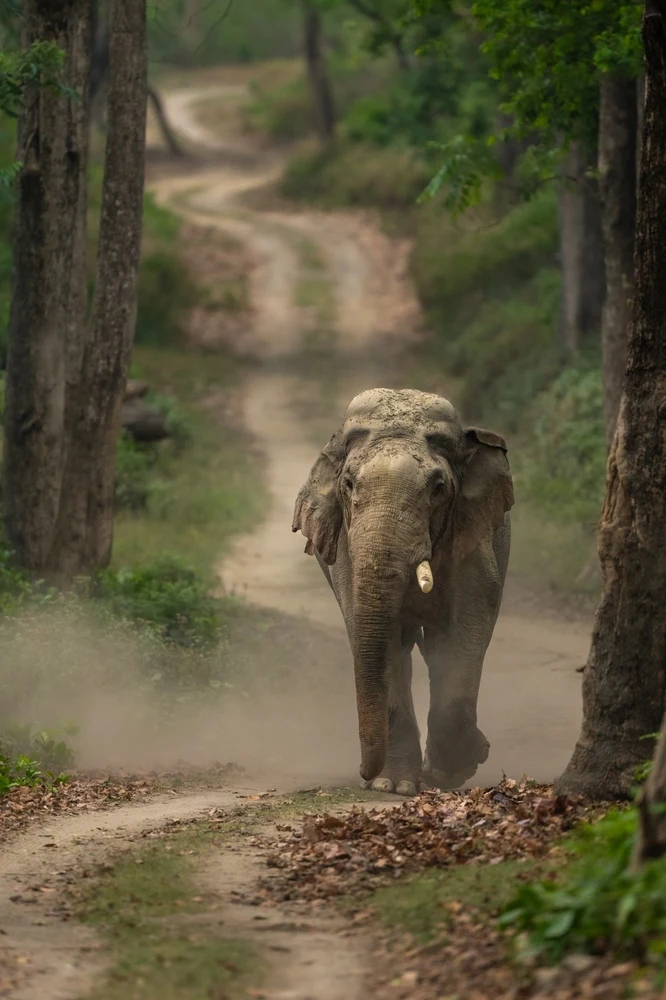
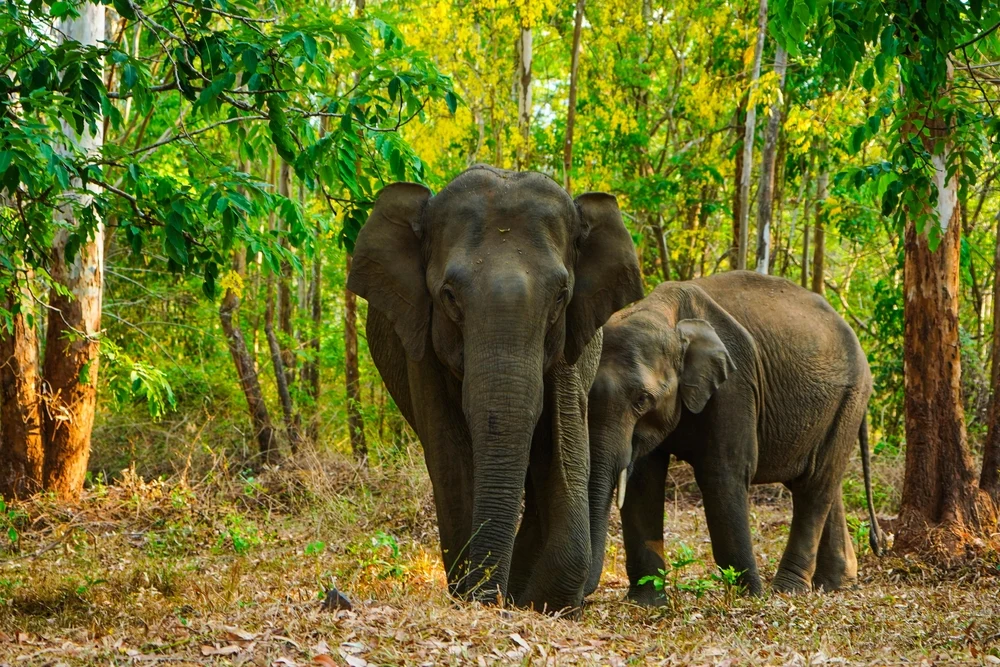
The Nilgiri Biosphere Reserve, which incorporates the entire Wayanad Wildlife Sanctuary, ranks among the world's most important protected landscapes for Asian elephants. The sanctuary is renowned as part of the landscape with one of the world's largest recorded populations of Asian Elephants and Bengal Tigers — figures that reflect the ecological capacity and connectivity of this vast multi-state forest system. The Muthanga range in particular is celebrated for elephant sightings: the bamboo groves flanking the main road through the sanctuary are among the finest elephant observation corridors in Kerala, with herds frequently visible in the early morning hours.
The Muthanga forests carry a significant historical resonance: these forests were the stage for the guerrilla campaign of Pazhassi Raja — Kerala's greatest freedom fighter, also known as the "Lion of Kerala" — who led armed resistance against both the Mysore Sultanate and the British East India Company from within these forest strongholds between 1793 and 1805. Pazhassi Raja's intimate knowledge of the terrain allowed his forces to conduct guerrilla warfare that proved extremely difficult for the British to counter. When he was finally killed in 1805, the British celebrated his death as a major strategic victory. The forests of Muthanga thus carry layers of meaning — ecological, cultural, and political — that give them a depth far beyond their wildlife value alone.
Geography & Ecological Connectivity
The Muthanga range occupies the southernmost portion of Wayanad Wildlife Sanctuary, separated from the northern Tholpetty range by commercial tea and coffee plantations that were cleared from what was once continuous forest. This separation creates an ecological gap that wildlife managers are working to address through landscape-level corridor programmes. Despite the break, Muthanga remains ecologically connected to the Karnataka and Tamil Nadu protected areas through its eastern and northeastern forest boundaries — enabling the movement of elephants, tigers, and other large mammals across a tri-state landscape.
The terrain of the Muthanga range features the characteristic hilly, forested landscape of the Western Ghats-Nilgiri junction zone, with the Karottimala peak (the highest point within the Wayanad Wildlife Sanctuary complex at 3,800 ft / approximately 1,158 m above sea level) visible from the range. The vegetation transitions from the moist deciduous teak forests of the lower elevations through semi-evergreen and West Coast semi-evergreen forest types on the mid-slopes, with bamboo groves (Dendrocalamus strictus) forming a distinctive and important habitat component along the valley floors.
Flora of Muthanga Wildlife Sanctuary
The moist deciduous forest of Muthanga is characterised by a canopy dominated by Teak (Tectona grandis), Maruthu (Terminalia arjuna), Karimaruthi (Terminalia crenulata), Rosewood (Dalbergia latifolia), Venteak (Lagerstroemia lanceolata), Vengal (Pterocarpus marsupium), Chadachi (Terminalia paniculata), and Mazhukanjiram. The semi-evergreen patches incorporate Veteria indica, Lagerstroemia lanceolata, and Terminalia paniculata in the upper storeys. Bamboo (Dendrocalamus strictus) forms dense thickets in the valley floors — critical feeding habitat for elephants and other herbivores.
The forest floor and understorey are rich with shrubs, climbers, medicinal herbs, and the distinctive scent of eucalyptus that fills the forest air (eucalyptus plantations occur along some zones of the forest). Coffee plantations — everywhere in the Wayanad landscape surrounding the sanctuary — create the characteristic Wayanad aroma of coffee blossom during flowering season. The forest edges support a diverse community of flowering herbs, epiphytic orchids, and shade-adapted ferns characteristic of the Western Ghats moist deciduous forest type.
Wildlife: Fauna of Muthanga Wildlife Sanctuary
Asian Elephant — The Defining Wildlife Experience
The Asian Elephant (Elephas maximus) is the flagship species and the most reliably sighted large mammal of Muthanga Wildlife Sanctuary. The Wayanad Wildlife Sanctuary complex supports approximately 900 Asian Elephants — an enormous population that reflects the exceptional carrying capacity of the Nilgiri Biosphere Reserve landscape. In Muthanga specifically, elephant herds are frequently visible in the bamboo groves flanking the main road through the sanctuary, particularly in the early morning safari slots. The sight of a multigenerational elephant herd moving through the bamboo forest or gathered at a waterhole is the defining wildlife experience of the Muthanga range.
Tiger & Large Predators
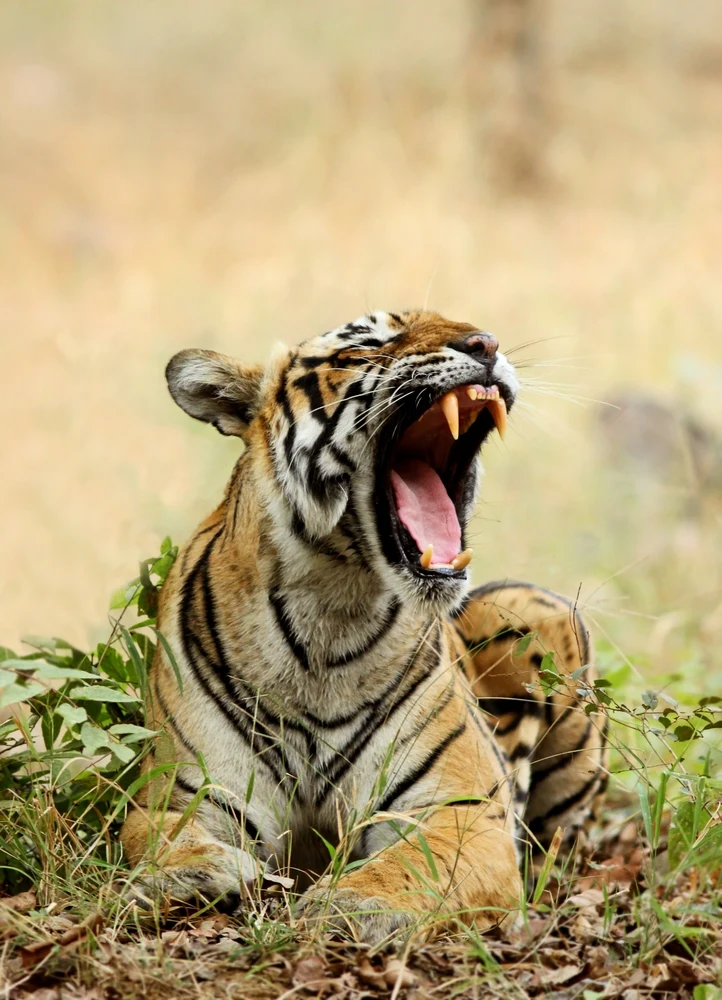
Bengal Tiger (Panthera tigris tigris) is present within the Muthanga range, with occasional sightings during morning and evening safaris — particularly near waterholes in the dry summer months. Indian Leopard and Dhole (Indian Wild Dog) are also present. Large felids tend to be more secretive here than in some dedicated tiger reserves, but patient, regular safari visitors do encounter them. The sanctuary was selected as a Project Elephant site precisely because of its role in the tri-state elephant landscape, and tiger management is also robust within the broader Wayanad sanctuary framework.
Complete Wildlife Roster
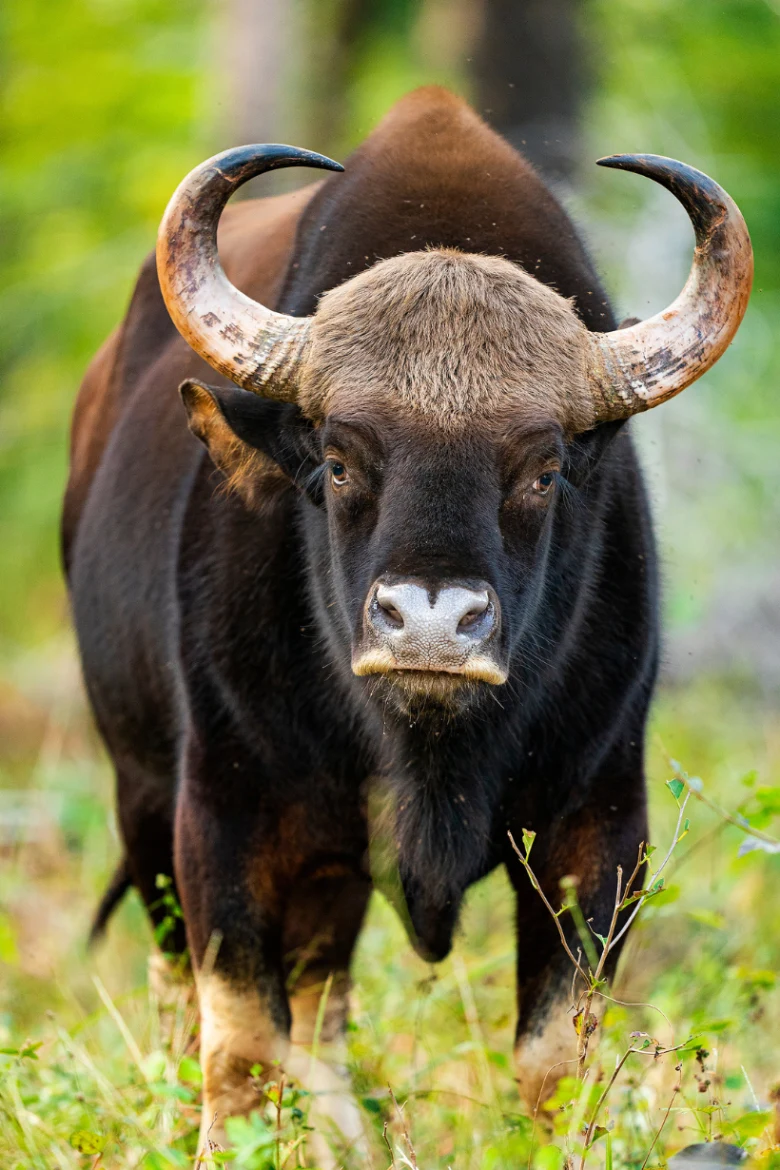
- Indian Bison / Gaur (Bos gaurus) — frequently sighted at forest edges
- Sloth Bear (Melursus ursinus) — found in the forested areas
- Indian Leopard, Jungle Cat, Leopard Cat
- Wild Dog / Dhole (Cuon alpinus)
- Sambar Deer, Spotted Deer (Chital), Barking Deer — important prey species
- Wild Boar, Indian Pangolin, Stripe-necked Mongoose
- Bengal Monitor Lizard, various snake species
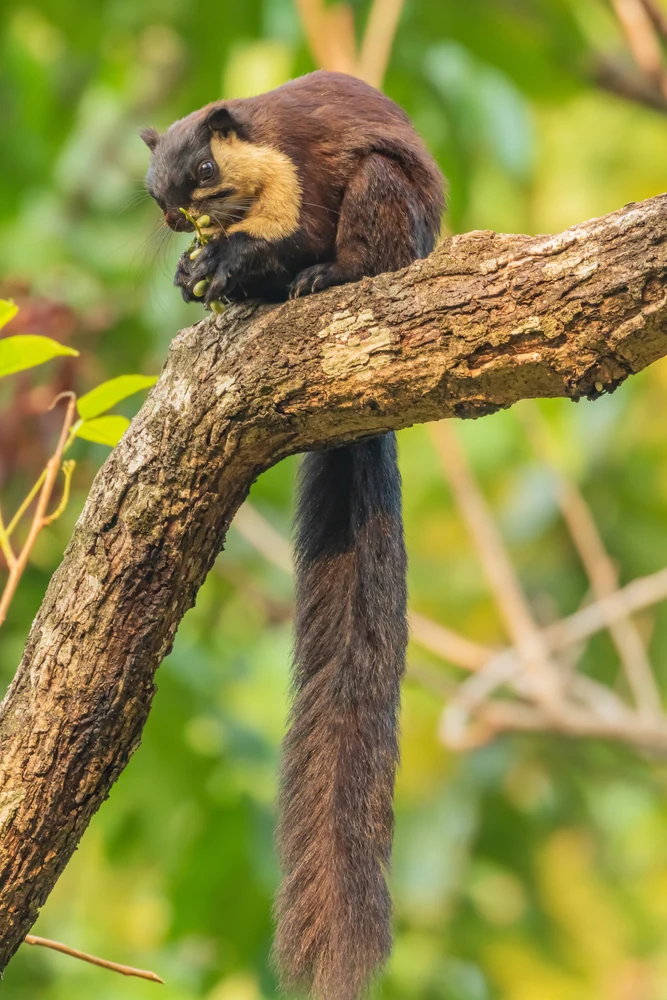
- Malabar Giant Squirrel — common in the forest canopy
- White-rumped Vulture (Critically Endangered), Red-headed Vulture (Critically Endangered) — flagship bird species of the Wayanad sanctuary
- Indian Peafowl — conspicuous and abundant along the safari route
- Babblers, Jungle Fowls, Woodpeckers, Kingfishers, Owls, Cuckoos
Safari Options at Muthanga
Jeep Safari — The Primary Experience
The jeep safari is Muthanga Wildlife Sanctuary's most popular and most rewarding visitor activity. The Forest Department organises two safari slots daily: morning (7:00 AM–10:00 AM, 40 jeeps maximum) and evening (3:00 PM–5:00 PM, 20 jeeps maximum). Each jeep accommodates a maximum of 7 passengers plus a guide. Jeep safari rate: Rs. 600 per person (maximum 7 persons). Trails are fixed — no detours are permitted. Advance online booking is not available for jeep safaris; visitors must arrive at the entrance counter at least 30–60 minutes before the safari slot to secure a spot, particularly at weekends and peak season. The 2-hour jeep safari is the highlighted eco-tourism programme of Wayanad, providing the finest opportunity for wildlife sightings.
Bus Safari
A more affordable bus safari option is also available, covering the same fixed forest trails at a larger group scale. The bus safari is conducted during the same morning and afternoon slots (7:00 AM–10:00 AM and 3:00 PM–5:00 PM). Each safari lasts approximately 1 hour 15 minutes. This is a good option for large families or budget visitors. Arrive at least 30 minutes before the safari start time.
Trekking & Nature Walks
Guided trekking programmes are available at Muthanga for visitors who wish to explore the forest on foot under guide supervision. All visitors are restricted to the designated tourist zone; the inner zone, which has higher wildlife density, is restricted to Forest Department officials and wildlife researchers with special permits. Tribal folklore experiences and elephant camp visits are available as part of package programmes managed by the Forest Department.
How to Reach Muthanga Wildlife Sanctuary
By Air
Calicut (Kozhikode) International Airport (IATA: CCJ) — approximately 110–120 km from Muthanga (approximately 3 hours by road via Kalpetta). Kannur International Airport (IATA: CNN) — approximately 120 km (3 hours). From both airports, take a taxi or KSRTC bus to Sulthan Bathery (97 km from Kozhikode, approximately 2.5 hours), then proceed 14–16 km to the sanctuary.
By Rail
Mysore Railway Station (Karnataka) — approximately 92 km from Muthanga (approximately 2 hours via Gundlupet). Kozhikode (Calicut) Railway Station — approximately 97–117 km (approximately 3–3.5 hours). From Mysore, take the road via Gundlupet–Wayanad. From Kozhikode, take the mountain road via Kalpetta–Sulthan Bathery.
By Road
Muthanga is situated on the Sulthan Bathery–Mysore highway (near the Kerala–Karnataka border). Key distances: Sulthan Bathery — 14–16 km (30 minutes); Kalpetta — 39 km (1 hour); Kozhikode — 97 km (2.5 hours); Mysore — 92 km (2 hours, via Gundlupet); Bengaluru — approximately 275 km (5.5 hours); Ooty — approximately 100 km (2.5 hours). Note: the Muthanga–Gundlupet road through the forest closes at 9:00 PM and reopens at 6:00 AM; plan your travel accordingly if coming from Mysore/Bengaluru direction.
Best Time to Visit Muthanga
October to March (Best Overall — Recommended)
Winter months are ideal for birdwatching and general forest experience. Wildlife activity is good; temperatures comfortable (11–25°C). Migratory birds augment resident species. This is the peak tourist season.
April to June (Summer — Best for Elephant & Large Mammal Sightings)
Summer heat drives animals to water sources, dramatically concentrating wildlife near waterholes and stream edges. The bamboo groves are most productive for elephant sightings in April–June. Dawn safaris (7:00 AM) are essential during summer heat.
July to September (Monsoon — Limited Access)
The sanctuary may be partially or fully closed during peak monsoon (confirm current status before visiting). The forest is lush and green but trail conditions are slushy and visibility poor for wildlife observation. Not recommended for wildlife viewing.
Entry Fees & Timings
- Park entry: Rs. 10/Indian adult; Rs. 100/foreign national; Rs. 25 for still camera
- Jeep safari: Rs. 600/person (max 7 per jeep) — morning slot and evening slot
- Bus safari: Lower rate — confirm current fees at entrance counter
- Safari timings: Morning 7:00–10:00 AM; Evening 3:00–5:00 PM
- Maximum jeeps: 40 (morning); 20 (evening)
- Forest Department rest houses available for overnight stay
- Contact: Wildlife Warden, Muthanga Wildlife Sanctuary, Sulthan Bathery — +91 85476 03561 / +91 4936 271015
Accommodation Options
- Forest Department Rest Houses (Muthanga range): Basic government accommodation inside the sanctuary, managed by the Kerala Forest Department. Contact the Wildlife Warden for availability and booking.
- Sulthan Bathery (14–16 km): The nearest town, with multiple hotels and resorts ranging from budget guesthouses to mid-range properties.
- Kalpetta (39 km): The main commercial town of Wayanad with wider accommodation options.
- Mananthavady (for Tholpetty range, 25–30 km): Recommended base for visitors combining Muthanga and Tholpetty.
- Forest resorts along the approach road: Several eco-lodges and resorts along the Sulthan Bathery–Mysore road offer comfortable stays with easy access to the sanctuary.
Nearby Attractions
Tholpetty Wildlife Range (Northern Wayanad, ~60 km)
The northern eco-tourism range of Wayanad Wildlife Sanctuary — bordering Nagarhole National Park in Karnataka — offers a complementary wildlife experience with 1.5-hour jeep safaris and guided trekking (8:00 AM–1:00 PM). Visitors can drive their own vehicles up to 20 km inside with a mandatory forest department guide.
Thirunelly Temple (~20 km from Tholpetty)
One of Kerala's oldest and most sacred Vishnu temples, situated in the forested hills of northern Wayanad, Thirunelly is an architecturally significant 3,000-year-old shrine surrounded by beautiful forest scenery.
Edakkal Caves (~40 km from Muthanga)
Ancient Neolithic-period cave shelters at Ambukuthi Hills near Ambalavayal, featuring rock engravings estimated to be 5,000–8,000 years old — one of the finest examples of rock art in Kerala and evidence of human habitation in Wayanad since prehistoric times.
Chembra Peak (~50 km)
Wayanad's highest peak at 2,100 m, a popular trekking destination with a heart-shaped lake on the slopes and panoramic Western Ghats views. Day trek requires forest department permit.
Pazhassi Raja's Tomb (~20 km from Mananthavady)
The memorial tomb of Kerala's legendary freedom fighter Pazhassi Raja, who fought both the Mysore sultans and the British from these very Wayanad forests. A pilgrimage for Kerala history enthusiasts.
Travel Tips for Muthanga Wildlife Sanctuary
- Arrive at the sanctuary entrance gate at least 30–60 minutes before safari start time. There is no advance online booking for jeep safaris — first-come, first-served at the counter.
- Morning safaris (7:00–10:00 AM) are significantly more productive for wildlife sightings than evening; plan your day around the morning slot if wildlife is your priority.
- The road from Muthanga toward Gundlupet (Karnataka) closes at 9:00 PM and opens at 6:00 AM. If arriving from Mysore or Bengaluru direction, ensure you cross the forest before 9:00 PM.
- Elephant sightings are most reliable in the bamboo grove sections flanking the main forest road — these areas are best in the early morning.
- Plastic is strictly prohibited inside the sanctuary. Carry reusable bottles.
- Wildlife sightings are not guaranteed — patience and multiple visits significantly improve probability. Consider staying 2–3 nights in Sulthan Bathery for the best experience.
- Combine Muthanga with a visit to Tholpetty range for a comprehensive Wayanad wildlife experience.
Frequently Asked Questions (FAQ) - Muthanga Wildlife Sanctuary
Is Muthanga Wildlife Sanctuary the same as Wayanad Wildlife Sanctuary?
Yes and no. Muthanga Wildlife Sanctuary is one of four ranges within the larger Wayanad Wildlife Sanctuary (344.44 sq km). "Muthanga" specifically refers to the southern eco-tourism range near Sulthan Bathery, which borders Mudumalai and Bandipur. "Tholpetty" is the other major tourist range in the north. When people refer to "Muthanga Sanctuary," they typically mean this southern range.
How many elephants are in Wayanad Wildlife Sanctuary?
Wayanad Wildlife Sanctuary supports approximately 900 Asian Elephants - one of the world's largest concentrations of Asian elephants in a protected area. This population is part of the broader Nilgiri Biosphere Reserve elephant meta-population. Muthanga range is particularly celebrated for elephant sightings in its bamboo groves.
What are the jeep safari timings and fees at Muthanga?
Jeep safaris operate in two daily slots: morning (7:00-10:00 AM, 40 jeeps) and evening (3:00-5:00 PM, 20 jeeps). Fee: Rs. 600/person for a maximum of 7 passengers. Advance booking is not available - arrive 30-60 minutes before the start time to secure a jeep. A bus safari option is also available at lower cost.
When is Muthanga Wildlife Sanctuary best visited?
pril to June is best for elephant and large mammal sightings (wildlife concentrates near water in the heat). October to March is best for comfortable weather and birdwatching. Avoid July-September (peak monsoon) when trails are slushy and visibility poor.
What is Muthanga's connection to the Nilgiri Biosphere Reserve?
Muthanga Wildlife Sanctuary is part of the Nilgiri Biosphere Reserve - a UNESCO-designated biosphere reserve spanning parts of Kerala, Karnataka, and Tamil Nadu. Through Muthanga, Wayanad connects to Bandipur National Park (Karnataka, northeast) and Mudumalai National Park (Tamil Nadu, southeast), forming part of the largest contiguous protected forest corridor in Asia.
How do I reach Muthanga from Mysore?
From Mysore, take the Mysore-Wayanad highway via Gundlupet to Sulthan Bathery (approximately 92 km, 2 hours). From Sulthan Bathery, the Muthanga sanctuary entrance is 14-16 km further on the Mysore Road. Important: the forest road through Muthanga closes at 9:00 PM - plan your travel to arrive before this time.
What is the historical significance of the Muthanga forest?
The Muthanga forests were the theatre of operations for Pazhassi Raja (c.1753-1805), Kerala's legendary freedom fighter who conducted guerrilla warfare against both the Mysore Sultanate and the British East India Company from within these hills. His knowledge of the terrain enabled years of successful resistance. The forests of Muthanga thus carry deep layers of historical and cultural significance alongside their ecological importance.
Are tigers easily spotted at Muthanga Wildlife Sanctuary?
Tiger sightings at Muthanga are possible but not common for casual visitors. The sanctuary forms part of the larger Wayanad Wildlife Sanctuary which supports a tiger population within the Nilgiri Biosphere Reserve landscape. Sightings are most probable during summer morning safaris (April-June) near waterholes. Muthanga is primarily celebrated for elephant, gaur, and general forest wildlife viewing rather than tiger-focused safari.
Can I stay overnight at Muthanga Wildlife Sanctuary?
Forest Department rest houses are available inside the Muthanga range, bookable through the Wildlife Warden office (Tel: +91 4936 271015). Private hotels and resorts are available in Sulthan Bathery (14-16 km) and Kalpetta (39 km).
What are 17 anti-poaching stations for?
Wayanad Wildlife Sanctuary has 17 anti-poaching stations installed inside the sanctuary to prevent illegal hunting of wildlife. This strong protection infrastructure is part of why the sanctuary maintains one of the world's largest elephant populations and a healthy predator community.