




About Panna Tiger Reserve
Panna Tiger Reserve, set against the dramatic backdrop of the Vindhyan ranges in Madhya Pradesh, is one of India’s most remarkable conservation comeback stories. Once stripped of its entire tiger population by 2009, a bold reintroduction programme has revived Panna Tiger Reserve into a thriving habitat now sheltering over 70 tigers. The majestic Ken River – one of the least polluted tributaries of the Yamuna – flows 55 km through the reserve, creating stunning gorges, waterfalls, and vital habitats for gharials and mugger crocodiles. Designated a UNESCO Biosphere Reserve in 2020, Panna Tiger Reserve seamlessly blends wildlife adventure with geological wonders, diamond heritage, and proximity to the UNESCO World Heritage Site of Khajuraho. Whether you seek a tiger safari, a tranquil boat ride, or an exploration of ancient caves, Panna Tiger Reserve delivers an experience unlike any other Indian national park.
- Area1,574 sq km
- Established1981
- StateMadhya Pradesh
- DistrictsPanna & Chhatarpur
- Total Zones5
Panna Travel Guide
Biodiversity

Wildlife
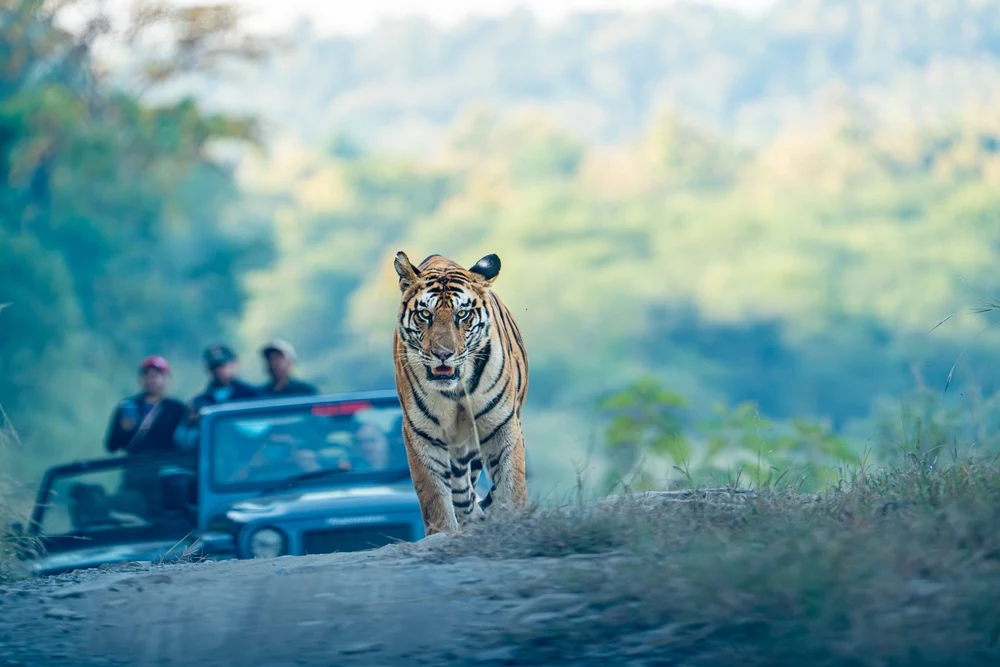
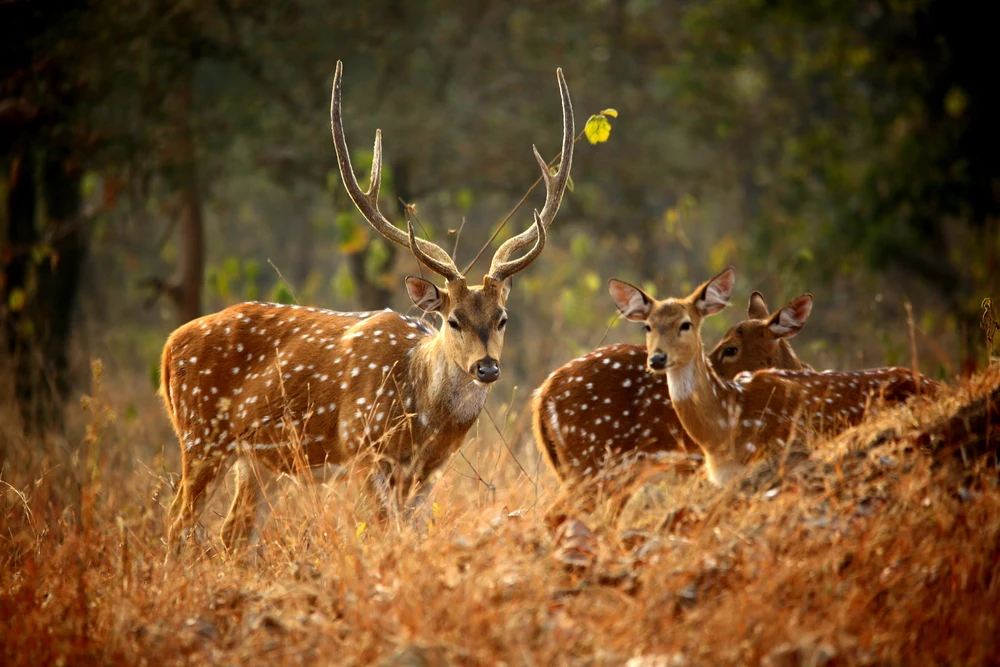
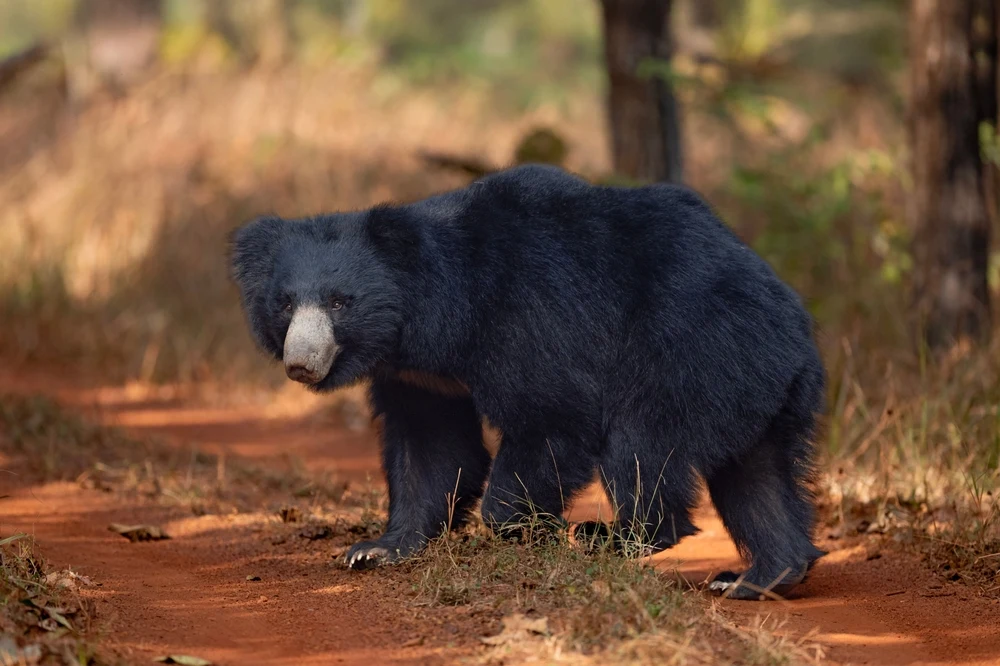
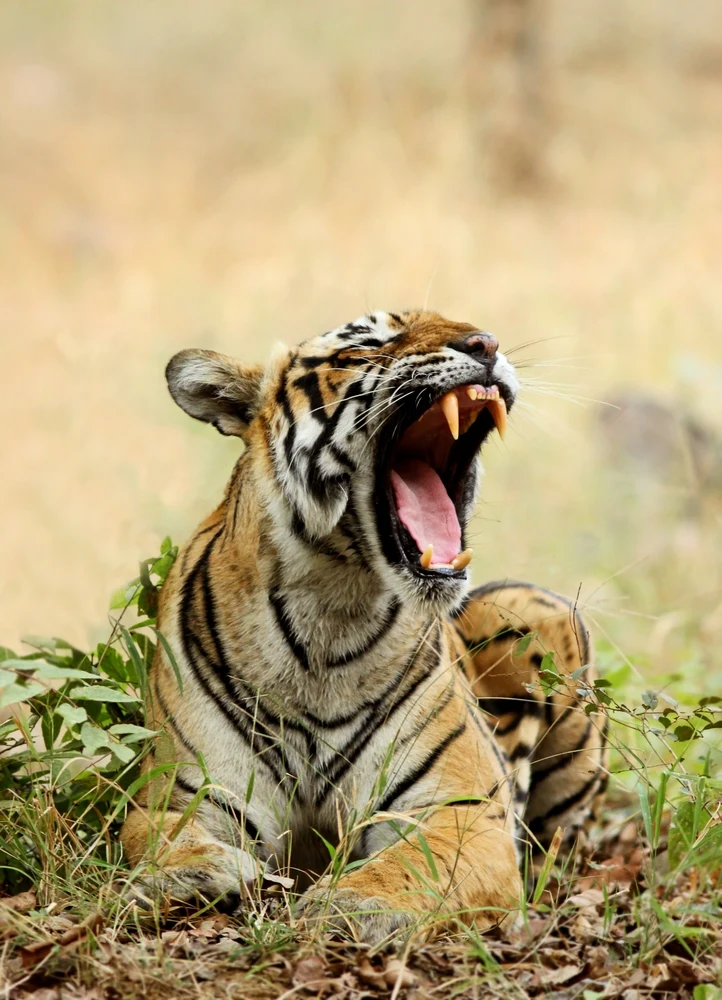
Panna Tiger Reserve shelters Bengal tigers, leopards, sloth bears, wolves, wild dogs, caracals, rusty-spotted cats, chital, sambar, nilgai, chinkara, and four-horned antelope.

Flora
Panna Tiger Reserve features dry deciduous forests with teak, kardhai, and tendu trees, interspersed with grasslands and riverine vegetation along Ken River, supporting diverse flora and ecological balance.

Landscape
Dramatic Vindhyan plateau terrain with deep gorges, sandstone canyons, dry deciduous teak forests, open grasslands, cascading waterfalls, and the meandering Ken River.
Safari Guide
Best Time to Visit
Things to Do
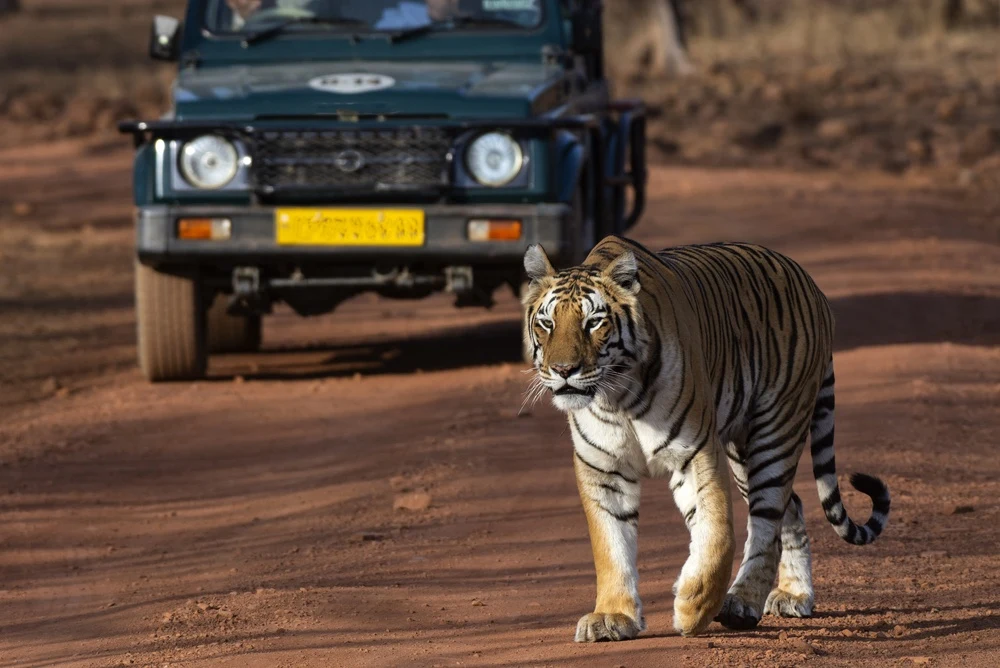
Jeep Safari
Explore the Madla and Hinauta zones in open 4x4 vehicles with naturalists, tracking tigers across plateau and riverine habitat.

Bird Watching
Spot over 200 species including vultures, kingfishers, paradise flycatchers, and migratory waterfowl along the Ken River corridor.

Ken River Boat Safari
Glide along the Ken River spotting gharials, mugger crocodiles, otters, mahseer fish, and nesting birds from a unique water-level perspective.

Visit Pandav Falls
Witness the spectacular 30-metre waterfall set amid dense forest – linked to Pandava legends and ideal for photography.
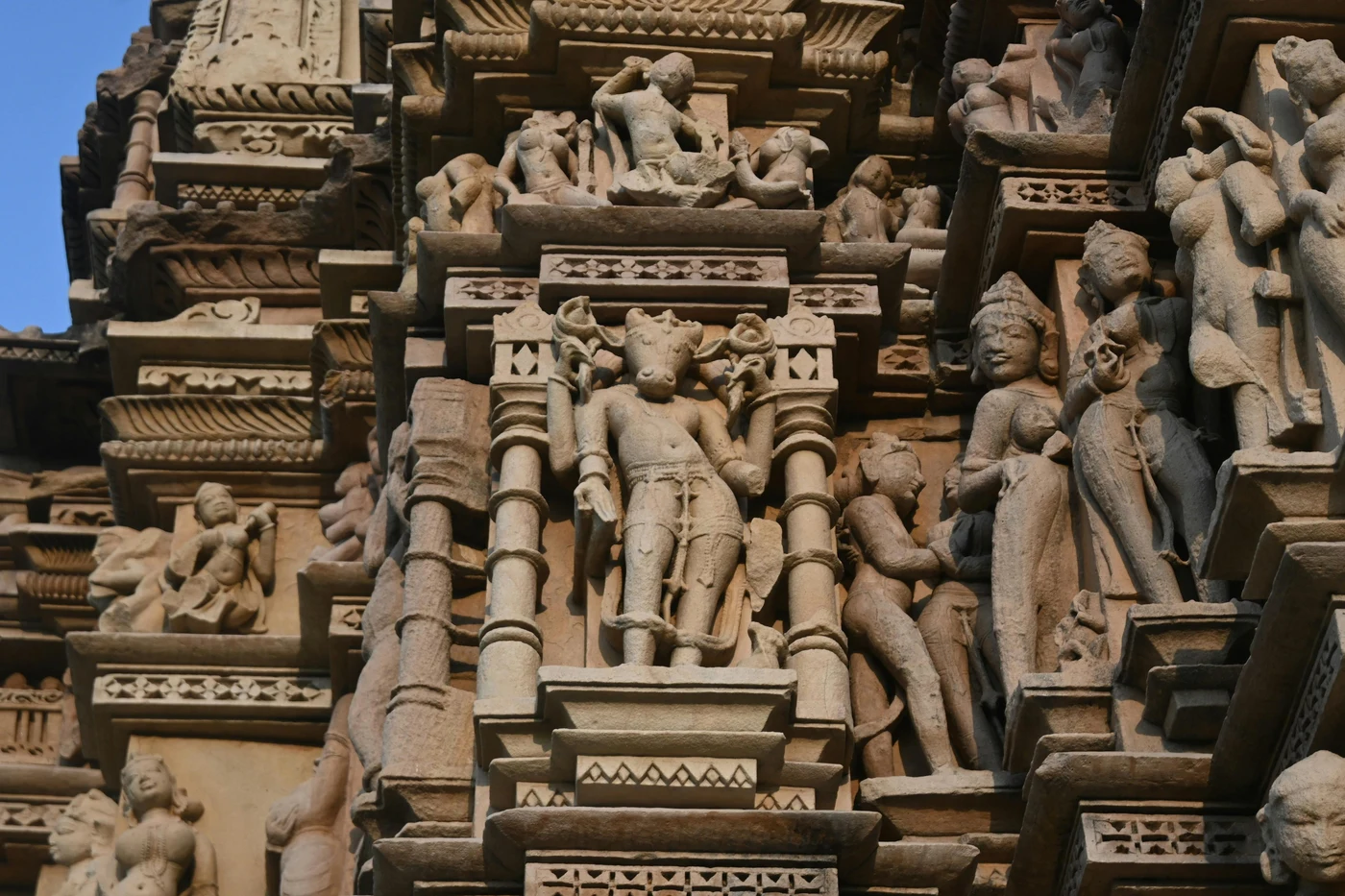
Explore Khajuraho
Day-trip to the UNESCO World Heritage Khajuraho Group of Monuments, just 25 km away, renowned for exquisite medieval temple sculptures.

Photography
Capture dramatic canyon landscapes at Raneh Falls, tigers against Vindhyan backdrops, and Ken River wildlife from close range.

Nature Walk
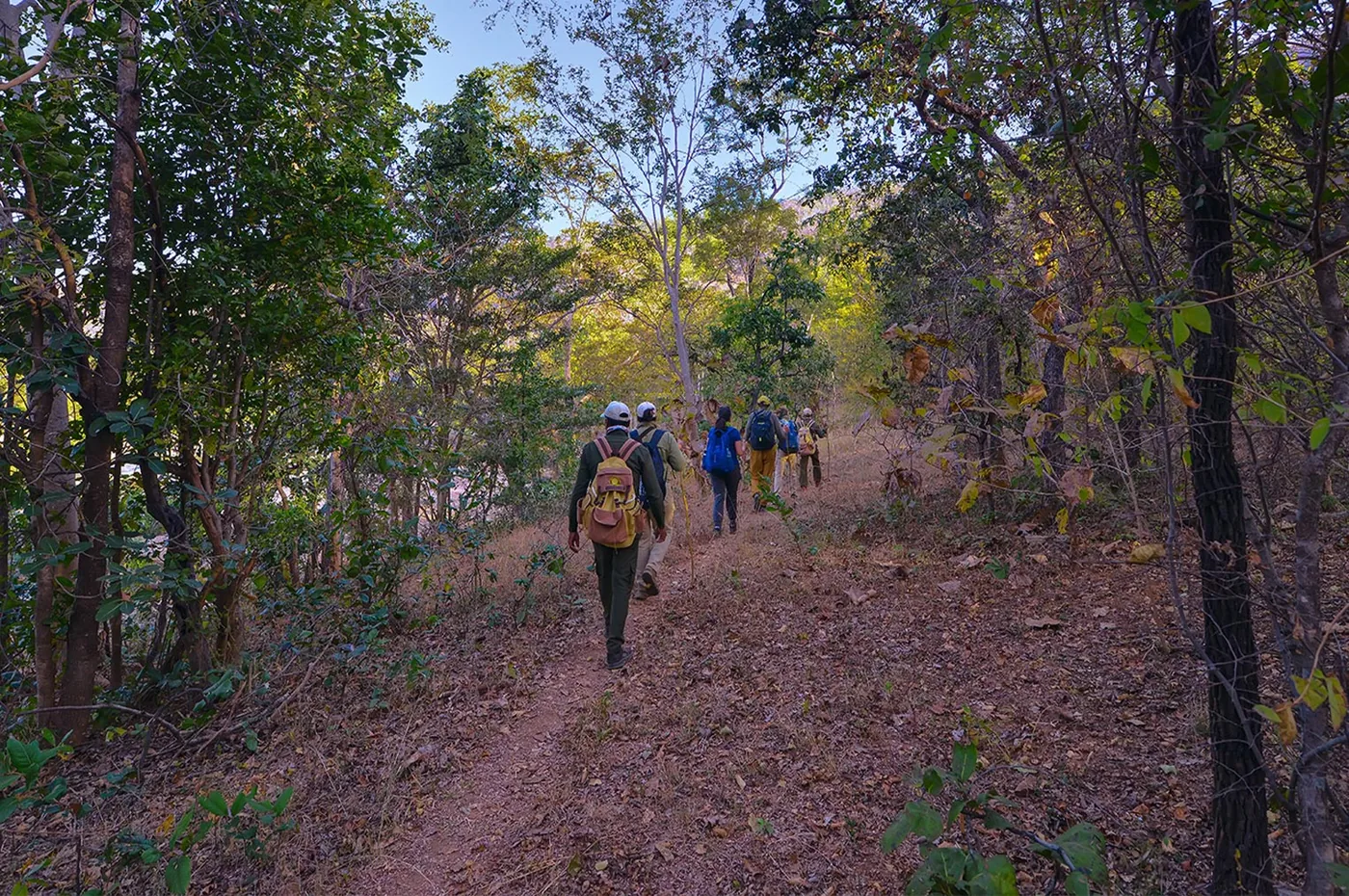
Guided walks through buffer zones exploring tribal heritage, Neolithic rock art sites, and dry deciduous forest ecology.

Bush Dinner
Dine under the stars at curated forest-edge setups by premium lodges, accompanied by campfire tales of Panna's tiger revival.

Sundowners
Enjoy golden-hour beverages overlooking the Ken River gorge as the Vindhyan landscape transforms with the setting sun.
How to Reach
Attractions

Pandav Falls & Caves
A 30-metre cascading waterfall with ancient caves linked to the Pandava exile legend, set amid lush forest.

Raneh Falls Canyon
A stunning volcanic canyon of granite and dolomite formations with Ken River cascades – a geological marvel.

Ken River
A pristine perennial river flowing 55 km through the reserve, sustaining gharials, crocodiles, otters, and mahseer.

Jugal Kishore Temple
A historic temple in Panna town dedicated to Lord Krishna, reflecting the region's rich Bundeli architectural heritage.

Baldeoji Temple
An ancient temple known for its intricate carvings and cultural significance in the Panna township area.

Mahamati Prannathji Temple
A revered pilgrimage site of the Pranami sect, featuring impressive domes and spiritual significance.

Khajuraho Group of Monuments
UNESCO World Heritage Site just 25 km away – medieval Hindu and Jain temples with celebrated sculptural artistry.

Brihaspati Kund
A sacred natural pool formed by a waterfall on the Ken River, surrounded by dense forest and rocky terrain.

Ajaygarh Fort
A hilltop Chandela-era fortress offering panoramic views and ancient rock-cut tanks, about 35 km from the reserve.
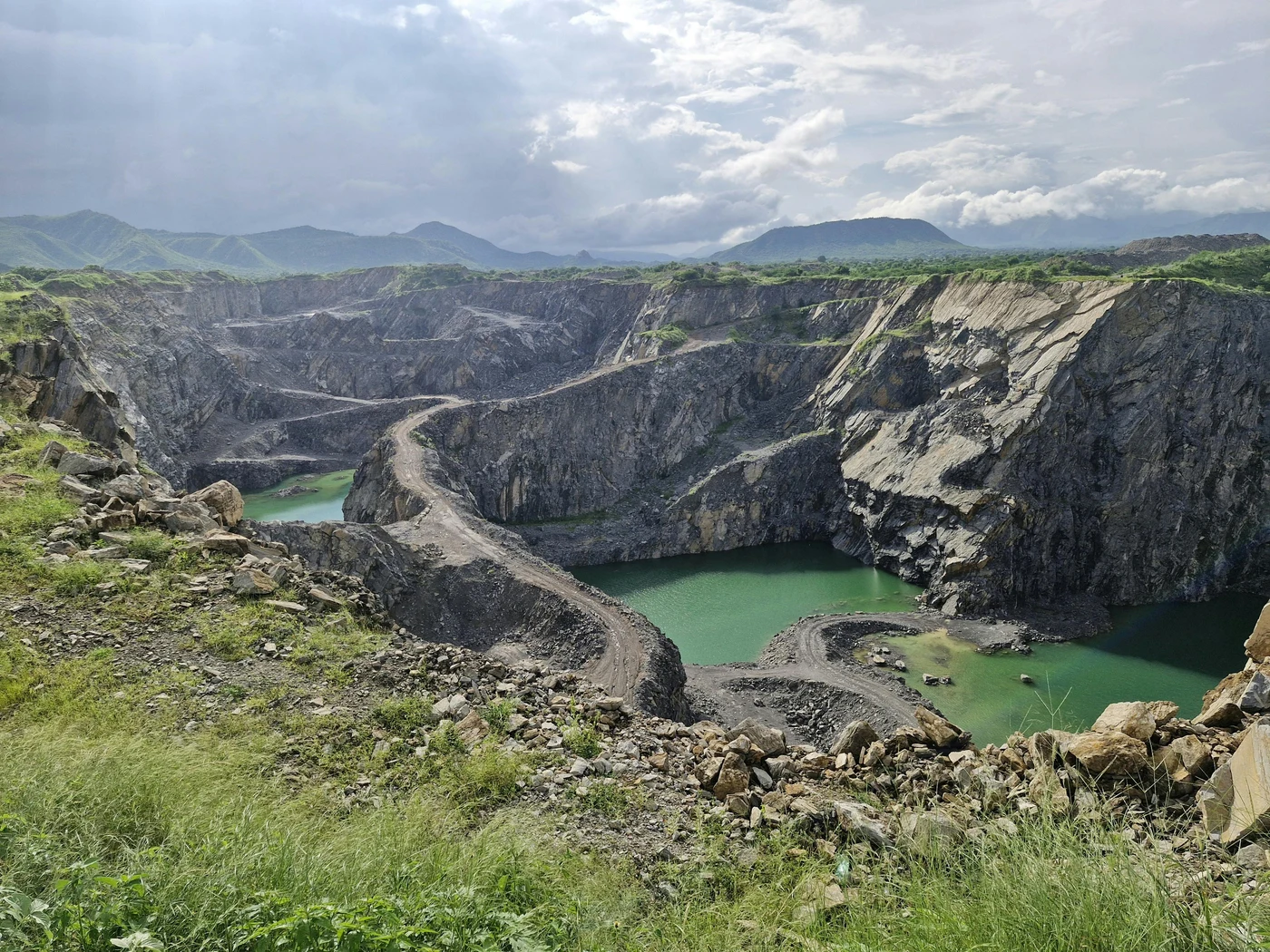
Diamond Mines (Panna Mines)
India's only diamond-producing region – visit the mines and learn about Panna's centuries-old diamond heritage.

Madla & Hinauta Gate Zones
The two core safari entry points, each with interpretive museums showcasing local wildlife and tribal pictographs.

Ken Gharial Sanctuary
A protected stretch of the Ken River dedicated to the critically endangered gharial and mugger crocodile populations.
Panna Tour Packages
From tiger safaris along the Ken River to exclusive wilderness retreats, every Panna package is designed around your interests, pace, and adventure.

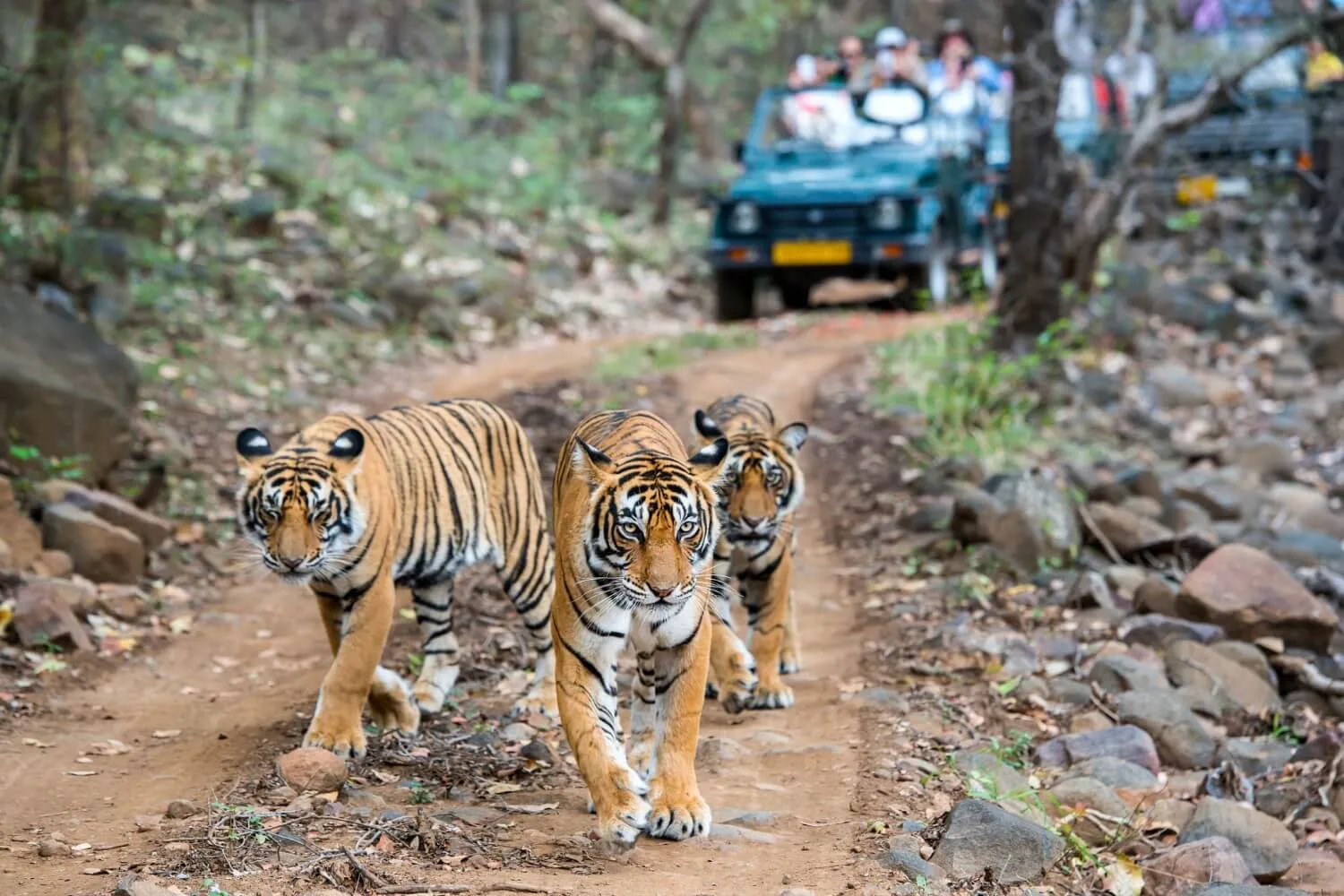





Panna Hotels & Resorts — Luxury Jungle Lodges
We partner with Panna's premier jungle lodges and riverside retreats—carefully selected for their comfort, personalized service, and unforgettable wilderness escapes.
Stay at Panna Tiger Reserve's finest handpicked wildlife lodges, where comfort meets the untamed wilderness.











Signature Experiences, Curated Around Panna
From nature-based adventures and cultural discoveries to scenic wilderness experiences, every moment is designed to enrich your Panna journey.



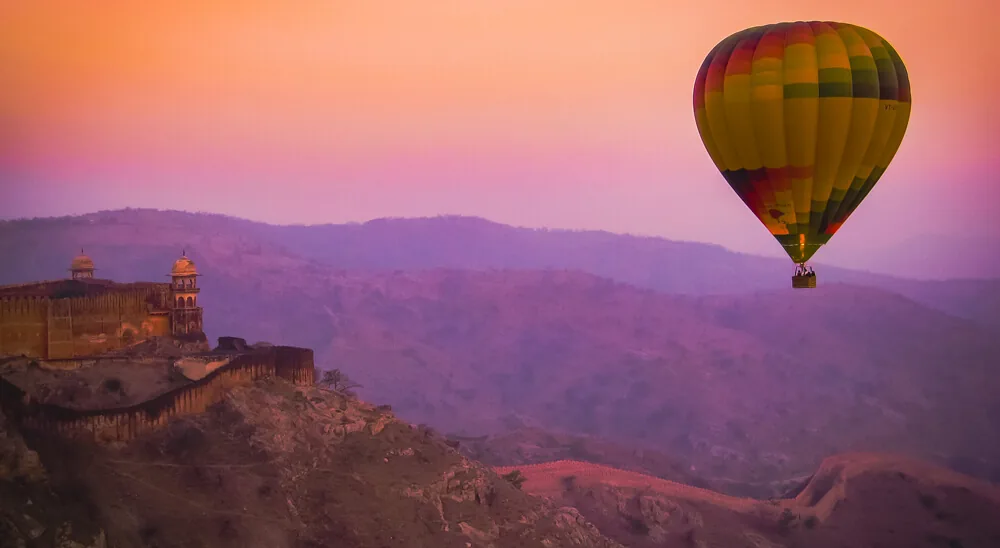







Nearby Destinations to Panna

Khajuraho
UNESCO Temple Heritage

Orchha
Bundela Dynasty Splendour

Bandhavgarh National Park
Highest Tiger Density

Satna
Rail Gateway City

Chitrakoot
Sacred Ramayan Pilgrimage

Ajaygarh
Chandela Hilltop Fort

Jhansi
Historic Rani Lakshmibai City
Other Parks in Madhya Pradesh


Other Parks in India






Panna Tiger Reserve FAQ's
Where is Panna Tiger Reserve located?
Panna Tiger Reserve is located in the Panna and Chhatarpur districts of Madhya Pradesh, India, within the Vindhyan mountain ranges. It lies just 25 km from the UNESCO World Heritage Site of Khajuraho and approximately 90 km from Satna. The reserve straddles the Ken River in northern Madhya Pradesh near the Uttar Pradesh border.
What is Panna Tiger Reserve famous for?
Panna Tiger Reserve is famous for India's most successful tiger reintroduction programme. After losing all tigers to poaching by 2009, the reserve has rebuilt its population to over 70 tigers. It is also known for the Ken River flowing through it, stunning Raneh Falls canyon, proximity to Khajuraho, India's only diamond mines, and its designation as a UNESCO Biosphere Reserve in 2020.
What is the best time to visit Panna Tiger Reserve?
The best time to visit Panna Tiger Reserve is November to March for pleasant weather and excellent bird-watching. April to June offers the highest tiger sighting probability despite intense heat. The core zones are closed during the monsoon from July to mid-October. The Ken River boat safari is best enjoyed during winter months.
Is Panna Tiger Reserve open throughout the year?
No. The core zones of Panna Tiger Reserve are open from 16th October to 30th June. The park remains closed during the monsoon season (July to mid-October). Buffer zones may remain partially accessible during the monsoon with limited safari options including night safaris from the Harsa gate.
How many tigers are there in Panna Tiger Reserve?
Panna Tiger Reserve currently supports approximately 70 or more tigers including adults and cubs. This is a remarkable achievement considering the reserve had zero tigers in 2009. The successful reintroduction programme has been internationally acclaimed as one of the best large-carnivore recovery projects globally.
What animals can be seen in Panna Tiger Reserve?
Besides Bengal tigers, Panna Tiger Reserve is home to leopards, sloth bears, Indian wolves, wild dogs (dhole), caracals, rusty-spotted cats, chital, sambar, nilgai, chinkara, four-horned antelope, wild boar, and Indian python. The Ken River hosts gharials, mugger crocodiles, smooth-coated otters, and mahseer fish. Over 200 bird species inhabit the reserve.
Which safari zones are best in Panna Tiger Reserve?
Panna Tiger Reserve has two core entry gates – Madla and Hinauta. Madla is the oldest and most popular zone, closer to Khajuraho, and offers both jeep and boat safaris on the Ken River. Hinauta provides a quieter, more rugged landscape experience. Unlike many other reserves, Panna doesn't have strict zone divisions; vehicles can wander freely within the open tourism area.
How many days are enough for Panna Tiger Reserve?
A minimum of 2–3 days is recommended for Panna Tiger Reserve to experience multiple jeep safaris, a Ken River boat ride, and visit Pandav Falls and Raneh Falls. Adding a day for Khajuraho temples makes for an ideal 3–4 day itinerary. Combining with Bandhavgarh creates a comprehensive 6–7 day Central India wildlife circuit.
How to reach Panna Tiger Reserve?
Fly to Khajuraho Airport (25 km, 45 minutes by taxi) with flights from Delhi and Varanasi. By train, reach Satna Junction (90 km) or Khajuraho Railway Station (25–40 km). By road, Panna Tiger Reserve is on NH 39 and accessible from Khajuraho, Satna, Jhansi, and Chhatarpur. Lodge transfers from Khajuraho are the most convenient option.
Is Panna Tiger Reserve better than Bandhavgarh National Park or Kanha National Park?
Each park offers a unique experience. Bandhavgarh has the highest tiger density, Kanha has vast meadows and the barasingha. Panna Tiger Reserve's USP is its river-based ecosystem with boat safaris, gharials, dramatic canyon landscapes, diamond heritage, and proximity to Khajuraho. Panna sees fewer crowds, making it ideal for a more intimate wildlife experience.
Is Panna Tiger Reserve worth visiting?
Absolutely. Panna Tiger Reserve offers a unique combination of tiger safaris, Ken River boat rides, stunning geological formations like Raneh Falls, ancient Pandav caves, proximity to Khajuraho, and India's diamond heritage. Its UNESCO Biosphere Reserve status and remarkable conservation story add depth to the experience. The lower tourist density compared to Bandhavgarh or Kanha makes it a rewarding choice.
What are the main nearby attractions of Panna Tiger Reserve?
Key nearby attractions include Khajuraho Group of Monuments (25 km, UNESCO World Heritage), Raneh Falls Canyon (25 km), Pandav Falls & Caves (within the reserve), Ajaygarh Fort (35 km), Panna Diamond Mines (15 km), Ken Gharial Sanctuary (within the reserve), Brihaspati Kund, Orchha (175 km), and Chitrakoot (150 km).
What types of safaris are available in Panna Tiger Reserve?
Panna Tiger Reserve offers jeep safaris (morning and evening, 3–4 hours each), Ken River boat safaris for unique water-level wildlife encounters, night patrol safaris in the buffer zone from Harsa gate (6:30–9:30 PM), and guided nature walks. Full-day safaris are available for photography enthusiasts and researchers.
Are online safari bookings available for Panna Tiger Reserve?
Yes. Safari permits for Panna Tiger Reserve can be booked online through Wild Enthusiast’s safari booking third party platform up to 120 days in advance. Tatkal bookings open at 5 PM for the next day. A valid government ID is required. Advance booking is recommended, especially for peak season (November–May) and weekends.
What is special about Panna Tiger Reserve?
Panna Tiger Reserve is special for multiple reasons: it is India's greatest tiger comeback story; a UNESCO Biosphere Reserve since 2020; the only tiger reserve with a major river (Ken) flowing through it offering boat safaris; home to gharials and crocodiles; located just 25 km from Khajuraho; and situated in India's only diamond-producing region.
Is Panna Tiger Reserve safe for tourists?
Yes, Panna Tiger Reserve is completely safe for tourists. All safaris are conducted with trained guides and drivers in approved vehicles. Park rules include maintaining a safe distance from wildlife (20+ metres), staying inside the vehicle, and following guide instructions. The reserve has well-managed infrastructure and the tourism zones have regular patrolling.
Can Panna Tiger Reserve be visited as a day trip from Khajuraho?
Yes. Since Panna Tiger Reserve is only 25–30 km from Khajuraho, a morning or evening safari can easily be done as a day trip. However, to maximise wildlife sighting chances and include the boat safari and waterfall visits, staying overnight near the park for at least 2 days is strongly recommended.
About Panna Tiger Reserve
Panna Tiger Reserve is a phoenix of Indian wildlife conservation. Located in the Vindhyan ranges of northern Madhya Pradesh, this reserve encompasses 1,574 sq km across the Panna and Chhatarpur districts. The Ken River – one of the sixteen perennial rivers of Madhya Pradesh and the least polluted tributary of the Yamuna – bisects the reserve for 55 km, creating a uniquely river-centric wildlife ecosystem that sets Panna apart from any other tiger reserve in India.
Originally established as a national park in 1981 from the former hunting preserves of the Panna, Chhatarpur, and Bijawar princely states, it was designated India's 22nd Tiger Reserve and Madhya Pradesh's fifth in 1994. In 2007, the Ministry of Tourism awarded Panna Tiger Reserve the Award of Excellence as the best-maintained national park in India. In 2020, UNESCO designated the Panna Biosphere Reserve, encompassing 2,999 sq km including the national park, Gangau Wildlife Sanctuary sections, and surrounding forest divisions.
But Panna's most compelling story is one of loss and recovery. By 2009, the entire tiger population had been wiped out by poaching – a devastating failure that made international headlines. The government's response was swift and ambitious: a tiger reintroduction programme that translocated tigers from Bandhavgarh, Kanha, and Pench reserves. Today, Panna Tiger Reserve hosts over 70 tigers and has become a globally cited model for large-carnivore population restoration.
Quick Facts about Panna Tiger Reserve
| Feature | Details |
|---|---|
| Full Name | Panna Tiger Reserve (Panna National Park) |
| Location | Panna & Chhatarpur Districts, Madhya Pradesh, India |
| Total Area | 1,574 sq km |
| Core Zone | 542 sq km |
| Buffer Zone | 1,032 sq km |
| Biosphere Reserve Area | 2,999 sq km (UNESCO, 2020) |
| Tiger Population | 70+ (post-reintroduction recovery) |
| Bird Species | 200+ |
| Key River | Ken River (55 km through the park) |
| Core Safari Gates | 2 (Madla, Hinauta) |
| Best Time to Visit | November to June |
| Park Closure (Core) | July to mid-October (Monsoon) |
| UNESCO Status | Biosphere Reserve (designated 2020) |
| Award | Award of Excellence, Ministry of Tourism (2007) |
Panna Tiger Reserve occupies the northern extremity of the Vindhyan range, where the tropical dry deciduous forests give way to the Upper Gangetic Plains. The terrain is a mosaic of extensive plateaus, deep gorges carved by the Ken River, sandstone escarpments, grasslands, and teak-dominated dry deciduous woodlands. The reserve marks both the northernmost extent of natural teak forests and the easternmost extent of natural kardhai (Anogeissus pendula) forests in India.
The Ken River is the ecological backbone of the reserve. As it meanders through the park, it creates spectacular formations – the Raneh Falls canyon reveals 5-billion-year-old volcanic rock in vivid crystalline patterns, while Pandav Falls cascades 30 metres into a forested pool. Brihaspati Kund and numerous other seasonal waterfalls add to the hydrological richness. The river sustains gharials, mugger crocodiles, smooth-coated otters, and the prized mahseer fish.
Entry is through two core gates – Madla (on the Panna-Khajuraho highway NH 39) and Hinauta (30 km from Madla). Unlike many reserves with rigid zone systems, approximately 20% of Panna's core area is open to tourism via flexible safari trails where vehicles can wander freely, creating a more organic exploration experience.
History of Panna Tiger Reserve
Panna's forests have been inhabited since the Neolithic era, as evidenced by 2,000-year-old rock paintings and cave shelters found throughout the reserve. The region was historically part of the Bundela Rajput kingdoms, and the forests served as exclusive hunting preserves for the princely states of Panna, Chhatarpur, and Bijawar.
After independence, the area was first protected as the Gangau Wildlife Sanctuary in 1975, incorporating territorial forests of the North and South Panna Forest Divisions. In 1981, the national park was officially created, and in 1994 it was declared India's 22nd Tiger Reserve under Project Tiger. The park earned the coveted Award of Excellence from the Ministry of Tourism in 2007 for outstanding management.
The darkest chapter came between 2006 and 2009, when Panna's entire tiger population was eliminated by poaching. Outdated pug-mark monitoring had masked the severity of the crisis until it was too late. The revelation triggered a national outcry and led to one of India's most ambitious conservation interventions – tigers from Bandhavgarh, Kanha, and Pench were translocated to Panna starting in 2009. The first cubs were born in April 2010, and by 2025, the population had grown to over 70, with 30-35 tigers having dispersed to surrounding landscapes. In 2020, UNESCO designated the Panna Biosphere Reserve, recognizing the region's exceptional ecological and conservation significance.
Flora & Fauna of Panna Tiger Reserve
Panna Tiger Reserve's vegetation is classified as tropical dry deciduous forest. Teak (Tectona grandis) dominates the plateau areas, representing the northernmost extent of natural teak in India. Other prominent species include kardhai (Anogeissus pendula), salai, tendu, palash, mahua, arjun, and jamun. Khair (Acacia catechu) dominates the steep dry slopes of the Vindhyan plateaus. Along the Ken River and seasonal streams, lush riparian vegetation creates green corridors contrasting with the dry woodland surroundings.
The Bengal tiger leads Panna's predator community, supported by leopards, sloth bears, Indian wolves, wild dogs (dhole), striped hyenas, caracals, jungle cats, rusty-spotted cats, and Indian foxes. The herbivore base includes chital, sambar, nilgai, chinkara (Indian gazelle), four-horned antelope (chowsingha), barking deer, and wild boar. Common langurs are widespread, while rhesus macaques inhabit forest peripheries.
Ken River & Aquatic Ecosystem
The Ken River ecosystem is Panna's crown jewel of aquatic biodiversity. It sustains critically endangered gharials (long-snouted crocodiles), mugger crocodiles, smooth-coated otters, freshwater turtles, and two globally threatened mahseer species (Tor tor and Tor putitora) – known as the 'King of Freshwater Fishes.' The Indian python and monitor lizard are regularly sighted reptiles. Over 200 bird species include red-headed vultures, king vultures, crested serpent eagles, changeable hawk-eagles, bar-headed geese, paradise flycatchers, and plum-headed parakeets.
Conservation Efforts at Panna Tiger Reserve
Panna Tiger Reserve's conservation story is one of catastrophic failure transformed into spectacular success. After losing all tigers by 2009, the government launched an intensive reintroduction programme. Between 2009 and 2014, tigers from Bandhavgarh, Kanha, and Pench reserves were translocated to Panna. Over 20 tigers were radio-collared for scientific monitoring, and the Wildlife Institute of India collaborated closely with the MP Forest Department and NTCA to ensure the programme's success.
The programme pioneered several innovations: it was the first to successfully reintroduce semi-wild tigers directly into the landscape, and the monitoring framework became a reference model for similar projects worldwide. The reserve's success earned the 'Award of Excellence' in the Active Management Category from the NTCA. Today, anti-poaching patrols, electronic surveillance, camera-trap networks, and community engagement programmes ensure ongoing protection.
The UNESCO Biosphere Reserve designation in 2020 – encompassing 2,999 sq km – has further strengthened conservation by creating a larger protected landscape connecting the national park with Gangau Wildlife Sanctuary and surrounding forests. Community-based ecotourism, including tribal cultural experiences and nature walks, provides alternative livelihoods for local Gond and Yadav communities, reducing pressure on forest resources.
The Ken River – Lifeline of Panna
The Ken River is the ecological heart of Panna Tiger Reserve and one of the most defining features of any Indian national park. Flowing 55 km through the reserve from south to north, this pristine river – one of the least polluted tributaries of the Yamuna – creates the stunning Raneh Falls canyon, sustains gharial and crocodile breeding populations, and provides year-round water for the park's wildlife.
The Ken River boat safari offers a unique perspective found in very few Indian tiger reserves. Visitors glide along the river spotting gharials basking on sandbanks, mugger crocodiles, otters diving for fish, kingfishers hovering above the water, and occasionally tigers at the river's edge. The proposed Ken-Betwa river-linking project, aimed at transferring water to the drought-prone Bundelkhand region, remains a point of ecological concern for conservationists monitoring the reserve's future.
Diamond Heritage
Panna is the only region in India known for its diamond resources. Diamond mining in Panna dates back centuries, and the region has produced some notable stones. Visitors can explore the diamond mining areas near Panna town to understand this unique geological heritage. The contrast between Panna's diamond legacy and its wildlife conservation mission creates a fascinating cultural narrative that adds depth to any visit to Panna Tiger Reserve.