Balpakram National Park: Meghalaya's Mystical Land of Perpetual Winds
Nowhere in India does nature so seamlessly intertwine with mythology as in Balpakram National Park. Perched atop the ancient Balpakram Plateau in Meghalaya's South Garo Hills, this extraordinary protected area is simultaneously a world-class biodiversity hotspot, a geological wonder, and a sacred landscape so deeply embedded in the spiritual life of the Garo people that it has been called the 'Land of Spirits.' Sweeping winds howl across its plateau — giving it its name ('land of perpetual winds') — and the mist clings to its limestone cliffs and dense forests with an otherworldly persistence.
From the endangered red panda and wild water buffalo to the carnivorous pitcher plant and ancient marine fossils, Balpakram National Park offers wildlife enthusiasts, trekkers, geologists, and culturally curious travellers an experience of rare intensity. Importantly, the park's authenticity has been preserved by its remote location — only the most committed visitors make the journey, ensuring Balpakram remains one of northeast India's least-spoilt natural and cultural treasures.
Overview of Balpakram National Park
Key Facts at a Glance
- Location: South Garo Hills District, Meghalaya (close to Bangladesh international border)
- Area: Approximately 220 sq km
- Established: 1985 (declared National Park on 15 February 1986; inaugurated December 1987)
- Elevation: Approximately 910 m (3,000 ft) above sea level; plateau elevation
- Altitude Range: 300 m to 1,000 m
- Distance from Baghmara: ~90 km (Baghmara is South Garo Hills district HQ)
- Distance from Tura: ~167 km
- Distance from Guwahati: ~220 km
- Forest Types: Subtropical forest, tropical deciduous, bamboo, grassland, and carnivorous plant habitats
- UNESCO Status: Nominated for World Heritage List (tentative) as part of Garo Hills Conservation Area
- Governing Body: Meghalaya Forest Department, South Garo Hills Division
The Name and Garo Mythology
'Balpakram' translates from the Garo language as the 'land of perpetual winds' — a name that perfectly captures the dramatic windswept character of the Balpakram Plateau. But to the Garo people, the place carries an even deeper name: the 'Land of Spirits' or 'Abode of the Dead.' According to Garo mythology, the souls of the departed pass through Balpakram before continuing their journey to their final resting place. Remarkable natural formations within the park — a tree with mysterious impressions on its trunk (the Boldak tree), a pool of black water (Chidimak), fossil footprints, and the dramatic gorge itself — are all woven into an elaborate spiritual cosmology.
Even Hindu traditions intersect here: local legend holds that Lord Hanuman discovered the life-saving herb 'Sanjeevani' on this plateau while searching to heal Lakshmana during the Ramayana war. The missing portion of the hill, broken in his haste, became the dramatic canyon that visitors see today.
Historical and Conservation Background
Balpakram's formal conservation journey began when the Government of Meghalaya recognised the extraordinary ecological and cultural significance of this region and created the national park in 1986. The Central Government of India has since nominated the Garo Hills Conservation Area — which encompasses Balpakram National Park — as a UNESCO World Heritage Site. The nomination currently sits on UNESCO's Tentative Heritage List, highlighting the park's global conservation importance.
Geography and Ecology
The Balpakram Plateau and Gorge
Balpakram National Park is centred on the ancient granite Balpakram Plateau, which rises dramatically above the surrounding valleys. The plateau's most dramatic feature is its grand gorge — a deep, forested canyon that has been compared to the Grand Canyon of the United States for its rugged grandeur and sheer scale. The gorge descends steeply from the plateau edges, its walls clothed in dense vegetation and exposed limestone formations. Limestone caves with stalactite and stalagmite formations are found throughout the park, particularly on the plateau edges and valley faces.
Flora: Carnivorous Plants and Ancient Forests
Balpakram's floral diversity is extraordinary and includes several globally rare or endemic species:
- Nepenthes khasiana (Pitcher Plant): Balpakram's most celebrated botanical resident — a carnivorous pitcher plant endemic to Meghalaya and extremely rare globally; protected under Schedule VI of the Wildlife Protection Act
- Drosera (Sundew): Another insectivorous plant species found in the park's boggy grassland areas
- Subtropical and tropical deciduous forest species: Including Terminalia, Artocarpus chaplasha, Michelia champaca, Sterculia species
- Bamboo: Extensive stands in valley areas
- Orchids: Wild orchid diversity throughout the forest
- Medicinal herbs ('Dikges'): Traditional medicinal plants, some known only to local Garo healers — highly valued but threatened by collection
- Grasslands: Natural clearings on the plateau support distinctive grass communities
Fauna: A Showcase of Rarity
Balpakram is home to several globally threatened species and is described as one of India's most concentrated biodiversity hotspots:
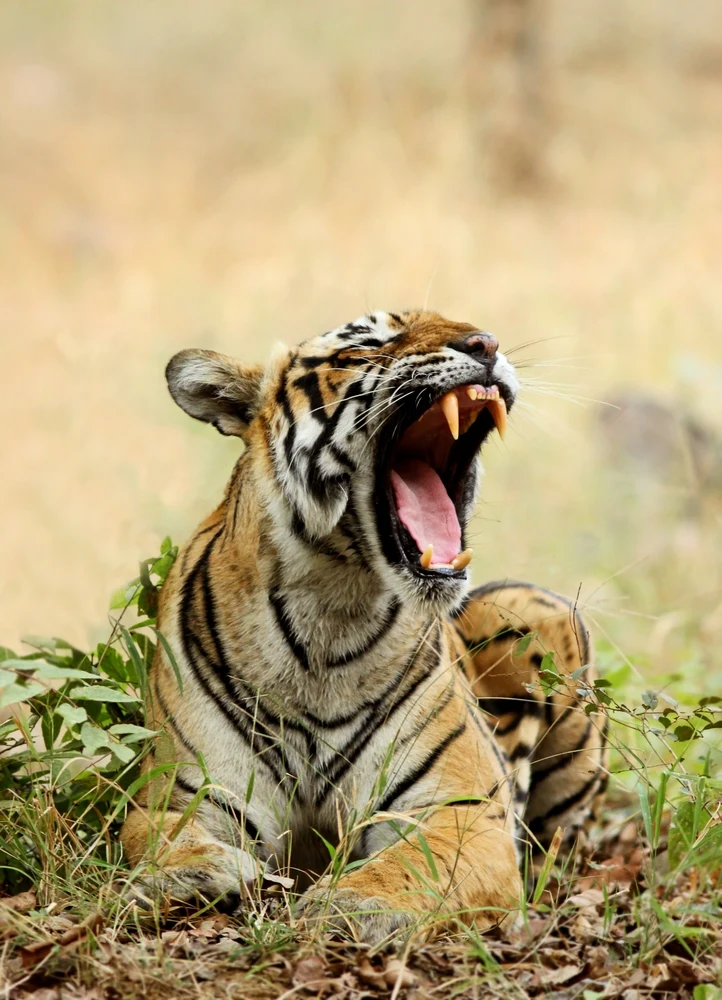
- Bengal Tiger (Panthera tigris): Flagship mammal; confirmed presence
- Red Panda (Ailurus fulgens): Balpakram is one of the last remaining habitats for this endangered, charismatic species in northeast India
- Wild Water Buffalo (Bubalus bubalis): Critically endangered; Balpakram is one of its last strongholds
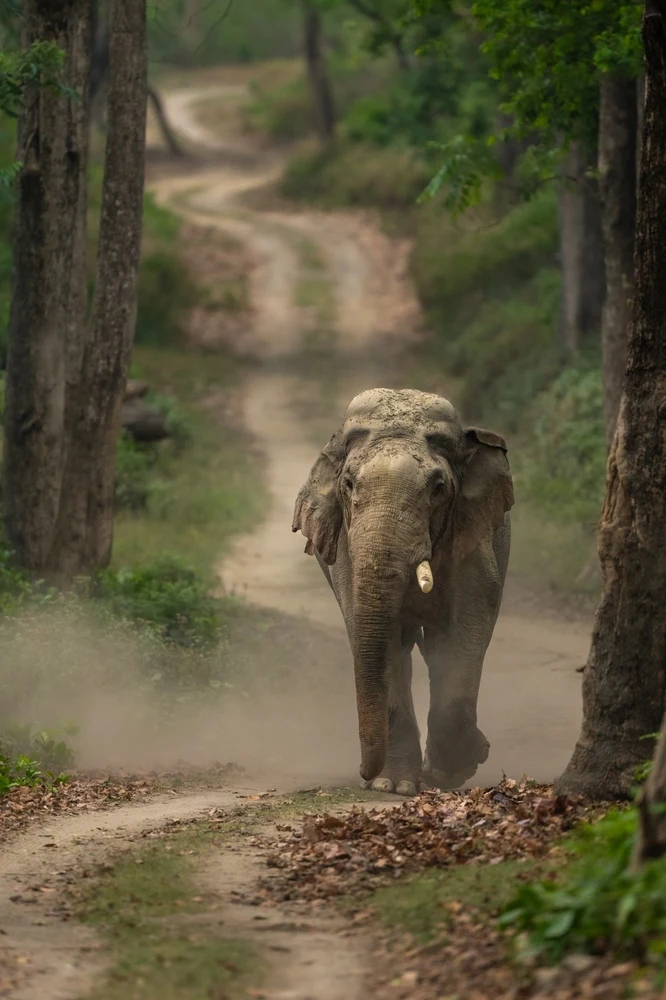
- Asian Elephant (Elephas maximus): Resident herds
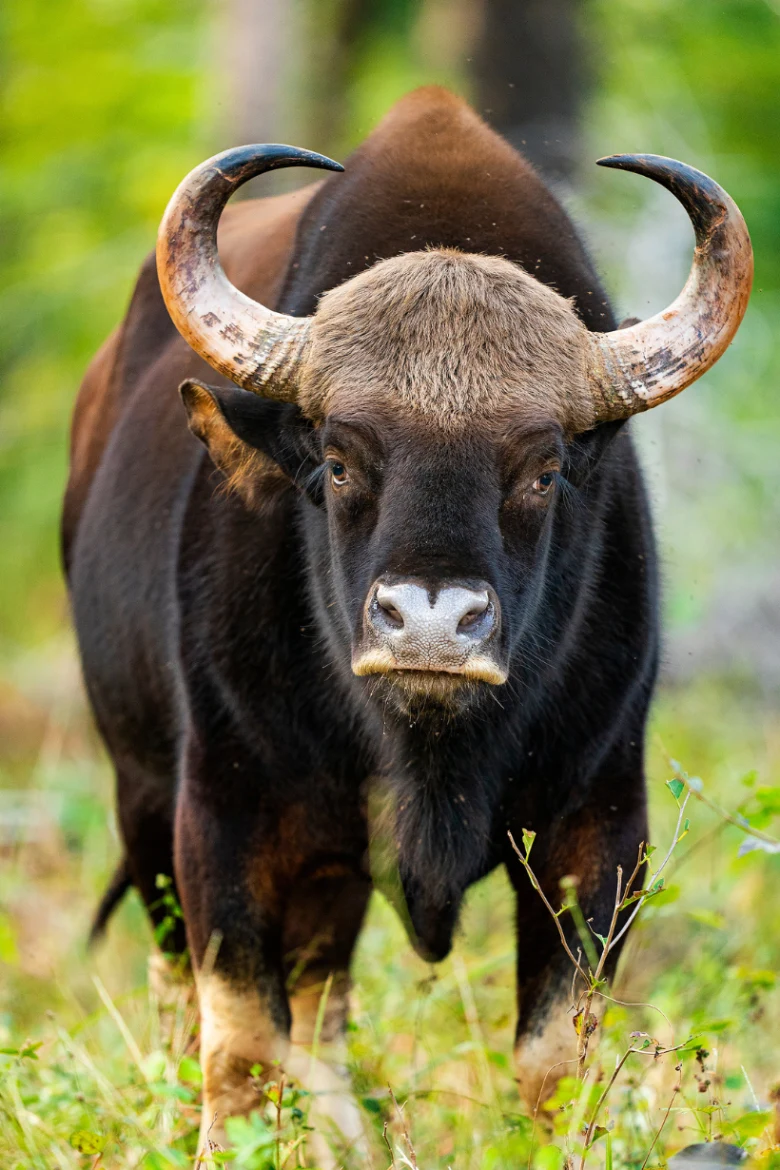
- Indian Bison / Gaur (Bos gaurus): Substantial populations
- Clouded Leopard (Neofelis nebulosa): Elusive; confirmed presence
- Golden Cat (Catopuma temminckii): Rare wild cat species
- Marbled Cat (Pardofelis marmorata): Eight species of wild cats recorded in total
- Hoolock Gibbon (Hoolock hoolock): India's only ape species
- Serow (Capricornis sumatraensis): Mountain goat-antelope
- Barking Deer (Muntiacus muntjak), Sambar, Black Bear
- Marine Fossils: The park contains ancient marine fossil beds embedded in its geological formations — evidence of prehistoric seas
Birds and Other Wildlife
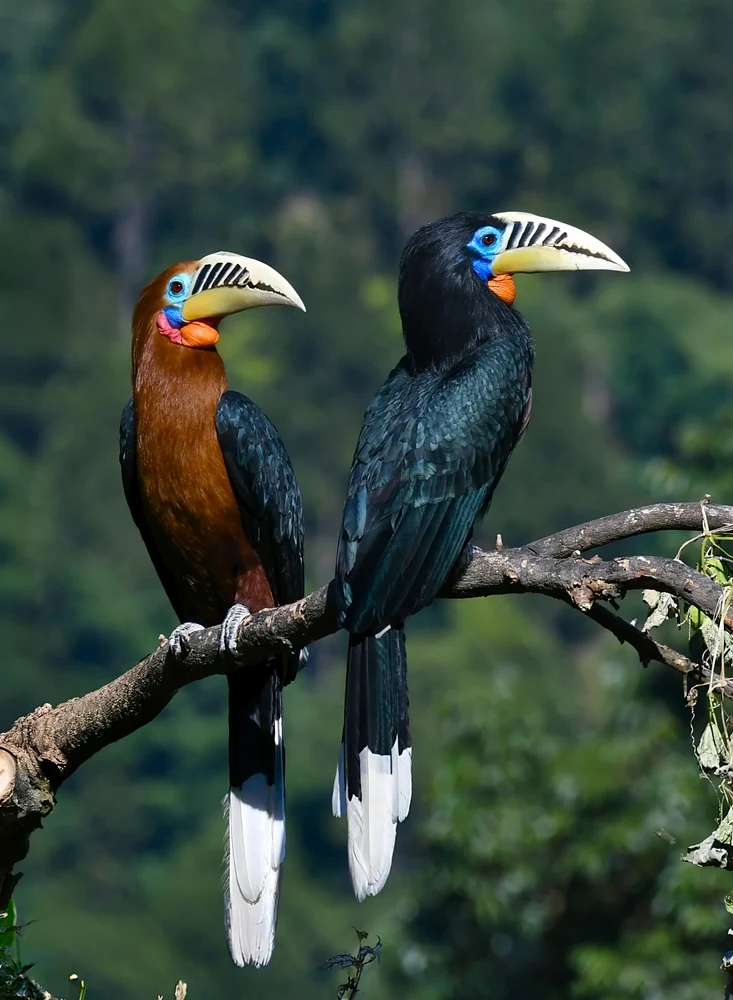
Over 200 bird species have been recorded, including the Great Indian Hornbill, Blyth's Tragopan, Grey Peacock Pheasant, Blue-throated Barbet, and diverse raptors and forest-interior songbirds. The park supports exceptional butterfly diversity. Reptiles include king cobras, pythons, monitor lizards, and various viper species.
Sacred and Mythological Sites Within the Park
Boldak Matchu Karam
A Schima wallichii (Boldak) tree with inexplicable worn impressions on its trunk. Garo tradition holds that the spirits of the dead, travelling through Balpakram on their final journey, tie the animals sacrificed at their funeral rites to this tree. When one such tree fell in a storm, another nearby tree began showing identical markings.
Chidimak (The Black Pool)
A small pool of charcoal-black water in the heart of the park. Local Garo folklore explains that the spirits of the dead wash themselves here before entering the realm of the dead, the accumulated sins and cremation ash turning its clear water permanently black.
Matchru (The Animal Market)
A stretch of flat rock covered in the fossilised footprints of animals — large and small — which local tradition identifies as the marketplace where spirits conduct their supernatural commerce.
Boldak Matchu Karam — The Fossilised Human Footprint
Within the park, a rock formation is believed by local Garos to preserve a fossilised human footprint, adding to the spiritual and archaeological mystique of the landscape.
How to Reach Balpakram National Park
By Air
The nearest airport is Guwahati's Lokpriya Gopinath Bordoloi International Airport (GAU), approximately 220 km from Tura and 310 km from Baghmara (South Garo Hills district HQ). Fly to Guwahati from major Indian cities and proceed by road. Helicopter services from Guwahati and Shillong to Tura are available on certain routes — check current schedules.
By Rail
Guwahati Railway Station is the nearest major railhead, connected to Delhi, Kolkata, and major cities across India. From Guwahati, buses and shared sumo jeeps operate towards Tura (~220 km). From Tura, proceed to Baghmara and then towards Balpakram.
By Road
The most practical route is: Guwahati → Tura (via NH27; ~220 km, ~5–6 hours) → Baghmara (South Garo Hills HQ; ~90 km from Balpakram) → Balpakram National Park. From Tura to Balpakram is approximately 167 km. From Baghmara, hire an SUV (approximately Rs. 1,500) for the final approach to the park. An alternative route from Shillong takes approximately 210 km via NH6 and SH4 through Nongstoin and Baghmara. A 4WD vehicle is strongly recommended for roads approaching the plateau.
💡 Tip: Obtain your forest entry permit from the DFO office in Baghmara (free of cost) before proceeding to the park. The permit process is straightforward but cannot be skipped.
Best Time to Visit Balpakram National Park
October to March: Peak Season
October to March is universally recommended as the best period to visit Balpakram National Park. The weather is dry and pleasant, wildlife is most active, and the roads and trails are accessible. December to February offers cool, clear days ideal for plateau walks and wildlife spotting.
April to May: Good but Warming
April and early May remain good months with comfortable temperatures and continued wildlife activity. The forests are vivid with new growth following the dry season.
Monsoon (June–September): Spectacular but Challenging
Balpakram during the monsoon is a dramatically different and visually spectacular experience — waterfalls cascade off the plateau edges (especially the Rongdong Falls), the forest is intensely green, and the gorge is shrouded in mist. However, the plateau roads can become treacherous, and wildlife sightings are greatly reduced. Only experienced and well-prepared trekkers should consider a monsoon visit.
Activities at Balpakram National Park
Trekking on the Plateau
The Balpakram Plateau rewards trekkers with some of the most dramatic scenery in northeast India. Guided treks across the plateau — lasting 7–8 hours depending on route — take visitors past limestone formations, carnivorous plant habitats, grassland sections, the Boldak tree, and the edges of the great gorge. The descent into the gorge itself is a more demanding and technical excursion reserved for fit, experienced trekkers.
Wildlife Safari
Guided wildlife safaris — primarily on foot through the park's forest zones — target the red panda, hoolock gibbon, wild water buffalo, and bison. Watchtowers at strategic points offer elevated viewing positions across grasslands and the valley habitats where wildlife concentrates.
Cave Exploration
Balpakram's limestone cave systems are among the park's most fascinating geological features. The Deoban Lake with Bat Cave is a popular trekking destination, featuring crystal-clear waters, spectacular limestone formations, and massive bat colonies. Local guides are essential for safe cave exploration.
Birdwatching
With 200+ species and habitats ranging from dense subtropical forest to open plateau grasslands, Balpakram is a rewarding birdwatching destination. Early morning walks along forest edges and near waterbodies offer the best species diversity.
Carnivorous Plant Viewing
A guided botanical walk to observe the pitcher plant (Nepenthes khasiana) and sundew (Drosera) in their natural habitat is a truly unique experience. These globally rare insectivorous plants are found in the boggy, open areas of the plateau.
Camping
Seasonal camping within the park is possible with advance permission from the DFO office in Baghmara. Camping on the Balpakram Plateau, with the sounds of the forest and the perpetual wind as your companions, is an experience of remarkable solitude.
Entry Fees and Permits
- Entry permit: Free — obtainable from the DFO office in Baghmara
- Prior written permission from the wildlife authorities is required before entering
- Hiring a guide is mandatory within the national park
- Camera fees may apply for professional equipment
- No camping within the core zone without prior written DFO permission
Nearby Attractions
Siju Caves (~30 km north of Baghmara)
Situated on the Simsang River bank near Siju village, these caves (locally Dobkhakol/Chibe Nala) constitute the third-longest cave system in India. Home to massive populations of cave bats and extraordinary stalactite formations, Siju Caves are a complementary and unmissable attraction.
Naphak Lake
Located near the Simsang River, Naphak Lake is a serene birdwatching and fishing spot in the South Garo Hills landscape.
Siju Bird Sanctuary
Located along the Simsang River adjacent to Balpakram's western boundary, the Siju Bird Sanctuary protects important riverine bird habitats and can be visited as a companion excursion.
Nokrek National Park (~100 km)
Meghalaya's other great national park is an excellent complement to Balpakram. Together, they make an outstanding Garo Hills wildlife and culture itinerary.
Accommodation Options
Inside the Park
Balpakram National Park has extremely limited accommodation — this is a raw, untouched wilderness with minimal infrastructure. Camping sites with advance permission from the DFO are the primary option for dedicated visitors.
In Baghmara (~90 km from the park)
Baghmara, South Garo Hills district headquarters, offers the nearest accommodation to the park. Basic government circuit houses, inspection bungalows, and a few private lodges are available. Advance booking through the District Administration is essential.
In Tura (~167 km)
Tura provides the most comfortable accommodation options in the Garo Hills region, including Hotel Himalaya, Hotel Meghalaya, and various mid-range options. Most serious expeditions to Balpakram are based in Tura with an overnight at Baghmara.
Essential Travel Tips
- Obtain your entry permit from the DFO Baghmara BEFORE proceeding to the park
- Book a certified guide well in advance — guides from Baghmara are essential for both safety and wildlife success
- Pack all food, water, and supplies from Baghmara or Tura — nothing is available inside the park
- Hire a 4WD vehicle from Tura for the entire journey; SUV is the minimum requirement
- Carry a first-aid kit, insect repellent, leech socks, and waterproof clothing at all times
- Do not touch, pluck, or disturb the Nepenthes khasiana (pitcher plant) — it is legally protected
- Maintain strict silence on wildlife trails — Balpakram's fauna is shy and rarely seen by noisy visitors
- Carry cash — there are no ATMs near the park; limited banking in Baghmara
- Respect Garo sacred sites and local cultural sensitivities within and around the park
- Inform the DFO office and your accommodation of your full trekking itinerary before entering
Frequently Asked Questions - Balpakram National Park
What makes Balpakram National Park unique?
Balpakram National Park is unique for several reasons: its extraordinary combination of ecological richness (red panda, wild water buffalo, pitcher plants), spectacular geology (the 'Grand Canyon of Garo Hills' gorge, limestone caves, marine fossils), and profound spiritual significance for the Garo people (the 'Land of Spirits'). It also contains the Balpakram Plateau - a dramatically windswept tableland found nowhere else in Meghalaya.
What does 'Balpakram' mean?
'Balpakram' means 'land of perpetual winds' in the Garo language, named for the strong, near-constant winds that sweep across the Balpakram Plateau. The Garo people also call it the 'Land of Spirits,' as they believe the souls of the departed pass through this sacred landscape before their final rest.
Is Balpakram National Park on the UNESCO World Heritage List?
Balpakram National Park has been nominated by the Government of India as a UNESCO World Heritage Site as part of the Garo Hills Conservation Area (GHCA), which encompasses both South and West Garo Hills. As of 2025, it remains on UNESCO's Tentative Heritage List, pending formal review and inscription.
What is the best time to visit Balpakram National Park?
October to March is the best period, with December to February being peak season for wildlife, clear weather, and plateau trekking. April and May are also pleasant. Monsoon months (June-September) offer spectacular waterfall and forest scenery but come with road and trail challenges.
How do I reach Balpakram National Park?
The most practical route is Guwahati → Tura (~220 km by road) → Baghmara (~90 km from the park) → Balpakram. From Baghmara, hire an SUV (approximately Rs. 1,500). Fly to Guwahati from major Indian cities. Guwahati Railway Station is the nearest railhead.
What is the pitcher plant of Balpakram?
Nepenthes khasiana is Meghalaya's famous carnivorous pitcher plant - an insectivorous plant that traps and digests insects in water-filled pitcher-shaped traps. It is endemic to Meghalaya, globally rare, and legally protected under Schedule VI of India's Wildlife Protection Act. Balpakram is one of the last significant habitats for this extraordinary plant.
Are there accommodation options inside Balpakram National Park?
Balpakram National Park has minimal tourist infrastructure. Camping with prior DFO permission is the primary option for those wishing to stay near the park. Most visitors base themselves in Baghmara (~90 km) or Tura (~167 km) and make day/overnight excursions.
What entry permit is needed for Balpakram National Park?
Entry requires a permit obtainable free of charge from the DFO office in Baghmara. Prior permission from the wildlife authorities is mandatory before entering the national park. No ILP is required for Meghalaya.
Can I see wild water buffalo in Balpakram?
Yes. Balpakram National Park is one of the last remaining habitats of the wild water buffalo (Bubalus bubalis) in northeast India - a critically endangered species. Sightings are possible but require patience and the expertise of an experienced local guide familiar with their movement patterns.
What are the sacred sites within Balpakram National Park?
The key mythologically significant sites include the Boldak tree (with mysterious trunk impressions linked to the spirits of the dead), the Chidimak black pool (where spirits wash before entering the afterlife), the Matchru rock (with animal footprint fossils), the Boldak Matchu Karam (fossilised human footprint), and the great gorge itself - the iconic 'Grand Canyon of Garo Hills.'