


About Umred Karhandla Wildlife Sanctuary
Umred Karhandla Wildlife Sanctuary, nestled in the Vidarbha region of Maharashtra, is one of central India's most celebrated wildlife corridors. Spanning lush deciduous forests and shimmering water bodies, the sanctuary is renowned as the home of the legendary tiger Jai — one of the most photographed big cats in the world. The sanctuary offers an intimate, unhurried wildlife experience, drawing nature lovers, big-cat enthusiasts, and photographers seeking extraordinary encounters with tigers, leopards, wild dogs (dholes), and over 200 species of birds. Its diverse landscape of dense teak forests, grasslands, and perennial streams provides a pristine habitat for a rich variety of flora and fauna, making Umred Karhandla a must-visit destination for anyone passionate about India's natural heritage.
- Area168 sq km
- Established2013
- StateMaharashtra
- Nearest CityNagpur
- Safari Zones4
Umred Karhandla Travel Guide
Biodiversity

Wildlife
Home to tigers, leopards, dholes, sloth bears, gaur, sambar, spotted deer, and over 200 bird species — a thriving wildlife hotspot.

Flora
Umred Karhandla Wildlife Sanctuary features dry deciduous forests with teak, tendu, and bamboo, along with grasslands and shrubs, supporting diverse vegetation and thriving wildlife habitats.

Landscape
Dense teak and mixed deciduous forests, open grasslands, and seasonal wetlands create a mosaic of ecosystems ideal for wildlife observation.
Safari Guide
Best Time to Visit
Things to Do

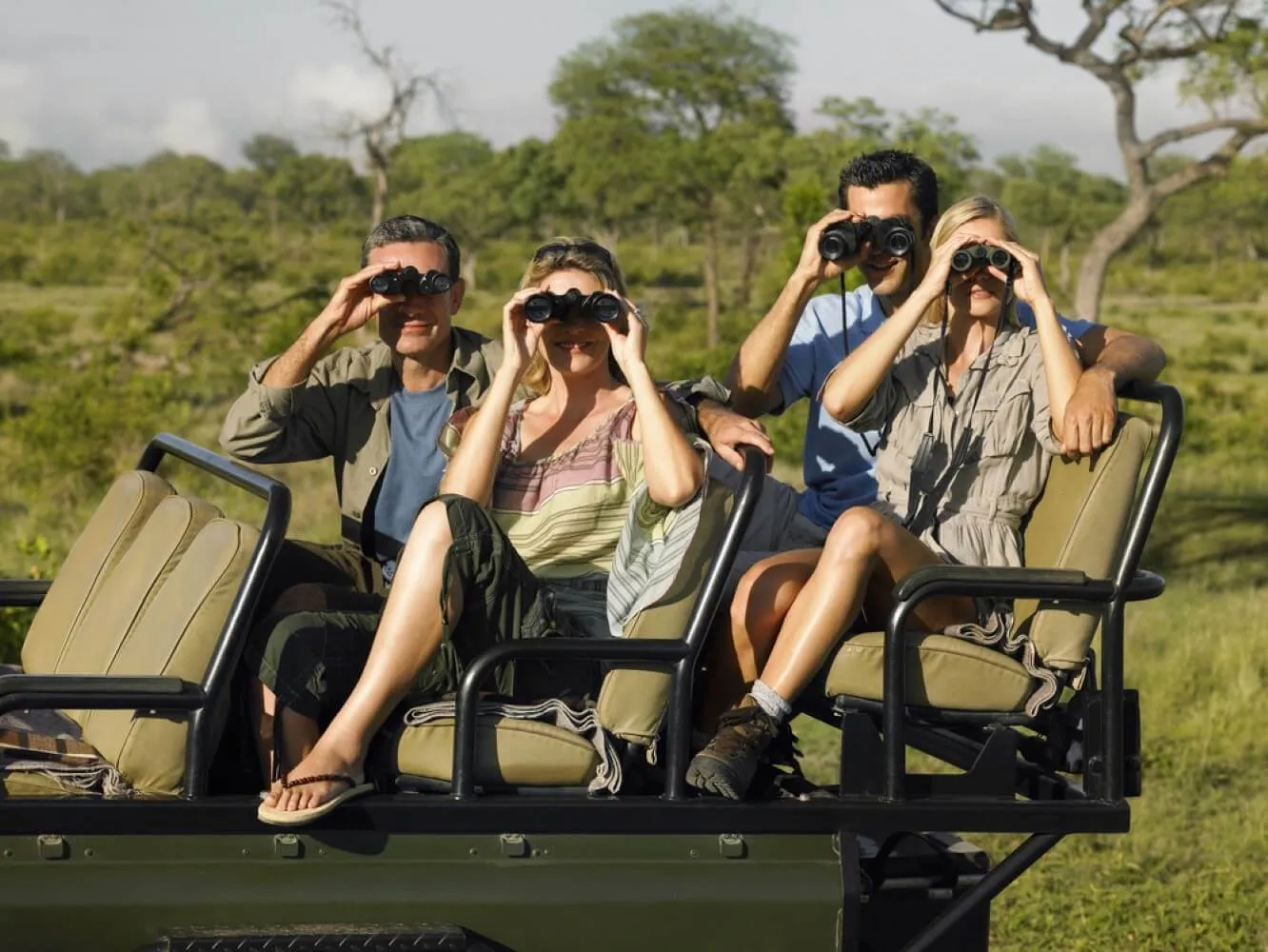
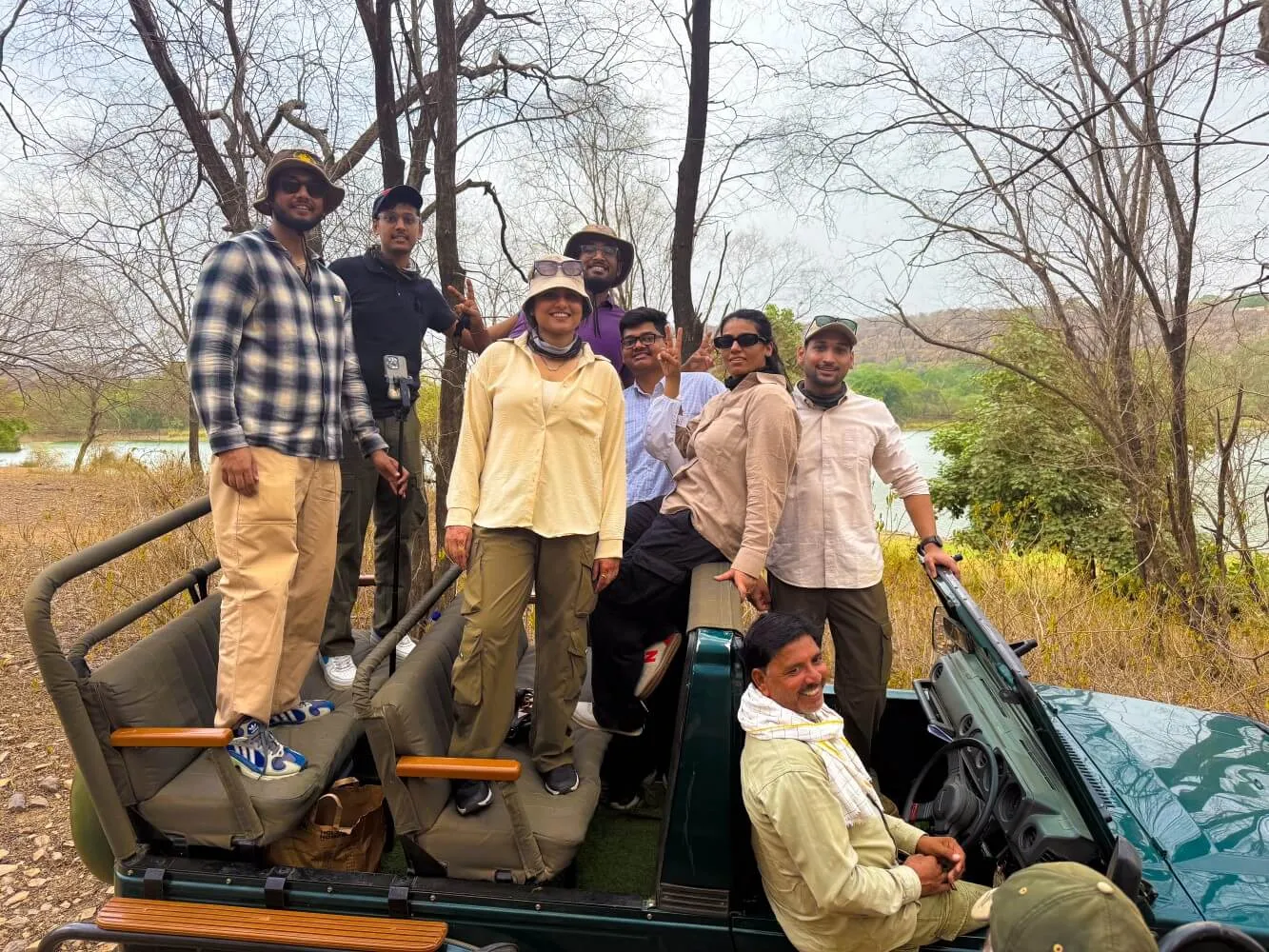
Jeep Safari
Explore deep forest zones in open jeeps with expert naturalists; the best way to spot tigers and leopards at dawn and dusk.

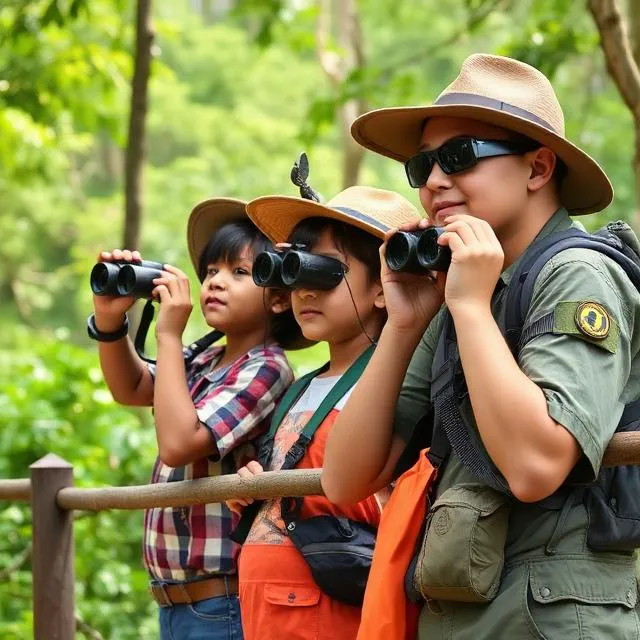
Bird Watching
Over 200 avian species including crested serpent eagle, Indian pitta, and lesser adjutant make this a birder's delight year-round.

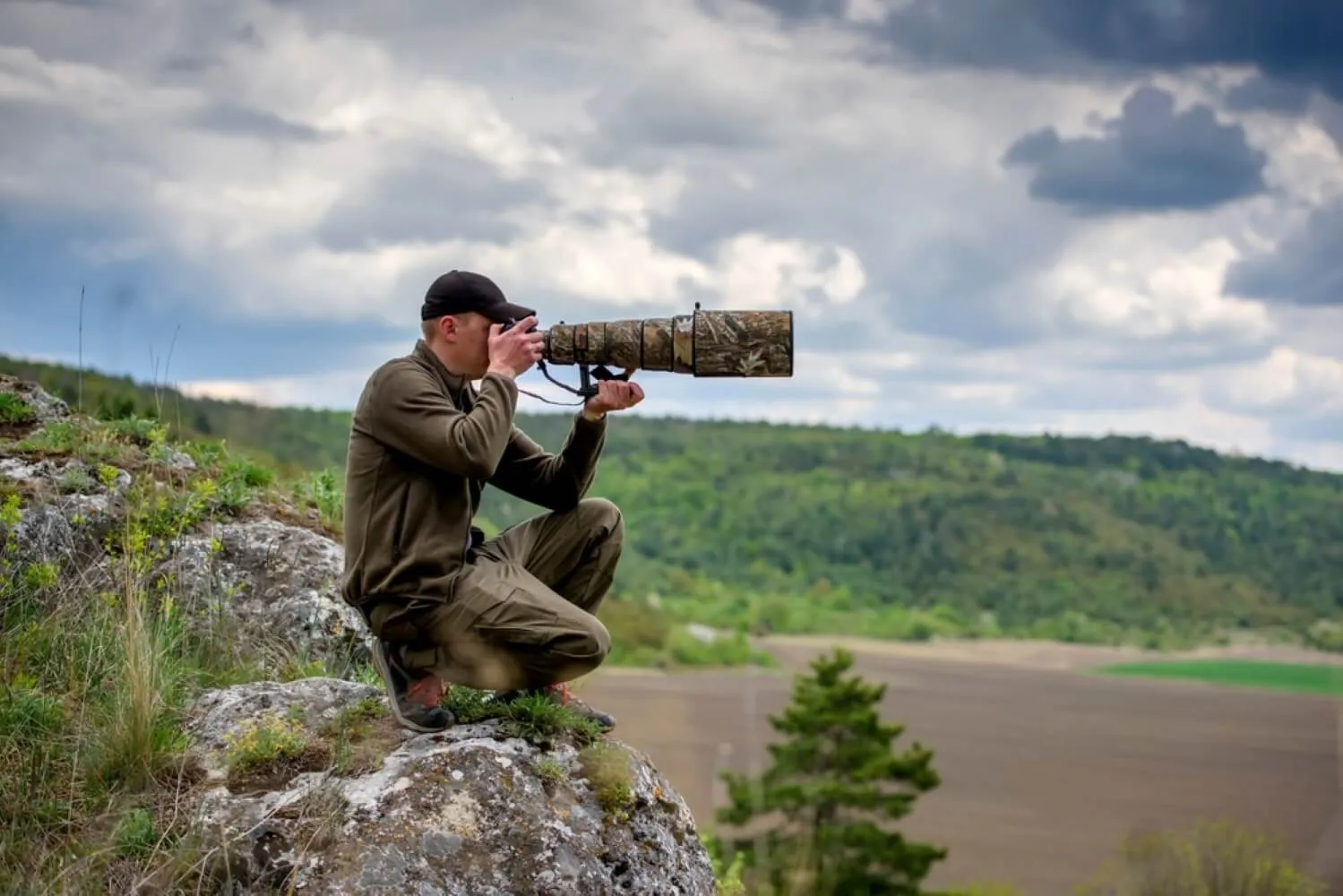
Wildlife Photography
World-class big-cat and landscape photography opportunities; the sanctuary's open terrain allows exceptional frame compositions.

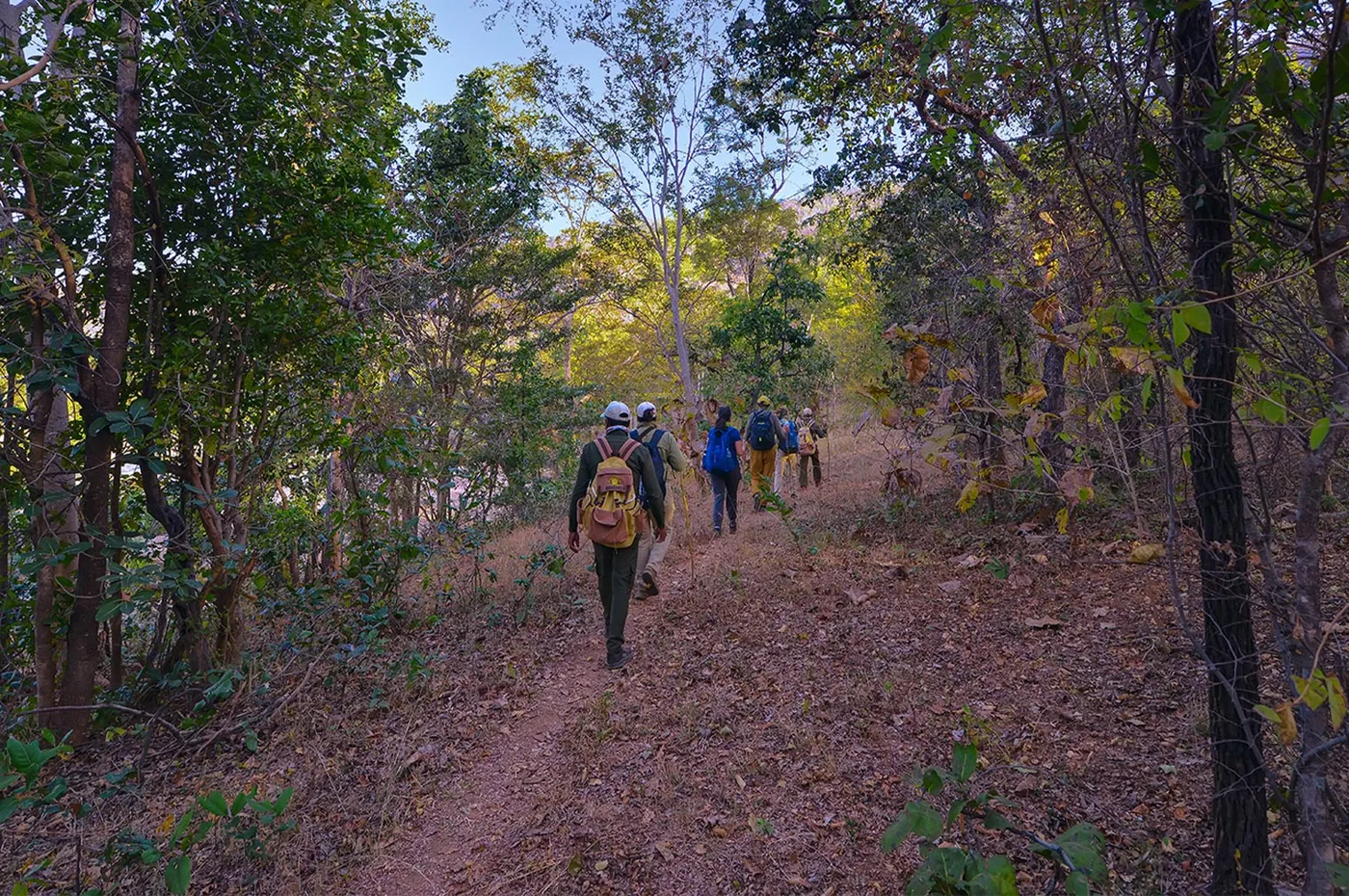
Nature Walk
Guided buffer-zone walks reveal smaller mammals, reptiles, butterflies, and medicinal plants hidden within the sanctuary's forests.

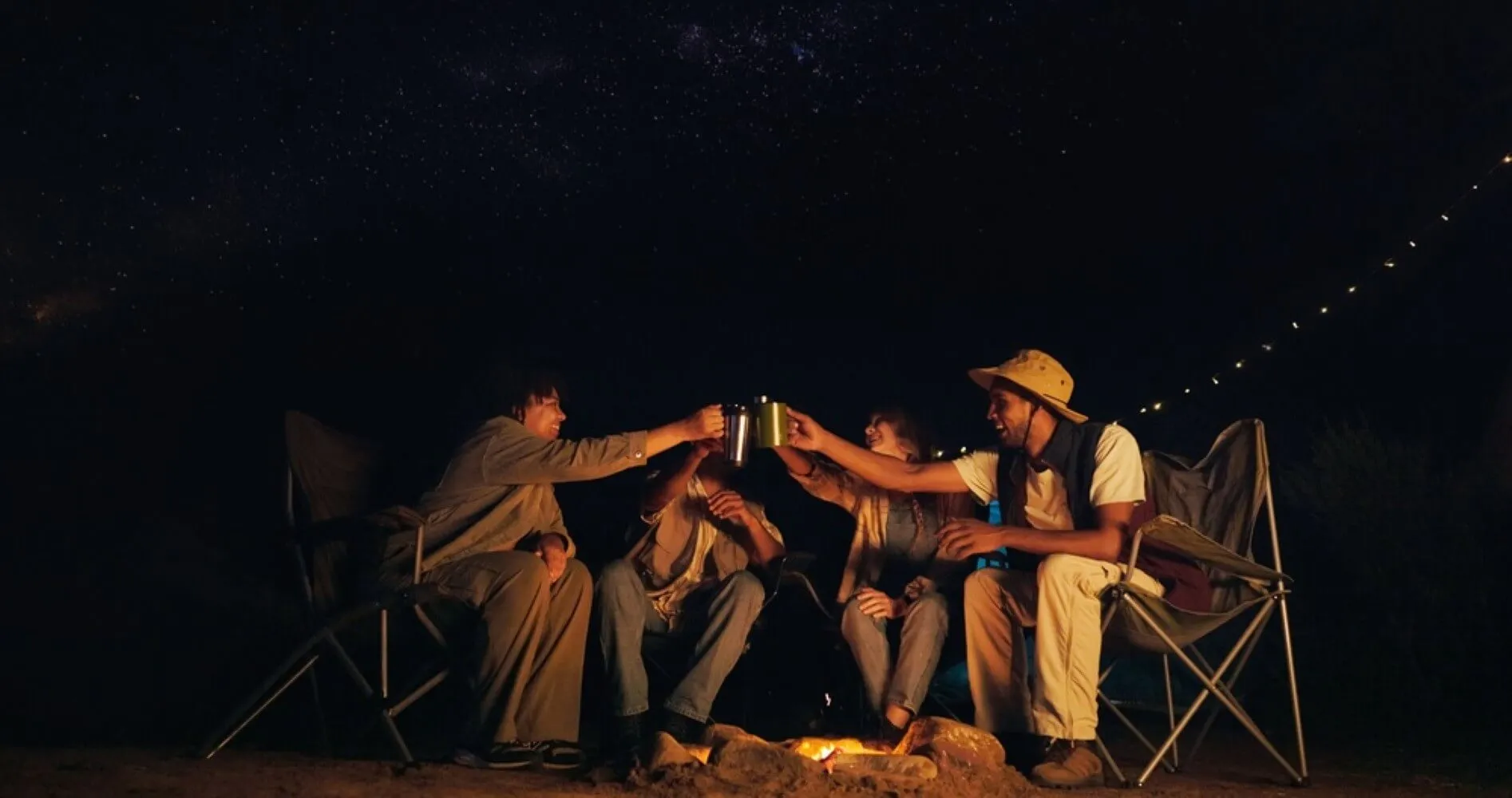
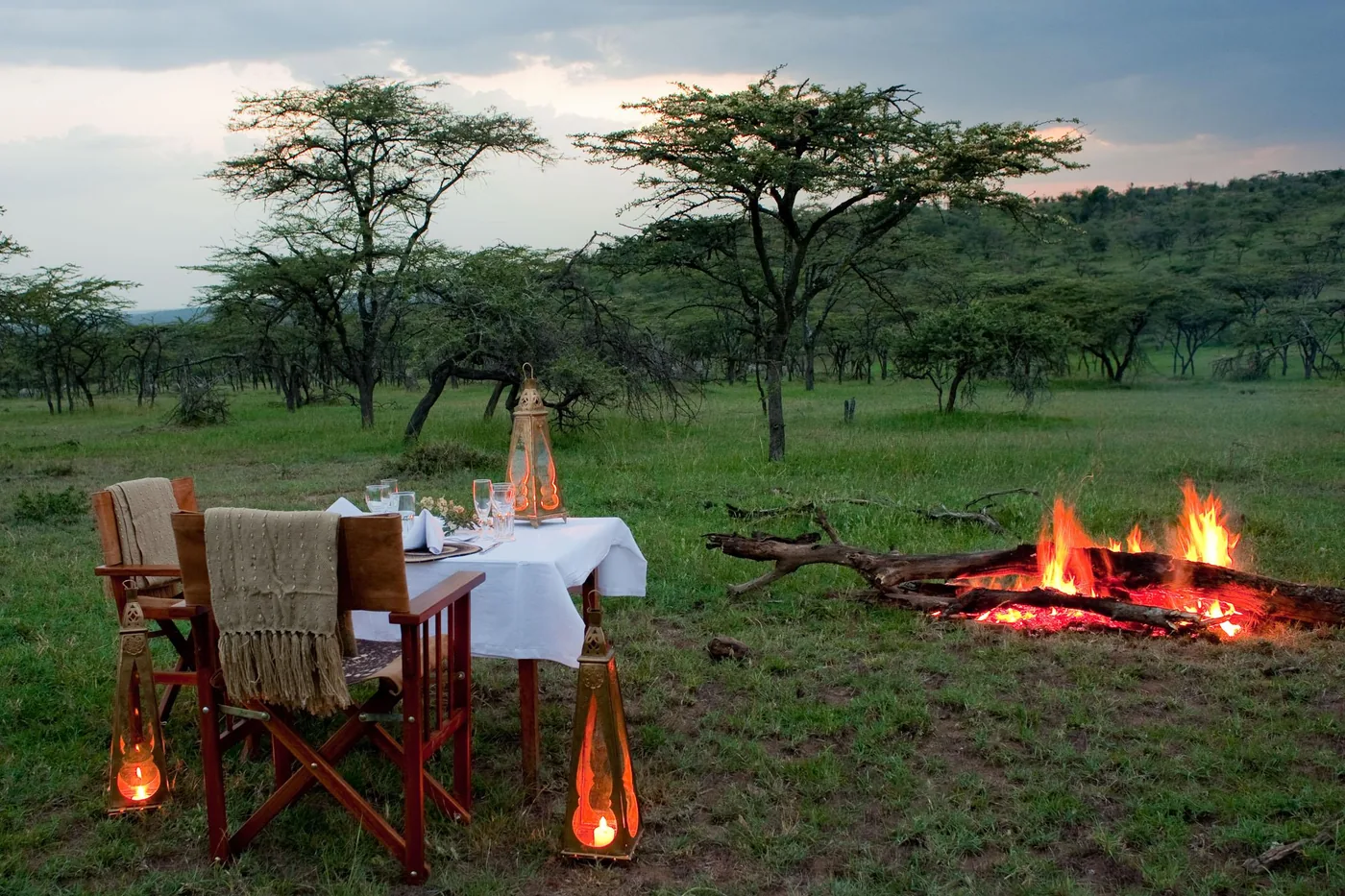
Bush Dinner
Enjoy curated al fresco dining experiences under a canopy of stars surrounded by the sounds of the forest — truly memorable.

Sundowners
Sip on welcome drinks at scenic viewpoints while the setting sun paints the forest gold — a perfect end to safari days.
How to Reach
Attractions

Karhandla Range
The primary tiger zone and core safari circuit; most tiger, leopard, and dhole sightings occur in this ecologically rich range.

Umred Range
Gateway range offering diverse birdlife, grassland wildlife, and excellent opportunities to spot gaur and sloth bear.

Paoni Range
A quieter, less-visited range perfect for undisturbed wildlife photography and encountering lesser-seen forest mammals.

Waigaon Gate
Primary entry point to the sanctuary offering convenient jeep safari access and proximity to major forest water bodies.

Gothangaon Gate
Alternative safari entry gate providing access to dense forest corridors and exceptional opportunities for big-cat sightings.

Khoka Lake
A scenic, life-sustaining water body where tigers, leopards, and over 100 bird species regularly congregate during dry months.

Bor Wildlife Sanctuary
A nearby tiger reserve approximately 95 km away, ideal for extending a Maharashtra wildlife itinerary with complementary safari experiences.
Umred Karhandla Tour Packages
From hidden tiger landscapes to authentic wilderness experiences, every Umred Karhandla package is thoughtfully planned around your interests and travel style.





Umred Karhandla Hotels & Resorts — Luxury Jungle Lodges
We partner with Umred Karhandla's trusted wildlife lodges and forest retreats—chosen for their warm hospitality, natural surroundings, and memorable safari experiences.
Stay at Umred Karhandla Wildlife Sanctuary's finest handpicked wildlife lodges, where comfort meets the untamed wilderness.


Signature Experiences, Curated Around Umred Karhandla
From tranquil wilderness experiences and nature exploration to local cultural encounters, every experience is curated to make your Umred Karhandla journey memorable.












Nearby Destinations to Umred Karhandla

Nagpur
Orange City Gateway

Pench National Park
Jungle Book Country

Bor Wildlife Sanctuary
Hidden Tiger Gem

Tadoba Andhari Tiger Reserve
Tiger Capital Maharashtra
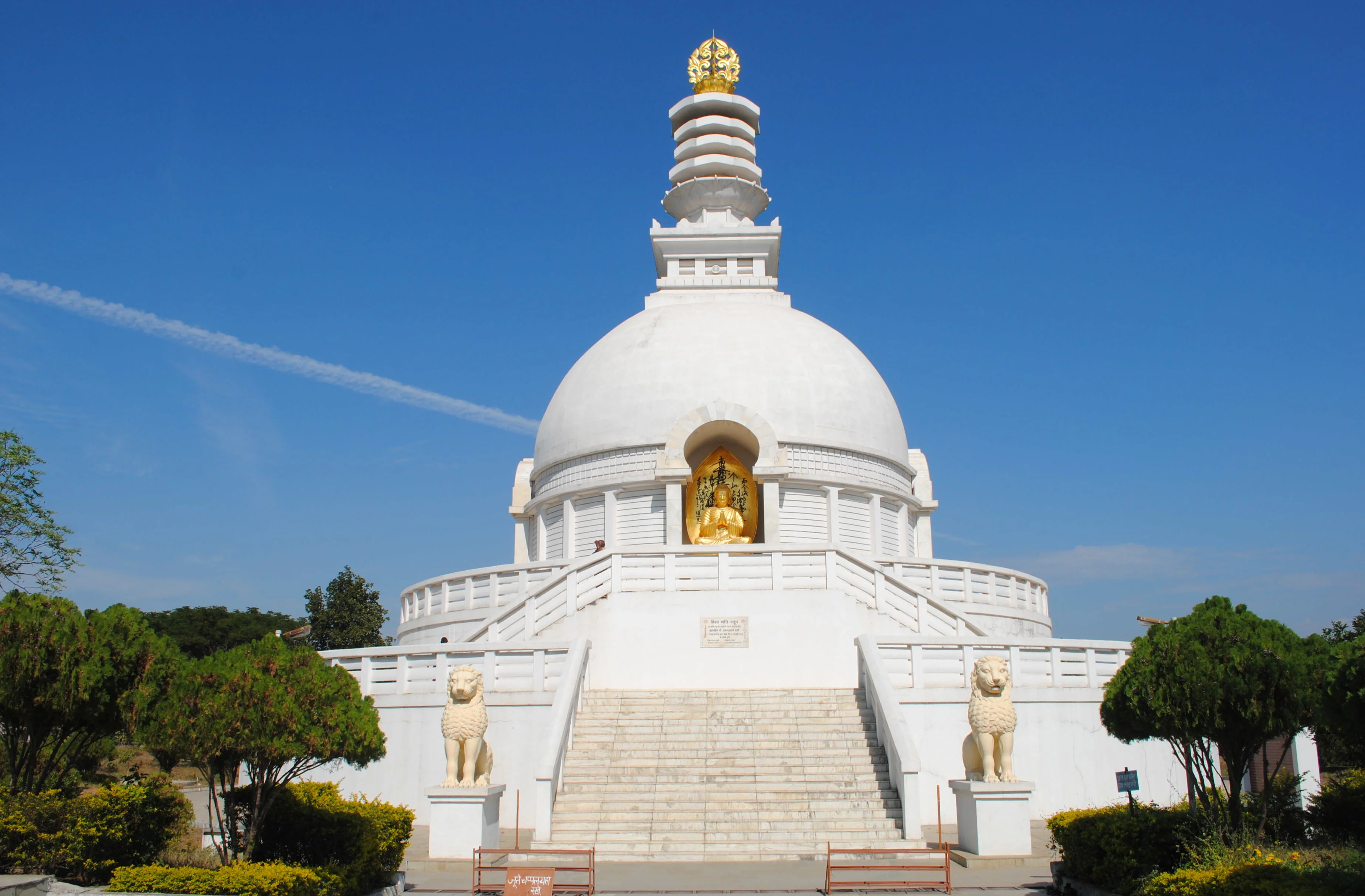
Wardha
Gandhi Heritage Town

Navegaon National Park
Serene Birdwatcher's Haven
Other Parks in Maharashtra


Other Parks in India


Umred Karhandla Wildlife Sanctuary FAQ's
Where is Umred Karhandla Wildlife Sanctuary located?
Umred Karhandla Wildlife Sanctuary is located in the Nagpur district of Maharashtra, central India. It lies approximately 50 km southeast of Nagpur city and forms part of the Vidarbha Tiger Corridor connecting Pench, Navegaon-Nagzira, and Tadoba tiger reserves.
What is Umred Karhandla Wildlife Sanctuary famous for?
Umred Karhandla Wildlife Sanctuary is most famous for being the home of Jai, one of India's most photographed and celebrated tigers. The sanctuary is also renowned for exceptional tiger, leopard, and dhole sightings, world-class wildlife photography opportunities, and its role as a critical wildlife corridor in central India.
Which animal is most famous in Umred Karhandla Wildlife Sanctuary?
The tiger — especially the legendary male tiger known as 'Jai' — is the most famous resident of Umred Karhandla Wildlife Sanctuary. Jai became internationally renowned through viral photographs and wildlife documentaries, making him one of the most celebrated big cats in the world.
What is the best time to visit Umred Karhandla Wildlife Sanctuary?
The best time to visit Umred Karhandla Wildlife Sanctuary is from October to June. October to March offers pleasant weather with good wildlife sightings, while April to June (peak summer) provides the highest probability of tiger and leopard encounters near waterholes.
Is Umred Karhandla Wildlife Sanctuary open throughout the year?
No. Umred Karhandla Wildlife Sanctuary is closed during the monsoon season, typically from July to September, for conservation and ecological restoration. The sanctuary reopens for tourist safaris in October and remains open until mid-June.
How many tigers are in Umred Karhandla Wildlife Sanctuary?
Umred Karhandla Wildlife Sanctuary is estimated to have around 8–12 resident tigers, including adults, sub-adults, and cubs, based on recent camera trap surveys and forest department records. The tiger population has shown positive growth following strengthened conservation efforts.
What animals can be seen in Umred Karhandla Wildlife Sanctuary?
Visitors to Umred Karhandla Wildlife Sanctuary can spot tigers, leopards, dholes (Indian wild dogs), sloth bears, gaur (Indian bison), sambar deer, spotted deer (chital), wild boar, four-horned antelope, striped hyena, wolves, over 200 bird species, and various reptiles including Indian pythons and monitor lizards.
Which safari zones are best in Umred Karhandla Wildlife Sanctuary?
The Karhandla Range is widely regarded as the best safari zone for tiger and leopard sightings, offering access to prime forest habitat and waterholes. The Umred Range is excellent for birdlife and gaur sightings, while the Paoni Range offers quieter, more exclusive wildlife experiences.
What types of safaris are available in Umred Karhandla Wildlife Sanctuary?
Umred Karhandla Wildlife Sanctuary offers jeep safaris (morning and evening), guided nature walks in buffer zones, and special wildlife photography safaris. All safaris are conducted in open 6-seater gypsies with trained naturalists and official forest department guides.
How many days are enough for Umred Karhandla Wildlife Sanctuary?
A minimum of 2 nights and 3 days is recommended for Umred Karhandla Wildlife Sanctuary to experience multiple safari sessions across different zones and times of day. For wildlife photographers and serious enthusiasts, 3–4 nights significantly improves the chances of exceptional sightings.
How to reach Umred Karhandla Wildlife Sanctuary?
The sanctuary is best reached by road or rail via Nagpur. Nagpur Airport has flights from all major Indian cities; Nagpur Junction is connected by national rail routes. From Nagpur, the sanctuary is approximately 50 km by road via NH-44 and NH-353B, taking about 1–1.5 hours by taxi or cab.
What are the main attractions near Umred Karhandla Wildlife Sanctuary?
Major attractions near Umred Karhandla Wildlife Sanctuary include Nagpur city (~50 km), Pench National Park (~90 km), Bor Wildlife Sanctuary (~95 km), Tadoba Andhari Tiger Reserve (~140 km), and Navegaon National Park (~150 km), making the region ideal for multi-park wildlife itineraries.
Is Umred Karhandla Wildlife Sanctuary safe for tourists?
Yes, Umred Karhandla Wildlife Sanctuary is completely safe for tourists. All safaris are conducted inside open gypsies with experienced drivers and certified naturalists. Tourists are required to follow park regulations, including staying inside vehicles during safaris and maintaining silence near wildlife sightings.
Can Umred Karhandla Wildlife Sanctuary be visited as a day trip?
Yes, Umred Karhandla Wildlife Sanctuary can be visited as a day trip from Nagpur, given it is only about 50 km away. However, an overnight stay is strongly recommended to experience both morning and evening safari slots, maximizing the probability of tiger and other wildlife sightings.
What makes Umred Karhandla Wildlife Sanctuary unique among wildlife destinations in India?
Umred Karhandla Wildlife Sanctuary stands out for its extraordinary tiger sighting rates, its role as the home of the iconic tiger Jai, and its position within the Vidarbha Tiger Corridor connecting multiple reserves. Its compact size ensures intimate, uncrowded wildlife experiences, making it one of India's best-kept wildlife secrets.
About Umred Karhandla Wildlife Sanctuary
Umred Karhandla Wildlife Sanctuary is a protected wildlife area located in the Nagpur district of Maharashtra, India. Established in 2013 and spanning approximately 168 sq km of core and buffer zones, the sanctuary forms a critical link in the Vidarbha Tiger Conservation Landscape — one of central India's most important ecological corridors. The sanctuary gained international recognition through its resident tigers, most notably the celebrated tiger 'Jai,' who became a symbol of India's conservation success story.
Managed by the Maharashtra Forest Department, Umred Karhandla Wildlife Sanctuary offers visitors an authentic and immersive wildlife experience. Unlike larger tiger reserves, the sanctuary's relatively compact area ensures high wildlife density and exceptional encounter rates. The sanctuary encompasses three main forest ranges — Karhandla, Umred, and Paoni — each offering distinct ecosystems, safari experiences, and biodiversity. Whether you are a seasoned wildlife photographer, a passionate naturalist, or a first-time safari-goer, Umred Karhandla Wildlife Sanctuary delivers unforgettable encounters with India's most iconic wildlife.
Quick Facts About Umred Karhandla Wildlife Sanctuary
| Feature | Details |
|---|---|
| Official Name | Umred Karhandla Wildlife Sanctuary |
| Total Area | Approx. 168 sq km (Core + Buffer) |
| Location | Nagpur District, Maharashtra, India |
| Established | 2013 |
| Forest Type | Southern Tropical Dry Deciduous Forest |
| Key Wildlife | Tiger, Leopard, Dhole, Sloth Bear, Gaur |
| Bird Species | 200+ |
| Tiger Population | Estimated 8–12 individuals |
| Entry Gates | 5 Gates (Waigaon, Gothangaon + 3 others) |
| Safari Ranges | 3 (Karhandla, Umred, Paoni) |
| Nearest City | Nagpur (~50 km) |
| Best Time to Visit | October to June |
| Season Open | October to mid-June |
| Season Closed | July to September (Monsoon) |
| Administered By | Maharashtra Forest Department |
Geography & Terrain
The sanctuary lies in the Deccan Plateau region of Maharashtra, within the Eastern Vidarbha forest landscape. The terrain is characterized by gently rolling hills, narrow valleys, seasonal streams, and flat grassland clearings interspersed with dense forest cover. Elevations within the sanctuary range from approximately 200 to 450 metres above sea level, creating varied microclimates that support diverse flora and fauna.
Ecosystem
The dominant vegetation type is Southern Tropical Dry Deciduous Forest, comprising teak (Tectona grandis), ain (Terminalia elliptica), bija (Pterocarpus marsupium), and tendu (Diospyros melanoxylon). The forest transitions to moist deciduous patches near seasonal water courses, supporting dense undergrowth of bamboo, grasses, and shrubs. Perennial and seasonal water bodies including Khoka Lake, several check dams, and forest streams serve as vital wildlife congregation points, particularly during the summer months.
The sanctuary's position as a wildlife corridor between Pench Tiger Reserve to the northwest and Navegaon-Nagzira Tiger Reserve to the east greatly enhances its ecological significance. Dispersing tigers, leopards, and other wildlife regularly traverse the corridor, contributing to genetic diversity and population stability across the broader landscape.
History of Umred Karhandla Wildlife Sanctuary
The forests of Umred and Karhandla have historically been part of the Central Indian Tiger Landscape, a vast contiguous forest belt that once supported one of the world's largest tiger populations. For centuries, these forests were governed under the Nagpur Kingdom and later under the Central Provinces during British colonial administration, when large tracts were designated as reserved and protected forests.
In the post-independence era, the forests fell under the jurisdiction of the Maharashtra Forest Department. Growing recognition of the area's ecological significance — particularly its role as a habitat corridor for tigers dispersing between Pench and Navegaon-Nagzira tiger reserves — led conservation organisations and the forest department to advocate for formal protected area status. After years of planning and community consultation, Umred Karhandla was officially declared a Wildlife Sanctuary in 2013 under the Wildlife Protection Act, 1972.
The sanctuary gained global attention following the emergence of the tiger 'Jai' — a magnificent male whose frequent and photogenic appearances near safari roads made him one of the most documented wild tigers on the planet. Viral photographs and international wildlife features transformed Umred Karhandla from a little-known forest patch into a premier wildlife destination, significantly boosting wildlife tourism and local conservation awareness in the region.
Flora & Fauna of Umred Karhandla Wildlife Sanctuary
Umred Karhandla Wildlife Sanctuary is predominantly covered by Southern Tropical Dry Deciduous Forest. Key tree species include:
- Teak (Tectona grandis) — dominant canopy species
- Ain / Axlewood (Terminalia elliptica)
- Bija / Indian Kino (Pterocarpus marsupium)
- Tendu (Diospyros melanoxylon) — economically significant
- Mahua (Madhuca longifolia) — important food source for wildlife
- Bamboo (Dendrocalamus strictus) — forms dense thickets
- Hirda (Terminalia chebula) and Behada (Terminalia bellirica)
Seasonal grasses, herbs, and shrubs carpet forest floors, supporting herbivore populations and in turn sustaining the sanctuary's apex predators.
The sanctuary's wildlife roster is rich and diverse, anchored by its thriving big cat population:
- Bengal Tiger (Panthera tigris tigris) — apex predator and conservation flagship
- Indian Leopard (Panthera pardus fusca) — secretive but regularly sighted
- Dhole / Indian Wild Dog (Cuon alpinus) — highly social pack hunter
- Sloth Bear (Melursus ursinus) — nocturnal, frequently seen in evenings
- Gaur / Indian Bison (Bos gaurus) — largest wild bovine
- Sambar Deer (Rusa unicolor) — principal prey of tigers
- Spotted Deer / Chital (Axis axis) — most abundant ungulate
- Wild Boar (Sus scrofa)
- Four-Horned Antelope (Tetracerus quadricornis)
- Striped Hyena (Hyaena hyaena)
- Indian Wolf (Canis lupus pallipes)
- Indian Python (Python molurus)
- Monitor Lizard (Varanus bengalensis)
Avifauna highlights include the Crested Serpent Eagle, Indian Pitta, Lesser Adjutant Stork, Painted Stork, Woolly-necked Stork, Brown Fish Owl, Grey-headed Fish Eagle, and numerous migratory waterfowl species around Khoka Lake and forest water bodies.
Conservation Efforts at Umred Karhandla Wildlife Sanctuary
Government Initiatives
The Maharashtra Forest Department, in coordination with the National Tiger Conservation Authority (NTCA), implements comprehensive conservation measures within Umred Karhandla Wildlife Sanctuary. These include regular camera trap surveys for population monitoring, intensive anti-poaching operations by specially trained forest protection squads, and wildlife health monitoring programs. The sanctuary is an integral part of Maharashtra's larger tiger landscape management strategy, which includes maintaining and restoring forest corridors connecting Umred Karhandla with Pench, Navegaon-Nagzira, and Tadoba tiger reserves.
Corridor Protection
One of the most critical conservation priorities for the sanctuary is the protection of wildlife corridors. The Vidarbha Tiger Corridor, of which Umred Karhandla is a key node, facilitates tiger dispersal and genetic exchange across a vast landscape. Efforts to secure buffer zone forests, prevent encroachment, and restore degraded habitats along the corridor are ongoing and have shown measurable success in tiger population recovery.
Community Participation
Local communities in villages adjacent to the sanctuary are actively engaged in conservation through eco-development committees, livelihood diversification programs, and nature guide training initiatives. Wildlife tourism has generated significant economic benefits for local communities, creating a positive incentive for forest protection. Several local youth have been trained as naturalists and safari guides, combining traditional ecological knowledge with modern conservation science.
Wildlife Tourism as a Conservation Tool
Regulated wildlife tourism at Umred Karhandla Wildlife Sanctuary plays a dual role: generating revenue for conservation activities and creating public awareness about the importance of protecting India's wildlife heritage. The sanctuary's fame, largely driven by the iconic tiger Jai and exceptional sighting rates, has made it a model for how wildlife tourism can coexist with and actively support conservation goals.
Why Visit Umred Karhandla Wildlife Sanctuary?
Umred Karhandla Wildlife Sanctuary offers a rare combination of exceptional wildlife sighting rates, intimate forest experiences, and proximity to a major city. Unlike some of India's more crowded tiger reserves, the sanctuary maintains a natural, uncrowded atmosphere where wildlife encounters feel genuinely wild and unscripted. Its significance as a tiger corridor means every safari holds the promise of extraordinary encounters — whether it is a tiger striding across a forest road, a pack of dholes on a hunt, or a sloth bear ambling through the undergrowth at dusk.
For wildlife photographers, Umred Karhandla is arguably among the finest locations in India, offering consistent big-cat sightings in beautiful forest settings. For general nature lovers, the sanctuary's rich biodiversity, expert naturalist-led safaris, and atmospheric landscape make every visit deeply rewarding. Combined with its easy accessibility from Nagpur and proximity to other great wildlife destinations such as Pench, Bor, and Tadoba, Umred Karhandla Wildlife Sanctuary is the centrepiece of any Vidarbha wildlife itinerary.