Udanti-Sitanadi Tiger Reserve: The Complete Travel & Wildlife Guide
In the rolling forested hills of the Gariaband and Dhamtari districts of Chhattisgarh, where two ancient rivers — the Udanti and the Sitanadi — trace their paths through dense tropical forests, lies one of India's quieter yet biologically significant tiger reserves: Udanti-Sitanadi Tiger Reserve. Jointly formed by two formerly independent wildlife sanctuaries, this reserve is a refuge for the Bengal tiger, a sanctuary for the endangered wild water buffalo, and a vital ecological corridor linking the forests of Chhattisgarh with those of Odisha. For travellers seeking solitude, raw wilderness, and meaningful encounters with wildlife, Udanti-Sitanadi is a hidden gem waiting to be explored.
Overview of Udanti-Sitanadi Tiger Reserve
Udanti-Sitanadi Tiger Reserve was officially constituted in 2009 when the Udanti Wildlife Sanctuary (declared 1984) and the Sitanadi Wildlife Sanctuary (established 1974) were merged under the Project Tiger initiative of the Government of India. The reserve covers a total area of approximately 1,842–1,872 square kilometres encompassing the districts of Gariaband, Dhamtari, and portions of Mahasamund and Raipur in Chhattisgarh.
Geographically, the reserve forms a significant part of the Eastern Highlands of Central India. Its strategic location is noteworthy: Udanti (core area I) is contiguous with the Khariar Forest Division of Odisha, where it acts as a buffer for the Sunabeda Wildlife Sanctuary, creating a cross-state ecological corridor. This Chhattisgarh-Odisha Tiger Conservation Unit is of considerable significance for tiger population management and dispersal. The reserve's drainage system includes the Mahanadi as the primary river, with Udanti, Sitanadi, Indravan, and Pairi rivers as tributaries, providing abundant water resources for wildlife.
| Feature | Details |
|---|---|
| Location | Gariaband & Dhamtari districts, Chhattisgarh |
| Total Area | ~1,872 sq. km |
| Established | 2009 (Tiger Reserve); Sanctuaries from 1974 & 1984 |
| Named After | Udanti and Sitanadi Rivers |
| State Animal Refuge | Wild Water Buffalo (Bubalus arnee) |
| Nearest City | Raipur (~170 km from Udanti range) |
| Open Season | November to June |
| Access Highway | National Highway 130 |
The Two Sanctuaries: Udanti & Sitanadi
Udanti Wildlife Sanctuary (Core Area I)
The Udanti component of the reserve, located in the Gariaband district, is the smaller and more remote of the two sanctuaries but holds enormous conservation value. It was declared a wildlife sanctuary in 1984 by the then undivided Government of Madhya Pradesh and is named after the Udanti River that flows through it. Udanti is the primary stronghold for the reserve's wild buffalo population and offers critical tiger habitat. The forest here is characterised by mixed deciduous woodland with sal, bamboo, and open grassland patches.
Sitanadi Wildlife Sanctuary (Core Area II)
The Sitanadi Wildlife Sanctuary, established in 1974, spans approximately 556 square kilometres in the Dhamtari district and is named after the Sitanadi River, which originates within the sanctuary and joins the Mahanadi River near Deokhut. The sanctuary rises from 327 metres to 736 metres above sea level, creating a diverse topography that supports rich biodiversity. Teak and bamboo are the dominant vegetation types, with tigers, leopards, gaur, sloth bears, and a wealth of bird species recorded throughout.
Flora: Tropical Forests, Rivers & Waterfalls
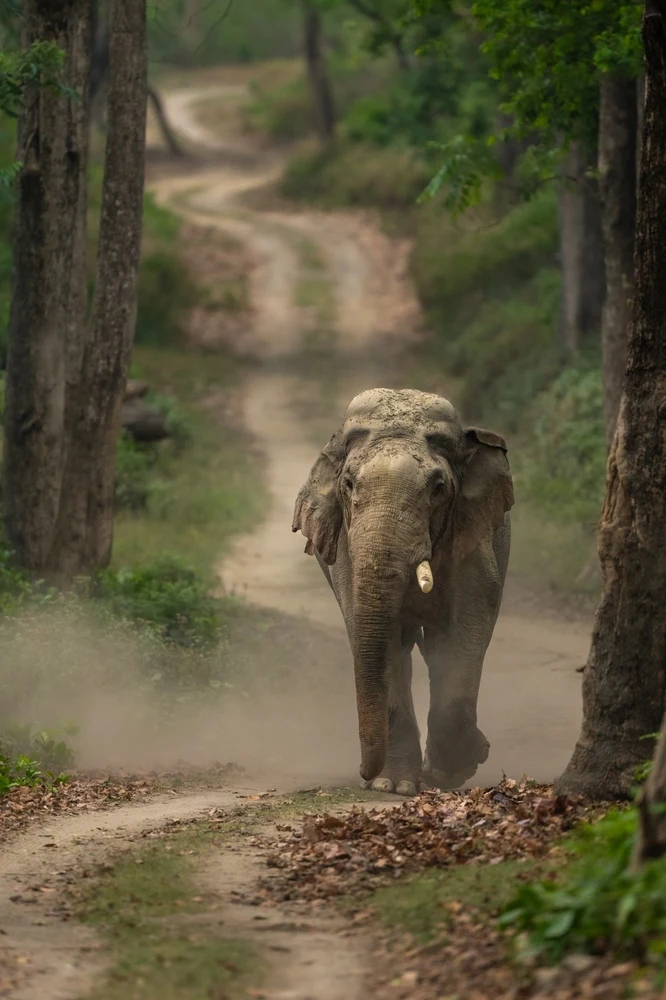
The vegetation of Udanti-Sitanadi Tiger Reserve is predominantly tropical dry and moist deciduous, with sal (Shorea robusta) forming the dominant canopy across much of the landscape. Bamboo is abundant and forms dense understorey thickets that provide cover for wildlife and food for elephants. Other significant tree species include teak (Tectona grandis), Saja (Terminalia tomentosa), Haldu (Adina cordifolia), Tendu (Diospyros melanoxylon), Mahua, Ghont, Salai (Boswellia serrata), and Tinsa.
Rocky outcroppings and elevated plateaux support specialist plant communities adapted to shallow, rocky soils. Nala (seasonal stream) banks and hillside slopes harbour good-quality mixed forests. The Sitanadi and Udanti rivers create lush riparian corridors with dense vegetation, providing critical water and food resources for wildlife year-round. Several waterfalls — including Godena and Deodhara — add scenic richness to the landscape and serve as wildlife congregation points.
Wildlife: Tigers, Wild Buffalo & Forest Species
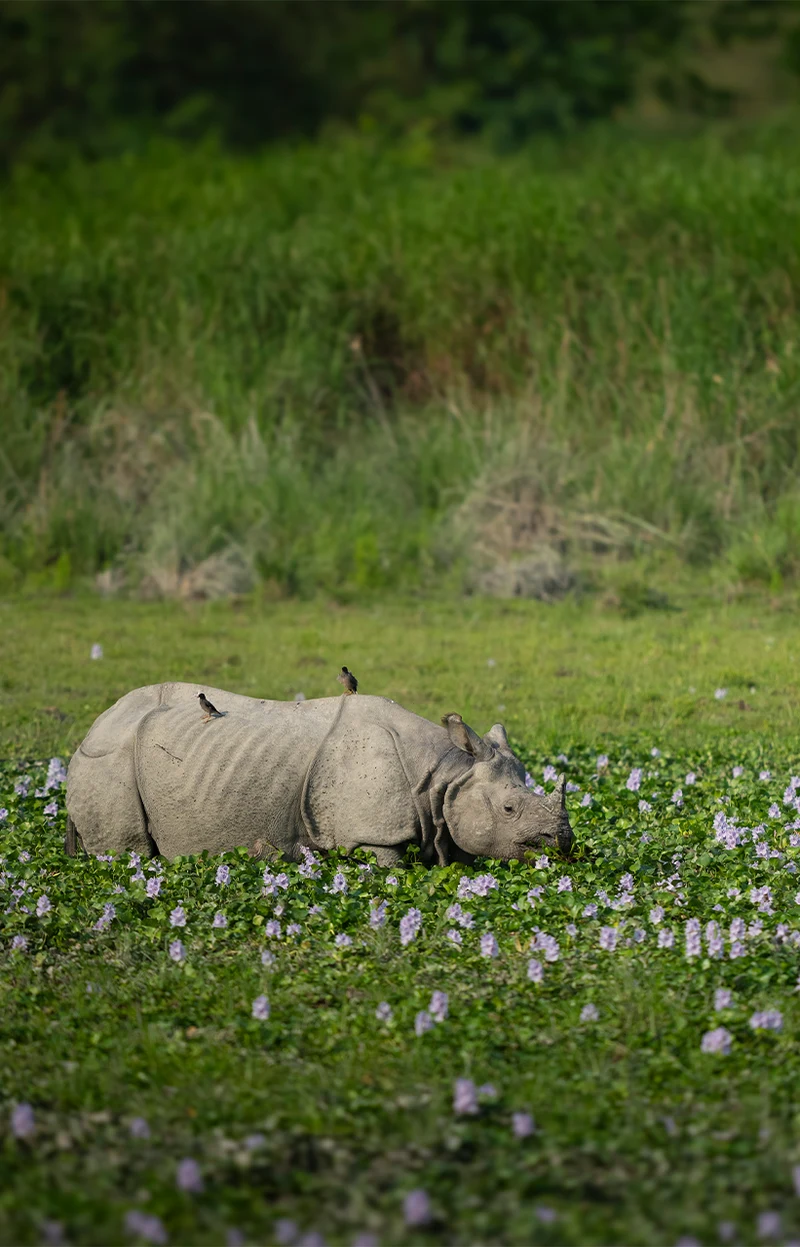
Udanti-Sitanadi Tiger Reserve is one of only two reserves in Chhattisgarh (alongside Indravati) that harbour the critically endangered wild water buffalo (Bubalus arnee). A dedicated rescue and breeding centre covering approximately 25 hectares has been established within the reserve to protect and increase the pure-breed wild buffalo population, with ongoing efforts to prevent genetic mixing with domestic buffalo.
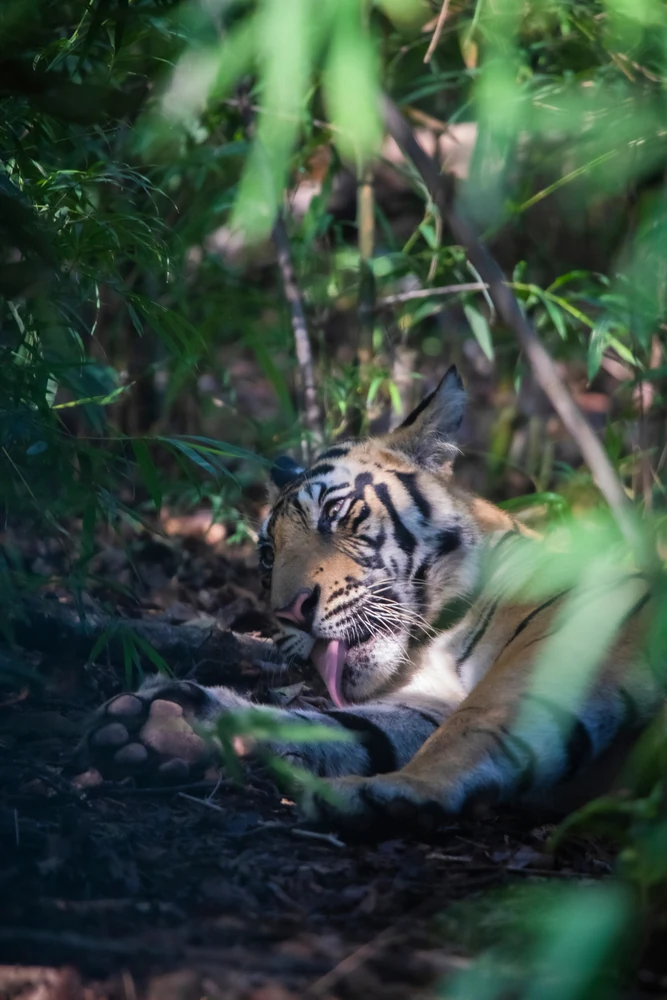
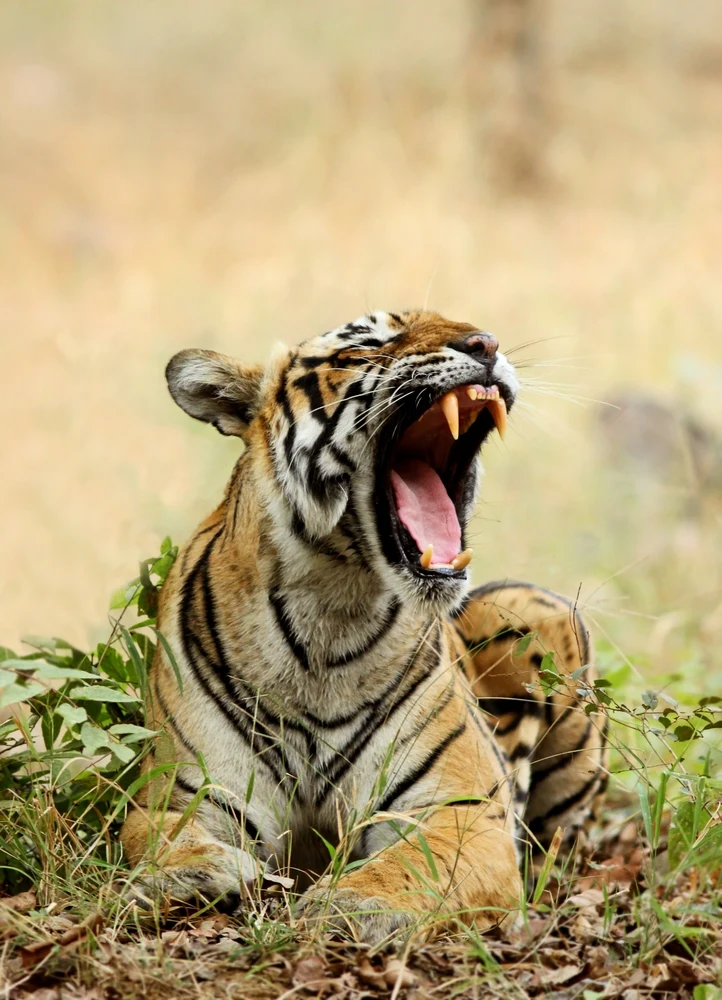
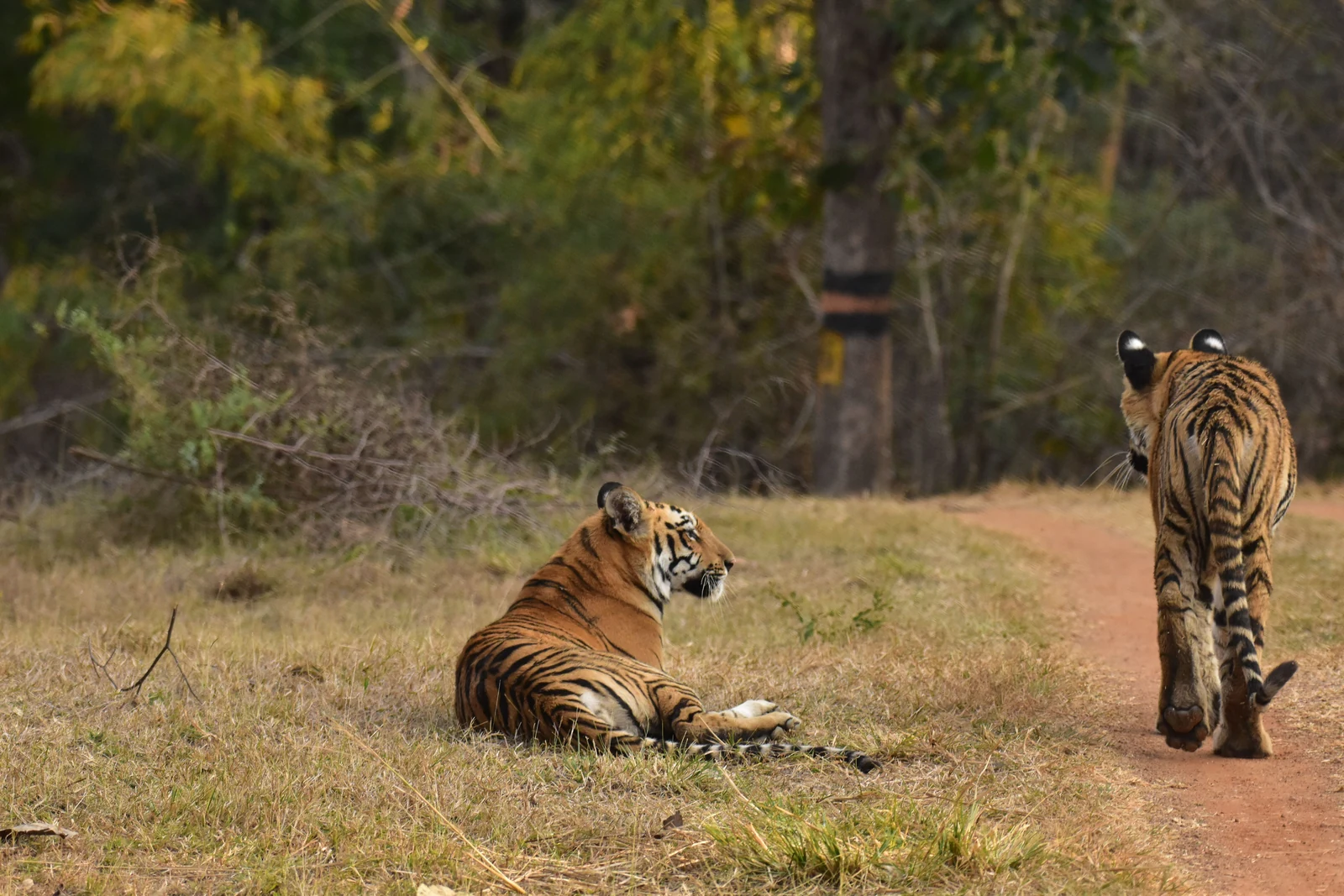
The reserve supports a resident Bengal tiger population, though densities remain low given the vast area. Other large predators include the Indian leopard, sloth bear, dhole, and the rare Indian wolf. Notably, the Indian wolf is listed among the rare and endangered species found here, making Udanti-Sitanadi one of the few central Indian reserves where wolves coexist with tigers. Mouse deer — one of the world's smallest deer species — is another rare resident.
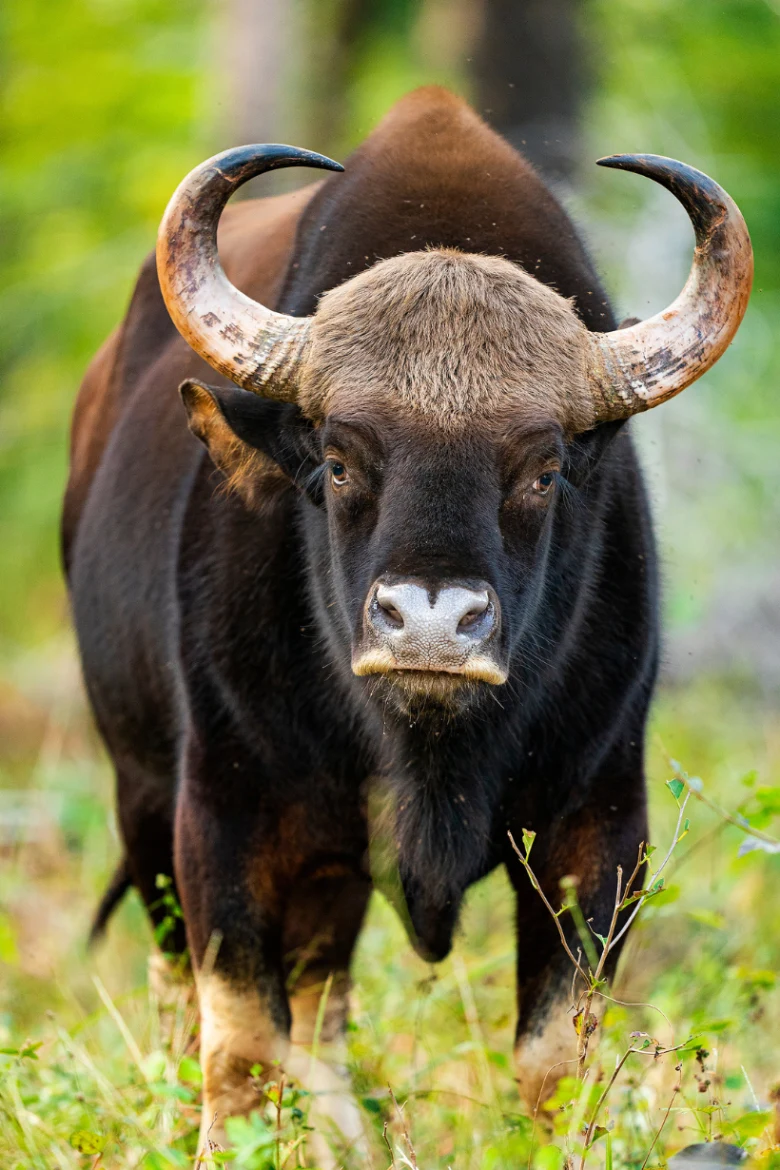
Among the ungulates, gaur (Indian bison), sambar, chital, nilgai, blackbuck, four-horned antelope (chausingha), barking deer, chinkara, and wild boar are regularly encountered. The reserve also hosts crocodiles in its riverine habitats. Avian diversity is impressive, with species including crested serpent eagles, hornbills, woodpeckers, kingfishers, and a variety of waterbirds along the rivers. Camera trap surveys in recent years have recorded encouraging increases in wildlife activity, documenting extensive use of the forest by carnivores, herbivores, and omnivores alike.
Safari & Activities at Udanti-Sitanadi Tiger Reserve
Guided Jeep Safari
Guided jeep safaris through the core and buffer zones of both the Udanti and Sitanadi ranges are the primary wildlife tourism activity. Safari vehicles are open-top gypsies operated with trained naturalists who guide visitors through the forest. Key safari zones include areas near Mainpur, Gariaband, and within the Udanti range. Safari timings are typically 8:00 AM to 5:00 PM.
Nature Walks & Bird Watching
Guided nature walks in the buffer zones allow visitors to observe the forest up close, identify medicinal plants, spot smaller wildlife such as reptiles and birds, and appreciate the quiet details of jungle life invisible from a vehicle. The diverse habitats of the reserve — grasslands, bamboo thickets, riverine forests, and rocky outcrops — make birdwatching extremely rewarding.
Boat Ride on Sitanadi River
A boat ride along the tranquil Sitanadi River offers a unique perspective on the reserve's riparian ecosystem, with opportunities to spot crocodiles sunning on the banks, waterbirds fishing in the shallows, and forest wildlife approaching the water's edge.
Waterfall Visits
The Godena and Deodhara waterfalls within and near the reserve are scenic attractions particularly beautiful in the post-monsoon months when water flow is strong. These falls are surrounded by forested trails and offer pleasant trekking experiences.
Wild Buffalo Conservation Centre
A visit to the wild buffalo rescue and breeding centre within the reserve is a unique educational experience available to visitors interested in wildlife conservation. The centre's work in maintaining pure genetic stock of wild water buffalo is critically important for the species' survival in India.
Best Time to Visit Udanti-Sitanadi Tiger Reserve
November to February: Cool & Optimal Wildlife Season
Winter months offer the most comfortable safari conditions, with clear skies, low humidity, and wildlife readily visible at forest edges and water sources. This is the best time for general wildlife sightings and birdwatching, with migratory birds present from November onwards. Temperatures range from approximately 12°C to 28°C.
March to May: Best Sighting Season
As the forest dries out and water becomes scarce, wildlife concentration around remaining water bodies increases dramatically. This is the prime time for tiger and wild buffalo sightings. Temperatures can be hot (35-40°C), requiring visitors to take precautions, but the rewards in terms of wildlife encounters are significant.
June: Late Season
June marks the end of the operating season as the monsoon approaches. Early June can still offer productive wildlife viewing before rains close the forest. Check with the forest department for exact closure dates.
July to October: Monsoon Closure
The reserve closes during the monsoon months. This is the season of forest regeneration, breeding, and natural replenishment of water resources. Visitors may experience the peripheral landscapes in their most lush form but cannot access the forest interior.
How to Reach Udanti-Sitanadi Tiger Reserve
By Air
Swami Vivekananda Airport in Raipur is the nearest major airport, approximately 170 kilometres from the Udanti range. Raipur is well connected to Delhi, Mumbai, Kolkata, Hyderabad, and other major cities. From Raipur, visitors can hire a taxi or take a bus toward Gariaband to reach the reserve.
By Train
Raipur Junction is the most accessible railway station for Udanti-Sitanadi. For the Sitanadi range, Dhamtari (which has a narrow-gauge rail connection from Raipur) is an option. Visitors can alight at Raipur and proceed by road to either Gariaband (Udanti) or Dhamtari (Sitanadi).
By Road
Udanti-Sitanadi Tiger Reserve is accessible via National Highway 130 and well-maintained state roads. From Raipur, the drive to Gariaband (for the Udanti range) is approximately 80 kilometres. CSRTC and private buses run regularly from Raipur toward Gariaband, Mahasamund, and Dhamtari. Private taxi hire from Raipur is the most convenient option for groups. The scenic drive passes through rural landscapes, sal forests, and tribal villages.
Nearby Attractions
Rajim – The Prayagraj of Chhattisgarh
Located approximately 120 kilometres from the reserve, Rajim is a sacred pilgrimage town at the confluence of the Mahanadi, Pairi, and Sondur rivers. Known for its ancient Rajivalochan and Kuleshwar temples, Rajim is also the venue of the annual Rajim Kumbh Mela — a major religious festival attracting thousands of pilgrims. The architectural beauty of the ancient stone temples rivals more famous sites in India.
Barnawapara Wildlife Sanctuary
Approximately 180 kilometres from Udanti, Barnawapara Wildlife Sanctuary is another excellent wildlife destination in Chhattisgarh offering jeep safaris and birdwatching in a landscape of sal and teak forests. It complements Udanti-Sitanadi well on a wildlife circuit of southern Chhattisgarh.
Sirpur Heritage Site
An ancient Buddhist-Hindu-Jain archaeological complex near the Mahanadi, Sirpur dates to the 5th-8th centuries CE and features magnificent brick temples, monasteries, and sculptural art. It is among the most significant heritage sites in Chhattisgarh and offers a compelling cultural counterpoint to the natural beauty of Udanti-Sitanadi.
Dhamtari – Gateway to the Sitanadi Range
The town of Dhamtari, close to the Sitanadi range, serves as a convenient base with basic accommodation and local amenities. The surrounding countryside is scenic and dotted with small temples and traditional Chhattisgarhi villages.
Accommodation Options
Forest Rest Houses & Eco-Tourism Cottages
The Forest Department manages forest rest houses and eco-tourism cottages at key points including Mainpur, Gariaband, and the Udanti Range. These government facilities offer basic but comfortable accommodation and provide direct access to forest areas. Bookings are required through the Chhattisgarh Forest Department.
Private Lodges & Guesthouses
A modest number of private lodges and guesthouses have emerged around the Gariaband and Dhamtari areas catering to wildlife tourists. These offer varying levels of comfort and often include guided safari services. Verify current availability and standards before booking.
Hotels in Raipur
Raipur, the state capital, offers the best range of accommodation from budget to luxury hotels and is a viable base for day trips or short overnight safari stays in Udanti-Sitanadi. Several well-known hotel chains have properties in Raipur.
Travel Tips for Udanti-Sitanadi Tiger Reserve
- Confirm safari availability and seasonal opening dates with the Chhattisgarh Forest Department before booking travel.
- Book forest rest houses well in advance — these get reserved quickly during the peak November-February season.
- Carry binoculars and a telephoto camera lens. The forest is dense and wildlife can be at distance.
- Pack neutral-coloured clothing (green, brown, khaki). Bright colours and strong scents should be avoided inside the forest.
- Carry sufficient water (minimum 2 litres per person per safari), snacks, and basic medicines. Facilities inside the reserve are minimal.
- Insect repellent is essential, particularly near riverine areas and during dusk hours.
- The terrain around waterfalls and riverbanks can be slippery — wear sturdy non-slip footwear for walks.
- Respect the cultural traditions of local tribal communities in the surrounding villages.
- The reserve is a less commercialised destination — hiring local naturalist guides directly supports livelihoods and enriches the wildlife experience.
Conservation Significance
Udanti-Sitanadi Tiger Reserve occupies a strategically vital position in the Central Indian Tiger Landscape. Its contiguity with the forests of Odisha creates a cross-state corridor of immense value for tiger dispersal, prey movement, and genetic exchange. The reserve's role in wild water buffalo conservation is of global significance, as the wild buffalo is one of the most endangered large mammals in Asia. The ongoing rescue and breeding programme represents India's most concentrated effort to protect pure-bred wild buffalo from extinction.
The reserve also serves as a buffer for the Sunabeda Wildlife Sanctuary in Odisha, forming part of the proposed Chhattisgarh-Odisha Tiger Conservation Unit. Efforts by the reserve management to improve habitat quality, reduce human-wildlife conflict, and engage local communities in conservation activities are gradually strengthening the ecological health of this important forest landscape.
Frequently Asked Questions (FAQs) – Udanti-Sitanadi Tiger Reserve
What makes Udanti-Sitanadi Tiger Reserve unique?
Udanti-Sitanadi is unique for being one of only two reserves in India (along with Indravati) that protect the critically endangered wild water buffalo. The reserve's strategic cross-state connectivity with Odisha, its dual-sanctuary composition, and its role as an ecological corridor make it an important yet underexplored wildlife destination in Chhattisgarh.
Where is Udanti-Sitanadi Tiger Reserve?
The reserve is located in the Gariaband and Dhamtari districts of Chhattisgarh. It was formed by merging two sanctuaries: Udanti (Gariaband) and Sitanadi (Dhamtari), and is approximately 170 km from Raipur, the state capital.
What animals can be seen in Udanti-Sitanadi Tiger Reserve?
Wildlife includes Bengal tigers, Indian leopards, wild water buffalo, Indian wolves, sloth bears, dholes, gaur, sambar, chital, nilgai, blackbuck, mouse deer, crocodiles, and a rich diversity of birds. The reserve is also notable for the presence of Indian wolf, a species rare in central India.
How was Udanti-Sitanadi Tiger Reserve formed?
The reserve was officially constituted in 2009 by merging two previously independent sanctuaries: Udanti Wildlife Sanctuary (declared in 1984) and Sitanadi Wildlife Sanctuary (established in 1974) under the Project Tiger initiative of the Government of India.
What is the total area of Udanti-Sitanadi Tiger Reserve?
The total area of Udanti-Sitanadi Tiger Reserve is approximately 1,872 square kilometres, including both core (critical tiger habitat) and buffer zones. The reserve spans portions of Gariaband, Dhamtari, Mahasamund, and Raipur districts.
What is the best time to visit Udanti-Sitanadi Tiger Reserve?
November to February is the best time for comfortable weather and good wildlife sightings. March to May offers the best chances for tiger and wild buffalo sightings as animals concentrate around water. The reserve closes during the monsoon from July to October.
How do I reach Udanti-Sitanadi from Raipur?
From Raipur, take National Highway 130 toward Gariaband — a drive of approximately 80 kilometres (1.5-2 hours). Regular buses and private taxis are available from Raipur to Gariaband. For the Sitanadi range, drive from Raipur toward Dhamtari, about 75 kilometres away.
Are there waterfalls in Udanti-Sitanadi Tiger Reserve?
Yes, the reserve features several waterfalls including Godena and Deodhara, which are particularly beautiful in the post-monsoon and early winter months. These falls are surrounded by forest trails and make scenic additions to a wildlife visit.
What conservation efforts are underway in Udanti-Sitanadi?
Key conservation initiatives include a dedicated wild buffalo rescue and breeding centre, anti-poaching patrol networks, camera trap monitoring programmes, community eco-development activities, and efforts to maintain the Chhattisgarh-Odisha forest corridor for wildlife dispersal.
What places can be visited near Udanti-Sitanadi Tiger Reserve?
Nearby attractions include Rajim (ancient temples and Rajim Kumbh Mela), Barnawapara Wildlife Sanctuary, the Sirpur archaeological heritage complex, and Dhamtari town. Raipur, approximately 170 km away, also offers attractions including the Nandan Van Zoo and the Purkhouti Muktangan cultural centre.