


About Sariska Tiger Reserve
Nestled within the ancient Aravalli Hills of Rajasthan's Alwar district, Sariska Tiger Reserve stands as one of India's most historically significant and scenically dramatic tiger reserves. Spanning approximately 1,213 sq km of rugged terrain, this protected landscape earned international acclaim in 2008 when it became the first reserve in the world to successfully relocate tigers from Ranthambore, staging a remarkable conservation comeback. Sariska Tiger Reserve offers an extraordinary blend of jungle wildlife — including Bengal tigers, leopards, and striped hyenas — with a remarkable concentration of ancient temples, medieval forts, and Rajput heritage sites that make it unique among all of India's tiger landscapes. From thrilling jeep and canter safaris through dense dhok forests to serene boating on the Siliserh Lake and visits to the haunted ruins of Bhangarh Fort, Sariska Tiger Reserve delivers an unrivalled fusion of wild adventure and royal Rajasthani heritage just 200 km from Delhi.
- Total Area1,213.34 sq km
- Established1955
- StateRajasthan
- DistrictAlwar
- Safari Gate4
Sariska Travel Guide
Biodiversity

Wildlife
Sariska Tiger Reserve is home to a growing Bengal tiger population, alongside leopards, striped hyenas, golden jackals, jungle cats, caracals, sambar, chital, nilgai, and four-horned antelope — one of the richest assemblages of large mammals in any Aravalli forest reserve in Rajasthan.

Flora
Sariska Tiger Reserve features dry deciduous forests dominated by dhok trees, along with salar, ber, and khair, interspersed with grasslands and scrub, supporting resilient flora across arid terrain.

Landscape
A dramatic mosaic of rugged Aravalli ridges, dense Dhok (Anogeissus pendula) forest, rocky ravines, ancient temple ruins, seasonal streams, and open scrubland — a landscape where every safari drive doubles as a journey through centuries of Rajput history and wild, untamed wilderness.
Safari Guide
Best Time to Visit
Things to Do

Jeep Safari
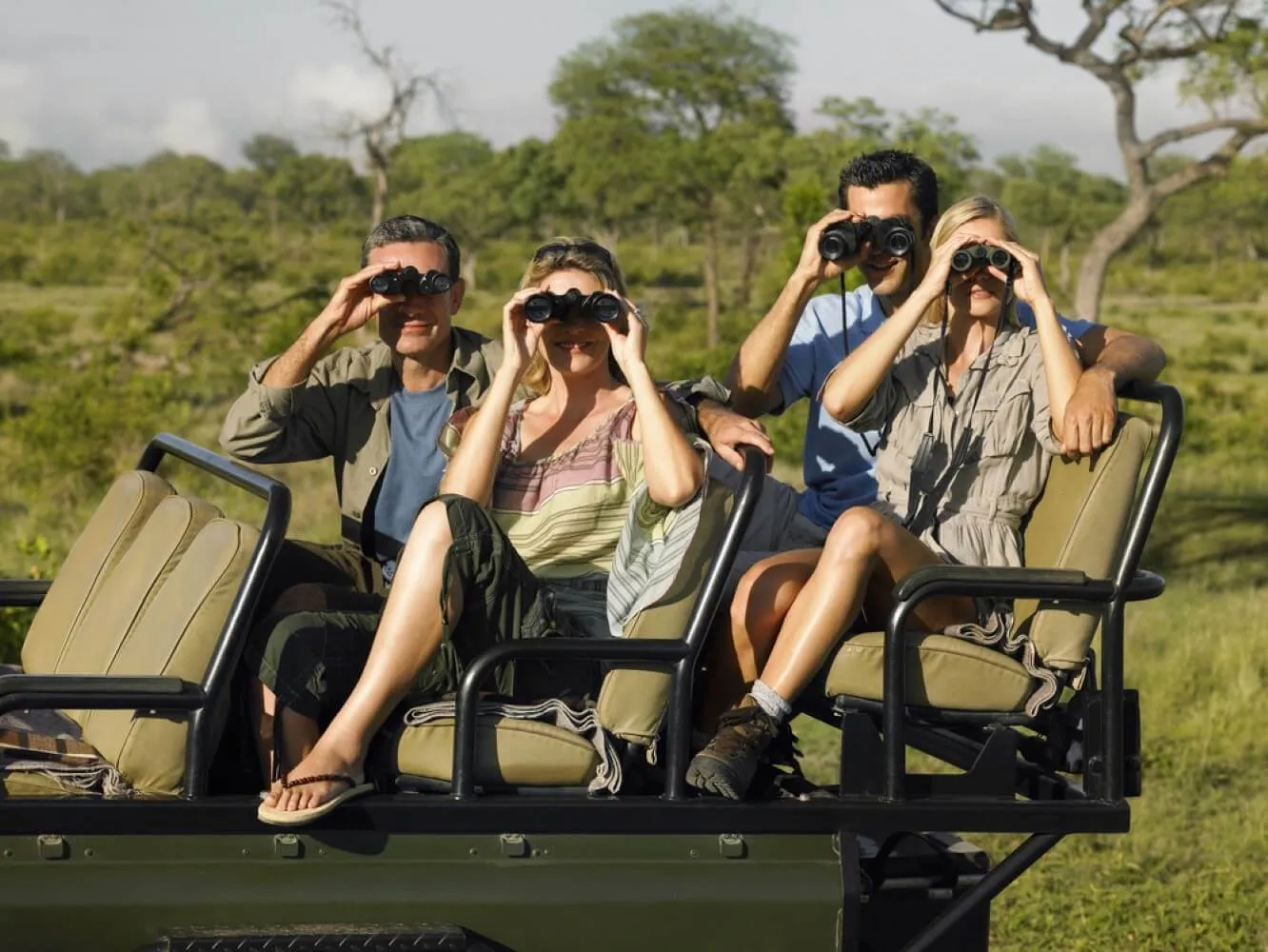
Explore Sariska Tiger Reserve's core zones on a thrilling private jeep safari with expert naturalists, tracking tigers, leopards, and hyenas through ancient Dhok and Sal forest trails.

Canter Safari
Join a shared canter safari at Sariska Tiger Reserve — an affordable group option ideal for families, offering guided wildlife drives through designated routes in the reserve's buffer zones.

Siliserh Boating Safari
Glide across the mirror-calm Siliserh Lake near Sariska Tiger Reserve with panoramic views of the historic Siliserh Lake Palace — a unique wildlife and heritage boating experience in Rajasthan.

Bird Watching
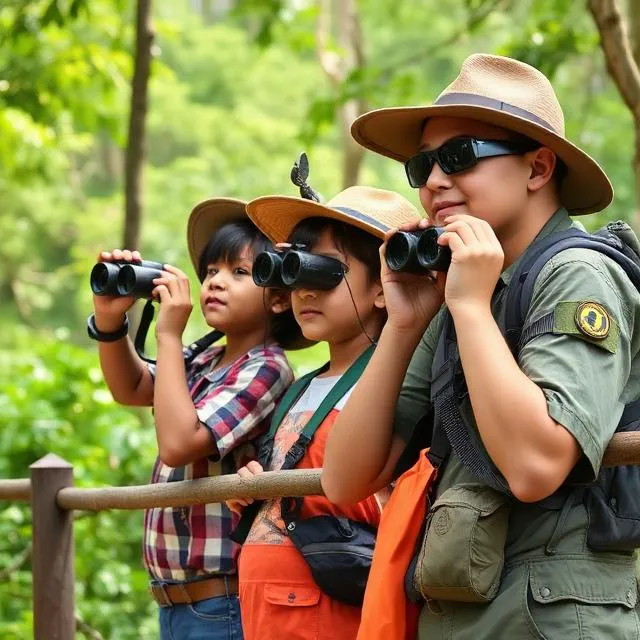
Discover 200+ bird species including painted spurfowl, crested serpent eagle, and Indian eagle owl across Sariska Tiger Reserve's forest clearings, waterholes, and Aravalli ridgeline habitats.

Village Tour
Explore the indigenous Meena tribal villages surrounding Sariska Tiger Reserve to experience traditional Rajasthani rural life, folk traditions, craft heritage, and the communities' unique relationship with the forest.

Local Sightseeing
Discover Sariska's extraordinary heritage circuit — Bhangarh Fort, Kankwari Fort, Neelkanth Mahadev Temple, Sariska Palace, and the City Palace Alwar — all within driving range of the reserve.

Photography
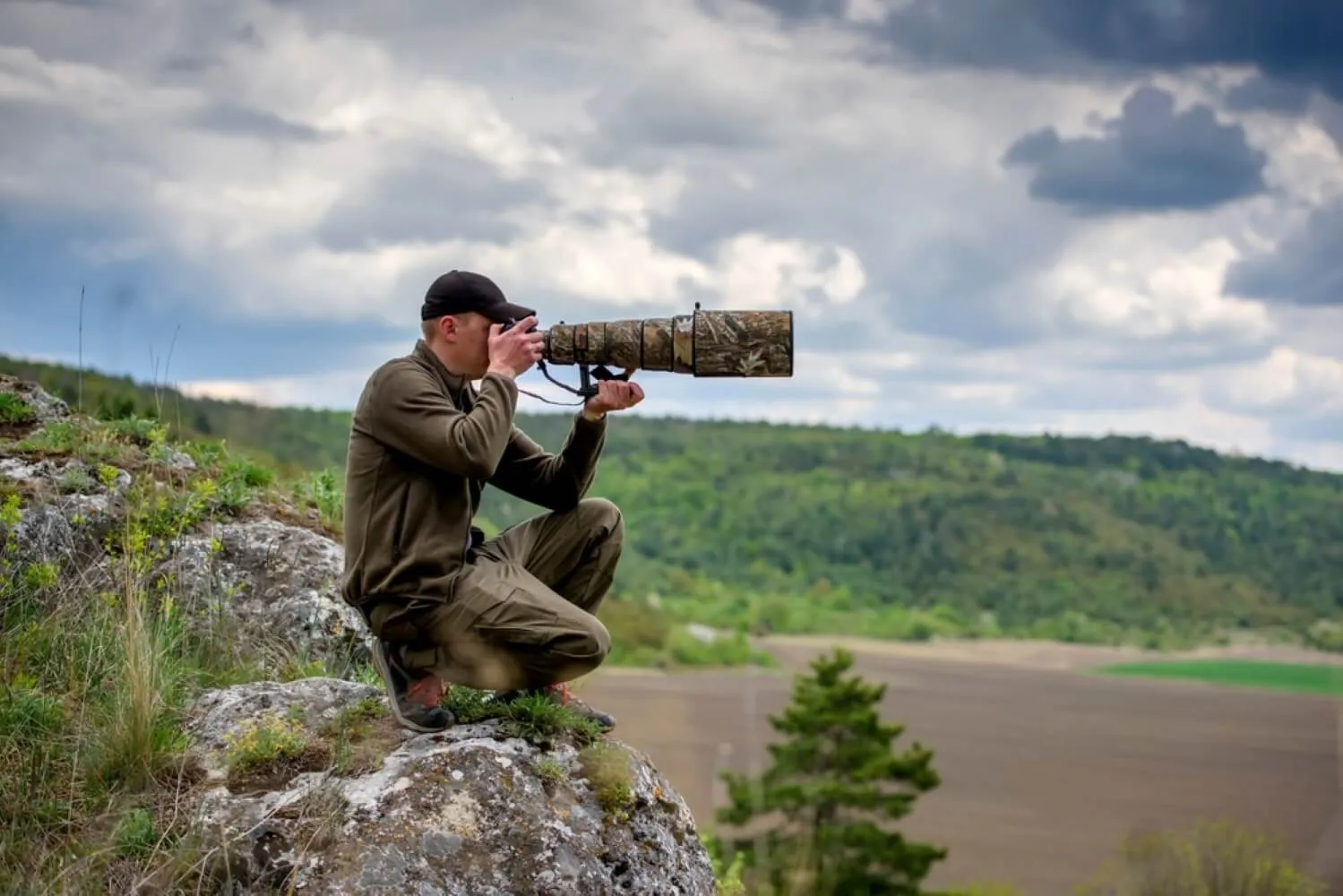
Sariska Tiger Reserve offers dramatic photography opportunities — tigers in Aravalli terrain, ancient temples in forest settings, carved stone ruins, and golden-light Rajasthan landscapes at dawn and dusk.

Nature Walk
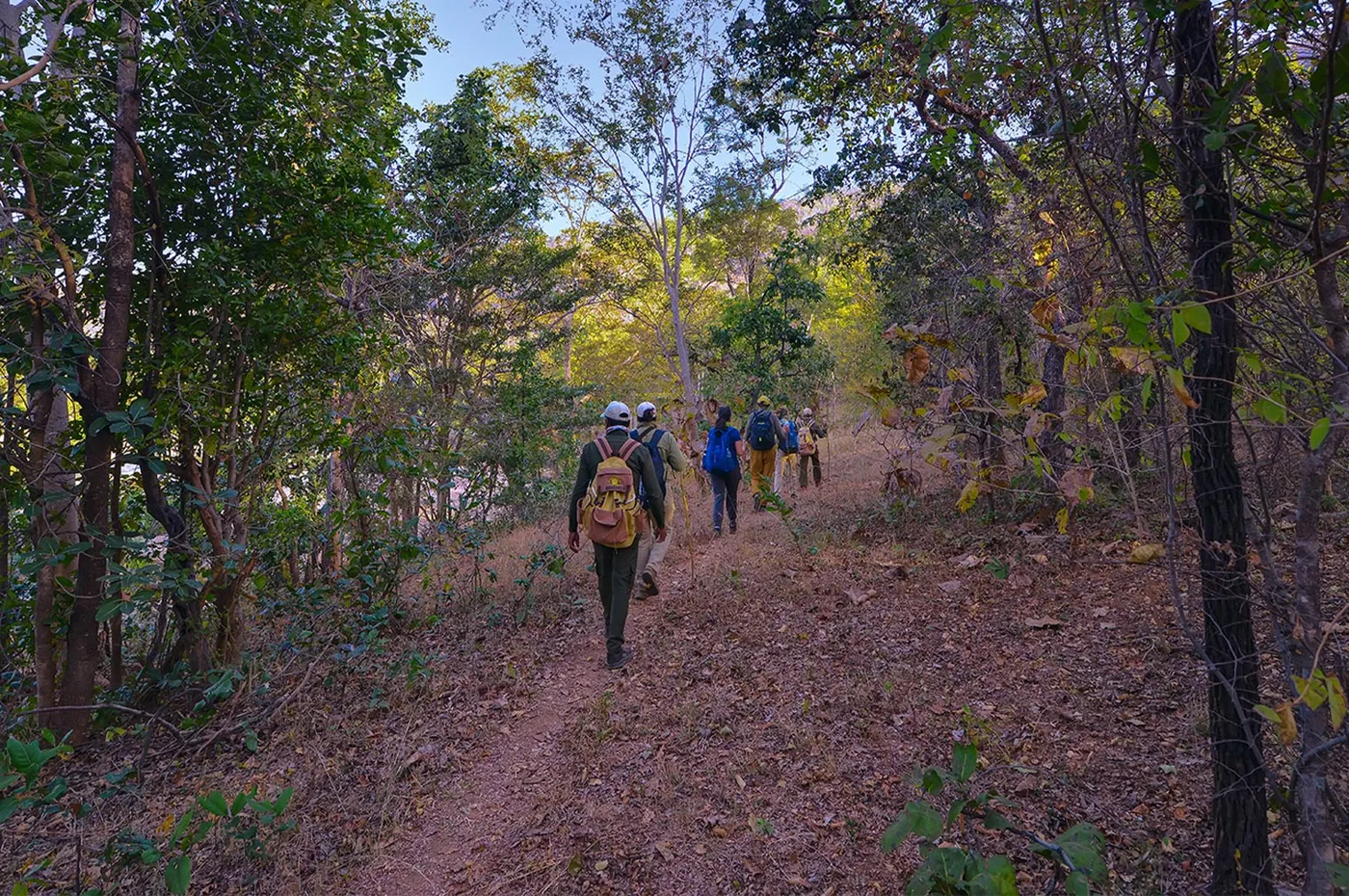
Walk guided forest trails at Sariska Tiger Reserve's buffer zones to track wildlife pugmarks, discover medicinal plants, Dhok forest ecology, and the ancient stepwells and ruins within the landscape.

Bush Dinner
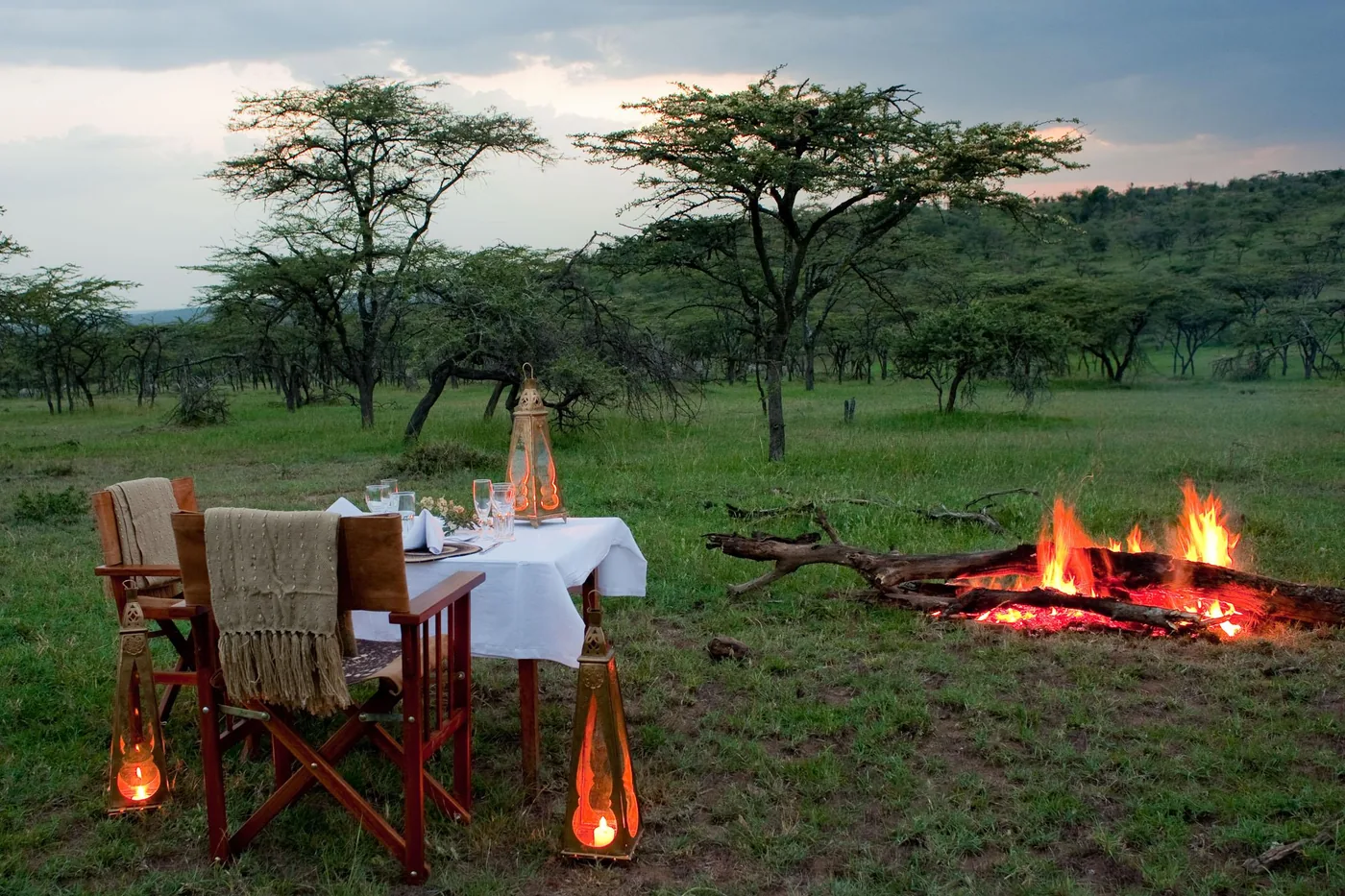
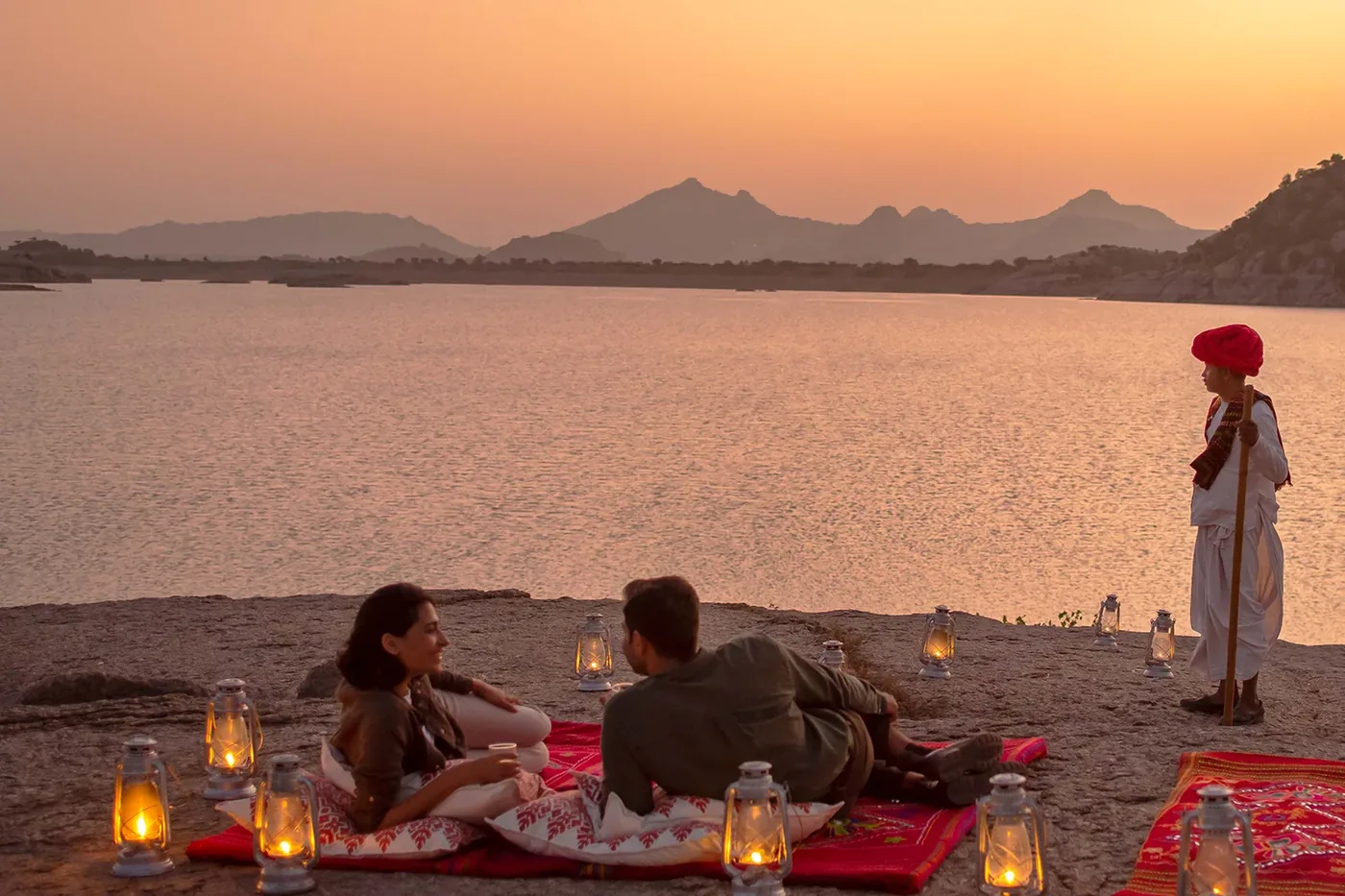
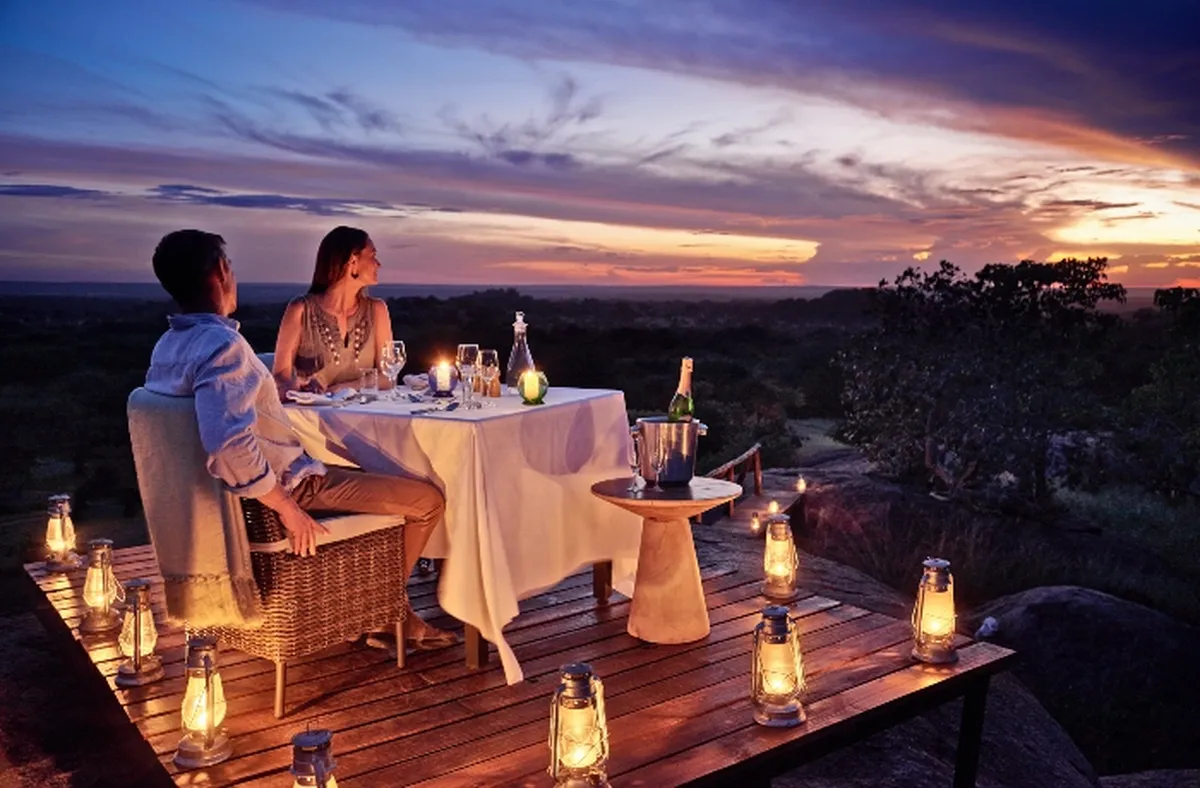
Dine under a starlit Rajasthan sky surrounded by the sounds of Sariska Tiger Reserve's wilderness — an exclusive bush dinner experience curated by luxury heritage resorts near the reserve.

Sundowners
Toast the golden Aravalli sunset from elevated hilltop viewpoints or the terrace of a heritage property near Sariska Tiger Reserve, as the forest transitions to nocturnal life around you.
How to Reach
Attractions

Bhangarh Fort
India's most famously 'haunted' 17th-century Rajput fort near Sariska Tiger Reserve; a magnificently preserved ruin set against the Aravalli Hills — a must-visit heritage and photography landmark.

Bala Quila Fort
An ancient hilltop fortress overlooking Alwar city near Sariska Tiger Reserve; offering panoramic views over the Aravalli landscape and featuring historic Mughal and Rajput architectural elements.

Siliserh Lake Palace
A stunning 19th-century hunting lodge-turned-heritage hotel by the Siliserh Lake near Sariska Tiger Reserve; offering lakeside dining, boating, and spectacular sunset views over the Aravalli Hills.

Neelkanth Mahadev Temple
An 8th–10th-century temple complex deep within Sariska Tiger Reserve; featuring exquisitely carved Pratihara-era Shiva temples amidst the forest — one of Rajasthan's finest hidden archaeological treasures.

Sariska Palace
A royal hunting lodge of the Alwar Maharajas, now a heritage hotel near Sariska Tiger Reserve; its colonial-Rajput architecture, royal artefacts, and forest setting embody Rajasthan's regal wildlife legacy.

City Palace Alwar
The opulent 18th-century Maharaja's palace in Alwar city near Sariska Tiger Reserve; housing a museum with royal artefacts, arms, manuscripts, and stunning frescoes of the Alwar princely state.

Moosi Maharani Ki Chhatri
A delicate 19th-century marble and sandstone royal cenotaph in Alwar near Sariska Tiger Reserve; one of Rajasthan's finest examples of Mughal-Rajput memorial architecture set beside a royal garden.

Fateh Jung Gumbad
A striking 17th-century domed tomb of Nawab Fateh Jung near Alwar and Sariska Tiger Reserve; an architectural blend of Mughal and Rajput styles and an important historical monument of the region.

Biodiversity Park
A dedicated nature interpretation and conservation zone near Sariska Tiger Reserve; featuring native Aravalli plant species, walking trails, and educational infrastructure promoting regional biodiversity awareness.

Karni Mata Temple
A sacred hilltop temple accessible by ropeway near Alwar and Sariska Tiger Reserve; offering panoramic views over the Aravalli range and attracting pilgrims from across Rajasthan throughout the year.

Kankwari Fort
A formidable 17th-century hilltop fort deep within Sariska Tiger Reserve; historically significant as the prison of Aurangzeb's prisoner Dara Shikoh — reachable by jeep on a special heritage safari.

Pandupol Hanuman Temple
A revered forest temple within the Sariska Tiger Reserve landscape; a spiritually significant pilgrimage point that attracts thousands of devotees during Monday and religious festivals throughout the year.

Bhartrihari Nath Temple
An ancient cave temple of the legendary sage-king Bhartrihari near Sariska Tiger Reserve; considered one of Rajasthan's most sacred pilgrimage sites, drawing Nath sect sadhus year-round.

Naldeshwar Temple
A scenic forest temple near Sariska Tiger Reserve set amidst the Aravalli hills; dedicated to Lord Shiva and reachable via a forest trek, combining spiritual significance with wilderness immersion.
Sariska Tour Packages
From royal wilderness escapes to unforgettable tiger safaris, every Sariska package is curated around your travel style, pace, and love for the wild.



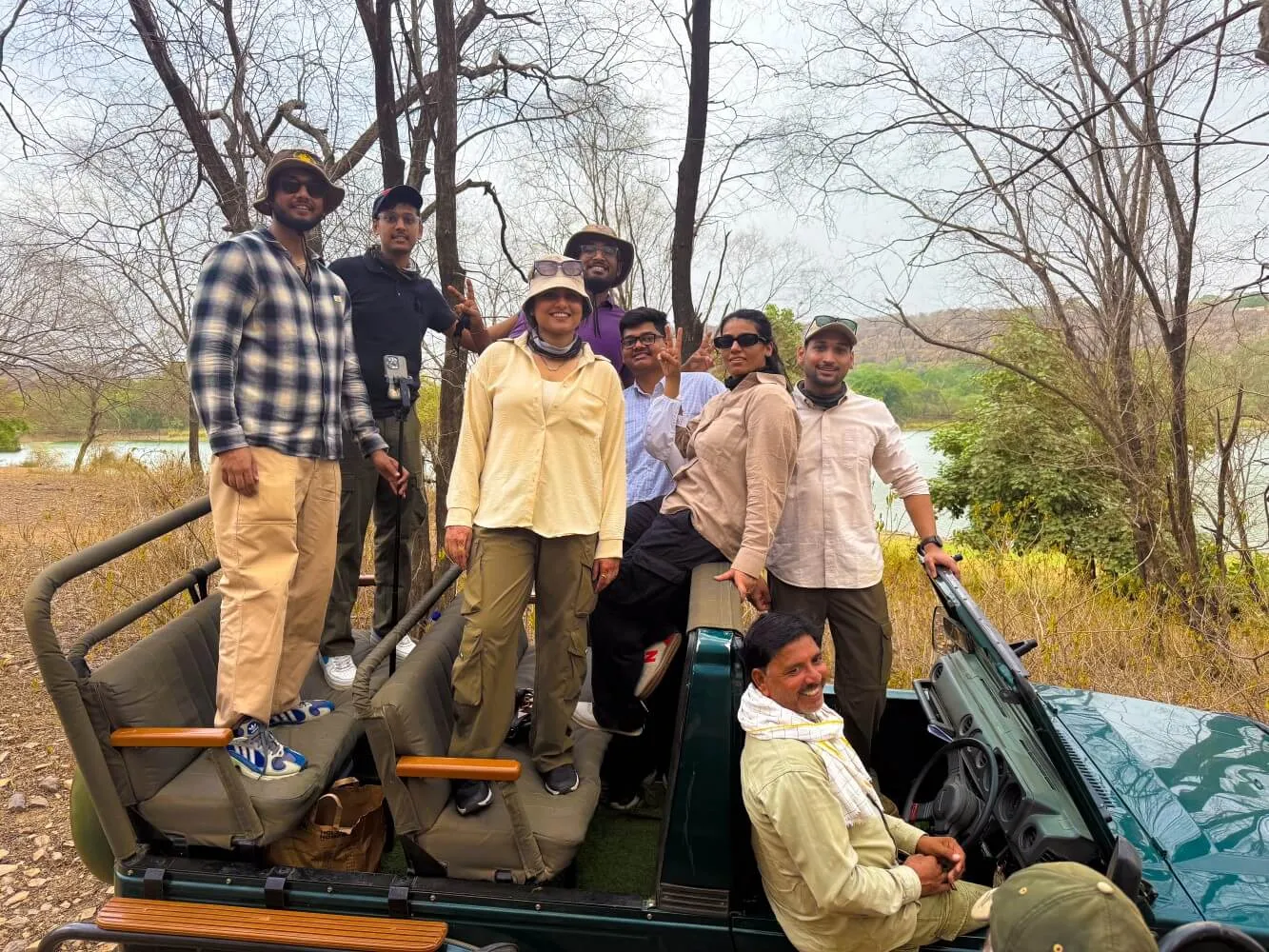
Sariska Hotels & Resorts — Luxury Jungle Lodges
We partner with Sariska's finest jungle resorts and heritage-inspired retreats—selected for their warm hospitality, scenic surroundings, and memorable wildlife escapes.
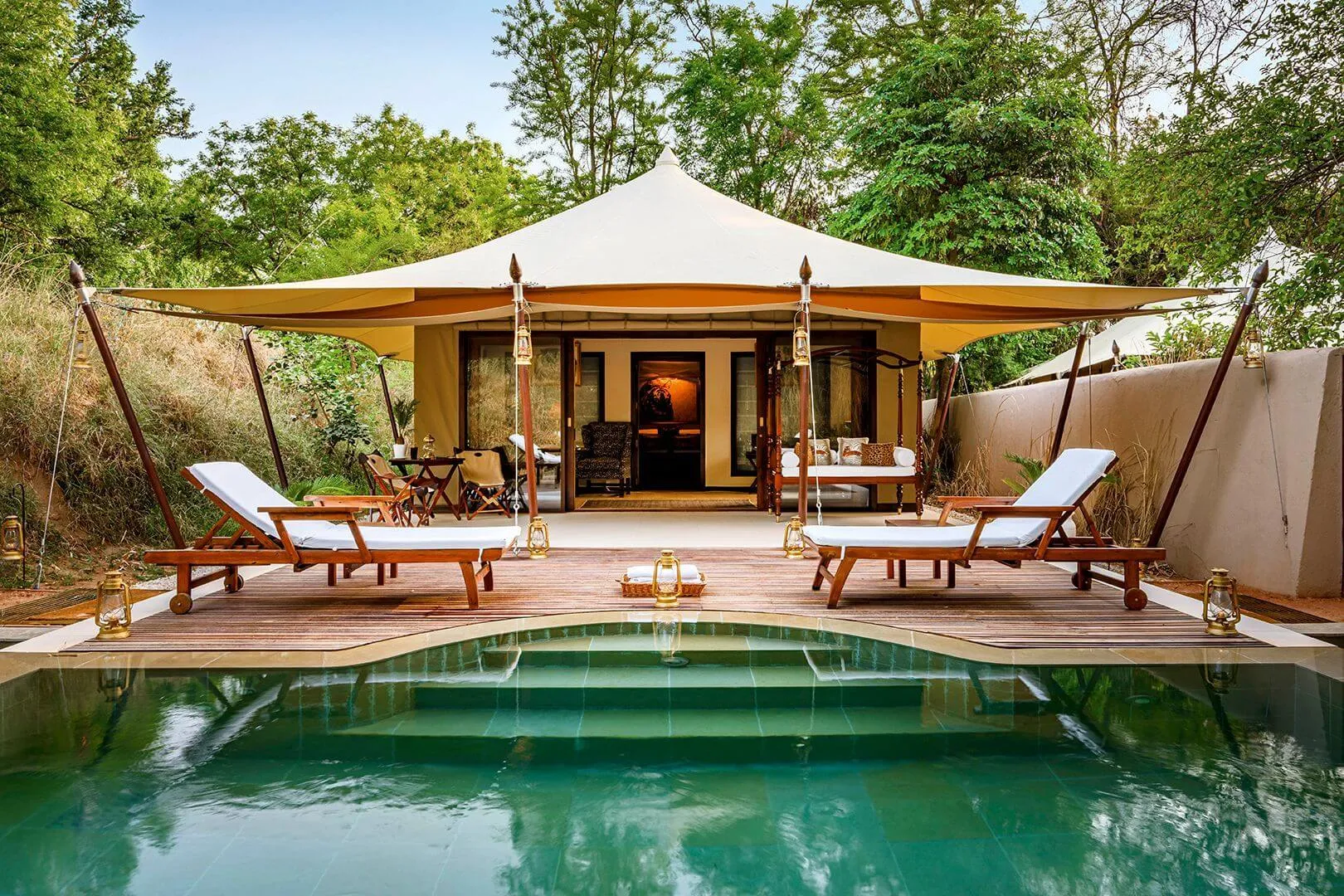
Stay at Sariska Tiger Reserve's finest handpicked wildlife lodges, where comfort meets the untamed wilderness.


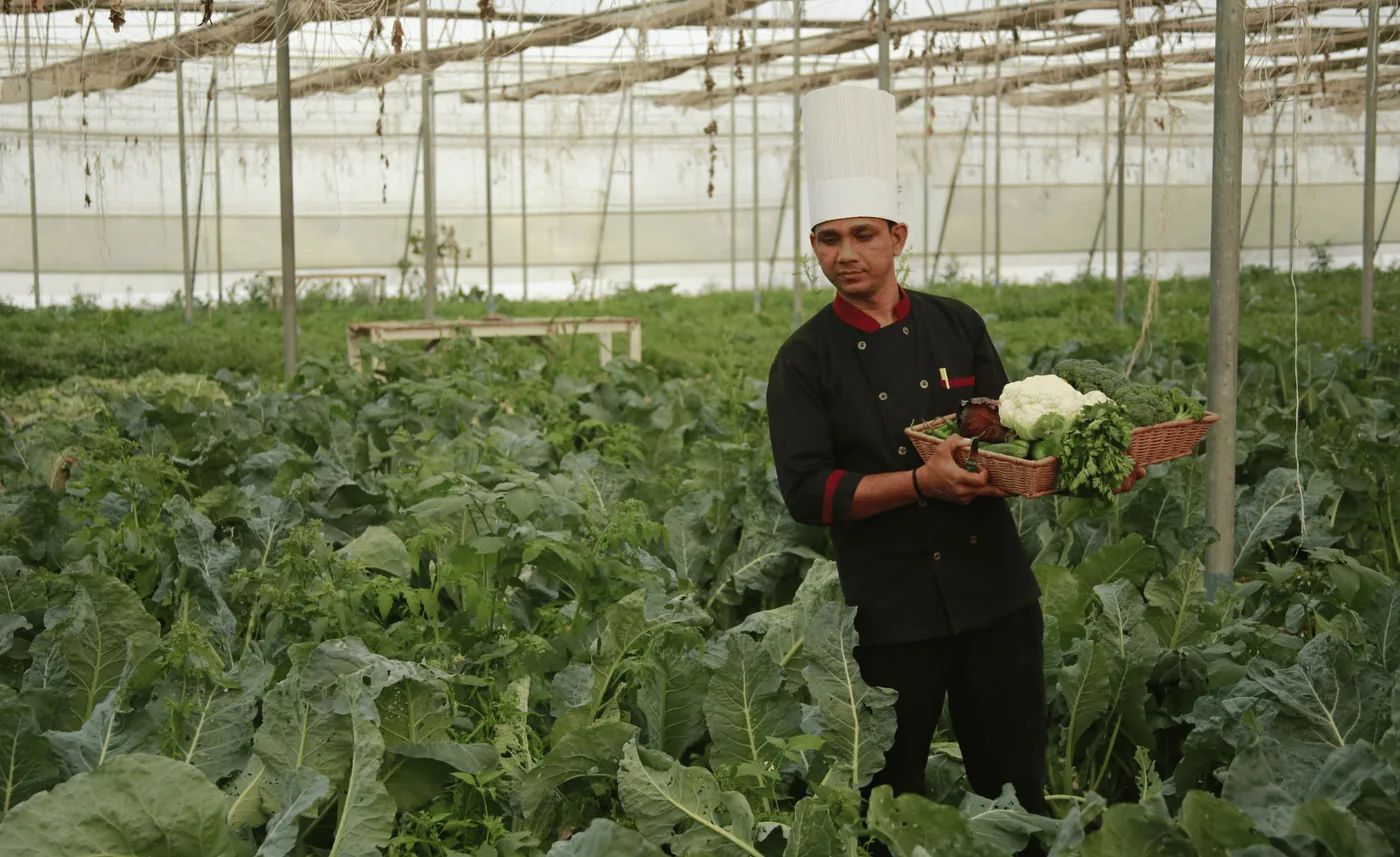
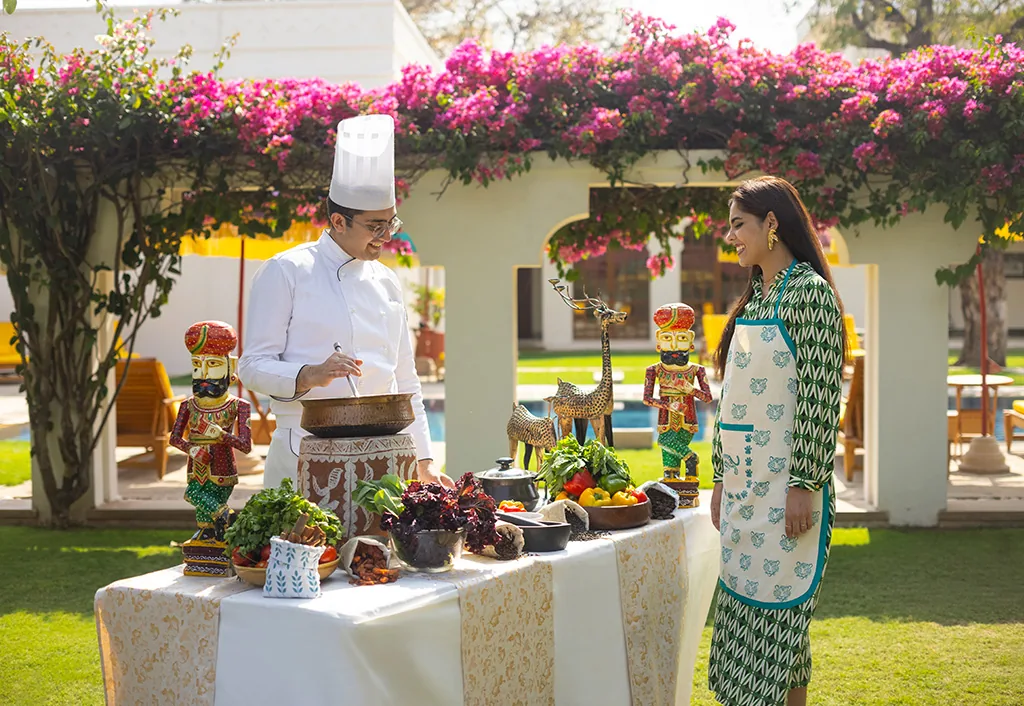
Signature Experiences, Curated Around Sariska
From heritage-inspired experiences and local culture to unforgettable wilderness moments, every experience is curated to enrich your Sariska safari.








Nearby Destinations to Sariska

Alwar
Royal Rajput Gateway City

Bhangarh
India's Haunted Fortress

Siliserh Lake
Palace on the Lake

Jaipur
Pink City of Rajasthan

Delhi
India's Capital Gateway

Ranthambore TR
Rajasthan's Iconic Tiger Reserve

Keoladeo NP (Bharatpur)
UNESCO Bird Sanctuary

Agra
Home of the Taj Mahal

Pushkar
Sacred Camel Fair Town

Neemrana
Heritage Fort Stepwells
Other Parks in Rajasthan


Other Parks in India


Sariska Tiger Reserve FAQ's
Is Sariska Tiger Reserve worth visiting?
Yes. Sariska Tiger Reserve offers tigers, leopards, Bhangarh Fort, Neelkanth temples, Siliserh Lake, and heritage sites of Alwar — all within 200 km of Delhi, making it one of North India's most complete wildlife-heritage destinations.
Which day is Sariska Tiger Reserve closed?
Sariska Tiger Reserve is closed every Wednesday for safari operations. The reserve is also closed to tourists annually from July 1 to September 30 during the monsoon season.
What is Sariska Tiger Reserve?
Sariska Tiger Reserve is a Project Tiger reserve located in the Alwar district of Rajasthan, India. Originally designated a wildlife sanctuary in 1955 and declared a tiger reserve in 1978, it covers approximately 1,213 sq km of Aravalli hill terrain. Sariska is globally renowned for being the first tiger reserve in the world to successfully translocate tigers from another reserve — specifically from Ranthambore — after its tiger population was devastated by poaching in the early 2000s. Today, the reserve supports a growing tiger population alongside leopards, hyenas, and rich biodiversity.
Can we see tigers in Sariska?
Yes, tigers can be seen at Sariska Tiger Reserve. Following the successful translocation programme beginning in 2008, Sariska's tiger population has grown steadily and now stands at approximately 50 to 60 individuals. Morning safaris in the core zones — particularly Zone 1 and Zone 2 — offer the best tiger sighting prospects. The summer months (April–June) are considered the peak season for tiger sightings, as tigers visit waterholes regularly. Experienced local guides significantly improve sighting probabilities.
Can I take my own car in Sariska Tiger Reserve?
No, private vehicles are not permitted inside the core safari zones of Sariska Tiger Reserve. Visitors must use the official forest department-approved jeeps or canter safari vehicles, all equipped with trained, licensed naturalist guides. Private cars may be driven to the gate and parking area, but entry into the reserve for safari is exclusively in authorised vehicles. This regulation ensures wildlife safety and maintains safari quality for all visitors.
Where is Sariska National Park located?
Sariska Tiger Reserve — commonly referred to as Sariska National Park — is located in the Alwar district of Rajasthan, India. It sits within the Aravalli Hill Range, approximately 37 km from Alwar city, 110 km from Jaipur, and 200 km from New Delhi. The reserve is bounded by the Alwar and Jaipur districts and falls within the broader Aravalli biodiversity hotspot of north-western India.
How to go to Sariska National Park from Delhi?
From Delhi, Sariska Tiger Reserve is approximately 200 km away and can be reached by multiple options. By road: drive via NH48 (Delhi–Jaipur Highway) to Shahpura, then take NH248 toward Alwar and onward to Sariska — approximately 3.5–4 hours. By train: take an express train from Delhi to Alwar (~2 hours), then hire a taxi for the 37 km drive to Sariska gate (~45 minutes). By bus: RSRTC and private buses run from Delhi/Jaipur to Alwar, from where local taxis are available to Sariska.
How many tigers are there in Sariska National Park?
As of the most recent National Tiger Conservation Authority (NTCA) census, Sariska Tiger Reserve has an estimated population of 55–60 tigers. This represents a significant conservation success story — the reserve had zero tigers in 2004–2005 following a devastating poaching crisis, and the population has been rebuilt entirely through a landmark relocation programme from Ranthambore Tiger Reserve, beginning with the first tiger translocation in 2008.
How to book a safari for Sariska National Park?
Sariska Tiger Reserve safari bookings can be booked online through Wild Enthusiast’s safari booking third party platform Both jeep safaris (private, 6-seater) and canter safaris (shared, 20-seater) are bookable online. It is strongly recommended to book in advance — especially during the peak October–March season — as daily permit quotas per zone are limited.
How to reach Sariska National Park?
Sariska Tiger Reserve is well connected by air, rail, and road. The nearest airport is Jaipur International Airport (~110 km), the nearest major railway station is Alwar Junction (~37 km), and regular road connectivity is available via NH48 and state highways from Delhi (~200 km) and Jaipur.
Is Sariska National Park open in August?
Yes. While the core zone of Sariska Tiger Reserve remains closed from July 1 to September 30 during the monsoon season, the buffer zones remain open for safari activities in August. This seasonal closure helps protect wildlife during the breeding season and allows the forest ecosystem to recover. Visitors can also explore nearby attractions, including Bhangarh Fort, Alwar City Palace, Siliserh Lake, and Neemrana Fort, during the monsoon months.
Which is better, Sariska or Ranthambore?
Both Sariska Tiger Reserve and Ranthambore Tiger Reserve are exceptional, each offering distinct experiences. Ranthambore is India's most famous tiger reserve with higher tourism infrastructure, more tigers (~70+), and consistently high sighting rates. Sariska offers a more intimate, less crowded experience, extraordinary heritage attractions (Bhangarh Fort, Neelkanth temples, Alwar palaces), and is significantly closer to Delhi. For first-time visitors seeking maximum tiger sighting probability, Ranthambore edges ahead. For travellers who want a wildlife-heritage combination experience with fewer crowds and easier Delhi access, Sariska Tiger Reserve is the superior choice.
About Sariska Tiger Reserve
Sariska Tiger Reserve is one of India's most celebrated and historically resonant protected areas, set within the rugged Aravalli hills of Alwar district in Rajasthan. Declared a wildlife sanctuary in 1955 and subsequently included under Project Tiger in 1978, the reserve encompasses approximately 1,213 sq km of dramatic Northern Tropical Dry Deciduous forest — dominated by Dhok (Anogeissus pendula), the signature tree of the Aravalli landscape. Sariska Tiger Reserve is distinguished from virtually every other tiger reserve in India by its remarkable fusion of wild forest ecology with an extraordinary density of historical, cultural, and spiritual heritage sites — from 8th-century Pratihara temples hidden within the forest to medieval Rajput forts, Mughal-era domes, and sacred cave shrines.
Sariska's tiger conservation story is one of the most dramatic in Indian wildlife history. In the early 2000s, a devastating poaching crisis wiped out the entire tiger population of the reserve — a catastrophic failure that shocked India's conservation establishment and triggered a national investigation. The government response culminated in a landmark global conservation milestone: the translocation of wild tigers from Ranthambore Tiger Reserve to Sariska, beginning in 2008. This made Sariska Tiger Reserve the first protected area in the world to successfully repopulate its tiger population through wild-to-wild translocation. Today, the reserve supports approximately 25–30 tigers, and the number is steadily growing.
Beyond tigers, Sariska Tiger Reserve is home to a rich assemblage of wildlife including leopards, striped hyenas, caracals, jungle cats, sambar, chital, nilgai, and an exceptional diversity of birds and reptiles. The reserve also encompasses significant human heritage — several villages were relocated from the core zone as part of conservation efforts, while others remain in the buffer zone, maintaining living relationships with the forest that span generations. The surrounding area of Alwar district is extraordinarily rich in Rajput and Mughal heritage, making Sariska Tiger Reserve a uniquely complete destination for the modern experiential traveller.
Quick Facts about Sariska Tiger Reserve
| Feature | Details |
|---|---|
| Official Name | Sariska Tiger Reserve |
| Year Established | Wildlife Sanctuary: 1955 | Tiger Reserve: 1978 |
| Total Area | 1,213.34 sq km |
| Core Zone | ~498 sq km |
| Buffer Zone | ~715 sq km |
| Location | Alwar District, Rajasthan, India |
| Forest Type | Northern Tropical Dry Deciduous (Dhok dominant) |
| Tiger Population | ~55–60 tigers (NTCA estimates, post-relocation) |
| Safari Gates | 4 Gate (Sariska, Telha, Baraliwari & Andheri) |
| Weekly Closure | Wednesday (safari operations closed) |
| Monsoon Closure | July 1 – September 30 |
| Nearest Town | Alwar (~37 km) |
| Key Distance | 200 km from Delhi | 110 km from Jaipur |
| Key Achievement | World's first successful wild tiger translocation (2008) |
| Key Wildlife | Tiger, Leopard, Hyena, Caracal, Sambar, Chital |
| Bird Species | 200+ recorded species |
| Heritage Sites | Bhangarh Fort, Neelkanth Temples, Kankwari Fort, Sariska Palace |
| Managed By | Rajasthan Forest Department / NTCA |
Detailed Overview — Geography, Terrain & Ecosystem
Sariska Tiger Reserve occupies the southern portion of the Aravalli Range — one of the world's oldest mountain systems, with rocks dating back over 3,500 million years. The terrain within the reserve is characterised by parallel ridges and valleys oriented in a northeast-southwest direction, with elevations ranging from approximately 270 to 722 metres above sea level. The highest point is the Karni Mata hill to the southeast of the reserve.
The dominant vegetation community is Northern Tropical Dry Deciduous Forest, defined overwhelmingly by the Dhok tree (Anogeissus pendula), which accounts for an extraordinary 90% of the forest cover in many zones and gives the reserve its characteristic open, light-dappled character. Dhok is a deciduous species that sheds its leaves in the dry season (February–April), transforming the forest into a stark, open landscape of bare grey trunks and dappled light that significantly improves wildlife visibility during the peak summer safari season.
The reserve contains several seasonal streams — including the Ruparel River system — that drain the Aravalli catchment and feed seasonal waterholes during monsoon, sustaining wildlife through the dry months. The Siliserh Lake, located on the northern periphery of the reserve's influence zone, is a significant water body that supports a rich population of waterbirds and the historic Siliserh Lake Palace.
What makes Sariska Tiger Reserve's landscape uniquely captivating is the extraordinary density of archaeological and architectural heritage embedded within it. Ancient temple complexes, medieval forts, Mughal-era tombs, and royal hunting lodges are scattered across the reserve's terrain, many within the core forest zone. This exceptional co-presence of wildlife habitat and human heritage creates safari experiences of a depth and richness that no other Indian tiger reserve can match.
History of Sariska Tiger Reserve
The forests of the Alwar region have been under royal protection for centuries. The rulers of the Alwar Princely State — one of Rajasthan's most powerful Rajput kingdoms — preserved these forests as exclusive hunting grounds, unwittingly creating conditions that allowed wildlife populations to thrive for generations. The Sariska Palace, the Siliserh Lake hunting lodge, and Kankwari Fort all stand as architectural testimony to this royal stewardship of the landscape.
The human history of the Sariska region extends far beyond the Rajput era. The magnificent Neelkanth Mahadev Temple complex within the forest dates to the 8th–10th centuries CE, constructed during the reign of the Pratihara dynasty. These temples — featuring exquisitely detailed carvings of Shiva, Vishnu, and various celestial figures — represent some of Rajasthan's finest early medieval temple architecture and were clearly centres of significant spiritual activity within the forested landscape.
Kankwari Fort, a formidable structure deep within what is now the core zone of Sariska Tiger Reserve, gained historical notoriety as the prison to which the Mughal Emperor Aurangzeb sent his brother and rival Dara Shikoh in the 17th century. Bhangarh Fort, located on the reserve's periphery, was built in 1573 under the reign of Bhagwant Das and is associated with legends that have given it a reputation as one of India's most 'haunted' locations — now a major tourism draw.
Sariska was declared a wildlife sanctuary in 1955 under the Wildlife (Protection) Act, and in 1978, it was brought under Project Tiger — India's flagship tiger conservation programme. Through the 1980s and 1990s, Sariska's tiger population grew and the reserve gained international recognition. However, in a shocking development revealed in 2004–2005, investigations confirmed that the reserve's entire tiger population — estimated at 16–18 individuals — had been poached, making it the first Indian tiger reserve to lose all its tigers to poaching in the post-Project Tiger era.
This crisis triggered India's most significant conservation reform in decades — including strengthened anti-poaching laws, mandatory camera trap monitoring, improved forest staff deployment, and village relocation programmes. Most significantly, it led to the world's first wild tiger translocation, with tigers from Ranthambore being transported to Sariska beginning in July 2008. By 2024, the reserve's tiger count had recovered to approximately 25–30 individuals, representing one of conservation's great comeback stories.
Flora & Fauna of Sariska Tiger Reserve
Flora — Vegetation & Plant Diversity
The reserve's vegetation is dominated by Dhok (Anogeissus pendula), which constitutes ~90% of forest cover, alongside Salar (Boswellia serrata) on rocky ridges, Ber (Ziziphus mauritiana), Adusa (Justicia adhatoda), Bamboo patches, Khair (Acacia catechu), Kadam, Palas (Butea monosperma), and native grass species including Sehima and Heteropogon.
Fauna — Mammals
The mammal population includes 25–30 Bengal tigers, Indian leopards, striped hyenas denoting healthy scavenger ecology, caracals, jungle cats, golden jackals, Indian foxes, sambar deer, chital, nilgai, rare four-horned antelopes (chousingha), wild boar, Indian porcupines, small Indian civets, common langurs, and rhesus macaques.
Fauna — Birds (200+ Species)
Recorded birds include Crested Serpent Eagles, Indian Eagle Owls, Painted Spurfowls (signature ground bird), Grey Francolins, White-throated Kingfishers, Pied Kingfishers, Indian Rollers, Indian Peafowl, and waterbirds at Siliserh Lake including Painted Storks, Grey Herons, and Lesser Whistling Ducks.
Reptiles
Reptiles include Mugger Crocodiles in seasonal water bodies, Indian Rock Pythons in rocky terrain, Indian Cobras, Russell's Vipers, Kraits, Bengal Monitor Lizards, and Spiny-tailed Lizards (Uromastyx hardwickii).
Conservation Efforts at Sariska Tiger Reserve
Project Tiger & the Tiger Translocation Programme
Sariska Tiger Reserve's global conservation significance rests on the landmark 2008 tiger translocation programme — the first successful wild-to-wild tiger relocation in history. Following the discovery that all of Sariska's tigers had been poached by 2004–2005, the National Tiger Conservation Authority coordinated a multi-year effort to bring tigers from Ranthambore Tiger Reserve. The programme has since been expanded, with multiple tiger individuals translocated and natural breeding occurring within the reserve — validating the translocation approach as a viable conservation tool.
Anti-Poaching Measures
Following the poaching crisis, Sariska Tiger Reserve received significant upgrades to its protection infrastructure. A dedicated Special Tiger Protection Force (STPF) was deployed with GPS tracking, wireless communication, and 24-hour patrol schedules. Camera trap networks were dramatically expanded. Intelligence-based anti-poaching operations have successfully prevented any recurrence of the earlier disaster.
Village Relocation Programme
A significant conservation intervention at Sariska Tiger Reserve has been the voluntary relocation of villages from the core zone. Multiple villages — including Bhagani, Umri, and Bakola — have been relocated outside the reserve boundaries under the Project Tiger relocation scheme. Families receive compensation, agricultural land, and infrastructure support. The vacated areas have shown rapid habitat recovery, with wildlife populations expanding into newly protected terrain.
Community Engagement & Buffer Zone Management
Eco-Development Committees (EDCs) in villages surrounding Sariska Tiger Reserve provide alternative livelihood opportunities — including eco-tourism guiding, handicraft development, and sustainable forest produce collection — reducing pressure on forest resources and building conservation ownership among local communities.
Heritage Conservation Integration
Sariska Tiger Reserve works in coordination with the Archaeological Survey of India (ASI) and the Rajasthan State Archaeology Department to protect and maintain the heritage monuments within and around the reserve — including Neelkanth Mahadev Temple complex and Kankwari Fort. The integration of heritage tourism with wildlife tourism has broadened the visitor base and increased economic benefits for the region.
Research & Monitoring
The Wildlife Institute of India (WII) and National Tiger Conservation Authority conduct periodic tiger census operations, camera trap surveys, and population viability analyses at Sariska Tiger Reserve. Post-translocation genetic diversity studies are ongoing to ensure the long-term health of the re-established tiger population. The reserve's recovery story continues to be documented and studied as a global conservation case study.