





About Mudumalai Tiger Reserve
Mudumalai Tiger Reserve, nestled in the Nilgiri Biosphere Reserve of Tamil Nadu, is one of India's most celebrated wildlife sanctuaries and a crown jewel of South Indian conservation. Declared a Tiger Reserve under Project Tiger in 2007, it spans over 688 sq km of spectacular terrain — from dense moist deciduous forests and bamboo groves to open grasslands and shola patches. The reserve shares its borders with Bandipur National Park (Karnataka) and Wayanad Wildlife Sanctuary (Kerala), forming the single largest protected forest block in peninsular India. Home to Bengal tigers, Indian elephants, gaurs, leopards, and over 266 species of birds, Mudumalai Tiger Reserve offers an unparalleled wildlife experience in the lap of the Western Ghats.
- Area688.59 sq km
- Established1940
- StateTamil Nadu
- Nearest CityOoty
- Safari Zones5 Zones
Mudumalai Travel Guide
Biodiversity

Wildlife
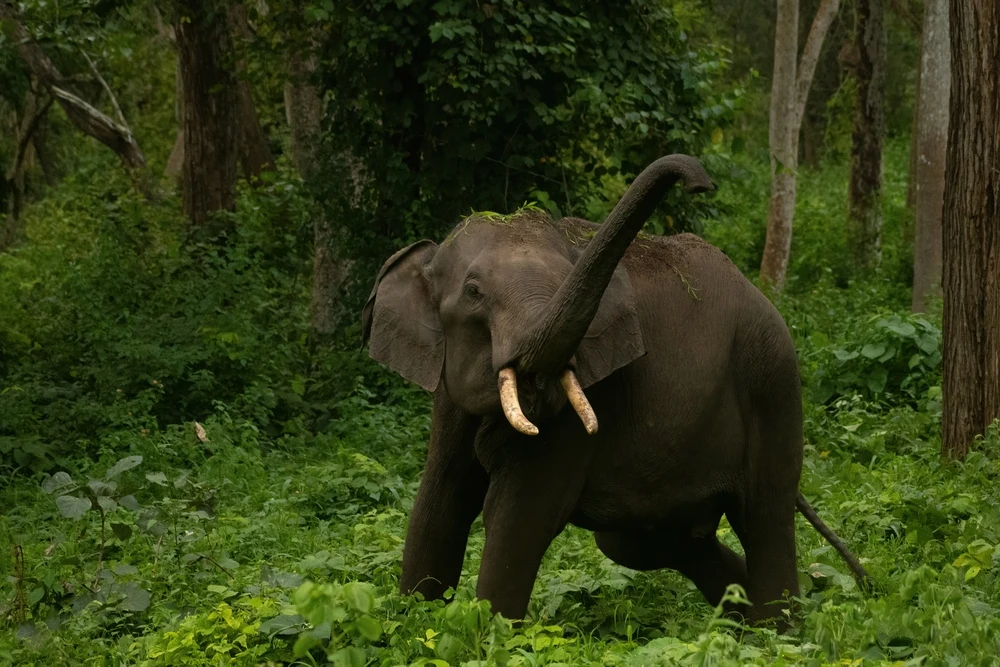
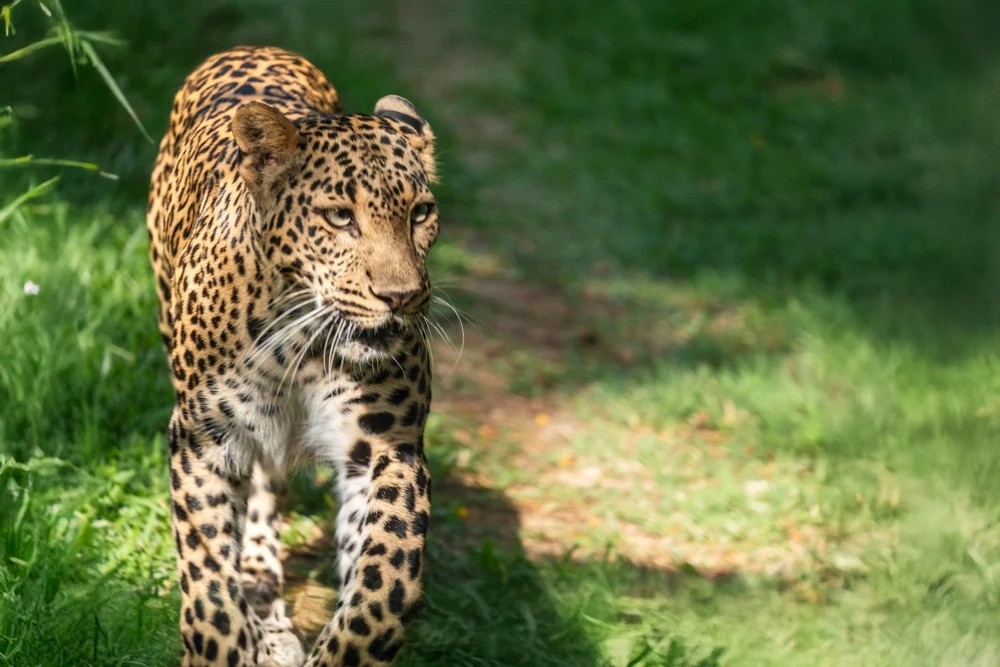
Mudumalai Tiger Reserve shelters Bengal tigers, Indian elephants, leopards, gaurs, Indian wild dogs (dholes), sloth bears, spotted deer, sambar, mouse deer, and over 50 mammal species in their pristine natural habitat.
Flora
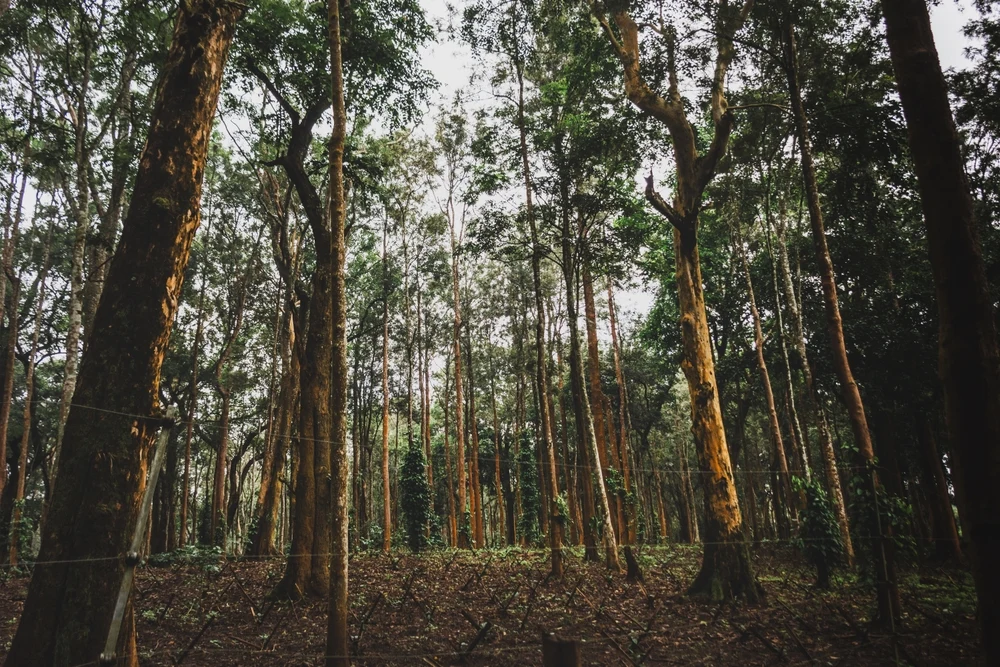
Mudumalai Tiger Reserve features moist and dry deciduous forests, teak, bamboo, and grasslands, along with diverse tropical vegetation supporting rich biodiversity and thriving wildlife habitats.

Landscape
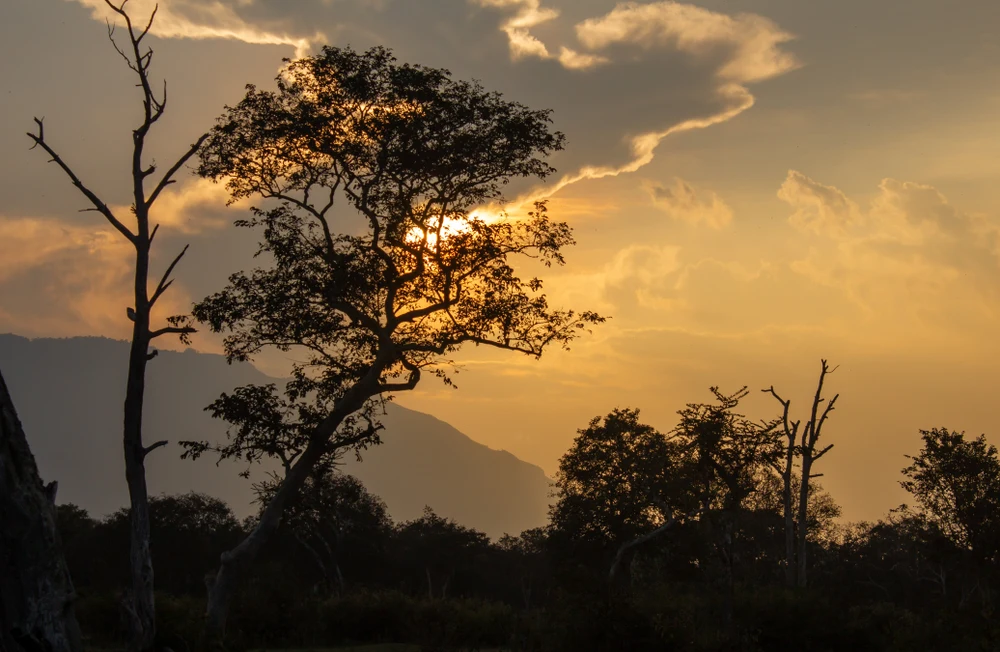
The reserve encompasses tropical moist deciduous forests, dry deciduous scrub, bamboo thickets, riparian forests along the Moyar River, and high-altitude shola grasslands set against the dramatic backdrop of the Nilgiri Hills.
Safari Guide
Best Time to Visit
Things to Do
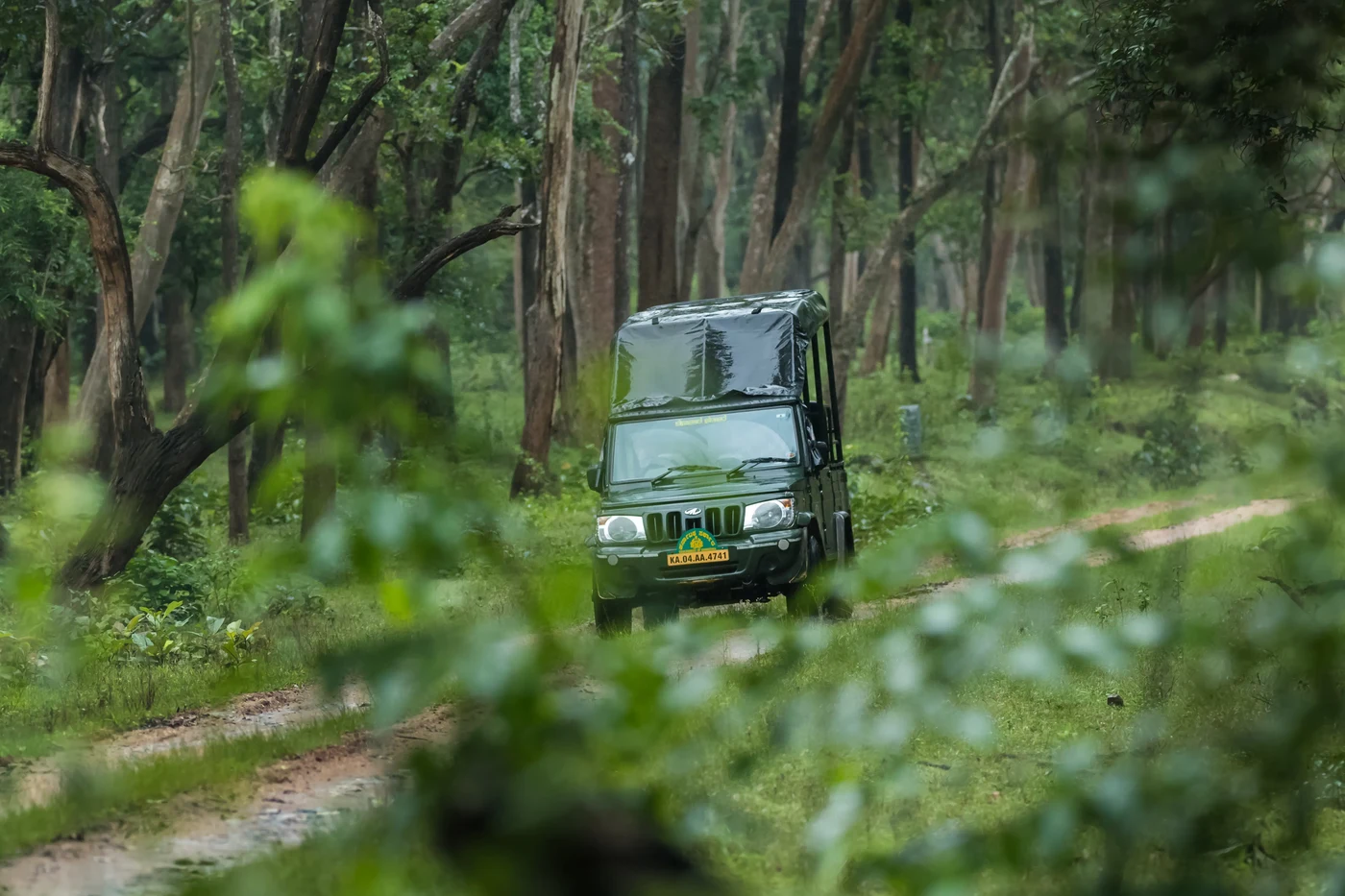
Jeep Safari
Explore the core zone trails on an open jeep safari — the most popular way to spot tigers, elephants, and leopards up close in Mudumalai Tiger Reserve.

Bus Safari
The government-operated bus safari is an affordable option covering designated routes through the buffer zone, ideal for families and budget travellers.
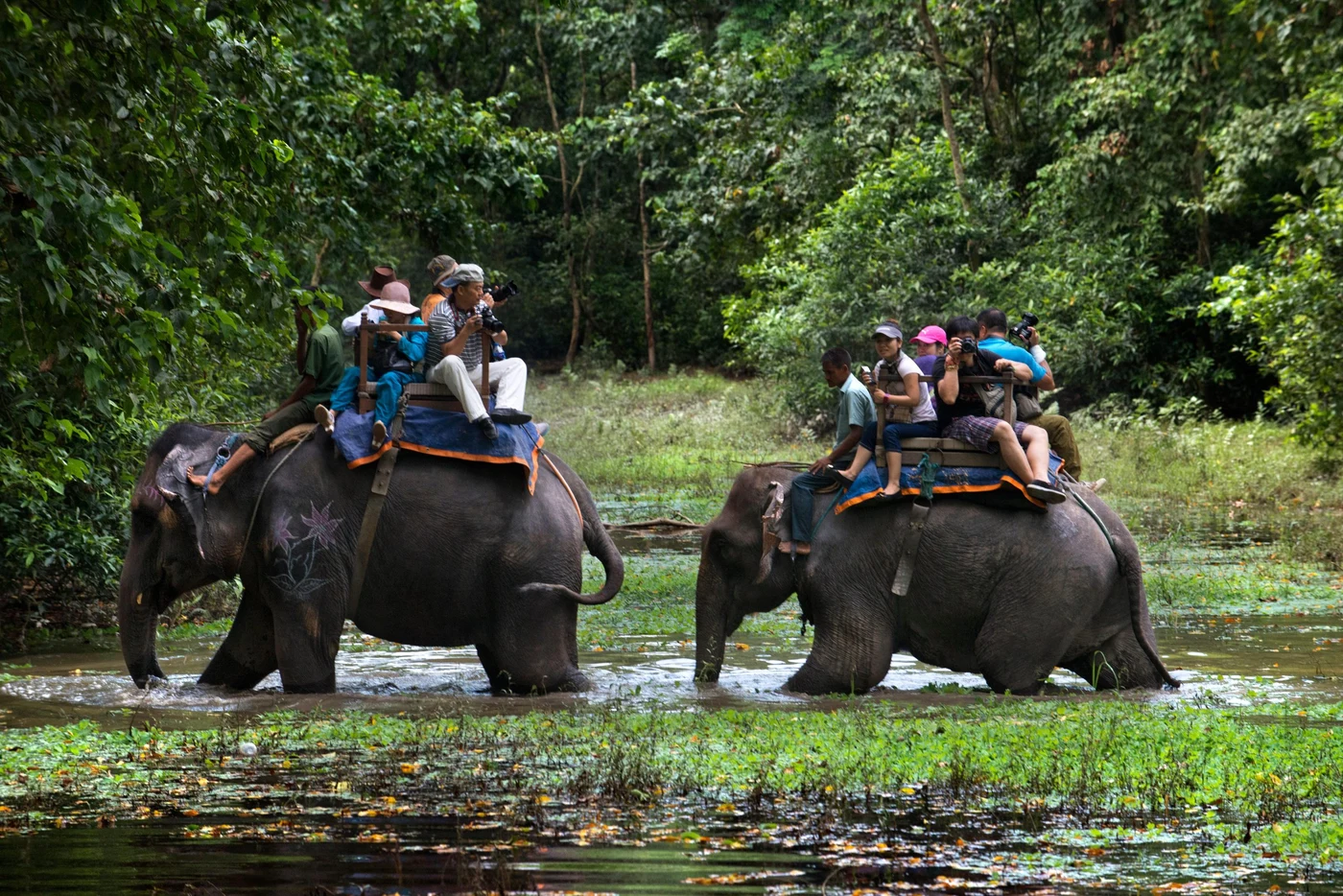
Elephant Safari
Ride a trained elephant deep into the jungle in the early morning hours for a unique, elevated perspective on wildlife and forest trails.
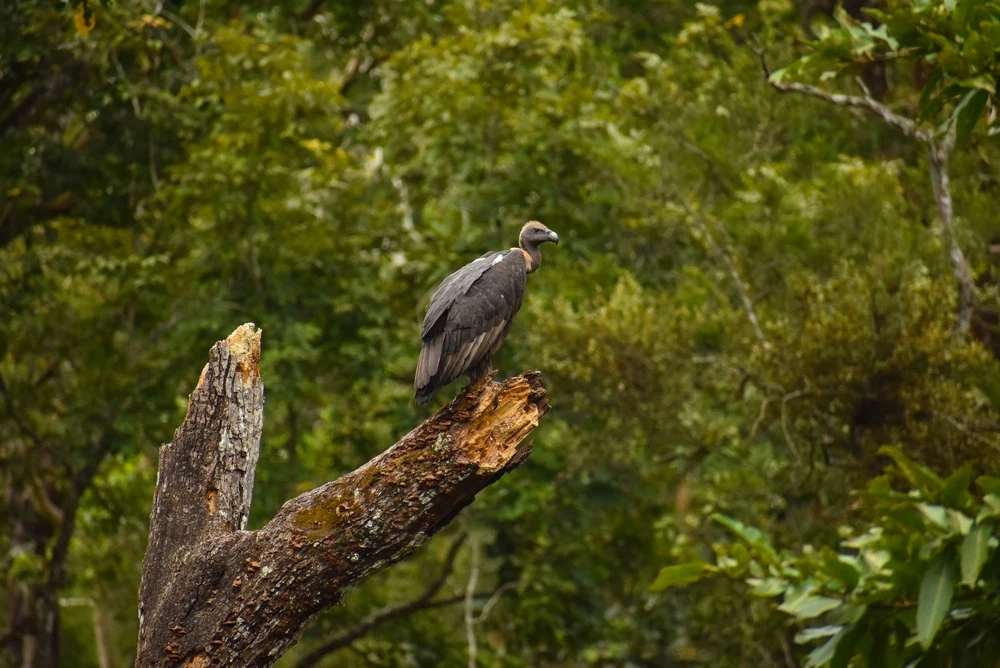
Bird Watching
With 266+ avian species, Mudumalai is a birder's paradise — early morning walks along forest edges reveal hornbills, owlets, barbets, and the spectacular Malabar trogon.
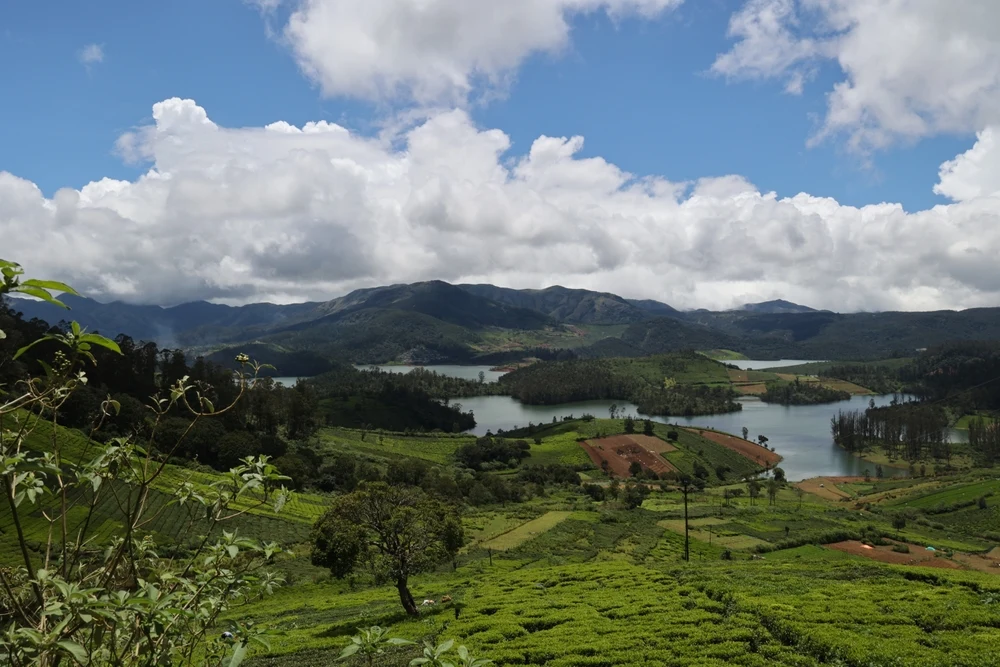
Local Sightseeing
Explore nearby tribal villages, the scenic Moyar Gorge, Pykara Falls, and Needle Rock Viewpoint for a rich cultural and natural excursion beyond the safari.

Wildlife Photography
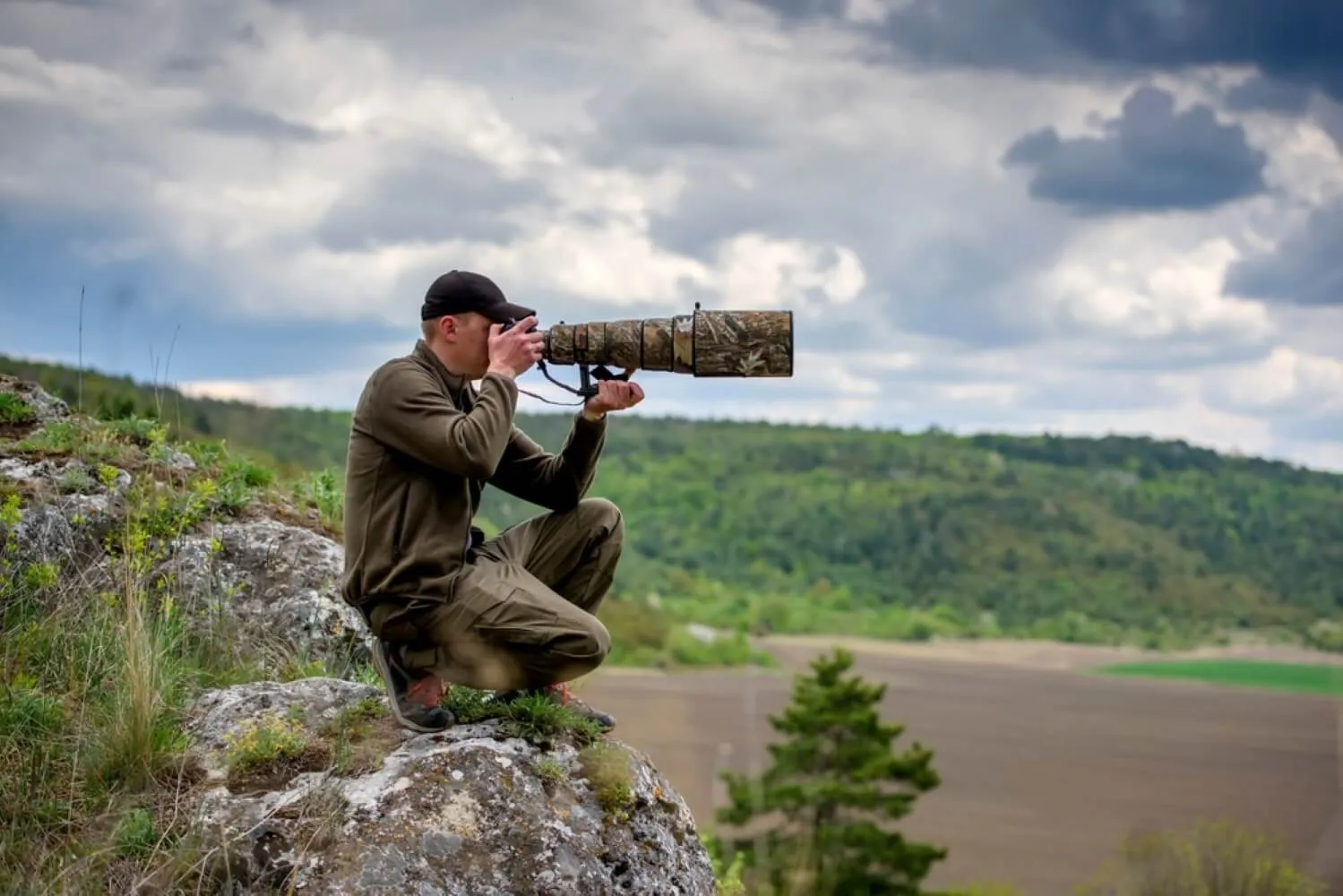
Mudumalai Tiger Reserve offers extraordinary opportunities for wildlife photography — golden-hour light, open grasslands, and watering holes attract India's finest wildlife photographers.
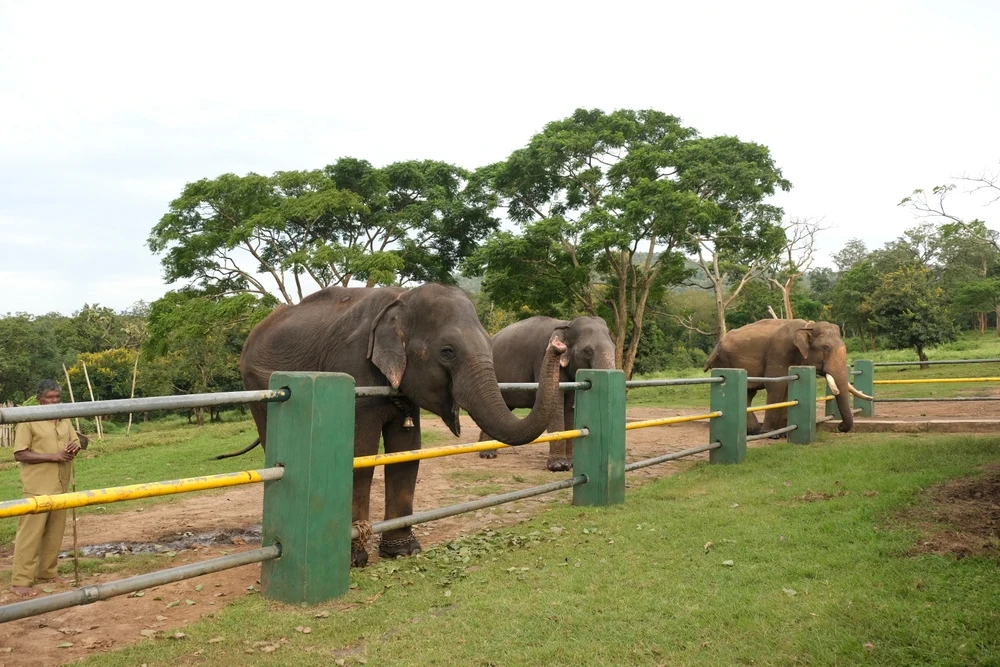
Visit Theppakadu Elephant Camp
Witness elephant bathing, feeding rituals, and mahout interactions at the iconic Theppakadu Elephant Camp — one of the oldest and most beloved elephant camps in India.

Nature Walk
Guided nature walks along buffer zone trails offer intimate encounters with the forest floor — spotting butterflies, reptiles, medicinal plants, and bird calls guided by forest experts.
How to Reach
Attractions
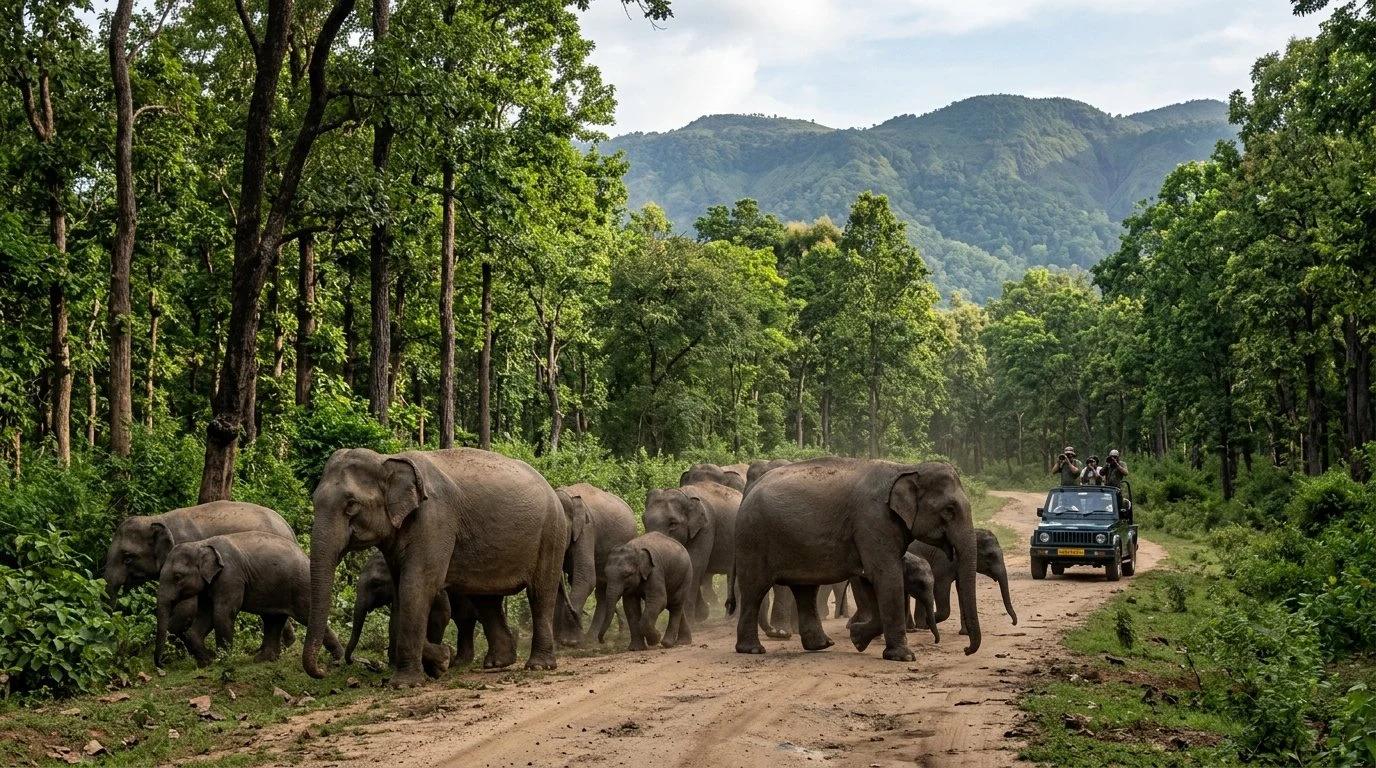
Mudumalai National Park Core Zone
The core zone is the heartland of tiger territory — dense sal and teak forests with designated safari tracks offering the highest probability of big cat and elephant sightings.
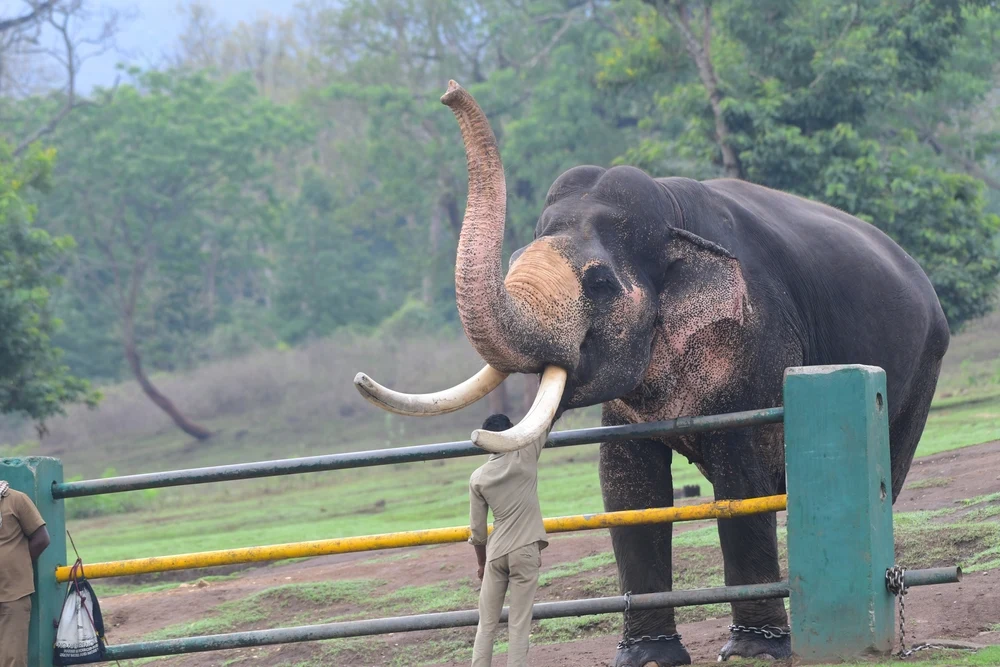
Theppakadu Elephant Camp
Established in 1902, Theppakadu is one of India's oldest elephant training centres, housing over 30 captive elephants and offering intimate interactions with these gentle giants.
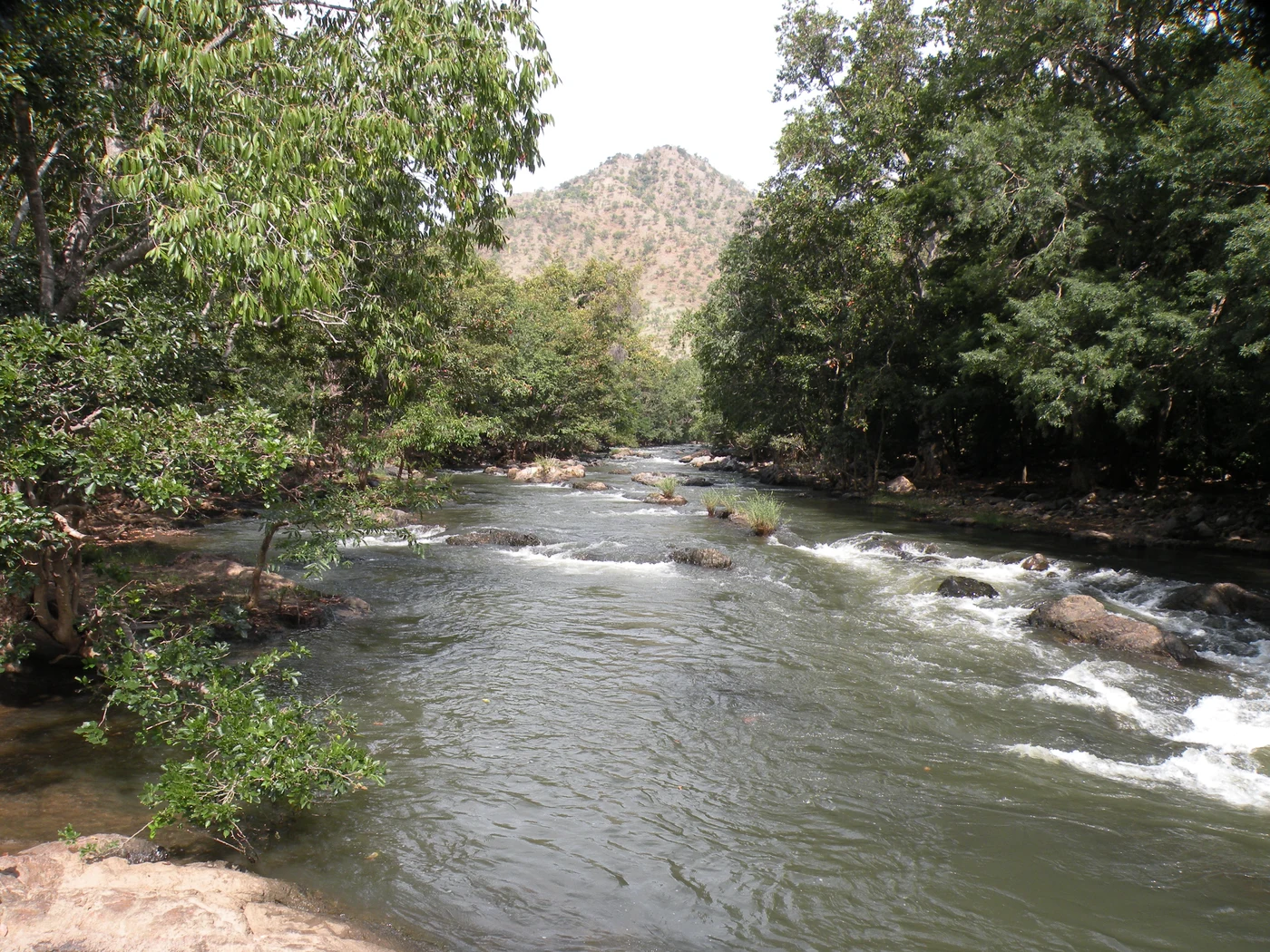
Moyar River
The Moyar River forms the natural boundary between Tamil Nadu and Karnataka, flowing through stunning gorges and forested valleys that are vital wildlife corridors within the reserve.
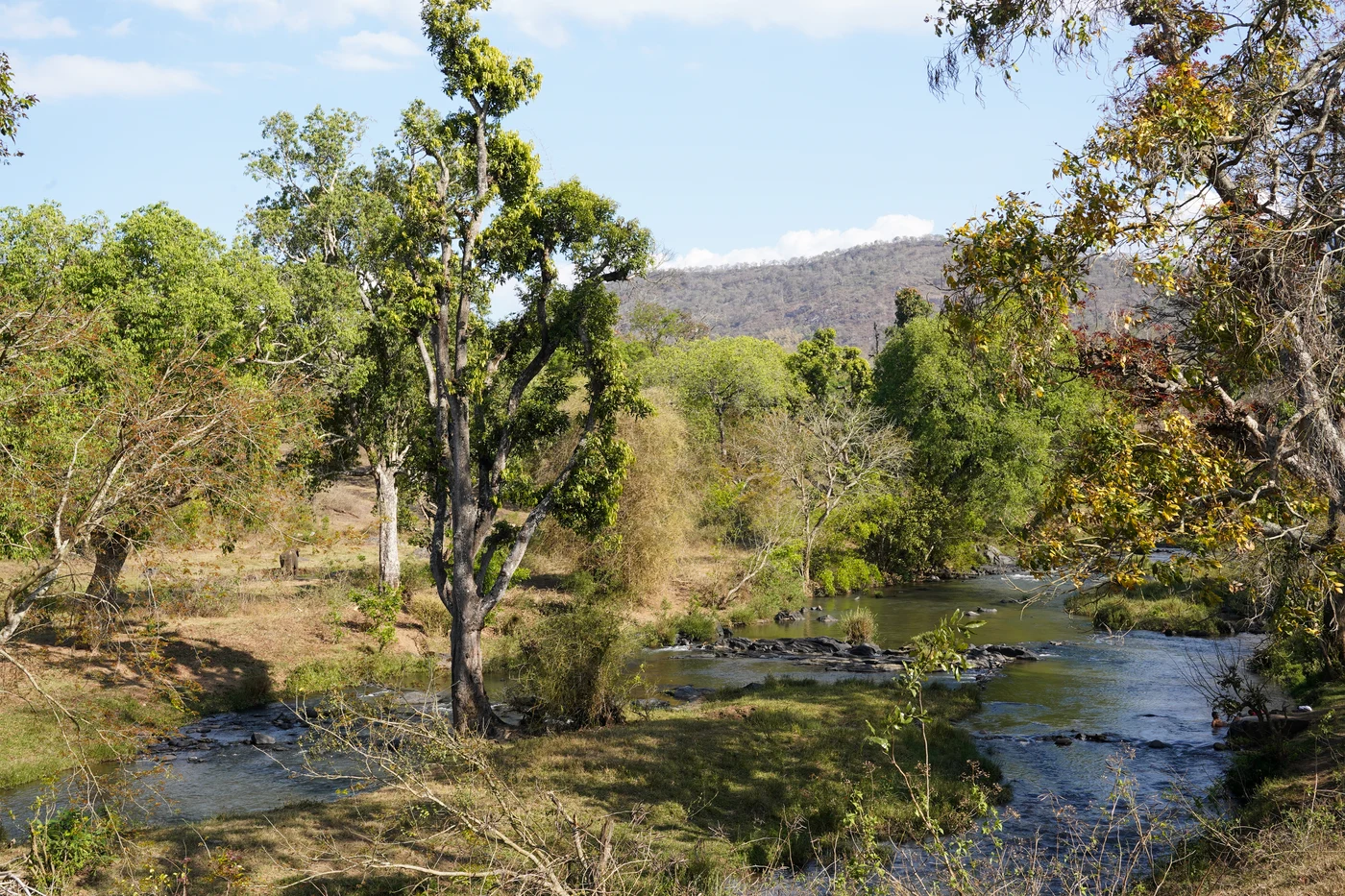
Moyar Gorge
The dramatic Moyar Gorge, carved by the river over millennia, offers breathtaking views and serves as a critical habitat for crocodiles, otters, and diverse riparian birdlife.
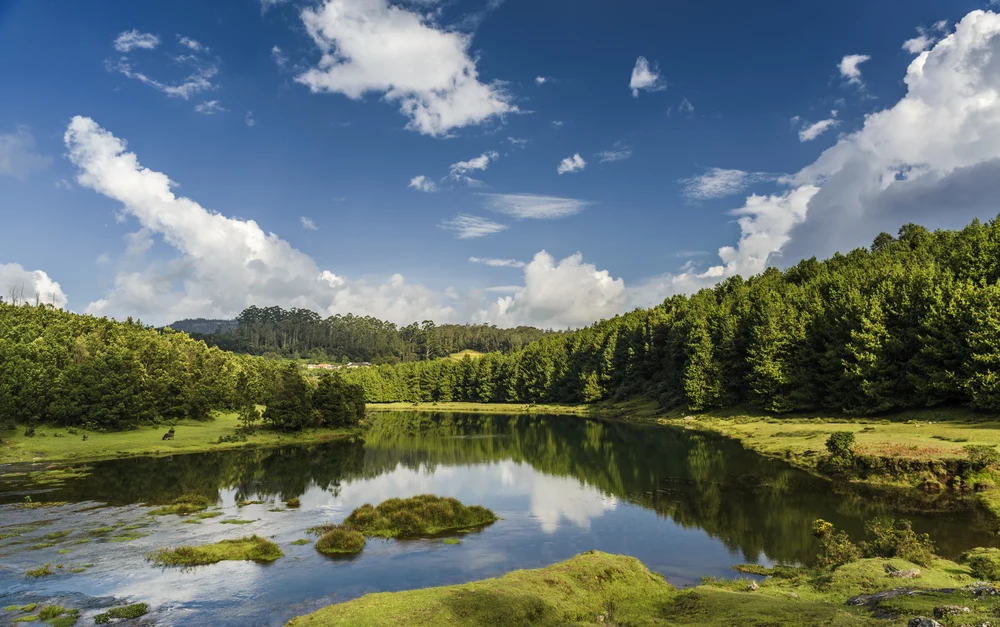
Pykara Lake
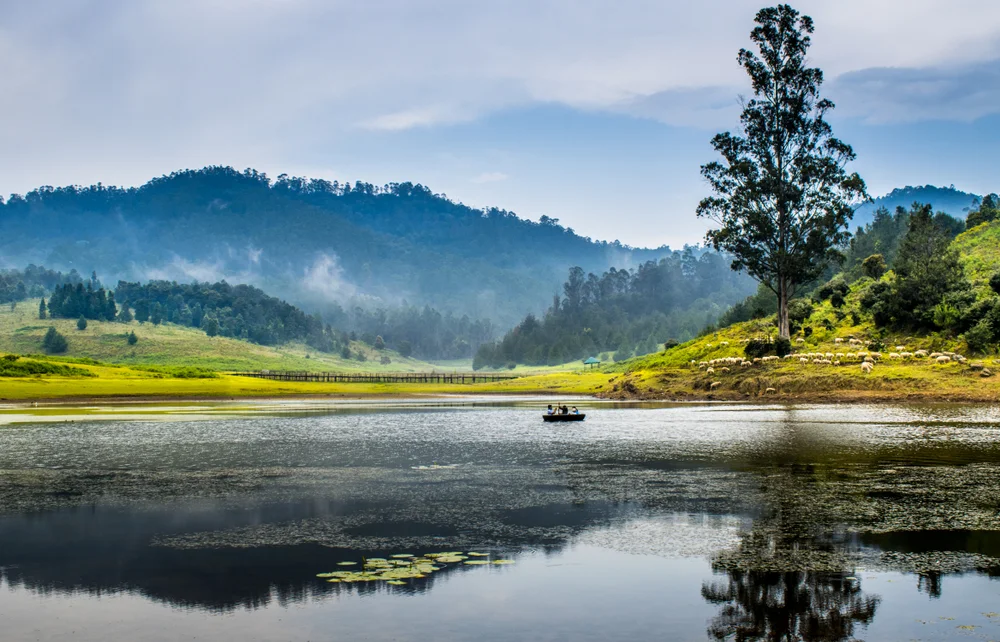
A serene high-altitude reservoir near Ooty surrounded by shola forests and rolling grasslands, Pykara Lake is a perfect nature retreat offering boating and scenic picnic spots.
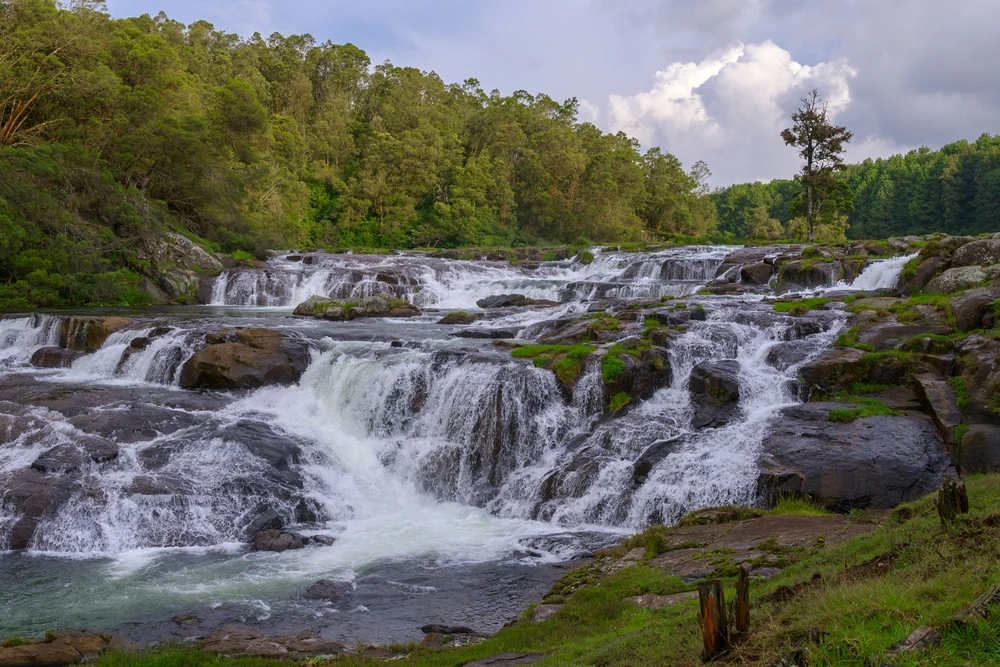
Pykara Falls
The cascading Pykara Falls plunges dramatically through layered rock formations surrounded by dense Nilgiri forest, making it one of Tamil Nadu's most spectacular natural attractions.
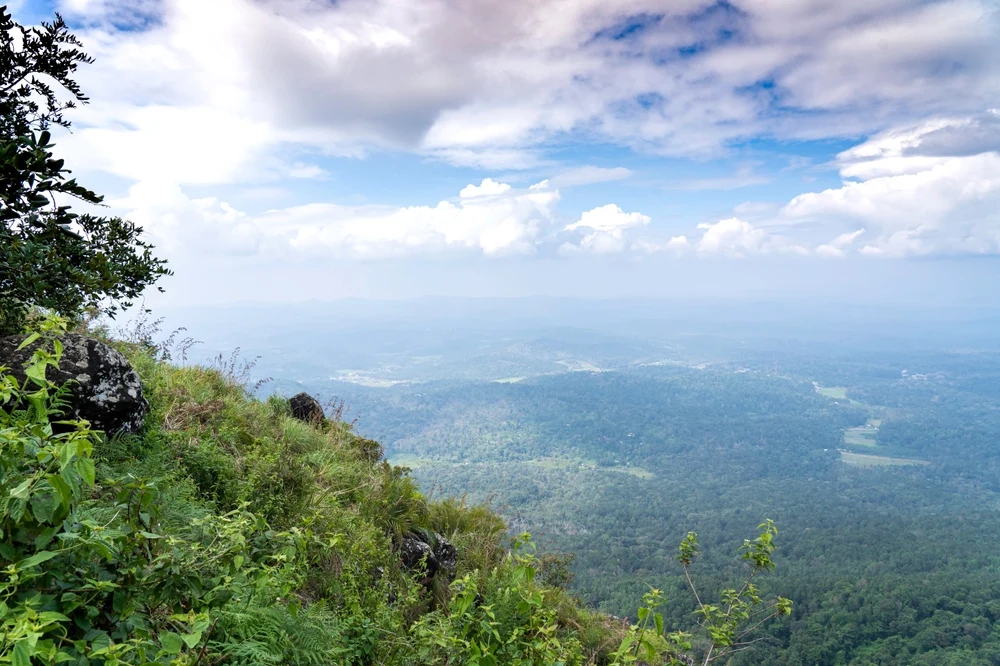
Needle Rock View Point
Standing atop the Nilgiris, Needle Rock offers panoramic views across the Gudalur valley, tea estates, and forest canopy — a favourite sunset spot for visitors to Mudumalai.
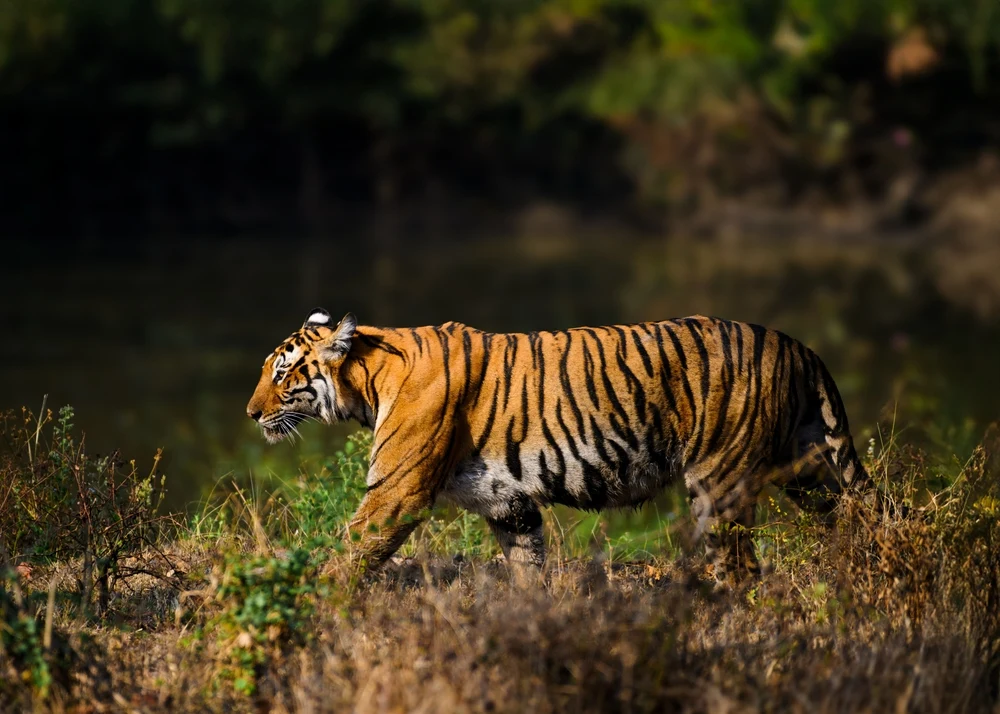
Bandipur National Park
Sharing a seamless border with Mudumalai, Bandipur Tiger Reserve in Karnataka extends wildlife viewing possibilities across a continuous 1,500 sq km biosphere landscape.
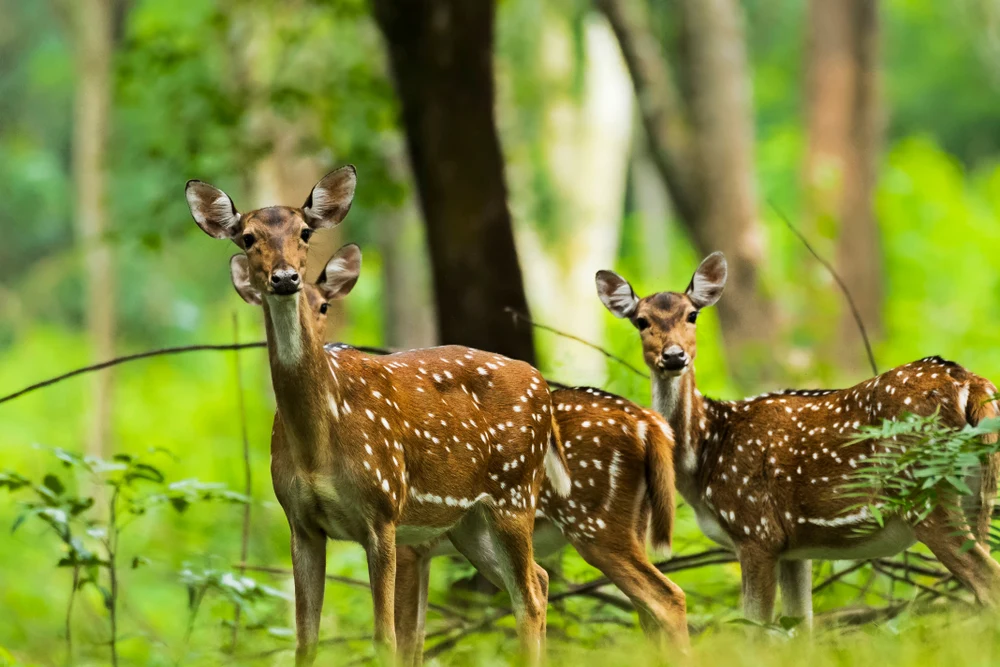
Wayanad Wildlife Sanctuary
Across the Kerala border, Wayanad Wildlife Sanctuary forms the third part of the Nilgiri biosphere corridor, offering tropical forests, tribal heritage, and diverse wildlife experiences.
Mudumalai Tour Packages
From Nilgiri wildlife adventures to peaceful forest retreats, every Mudumalai package is tailored around your pace, interests, and love for nature.







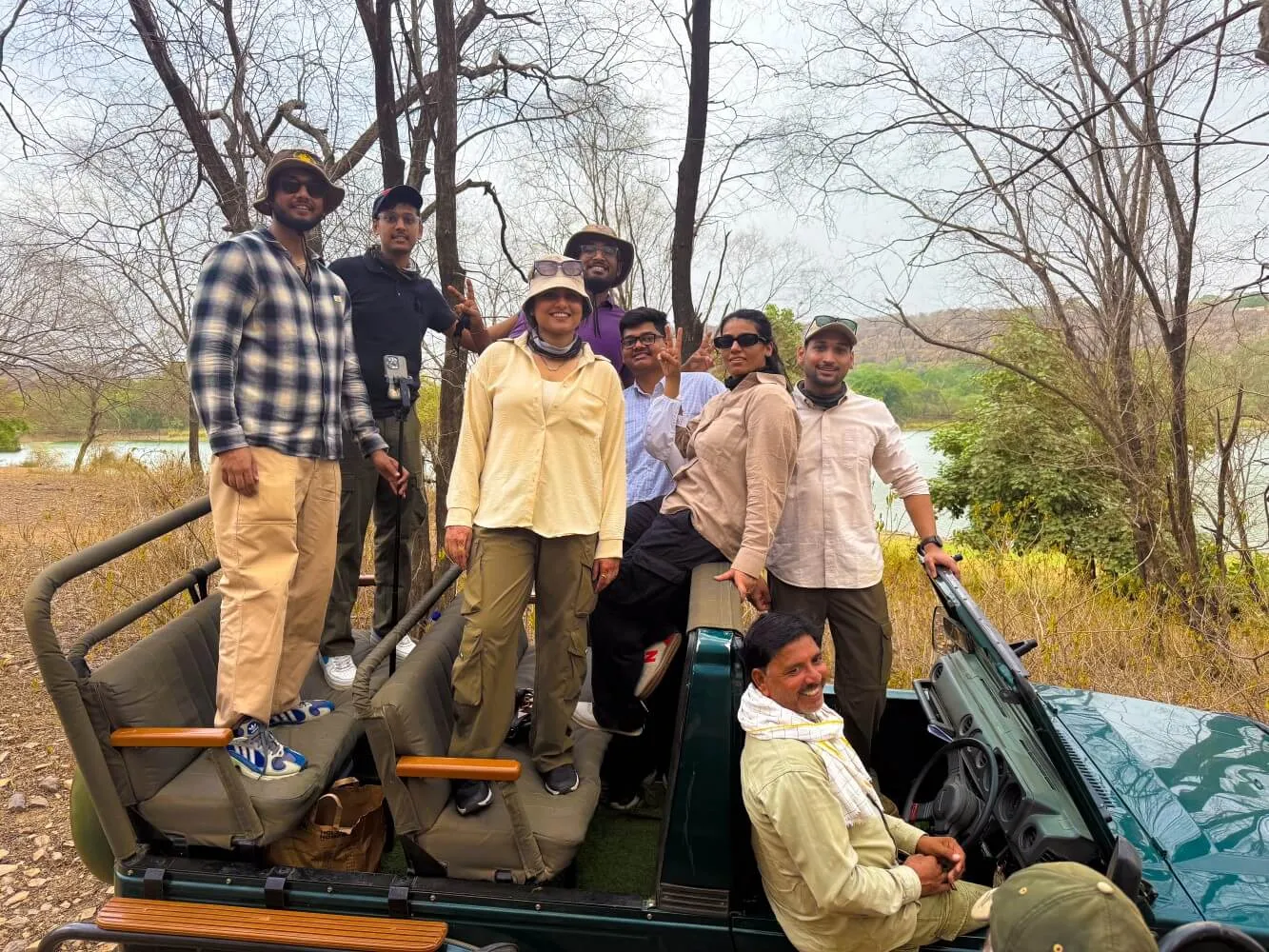
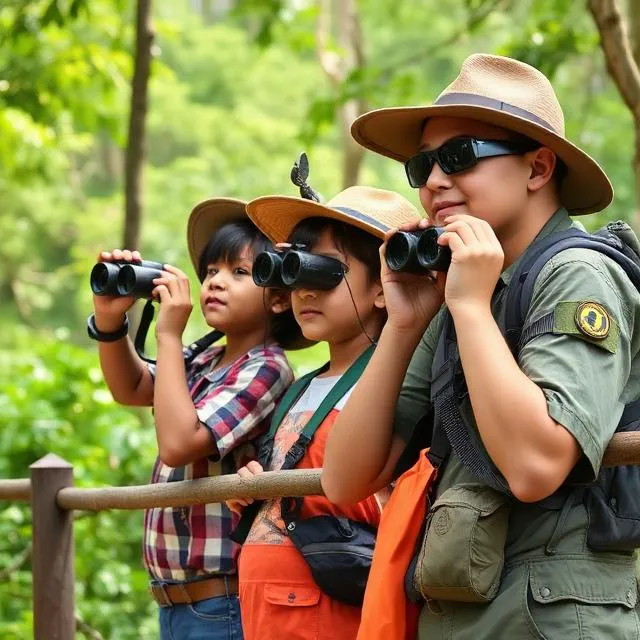
Mudumalai Hotels & Resorts — Luxury Jungle Lodges
We partner with Mudumalai's trusted jungle lodges and wilderness retreats—carefully selected for their serene surroundings, authentic hospitality, and immersive safari experiences.
Stay at Mudumalai Tiger Reserve's finest handpicked wildlife lodges, where comfort meets the untamed wilderness.






Signature Experiences, Curated Around Mudumalai
From nature-inspired experiences and cultural encounters to unforgettable wilderness moments, every experience is curated to elevate your Mudumalai safari.






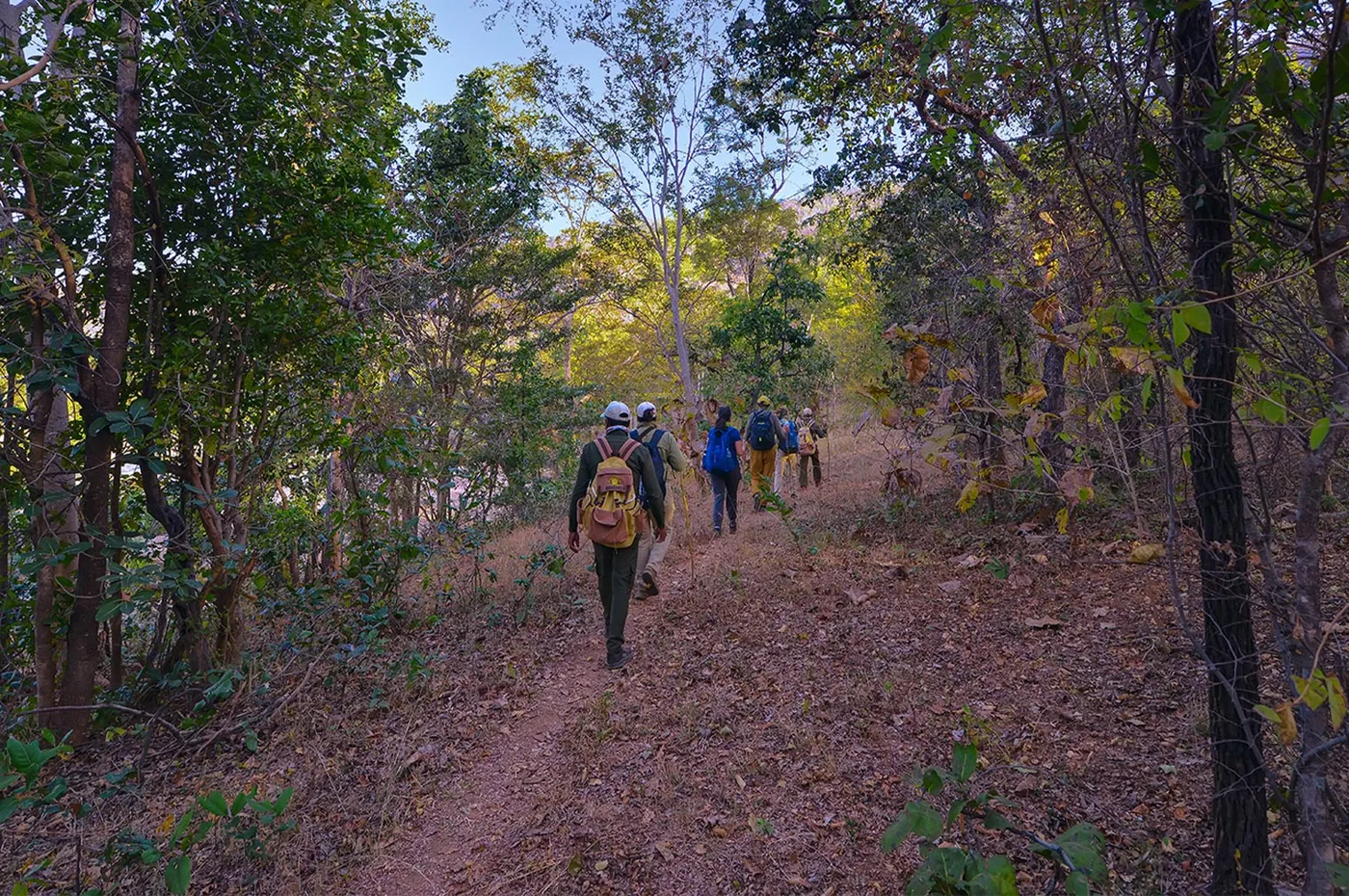








Nearby Destinations to Mudumalai

Ooty (Udhagamandalam)
Queen of Nilgiris

Mysuru
City of Palaces
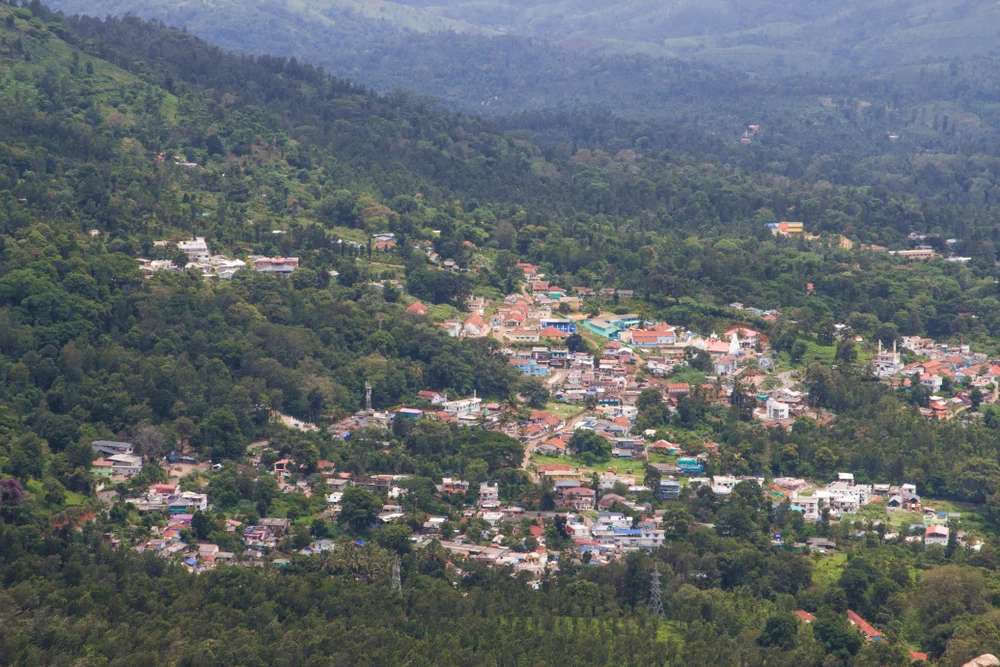
Gudalur
Nilgiri Gateway Town

Coimbatore
Manchester of South

Wayanad
Kerala's Green Paradise
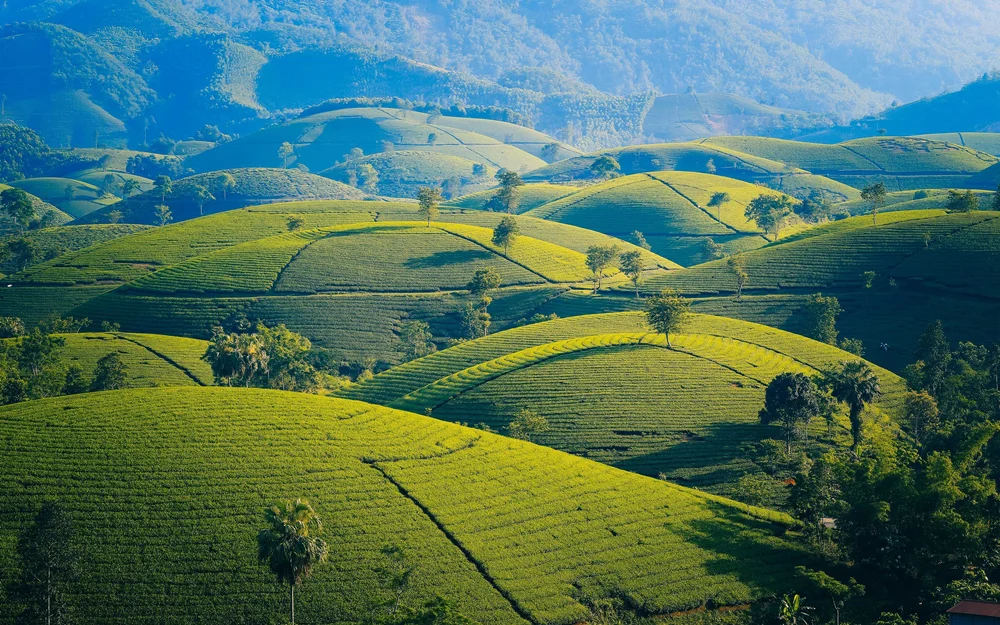
Coonoor
Misty Tea Country
Kodaikanal
Princess of Hill Stations

Bandipur
Karnataka's Tiger Haven
Other Parks in Tamil Nadu


Other Parks in India


Mudumalai Tiger Reserve FAQ's
Where is Mudumalai Tiger Reserve located?
Mudumalai Tiger Reserve is located in the Nilgiris district of Tamil Nadu, India, at the tri-junction of Tamil Nadu, Karnataka, and Kerala. It lies within the Nilgiri Biosphere Reserve, sharing borders with Bandipur National Park and Wayanad Wildlife Sanctuary. The nearest major town is Gudalur (16 km), while Ooty is 67 km away.
What is Mudumalai Tiger Reserve famous for?
Mudumalai Tiger Reserve is famous for its significant Bengal tiger population, one of India's largest wild elephant herds, the historic Theppakadu Elephant Camp, and its role as part of the Nilgiri Biosphere Reserve — the first biosphere reserve in India. Its diverse ecosystems, UNESCO World Heritage recognition, and tri-state biodiversity corridor make it unique.
Which animal is most famous in Mudumalai Tiger Reserve?
The Bengal tiger is the most iconic animal of Mudumalai Tiger Reserve, which is why it was declared a Project Tiger Reserve in 2007. However, the reserve is equally renowned for its large population of Asian elephants — one of the highest elephant densities in India — making it a landmark destination for elephant enthusiasts.
What is the best time to visit Mudumalai Tiger Reserve?
The best time to visit Mudumalai Tiger Reserve is October to June. The peak wildlife season runs from October to March with pleasant weather and excellent sightings. April to June (summer) offers outstanding chances to spot tigers and elephants near waterholes. Avoid the monsoon months (July–September) as core zone safaris are often suspended.
Is Mudumalai Tiger Reserve open throughout the year?
Mudumalai Tiger Reserve is partially open throughout the year. The buffer zone remains generally accessible year-round, while the core zone safaris are typically restricted or closed during peak monsoon months (July–September) due to heavy rainfall and forest protection regulations. Visitors should check with the Tamil Nadu Forest Department for current status.
How many tigers are in Mudumalai Tiger Reserve?
According to the India Tiger Census 2022, Mudumalai Tiger Reserve is estimated to host approximately 17–25 Bengal tigers, though the trans-boundary population across Bandipur, Nagarhole, and Wayanad is significantly larger. The reserve serves as a critical tiger corridor in the Nilgiri landscape.
What animals can be seen in Mudumalai Tiger Reserve?
Visitors to Mudumalai Tiger Reserve can expect to see Bengal tigers, Indian elephants, leopards, Indian gaur (bison), dholes (wild dogs), sloth bears, sambar deer, spotted deer (chital), barking deer, mouse deer, porcupines, mongooses, monitor lizards, crocodiles, and over 266 bird species including hornbills, eagles, and the Malabar trogon.
Which safari zones are best in Mudumalai Tiger Reserve?
The Theppakadu Zone (core zone) is considered the best for tiger and elephant sightings. The Kargudi and Masinagudi zones are excellent for leopard and gaur encounters, while the Bokkapuram area near Masinagudi is popular for nocturnal wildlife sightings. Early morning safaris across all zones offer the highest wildlife activity.
What types of safaris are available in Mudumalai Tiger Reserve?
Mudumalai Tiger Reserve offers Jeep Safari (core zone, limited permits), Bus Safari (buffer zone, government-operated), and Elephant Safari (morning rides from Theppakadu). Jeep safaris are the most sought-after experience. All safaris must be booked through the Tamil Nadu Forest Department or authorized operators.
How many days are enough for Mudumalai Tiger Reserve?
A minimum of 2–3 days is recommended for a fulfilling Mudumalai Tiger Reserve experience. This allows for at least two safari sessions (morning and evening), a visit to Theppakadu Elephant Camp, exploration of Moyar Gorge, and day trips to Ooty or Wayanad. Wildlife enthusiasts may prefer a 3–4 day itinerary for comprehensive coverage.
How to reach Mudumalai Tiger Reserve?
Mudumalai Tiger Reserve can be reached by air via Coimbatore Airport (160 km), by rail via Mettupalayam Station (70 km) followed by road transfer, or by road from Ooty (67 km) or Mysuru (90 km) via NH181. State buses, private taxis, and self-drive options are available. The main entry point is Theppakadu on NH181.
What are the main attractions near Mudumalai Tiger Reserve?
Key attractions near Mudumalai Tiger Reserve include Theppakadu Elephant Camp, Moyar River and Gorge, Pykara Lake and Falls, Needle Rock Viewpoint, Ooty (67 km), Coonoor tea gardens (80 km), Bandipur National Park (20 km), and Wayanad Wildlife Sanctuary (60 km). The Nilgiri Mountain Railway (UNESCO Heritage) is also nearby.
Is Mudumalai Tiger Reserve safe for tourists?
Yes, Mudumalai Tiger Reserve is safe for tourists when guidelines are followed. All safaris are conducted under trained naturalist guides and forest guards. Visitors must stay within vehicles during jeep and bus safaris, follow forest department instructions, and avoid entering restricted zones. The reserve has a well-established safety record and tourism infrastructure.
Can Mudumalai Tiger Reserve be visited as a day trip?
Mudumalai Tiger Reserve can technically be visited as a day trip from Ooty (67 km) or Mysuru (90 km), but this is not recommended for the best experience. A day trip only allows for one safari session and limits exploration. Staying overnight at nearby resorts in Masinagudi or Bokkapuram gives access to both morning and evening safaris.
What makes Mudumalai Tiger Reserve unique among tiger reserves in India?
Mudumalai Tiger Reserve is uniquely positioned as part of India's first UNESCO Biosphere Reserve (Nilgiri Biosphere Reserve) and forms a seamless ecological corridor with Bandipur, Nagarhole, and Wayanad. It is one of the few reserves in India where you can encounter tigers, elephants, leopards, gaurs, and dholes in the same landscape — a true Big Five of Indian wildlife.
About Mudumalai Tiger Reserve
Mudumalai Tiger Reserve stands as one of the most biodiverse wildlife destinations in peninsular India. Situated at the foothills of the Nilgiri Hills — the Blue Mountains — the reserve occupies a privileged position at the convergence of three states: Tamil Nadu, Karnataka, and Kerala. Spanning 688.59 sq km, it forms the southern anchor of India's largest contiguous wildlife corridor in the Nilgiri Biosphere Reserve, encompassing over 5,500 sq km of protected forest together with Bandipur, Nagarhole, and Wayanad.
The reserve was originally established as a Wildlife Sanctuary in 1940, making it one of the earliest protected areas in India. Its elevation ranges from 850 metres to over 1,800 metres above sea level, creating a remarkable variety of microhabitats that support an extraordinary density and diversity of wildlife. Mudumalai Tiger Reserve was officially designated as a Project Tiger Reserve in 2007, and the core zone received critical protection under this status.
For the traveller, Mudumalai offers far more than a conventional wildlife safari. It is an immersive encounter with one of India's last great wilderness landscapes — a place where ancient tribal communities, working elephants at Theppakadu, and roaming packs of wild dogs all share space within the same living forest.
Quick Facts about Mudumalai Tiger Reserve
| Feature | Details |
|---|---|
| Official Name | Mudumalai Tiger Reserve |
| State | Tamil Nadu, India |
| District | Nilgiris |
| Total Area | 688.59 sq km |
| Core Zone Area | 321.55 sq km |
| Buffer Zone Area | 367.04 sq km |
| Established (Sanctuary) | 1940 |
| Tiger Reserve Declared | 2007 (Project Tiger) |
| Biosphere Reserve | Nilgiri Biosphere Reserve (UNESCO, 2000) |
| Elevation Range | 850 m – 1,800 m above sea level |
| Tiger Population | ~17–25 (2022 Census) |
| Elephant Population | ~600–800 (trans-boundary) |
| Bird Species | 266+ |
| Mammal Species | 50+ |
| Best Time to Visit | October to June |
| Nearest Town | Gudalur (16 km), Masinagudi (8 km) |
| Nearest City | Ooty (67 km), Mysuru (90 km) |
| Entry Points | Theppakadu, Masinagudi, Kargudi |
| Forest Department | Tamil Nadu Forest Department |
| Tiger Reserve Zone | Mudumalai–Bandipur–Nagarhole–Wayanad corridor |
Geography & Terrain
Mudumalai Tiger Reserve occupies the north-western slopes of the Nilgiri Hills, part of the larger Western Ghats mountain range designated as a UNESCO World Heritage Site. The terrain is dramatically varied: from flat plains and river valleys along the Moyar River in the north (850 m elevation), rising steeply through tropical forests and bamboo jungles to high-altitude shola grassland ecosystems approaching 1,800 m at the southern boundary near Ooty.
The reserve is bisected by the Nilgiri Highway (NH181) - the busy Ooty-Mysuru road that passes through Theppakadu, the reserve's administrative and tourism hub. The Moyar River serves as the northern boundary with Karnataka, while the southern boundary abuts the tea estates and hill station terrain of the Nilgiris district.
Ecosystem
The reserve contains five distinct vegetation types: Southern tropical moist mixed deciduous forest (dominant), Southern tropical dry mixed deciduous forest, Southern hill valley swamp forest, Moist bamboo brakes, and Dry bamboo brakes. This ecological diversity - compressed within a relatively small geographic area - is the primary reason for Mudumalai's extraordinary wildlife richness. The transition zone between dry and moist forests creates a permanent "edge effect" that benefits a wide range of species.
History of Mudumalai Tiger Reserve
The history of Mudumalai Tiger Reserve is deeply intertwined with the colonial administration of the Nilgiris and the traditional land rights of indigenous communities who have inhabited this landscape for centuries. The Todas, Irulas, Kurumbas, and Paniyas are among the tribal groups whose ancestral territories overlap with the current reserve boundaries.
The formal protection of the Mudumalai forests began in 1940, when the Madras government established it as one of the earliest wildlife sanctuaries in India. The Theppakadu Elephant Camp, established in 1902 - even before the sanctuary's formal creation - was historically used to train captured wild elephants for forest operations under British administration. Today, it stands as one of India's most famous elephant welfare centres.
In 1986, Mudumalai gained further recognition when the Nilgiri Biosphere Reserve was established, encompassing Mudumalai along with Bandipur, Nagarhole, Silent Valley, and other protected areas. This biosphere reserve was the first in India under UNESCO's Man and Biosphere Programme and became a World Heritage Site in 2012 as part of the Western Ghats serial nomination.
The declaration of Mudumalai as a Tiger Reserve under Project Tiger in 2007 marked a significant escalation in conservation efforts. The reserve now benefits from dedicated tiger protection funds, anti-poaching patrolling, and scientific monitoring under the National Tiger Conservation Authority (NTCA). The Mudumalai-Bandipur-Nagarhole-Wayanad complex is considered one of the world's most important tiger conservation landscapes.
Flora & Fauna of Mudumalai Tiger Reserve
Flora - Vegetation of Mudumalai
Mudumalai Tiger Reserve supports five principal vegetation types that transition seamlessly from dry scrub in the north to moist evergreen in the south. The dominant forest type is Southern Tropical Moist Mixed Deciduous Forest, characterized by teak (Tectona grandis), rosewood (Dalbergia latifolia), axle wood (Anogeissus latifolia), and honne (Terminalia tomentosa).
Bamboo - both Bambusa arundinacea (thorny bamboo) and Dendrocalamus strictus (male bamboo) - forms dense thickets that serve as critical habitat for elephants and gaurs. The southern reaches near the Nilgiri plateau transition into moist bamboo brakes and small patches of riparian shola forest - stunted, mossy evergreen forests found in high-altitude valley heads that are highly endemic and ecologically sensitive.
Medicinal plants of ethnobotanical significance are abundant, including neem (Azadirachta indica), Indian gooseberry (Phyllanthus emblica), and various species used in traditional Siddha and Ayurvedic medicine by local tribal communities.
Fauna - Wildlife of Mudumalai
Mammals: Bengal Tiger (Panthera tigris tigris), Indian Elephant (Elephas maximus indicus), Indian Leopard (Panthera pardus fusca), Indian Gaur (Bos gaurus), Dhole / Indian Wild Dog (Cuon alpinus), Sloth Bear (Melursus ursinus), Striped Hyena, Sambar Deer (Cervus unicolor), Chital / Spotted Deer (Axis axis), Barking Deer (Muntiacus muntjak), Mouse Deer (Moschiola indica), Indian Wild Boar, Bonnet Macaque, Hanuman Langur, Giant Flying Squirrel, and Indian Porcupine.
Birds (266+ species): Malabar Trogon, Malabar Grey Hornbill, Indian Pitta, Crested Hawk-Eagle, Changeable Hawk-Eagle, Brown Fish Owl, Spot-bellied Eagle-Owl, Red Spurfowl, Jungle Fowl, Grey Junglefowl, Malabar Whistling Thrush, Nilgiri Flowerpecker, Blue-winged Parakeet, White-bellied Treepie, and numerous migratory species.
Reptiles & Amphibians: Mugger Crocodile (Crocodylus palustris), Indian Rock Python (Python molurus), King Cobra (Ophiophagus hannah), Spectacled Cobra, Indian Monitor Lizard (Varanus bengalensis), Bengal Monitor, and Star Tortoise. Several endemic amphibians of the Western Ghats inhabit the moist forest zones.
Conservation Efforts at Mudumalai Tiger Reserve
Conservation at Mudumalai Tiger Reserve operates on multiple fronts — governmental protection, community-based initiatives, scientific research, and international collaboration — making it one of India's most comprehensively managed protected areas.
Project Tiger & NTCA
Since its designation as a Tiger Reserve in 2007, Mudumalai has received substantial funding and technical support under Project Tiger through the National Tiger Conservation Authority (NTCA). This includes intensive camera-trap monitoring, anti-poaching operations, and habitat management interventions such as fire line maintenance and invasive species removal.
Elephant Conservation
The Tamil Nadu Forest Department maintains the Theppakadu Elephant Camp as a welfare centre for captive elephants, many of whom are rescued orphans or conflict-affected individuals. The camp plays a critical role in human-elephant conflict mitigation across the Nilgiri landscape, with trained elephants used in forest operations and conservation patrols.
Nilgiri Biosphere Reserve
As a core component of the Nilgiri Biosphere Reserve - India's first and one of UNESCO's designated sites - Mudumalai benefits from trans-boundary management coordination with Bandipur, Nagarhole, and Wayanad forest divisions across three states. This coordination is critical for maintaining wildlife corridors and preventing habitat fragmentation.
Invasive Species Management
Lantana camara, an invasive shrub introduced during colonial times, poses a significant threat to the reserve's native understorey. Dedicated eradication programs are ongoing, with cleared areas replanted with native bamboo and browse species to support elephant and deer populations.
Community & Eco-Tourism
Local tribal communities - particularly Irulas and Kurumbas - are increasingly integrated into conservation through eco-development programs, nature guide training, and sustainable livelihood projects. Eco-tourism revenue is partially channelled into village development and wildlife awareness programs, creating tangible incentives for community-based conservation.
Research & Monitoring
Mudumalai is one of India's most intensively studied wildlife landscapes. Long-term ecological research programs by the Nature Conservation Foundation (NCF) and Wildlife Institute of India (WII) have generated critical data on tiger-prey dynamics, elephant movement ecology, and biodiversity baselines that inform management decisions across the Nilgiri landscape.