



About Gir National Park
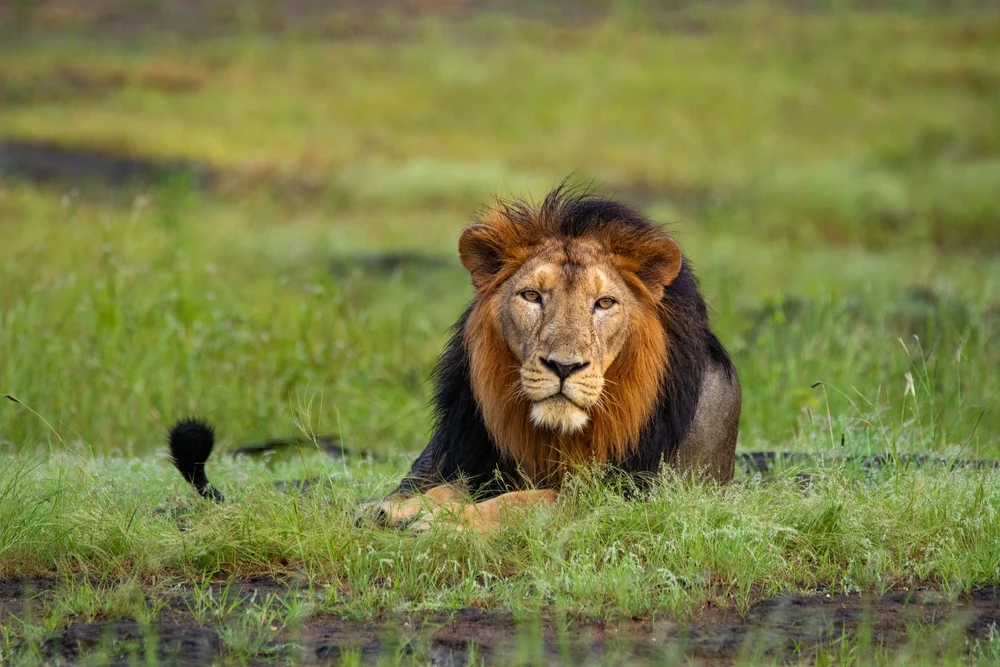
Gir National Park, located in the Junagadh and Gir Somnath districts of Gujarat's Saurashtra peninsula, holds a distinction that no other protected area on earth can claim — it is the sole surviving natural habitat of the Asiatic Lion (Panthera leo persica). Once pushed to the brink of extinction with fewer than 20 individuals in the early 20th century, the lion population within Gir National Park has made one of conservation's most celebrated recoveries, reaching 674 individuals as per the 2020 census — the highest count ever recorded. Spanning 1,412 square kilometres of deciduous thorn forest, seasonal rivers, and sun-drenched savannahs, Gir National Park enchants visitors not only with its magnificent lions but also with 300+ leopards, 300+ bird species, crocodile-studded rivers, and a cultural landscape shaped by the pastoral Maldhari community. A lion safari at Gir is not merely a wildlife experience — it is a living testament to India's most extraordinary conservation triumph.
- Area1,412 sq km
- Established1965
- StateGujarat
- Nearest CityJunagadh
- Safari Routes13
Gir Travel Guide
Biodiversity

Wildlife
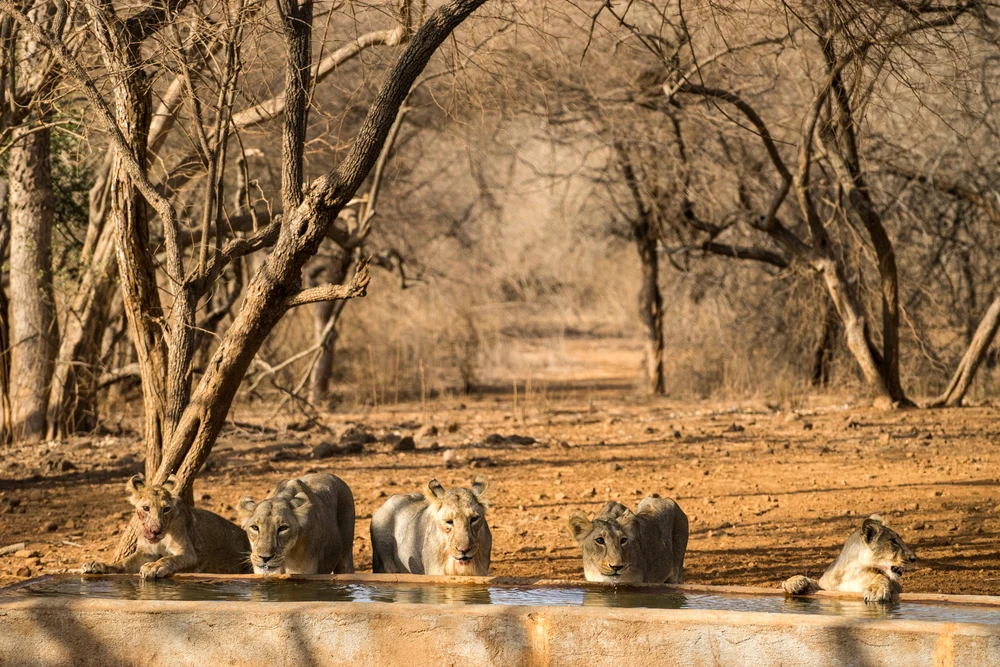
Gir National Park harbours 674+ Asiatic Lions — the world's only wild population — alongside 300+ Indian Leopards, Sambar, Chital, Nilgai, Four-horned Antelope, Chinkara, Wild Boar, Hyena, Jackal, and Mugger Crocodile in a rich, interconnected Saurashtra ecosystem.

Flora
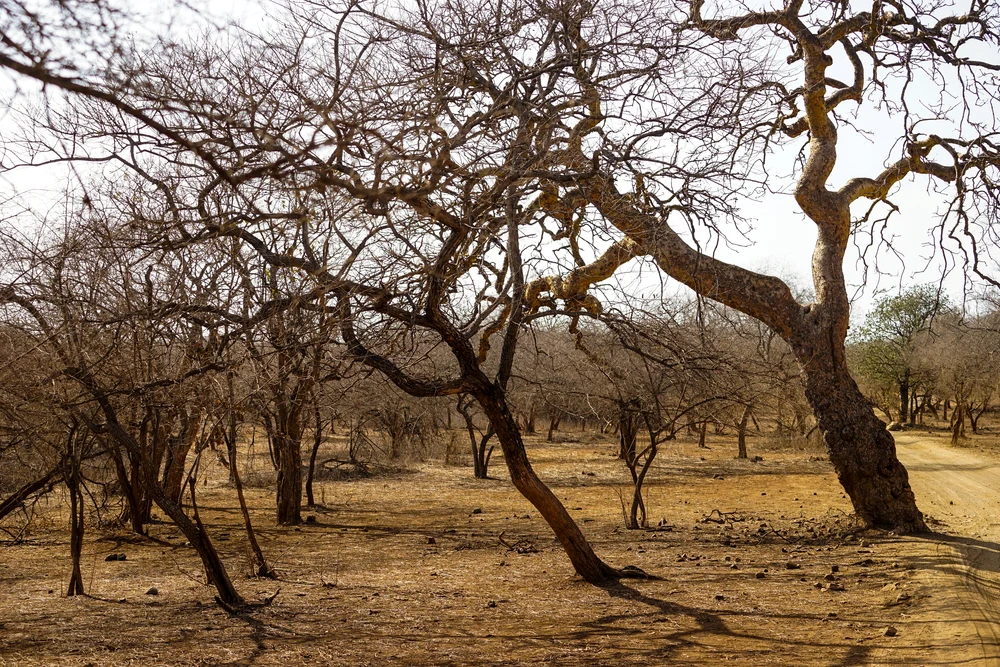
Gir National Park features dry deciduous forests with teak, acacia, and jamun trees, along with grasslands and scrub vegetation, supporting diverse flora and Asiatic lion habitats.
Landscape
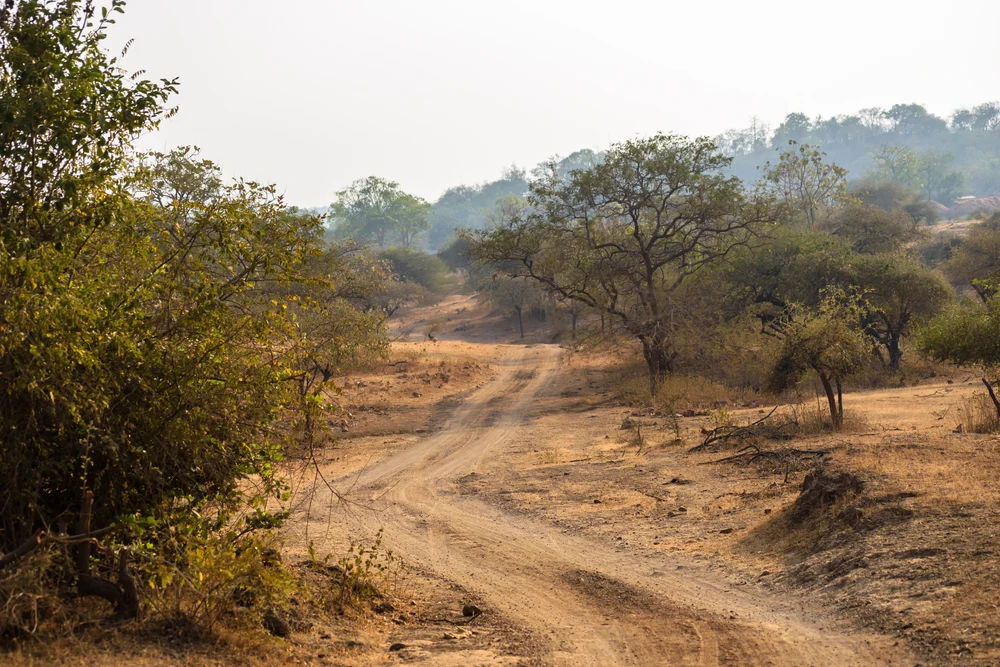
Undulating scrub forest broken by grassy plateaus, the Hiran and Shetrunji river valleys, the shimmering Kamleshwar Dam reservoir, rugged Girnar Hill slopes, and sun-bleached savannah compose Gir's quintessentially Saurashtra wilderness panorama.
Safari Guide
Best Time to Visit
Things to Do

Lion Safari
The centrepiece of any Gir National Park visit — open jeep safaris through the core forest guided by expert naturalists offer the world's only opportunity to encounter wild Asiatic Lions in their natural habitat, an experience of unrivalled rarity and drama.

Bird Watching
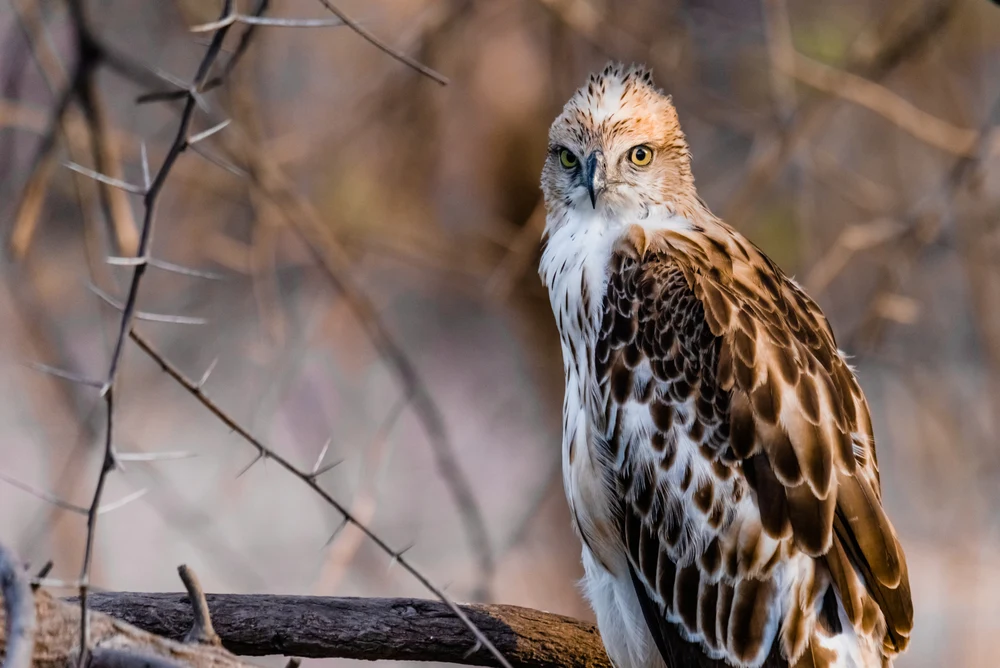
With 300+ recorded species including the Brown Fish Owl, Indian Courser, Crested Serpent Eagle, Painted Spurfowl, Indian Roller, and seasonal migrants along Kamleshwar Dam, Gir National Park is a premier birdwatching destination in western India.
Devalia Safari Park
The Devalia Safari Park — also called the Gir Interpretation Zone — offers a guaranteed lion sighting in a smaller 412-hectare enclosure, perfect for families, first-time visitors, or those unable to secure core zone safari permits.

Village Tour
Explore the extraordinary Maldhari tribal community whose generations of peaceful coexistence with lions within Gir National Park represents one of the world's most compelling and inspiring human-wildlife harmony stories.

Local Sightseeing
Beyond the safari, discover Kamleshwar Dam, Girnar Hills, ancient Uparkot Fort, the sacred Somnath Temple, Nalsarovar flamingo sanctuary, and vibrant Junagadh city — a rich itinerary of natural and cultural wonders surrounding Gir.

Photography
Gir National Park offers photography opportunities found nowhere else on earth — Asiatic Lions in golden Saurashtra light, leopards on rocky outcrops, crocodiles in the Hiran River, and the spectacular Girnar Hills backdrop make every frame extraordinary.
Nature Walk
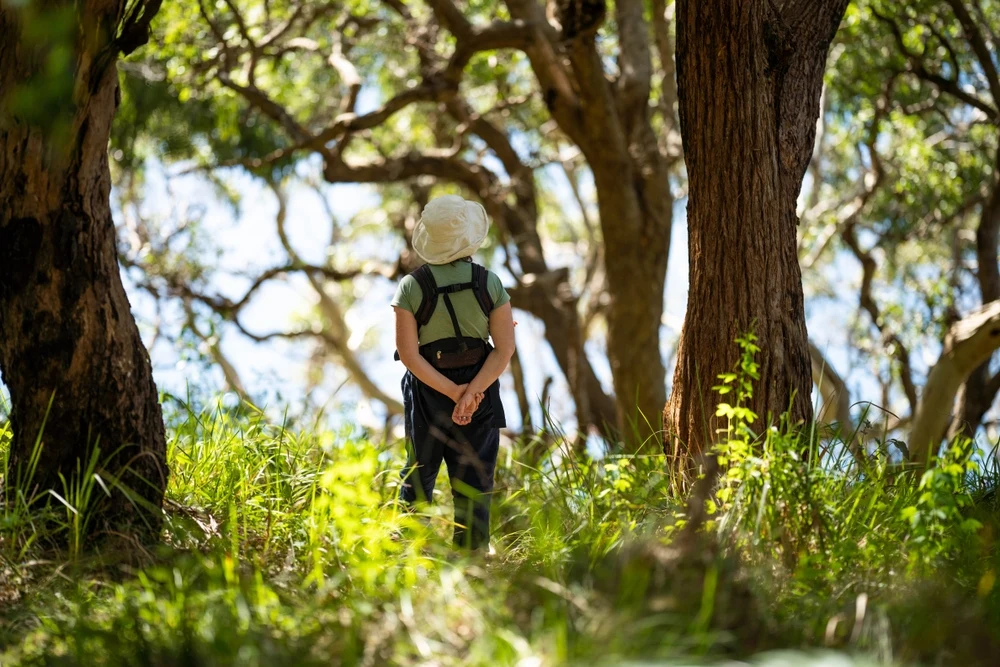
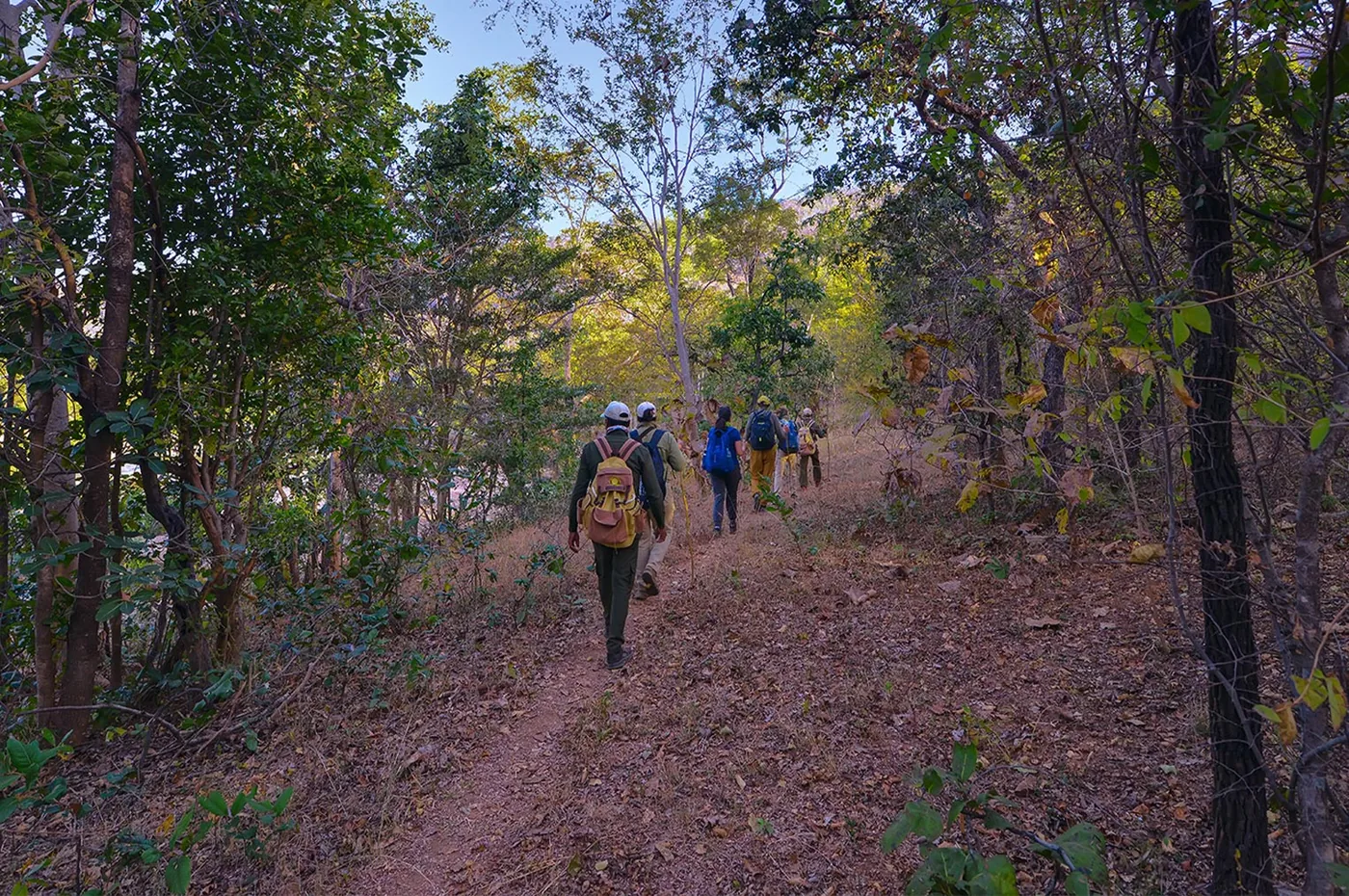
Guided nature walks through Gir's buffer zone reveal lion pugmarks, crocodile nesting sites, medicinal Saurashtra flora, bird activity in the understorey, and the subtle ecological signs that narrate the forest's daily drama.
Bush Dinner
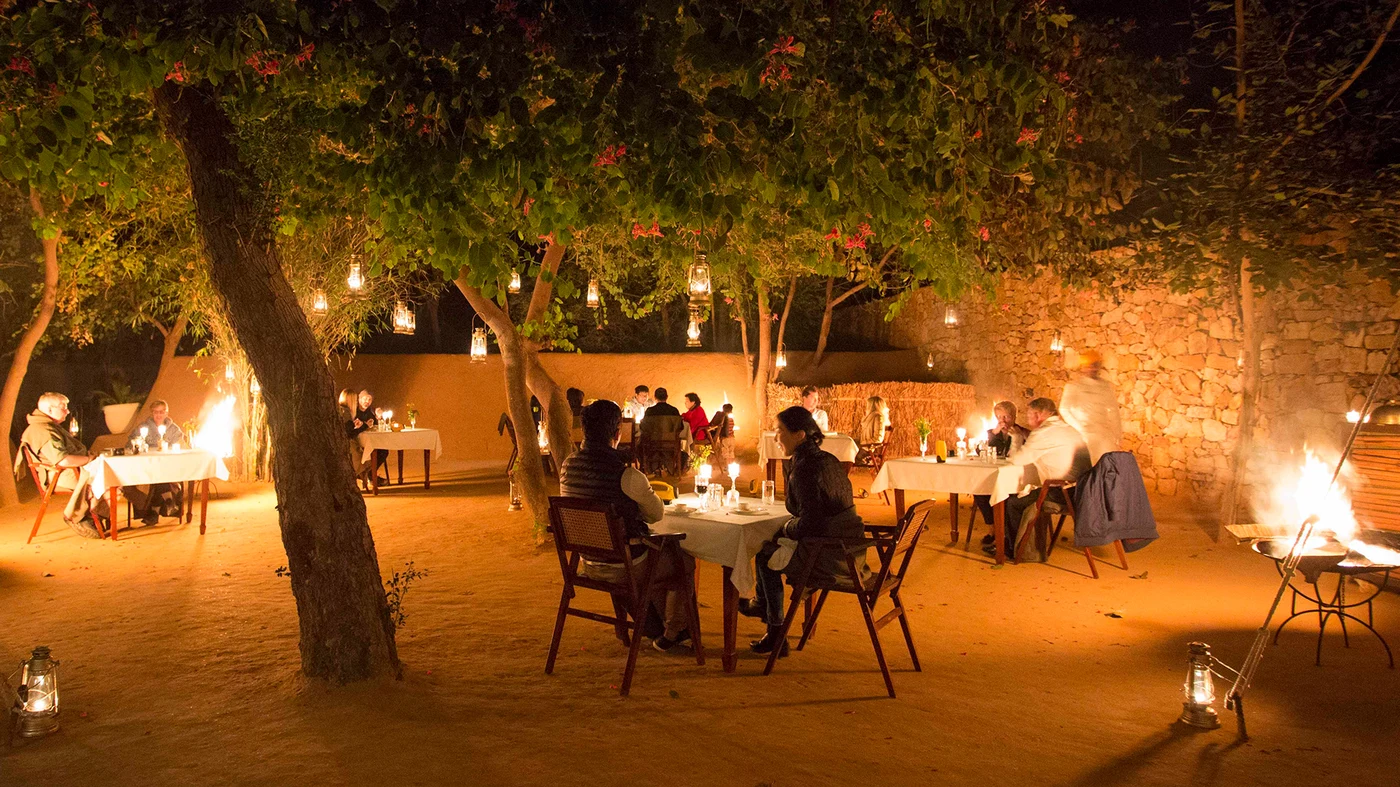
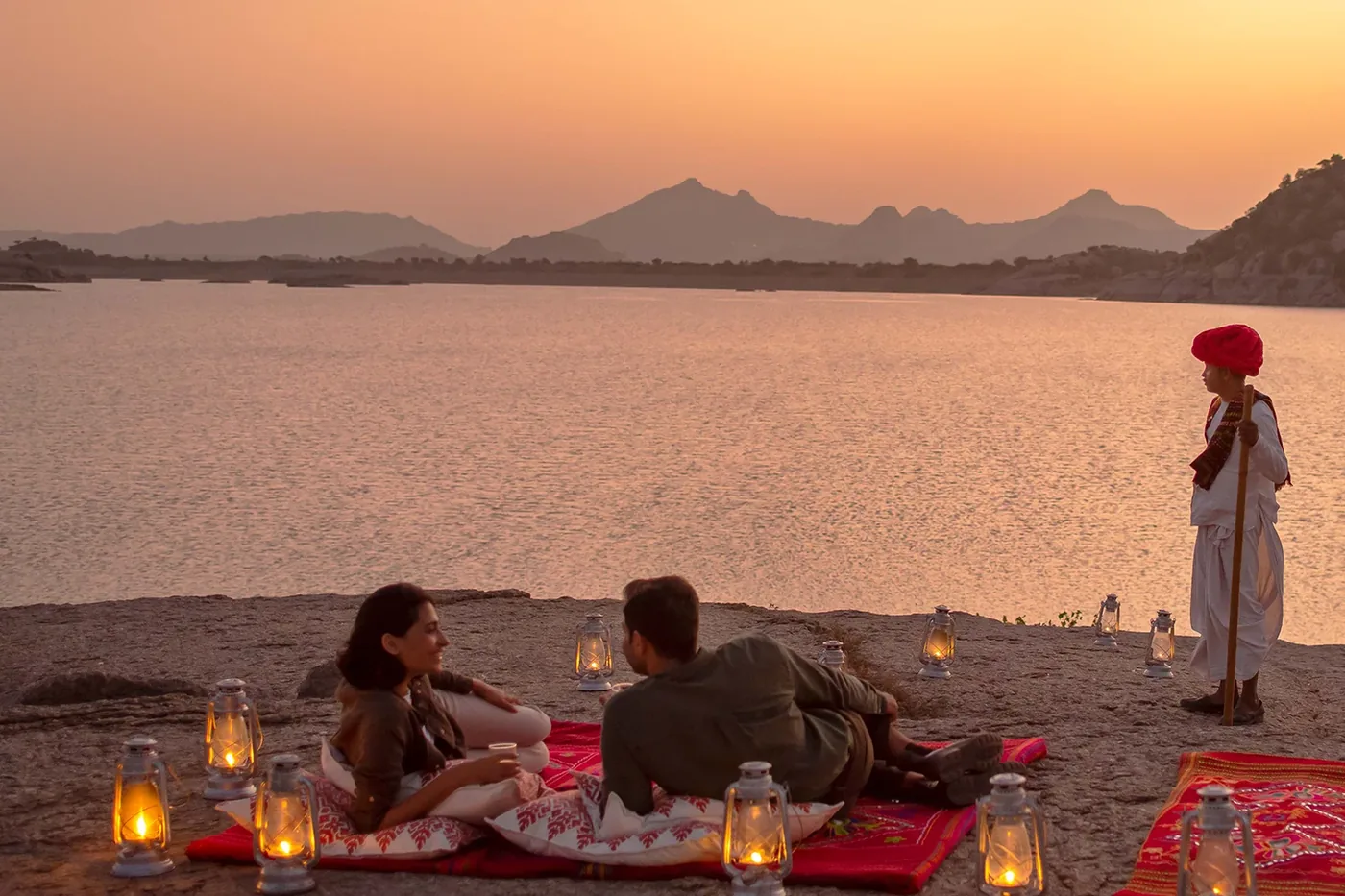
Dine under Gujarat's vast, star-studded sky in an exclusive Gir wilderness setting — a curated bush dinner combining regional Saurashtra flavours, the ambient sounds of the lion forest, and the magic of a crackling campfire at dusk.

Sundowners
Celebrate the end of a lion safari day with handcrafted sundowner drinks from a forest clearing or elevated Girnar viewpoint as the Saurashtra sky transforms into extraordinary shades of amber and rose at sunset.
How to Reach
Attractions

Kamleshwar Dam
The Kamleshwar Dam reservoir within Gir National Park is a critical wildlife water source and a spectacular wildlife viewpoint — lions, leopards, and crocodiles visit its banks regularly, while the backwaters host remarkable waterbird congregations.

Durbar Hall Museum, Junagadh
The Durbar Hall Museum in Junagadh displays the royal artefacts, weapons, palanquins, and historical regalia of the Nawabs of Junagadh — an essential cultural stop offering context for the region's rich princely heritage.

Uparkot Fort
Perched dramatically above Junagadh city, the ancient Uparkot Fort contains Buddhist caves, royal stepwells, and panoramic views across Saurashtra — a historically layered attraction spanning over 2,300 years of continuous occupation.
Nalsarovar Lake
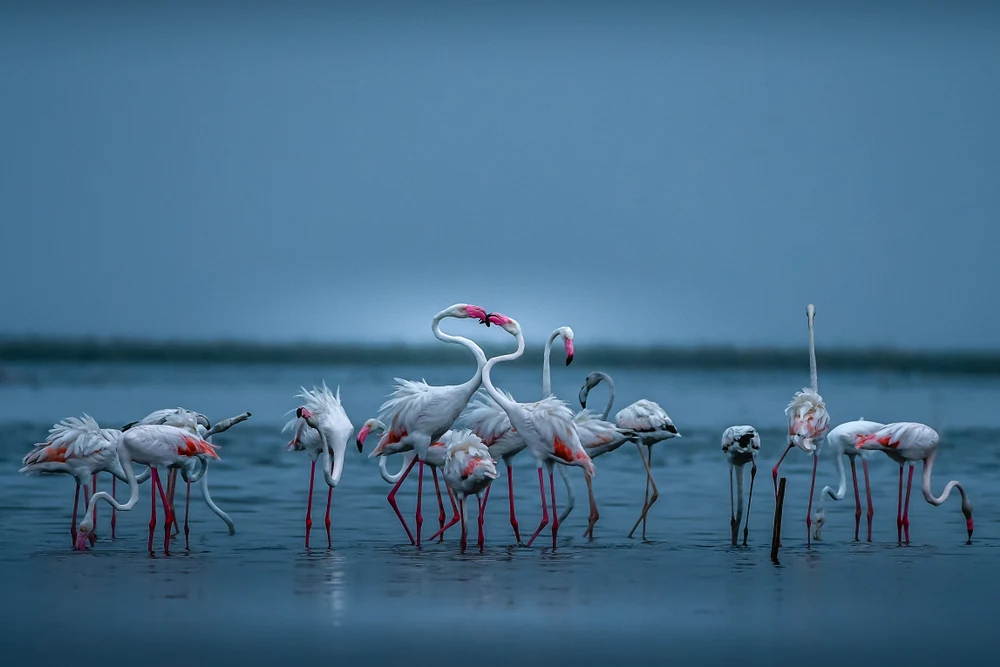
The vast Nalsarovar Bird Sanctuary, approximately 180 km from Gir, hosts spectacular winter flamingo and waterbird congregations — a day trip from Gir for dedicated birders visiting Gujarat's most celebrated wetland wildlife spectacle.

Kankai Mata Temple
The ancient Kankai Mata Temple situated within the Gir forest complex is a revered pilgrimage site for the Maldhari and local Saurashtra communities, blending sacred tradition with the living wilderness of Gir National Park.

Girnar Hills
The sacred Girnar Hills, rising dramatically near Junagadh, host ancient Jain and Hindu temples across five peaks, an important lion habitat on their forested slopes, and the historic Neminath Jain Temple dating back over 2,500 years.

Somnath Mahadev Temple
The magnificent Somnath Temple — one of India's twelve sacred Jyotirlinga shrines — stands majestically on the Arabian Sea coast approximately 55 km from Gir, offering a profound spiritual experience complementing the wildlife journey.
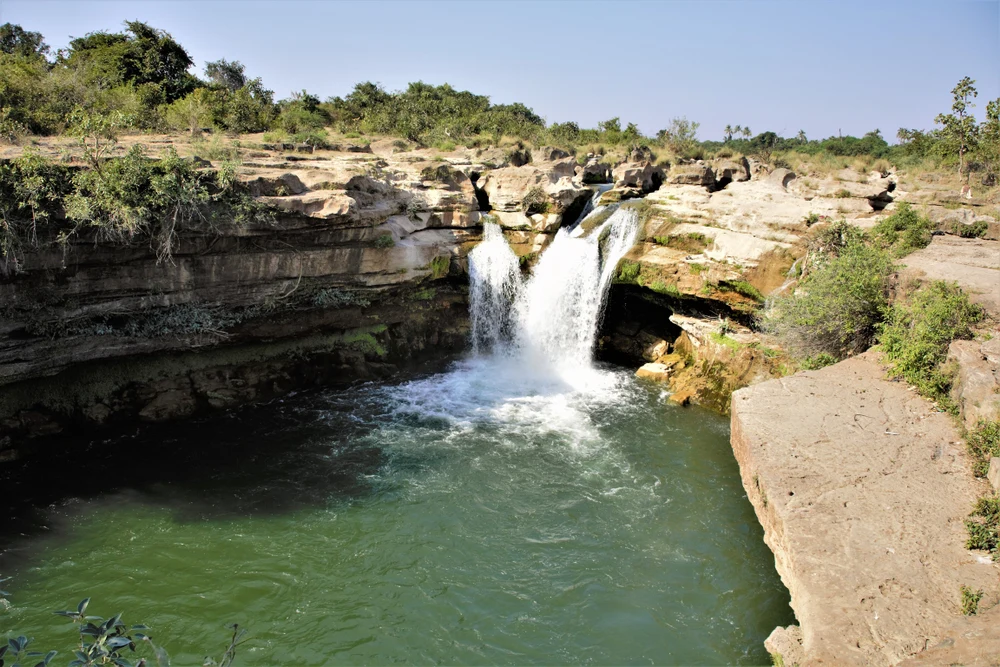
Jamjir Waterfall
The Jamjir Waterfall near Gir National Park cascades through a forested gorge in a scenic natural setting — a refreshing and photogenic attraction especially during and after the monsoon season when water flow is at its most dramatic.

Devalia Safari Park
The 412-hectare Devalia Safari Park (Gir Interpretation Zone) provides an accessible, government-managed enclosed lion safari experience — ideal for families, elderly visitors, or those seeking a guaranteed wildlife encounter within a shorter timeframe.
Gir Tour Packages
From unforgettable Asiatic lion safaris to premium nature retreats, every Gir package is handcrafted around your travel style, comfort, and wildlife aspirations.

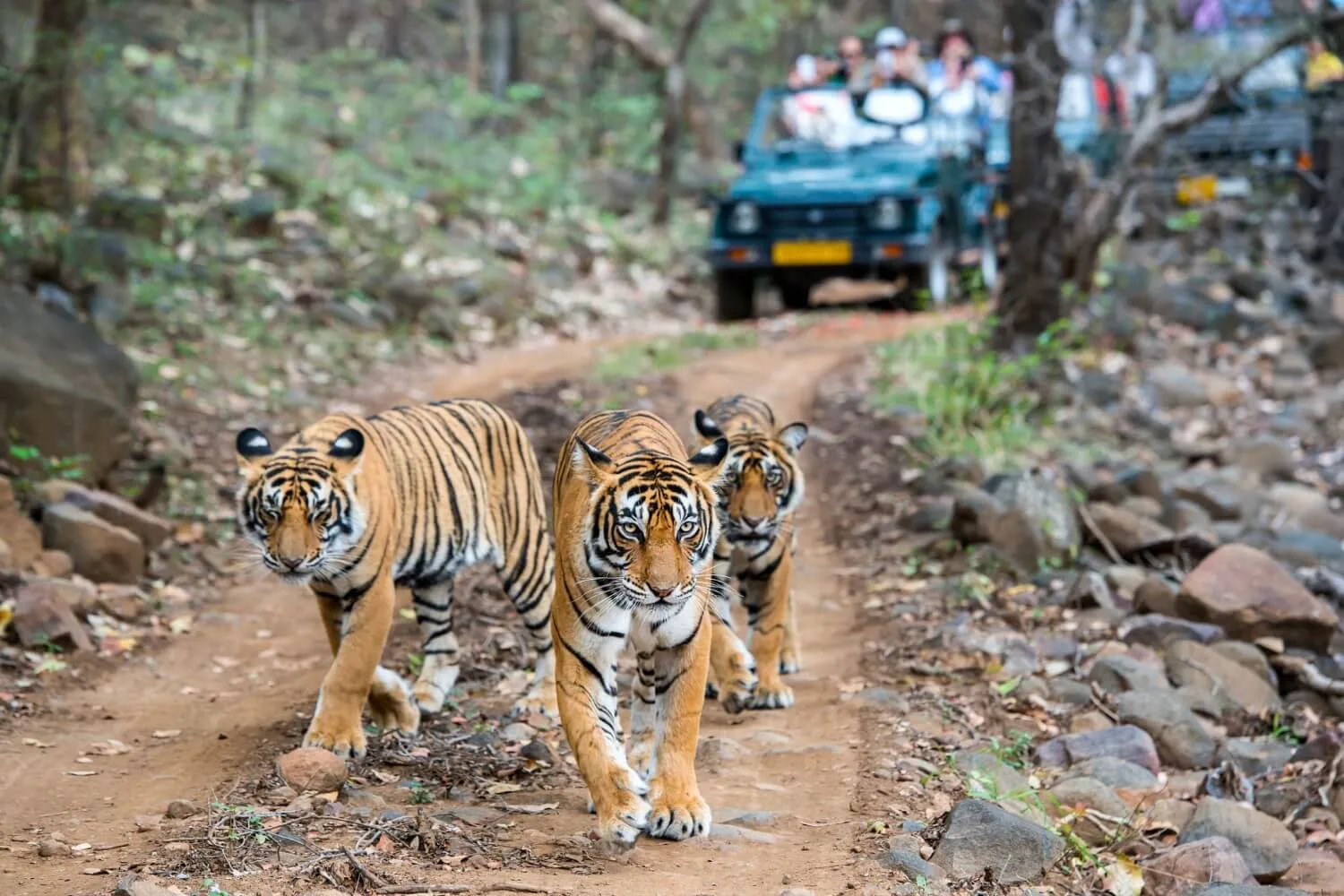





Gir Hotels & Resorts — Luxury Jungle Lodges
We partner with Gir's most respected wildlife lodges and luxury nature retreats—carefully handpicked for their exceptional hospitality, prime safari locations, and unforgettable lion country experiences.
Stay at Gir National Park's finest handpicked wildlife lodges, where comfort meets the untamed wilderness.










Signature Experiences, Curated Around Gir
From cultural experiences and scenic wilderness moments to unforgettable encounters with nature, every experience is designed to complement your Gir safari.








Nearby Destinations to Gir

Junagadh
City of the Lion Gate

Somnath
First Jyotirlinga Temple

Diu
Island of Sun & Sea

Rajkot
Gujarat's Cultural Capital

Porbandar
Birthplace of Gandhi

Nalsarovar Bird Sanctuary
Flamingo Paradise
Other Parks in Gujarat


Other Parks in India






Gir National Park FAQ's
Which is the best time to visit Gir National Park?
The best time to visit Gir National Park is December to March, when the weather is cool and pleasant (15°C–29°C), lion sightings are at their most consistent, and birdwatching is exceptional. April and May, despite intense heat (35°C–44°C), are considered prime months for lion sightings as reduced foliage concentrates wildlife near Kamleshwar Dam and the Hiran River — making these arguably the most dramatic months for wildlife photography. The park typically closes from mid-June to mid-October during the monsoon season.
Which animal is found in Gir National Park?
Gir National Park is home to the Asiatic Lion (Panthera leo persica) — found nowhere else in the wild on earth. In addition to lions, Gir shelters the Indian Leopard, Striped Hyena, Golden Jackal, Indian Fox, Jungle Cat, Sambar Deer, Chital (Spotted Deer), Nilgai, Chinkara, Four-horned Antelope, Wild Boar, Mugger Crocodile, Indian Cobra, Indian Rock Python, and over 300 bird species including the Brown Fish Owl and Indian Courser. The Maldhari cattle herding community also lives within the sanctuary, coexisting with lions for centuries.
How many lions are there in Gir National Park?
As per the most recent Asiatic Lion census conducted in 2020 by the Gujarat Forest Department, Gir National Park and its surrounding landscape are home to 674 Asiatic Lions — the highest population count ever recorded since lion conservation began in India. This represents a remarkable recovery from fewer than 20 lions in the early 20th century. The population continues to grow, and lions have now dispersed beyond the traditional Gir boundaries into the Girnar Hills, Mitiyala, Pania, and coastal areas of the Saurashtra peninsula.
How to reach Gir National Park from Delhi?
From Delhi to Gir National Park, the most efficient route is by flight to Rajkot Airport (approximately 2 hours from Delhi), followed by a road journey of approximately 3 hours to Sasan Gir. Alternatively, fly to Ahmedabad (1.5 hours from Delhi) and then drive approximately 5.5–6 hours to Sasan Gir via Rajkot or Junagadh. By train, the Delhi–Rajkot–Veraval route stops at Sasan Gir station, though the journey takes 20–24 hours. Most visitors from Delhi prefer the flight to Rajkot or Ahmedabad combined with a pre-arranged resort transfer.
What is Gir National Park famous for?
Gir National Park is world-famous as the last natural refuge of the Asiatic Lion — the only place on earth outside Africa where wild lions roam free. Beyond its unique lion population, Gir is celebrated for its extraordinary conservation success story (recovering from near-extinction to 674 lions), a thriving leopard population numbering 300+, ancient crocodile-filled rivers, the deeply inspiring Maldhari pastoral coexistence culture, and its proximity to iconic spiritual and heritage destinations including Somnath Temple, Girnar Hills, and Junagadh's historic Uparkot Fort.
How to visit Gir National Park?
To visit Gir National Park, you must book a safari permit in advance through the official Gujarat Forest Department e-booking portal (girlion.gujarat.gov.in) or via authorised eco-tourism operators. Safaris are conducted in designated government jeeps (gypsies) with certified naturalist guides and are available in three daily slots: morning, noon, and evening. Visitors must arrive at the designated gate (most commonly Sasan Gir) at least 30 minutes before the safari start time. Both core zone jeep safaris and Devalia Safari Park permits must be booked separately.
Where to stay in Gir National Park?
Gir National Park offers accommodation across all categories, all located in the buffer zone or peripheral areas of Sasan Gir village. Luxury options include The Aiana Sasan Gir and Fern Sasan Jungle Lodge. Mid-range camps such as Taj Tented Camp Gir and Gir Lions Paw Resort provide comfortable naturalist-led experiences. Budget travellers can book Gujarat Forest Department rest houses through the official portal. Eco-homestays in Sasan Gir village offer an immersive local experience. Advance booking of 2–3 months is strongly recommended during peak season from December to April.
How to reach Gir National Park?
Gir National Park is best reached by flying to Rajkot Airport (160 km, ~3 hrs by road) or Diu Airport (95 km, ~2 hrs by road), or by train to Sasan Gir Station directly on the Rajkot–Veraval railway line. By road, Gir is accessible from Junagadh (65 km), Rajkot (160 km), Ahmedabad (360 km), and Mumbai (via overnight bus or drive). Private taxis, GSRTC buses to Sasan Gir, and pre-booked resort transfers are all reliable travel options. Sasan Gir is the main base and gateway village for all Gir National Park safari operations.
Where is Gir National Park located?
Gir National Park is located in the Saurashtra region of Gujarat, India, spread across parts of the Junagadh and Gir Somnath districts. The main park entrance and visitor hub is at Sasan Gir, approximately 65 km from Junagadh city, 95 km from Diu, 160 km from Rajkot, and 360 km from Ahmedabad. The reserve's coordinates are approximately 21.1°N, 70.8°E. It is the only national park in India dedicated to the conservation of the Asiatic Lion.
Can we stay inside Gir National Park?
No, overnight stays inside the core zone of Gir National Park are not permitted for tourists. All accommodation is located in the buffer zone or in and around Sasan Gir village, which functions as the primary gateway community. The Gujarat Forest Department operates several Forest Rest Houses that are bookable through the official portal. Luxury and mid-range private resorts are established within permitted zones adjacent to the park. Being based in Sasan Gir village provides excellent access to morning, noon, and evening safari slots without needing to enter the core zone overnight.
How many days are required for Gir?
A minimum of 2 nights and 3 days is recommended for a satisfying Gir National Park experience — allowing for three to four safari slots (morning and evening) with a realistic probability of multiple lion sightings. Visitors who wish to combine a Devalia Safari Park visit, explore the Girnar Hills, visit Somnath Temple, birdwatch at Kamleshwar Dam, and experience a cultural village tour should plan 3 nights and 4 days. Wildlife photographers and serious birders may benefit from a 5-day itinerary covering all safari zones.
Which airport is near to Gir forest?
The two airports closest to Gir National Park are Diu Airport (~95 km from Sasan Gir) and Rajkot Airport (~160 km). Diu Airport is the nearest but has limited flight connections primarily from Mumbai. Rajkot Airport is better connected with direct flights from Mumbai, Delhi, Ahmedabad, and Bengaluru, making it the preferred arrival point for most visitors to Gir National Park. Ahmedabad's Sardar Vallabhbhai Patel International Airport (~360 km) is the major international gateway for visitors flying from abroad.
About Gir National Park
Gir National Park and Wildlife Sanctuary, nestled in the warm and sun-drenched Saurashtra peninsula of Gujarat, stands as one of the most significant conservation landmarks not just in India but in the entire world. It is the last place on earth where the Asiatic Lion (Panthera leo persica) roams free — a subspecies that once ranged across the Middle East and South Asia but was reduced to a tiny remnant population in this single forest by the early 20th century. Today, through one of conservation history's greatest recovery stories, Gir is home to 674 lions and a growing population that is actively dispersing into adjacent landscapes.
The reserve encompasses 1,412 square kilometres including a core national park of 258.71 sq km and a surrounding sanctuary of over 1,150 sq km. Its landscape is a mosaic of dry deciduous forest, open scrubland, grassland, rocky outcrops, and river valleys drained by six seasonal rivers — the Hiran, Shetrunji, Datardi, Shingoda, Machhundri, and Raval. This varied terrain sustains not only the lion population but also over 300 leopards, thousands of prey animals, and a spectacularly diverse assemblage of birds, reptiles, and invertebrates.
Gir National Park is also a living cultural landscape. The Maldhari community — indigenous agropastoralists who have lived within the forest for generations — maintain traditional nesses (livestock pens) inside the sanctuary, coexisting with lions through a centuries-old relationship of mutual tolerance that has no parallel in the world. Their presence is as integral to Gir's identity as the lions themselves, and the human-lion coexistence story of Gir continues to inform conservation policy globally.
Quick Facts about Gir National Park
| Feature | Details |
|---|---|
| Location | Junagadh & Gir Somnath districts, Saurashtra, Gujarat |
| Total Reserve Area | 1412.13 sq km (core + sanctuary) |
| National Park Area | 258.71 sq km (core zone) |
| Asiatic Lion Population | 674+ lions (2020 census — highest ever recorded) |
| Leopard Count | 300+ leopards recorded |
| Best Time to Visit | December to April |
| Safari Zones | Sasan, Sinh Sadan (Devalia), Rajpardi, Tulsishyam, Devalia Safari Park |
| Nearest Airport | Rajkot (160 km) / Diu Airport (95 km) |
| Nearest Railway | Junagadh Junction (65 km) / Sasan Gir Station (on-site) |
| National Park Since | 1965 |
| Project Tiger Status | Not under Project Tiger — Asiatic Lion specific reserve |
| UNESCO Tentative List | Listed for World Heritage consideration |
| Safari Timings | Morning: 6:00–9:00 AM | Noon: 9:00 AM–12:00 PM | Evening: 3:00–6:00 PM |
Detailed Overview — Geography, Terrain & Ecosystem
Gir National Park is positioned in the southern portion of the Saurashtra peninsula, characterised by rolling hillocks, expansive plains, and a drainage system of six seasonal rivers that create the critical water sources sustaining the ecosystem through the long dry season. The topography is gentle to moderately undulating, reaching its highest point in the Girnar Hills complex adjacent to the reserve's northern boundary.
The Kamleshwar Dam, constructed on the Hiran River within the park's core zone, forms the most important perennial water body in Gir. During the summer months (April-May), when seasonal rivers run dry, this reservoir becomes the primary gathering point for lions, leopards, crocodiles, and virtually all large mammals in the reserve - making it consistently one of India's most productive wildlife watching locations.
The vegetation transitions from denser riparian forest along river corridors to more open dry deciduous woodland and thorn scrub across the interior. This diversity of vegetation structure creates multiple habitat types that support different ecological communities - from lion prides hunting in open grasslands to leopards ambushing prey in rocky, forested gullies. The reserve's southern buffer zone grades into agricultural land and coastal habitats, reflecting the increasing range expansion of Gir's lion population.
History of Gir National Park
The story of Gir National Park is inseparable from the history of the Asiatic Lion's near-extinction and its extraordinary recovery. In the early 19th century, Asiatic Lions ranged across the Middle East, Iran, Afghanistan, Pakistan, and much of northern and western India. Rapid habitat loss, prey depletion, and systematic hunting by colonial officials and Indian royalty decimated the population across its range within just a few decades. By the late 19th century, only the Gir forest of the Nawab of Junagadh's territory retained a viable lion population.
A landmark moment came in 1900 when Lord Curzon, then Viceroy of India, planned a lion hunting expedition to Gir. The Nawab of Junagadh, Rasul Khanji, courageously declined to allow the hunt, citing the dangerously low lion population - an act of early conservation that is credited with saving the species from probable extinction. By 1913, surveys estimated as few as 13 lions remaining in Gir, and concerted protection efforts began in earnest under successive Nawabs of Junagadh.
Following Indian independence, the Gir forest was placed under the protection of the newly formed Government of Gujarat. It was declared a Wildlife Sanctuary in 1965 and subsequently upgraded to a National Park in 1975, when its core area received the highest level of legal protection. Project Lion - India's dedicated Asiatic Lion conservation programme - was formalised, and investment in anti-poaching, habitat management, and prey base restoration accelerated through the 1980s and 1990s. The lion population responded dramatically: from 177 in 1968 to 523 in 2015 and 674 in the landmark 2020 census.
Today, Gir National Park is managed by the Gujarat Forest Department's Gir Wildlife Circle, supported by the Wildlife Institute of India, the Asiatic Lion Information Centre and Database (ALICE), and international conservation organisations. The reserve's success is studied by conservationists worldwide as a model for single-species recovery through concentrated legal protection, community inclusion, and long-term institutional commitment.
Flora & Fauna of Gir National Park
Gir National Park's vegetation belongs to the Northern Tropical Dry Deciduous Forest classification with elements of Southern Tropical Thorn Forest. The dominant canopy species include Teak (Tectona grandis), Dhak (Butea monosperma - Flame of the Forest), Jamun (Syzygium cumini), Ber (Ziziphus mauritiana), Tendu (Diospyros melanoxylon), Khair (Acacia catechu), and Simal (Bombax ceiba). Open grassland areas dominated by Marvel grass, Bhabhar, and other perennial grasses are critical foraging zones for deer herds and hunting grounds for lions. Riparian corridors support lush vegetation including Karanj, Amla, and dense climber networks.
Fauna - Mammals
The Asiatic Lion (Panthera leo persica) dominates Gir's wildlife identity with a global population of 674 individuals concentrated entirely in this single landscape. The Indian Leopard (Panthera pardus fusca) is present in substantial numbers - estimated at 300+ - and is frequently sighted, particularly in rocky and forested zones. Striped Hyena (Hyaena hyaena), Golden Jackal (Canis aureus), Jungle Cat (Felis chaus), Indian Fox, Sambar Deer (Rucervus unicolor), Chital (Axis axis), Nilgai (Boselaphus tragocamelus), Chinkara (Gazella bennettii), Four-horned Antelope (Tetracerus quadricornis), and Wild Boar (Sus scrofa) constitute the primary prey and secondary carnivore community.
Fauna - Reptiles
Mugger Crocodile (Crocodylus palustris) populations in Gir's rivers - particularly the Kamleshwar Dam - are among the most significant in Gujarat, with several hundred individuals documented. Indian Rock Python, Indian Cobra, Russell's Viper, Saw-scaled Viper, Monitor Lizard, Star Tortoise, and several species of freshwater turtles and geckos inhabit the reserve. The Star Tortoise (Geochelone elegans) is frequently observed in open scrubland habitats.
Fauna - Birds
Gir National Park has recorded 310+ bird species, making it one of Gujarat's most important ornithological sites. Key species include Brown Fish Owl (Ketupa zeylonensis), Indian Courser, Crested Serpent Eagle, Short-toed Eagle, Bonelli's Eagle, Painted Spurfowl, Grey Jungle Fowl, Indian Peafowl, Sirkeer Malkoha, Indian Roller, White-eyed Buzzard, Black Ibis, Woolly-necked Stork, and the Lesser Florican in open grassland zones. Kamleshwar Dam backwaters attract substantial waterbird assemblages during winter.
Where to Stay Near Gir National Park
| Category | Properties |
|---|---|
| Luxury / Premium | The Aiana Sasan Gir, Fern Sasan Jungle Lodge, GIR Birding Lodge |
| Mid-Range | Taj Tented Camp Gir, Safari Camp Gir, Gir Lions Paw Resort |
| Budget / Forest Dept | GFD Rest Houses at Sasan Gir — booking via Gujarat Forest Dept portal |
| Homestays | Several forest-edge eco-homestays in Sasan Gir village and nearby hamlets |
All tourist accommodation is located in and around Sasan Gir village, within the buffer zone, as overnight stays in the core zone are not permitted. Luxury lodges offer premium naturalist-guided safari packages, cultural experiences, and wellness facilities. The Gujarat Forest Department rest houses provide the most budget-friendly option and must be booked through the official Gujarat Forest Department portal. Advance booking of 2–4 months is strongly recommended for December to April peak season visits.
Conservation Efforts at Gir National Park
Gir National Park's conservation success is the product of sustained, multi-generational commitment by the Gujarat Forest Department, supported by state government policy, scientific research institutions, and - crucially - the indigenous Maldhari community. Anti-poaching operations are conducted through dedicated Wildlife Crime Control cells, camera trap networks across the core zone, and coordination with district administration and police forces in Junagadh and Gir Somnath districts.
A defining challenge - and achievement - of Gir's conservation has been the management of the Maldhari community whose traditional nesses (livestock settlements) exist within the sanctuary. Rather than forced relocation, the Gujarat Forest Department has pursued a voluntary relocation programme with comprehensive rehabilitation packages, while simultaneously respecting the cultural and livelihood rights of Maldhari families who choose to remain. This nuanced approach has maintained the social trust essential for effective wildlife protection in a human-inhabited landscape.
The genetic health of Gir's lion population - derived from a very small founding group - has been a subject of sustained scientific concern. Researchers from the Wildlife Institute of India and international institutions have monitored genetic diversity through DNA sampling, catalogued individual lions through camera trap identification, and modelled population viability. The controversial proposal to establish a second Asiatic Lion population at Kuno-Palpur Wildlife Sanctuary in Madhya Pradesh - supported by the Supreme Court of India - represents the most significant single conservation decision for the species' long-term security. This ongoing debate reflects the high-stakes nature of managing a species whose entire wild global population inhabits a single location.
Eco-tourism revenue at Gir National Park is channelled through government management structures into habitat improvement, anti-poaching infrastructure, and community development initiatives in peripheral villages. The reserve's Interpretation Centre at Devalia and visitor education programmes at Sasan Gir have significantly improved tourist awareness of Asiatic Lion ecology and conservation challenges, transforming visitors into active ambassadors for the species' protection.
Devalia Safari Park - Gir's Interpretation Zone
The Devalia Safari Park, officially designated as the Gir Interpretation Zone, occupies a 412-hectare enclosed area within the Gir sanctuary approximately 12 km from Sasan Gir. It was established specifically to provide a guaranteed Asiatic Lion sighting experience for visitors who cannot secure core zone safari permits (which are limited and frequently fully booked in peak season) or who face mobility and time constraints.
The Devalia zone is managed by the Gujarat Forest Department and operates shared bus safaris through the enclosed area, which houses a naturally reproducing population of Asiatic Lions, Indian Leopards, Sambar, Chital, and other wildlife. While the experience differs fundamentally from a core zone jeep safari - particularly in terms of naturalness and intimacy - Devalia nonetheless provides an authentic and educational encounter with Asiatic Lions in a forested setting. It remains particularly popular with families with young children, school groups, and visitors on tight schedules who cannot commit to the full Gir safari experience.
The Maldhari Community - Guardians of the Last Lions
Perhaps Gir National Park's most extraordinary dimension is not ecological but cultural: the Maldhari community, an indigenous pastoral people who have lived within the Gir forest for centuries, sharing space with Asiatic Lions in a relationship of mutual coexistence that has no parallel anywhere in the world. Maldharis maintain traditional nesses - thatched circular enclosures housing their families and cattle - within the sanctuary, practising a livestock-based livelihood that inevitably brings them into regular contact with lions.
Lions occasionally kill Maldhari cattle, and yet historically - and remarkably - the community has not retaliated with lion killing, drawing on a deeply rooted cultural belief system that regards the lion as a divine entity deserving respect and tolerance. This extraordinary relationship, reinforced by government compensation schemes for livestock depredation, is considered by conservationists as one of the most successful models of carnivore coexistence with human communities anywhere in Asia. Understanding and honouring this relationship is central to Gir National Park's management philosophy and to the enduring security of the Asiatic Lion.
Why Gir National Park Is a Once-in-a-Lifetime Destination
The imperative to visit Gir National Park rests on a fact of global ecological significance: it is the only place in the world outside Africa where you can observe a wild lion. The Asiatic Lion is a distinct subspecies - smaller, differently maned, and behaviorally unique - and its presence in Gir alone makes this reserve irreplaceable in the landscape of world wildlife tourism. No other national park on earth offers what Gir does: a lion species found nowhere else, in a landscape shaped by one of conservation's greatest recoveries, guided by a community whose coexistence with lions across centuries is a story as inspiring as the lions themselves.
Combine this unique zoological significance with the spiritual grandeur of the Somnath Temple, the ancient heritage of Uparkot Fort and Girnar Hills, the flamingo spectacles of Nalsarovar, and the vibrant culture of Junagadh and Saurashtra - and Gir National Park emerges as a destination of exceptional depth and diversity, where every day of exploration reveals another dimension of one of India's most remarkable natural and cultural landscapes.