


About Kaziranga National Park
Kaziranga National Park, nestled in the heart of Assam along the southern bank of the mighty Brahmaputra River, stands as one of India's most celebrated wildlife sanctuaries and a UNESCO World Heritage Site since 1985. Spanning approximately 884 square kilometres of core area, this extraordinary park is globally renowned as the last stronghold of the Indian one-horned rhinoceros (Rhinoceros unicornis), sheltering nearly 70% of the species' entire world population. Beyond its iconic rhinos, Kaziranga boasts one of the highest densities of Bengal tigers on the planet, along with thriving herds of Asian elephants, wild water buffalo, eastern swamp deer, and over 480 species of birds. The landscape — a stunning mosaic of elephant-grass meadows, semi-evergreen forests, and seasonal wetland pools — offers visitors an immersive, raw wildlife experience unlike anywhere else in South Asia.
- Area1,307 sq km
- Established1974
- StateAssam
- Nearest CityGuwahati
- Entry Gates4
Kaziranga Travel Guide
Biodiversity

Wildlife
Home to ~2,600 one-horned rhinos, Bengal tigers, Asian elephants, wild water buffalo, swamp deer, leopards, and rare Gangetic river dolphins.

Flora
Kaziranga National Park features vast elephant grasslands, tropical moist deciduous forests, wetlands, and riverine vegetation, with cane, bamboo, and tall grasses supporting exceptional biodiversity and ecological richness.

Landscape
Vast floodplains of Brahmaputra, tall elephant-grass meadows, dense semi-evergreen forests, and seasonal wetlands forming a rich biodiversity hotspot.
Safari Guide
Best Time to Visit
Things to Do

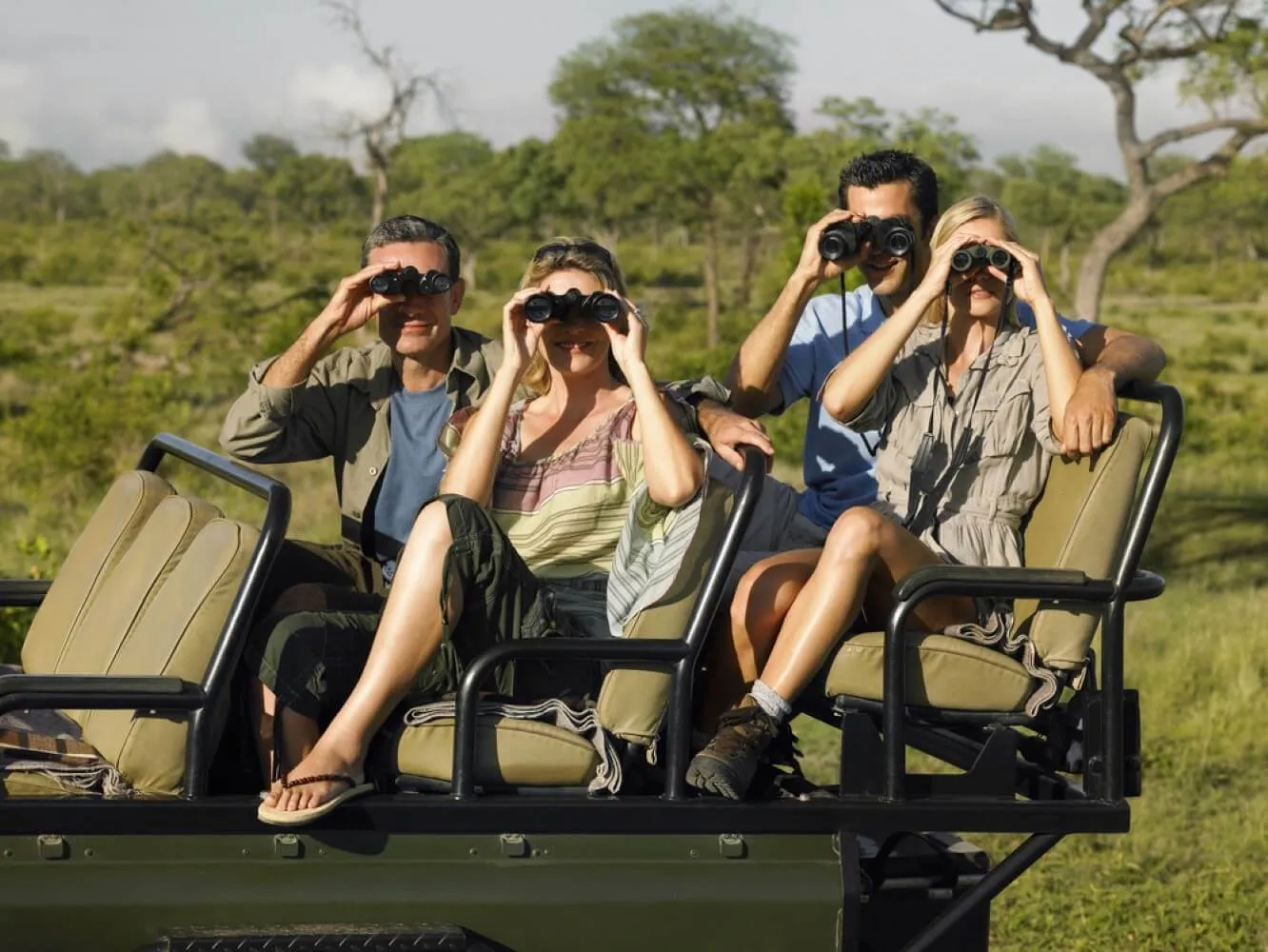
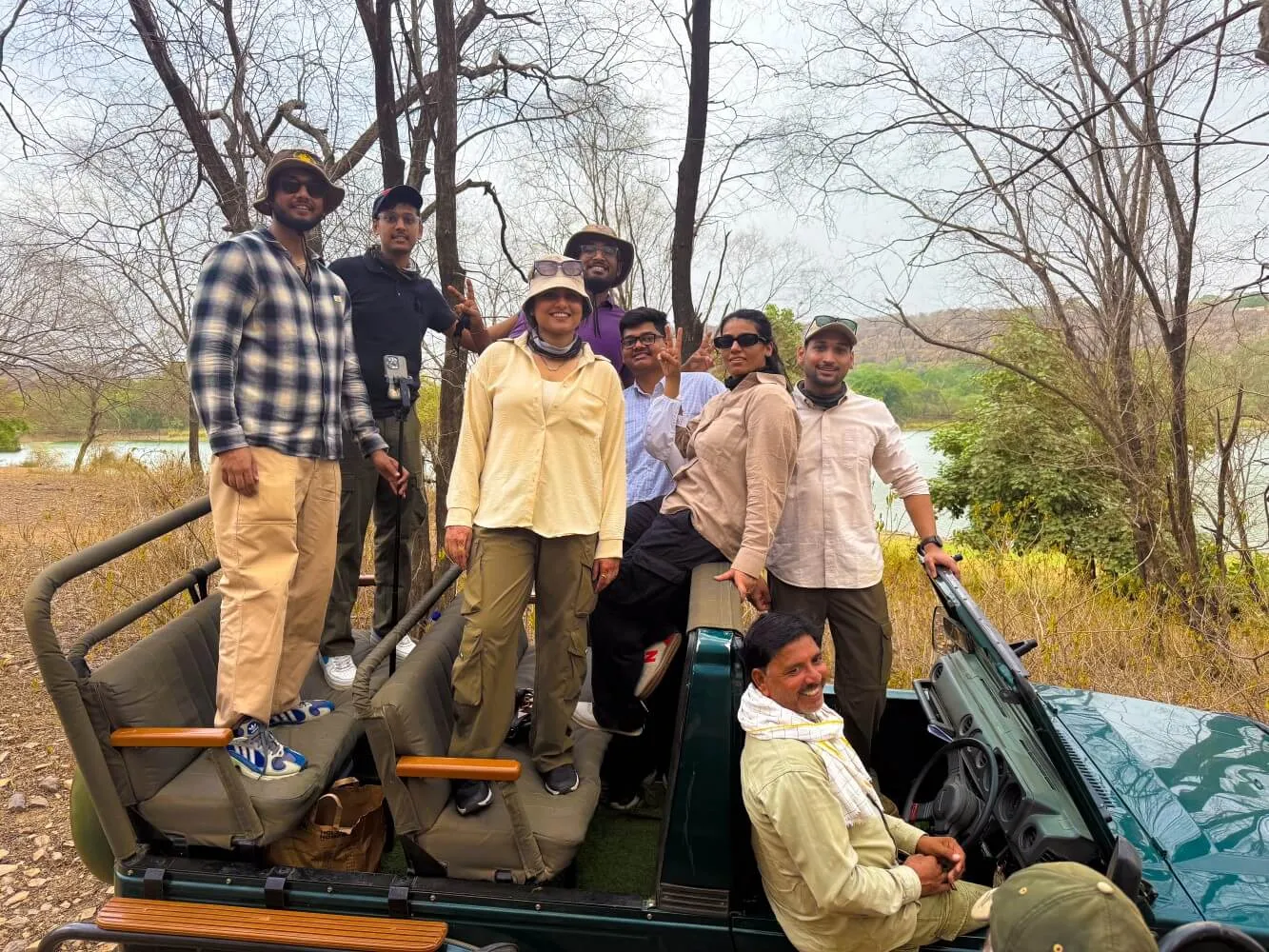
Jeep Safari
Explore Kaziranga's diverse zones in open jeeps — the most popular way to spot rhinos, elephants, and tigers in their natural habitat.

Elephant Safari
Experience an early-morning ride on elephant back through tall grasses for intimate, close-up wildlife encounters unique to Kaziranga.

Bird Watching
Spot over 480 bird species including the Greater Adjutant Stork, Pallas's Fish Eagle, and rare migratory birds across wetland zones.

Wildlife Photography
Capture stunning shots of rhinos, tigers, and diverse birdlife against Kaziranga's floodplain and forest backdrops for unforgettable wildlife photography.

Local Sightseeing
Visit nearby tea gardens, tribal villages, and archaeological ruins for a cultural journey complementing the Kaziranga wildlife experience.

Boat Safari
Cruise along the mighty Brahmaputra River to witness riverine wildlife, scenic sandbanks, and breathtaking views of the Karbi Anglong Hills.

Village & Cultural Experience
Engage with local Mishing and Karbi tribes, taste traditional Assamese cuisine, and enjoy folk performances celebrating indigenous heritage near Kaziranga.

Nature Walk
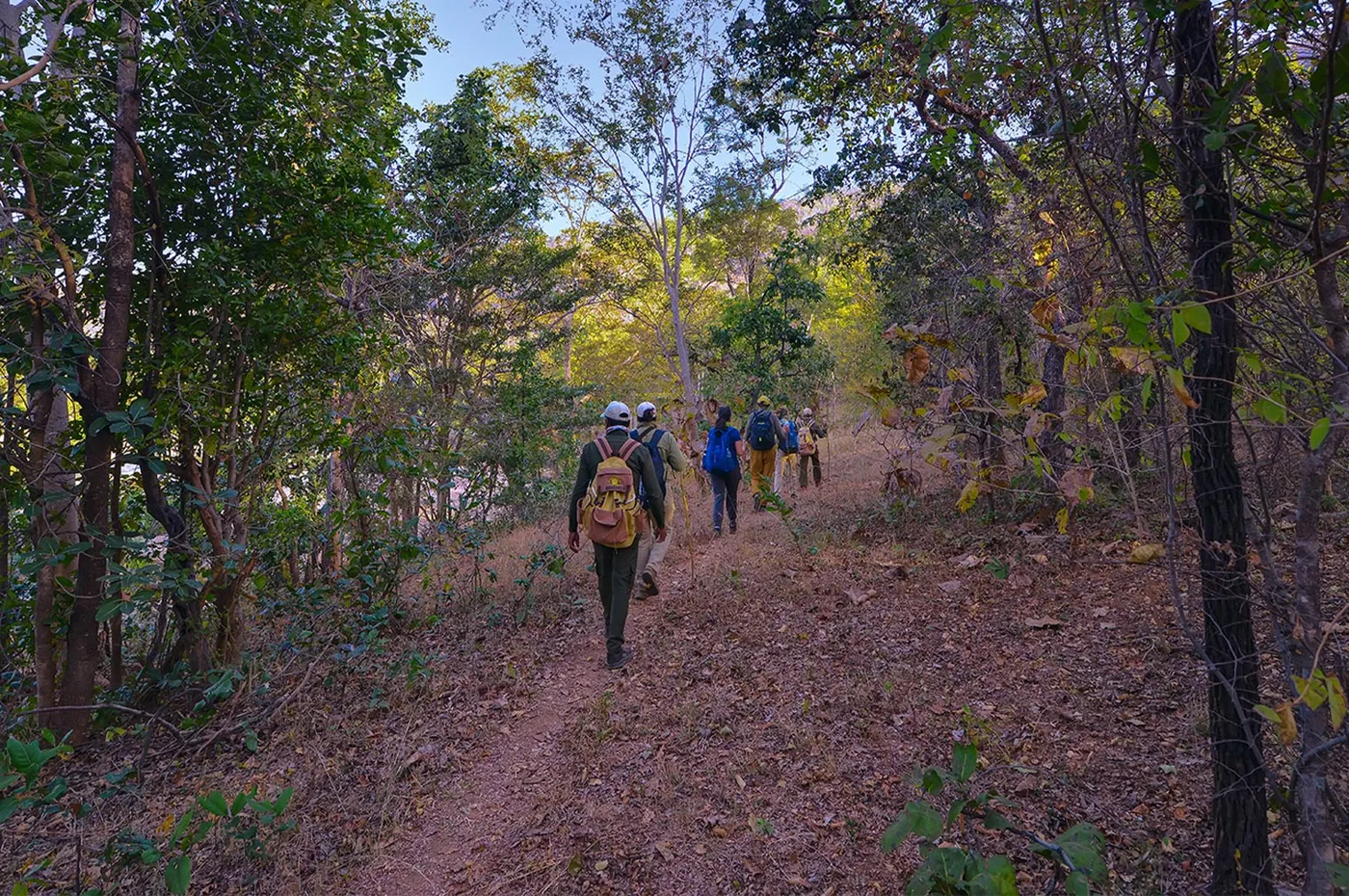
Guided nature walks on buffer zone trails offer peaceful immersion in Kaziranga's lush greenery, birdlife, and lesser-explored natural beauty.
How to Reach
Attractions

Central Range (Kohora)
The most frequented safari zone in Kaziranga, offering prime rhino and elephant sightings amidst classic floodplain terrain and dense grassland ecosystems.

Western Range (Bagori)
Renowned for tiger sightings and stunning open meadows, Bagori Range provides excellent visibility and thrilling wildlife drives in western Kaziranga.

Eastern Range (Agaratoli)
A less-crowded, serene zone with rich biodiversity, dense forests, and high chances of spotting wild water buffalo and birds in undisturbed wilderness.

Burapahar Range (Ghorakati)
Located on forested hills, this zone offers sightings of hoolock gibbons, capped langurs, and diverse flora distinct from Kaziranga's other grassland zones.

Kaziranga Orchid & Biodiversity Park
A botanical haven near the park housing rare orchid species, medicinal plants, and native flora showcasing Assam's extraordinary botanical and ecological diversity.

Brahmaputra River
The mighty river flanks Kaziranga and offers breathtaking boat rides, sandbank wildlife sightings, and panoramic views of the Assam Himalayan foothills.

Elephant Safari Zones
Dedicated zones for early-morning elephant rides offering intimate close encounters with one-horned rhinos and other wildlife deep within tall elephant grass.

Tea Gardens
Lush tea estates near Kaziranga offer scenic beauty, factory tours, and a taste of Assam's globally renowned tea culture alongside the wildlife experience.

Karbi Anglong Hills
Forming Kaziranga's southern boundary, these forested hills host tribal communities, ancient ruins, and panoramic viewpoints offering memorable sunrise and sunset vistas.

Deoparbat Ruins
Ancient ruins from the 9th–10th century CE with intricately carved stone sculptures, offering a fascinating glimpse into Assam's rich archaeological and historical heritage.

Hoollongapar Gibbon Wildlife Sanctuary
India's only sanctuary dedicated to hoolock gibbons — a short drive from Kaziranga — offering remarkable primate sightings amid pristine rainforest environment.

Kakochang Waterfall
A scenic waterfall surrounded by lush tea gardens near Numaligarh, offering a refreshing natural retreat perfect for relaxation after Kaziranga wildlife safaris.
Kaziranga Tour Packages
From thrilling rhino safaris to luxury stays amidst Assam's wild landscapes, every Kaziranga package is designed around your travel style and wildlife dreams.







Kaziranga Hotels & Resorts — Luxury Jungle Lodges
We partner with Kaziranga's leading wildlife resorts and nature retreats—carefully chosen for their authentic Assamese hospitality, comfort, and immersive safari experiences.
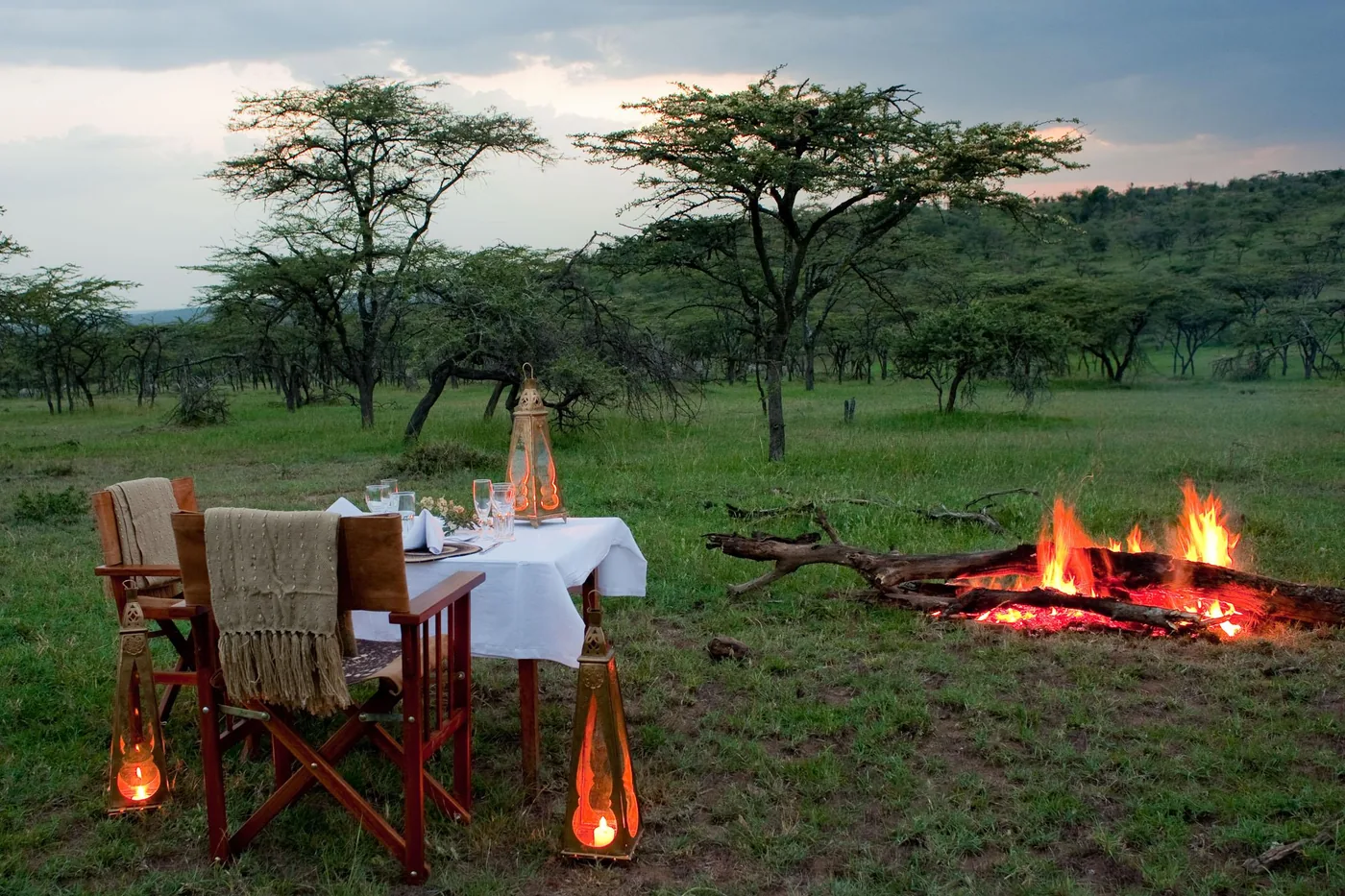
Stay at Kaziranga National Park's finest handpicked wildlife lodges, where comfort meets the untamed wilderness.





Signature Experiences, Curated Around Kaziranga
From cultural experiences and nature exploration to unforgettable moments in the wilderness, every experience is curated to complement your Kaziranga journey.













Nearby Destinations to Kaziranga

Guwahati
Gateway to Northeast

Jorhat
Assam's Tea Capital

Shillong
Scotland of the East

Tezpur
City of Eternal Romance

Dibrugarh
Tea City of India

Majuli Island
World's Largest River Island

Hoollongapar Sanctuary
Gibbon's Last Refuge
Nameri National Park
Serene Tiger Reserve
Other Parks in Assam


Other Parks in India


Kaziranga National Park FAQ's
Where is Kaziranga National Park located?
Kaziranga National Park is located in the Golaghat and Nagaon districts of Assam, in northeastern India. It lies on the southern bank of the Brahmaputra River and stretches towards the Karbi Anglong Hills. The park is situated along National Highway 27 (East-West Corridor), approximately 217 km from Guwahati and 97 km from Jorhat.
What is Kaziranga National Park famous for?
Kaziranga National Park is world-famous for being home to the largest population of the Indian one-horned rhinoceros (Rhinoceros unicornis) on Earth. It is a UNESCO World Heritage Site and shelters over two-thirds of the global rhino population. Beyond rhinos, Kaziranga also has one of the highest densities of Bengal tigers globally and is a premier birdwatching destination with 480+ species.
Which animal is most famous in Kaziranga National Park?
The Indian one-horned rhinoceros is the most iconic and celebrated animal of Kaziranga National Park. With approximately 2,613 rhinos recorded in the 2018 census, Kaziranga houses nearly 70% of the world's total one-horned rhino population. The park's extraordinary conservation success with rhinos has earned it global recognition and UNESCO World Heritage Site status.
What is the best time to visit Kaziranga National Park?
The best time to visit Kaziranga National Park is from November to April. This period offers pleasant weather with temperatures between 10°C and 25°C, and excellent wildlife visibility as vegetation is less dense. October to March is the peak tourist season for comfortable safaris, while April to June (summer) provides the best tiger-sighting opportunities near waterholes.
Is Kaziranga National Park open throughout the year?
No, Kaziranga National Park is NOT open throughout the year. The park typically closes from late May or June until October due to annual monsoon flooding from the Brahmaputra River. The park officially reopens in October/November. The peak visiting season runs from November to April, and early May is also possible but increasingly hot.
How many one-horned rhinoceroses are in Kaziranga National Park?
According to the 2018 census, Kaziranga National Park is home to approximately 2,613 Indian one-horned rhinoceroses, making it the single largest population of this species anywhere in the world. This accounts for over two-thirds (approximately 70%) of the global one-horned rhino population. Conservation efforts have steadily increased the rhino numbers from just a few dozen in the early 1900s.
What animals can be seen in Kaziranga National Park?
Kaziranga National Park offers incredible wildlife diversity. Key animals include the Indian one-horned rhinoceros, Bengal tiger, Asian elephant, wild water buffalo, eastern swamp deer (barasingha), Indian leopard, sloth bear, hoolock gibbon, capped langur, hog deer, wild pig, and Gangetic river dolphin. Over 480 bird species are also recorded, including the greater adjutant stork, pelicans, and various raptors.
Which safari zones are best in Kaziranga National Park?
The best safari zones in Kaziranga National Park depend on your wildlife priority: Central Range (Kohora) is best for overall rhino and elephant sightings; Western Range (Bagori) is renowned for tiger sightings and open meadows; Eastern Range (Agaratoli) is ideal for birdwatching and solitude; Burapahar Range is perfect for primates like hoolock gibbons. The Central and Western ranges are most popular among visitors.
What types of safaris are available in Kaziranga National Park?
Kaziranga National Park offers two main types of safaris: Jeep Safari (4WD open vehicles) and Elephant Safari. Jeep safaris are available across all five ranges and are the most popular option for covering larger areas. Elephant safaris are conducted in the early morning in designated zones and offer intimate encounters with rhinos in tall grasslands. Boat safaris on the Brahmaputra River are also available.
Are elephant safaris available in Kaziranga National Park?
Yes, elephant safaris are available in Kaziranga National Park and are one of its most unique and cherished experiences. These early-morning safaris are conducted before jeep safaris begin and allow visitors to silently enter the tall elephant-grass meadows on elephant back for close-up rhino sightings. Elephant safaris are managed by the Forest Department and booking is done at designated elephant safari zones in Kohora and Bagori areas.
How many days are enough for Kaziranga National Park?
A minimum of 2 to 3 days is recommended for a fulfilling Kaziranga National Park experience. One day allows for 1–2 safari sessions, but to explore multiple zones (Central, Western, Eastern) and enjoy both jeep and elephant safaris, 2–3 days is ideal. If you wish to combine Kaziranga with nearby attractions like Majuli Island, Hoollongapar Sanctuary, or Tezpur, plan for 4–5 days in the region.
How to reach Kaziranga National Park?
Kaziranga National Park is accessible by air, rail, and road. By Air: Fly to Lokpriya Gopinath Bordoloi International Airport, Guwahati (~217 km), then drive via NH 27. By Rail: Nearest stations are Furkating Junction (~75 km) and Jorhat (~97 km), with onward taxis available. By Road: Kaziranga is well-connected via NH 27; buses and taxis operate from Guwahati, Jorhat, and Tezpur.
What are the main attractions near Kaziranga National Park?
Major attractions near Kaziranga National Park include: Majuli Island (world's largest river island), Tezpur (ancient ruins, Nameri NP), Hoollongapar Gibbon Wildlife Sanctuary (~55 km), Kakochang Waterfall, lush Assam Tea Gardens, Deoparbat Ruins, Brahmaputra River boat rides, Karbi Anglong Hills, and Kaziranga Orchid & Biodiversity Park. Jorhat and Guwahati offer further cultural and historic sites.
Is Kaziranga National Park safe for tourists?
Yes, Kaziranga National Park is generally very safe for tourists. All safaris are conducted with trained, licensed naturalist guides and park rangers. Visitors must follow park rules — no standing up in jeeps, no loud noises, no littering, and staying on designated safari trails. Anti-poaching measures are strong, with armed forest guards patrolling the park. Following guidelines ensures a safe, enriching wildlife experience.
Can Kaziranga National Park be visited during monsoon season?
Kaziranga National Park is officially closed during the monsoon season (approximately June to October) due to heavy Brahmaputra flooding that inundates large parts of the park. During this time, wildlife, especially rhinos, migrate to the Karbi Anglong Hills. However, travelers can still visit the surrounding areas, tea gardens, and cultural sites near Kaziranga. The park reopens in late October or early November each year.
About Kaziranga National Park
Kaziranga National Park is one of the most iconic and ecologically significant wildlife reserves in the world. Located in the Golaghat and Nagaon districts of Assam, northeastern India, this extraordinary park stretches along the southern floodplain of the Brahmaputra River and extends to the foothills of the Karbi Anglong Hills. Recognized as a UNESCO World Heritage Site in 1985 and designated a Tiger Reserve in 2006, Kaziranga represents one of Asia's most successful conservation stories.
The park's fame rests primarily on its remarkable population of the Indian one-horned rhinoceros (Rhinoceros unicornis). From near extinction in the early 20th century — when fewer than a dozen rhinos survived — conservation efforts have enabled the population to grow to over 2,600 individuals, representing approximately 70% of the global total. This extraordinary recovery places Kaziranga at the forefront of wildlife conservation in Asia and makes it an essential destination for ecotourism, research, and environmental education worldwide.
Beyond rhinos, Kaziranga National Park shelters an astonishing array of wildlife that thrives across its diverse habitats — from tall elephant-grass meadows and open floodplains to dense semi-evergreen forests and water-rich wetlands. The park supports Bengal tigers at one of the highest densities recorded anywhere on Earth, large herds of Asian elephants, wild water buffalo, eastern swamp deer, and hundreds of bird species, making it a true biodiversity hotspot of global significance.
Quick Facts about Kaziranga National Park
| Feature | Details |
|---|---|
| Total Area | 884 sq km (Core) | ~1,307 sq km (Buffer) |
| Location | Golaghat & Nagaon Districts, Assam, India |
| UNESCO Status | World Heritage Site since 1985 |
| National Park Status | Declared in 1974 |
| Tiger Reserve | Designated in 2006 |
| One-Horned Rhinos | ~2,613 (2018 Census) — world's largest population |
| Tiger Population | ~104 tigers (highest density in the world) |
| Elephant Population | ~1,940 (2017 Census) |
| Bird Species | Over 480 species (including 25+ globally threatened) |
| Best Time to Visit | November to April |
| Safari Zones | 5 ranges: Central, Western, Eastern, Burapahar, Agoratoli |
| Entry Gates | 4 main gates: Kohora, Bagori, Agaratoli, Ghorakati |
| Altitude | 40–80 metres above sea level |
| Rivers | Brahmaputra (North), Mora Diphlu, Diphlu, Mora Dhansiri |
Detailed Overview – Geography, Terrain & Ecosystem
Kaziranga National Park occupies a dramatic landscape shaped by the annual flooding of the Brahmaputra River, one of the world's largest rivers. The park lies at an altitude ranging from 40 to 80 metres above sea level on the broad alluvial plains of the upper Brahmaputra valley. This dynamic geography - constantly replenished and reshaped by monsoon floods - creates a mosaic of habitats that sustains extraordinary biodiversity.
The terrain is divided into four principal habitat types. Tall elephant-grass meadows, dominated by species like Saccharum spontaneum and Phragmites karka, cover large tracts of the park and are the preferred habitat of rhinos and elephants. Dense tropical moist broadleaf forests occupy elevated terrain, providing cover for tigers and leopards. Open water bodies - including jheels (lakes), ox-bow lakes, and seasonal pools - support aquatic birds, Gangetic river dolphins, and fish species. Sandy riverbanks along the Brahmaputra host nesting birds and basking reptiles.
Kaziranga is drained by several rivers including the Mora Diphlu, Diphlu, and Mora Dhansiri, which create a network of wetlands and waterways critical to the park's ecology. The annual Brahmaputra floods, while occasionally causing wildlife casualties, are ecologically essential - they replenish soil nutrients, maintain open grassland habitats, and ensure the wetland systems remain productive throughout the year.
History of Kaziranga National Park
The history of Kaziranga National Park is a powerful tale of conservation triumph in the face of near-total wildlife collapse. At the turn of the 20th century, rampant poaching and habitat encroachment had reduced the Indian one-horned rhinoceros to fewer than 20 individuals in the Kaziranga area - a species that had once roamed across the entire Indo-Gangetic plains.
The park's formal protection began in 1905 when Mary Curzon, wife of Viceroy Lord Curzon, visited the area and alarmed by the scarcity of rhinos, petitioned her husband to act. The Viceroy responded by designating 232 square kilometres of the Kaziranga Proposed Reserve Forest under the Indian Forest Act of 1878. This initial protected area was progressively expanded - becoming a Game Sanctuary in 1916, a Wildlife Sanctuary in 1950, and finally a National Park on February 11, 1974.
In 1985, UNESCO inscribed Kaziranga National Park as a World Heritage Site based on its outstanding universal value for biological diversity and its ongoing conservation success. In 2006, the park was designated a Tiger Reserve under Project Tiger, further strengthening legal protections. Today, Kaziranga stands as a global model for wildlife conservation, demonstrating how determined protection efforts can reverse catastrophic species decline.
Culturally, the Kaziranga landscape has deep significance for the indigenous Mishing, Karbi, and other tribal communities who have lived in the region for centuries. Their traditional ecological knowledge and coexistence with wildlife continues to inform modern conservation practices in and around the park.
Flora & Fauna of Kaziranga National Park
Kaziranga National Park's vegetation is predominantly tropical moist broadleaf forest interspersed with extensive grasslands and wetlands. The park is classified under the Eastern Himalayan broadleaf forest ecoregion and supports approximately 672 species of plants.
- Grasslands: Dominated by tall elephant grasses (Saccharum species, Phragmites karka, Imperata cylindrica) - critical habitat for rhinos, swamp deer, and hog deer.
- Forests: Semi-evergreen and deciduous forests feature trees like Bombax ceiba (silk-cotton), Dillenia indica, Lagerstroemia speciosa, Terminalia species, and Aphanamixis polystachya.
- Wetland Vegetation: Aquatic plants including water lilies (Nymphaea), lotus, and various sedge species line the park's jheels and waterways.
- Orchids: The Kaziranga Orchid and Biodiversity Park documents over 100 orchid species, many of them rare or endemic to Assam and the Northeast.
- Medicinal Plants: Over 150 species of medicinal plants have been recorded, many of which are used in traditional Ayurvedic and local tribal medicine.
Kaziranga's fauna is spectacularly diverse, earning it recognition as one of the most important wildlife conservation areas in Asia:
- Indian One-Horned Rhinoceros: ~2,613 (2018 Census) - world's largest population; UNESCO flagship species.
- Bengal Tiger: ~104 tigers; one of the highest density tiger populations on Earth.
- Asian Elephant: ~1,940 (2017 Census); large herds roam all five zones.
- Wild Water Buffalo: Over 1,166 individuals; Kaziranga holds one of the largest populations.
- Eastern Swamp Deer (Barasingha): One of the last viable populations of this endangered species.
- Indian Leopard: Elusive but present, mainly in forested ranges.
- Hoolock Gibbon: Present in Burapahar Range; India's only ape species.
- Gangetic River Dolphin: Spotted in the Brahmaputra and its tributaries.
- Bird Life: 480+ species including Greater Adjutant Stork, Pallas's Fish Eagle, Ferruginous Duck, Bar-headed Goose, Spot-billed Pelican, and 25+ globally threatened species.
- Reptiles: Indian Rock Python, King Cobra, Monitor Lizard, Gharial, and various turtle species.
Conservation Efforts at Kaziranga National Park
Kaziranga National Park represents one of the world's foremost examples of successful wildlife conservation, driven by sustained government commitment, community involvement, and international support.
Government Initiatives
- Anti-Poaching Measures: The Assam Forest Department deploys over 600 forest guards with shoot-on-sight authorization for poachers, using advanced surveillance including drones, camera traps, and AI-powered monitoring systems.
- Habitat Management: Controlled burning of grasslands, water level management in jheels, and invasive species removal maintain the park's ecological balance and habitat quality.
- Project Tiger: Kaziranga's designation as a Tiger Reserve in 2006 brought additional funding and stringent protection protocols benefiting not just tigers but all wildlife.
- Flood Response Protocol: The park has developed a comprehensive flood management strategy including wildlife corridors to Karbi Anglong Hills for animal movement during monsoon flooding.
Community & International Initiatives
- Ecozone Development: Buffer zone eco-development committees engage local communities in sustainable livelihoods - ecotourism, handicrafts, and homestays - reducing pressure on forest resources.
- WWF & International Support: World Wildlife Fund (WWF) India, International Rhino Foundation, and other international organizations fund anti-poaching operations, rhino monitoring, and community engagement programs.
- Rhino Protection Units (RPUs): Specialized teams operate alongside forest staff for dedicated rhino monitoring and anti-poaching operations.
- Wildlife Crime Bureau: Integrated intelligence-sharing between Assam Police, Forest Department, and Wildlife Crime Control Bureau has significantly reduced poaching incidents over the past decade.
- Education & Research: Kaziranga's Wildlife Institute of India (WII) partnerships support ongoing research into rhino genetics, tiger ecology, bird population monitoring, and climate change adaptation strategies.