


About Rajaji National Park
Stretching across the Shivalik Hills of the lower Himalayas in Uttarakhand, Rajaji National Park is one of India's most dramatically situated and ecologically diverse wildlife destinations. Spread over approximately 820 sq km across the Haridwar, Dehradun, and Pauri Garhwal districts, this celebrated national park and tiger reserve is home to one of India's largest wild elephant populations, alongside Bengal tigers, leopards, and a breathtaking 400+ bird species. What makes Rajaji National Park truly extraordinary is the rare convergence of wilderness, spirituality, and adventure in a single landscape — the sacred Ganges River flows along its western boundary, while the holy cities of Haridwar and Rishikesh sit at its doorstep. From thrilling jeep safaris and elephant watching in the Chilla Range to white-water river rafting on the Ganges and sunrise aarti at Har Ki Pauri, Rajaji National Park offers an unparalleled journey through India's wild, spiritual, and adventurous soul.
- Total Area820.42 sq km
- Established1983
- StateUttarakhand
- DistrictsHaridwar, Dehradun & Pauri Garhwal
- Safari Zones5 Zones
Rajaji Travel Guide
Biodiversity

Wildlife
Rajaji National Park shelters one of India's largest Shivalik elephant herds, alongside Bengal tigers, leopards, sloth bears, king cobras, gharials, and Gangetic dolphins in the river — a remarkable Himalayan foothills assemblage spanning apex predators, gentle giants, and globally endangered aquatic species.

Flora
Rajaji National Park features sal-dominated forests, riverine vegetation, grasslands, and mixed deciduous trees like rohini and khair, supporting rich Himalayan foothill biodiversity and diverse wildlife habitats.

Landscape
A breathtaking mosaic of dense Sal and teak forests, rocky Shivalik ridges, braided river channels of the holy Ganga, open grassland chaaurs, Himalayan foothills rising to snowy peaks, and the ancient spiritual skyline of Haridwar and Rishikesh — a landscape of extraordinary natural and cultural grandeur unique to Rajaji National Park.
Safari Guide
Best Time to Visit
Things to Do

Jeep Safari
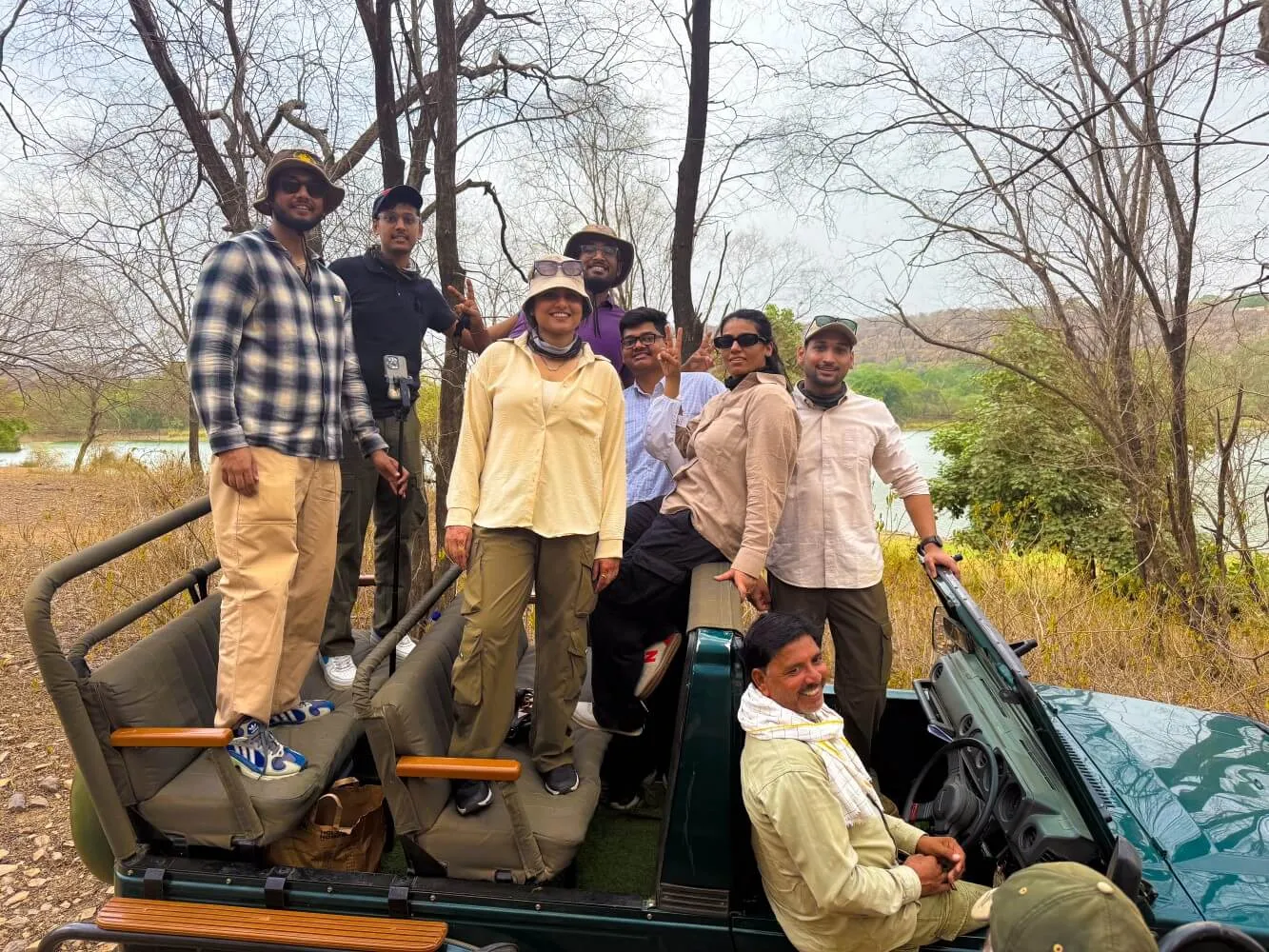
Explore Rajaji National Park's Chilla and Motichur ranges on thrilling guided jeep safaris, tracking tigers, elephants, leopards, and sloth bears through dense Sal and teak forest trails.

Elephant Spotting
Rajaji National Park is home to one of India's largest wild elephant herds; dawn safaris in the Chilla Range offer remarkable close encounters with these gentle giants in their natural habitat.

Bird Watching
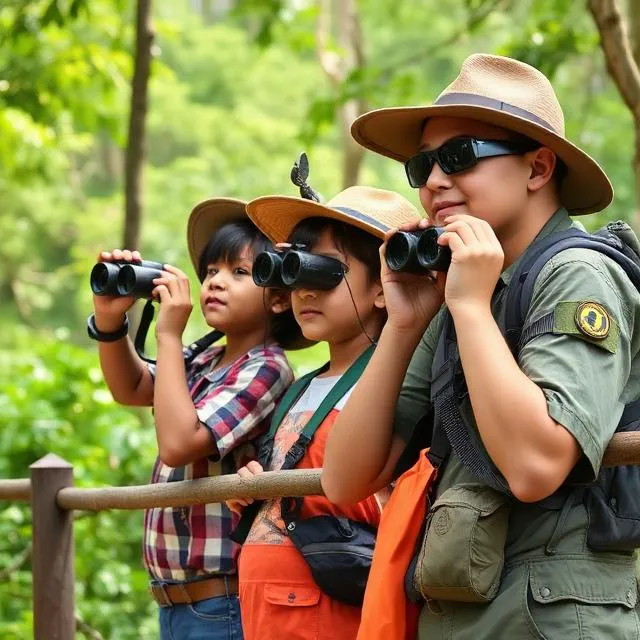
Discover 400+ bird species including ibisbill, crested kingfisher, pied hornbill, and Himalayan griffon along Rajaji National Park's river corridors, grassland edges, and Shivalik forest canopy.

Wildlife Photography
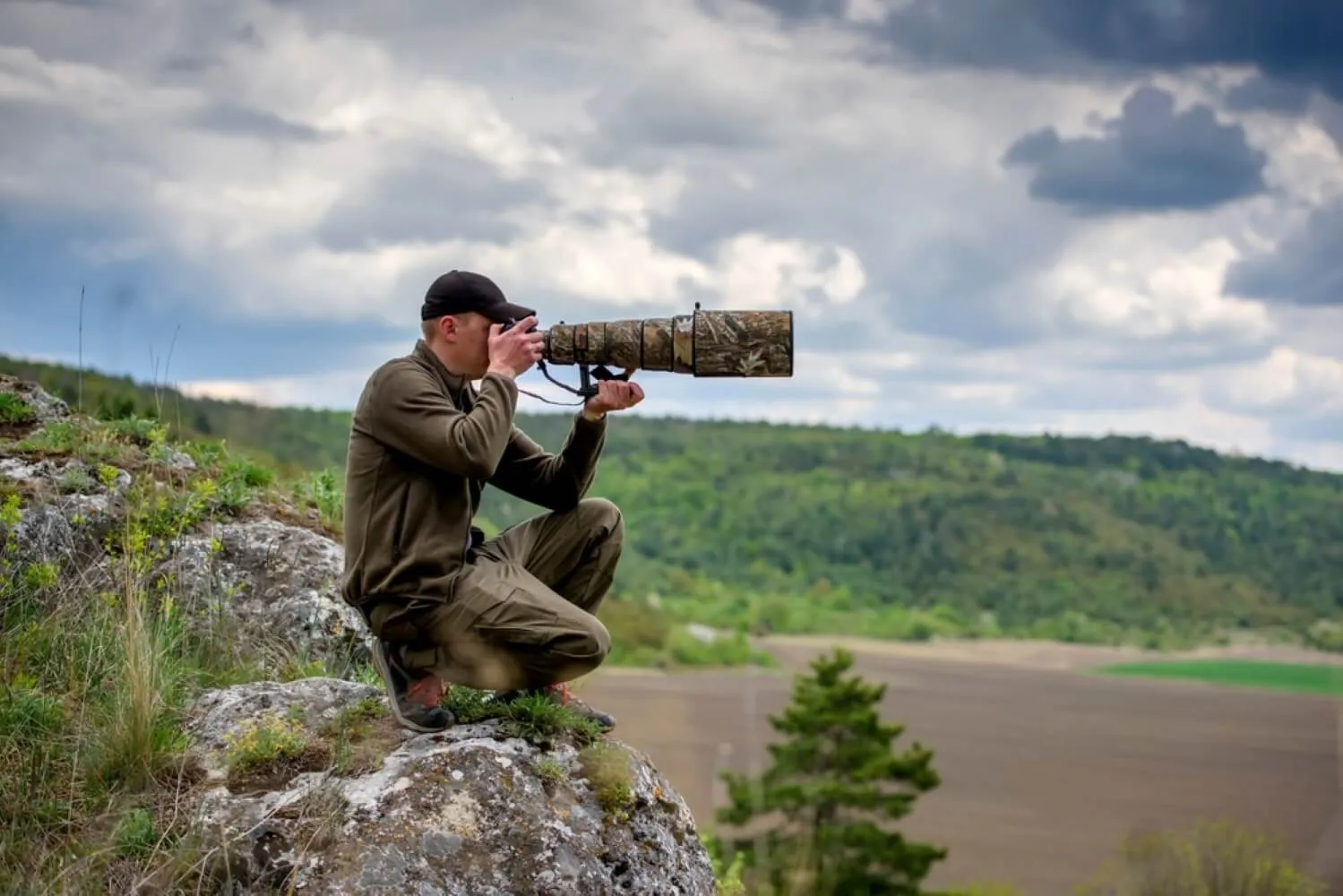
Capture wild elephants, tigers, leopards, and spectacular Himalayan birdlife against the majestic Shivalik Hill backdrop — Rajaji National Park offers world-class wildlife photography in a uniquely dramatic setting.

Nature Walk
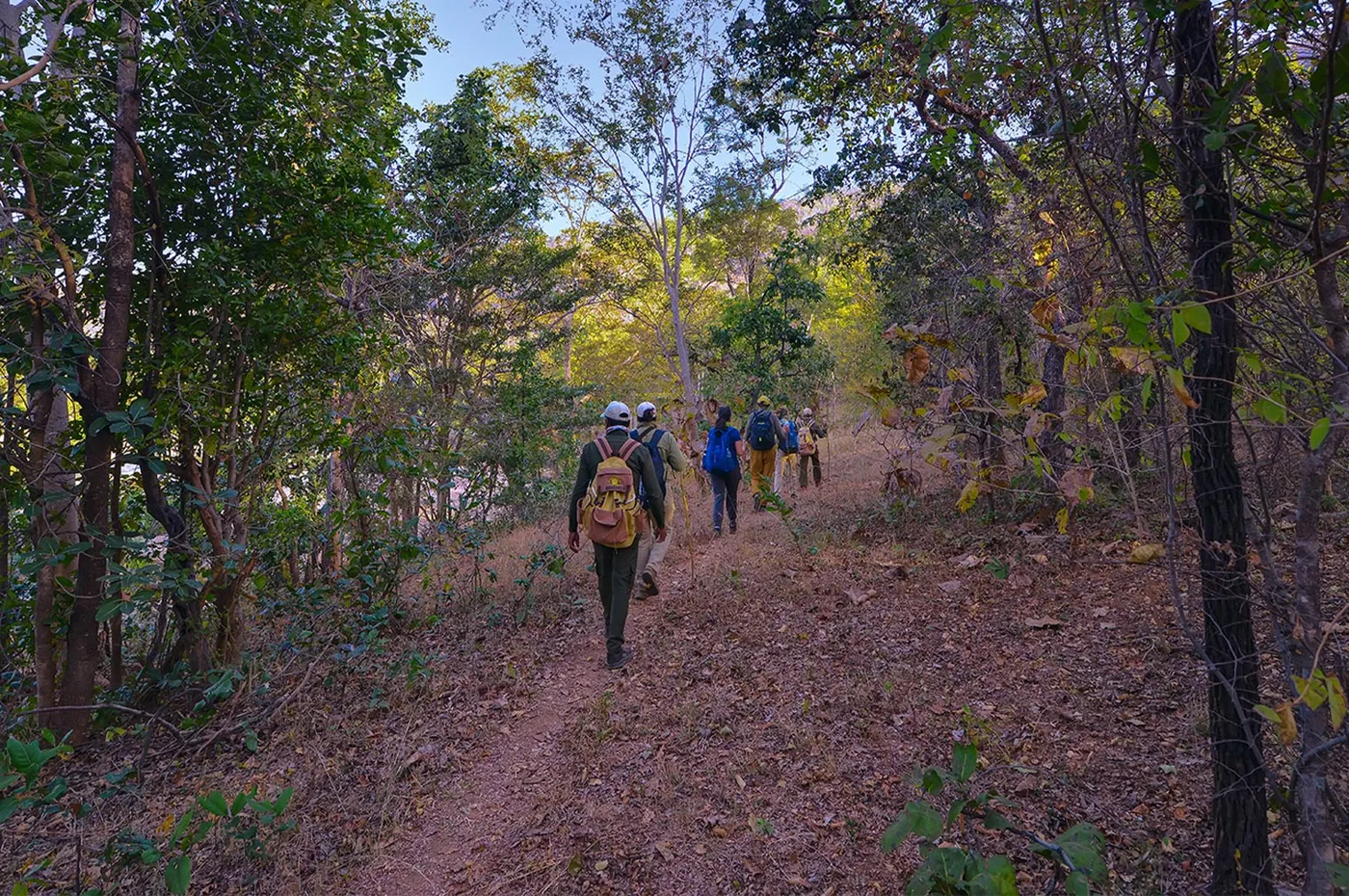
Guided nature walks in Rajaji National Park's buffer zones reveal elephant tracks, Sal forest ecology, medicinal plants, Himalayan butterflies, and intimate details of the Shivalik wilderness landscape.

Local Sightseeing
Explore the remarkable heritage around Rajaji National Park — Haridwar's ghats, Rishikesh's ashrams, Dehradun's colonial charm, Mussoorie hill station, and the spiritual Neelkanth Mahadev Temple.

River Rafting in Ganges River
Experience the thrill of white-water rafting on the sacred Ganges River flowing beside Rajaji National Park — one of India's most iconic adventure activities, with rapids ranging from Grade II to IV near Rishikesh.

Bush Dinner
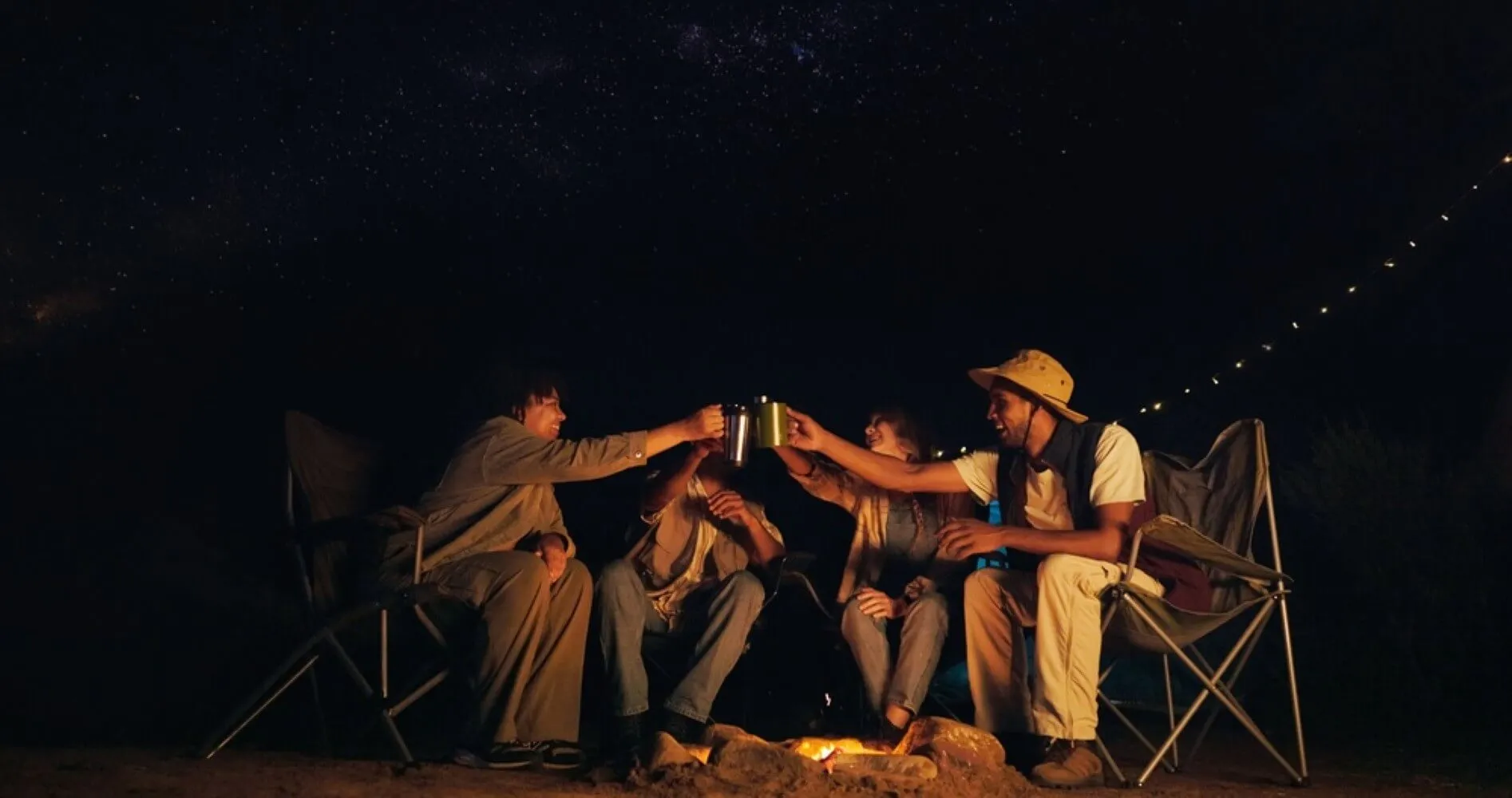
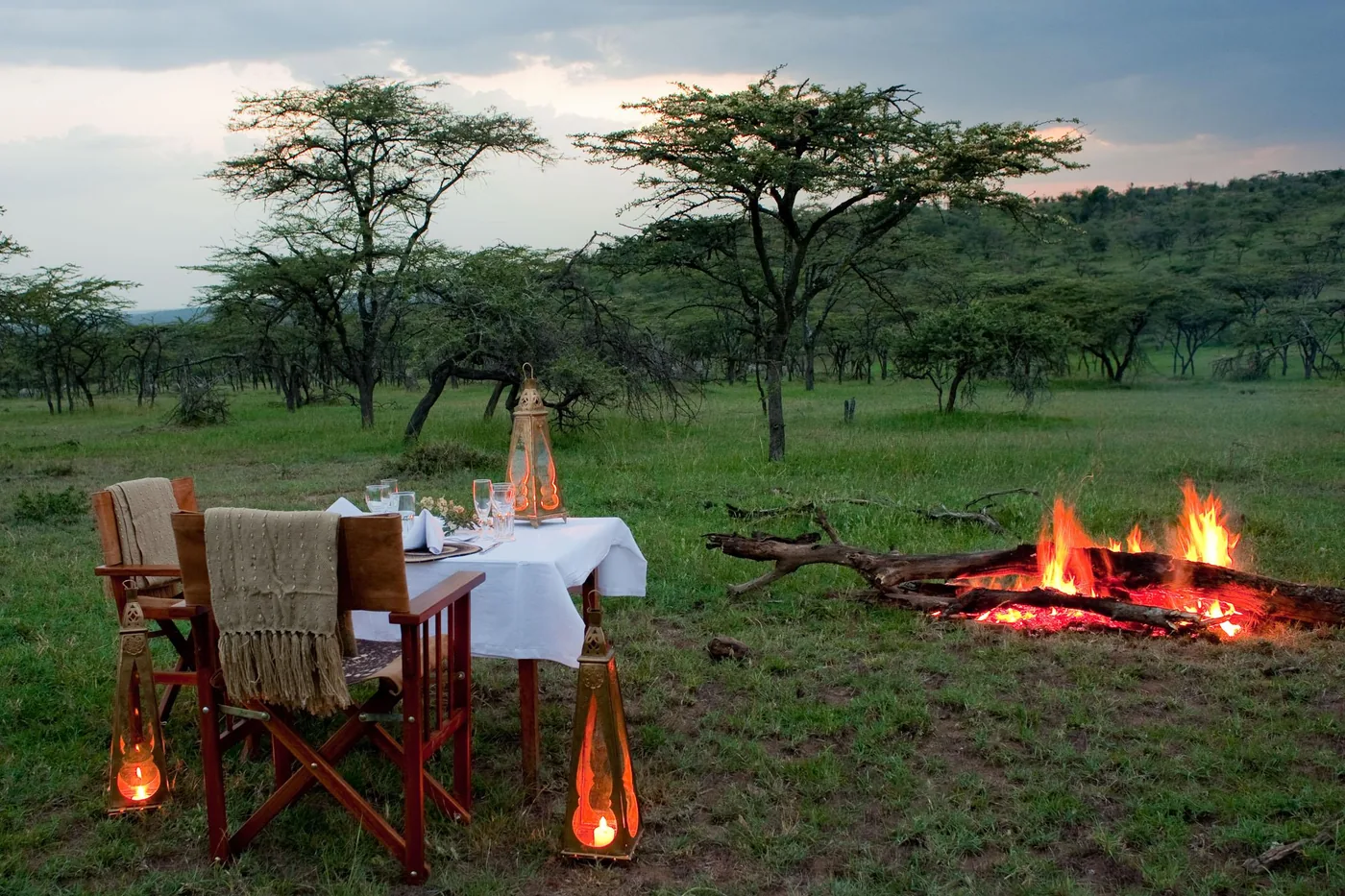
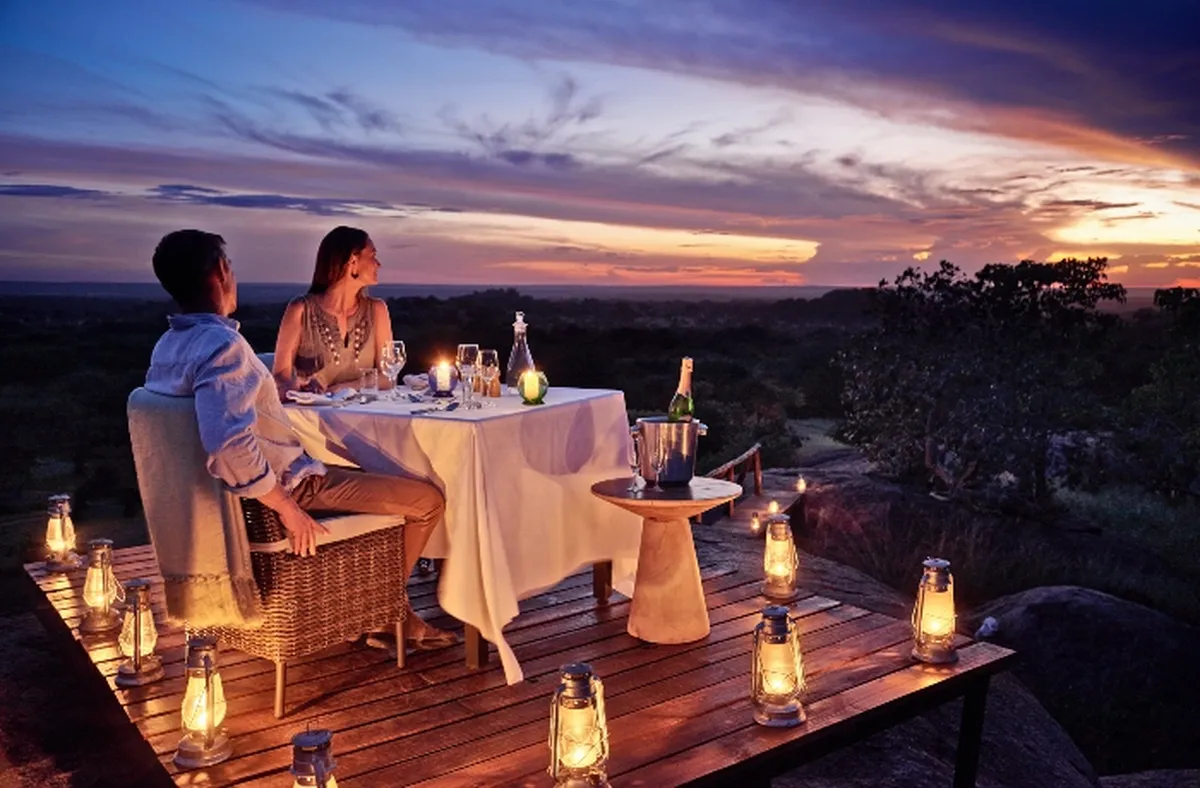
Dine under a canopy of Himalayan stars near the forest edge of Rajaji National Park — a memorable bush dinner experience combining wildlife ambiance with the sounds of the Shivalik wilderness after dark.

Sundowners
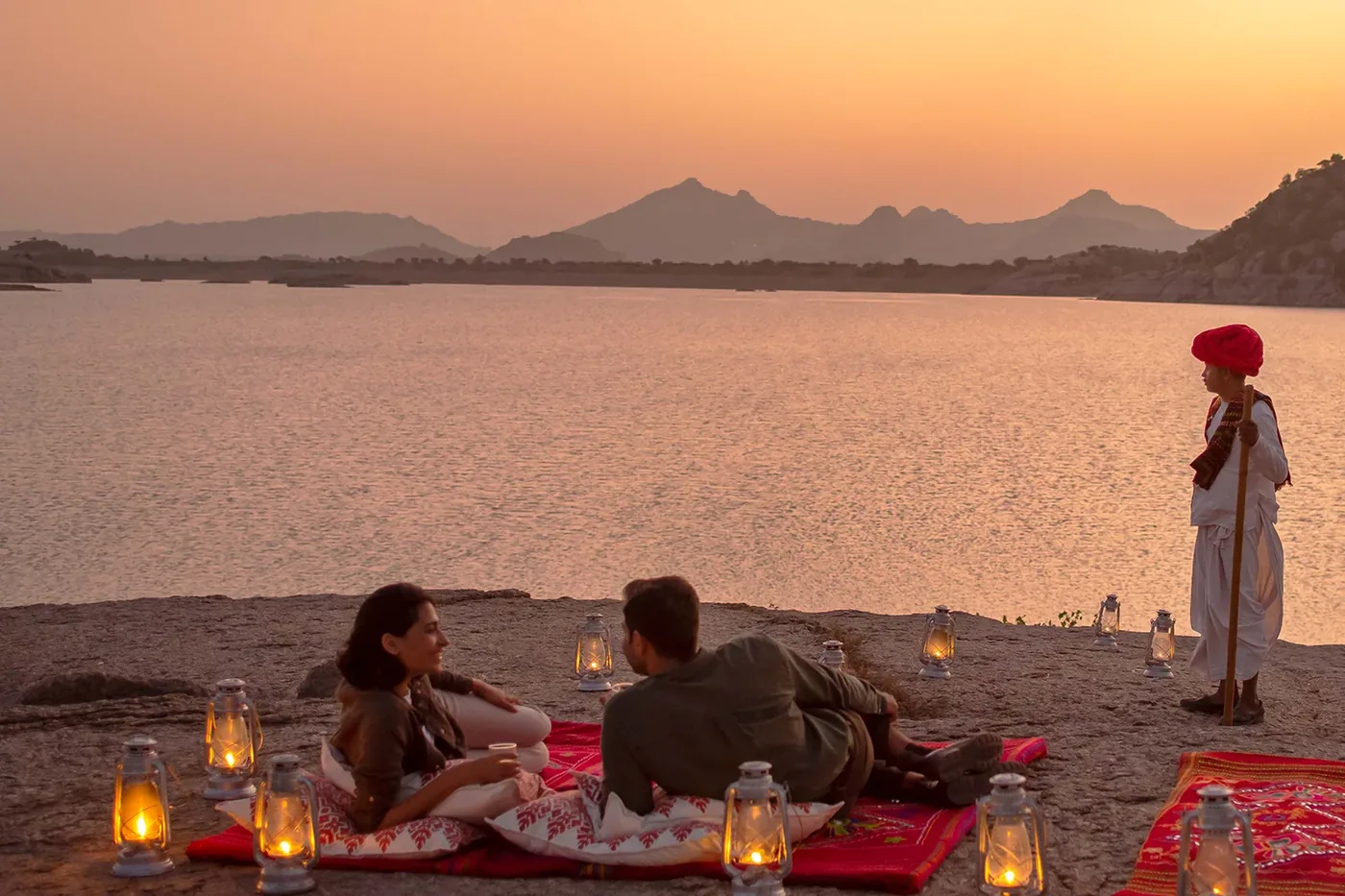
Watch the sun descend behind the Himalayan foothills from viewpoints near Rajaji National Park, the Ganga shimmering golden below — one of India's most spiritually and visually stunning sundowner experiences.
How to Reach
Attractions

Haridwar
The sacred 'Gateway to God' city on the Ganga's banks, adjacent to Rajaji National Park; famous for Har Ki Pauri ghat, evening Ganga Aarti, ancient temples, and vibrant spiritual energy year-round.

Rishikesh
The world's 'Yoga Capital' and adventure hub bordering Rajaji National Park; offering river rafting, bungee jumping, ashram stays, the iconic Lakshman Jhula bridge, and serene Ganga-side meditation.

Har Ki Pauri
Haridwar's most sacred ghat — the legendary spot where the Ganga leaves the mountains — situated near Rajaji National Park; famous for the spectacular Ganga Aarti ceremony held every evening at sunset.

Lakshman Jhula
Rishikesh's iconic 1930-built suspension bridge over the Ganga near Rajaji National Park; offering scenic river views, café-lined approaches, and access to riverside temples and ashrams on both banks.

Dehradun
Uttarakhand's charming capital near Rajaji National Park; renowned for colonial architecture, the Indian Military Academy, Wildlife Institute of India, Robber's Cave, Sahastradhara, and excellent dining.

Robber's Cave (Guchhupani)
A fascinating natural limestone cave and stream near Dehradun and Rajaji National Park; a popular sightseeing spot where a crystal-clear stream disappears mysteriously into cave formations.

Sahastradhara
A sulphur spring and waterfall complex near Dehradun and Rajaji National Park; famous for its therapeutic spring waters, scenic waterfall pools, and a ropeway offering panoramic Doon Valley views.

Mindrolling Monastery
One of Asia's largest Buddhist monasteries near Dehradun and Rajaji National Park; featuring a magnificent 185-foot stupa, stunning Tibetan art, serene gardens, and a globally significant Nyingma Buddhist centre.

Mussoorie
The iconic 'Queen of Hill Stations' above Dehradun near Rajaji National Park; offering colonial heritage, Kempty Falls, Camel's Back Road, Lal Tibba viewpoint, and Himalayan panoramas from Mall Road.

Kempty Falls
A spectacular multi-tiered waterfall near Mussoorie and Rajaji National Park; one of Uttarakhand's most visited natural attractions with cascading waters falling into a natural pool amid forested hills.

Chilla Range
The core safari range of Rajaji National Park; offering the best wildlife sightings — particularly wild elephants, tigers, and leopards — along the Ganga riverbank through dense Sal forest corridors.

Neelkanth Mahadev Temple
A sacred Shiva temple high in the Rishikesh hills near Rajaji National Park; marking the spot where Lord Shiva consumed the cosmic poison — a significant pilgrimage site with spectacular Himalayan surroundings.

Chilla Dam
A scenic hydroelectric dam on the Ganga River within the Rajaji National Park landscape; offering panoramic river views, crocodile and bird watching, and forming the gateway to the Chilla Range safari zone.
Rajaji Tour Packages
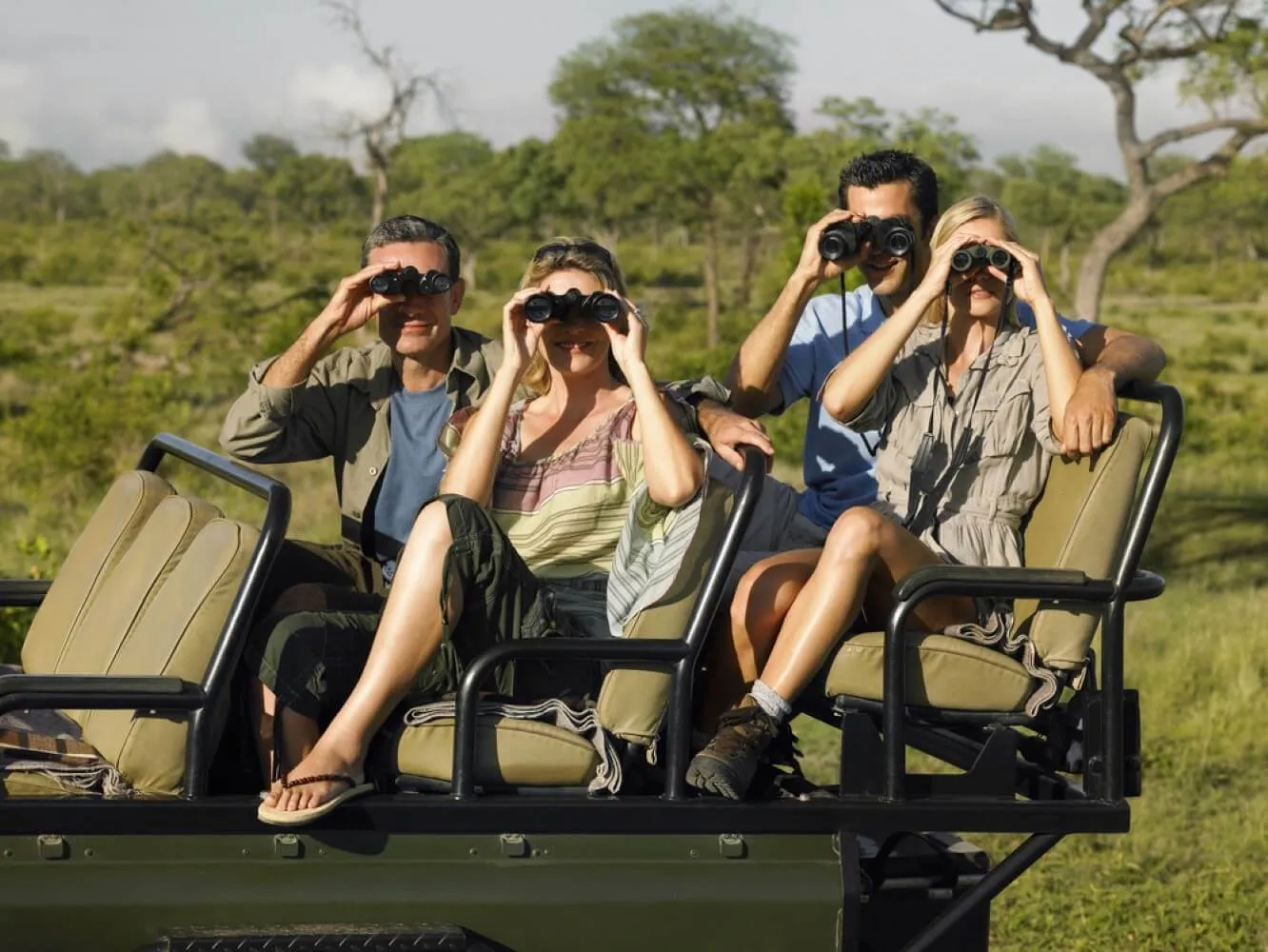
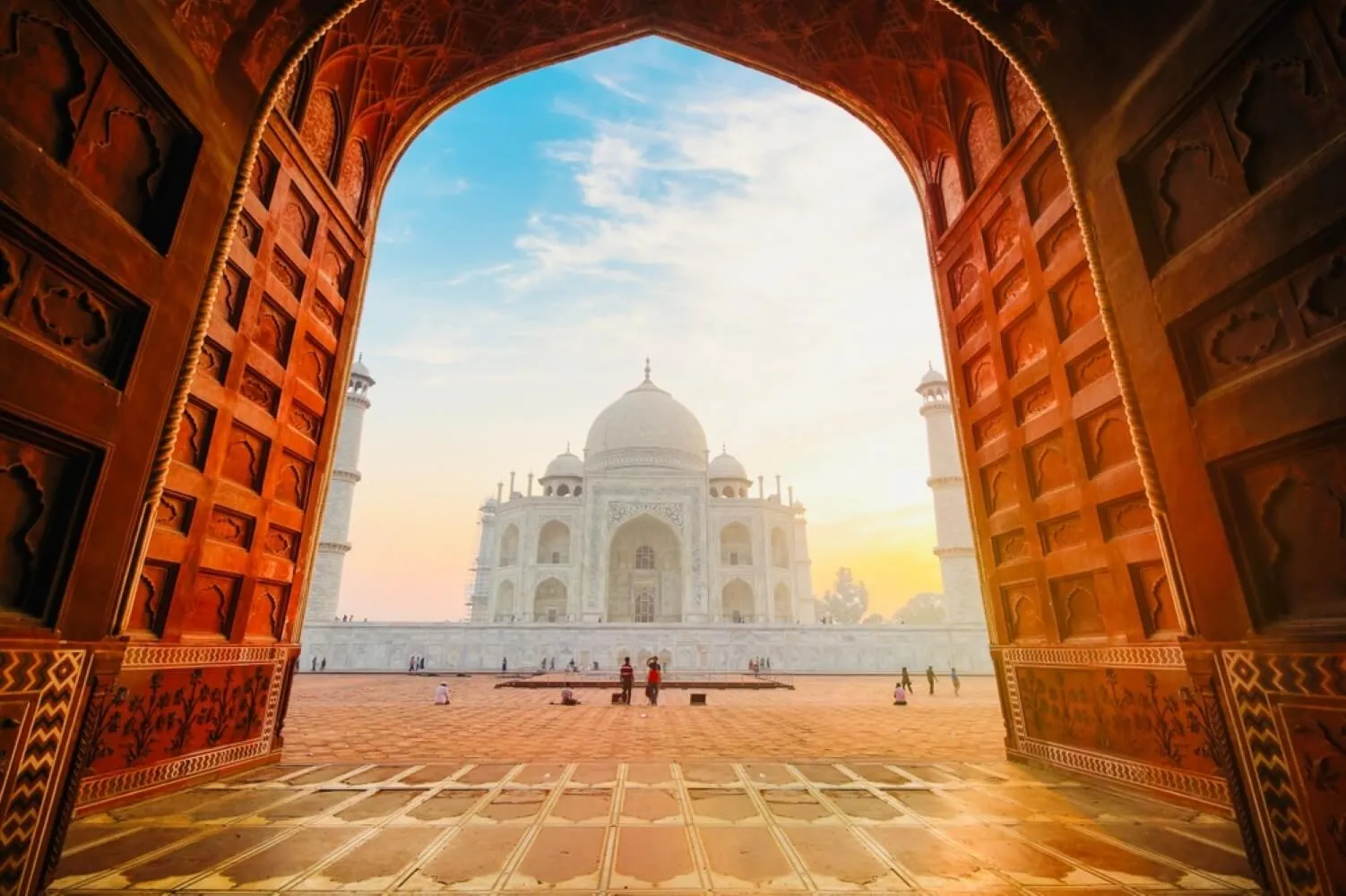
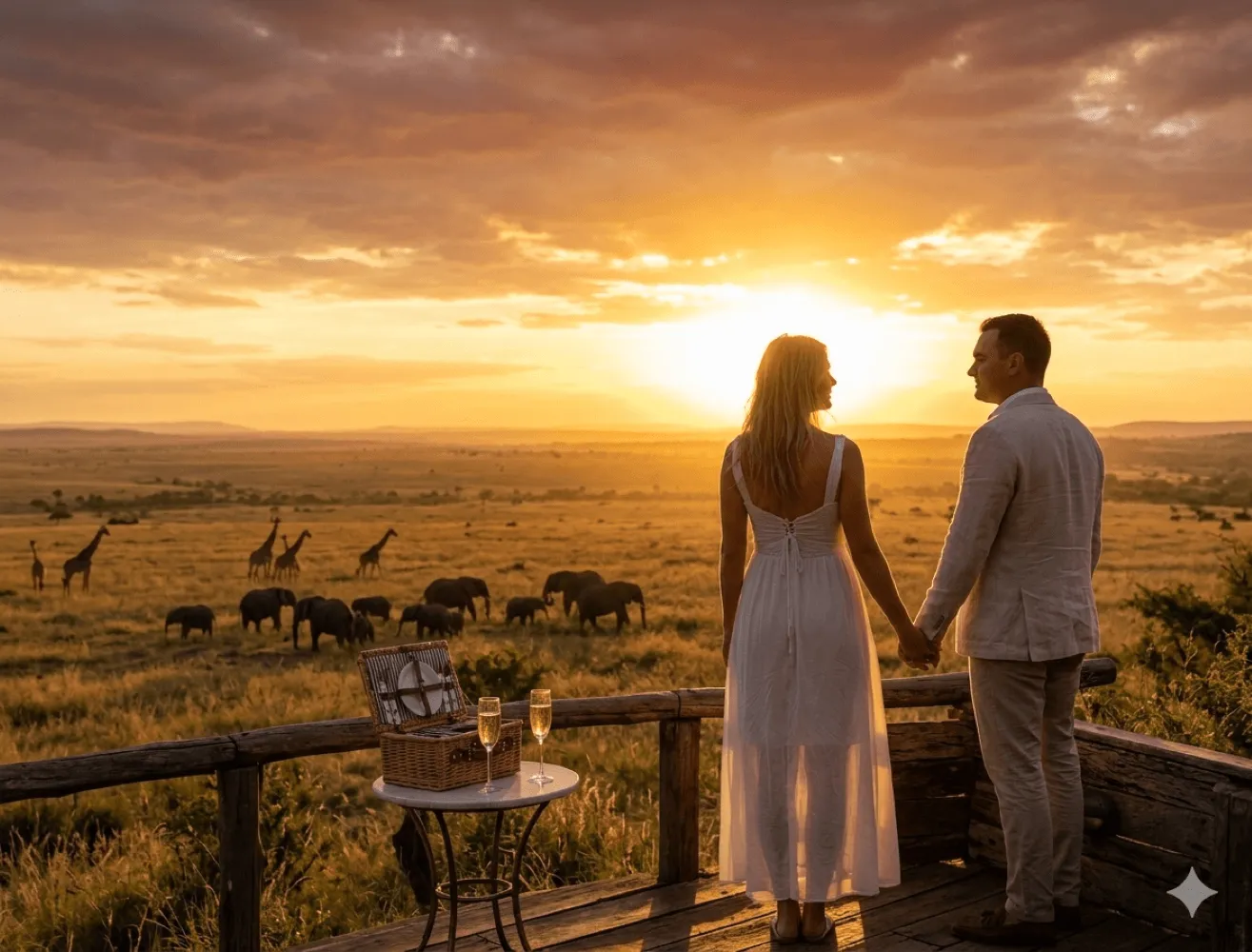
From elephant country adventures to tranquil forest holidays, every Rajaji package is curated around your travel preferences, pace, and nature interests.


Rajaji Hotels & Resorts — Luxury Jungle Lodges
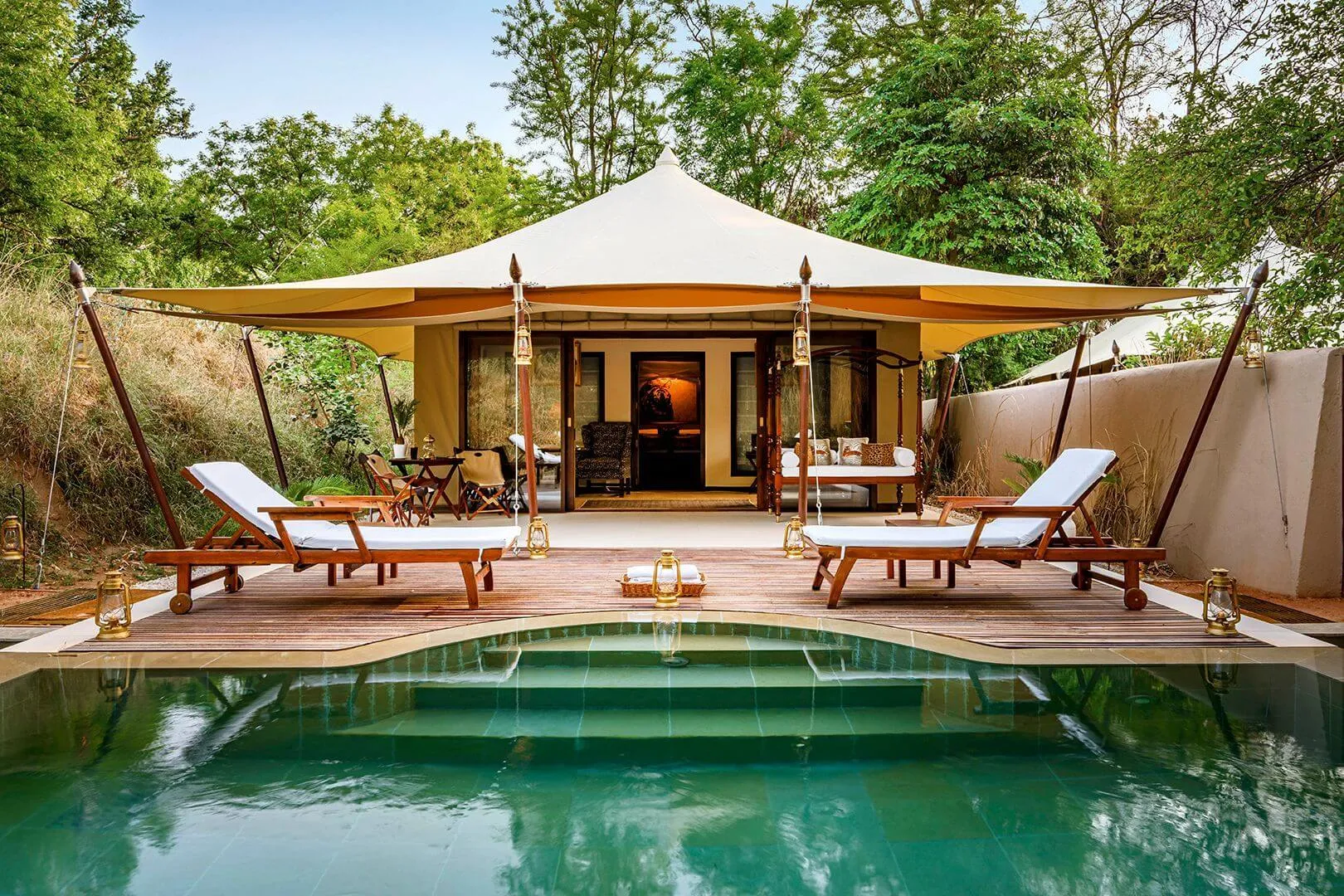
We partner with Rajaji's finest wildlife retreats and forest lodges—selected for their scenic settings, personalized service, and immersive nature experiences.
Stay at Rajaji National Park's finest handpicked wildlife lodges, where comfort meets the untamed wilderness.



Signature Experiences, Curated Around Rajaji
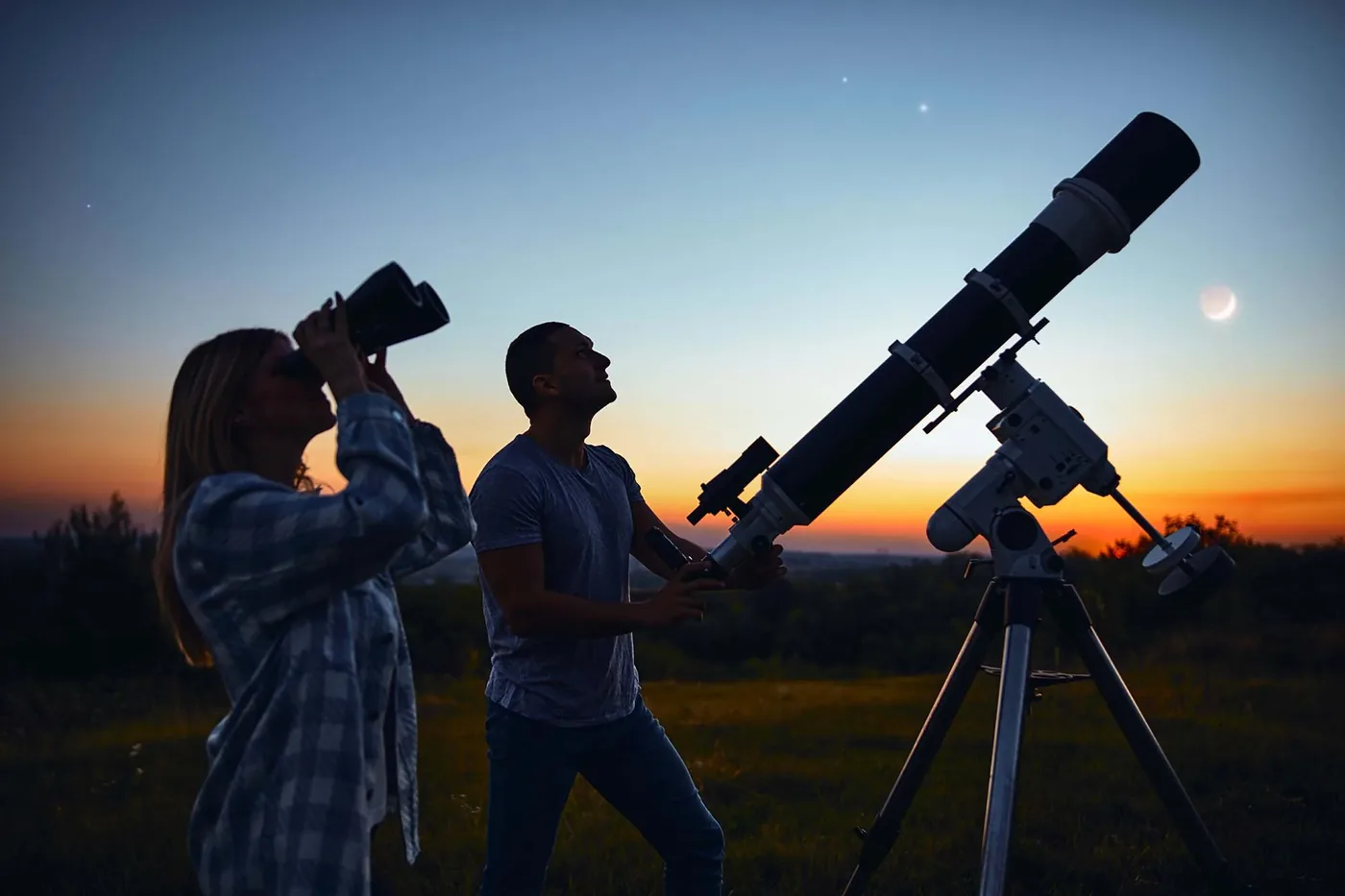
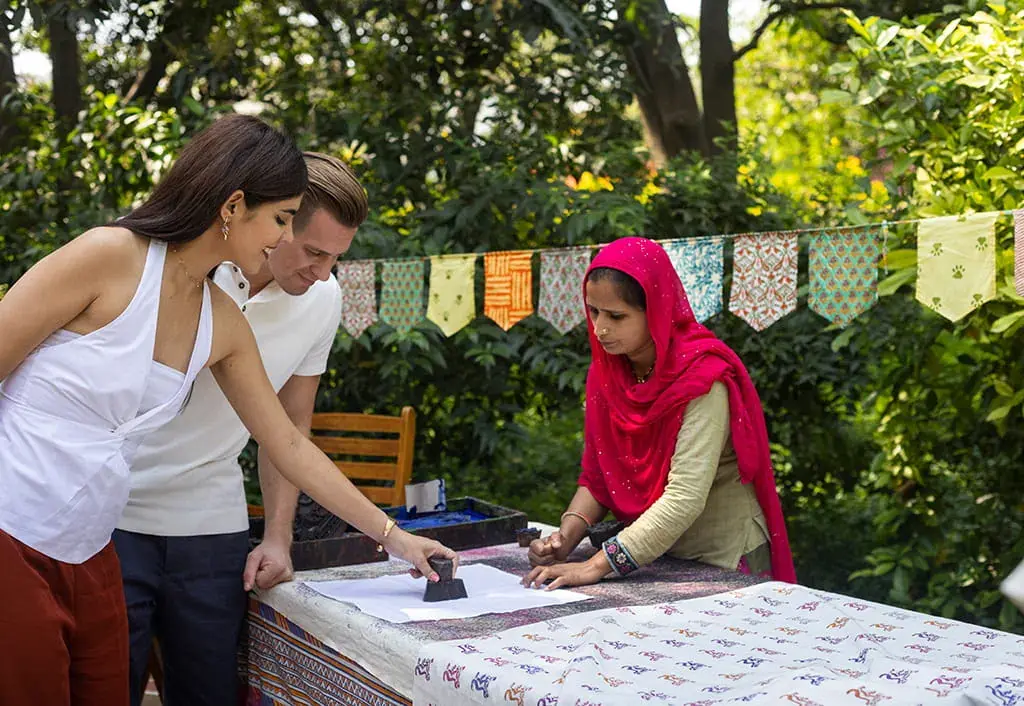
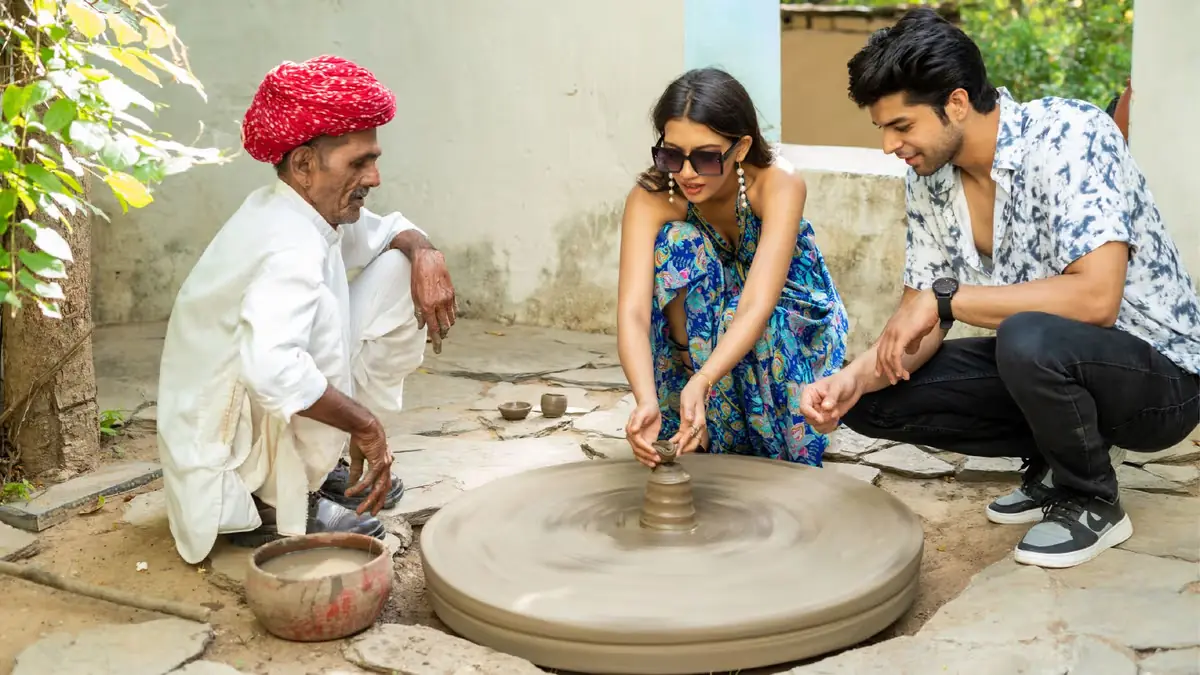
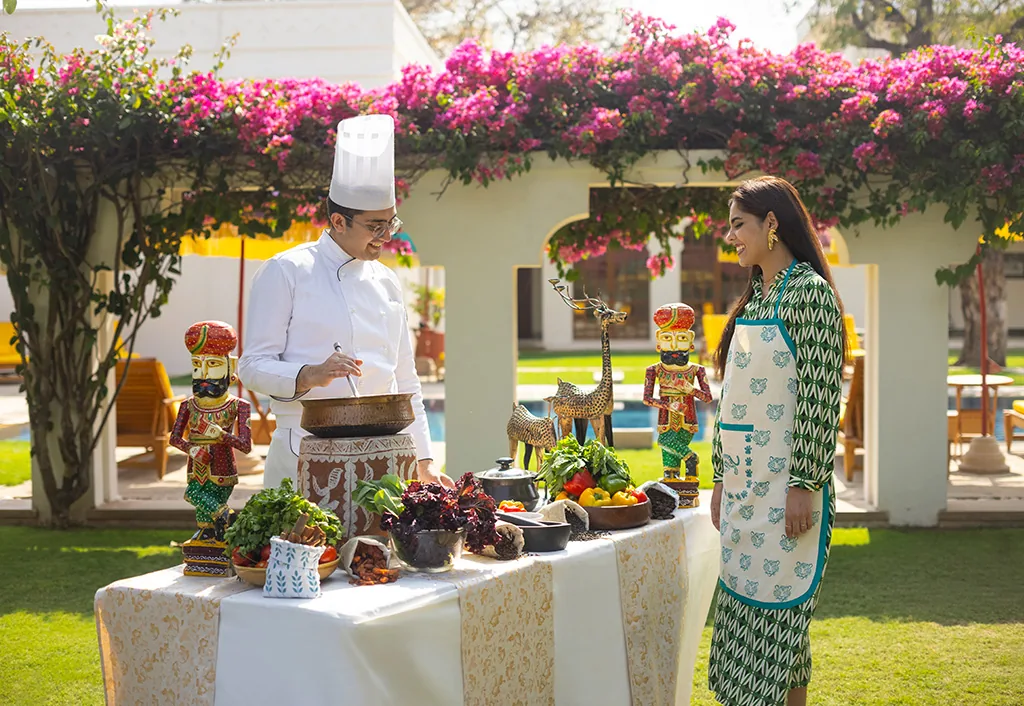
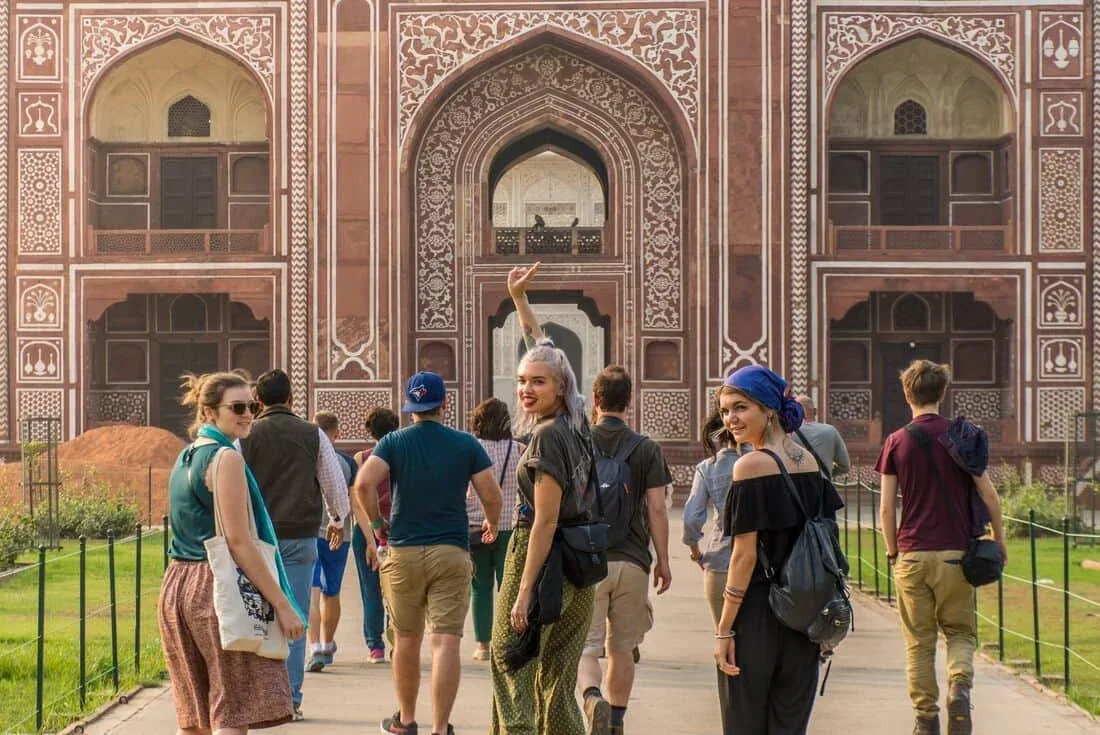
From scenic wilderness experiences and nature walks to cultural discoveries, every experience is crafted to enrich your Rajaji adventure.





Nearby Destinations to Rajaji

Haridwar
Gateway to God

Rishikesh
World Yoga Capital

Dehradun
Uttarakhand's Capital

Mussoorie
Queen of Hill Stations

Nainital
Lake District of India

Corbett Tiger Reserve
India's First Tiger Reserve

Lansdowne
Peaceful Garhwal Hill Town

Auli
Himalayan Ski Destination

Kedarnath
Sacred Himalayan Pilgrimage

Roorkee
IIT & Heritage Canal Town
Other Parks in Uttarakhand


Other Parks in India


Rajaji National Park FAQ's
Where is Rajaji National Park located?
Rajaji National Park is located in the state of Uttarakhand, India, spread across three districts — Haridwar, Dehradun, and Pauri Garhwal. It occupies the Shivalik Hills of the lower Himalayan range, with the sacred Ganges River forming its western boundary. The park's Chilla Range is approximately 5 km from Haridwar city and 18 km from Rishikesh, making it one of the most accessible national parks in northern India.
What is Rajaji National Park famous for?
Rajaji National Park is famous for its large wild elephant population — one of the largest Shivalik elephant herds in India — which moves seasonally through the park's Sal forests along the Ganga River corridor. It is also celebrated for tiger and leopard sightings following its designation as a tiger reserve in 2015, its extraordinary birdlife with 400+ species, and its extraordinary geographical position adjacent to the holy cities of Haridwar and Rishikesh, making it uniquely accessible for combined wildlife and spiritual tourism.
Which animal is most famous in Rajaji National Park?
The Asian Elephant (Elephas maximus) is the most iconic and famous animal of Rajaji National Park. The park is part of the critical Shivalik Elephant Reserve and shelters one of India's most significant wild elephant populations, with herds frequently sighted in the Chilla Range. Dawn safaris along the Ganga riverbank offer some of India's most memorable elephant encounters in the wild. Rajaji is also increasingly renowned for Bengal tiger sightings since its tiger reserve designation in 2015.
What is the best time to visit Rajaji National Park?
The best time to visit Rajaji National Park is November to June. Winter (November–March) offers excellent wildlife visibility, pleasant temperatures, and the presence of migratory birds. Summer (April–June) is the prime season for tiger and elephant sightings, with animals concentrated near water sources. The park is typically closed July to mid-October for monsoon. Haridwar and Rishikesh, however, remain accessible and worth visiting year-round.
Is Rajaji National Park open throughout the year?
No. Rajaji National Park's safari zones are closed during the monsoon season, typically from July 1 to October 15 each year. The park reopens for tourist safaris from mid-October (sometimes November 1 depending on forest department orders). Nearby attractions — Haridwar, Rishikesh, Dehradun, and Mussoorie — remain fully accessible throughout the year, making the region worth visiting even during monsoon closure.
How many tigers are in Rajaji National Park?
Following its designation as Rajaji Tiger Reserve in 2015 under Project Tiger, the park's tiger population has been growing. According to NTCA estimates and camera trap surveys, Rajaji National Park currently supports approximately 30–40 tigers. The tiger population has shown positive growth since the park's merger and improved anti-poaching measures were implemented. The Chilla Range is the most productive zone for tiger sightings.
What animals can be seen in Rajaji National Park?
Rajaji National Park offers diverse wildlife sighting opportunities including Asian elephants, Bengal tigers, leopards, sloth bears, sambar deer, spotted deer (chital), nilgai, wild boar, jungle cats, jackals, mugger crocodiles, and Gangetic river dolphins in the Ganga corridor. The park records 400+ bird species including pied hornbill, crested kingfisher, ibisbill, bar-headed goose, and various Himalayan raptors. Gharials have also been spotted in the Ganga stretches near the park.
Which safari zones are best in Rajaji National Park?
Rajaji National Park has three primary safari ranges. The Chilla Range is the most productive and popular zone — best for wild elephant herds, tiger sightings, and Ganga riverbank wildlife. The Motichur Range near Haridwar is excellent for leopard and sloth bear sightings. The Ramgarh Range in the park's eastern section is less visited and ideal for birding and peaceful forest immersion. For first-time visitors, the Chilla Range is strongly recommended.
What types of safaris are available in Rajaji National Park?
Rajaji National Park offers guided jeep safaris (private 6-seater vehicles) in all three ranges. Canter safaris (shared group vehicles) are available in select zones. All safaris require mandatory licensed naturalist guides and official forest department entry permits. Safaris operate in two daily shifts: early morning (typically 6:00–10:00 AM) and afternoon (2:00–6:00 PM). Jeep safaris offer more flexibility and personalisation than canters for serious wildlife photographers.
How many days are enough for Rajaji National Park?
A minimum of 2 nights and 3 days is recommended for Rajaji National Park to fully experience both the wildlife and the surrounding heritage. This allows for 3–4 safari drives in Chilla and Motichur ranges, an evening Ganga Aarti at Haridwar's Har Ki Pauri, a visit to Rishikesh for river rafting or yoga, and a day trip to Dehradun or Mussoorie. Those wishing to explore the park more deeply or add birding walks should plan for 3 nights.
How to reach Rajaji National Park?
Rajaji National Park is most conveniently reached by train to Haridwar (approximately 4–5 hours from Delhi on the Shatabdi Express), followed by a short 5 km taxi to the Chilla or Motichur gates. By road from Delhi, the park is approximately 230 km via NH58 — approximately 4.5 to 5 hours. The nearest airport is Jolly Grant Airport in Dehradun (~55 km from the park), with daily flights from Delhi. Uttarakhand Roadways and private Volvo buses also connect Delhi and Haridwar regularly.
What are the main attractions near Rajaji National Park?
The attractions near Rajaji National Park are exceptionally rich and diverse. Spiritual highlights include Haridwar's Har Ki Pauri ghat and Ganga Aarti, Rishikesh's Lakshman Jhula and Neelkanth Mahadev Temple. Adventure options include river rafting on the Ganga near Rishikesh. Cultural and heritage sites include the Mindrolling Monastery, Dehradun's Robber's Cave and Sahastradhara, and the hill station of Mussoorie with Kempty Falls. The park's own Chilla Dam and Chilla Range complete an outstanding destination portfolio.
Is Rajaji National Park safe for tourists?
Yes, Rajaji National Park is safe for tourists when visiting on authorised, forest department-approved safaris with trained naturalist guides. All jeep safaris are strictly guided; visitors must remain inside safari vehicles and follow forest department regulations. The surrounding cities of Haridwar and Rishikesh are extremely tourist-friendly and among India's most visited pilgrimage and adventure destinations. Standard travel precautions apply for the Shivalik forest zones, particularly regarding wildlife protocols.
Can Rajaji National Park be visited as a day trip?
Rajaji National Park can technically be visited as a day trip from Delhi (~230 km) or from Haridwar/Rishikesh (within 18 km). However, a day trip allows only one safari session, which significantly limits wildlife sighting opportunities and time for surrounding attractions. Staying overnight near the park — in Haridwar, Rishikesh, or at a forest resort near Chilla Gate — is strongly recommended to experience both morning and afternoon safaris for maximum wildlife encounter potential.
What makes Rajaji National Park unique among wildlife destinations in India?
Rajaji National Park's uniqueness lies in its extraordinary triple identity — wildlife reserve, spiritual destination, and adventure hub — all within a single landscape. No other national park in India is situated immediately adjacent to two major pilgrimage cities (Haridwar and Rishikesh) while simultaneously offering tiger safaris, wild elephant encounters, world-class river rafting on the sacred Ganga, Buddhist monastery visits, and Himalayan hill station experiences. This convergence of wildlife, spirituality, culture, and adventure is wholly unique to Rajaji National Park in the Indian tourism landscape.
About Rajaji National Park
Rajaji National Park is one of Uttarakhand's most biologically significant and geographically magnificent protected areas, straddling the Shivalik Hills — the southernmost and youngest range of the Himalayas — across the Haridwar, Dehradun, and Pauri Garhwal districts. Established as a national park in 1983 by merging three existing wildlife sanctuaries (Rajaji, Motichur, and Chilla), it was subsequently designated as Rajaji Tiger Reserve in 2015 under Project Tiger, adding a new conservation mandate to its existing wildlife protection framework.
The park is named after Chakravarti Rajagopalachari — fondly known as 'Rajaji' — a towering Indian freedom fighter, lawyer, and independent India's last Governor-General. His contribution to Indian independence and governance is honoured through this eponymous protected landscape. The park covers 820.42 sq km of diverse terrain, from the flat alluvial plains along the Ganga to the steep Shivalik ridges rising to 1,000 metres above sea level.
Rajaji National Park occupies a unique ecological position at the confluence of two major biogeographic zones — the Indian subcontinent and the Himalayan region. This transition zone, combined with the Ganga River's year-round water supply, creates conditions for extraordinary biodiversity. The park supports the largest known population of wild Asian elephants in the Shivalik landscape, a growing tiger population, and one of North India's richest assemblages of birds, including both resident Himalayan species and wintering migratory birds from Central Asia and Siberia.
The park's setting is further distinguished by its immediate proximity to the twin holy cities of Haridwar and Rishikesh — making Rajaji National Park the only tiger reserve in India where a visitor can attend the sacred Ganga Aarti ceremony at Har Ki Pauri in the evening and set out on a tiger safari at dawn the following morning. This extraordinary juxtaposition of wild nature and living spirituality defines the essence of the Rajaji experience.
Quick Facts about Rajaji National Park
| Feature | Details |
|---|---|
| Official Name | Rajaji National Park & Tiger Reserve |
| Year Established | National Park: 1983 | Tiger Reserve: 2015 |
| Area | 820.42 sq km |
| Location | Haridwar, Dehradun & Pauri Garhwal Districts, Uttarakhand |
| Forest Type | Northern Tropical Moist Deciduous (Sal dominant) |
| Elephant Population | Largest Shivalik elephant herd; ~400–600 individuals in landscape |
| Tiger Population | ~30–40 tigers (post-2015 Project Tiger estimates) |
| Safari Zones | 3 Ranges: Chilla, Motichur, Ramgarh |
| Key Rivers | Ganga, Suswa, Rawasan, Tons, Chilla |
| Nearest Town | Haridwar (~5 km from Chilla Gate) |
| Distance from Delhi | ~230 km via NH58 |
| Nearest Airport | Jolly Grant Airport, Dehradun (~55 km) |
| Nearest Railway | Haridwar Railway Station (~5 km) |
| Monsoon Closure | July 1 – October 15 (approx.) |
| Best Safari Season | November to June |
| Bird Species | 400+ recorded species |
| Named After | Sri C. Rajagopalachari — Indian freedom fighter & statesman |
| Elephant Corridor | Part of Rajaji-Corbett Elephant Corridor |
Detailed Overview — Geography, Terrain & Ecosystem
Rajaji National Park occupies the Shivalik Hills - geologically the youngest and lowest of the Himalayan ranges, characterised by undulating ridges, narrow river valleys (doons), and densely forested slopes that give way to the Indo-Gangetic plain. The terrain ranges from an elevation of approximately 300 metres along the Ganga floodplains to over 1,000 metres on the higher Shivalik ridges, creating a significant altitudinal gradient that supports diverse vegetation and wildlife communities.
The Ganga (Ganges) River forms the western boundary of the park's Chilla Range, its swift, braided channels and sandy beaches supporting mugger crocodiles, Gangetic river dolphins, and a remarkable concentration of waterbirds. Several significant tributaries - the Suswa, Rawasan, Tons, and Chilla rivers - drain the park's interior, creating seasonal wetlands and waterholes that concentrate wildlife during the dry season and are particularly productive for safari visits.
The dominant forest type is Northern Tropical Moist Deciduous Forest in the lower elevations, characterised overwhelmingly by Sal (Shorea robusta) - which forms magnificent, cathedral-like stands across the Chilla and Motichur ranges. At higher elevations, mixed forests of khair, sheesham, and various hill species replace the Sal. Open grassland patches - called chaaurs - are critically important for elephant and herbivore grazing, particularly in the Motichur and Ramgarh ranges.
The Shivalik landscape of Rajaji National Park has been profoundly shaped by the movement of large elephant herds, which create forest clearings, seasonal ponds (through wallowing), and browse pathways that significantly influence the structure of the vegetation community. The park is also part of the Rajaji-Corbett Elephant Corridor - a critical wildlife linkage connecting Rajaji National Park with Jim Corbett National Park to the east, enabling seasonal elephant migration across the larger Shivalik landscape.
History of Rajaji National Park
The forests of the Shivalik Hills have been inhabited by communities - primarily the Van Gujjar and Gujjar-Bakarwal pastoral tribes - for centuries. The Van Gujjars are traditionally nomadic buffalo herders who have moved seasonally between the Shivalik forests in winter and the high alpine meadows of Uttarakhand in summer for generations, co-existing with elephants and tigers in a pattern of resource sharing that lasted for centuries.
Under British colonial rule, the Shivalik forests were classified as reserved forests and managed for timber extraction - primarily sal timber, which was valued for railway sleepers and construction. Despite this commercial use, the relative inaccessibility of the terrain helped maintain significant elephant populations, which were recorded in colonial hunting accounts and forest records. The Ganga valley and the forests of Motichur and Rajaji were recognised as exceptional wildlife areas even by colonial-era naturalists.
Following Indian independence, three separate wildlife sanctuaries were established in the region: Rajaji Wildlife Sanctuary (1948), Motichur Wildlife Sanctuary (1964), and Chilla Wildlife Sanctuary (1977). These three units were merged and jointly notified as Rajaji National Park on November 16, 1983 - a consolidation that created a contiguous protected area of 820 sq km. The park was named in honour of Sri Chakravarti Rajagopalachari, who had passed away in 1972.
The park faced significant conservation challenges through the 1990s and 2000s, particularly the presence of Van Gujjar families living within the core zone with their large buffalo herds, which competed with wildlife for grassland resources and created human-wildlife conflict situations. A protracted and contentious Van Gujjar resettlement programme - one of India's most complex and debated community relocation exercises - was carried out over several years, with affected families being rehabilitated in the Pathri Forest area and other locations.
In 2015, Rajaji National Park was designated as Rajaji Tiger Reserve under Project Tiger by the National Tiger Conservation Authority, bringing it into the country's highest-priority wildlife conservation framework. This designation has led to significant improvements in anti-poaching infrastructure, tiger monitoring, and habitat management. The reserve's tiger population has shown encouraging growth since this designation, with Rajaji emerging as an increasingly important component of the North Indian tiger landscape.
Flora & Fauna of Rajaji National Park
Flora - Vegetation & Plant Diversity
Rajaji National Park's vegetation spans multiple forest and scrub communities across its elevation gradient:
- Sal (Shorea robusta) - dominant canopy species; forms extensive, cathedral-like stands in Chilla and Motichur
- Khair (Acacia catechu) - important secondary forest species
- Sheesham (Dalbergia sissoo) - along river margins and alluvial flats
- Rohini (Mallotus philippensis) - understorey; important wildlife browse species
- Semul / Silk Cotton Tree (Bombax ceiba) - prominent flowering tree; crimson blooms in spring
- Teak (Tectona grandis) - limited presence in warmer zones
- Bamboo (Dendrocalamus strictus) - important for elephant foraging
- Elephant grass (Saccharum spontaneum) - floodplain grasslands along Ganga
- Various riparian species along Ganga banks: Jamun, Kachnar, Indian rosewood
- Medicinal plants: Amla, Haritaki, Bahera - critical to Van Gujjar traditional knowledge
Fauna - Mammals
- Asian Elephant (Elephas maximus) - primary wildlife icon; 400-600 in Shivalik landscape
- Bengal Tiger (Panthera tigris tigris) - 30-40 individuals; growing post-2015
- Indian Leopard (Panthera pardus fusca) - resident; best seen in Motichur Range
- Sloth Bear (Melursus ursinus) - rocky terrain and Sal forest zones
- Sambar Deer (Rusa unicolor) - abundant; primary tiger prey
- Spotted Deer / Chital (Axis axis) - common in grassland-forest edges
- Nilgai / Blue Bull (Boselaphus tragocamelus) - open terrain of buffer zones
- Wild Boar (Sus scrofa) - widespread throughout
- Himalayan Goral (Naemorhedus goral) - higher elevation rocky terrain
- Jungle Cat (Felis chaus), Golden Jackal, Indian Fox
- Common Langur, Rhesus Macaque - abundant forest primates
- Gangetic River Dolphin (Platanista gangetica) - Ganga River; critically endangered
Fauna - Birds (400+ Species)
- Ibisbill (Ibidorhyncha struthersii) - rare Himalayan river specialist; rocky Ganga banks
- Crested Kingfisher - spectacular large kingfisher; Ganga riverbank specialist
- Pied Hornbill - forest interior; characteristic of Sal forest canopy
- Himalayan Griffon Vulture - soaring over Shivalik ridges
- Crested Serpent Eagle, Mountain Hawk-Eagle - Sal forest raptors
- Red Junglefowl - abundant; ancestor of domestic chickens
- Painted Spurfowl, Grey Francolin - ground birds
- Bar-headed Goose - winter migrant; large flocks on Ganga sandbanks
- Indian Skimmer - on Ganga sandy beaches (near-threatened)
- Steppe Eagle, Booted Eagle - winter raptors
- Ducks, Pochards, Teals - winter waterfowl at river margins
- Asian Paradise Flycatcher, Indian Pitta, Indian Roller - forest species
Reptiles & Aquatic Species
- Mugger Crocodile (Crocodylus palustris) - Ganga River and park water bodies
- Gharial (Gavialis gangeticus) - Ganga river corridor; critically endangered
- King Cobra (Ophiophagus hannah) - largest venomous snake; moist Sal forest
- Indian Rock Python, Indian Cobra, Russell's Viper
- Bengal Monitor Lizard - widespread
- Indian Softshell Turtle, Indian Tent Turtle - Ganga River
- Gangetic River Dolphin - upper Ganga stretches; presence indicates river health
Conservation Efforts at Rajaji National Park
Project Tiger Designation & Tiger Recovery
Rajaji National Park's designation as a tiger reserve in 2015 marked a significant shift in conservation priority and resource allocation. The Uttarakhand Forest Department and NTCA have deployed dedicated Tiger Protection Force (STPF) units, significantly expanded camera trap coverage, and implemented intelligence-led anti-poaching operations that have contributed to the park's growing tiger population.
Rajaji-Corbett Elephant Corridor
One of India's most critical wildlife corridors connects Rajaji National Park with Jim Corbett National Park to the east. Protecting this corridor from encroachment, fragmentation by roads and settlements, and illegal structures is a priority conservation intervention. The corridor enables seasonal elephant migration across approximately 300 km of Shivalik forest and is essential for maintaining genetic diversity in the elephant population.
Gangetic River Dolphin & Crocodile Protection
The Ganga River stretches adjacent to Rajaji National Park support populations of the Gangetic River Dolphin - India's national aquatic animal and a critically endangered species. Conservation efforts include monitoring of dolphin populations, restriction of boat traffic in sensitive stretches, water quality monitoring, and anti-fishing regulations in core dolphin habitat. Gharial nesting sites on sandy river beaches are also protected during breeding season.
Van Gujjar Resettlement & Community Rehabilitation
The resettlement of Van Gujjar families from Rajaji's core zone - one of India's most complex conservation-community interactions - has been a long-running process involving government agencies, NGOs, and community representatives. Post-resettlement rehabilitation programmes have focused on alternative livelihood development, education access, and cultural preservation for the resettled Van Gujjar community at Pathri and other sites.
Eco-Tourism & Community Benefit
Revenue from safari fees and eco-tourism activities at Rajaji National Park is channelled through forest department accounts, with a portion directed toward buffer zone development, wildlife monitoring infrastructure, and community eco-development committees in villages adjoining the park. Local naturalist guide programmes provide employment and conservation stakeholding for communities in the Haridwar, Rishikesh, and Chilla areas.
Habitat Management & Water Conservation
Within Rajaji National Park, habitat management activities include controlled burning of old grasslands (to stimulate fresh elephant forage growth), invasive plant management (Lantana camara control), waterhole maintenance, and salt lick supplementation in wildlife-deficient areas. Seasonal stream management ensures year-round water availability for wildlife even during droughts.
Research & Monitoring
Rajaji National Park collaborates with the Wildlife Institute of India (WII) in Dehradun - located just 50 km from the park - on wildlife monitoring, elephant population studies, and landscape-level conservation planning. The park's proximity to WII has made it an important field research site for several long-term wildlife and habitat studies. Camera trap data, elephant radio-telemetry, and bird surveys contribute to comprehensive biodiversity monitoring.