Detailed Guide
Central India's Tiger Reserves, National Parks & Wildlife Sanctuaries
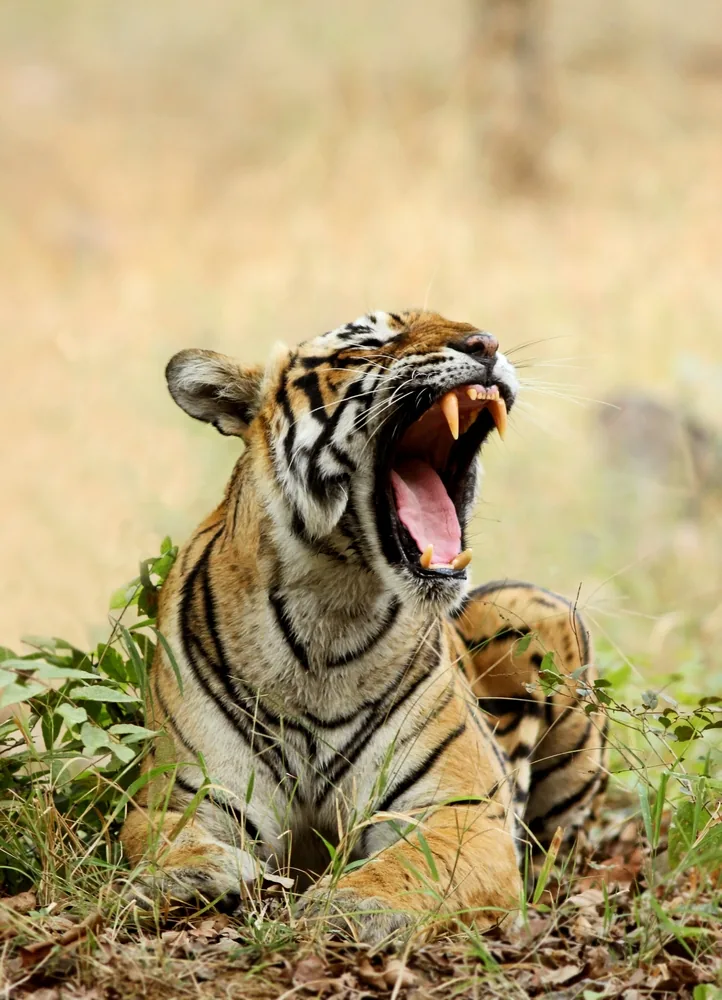
Central India is the beating heart of tiger conservation in Asia. Spanning the vast forests of Madhya Pradesh and Chhattisgarh, this region shelters the largest population of wild Bengal tigers on the planet. As of 2025, Madhya Pradesh alone is home to over 785 tigers - making it India's undisputed tiger capital - while Chhattisgarh's dense, less-trodden forests quietly harbour some of the subcontinent's most pristine wilderness.
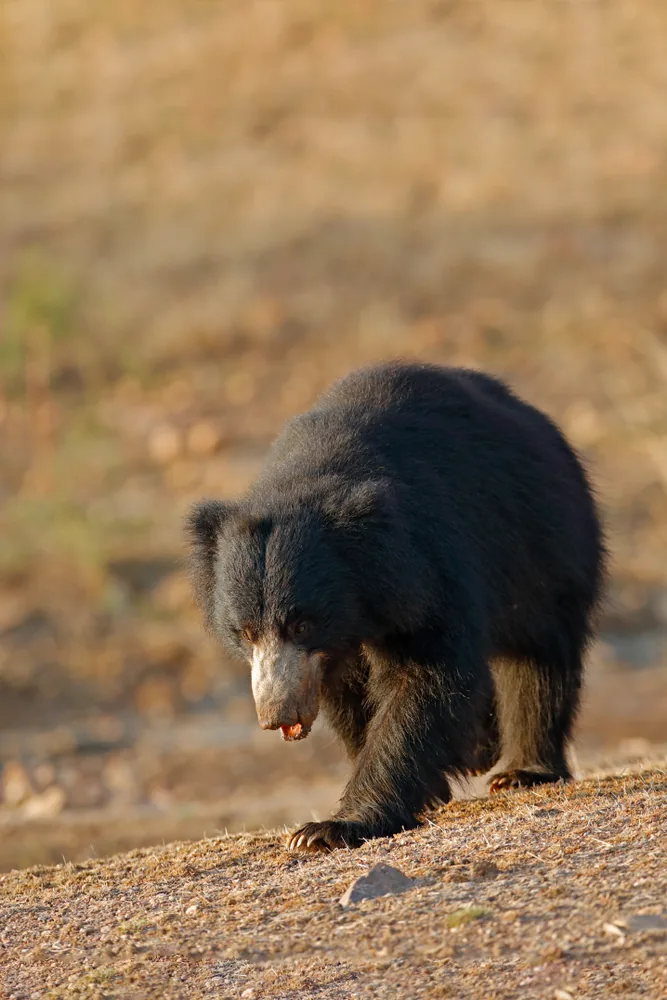
This landscape, knitted together by the Satpura, Vindhya, and Maikal hill ranges, is not merely a collection of protected areas - it is an interconnected web of forests, rivers, grasslands, and wildlife corridors that sustain one of the world's most iconic apex predators along with thousands of other species. The Central Indian tiger landscape collectively protects elephants, leopards, dholes, sloth bears, gaur, barasingha, wild water buffaloes, and countless bird, reptile, and amphibian species.
Together, the 14 protected areas covered in this guide - 9 in Madhya Pradesh and 4 in Chhattisgarh - represent the finest wildlife destinations in India, offering extraordinary safari experiences, inspiring conservation stories, and a chance to witness nature at its most powerful. From Bandhavgarh's dense tiger territories and Kanha's legendary Barasingha meadows to Kuno's groundbreaking cheetah project and Indravati's remote buffalo sanctuaries, Central India's tiger country is genuinely world-class.
India's Project Tiger, launched in 1973, found some of its earliest and most successful expressions in this region. Decades of conservation work - relocating villages, expanding buffer zones, strengthening anti-poaching patrols, and building wildlife corridors - have paid off spectacularly. The annual growth rate of India's tiger population stands at 6.1%, and Central India is at the forefront of that recovery.
1. Bandhavgarh National Park
Umaria District, Madhya Pradesh
Area: 1,536 sq. km
Established: 1968 (NP); 1993 (Tiger Reserve)
Nestled in the Vindhya Hills of Madhya Pradesh, Bandhavgarh is one of India's most celebrated tiger reserves and arguably the easiest place in the world to spot a wild tiger. Established as a national park in 1968 and included under Project Tiger in 1993, it covers 1,536 sq. km across the districts of Umaria, Shahdol, and Katni. The park is divided into three core safari zones - Tala, Magdhi, and Khitauli - with Tala being the most sought-after for tiger sightings. Adding a historical dimension, the iconic Bandhavgarh Fort, believed to be over 2,000 years old, crowns the central hill. The fort is steeped in mythology, said to have been gifted by Lord Rama to his brother Lakshmana - translating the name as "Brother's Fort." A fascinating trivia: all white tigers found in captivity worldwide are descendants of Mohan, a white tiger cub captured here in 1951 by the Maharaja of Rewa. The reserve supports 37 mammal species, 250+ bird species, and 70+ butterfly species, with Bengal tiger, leopard, gaur, sloth bear, and spotted deer among the star residents.
2. Kanha National Park
Mandla & Balaghat Districts, Madhya Pradesh
Area: 2,059 sq. km
Established: 1955 (NP); 1973 (Tiger Reserve)
Kanha is the crown jewel of Central India's wildlife landscape - and a name that resonates across the world. Spread across the Maikal range of the Satpura hills in the districts of Mandla and Balaghat, it is the largest national park in Madhya Pradesh. Declared a national park in 1955 and one of the founding tiger reserves under Project Tiger in 1973, Kanha spans a total area of 2,059 sq. km comprising a 940 sq. km core zone and over 1,000 sq. km of buffer. Widely believed to be the inspiration for Rudyard Kipling's timeless classic The Jungle Book, the park's lush sal forests, rolling grasslands, and winding streams create a landscape that feels genuinely magical. Kanha is globally acclaimed for the successful conservation of the Barasingha (hard ground swamp deer), a subspecies found nowhere else on Earth. The park shelters Bengal tigers, leopards, dholes (wild dogs), sloth bears, gaur, and over 300 bird species, making it a complete biodiversity hotspot and a benchmark for wildlife management in India.
3. Panna Tiger Reserve
Panna & Chhatarpur Districts, Madhya Pradesh
Area: 1,598 sq. km
Established: 1994 (Tiger Reserve)
Panna Tiger Reserve is one of conservation's most inspiring comeback stories. In 2009, the reserve was completely devoid of tigers - a grim milestone that shook India's wildlife community. However, through a carefully planned tiger reintroduction programme, tigers were translocated from other reserves, and Panna was successfully revived into a thriving tiger habitat, becoming a global model for big cat recovery. Located along the Ken River in the districts of Panna and Chhatarpur, the reserve spans 1,598 sq. km and is part of the UNESCO World Heritage-nominated Ken-Betwa river link zone. The Ken River meanders through the reserve, creating stunning gorges and diverse riparian habitats. Wildlife includes Bengal tiger, leopard, wolf, sloth bear, chital, sambar, and over 200 bird species. The reserve is also famous for its pristine vulture colonies. Panna serves as the 22nd tiger reserve of India and the fifth in Madhya Pradesh, and today stands as proof that determined conservation action can bring a forest back from the brink.
4. Kuno National Park
Sheopur District, Madhya Pradesh
Area: 748 sq. km (core)
Established: 1981 (Sanctuary); 2018 (National Park)
Kuno National Park shot into the global spotlight in September 2022 when eight African cheetahs from Namibia were released here by Prime Minister Narendra Modi, marking the first-ever intercontinental translocation of a big cat species and the return of the cheetah to India after 70 years of extinction. Located in the Sheopur district of Madhya Pradesh, the park was originally established as a wildlife sanctuary in 1981 and upgraded to national park status in 2018 covering 748 sq. km. The landscape - dry savanna forest, grasslands, and riverine zones along the Kuno River - closely mirrors the African habitat of cheetahs. The park had previously been prepared to house Asiatic lions from Gir, which made it ecologically ready for large carnivore reintroduction. It supports leopards, Indian wolves, sloth bears, dholes, chital, sambar, blackbuck, and chinkara. The wider connected forest habitat around Kuno stretches over 6,800 sq. km, providing ample corridors for wildlife movement across Central India.
5. Satpura Tiger Reserve
Hoshangabad (Narmadapuram) District, Madhya Pradesh
Area: 2,133 sq. km
Established: 1981 (NP); 1999 (Tiger Reserve)
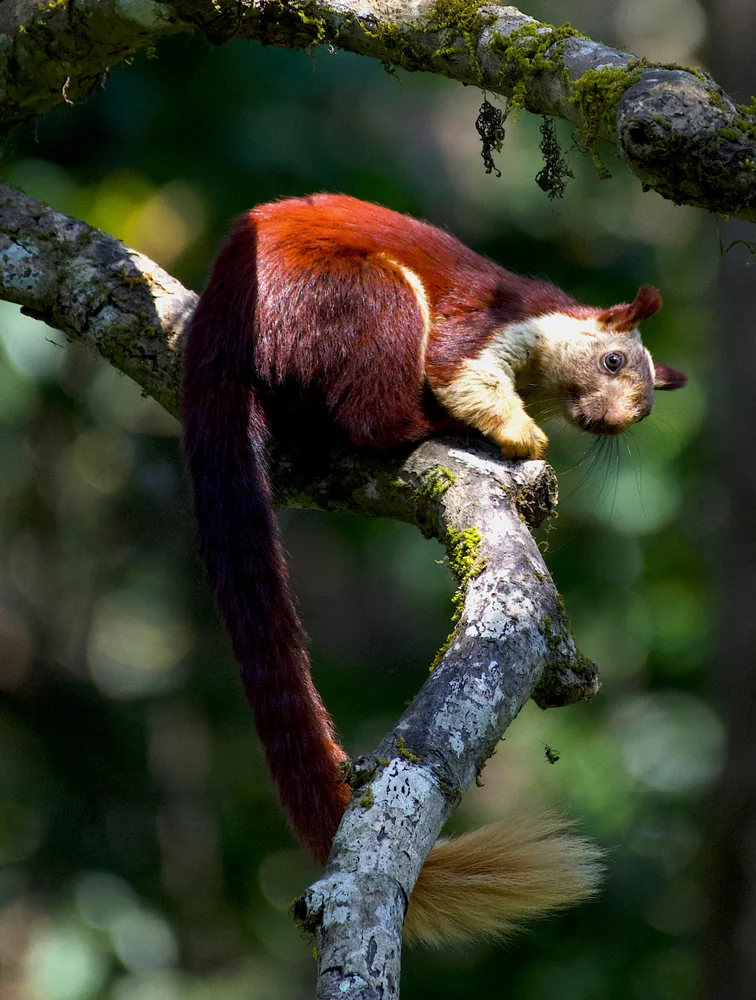
Satpura Tiger Reserve stands apart from every other reserve in Central India - and that's entirely by design. Unlike most Indian wildlife destinations where jeep safaris reign, Satpura actively encourages walking safaris, boat safaris along the Tawa reservoir, and cycling trails through the forest. This immersive, slow approach makes encounters with wildlife feel intimate and extraordinary. Located south of the Narmada River in the Hoshangabad district, the reserve covers 2,133 sq. km of rugged terrain - sandstone peaks, deep gorges, ravines, and dense sal and teak forests. Pachmarhi, the queen of Satpura, is the closest hill station and a popular gateway. The reserve is home to Bengal tigers, leopards, Indian giant squirrels, sloth bears, gaur, and the rare leaf-nosed bat. The Dhoopgarh peak, standing at 1,350 metres, is the highest point in Madhya Pradesh and falls within the reserve's biosphere. Designated as the first biosphere reserve in Madhya Pradesh, Satpura offers a quieter, more contemplative wildlife experience that rewards patience.
6. Sanjay-Dubri Tiger Reserve
Sidhi & Singrauli Districts, Madhya Pradesh
Area: 1,674 sq. km
Established: 1975 (NP); 2008 (Tiger Reserve)
Sanjay-Dubri Tiger Reserve lies in the eastern fringe of Madhya Pradesh along the Chhattisgarh border, forming an important ecological link in the Central Indian tiger landscape. The reserve is a composite of Sanjay National Park and Dubri Wildlife Sanctuary, covering a total of 1,674 sq. km spread across the Sidhi and Singrauli districts. The terrain is characterised by the Narmada valley, dense sal and bamboo forests, and the meandering Banas River. The reserve is positioned as a critical wildlife corridor connecting Madhya Pradesh's core tiger habitats to those in Chhattisgarh and Jharkhand. The forests here are relatively undisturbed, making them important refuges for tigers, leopards, gaur, sloth bears, and wild dogs. The area also harbours rich birdlife including hornbills and raptors. Being less commercialised than Kanha or Bandhavgarh, Sanjay-Dubri offers a raw, off-the-beaten-path wildlife experience for serious naturalists and conservation enthusiasts who prefer forests that haven't yet been overrun by tourism.
7. Pench Tiger Reserve
Seoni & Chhindwara Districts, Madhya Pradesh
Area: 1,179 sq. km
Established: 1975 (Sanctuary); 1983 (NP); 1992 (Tiger Reserve)
Pench Tiger Reserve is where Rudyard Kipling set the original Jungle Book - the forest that inspired Mowgli, Baloo, and Shere Khan. Located along the Madhya Pradesh-Maharashtra border in the Seoni and Chhindwara districts, the Pench River flows right through the reserve, dividing it into two natural halves and sustaining a rich mosaic of habitats. Spanning 1,179 sq. km in the Madhya Pradesh portion (with a contiguous Maharashtra section), the reserve offers classic Central Indian terrain: teak forests, open meadows, rocky outcrops, and grasslands. Pench is known for its healthy tiger population and exceptional sightings, particularly in the Turia gate zone. Beyond tigers, the reserve shelters leopards, wild dogs, sloth bears, gaur, sambar, and over 285 bird species. Pench holds a special cultural and literary importance that makes it uniquely appealing to both wildlife lovers and those who grew up with Kipling's stories. The reserve's management practices have become a reference model for buffer zone development and community-based conservation in India.
8. Veerangana Durgavati Tiger Reserve
Sagar, Damoh & Narsinghpur Districts, Madhya Pradesh
Area: 2,339 sq. km
Established: 2023 (Tiger Reserve)
Named after the fearless 16th-century Gondwana queen Rani Durgavati, Veerangana Durgavati Tiger Reserve is one of India's newest tiger reserves, officially designated as Madhya Pradesh's seventh tiger reserve in 2023. Carved out of the Nauradehi Wildlife Sanctuary across the districts of Sagar, Damoh, and Narsinghpur, it spans an impressive 2,339 sq. km, making it one of the larger reserves in Central India. The reserve forms part of the largest dry deciduous forest tract in Central India and plays a crucial strategic role as a wildlife corridor connecting the tiger landscapes of Panna, Bandhavgarh, and Kanha. While established tiger sightings are still infrequent as the reserve builds its tiger population, it supports Indian wolves, striped hyenas, chinkaras, leopards, and a rich diversity of bird life. Conservation efforts are actively underway to strengthen the prey base and improve habitat connectivity. Veerangana Durgavati represents the future of Central India's tiger conservation - a forest building towards its potential.
9. Ratapani Tiger Reserve
Raisen District, Madhya Pradesh
Area: 1,271 sq. km
Established: 1976 (Sanctuary); 2024 (Tiger Reserve)
Ratapani Tiger Reserve holds the distinction of being one of India's most recently designated tiger reserves, declared as the 57th under Project Tiger in 2024. Located in the Raisen district of Madhya Pradesh within the Vindhya Range, the reserve covers 1,271 sq. km of dense teak forests, rocky terrain, and diverse wildlife habitat. Originally established as Ratapani Wildlife Sanctuary in 1976, it had long been recognised as a tiger-rich landscape well before its formal tiger reserve status. The reserve lies close to Bhopal, making it one of the most accessible tiger habitats in the country. Ratapani is also noted for its rich rock art - numerous Mesolithic cave paintings have been discovered within the reserve, adding archaeological significance to its ecological value. Beyond tigers, the reserve shelters leopards, sloth bears, wild boar, spotted deer, sambar, and a wide variety of birds and reptiles. With formal tiger reserve protection now in place, Ratapani is expected to become an increasingly important tiger population stronghold in central Madhya Pradesh.
10. Madhav Tiger Reserve
Shivpuri District, Madhya Pradesh
Area: 1,651 sq. km
Established: 2025 (Tiger Reserve)
Madhav Tiger Reserve is the newest addition to Madhya Pradesh's impressive tiger reserve network, officially declared in March 2025, making the state home to nine tiger reserves - more than any other state in India. Located near Shivpuri, the reserve is built around Madhav National Park, a historically significant forest that once served as a royal hunting ground for the Scindias of Gwalior. The reserve spans approximately 1,651 sq. km and sits at an important ecological crossroads, with the Chambal River forming its boundary and connecting it to the wildlife corridors of northern Madhya Pradesh and Rajasthan. The landscape includes dry deciduous forests, grasslands, and waterbodies that support a variety of wildlife including tigers, leopards, chinkara, nilgai, sloth bears, and over 250 bird species. George Castle, a colonial-era hunting lodge within the reserve, and the scenic Madhav Sagar lake are unique attractions within the forest. As a newly notified reserve, Madhav Tiger Reserve is positioned for significant conservation growth in the coming years.
11. Achanakmar Tiger Reserve
Mungeli District, Chhattisgarh
Area: 914 sq. km
Established: 1975 (Sanctuary); 2009 (Tiger Reserve)
Achanakmar Tiger Reserve anchors the western edge of Chhattisgarh's wildlife network and forms a vital ecological bridge in Central India. Established as a wildlife sanctuary in 1975 and upgraded to a tiger reserve in 2009, it spans 914 sq. km of dense sal, bamboo, teak, and mahua forests in the Mungeli district. The Maniyari River flows through the reserve, sustaining its rich biodiversity. Achanakmar is a core component of the Achanakmar-Amarkantak Biosphere Reserve, a landscape that also encompasses parts of Madhya Pradesh. The reserve functions as a crucial wildlife corridor between Kanha Tiger Reserve in Madhya Pradesh and the Palamau Tiger Reserve in Jharkhand - a fact that underscores its importance beyond its own boundaries. Bengal tigers, leopards, gaur, sloth bears, Indian wild dogs, striped hyenas, and a wide range of birds and reptiles inhabit the reserve. The terrain - rolling hills, rocky outcrops, and dense forest cover - creates ideal habitat for big cats. Achanakmar remains one of Chhattisgarh's most important tiger conservation landscapes.
12. Indravati Tiger Reserve
Bijapur District, Chhattisgarh
Area: 2,799 sq. km
Established: 1981 (NP); 1983 (Tiger Reserve)
Indravati Tiger Reserve, located deep in the Bastar region of southern Chhattisgarh, is one of India's most remote and ecologically significant protected areas. Named after the Indravati River - a major tributary of the Godavari - which forms its northern boundary, the reserve was established as a national park in 1981 and designated a tiger reserve in 1983, covering approximately 2,799 sq. km. Indravati is one of the last strongholds of the endangered wild water buffalo in Central India, and protecting this flagship species remains a primary conservation objective. The reserve's forests - tropical moist and dry deciduous types - shelter gaur, blackbuck, chausingha (four-horned antelope), sambar, chital, pangolins, and the Bastar hill myna, Chhattisgarh's state bird. Freshwater crocodiles inhabit the rivers. Due to its location in a historically insurgency-affected region, access to Indravati has remained restricted, keeping its forests remarkably intact and wild. It stands as one of Central India's least-disturbed large wilderness areas.
13. Udanti-Sitanadi Tiger Reserve
Gariaband District, Chhattisgarh
Area: 1,842 sq. km
Established: 1983 (Sanctuary); 2009 (Tiger Reserve)
Udanti-Sitanadi Tiger Reserve is a composite reserve formed by merging two adjacent wildlife sanctuaries - Udanti and Sitanadi - located in the Gariaband district of Chhattisgarh. Together they span approximately 1,842 sq. km of tropical dry deciduous forests dominated by sal trees. The Sitanadi River, a tributary of the Mahanadi, flows through the Sitanadi zone, while the Udanti River drains the Udanti portion. The reserve's flagship species is the critically endangered Asiatic wild water buffalo - one of the rarest large mammals on the subcontinent - and protecting its remaining population is the reserve's defining conservation mission. In addition to the wild buffalo, the reserve shelters tigers, leopards, sloth bears, Indian wolves, mouse deer, and the four-horned antelope. The reserve forms part of an important forest mosaic that connects protected areas in central Chhattisgarh. Despite its ecological importance, Udanti-Sitanadi remains relatively unknown on the wildlife tourism circuit, offering an authentic, crowd-free wilderness experience for dedicated naturalists.
14. Guru Ghasidas Tiger Reserve
Korea, Surajpur, Balrampur Districts, Chhattisgarh
Area: 2,829 sq. km
Established: 2024 (Tiger Reserve)
Guru Ghasidas-Tamor Pingla Tiger Reserve is Chhattisgarh's newest and largest tiger reserve, formally notified as India's 56th tiger reserve in November 2024. Covering a vast 2,829 sq. km - including a core zone of 2,049 sq. km encompassing the Guru Ghasidas National Park and Tamor Pingla Wildlife Sanctuary - it is the third-largest tiger reserve in India. Located in the northern districts of Korea, Surajpur, and Balrampur, the reserve sits at the tri-junction of Chhattisgarh, Madhya Pradesh, and Jharkhand. Historically, Guru Ghasidas National Park is significant as the last known habitat of the Asiatic cheetah in India. Named after the revered saint and social reformer Guru Ghasidas of the Satnami sect, the reserve serves as a critical wildlife corridor linking Bandhavgarh Tiger Reserve in Madhya Pradesh with Palamau Tiger Reserve in Jharkhand. The Zoological Survey of India has documented 753 species within the reserve. Wildlife includes Bengal tigers, leopards, Indian bison, sloth bears, striped hyenas, and various vulture species. Its notification marks a landmark moment in Chhattisgarh's conservation history.