


About Tipeshwar Wildlife Sanctuary
Tucked away in the Pandharkawada tehsil of Yavatmal district, Tipeshwar Wildlife Sanctuary is one of Maharashtra's most captivating and underrated wildlife destinations. Spanning approximately 148.63 sq km of dry deciduous forest and undulating terrain, this sanctuary is celebrated as a reliable tiger territory, making it a sought-after destination for wildlife enthusiasts and photographers across India. Home to resident tigers, leopards, sloth bears, wild dogs (dholes), and over 200 species of birds, Tipeshwar Wildlife Sanctuary offers an intimate, crowd-free safari experience that larger parks often cannot match. The raw, unspoiled landscape — threaded by seasonal streams, dense teak forests, and rocky ridges — creates a dramatic backdrop for nature immersion. Whether you seek thrilling jeep safaris, serene birdwatching, or the meditative calm of a forest sunset, Tipeshwar Wildlife Sanctuary delivers an authentic encounter with Maharashtra's wild heart.
- Area148.63 sq km
- Established1997
- StateMaharashtra
- DistrictYavatmal
- Entry Gates3
Tipeshwar Travel Guide
Biodiversity

Wildlife
Tipeshwar Wildlife Sanctuary harbours resident tigers, leopards, sloth bears, Indian wild dogs (dholes), spotted deer, sambar, nilgai, and four-horned antelopes, making every safari a thrilling encounter with diverse predators and prey in their natural habitat.

Flora
Tipeshwar Wildlife Sanctuary features dry deciduous forests with teak, bamboo, and tendu trees, along with grasslands and shrubs, creating diverse habitats that support rich wildlife ecosystems.

Landscape
A mosaic of southern tropical dry deciduous forests dominated by teak, tendu, and bamboo, interspersed with rocky hillocks, seasonal nallahs, open grasslands, and the glistening Tipeshwar Lake that anchors the sanctuary's central ecosystem.
Safari Guide
Best Time to Visit
Things to Do

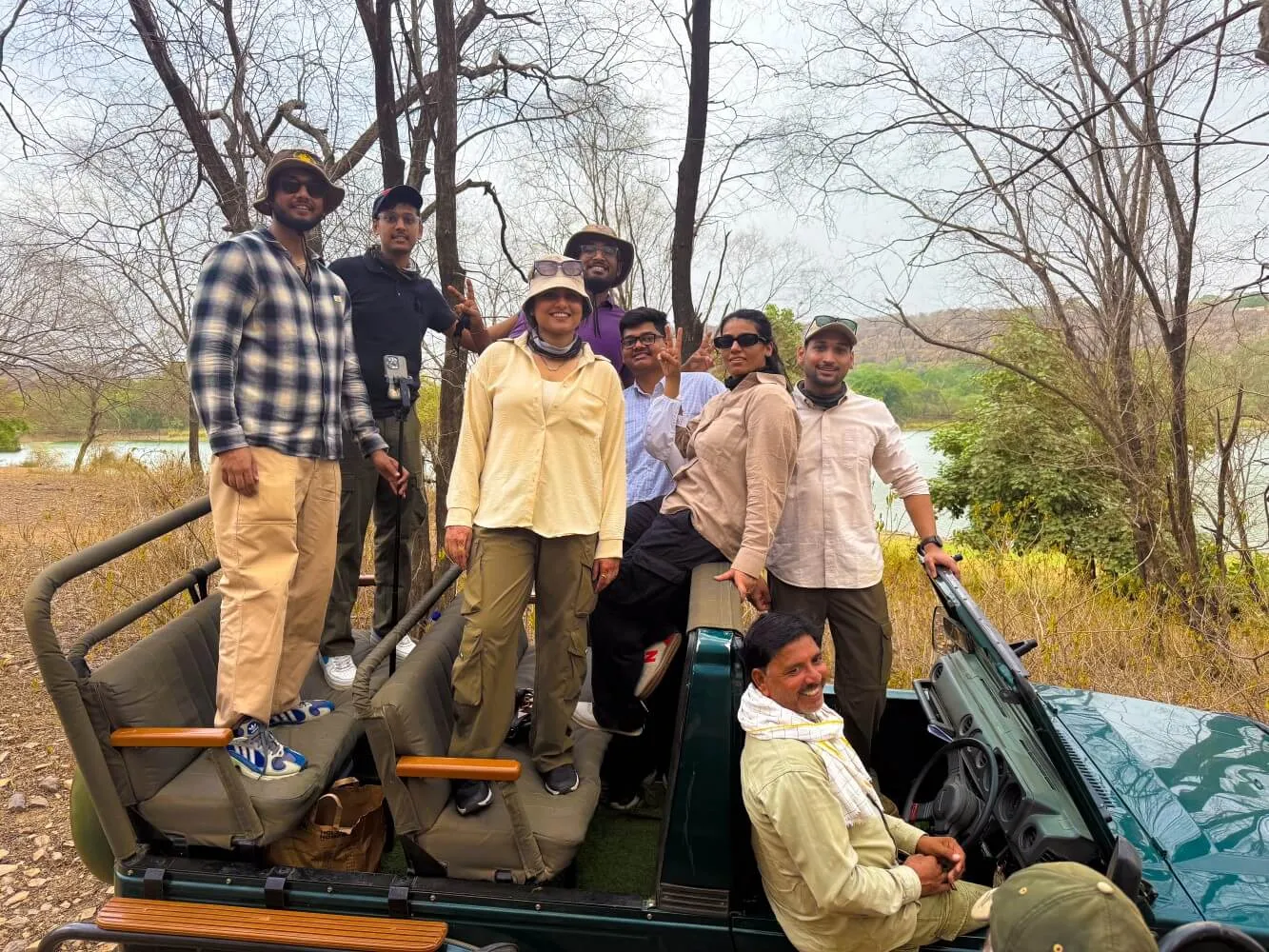
Jeep Safari
Explore tiger territory on a thrilling guided jeep safari through Sunna and Mathani zones of Tipeshwar Wildlife Sanctuary at dawn or dusk.

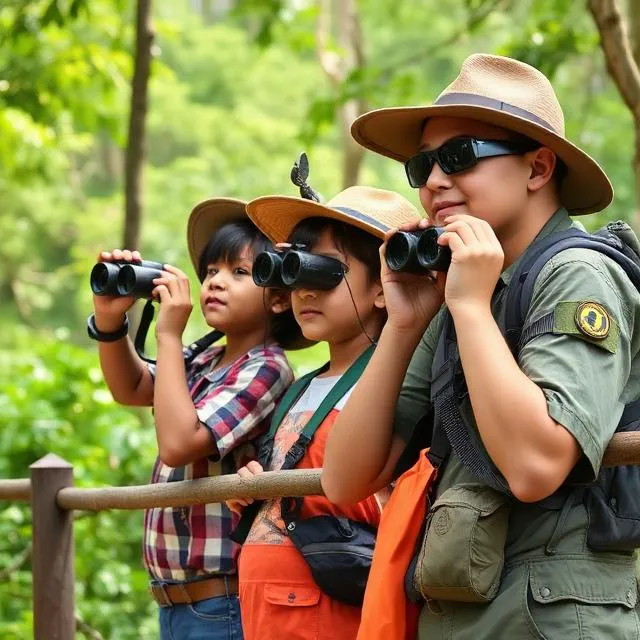
Bird Watching
Spot 200+ avian species including raptors, flycatchers, and waterfowl along forest trails and the lakeside habitats of Tipeshwar Wildlife Sanctuary.

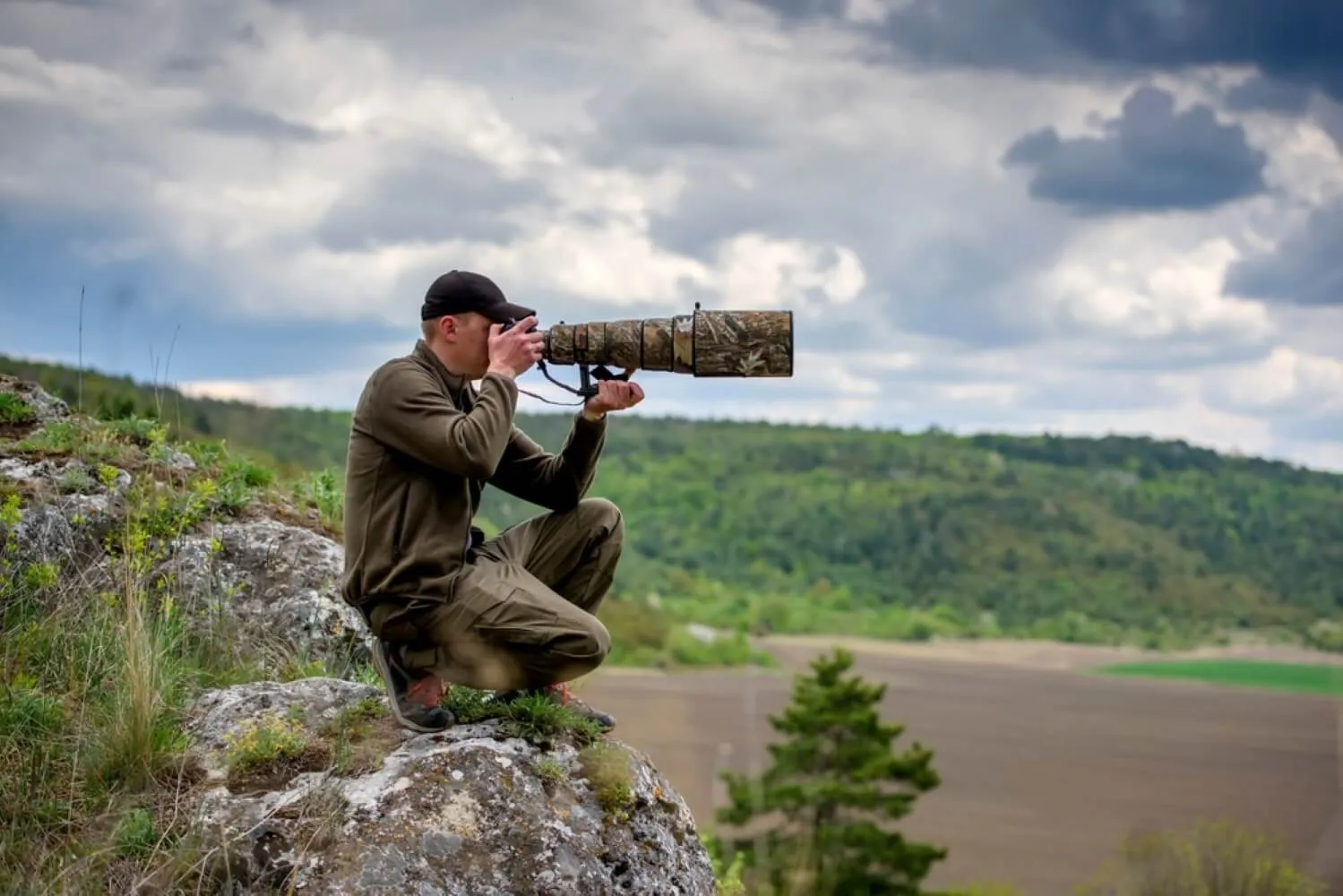
Wildlife Photography
Capture dramatic portraits of tigers, leopards, and dholes against the teak forest backdrop — Tipeshwar offers some of India's finest natural light for wildlife photography.

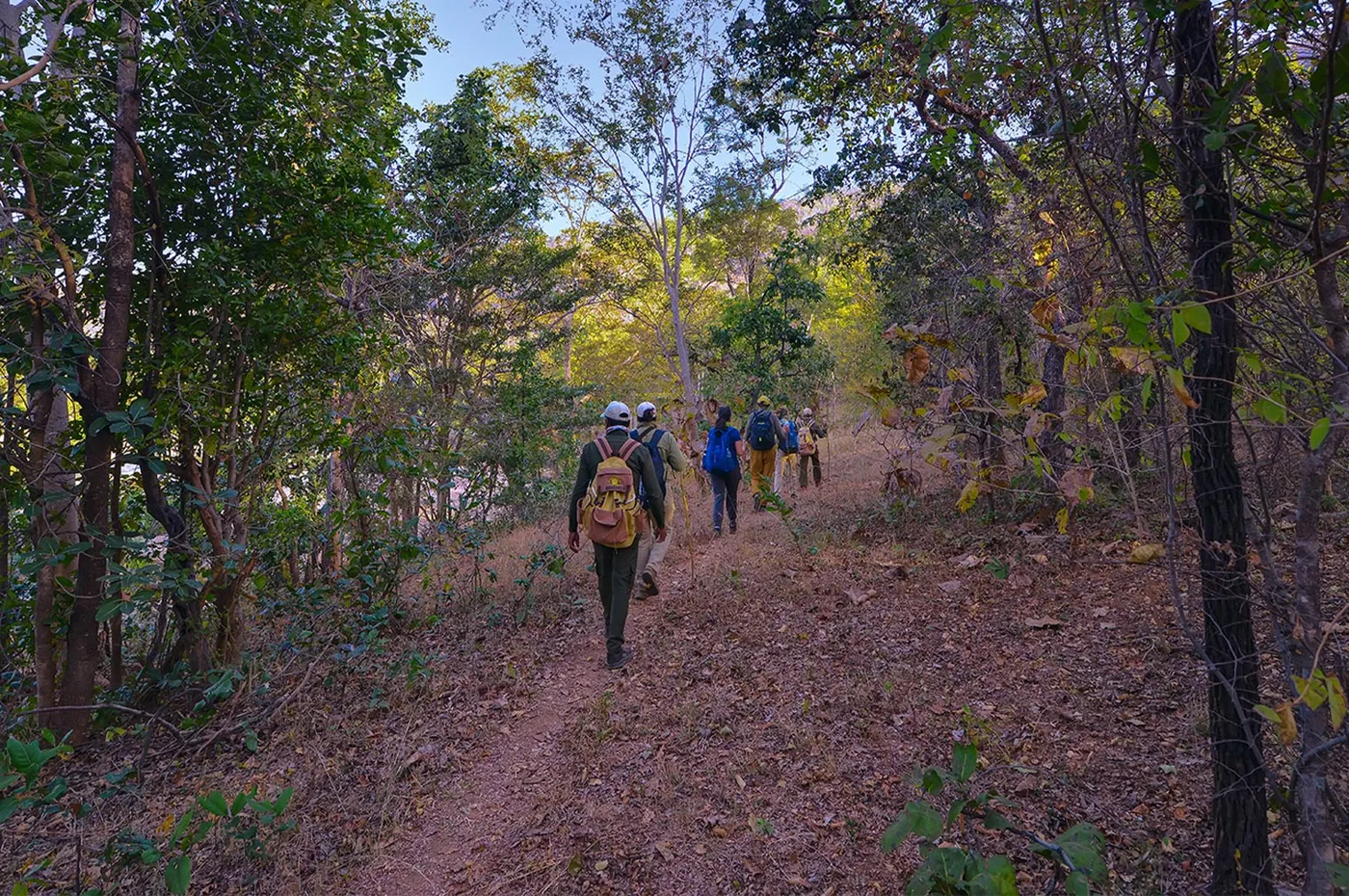
Nature Walk
Walk guided forest trails at Tipeshwar Wildlife Sanctuary to discover reptiles, butterflies, medicinal plants, and the intimate sounds of the wilderness up close.

Village & Rural Experience
Interact with local Gond and Kolam tribal communities near Tipeshwar Wildlife Sanctuary to discover their traditions, folklore, and sustainable forest-living practices.

Bush Dinner
Enjoy a magical alfresco dinner under the stars surrounded by the forest sounds of Tipeshwar Wildlife Sanctuary — an unforgettable evening experience offered by select resorts.

Sundowners
Sip sundowner beverages on elevated forest viewpoints at Tipeshwar Wildlife Sanctuary, watching the golden horizon fade behind teak canopies as nocturnal wildlife stirs.
How to Reach
Attractions

Tipeshwar Lake
A serene, forest-fringed waterbody at the heart of the sanctuary; a vital watering hole for tigers, leopards, and hundreds of birds — perfect for photography and observation.

Sunna Gate
The primary entry point into Tipeshwar Wildlife Sanctuary's most productive safari zone, renowned for frequent tiger and leopard sightings along well-maintained forest tracks.

Mathani Gate
The secondary safari entry gate into Tipeshwar Wildlife Sanctuary offering rich birdwatching, sloth bear encounters, and undisturbed forest trails in a quieter zone.

Jagadamba Bhavani Mata Temple
A revered tribal goddess shrine deep within the forest, drawing local Gond pilgrims; blending spiritual heritage with the wild ambiance of Tipeshwar Wildlife Sanctuary.

Saikheda Dam
A picturesque dam near Tipeshwar Wildlife Sanctuary providing scenic landscapes, bird congregation points, and a tranquil stopover for visitors on their wildlife journey.

Chintamani Temple
An ancient temple close to Tipeshwar Wildlife Sanctuary regarded as a spiritual landmark by local communities, offering cultural depth to any wildlife-focused itinerary.
Tipeshwar Tour Packages
From offbeat tiger adventures to peaceful forest escapes, every Tipeshwar package is curated around your travel style, exploration, and wildlife passion.







Tipeshwar Hotels & Resorts — Luxury Jungle Lodges
We partner with Tipeshwar's finest nature retreats and safari lodges—selected for their peaceful settings, personalized hospitality, and authentic wilderness experiences.
Stay at Tipeshwar Wildlife Sanctuary's finest handpicked wildlife lodges, where comfort meets the untamed wilderness.


Signature Experiences, Curated Around Tipeshwar
From peaceful nature experiences and scenic escapes to authentic local encounters, every experience is designed to enrich your Tipeshwar adventure.














Nearby Destinations to Tipeshwar

Pandharkawada
Gateway Town
Yavatmal
District Headquarters

Nagpur
The Tiger Capital

Umred Karhandla WLS
Jaguar of Vidarbha

Tadoba-Andhari TR
Maharashtra's Tiger Pride

Navegaon-Nagzira TR
Birdwatcher's Paradise

Wardha
Gandhi's Sacred Soil

Adilabad (Telangana)
Rock-art & Wilderness

Pench Tiger Reserve
Jungle Book Country
Other Parks in Maharashtra


Other Parks in India


Tipeshwar Wildlife Sanctuary FAQ's
Where is Tipeshwar Wildlife Sanctuary located?
Tipeshwar Wildlife Sanctuary is located in Pandharkawada tehsil, Yavatmal district, Maharashtra, India — approximately 90 km from Yavatmal city and 230 km from Nagpur.
What is Tipeshwar Wildlife Sanctuary famous for?
Tipeshwar Wildlife Sanctuary is famous for reliable tiger and leopard sightings, Indian wild dog (dhole) packs, and an unspoiled, crowd-free safari experience in Maharashtra's Vidarbha region.
Which animal is most famous in Tipeshwar Wildlife Sanctuary?
The Bengal Tiger is the most celebrated animal at Tipeshwar Wildlife Sanctuary. The sanctuary has a resident tiger population and is renowned for offering close, undisturbed tiger encounters — making it a favourite among wildlife photographers and serious naturalists.
What is the best time to visit Tipeshwar Wildlife Sanctuary?
The best time to visit Tipeshwar Wildlife Sanctuary is between October and June. Winter (Oct–Mar) offers pleasant weather and good wildlife sightings. Summer (Apr–Jun) is ideal for tiger and leopard sightings as animals gather near water sources. The sanctuary may close during peak monsoon (Jul–Aug).
Is Tipeshwar Wildlife Sanctuary open throughout the year?
No, Tipeshwar Wildlife Sanctuary is generally closed during the peak monsoon season (July–August). It typically reopens in October. The best safari season runs from October to June. Always confirm current opening status with the Maharashtra Forest Department before planning your visit.
How many tigers are in Tipeshwar Wildlife Sanctuary?
Tipeshwar Wildlife Sanctuary has a small but stable resident tiger population, estimated at 4–8 tigers based on recent camera trap surveys. The sanctuary is part of a larger wildlife corridor and has seen positive tiger population trends due to conservation efforts.
What animals can be seen in Tipeshwar Wildlife Sanctuary?
Visitors to Tipeshwar Wildlife Sanctuary can spot Bengal tigers, leopards, sloth bears, Indian wild dogs (dholes), spotted deer (chital), sambar, nilgai, four-horned antelope, wild boar, langur, and Indian porcupine. The sanctuary also boasts marsh crocodiles, Indian rock pythons, and abundant birdlife.
Which safari zones are best in Tipeshwar Wildlife Sanctuary?
Tipeshwar Wildlife Sanctuary has two safari zones: Sunna Zone and Mathani Zone. The Sunna Zone (accessed via Sunna Gate) is considered the most productive for tiger and leopard sightings. The Mathani Zone (via Mathani Gate) is quieter and excellent for birdwatching and sloth bear encounters.
What types of safaris are available in Tipeshwar Wildlife Sanctuary?
Tipeshwar Wildlife Sanctuary offers guided jeep safaris (canter safaris are not available here). Safaris are conducted in the early morning and late afternoon. Private and shared jeep options are typically available through registered local operators and forest department-approved guides.
How many days are enough for Tipeshwar Wildlife Sanctuary?
A minimum of 2 nights and 3 days is recommended for Tipeshwar Wildlife Sanctuary to fully experience the safari circuits and local attractions. This allows for 3–4 safari drives, visits to Tipeshwar Lake, Jagadamba Bhavani Mata Temple, and a leisurely village experience.
How to reach Tipeshwar Wildlife Sanctuary?
Tipeshwar Wildlife Sanctuary is best reached by road from Nagpur (~230 km, ~4.5 hrs) or Yavatmal (~90 km, ~2 hrs). The nearest railway station is Pandharkawada (~10 km). The nearest airports are Akola (~160 km) and Nagpur (~230 km). State buses and private taxis are available from major hubs.
What are the main attractions near Tipeshwar Wildlife Sanctuary?
Major attractions near Tipeshwar Wildlife Sanctuary include Tipeshwar Lake, Sunna Gate and Mathani Gate safari entry points, Jagadamba Bhavani Mata Temple, Saikheda Dam, Chintamani Temple, and the Gond tribal villages that surround the sanctuary offering authentic rural cultural experiences.
Is Tipeshwar Wildlife Sanctuary safe for tourists?
Yes, Tipeshwar Wildlife Sanctuary is safe for tourists when visiting with authorised guides and on sanctioned safari routes. All jeep safaris are guided by trained naturalists and forest guards. Tourists are advised to follow sanctuary rules, remain in the safari vehicle, and avoid venturing into the forest independently.
Can Tipeshwar Wildlife Sanctuary be visited as a day trip?
Technically possible from Pandharkawada, but a day trip is not recommended to fully appreciate Tipeshwar Wildlife Sanctuary. Safari timings (early morning and late afternoon) mean that staying overnight near the sanctuary is the best way to complete two or more drives and maximise wildlife sighting opportunities.
What makes Tipeshwar Wildlife Sanctuary unique among wildlife destinations in India?
Tipeshwar Wildlife Sanctuary is unique for its intimate, non-commercialised safari experience with very few tourists, making it a contrast to crowded reserves. It offers genuine off-the-beaten-path wildlife encounters with tigers, leopards, and dholes in pristine forest — combined with local tribal culture, spiritual landmarks, and stunning natural landscapes of Vidarbha.
About Tipeshwar Wildlife Sanctuary
Tipeshwar Wildlife Sanctuary, nestled in the Pandharkawada tehsil of Maharashtra's Yavatmal district, is one of the state's most pristine and underexplored protected forest areas. Established in 1997 and spread across approximately 148.63 square kilometres of undulating terrain, this sanctuary forms a critical wildlife corridor linking the larger landscapes of central India's tiger country. The sanctuary takes its name from the village of Tipeshwar, which in turn derives from the revered deity Lord Tipeshwar — a local manifestation of Lord Shiva — whose ancient temple stands at the forest's edge.
Unlike the more commercialised tiger reserves of Tadoba or Pench, Tipeshwar Wildlife Sanctuary retains a raw, unspoiled character. The absence of large-scale tourism infrastructure means that wildlife here is relatively undisturbed, resulting in natural animal behaviour and unique sighting opportunities. A resident population of tigers, alongside leopards, dholes, and sloth bears, makes this sanctuary one of the most exciting medium-sized protected areas in Maharashtra.
The sanctuary is also an integral part of the Vidarbha Wildlife Corridor — a landscape-level conservation zone connecting several protected areas across eastern Maharashtra and adjoining Telangana. This geographical positioning gives Tipeshwar Wildlife Sanctuary an ecological significance far beyond its relatively modest size.
Quick Facts — Tipeshwar Wildlife Sanctuary
| Feature | Details |
|---|---|
| Official Name | Tipeshwar Wildlife Sanctuary |
| Year Established | 1997 |
| Total Area | 148.63 sq km |
| Location | Pandharkawada Tehsil, Yavatmal District, Maharashtra |
| Forest Type | Southern Tropical Dry Deciduous |
| Primary Canopy Tree | Teak (Tectona grandis) |
| Tiger Population | Estimated 4–8 resident tigers (camera trap data) |
| Safari Zones | 2 (Sunna Zone & Mathani Zone) |
| Entry Gates | 2 (Sunna Gate & Mathani Gate) |
| Nearest Town | Pandharkawada (~10 km) |
| Nearest Major City | Nagpur (~230 km) |
| Best Safari Season | October to June |
| Monsoon Closure | July–August (typically closed) |
| Managed By | Maharashtra Forest Department |
| Corridor Status | Part of Vidarbha Wildlife Corridor |
| Key Wildlife | Tiger, Leopard, Dhole, Sloth Bear, Sambar, Spotted Deer |
| Bird Species | 200+ recorded species |
| Safari Type | Jeep Safari only (no canters) |
Detailed Overview — Geography, Terrain & Ecosystem
Tipeshwar Wildlife Sanctuary occupies a hilly, undulating landmass in the Yavatmal district of the Vidarbha region of Maharashtra. The sanctuary sits at elevations ranging from approximately 200 to 500 metres above sea level. Its topography is defined by a series of rocky hillocks, gently sloping valleys, and seasonal rivers and streams (locally called nallahs) that drain into the Wardha and Penganga river systems.
The dominant vegetation is Southern Tropical Dry Deciduous Forest, characterised by teak (Tectona grandis) as the primary canopy species, interspersed with tendu (Diospyros melanoxylon), ain (Terminalia tomentosa), salai (Boswellia serrata), mahua (Madhuca longifolia), and various bamboo groves. The understorey is rich in seasonal grasses, shrubs, and medicinal plants used by local Gond and Kolam tribal communities.
The Tipeshwar Lake, a natural and semi-seasonal waterbody at the sanctuary's heart, serves as a critical wildlife aggregation point — particularly in the dry summer months when surface water is scarce. The lake attracts virtually all large mammals in the sanctuary, making it the premier spot for wildlife observation and photography.
The sanctuary's eastern boundaries adjoin the Telangana state border, while its northern and western limits connect to reserve forest areas, creating a contiguous wildlife habitat of considerable scale. This corridor function supports natural tiger dispersal and helps maintain genetic diversity in the regional population.
History of Tipeshwar Wildlife Sanctuary
The forests of Pandharkawada tehsil have been inhabited by indigenous Gond and Kolam tribal communities for centuries, who maintained a deep spiritual and subsistence relationship with the land. The forest deity Tipeshwar — a form of Lord Shiva — has been worshipped in the region for generations, with the ancient Jagadamba Bhavani Mata Temple located within the forest boundary serving as a site of pilgrimage and tribal congregation.
Administratively, the forests of this region were classified as reserved forests under British colonial rule, which helped protect a significant portion of the woodland from large-scale commercial exploitation. Post-independence, the region's biodiversity attracted the attention of wildlife conservationists who recognised the area's potential as tiger habitat, especially given its connectivity to the wider Vidarbha forest landscape.
Tipeshwar Wildlife Sanctuary was officially gazetted in 1997 by the Maharashtra Government, affording the area formal protection under the Wildlife (Protection) Act, 1972. The establishment of the sanctuary was partly a response to evidence of resident tiger activity in the region and a desire to secure the wildlife corridor between Maharashtra and Telangana.
In the decades since its establishment, the sanctuary has witnessed a gradual improvement in wildlife populations — most notably the stabilisation and slight increase of its tiger and leopard numbers, attributed to anti-poaching measures, habitat management, and the relocation of some villages from the core zone. Conservation NGOs and Maharashtra Forest Department joint initiatives have further strengthened wildlife monitoring and community engagement programmes.
Flora & Fauna of Tipeshwar Wildlife Sanctuary
The sanctuary's plant life is dominated by the Southern Tropical Dry Deciduous forest type. The primary tree species include Teak (Tectona grandis) as dominant canopy, Tendu (Diospyros melanoxylon), Ain (Terminalia tomentosa), Salai (Boswellia serrata), Mahua (Madhuca longifolia), Bamboo groves, Haldu (Adina cordifolia), Bija (Pterocarpus marsupium), and Saja (Terminalia elliptica). The forest floor is seasonally carpeted with grasses providing grazing habitat for herbivores alongside medicinal plants used by local tribal communities.
Fauna — Mammals
Tipeshwar Wildlife Sanctuary supports a rich mammalian fauna, including the Bengal Tiger (Panthera tigris tigris) with 4–8 resident individuals, Indian Leopard (Panthera pardus fusca), Sloth Bear (Melursus ursinus), Indian Wild Dog / Dhole (Cuon alpinus) in healthy packs, Spotted Deer / Chital (Axis axis), Sambar Deer (Rusa unicolor), Nilgai (Boselaphus tragocamelus), Four-horned Antelope / Chousingha (Tetracerus quadricornis), Wild Boar, Indian Porcupine, Small Indian Civet, Jungle Cat, Common Langur, and Rhesus Macaque.
Fauna — Birds (200+ Species)
Tipeshwar Wildlife Sanctuary is a birdwatcher's delight recording over 200 avian species including Crested Serpent Eagle, Changeable Hawk-Eagle, Indian Spotted Eagle, Booted Eagle, Mottled Wood Owl, Brown Fish Owl, Spotted Owlet, Painted Stork, Grey Heron, Lesser Whistling Duck, Asian Paradise Flycatcher, Indian Blue Flycatcher, Indian Grey Hornbill, Indian Roller, White-throated Kingfisher, Pied Kingfisher, Painted Sandgrouse, and Indian Peafowl.
Reptiles & Amphibians
Herpetofauna includes Marsh Crocodile (Mugger) in Tipeshwar Lake and seasonal streams, Indian Rock Python, Indian Cobra, Russell's Viper, Common Krait, Bengal Monitor Lizard, and various frog and toad species active during monsoon season.
Conservation Efforts at Tipeshwar Wildlife Sanctuary
Tipeshwar Wildlife Sanctuary is managed by the Maharashtra Forest Department under the provisions of the Wildlife (Protection) Act, 1972. Conservation efforts have intensified over recent years in recognition of the sanctuary's role within the Vidarbha Wildlife Corridor and its growing tiger population.
Anti-Poaching Measures
Round-the-clock patrolling by forest guards equipped with GPS tracking devices, camera traps, and wireless communication systems has significantly reduced poaching incidents. Special Tiger Protection Force (STPF) units conduct regular operations across the sanctuary's core and buffer zones.
Camera Trap Monitoring
An extensive camera trap network is deployed throughout Tipeshwar Wildlife Sanctuary to monitor individual tiger and leopard movements, track population trends, and detect any illegal human activity. Data from these surveys informs evidence-based management decisions.
Village Relocation & Buffer Zone Management
The Maharashtra Forest Department has worked on voluntary village relocation programmes to reduce human-wildlife conflict within the sanctuary's core zone. Relocated families receive rehabilitation support, while vacated areas are allowed to regenerate naturally, improving habitat quality for wildlife.
Community Engagement & Eco-Tourism
Local Gond and Kolam tribal communities are increasingly engaged in eco-tourism as naturalist guides, safari jeep drivers, and lodge staff. This provides alternative livelihoods, reduces dependency on forest resources, and builds community ownership of conservation outcomes. Village eco-development committees participate in habitat management activities.
Wildlife Corridor Conservation
Tipeshwar Wildlife Sanctuary's role as a critical node in the Vidarbha Wildlife Corridor linking Maharashtra with Telangana has been recognised by conservation planners. Efforts to maintain this connectivity include tackling illegal encroachments in corridor forests, reducing linear infrastructure impacts, and coordinating with Telangana Forest Department on cross-border wildlife monitoring.
Water Conservation
Several water conservation structures — including check dams, percolation tanks, and deepened waterholes — have been constructed within and around Tipeshwar Wildlife Sanctuary to maintain water availability for wildlife through the harsh dry season. Tipeshwar Lake itself has been desilted and its bund reinforced to improve water storage capacity.
Research & Academic Partnerships
The sanctuary has partnered with wildlife research institutions for long-term biodiversity studies, tiger population assessments, and bird surveys. These partnerships contribute valuable scientific data that supports conservation planning and also raise the sanctuary's national and international profile as a significant research habitat.