

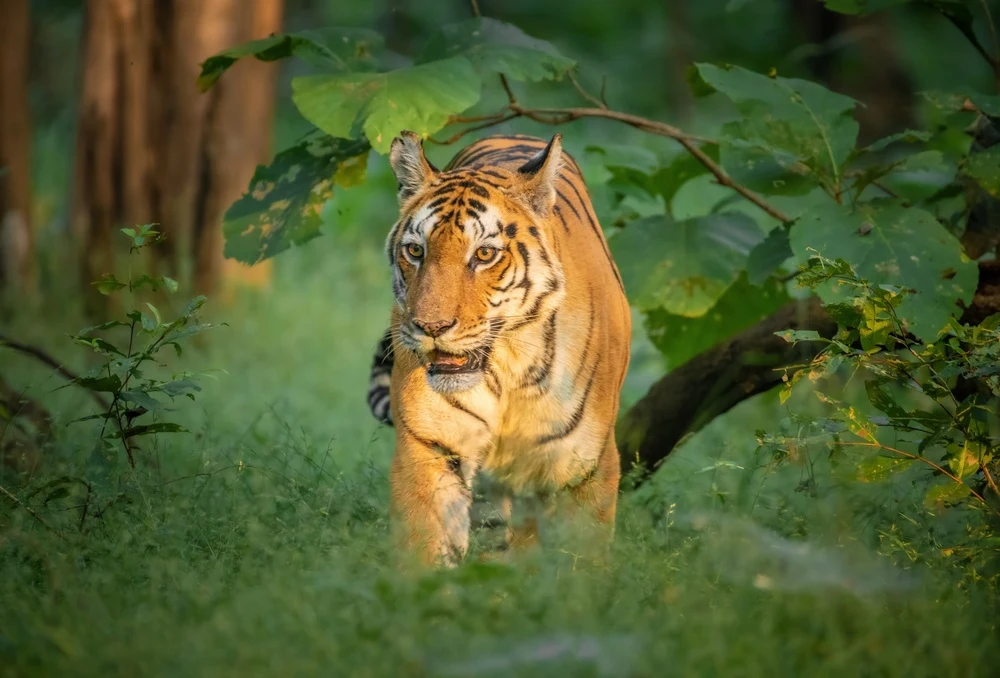


About Pench National Park, Madhya Pradesh
Pench National Park, straddling the Seoni and Chhindwara districts of Madhya Pradesh along the Maharashtra border, is the legendary landscape that inspired Rudyard Kipling's The Jungle Book. Named after the pristine Pench River that flows 74 km through the park from north to south, this 1,180 sq km tiger reserve is home to the storied legacy of Collarwali – one of India's most celebrated tigresses who raised 29 cubs in her lifetime. Pench National Park (MP side) is renowned for its accessible tiger sightings, well-managed safari infrastructure, teak-dominated forests, and over 325 bird species. Awarded 'Best Maintained Tourist Friendly National Park' by the Ministry of Tourism (2006–07), Pench National Park offers a perfect blend of big-cat encounters, scenic river landscapes, and Kipling's literary magic.
- Area (MP Side)1,179.63 sq km
- Established1977
- StateMadhya Pradesh
- DistrictsSeoni & Chhindwara
- Entry Gates (MP)8
Pench Travel Guide
Biodiversity
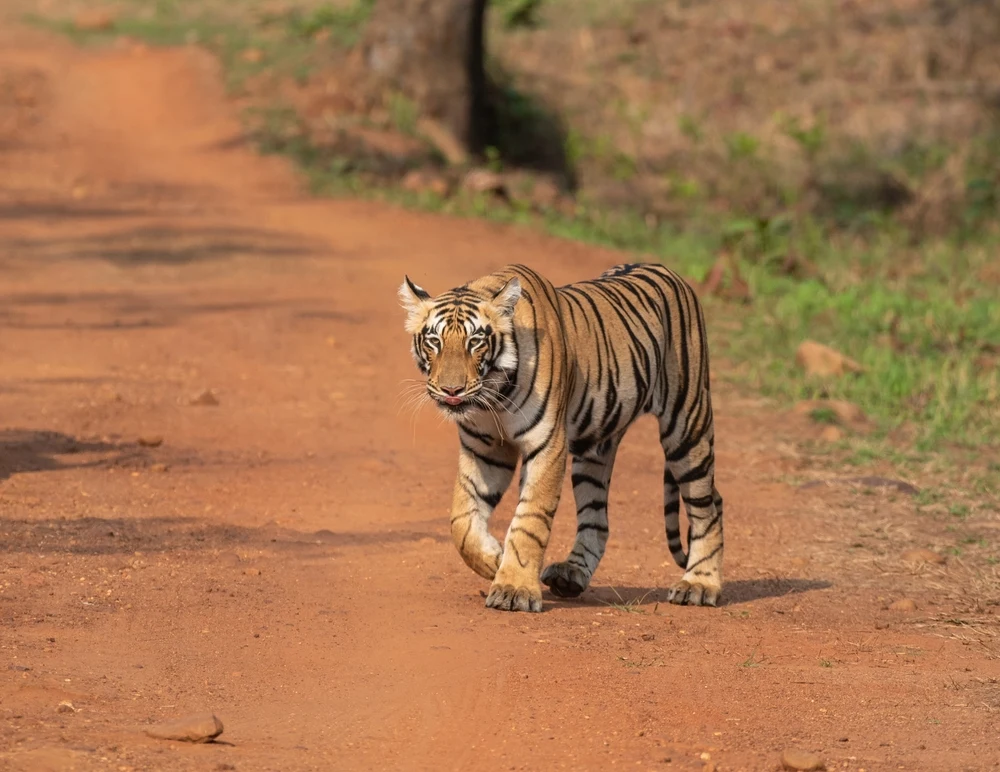
Wildlife
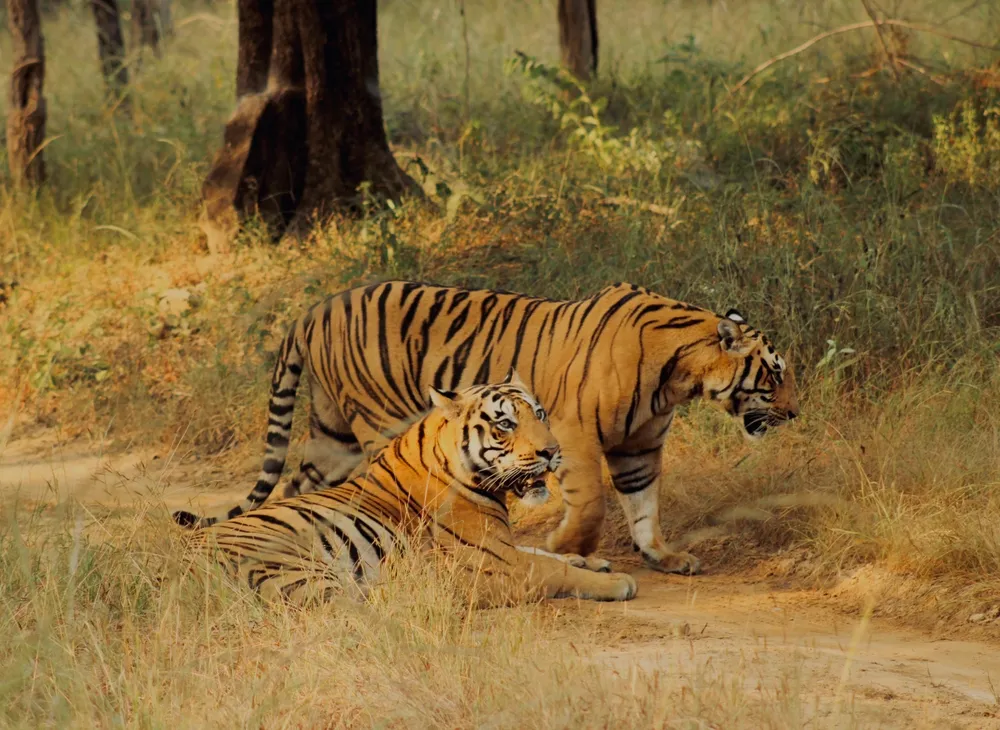
Pench hosts Bengal tigers, leopards, wild dogs (dhole), Indian wolves, sloth bears, Indian gaur, sambar, chital, nilgai, four-horned antelope, chinkara, barking deer, wild boar, and Indian fox.

Flora
Pench National Park features teak-dominated dry deciduous forests, bamboo clusters, and grasslands, with species like mahua, tendu, and palash supporting diverse flora and seasonal ecological cycles.

Landscape
Undulating terrain in the lower Satpura range with teak-dominated dry deciduous forests, mixed woodlands, grasslands from relocated villages, the Pench River corridor, and Totladoh reservoir.
Safari Guide
Best Time to Visit
Things to Do
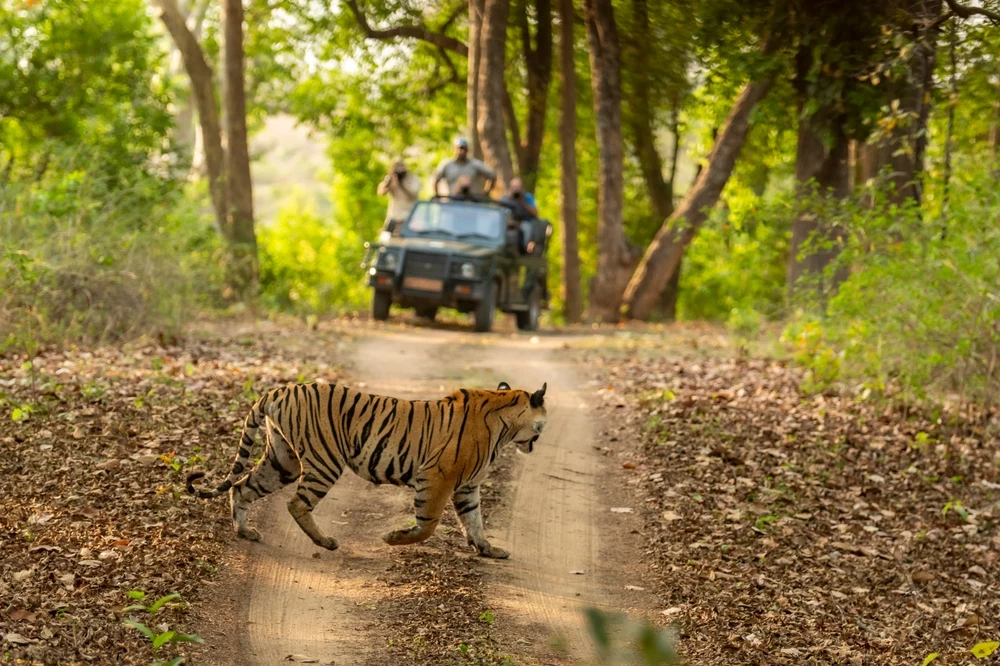
Jeep Safari
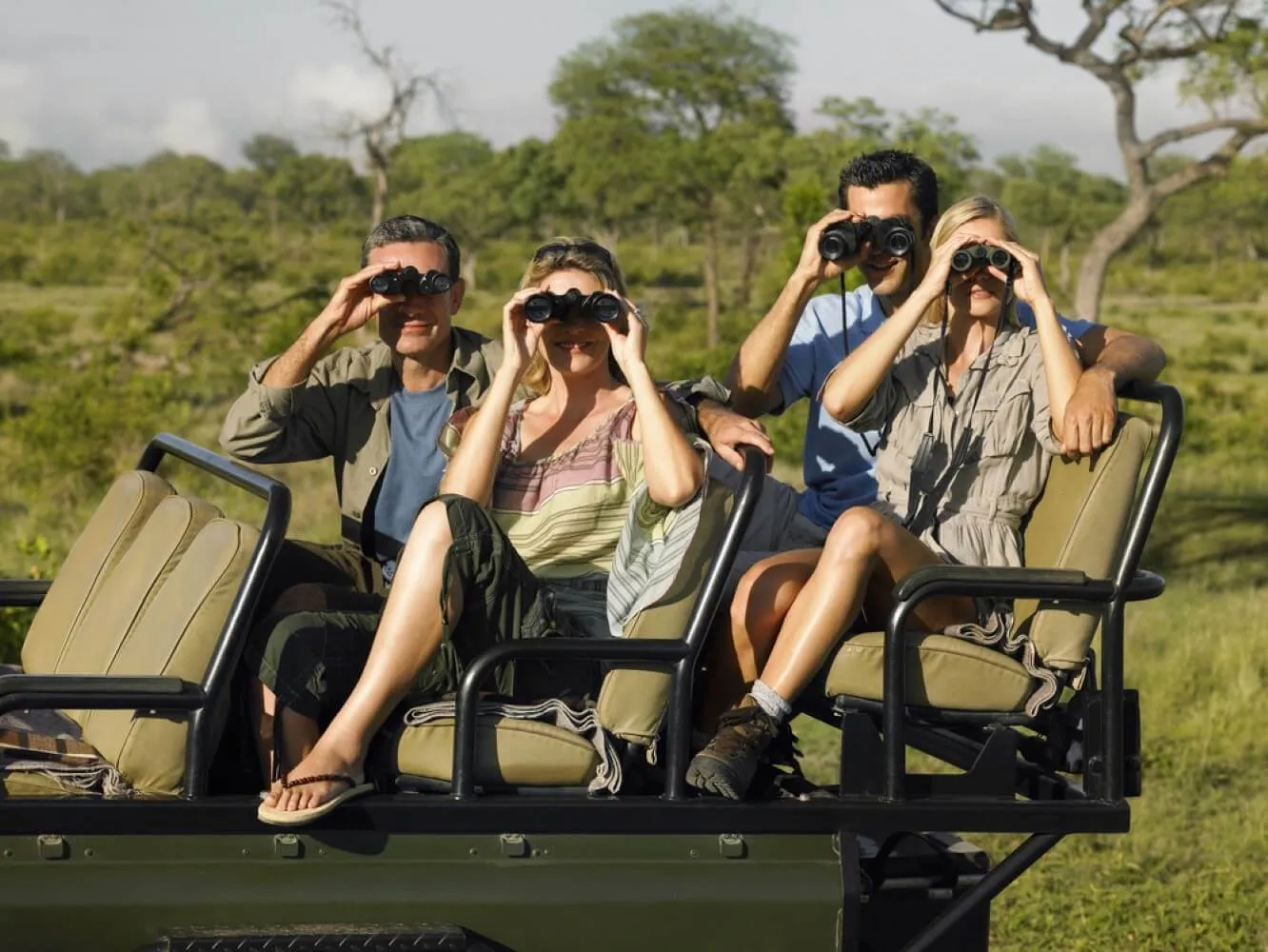
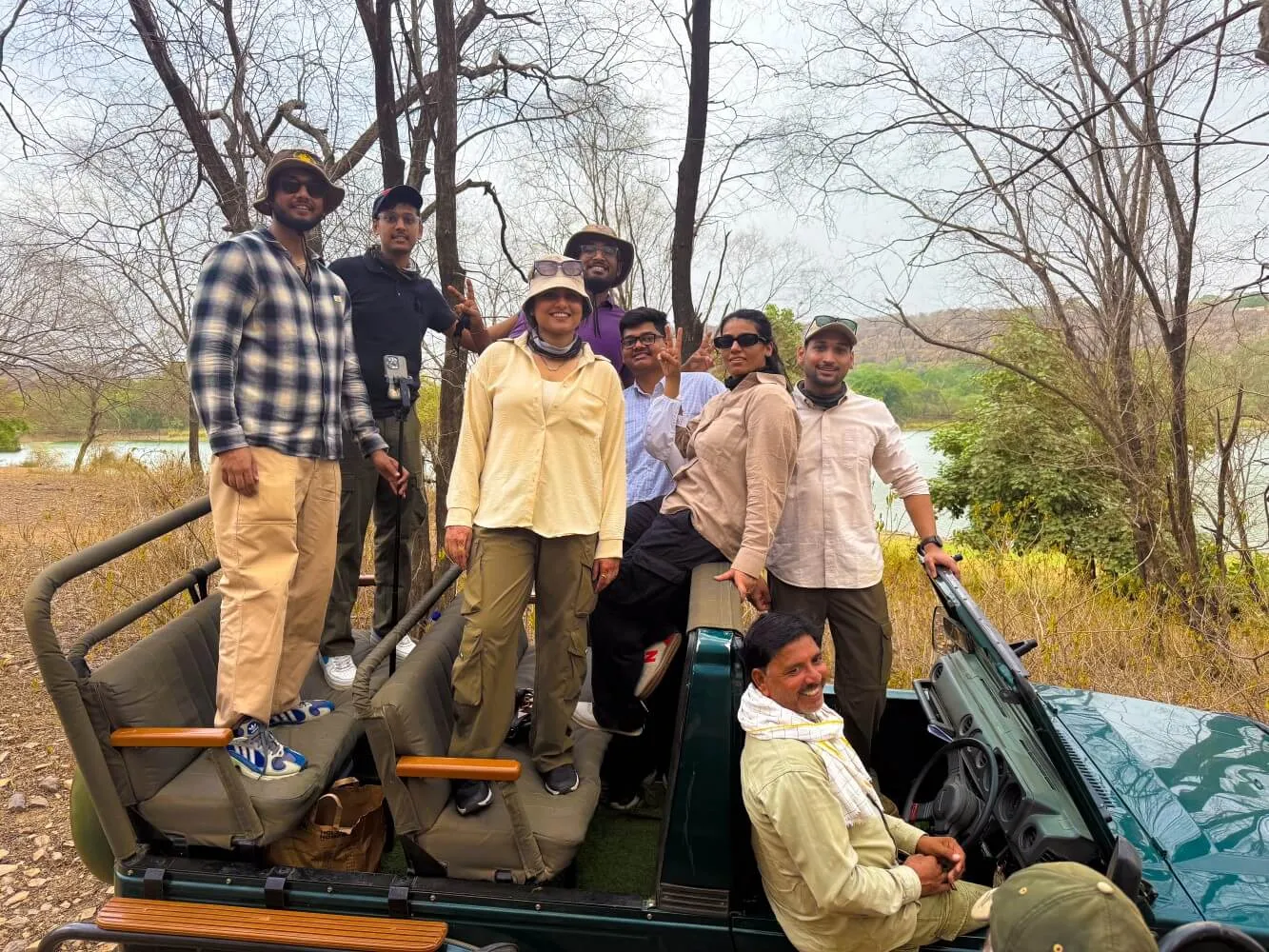
Explore Turia, Karmajhiri, and Jamtara core zones in open 4x4 vehicles with naturalists tracking tigers and leopards.
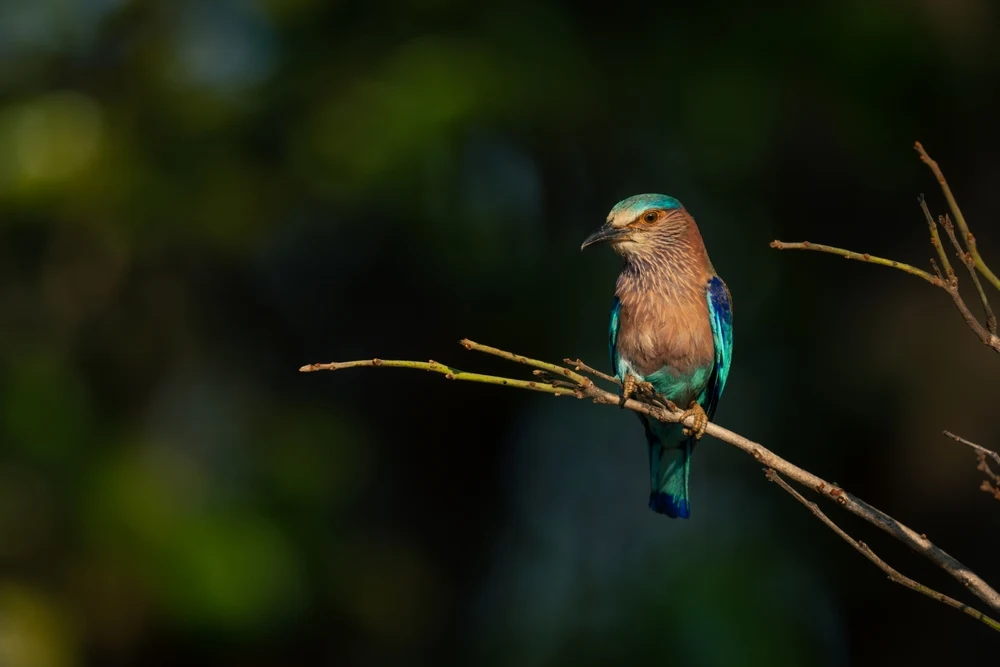
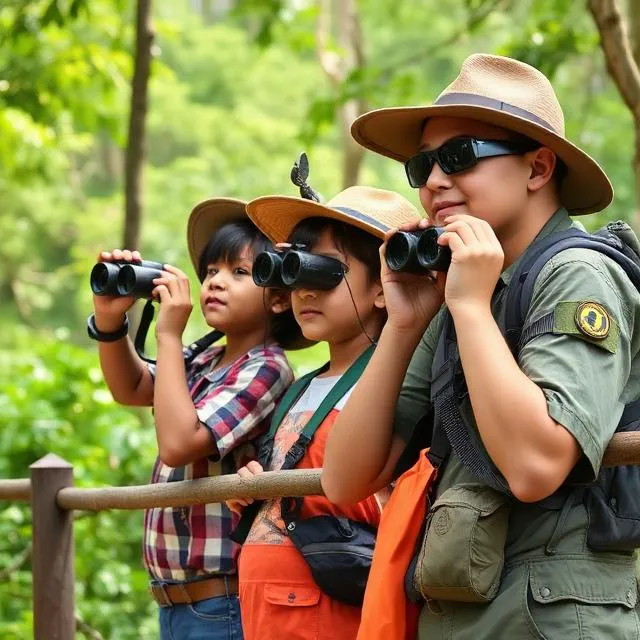
Bird Watching
Spot 325+ species including hornbills, fish eagles, pittas, and migratory waterfowl around Totladoh reservoir and forest streams.

Wildlife Photography
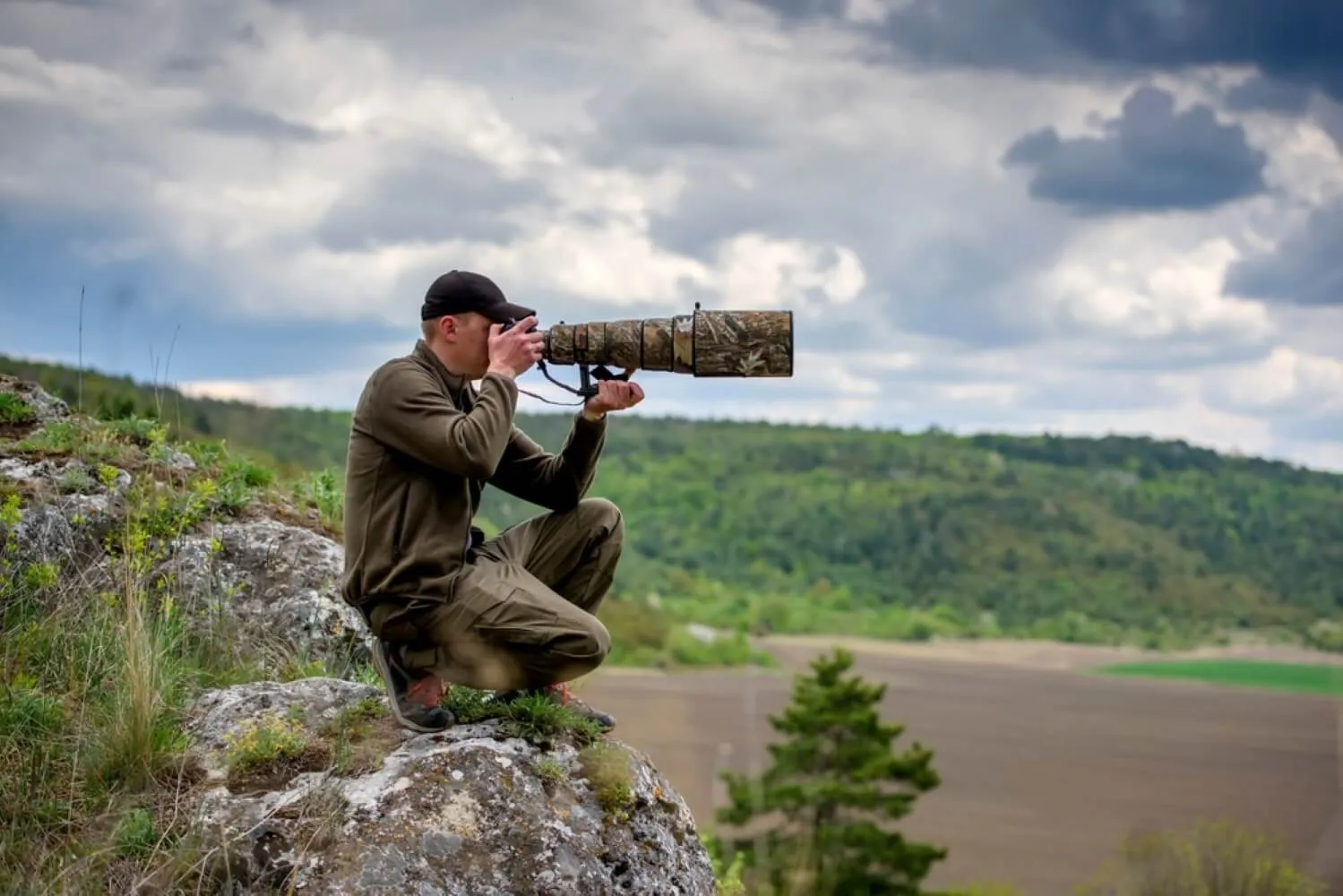
Capture iconic moments at Baginnalla waterhole, Alikatta viewpoint, and along the Pench River where predators patrol.

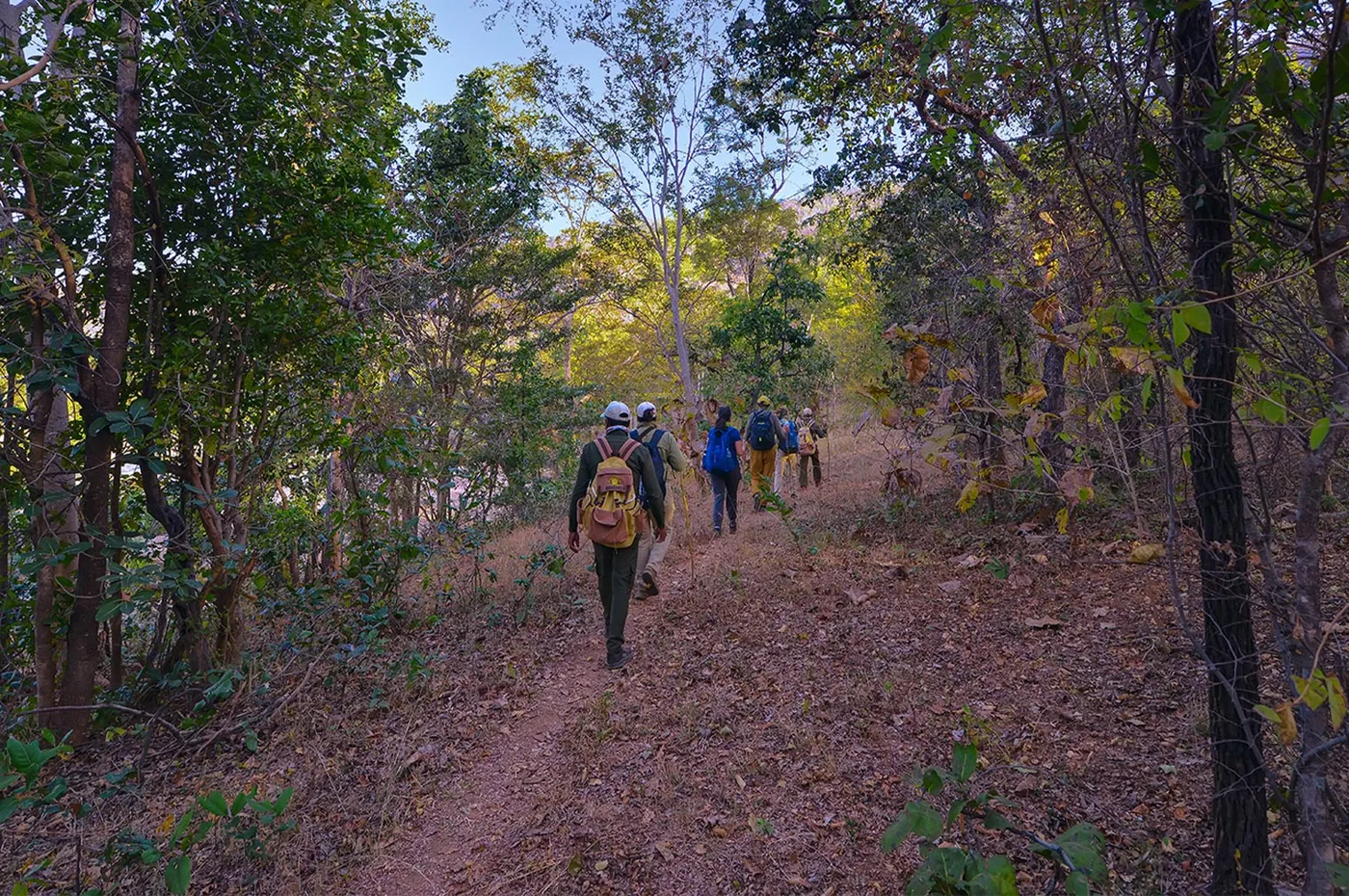
Nature Walk
Guided walking trails in Rukhad buffer zone including the Runi Jhooni walking trail near Karmajhiri gate.

Village & Tribal Experience
Visit Gond tribal villages, explore weekly haats (bazaars), purchase handicrafts, and learn about Mansingh Deo legends.

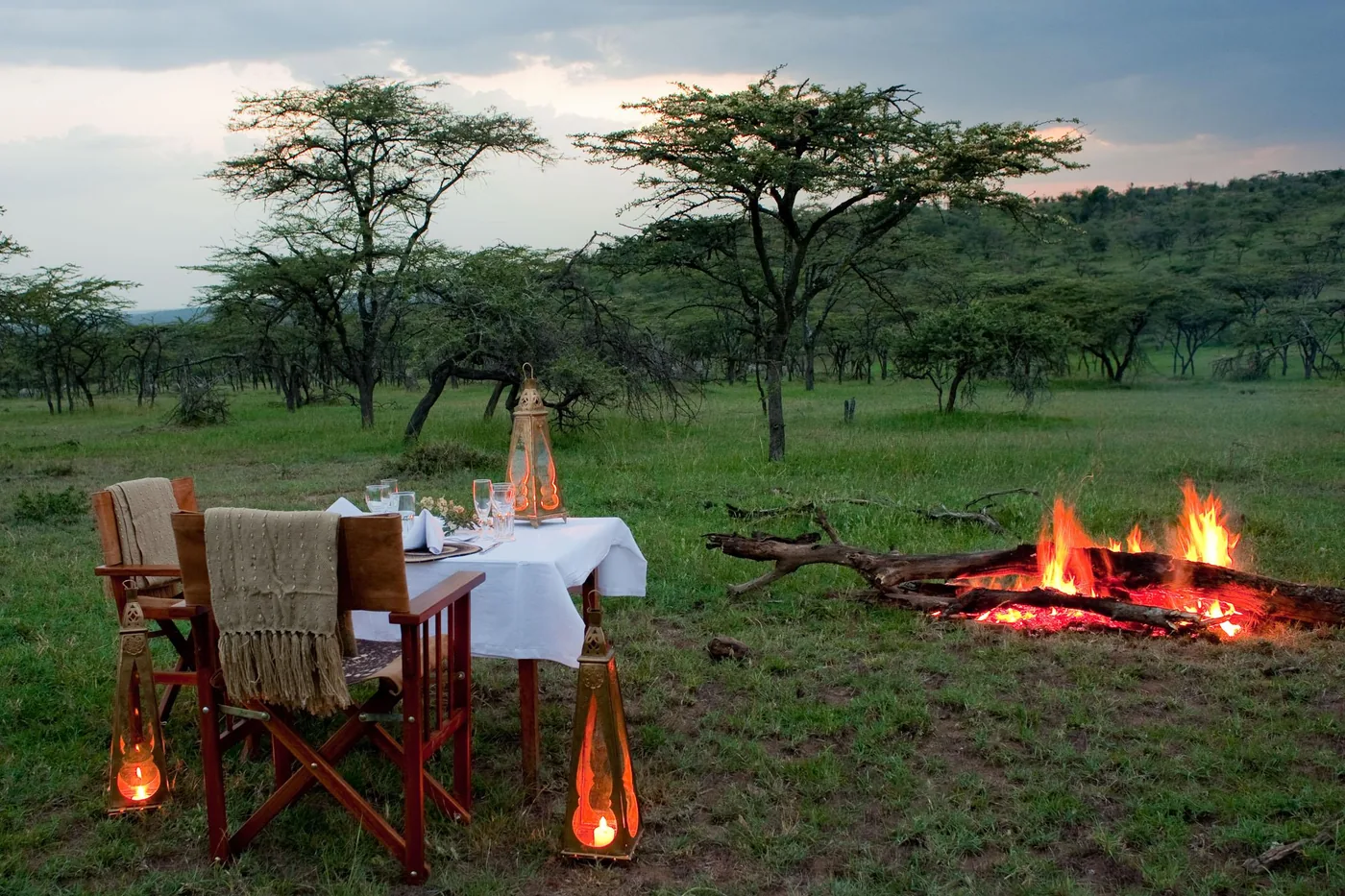
Bush Dinner
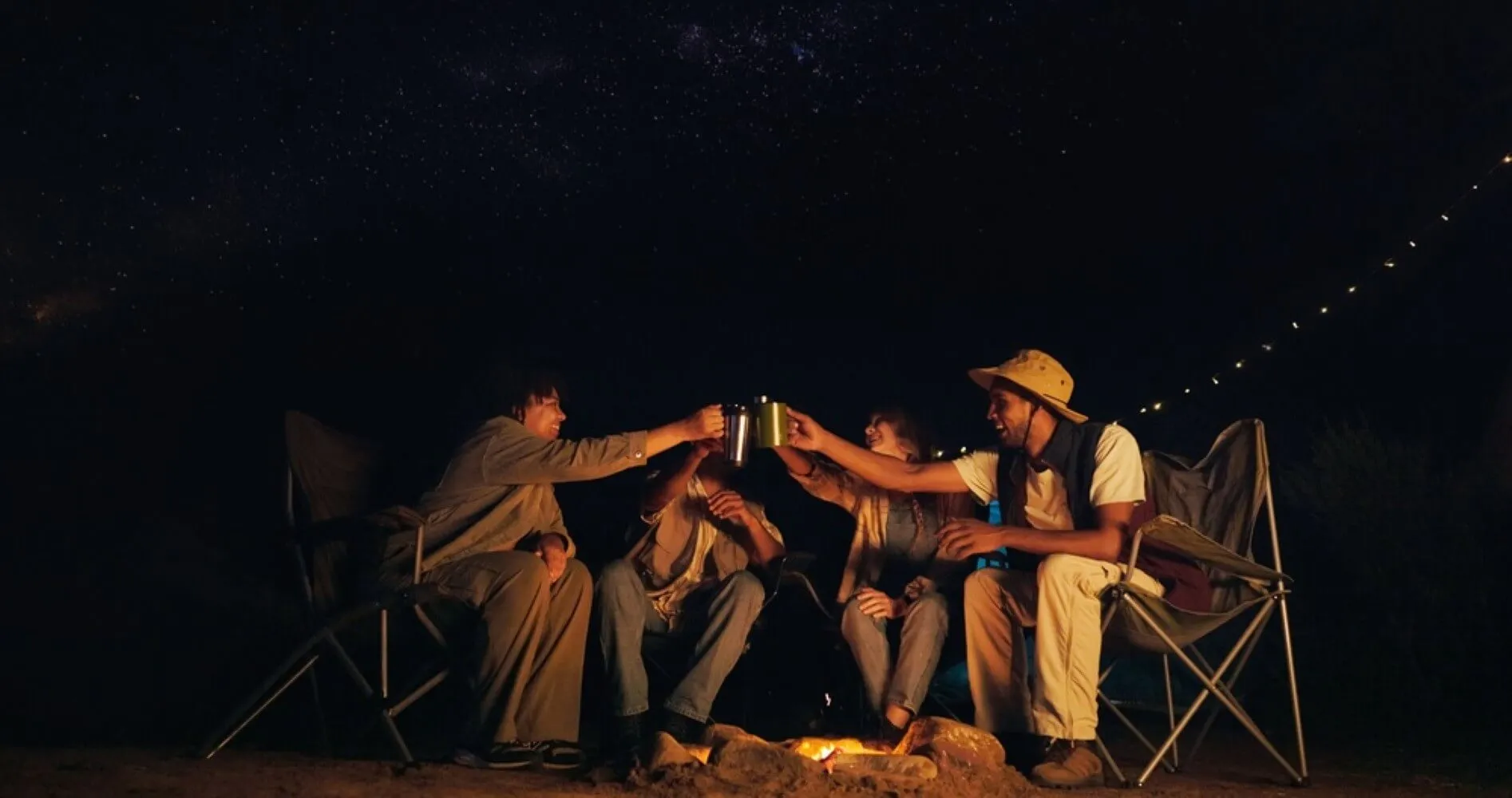
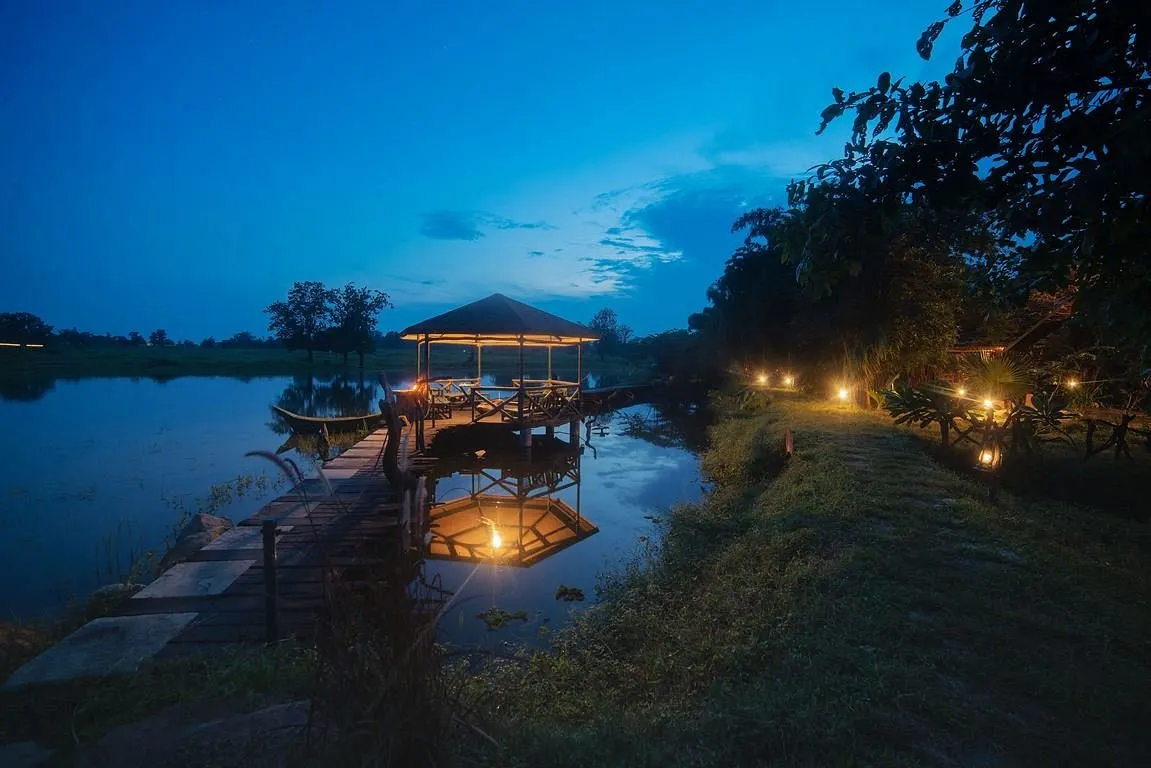
Dine under the stars at curated forest-edge setups by eco-lodges near Turia gate with campfire storytelling.

Sundowners
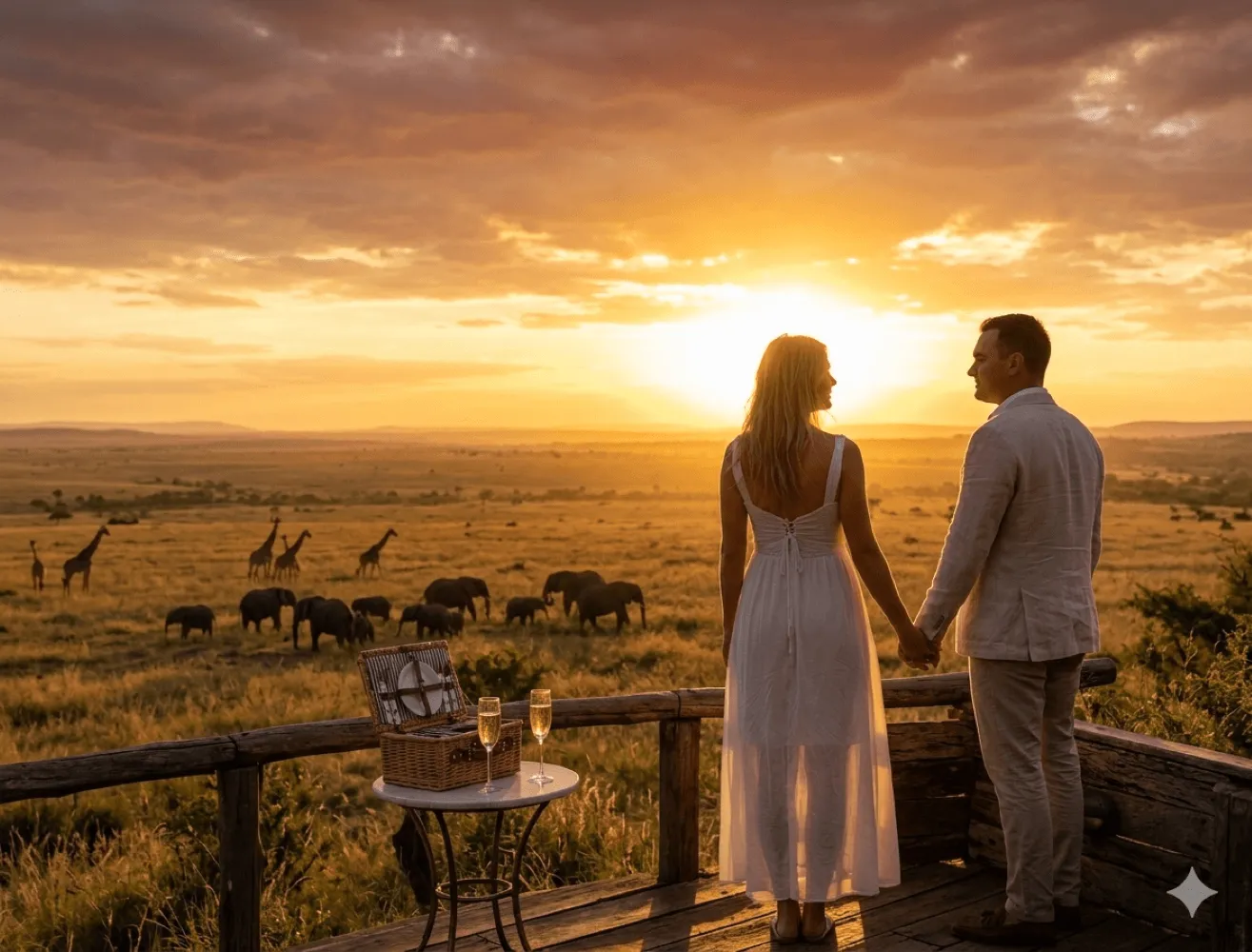
Enjoy golden-hour beverages overlooking the Pench River landscape as the teak forest transitions to twilight.
How to Reach
Attractions
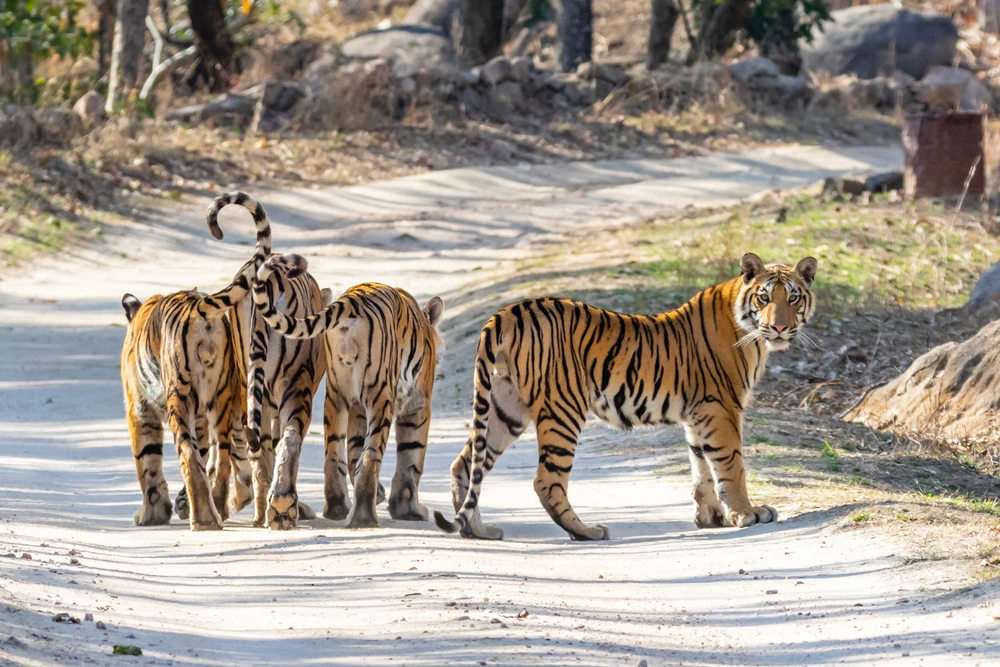
Turia Gate
The oldest and most popular core entry gate, located near NH-44, with the highest tiger sighting frequency and the Pench Wildlife Museum.

Karmajhiri Gate
The eastern core gate known for scenic undulating terrain, vibrant birdlife, and access to the Runi Jhooni walking trail.

Jamtara Gate
The third core gate in Chhindwara district, offering quieter safaris with good herbivore and predator sightings.

Pench River
The park's lifeline flowing 74 km north to south, dividing the park and sustaining diverse wildlife along its corridor.
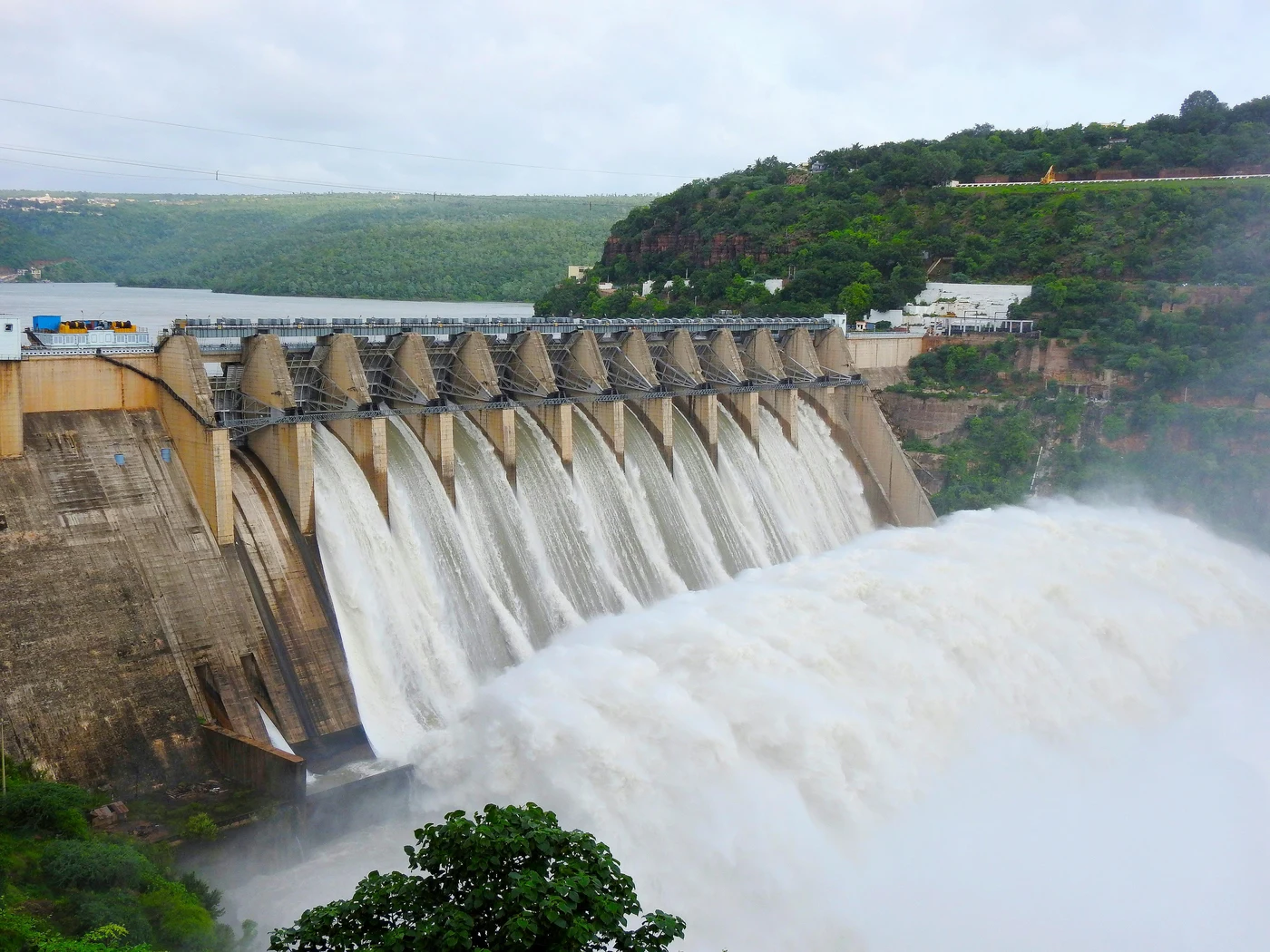
Totladoh Dam
A massive reservoir (72 sq km) on the Pench River attracting large herbivore herds, crocodiles, and spectacular waterbird congregations.

Alikatta Watch Tower
An elevated observation point deep inside the core zone offering panoramic views and excellent wildlife photography opportunities.
Pench Tour Packages
From iconic jungle safaris to relaxing forest retreats, every Pench package is tailored around your travel preferences, wildlife interests, and comfort.


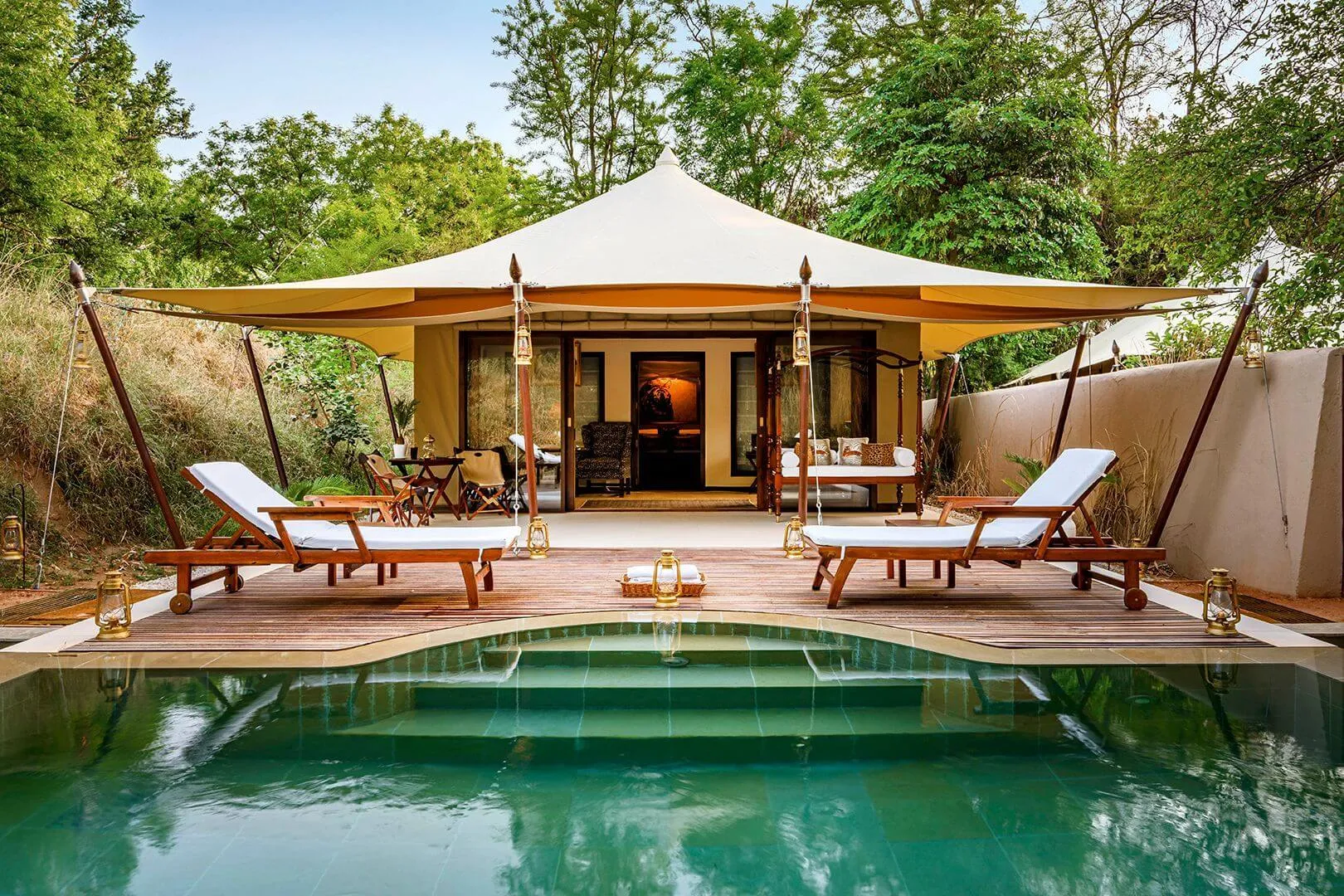

Pench Hotels & Resorts — Luxury Jungle Lodges
We partner with Pench's finest jungle lodges and safari retreats—handpicked for their warm hospitality, expansive forest landscapes, and unforgettable wildlife experiences.
Stay at Pench National Park, Madhya Pradesh's finest handpicked wildlife lodges, where comfort meets the untamed wilderness.






Signature Experiences, Curated Around Pench
From nature-inspired experiences and peaceful moments in the wild to authentic local encounters, every experience is curated to enrich your Pench safari.












Nearby Destinations to Pench

Nagpur
Orange City & Gateway

Kanha National Park
Barasingha Country
Satpura National Park
Walking Safari Paradise

Tadoba Tiger Reserve
Maharashtra's Tiger Jewel

Pachmarhi
MP's Hill Station
Seoni
Kipling's Mowgli Town

Bandhavgarh NP
Highest Tiger Density
Other Parks in Madhya Pradesh


Other Parks in India


Pench National Park, Madhya Pradesh — FAQ's
Where is Pench National Park located?
Pench National Park (Madhya Pradesh side) is located in the Seoni and Chhindwara districts of Madhya Pradesh, India, in the lower Satpura range along the Maharashtra border. The nearest major city is Nagpur (~90 km). NH-44 (Delhi–Chennai highway) passes alongside the park, making it one of India's most accessible tiger reserves.
What is Pench National Park famous for?
Pench National Park is famous as the real-life setting of Rudyard Kipling's The Jungle Book. The Wainganga River valley, Seoni's forests, and the landscape described in Kipling's stories are all actual locations in and around Pench. The park is also celebrated for the legendary tigress Collarwali, who raised 29 cubs and starred in a BBC documentary, and for its excellent, well-managed safari infrastructure.
Which animal is most famous in Pench National Park?
The Royal Bengal Tiger is Pench's most famous animal. The legendary tigress Collarwali (T-15, 2005–2022) became one of India's most beloved wild tigers, earning a Guinness-level reputation for raising 29 cubs across 8 litters. Her mother Badi Mada starred in BBC's Tiger: Spy in the Jungle. Today, Collarwali's descendants continue to dominate Pench's tiger territories.
What is the best time to visit Pench National Park?
October to March is ideal with pleasant weather (4–28°C) and excellent birding. April to June is the prime tiger sighting season – hot (up to 42°C) but trees shed leaves maximising visibility. Core zones close during monsoon (July–September); buffer zones remain open year-round.
Is Pench National Park open throughout the year?
The core zones (Turia, Karmajhiri, Jamtara) are open from 1st October to 30th June. They close during the monsoon (July–September). However, buffer zones including Rukhad, Wolf Sanctuary, Telia, and Khawasa remain open throughout the year, including during monsoon, offering night safaris and cycling experiences.
How many tigers are in Pench National Park?
Pench National Park (MP side) hosts an estimated 65–70 tigers. The park has a strong breeding population, with Collarwali's descendants forming a significant part of the current tiger community. Tiger sightings are frequent, particularly in the Turia zone around waterholes like Baginnalla and Junewani.
What animals can be seen in Pench National Park?
Beyond tigers, Pench shelters leopards, wild dogs (dhole), Indian wolves, sloth bears, Indian gaur (bison), sambar, chital, nilgai, four-horned antelope (chowsingha), chinkara, barking deer, wild boar, jungle cats, Indian foxes, and marsh crocodiles. Over 325 bird species include Malabar pied hornbill, Indian pitta, crested serpent eagle, osprey, and grey-headed fish eagle.
Which safari zones are best in Pench National Park?
Turia Zone is the most popular and oldest core zone with the highest tiger sighting frequency, multiple waterholes, and the Pench Wildlife Museum. Karmajhiri Zone is known for scenic undulating terrain and vibrant birdlife. Jamtara Zone is quieter with good herbivore sightings. Rukhad buffer zone offers cycling, walking trails, and consistent tiger sightings.
What types of safaris are available in Pench National Park?
Pench offers morning and evening jeep safaris (~3–4 hours each) in core zones, full-day safaris for photographers, night safaris in the Wolf Sanctuary buffer zone, cycling excursions in Rukhad buffer, nature walks (Runi Jhooni trail near Karmajhiri), and village cultural tours. Buffer safaris are available year-round.
How many days are enough for Pench National Park?
Two to three days with 4–6 safaris is ideal for Pench National Park. This allows exploration of multiple zones and maximises tiger sighting chances. Combining Pench with Kanha National Park (~200 km) creates a perfect 5–7 day Central India wildlife circuit.
How to reach Pench National Park?
Fly to Nagpur Airport (90 km, ~2 hours by taxi) – India's best-connected gateway to Central Indian wildlife. By train, reach Nagpur Junction or Seoni station. By road, Pench is directly on NH-44 (Delhi–Chennai highway), making it accessible from Nagpur, Jabalpur, and Bhopal. Lodge transfers from Nagpur are recommended.
What are the main attractions near Pench National Park?
Within the park: Turia Gate & Wildlife Museum, Pench River, Totladoh Dam, Alikatta Watch Tower, Baginnalla waterhole. Nearby: Nagpur (90 km), Kohka Lake, Gond tribal villages, Mansingh Deo temples, Kanha NP (200 km), Tadoba Tiger Reserve (200 km), and Satpura NP (240 km).
Is Pench National Park safe for tourists?
Yes, completely safe. All safaris are conducted with trained naturalists and drivers in approved open-top jeeps. Park rules include maintaining distance from wildlife, staying inside the vehicle, and following guide instructions. Pench is one of India's best-managed tourist-friendly national parks, awarded by the Ministry of Tourism.
Can Pench National Park be visited as a day trip?
A day trip is feasible from Nagpur (~90 km, 2 hours) for a single morning or evening safari. However, to maximise tiger sighting chances across multiple zones and enjoy the full Jungle Book experience, staying overnight near Turia or Karmajhiri gate for at least 2 days is strongly recommended.
What makes Pench National Park unique among tiger reserves in India?
Pench is the real-life Jungle Book landscape – Kipling's Mowgli story was based on actual locations in Seoni district around Pench. It is home to the legacy of Collarwali, India's most famous wild tigress. Its location on NH-44 makes it the most accessible Central Indian tiger reserve. The transboundary nature (MP-Maharashtra) offers dual-state safari experiences. Night safaris in the Wolf Sanctuary and year-round buffer zone access add unique dimensions.
How to book safari in Pench National Park MP?
Safaris in Pench National Park can be booked online through Wild Enthusiast's safari booking third party platform up to 120 days in advance. You need a valid government ID (Aadhar, passport, or driving license). Advance booking is strongly recommended, especially for Turia and Karmajhiri core gates.
About Pench National Park, Madhya Pradesh
Pench National Park is a wildlife wonderland immortalised by Rudyard Kipling's The Jungle Book. Spanning the Seoni and Chhindwara districts of Madhya Pradesh and extending into Maharashtra's Nagpur district, this transboundary park takes its name from the Pench River, which flows 74 km through the park from north to south, dividing it into nearly equal eastern and western blocks.
The area was first declared a sanctuary in 1977, carved into a national park in 1983, and became India's 19th Tiger Reserve under Project Tiger in 1992. The MP side alone encompasses 1,180 sq km (411 sq km core + 768 sq km buffer), with three core entry gates – Turia, Karmajhiri, and Jamtara – and multiple buffer zone access points. The park's location directly on NH-44 (the Delhi–Chennai highway) makes it one of India's most accessible tiger reserves.
Pench's greatest claim to fame beyond Kipling is the legendary tigress Collarwali (T-15, 2005–2022), who became India's most photographed and beloved wild tiger. Named after being the first tigress in the park radio-collared in 2008, she raised 29 cubs across 8 litters, many of whom now hold territories across Pench and neighbouring reserves. Her mother, Badi Mada, featured in BBC's Tiger: Spy in the Jungle, bringing Pench global fame.
Quick Facts about Pench National Park, Madhya Pradesh
| Feature | Details |
|---|---|
| Full Name | Pench National Park (Indira Priyadarshini Pench NP) |
| Location | Seoni & Chhindwara, Madhya Pradesh |
| Total Area (MP) | 1,179.63 sq km |
| Core | 411.33 sq km |
| Buffer | 768.3 sq km |
| Tigers | ~65–70 |
| Mammals | 40+ species |
| Birds | 325+ species |
| Key River | Pench River (74 km through park) |
| Core Gates | Turia, Karmajhiri, Jamtara |
| Best Time | October to June |
| Park Partially Closed | 1st July to 30th September (Monsoon) — only buffer zone is open |
| Literary Fame | Rudyard Kipling's The Jungle Book |
| Iconic Tigress | Collarwali (T-15, 29 cubs, 2005–2022) |
Pench lies in the lower reaches of the Satpura range, with undulating terrain covered predominantly by teak-dominated dry deciduous forests. The Pench River bisects the park, and the Totladoh Dam on the river creates a 72 sq km reservoir (54 sq km in MP), which serves as a critical water source and attracts large congregations of herbivores and waterbirds. The terrain ranges from gently rolling hills to flat grasslands created by village relocations.
The three core tourism zones – Turia (147 sq km western block), Karmajhiri (145 sq km eastern block), and Jamtara – offer distinct safari experiences. Turia is the most popular with the highest tiger density, Karmajhiri is known for scenic beauty and birding, and Jamtara offers a quieter wilderness experience. Buffer zones including Rukhad, Telia, Wolf Sanctuary, and Khawasa extend the safari opportunities year-round, with night safaris available in the Wolf Sanctuary.
History of Pench National Park, MP
Pench's forests have literary roots stretching to 1894, when Rudyard Kipling published The Jungle Book. The Wainganga River valley, Seoni's villages, and the surrounding forests described in Mowgli's story are all real locations in the Pench landscape. A historic 1831 account of a child raised by wolves near Seoni village Satbavadi is believed to have inspired Kipling's Mowgli.
The area was declared a sanctuary in 1977, national park in 1983, and Tiger Reserve (19th in India) in 1992 under Project Tiger. In 2006–07, Pench received the Ministry of Tourism's 'Best Maintained Tourist Friendly National Park' award. The park's fame soared through the BBC's Tiger: Spy in the Jungle featuring tigress Badi Mada and her daughter Collarwali, who went on to become India's most celebrated wild tiger until her death in January 2022 at age 16. Her sister Langdi (T-20) lived to 18, passing in March 2026.
Flora & Fauna of Pench National Park, MP
Teak-dominated dry deciduous forest covers about one-quarter of the area. Mixed species include salai, moyan, tendu, mahua, palash, and arjun along rivers. About 82 grass species and bamboo documented. Grasslands from 24+ relocated villages support the herbivore prey base. Forest transitions from dry mixed woodland to moist riverine vegetation along the Pench River.
Tigers (65–70), leopards, wild dogs (dhole), Indian wolves, sloth bears, striped hyenas, jungle cats, Indian foxes. Herbivores: gaur, sambar, chital, nilgai, four-horned antelope, chinkara, barking deer, wild boar. Over 325 bird species: Malabar pied hornbill, Indian pitta, crested serpent eagle, grey-headed fish eagle, osprey, paradise flycatcher, and migratory waterfowl on Totladoh reservoir.
Conservation & Literary Legacy
Conservation Efforts
Pench National Park has a strong conservation track record. The successful breeding lineage of Collarwali – 29 cubs across 8 litters, with 17 of her first 22 cubs surviving to adulthood – demonstrates the park's excellent habitat management. Anti-poaching patrols, camera-trap monitoring, village relocations creating new grassland habitats, and community engagement with Gond tribal populations have contributed to a stable and growing tiger population. The park's transboundary nature with Maharashtra adds corridor connectivity for wildlife dispersal.
The Jungle Book Connection
Pench National Park holds a unique place in world literature. Rudyard Kipling's 1894 masterpiece The Jungle Book was explicitly inspired by the forests around Seoni and the Pench/Wainganga river valleys. The characters – Shere Khan (tiger), Akela and Raksha (wolves), Baloo (sloth bear), Bagheera (leopard), and Kaa (python) – all have real-life counterparts in Pench's wildlife. The Gond tribal legend of Mansingh Deo, who reportedly rode a tiger into the local bazaar, adds to the mythical dimension. Every safari in Pench is a walk through the pages of this timeless story.
Collarwali – India's Legendary Tigress
No account of Pench is complete without Collarwali (T-15, 2005–2022). Born in 2005 as the daughter of Badi Mada, she was the first tigress in Pench to be radio-collared in 2008, earning her iconic name. Unusually large for a female and remarkably comfortable with human presence, she became the most frequently sighted tiger in the park. Her record of 29 cubs in 8 litters made her one of the most productive wild tigresses ever documented. Her descendants now hold territories across Pench and beyond, ensuring her genetic legacy endures in India's tiger population.